Vertigo Diet: Foods That May Help and Foods to Limit
Medical note: This article discusses foods and researched botanicals. It does not claim to prevent, treat, or cure disease. Supplements are not a substitute for food, and studied amounts are not personal prescriptions.
People searching “vertigo diet foods that help or worsen” usually want practical kitchen habits that may reduce spinning triggers and support recovery from inner-ear or balance problems—not a claim that meals cure vertigo, replace the Epley maneuver, vestibular therapy, or stroke evaluation. MedlinePlus defines vertigo as a sensation of motion or spinning that is different from simple lightheadedness. NIDCD explains that about 15 percent of American adults (33 million) had a balance or dizziness problem in 2008, and that causes include medications, ear infection, head injury, low blood pressure on standing, and problems in the inner ear or brain.
What this vertigo diet guide covers (and what it does not)
This guide is for adults with episodic spinning, unsteadiness, or clinician-diagnosed peripheral vertigo who want eating and fluid defaults while ENT, neurology, or primary-care workup continues. Anchors: MedlinePlus — Vertigo-associated disorders, NIDCD — Balance Disorders, and NIDCD — Ménière’s Disease for the salt-focused subset of cases.
MedlinePlus lists peripheral causes such as BPPV, vestibular neuronitis, labyrinthitis, Ménière disease, and ototoxic medicines, and central causes such as stroke, migraine, multiple sclerosis, and certain medicines including alcohol. Sudden double vision, slurred speech, facial paralysis, limb weakness, or a headache unlike your usual attacks can be emergencies—call local emergency services, not a kitchen experiment. Related reading: vertigo and Ménière’s diet guide, Ménière’s disease diet guide, and vestibular migraine diet guide.
Evidence snapshot: vertigo diet claims vs public sources
| Claim people hope for | What public sources actually say | Confidence |
|---|---|---|
| “One vertigo diet cures every spinning attack” | MedlinePlus/NIDCD treat cause first (BPPV repositioning, infection care, medicines, rehab); diet is not a universal cure | Strong: food is supportive and cause-specific |
| “Salt restriction helps all vertigo” | NIDCD salt/diuretic guidance is framed for Ménière’s (about 1,500–2,000 mg sodium/day may help control symptoms)—not proven for every BPPV or neuronitis case | Moderate for Ménière’s; weak as a blanket rule |
| “Dehydrate to dry out the inner ear” | NIDCD Ménière’s pages discuss salt and clinician-guided diuretics—not intentional dehydration; balance attacks already raise fall risk | Strong against DIY dehydration |
| “Alcohol is fine if attacks are ‘just BPPV’” | MedlinePlus lists alcohol among medicines/substances linked with central vertigo patterns; alcohol also worsens imbalance and sleep | Moderate–strong to limit during active dizziness |
| “Diet replaces Epley or vestibular rehab” | NIDCD: BPPV often needs repositioning maneuvers; many people need individualized vestibular rehabilitation | Strong: diet does not replace maneuvers |
Foods and patterns that may help with vertigo day to day
“May help” means supporting hydration, steadier blood pressure at meals, and Ménière’s-aligned sodium habits when your clinician recommends them—not a promise that breakfast stops every spin.
Cause-aware defaults (not one plate for all)
- – BPPV: NIDCD links brief position-triggered spins to loose otoconia; kitchen focus is safe timing of meals around maneuvers and avoiding alcohol that worsens imbalance—not a special “BPPV diet.”
- – Labyrinthitis / vestibular neuronitis: often follow viral illness; soft, frequent small plates and steady fluids may help while nausea settles and rehab starts.
- – Ménière’s-pattern attacks (vertigo plus hearing change, tinnitus, fullness): NIDCD may recommend limiting dietary salt to about 1,500–2,000 mg/day and, if prescribed, a diuretic; quitting smoking may also reduce symptoms. See Ménière’s disease diet guide.
Steady fluids and meal timing
- – Sip water across the day so you are not swinging between dry mornings and large evening loads that leave you rushing to the bathroom while dizzy.
- – Prefer smaller, more frequent meals if large plates worsen nausea during attacks (MedlinePlus notes nausea and vomiting can lead to fluid loss).
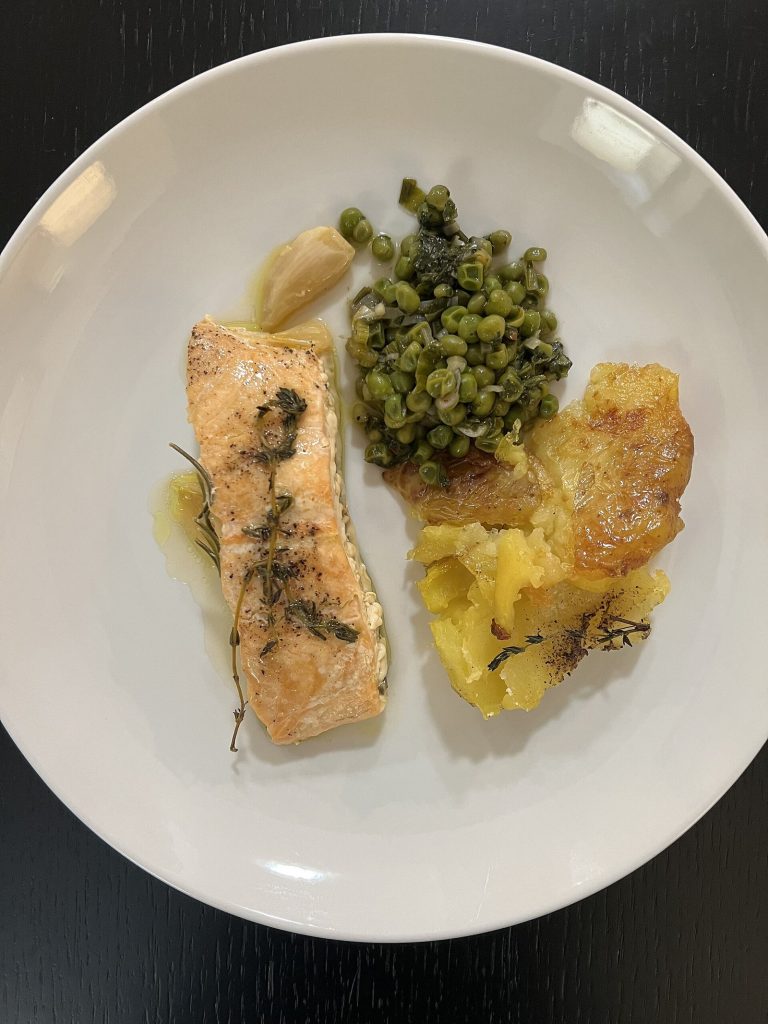
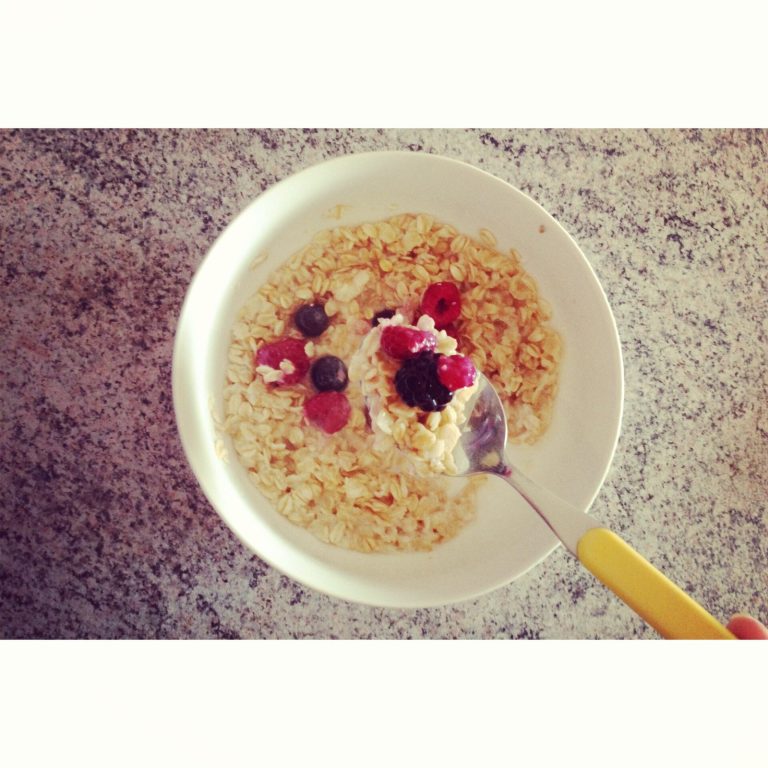
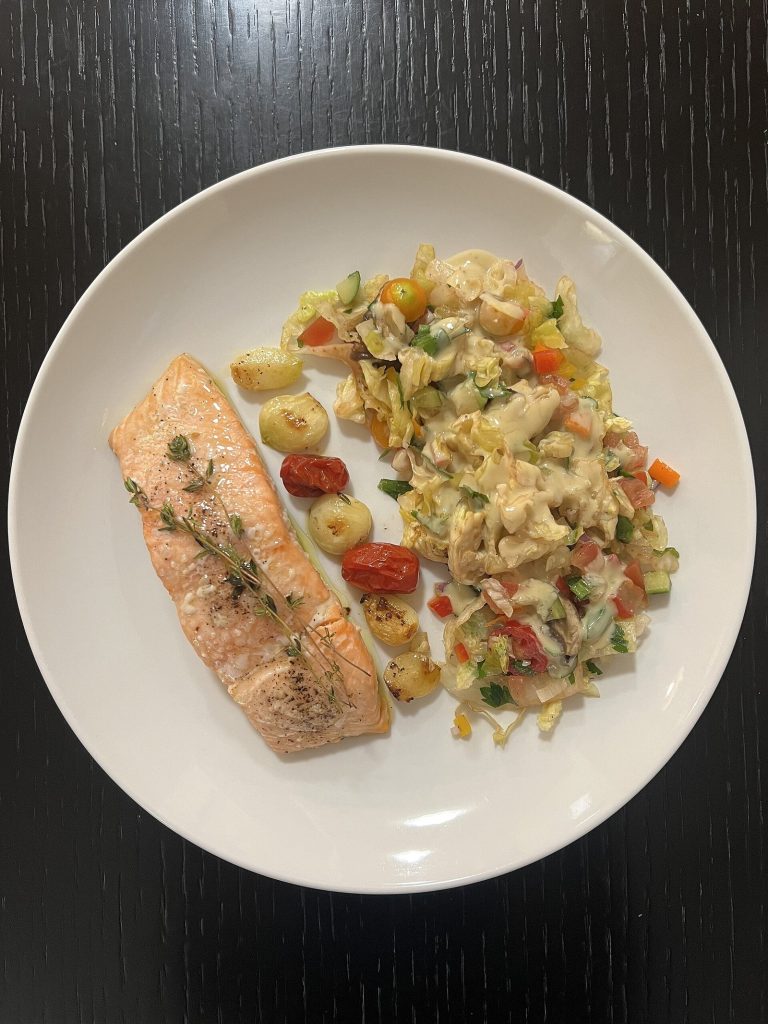
- – Keep easy, low-prep options ready: oatmeal, yogurt, toast, bananas, clear broth, steamed vegetables, baked fish or eggs—so you are not cooking while the room spins.
Sodium awareness when Ménière’s is diagnosed or suspected
- – Cook from fresh ingredients; read labels on soups, sauces, deli meats, pickles, and snack packs.
- – Do not add over-the-counter “water pills” on top of a prescribed diuretic.
- – If your clinician has not recommended sodium restriction, do not assume every vertigo type needs a 1,500 mg target.
Blood-pressure and standing-dizziness kitchen notes
- – NIDCD notes low blood pressure can cause dizziness when you stand quickly. Extremely low-calorie crash diets, skipped meals, and heavy alcohol can worsen orthostatic symptoms for some people.
- – Heart-aware plates that overlap hypertension diet guide themes (vegetables, fruit, whole grains, modest sodium) may help long-term vascular health without claiming they treat BPPV crystals.
Migraine-overlap patterns
- – MedlinePlus lists vestibular migraine among central vertigo causes. If headaches and spins travel together, use a short trigger log (alcohol, irregular meals, dehydration, personal caffeine sensitivity) rather than a permanent elimination of half the pantry—coordinate with migraine diet guide and your clinician.
Foods and habits that often worsen vertigo kitchen patterns
- – Alcohol, listed by MedlinePlus among substances linked with central vertigo patterns and a clear imbalance risk during attacks.
- – Very high-sodium ultra-processed meals when you are on a Ménière’s salt plan (NIDCD).
- – Large caffeine swings for people who notice worse tinnitus, sleep, or migraine-vertigo after coffee, energy drinks, or late cola—test personally rather than assuming universal bans.
- – Skipping fluids after vomiting, which can worsen lightheadedness and fall risk.
- – Unregulated “inner-ear detox” teas or megadose herbs marketed as vertigo cures; NIDCD notes lack of evidence for several alternative products in Ménière’s care and warns they can interact with medicines.
- – Cooking, climbing, driving, or operating machinery during active spinning—MedlinePlus advises avoiding hazardous activities until about a week after symptoms disappear, and seeking emergency care for central-warning signs.
“Limit” means reducing personal triggers and unsafe timing—not permanent bans on every favorite food for every vertigo type.
Practical kitchen protocol: a vertigo-aware week
1. Two-week attack and intake log
Note time of spins, head positions, meals, alcohol, caffeine, salt-heavy restaurant meals, sleep, and hearing/tinnitus changes. Bring the log to ENT or neurology visits.
2. Shopping list for gentle, label-aware plates
Oats; bananas and other soft fruit; leafy greens and colorful vegetables; beans; eggs; yogurt; white fish or other lean proteins; olive oil; unsalted nuts if tolerated; plain water; low-sodium broth; herbs instead of salty sauces when on a Ménière’s plan.
3. Default plate template (between attacks)
- – Half vegetables or salad
- – Quarter protein
- – Quarter whole grains or starchy vegetables
- – Fluid at the table
- – Sodium within the target your clinician set (if any)
4. Sample day (illustrative; adapt if nauseated)
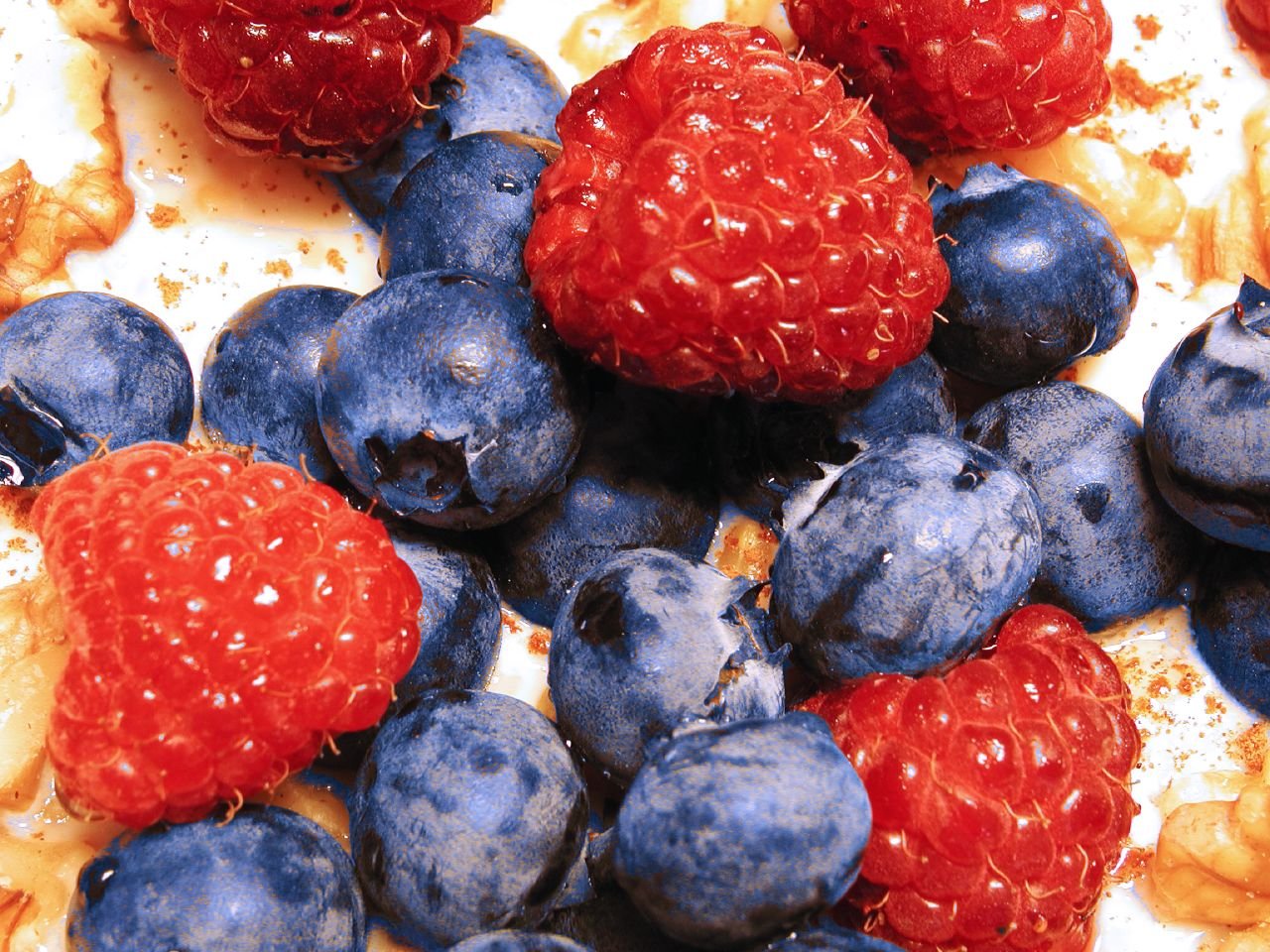
- – Breakfast: oatmeal with berries; water.
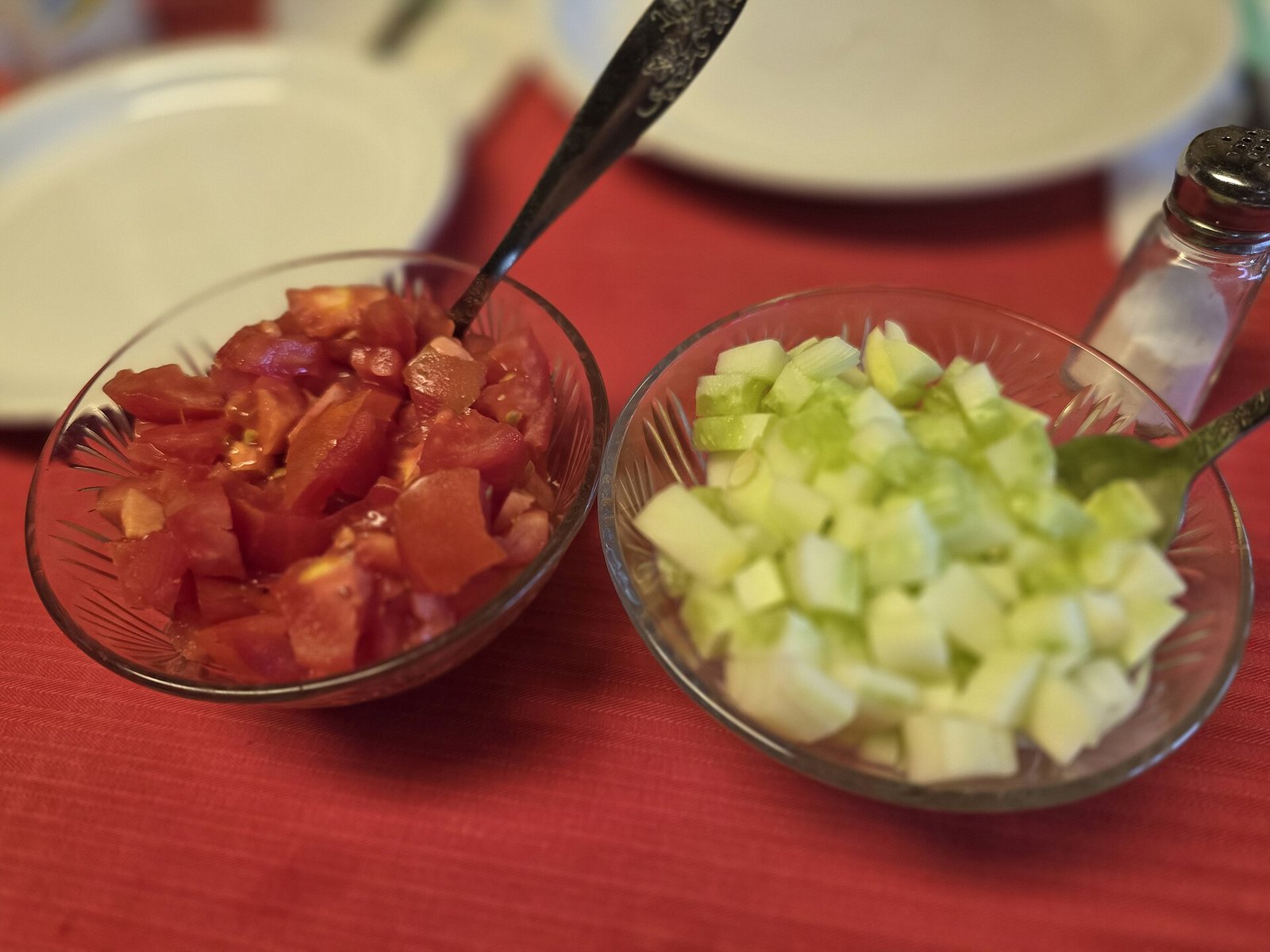
- – Lunch: cucumber-tomato salad with beans or tuna packed in water; fruit; water.
- – Snack: yogurt or a banana if standing feels safe.
- – Dinner: baked fish or eggs, steamed vegetables, rice or potato; water.
- – Evening: skip late alcohol; keep pathways clear for night bathroom trips.
5. Eating out
Ask for sauces on the side; choose grilled or steamed proteins; watch soup sodium; sit near a wall if you feel unsteady; do not drive yourself home during an attack.
6. When attacks dominate
Prioritize clinician-directed care—Epley for BPPV, medicines for nausea, vestibular rehab, imaging when central signs appear. Kitchen tracking supports that plan; it does not replace it.
Safety, interactions, and who should ask a clinician first
- – New neurologic deficits, thunderclap headache, chest pain, or fainting: emergency care.
- – On diuretics, blood-pressure medicines, or ototoxic drugs: do not change doses or add salt substitutes (often high in potassium) without advice.
- – History of heart failure, kidney disease, or eating disorders: individualize any sodium or fluid plan.
- – Recurrent falls, drop attacks, or one-sided hearing loss: ENT evaluation is urgent, not optional.
- – Pregnancy or breastfeeding: review any herbals and severe dietary restriction with your clinician.
FAQ
Can diet stop vertigo forever? No. MedlinePlus and NIDCD emphasize diagnosing the cause. Food may help comfort, hydration, and Ménière’s salt goals.
Should everyone with vertigo eat very low salt? Only when your clinician ties your pattern to Ménière’s or another salt-sensitive plan. BPPV often needs repositioning, not a lifelong 1,500 mg diet.
Is coffee always forbidden? Not for every person. Track personal links with migraine-vertigo or sleep; some people tolerate morning coffee between attacks.
How is this different from a Ménière’s-only page? This page covers broader vertigo types (BPPV, neuronitis, central warning signs) and points to Ménière’s salt rules when relevant—see Ménière’s disease diet guide and vertigo and Ménière’s diet guide.
Can I use ginger or ginkgo as treatment? NIDCD states there is no evidence that herbal supplements including ginkgo or ginger root are effective for Ménière’s; tell your clinician about any supplements you use.
When can I cook and drive again? MedlinePlus: avoid hazardous activities such as driving and operating machinery until about a week after symptoms have disappeared, and follow your clinician’s advice.
How this differs from related OTCFood topics
This page is a vertigo-bound diet guide spanning peripheral and central spinning symptoms, with Ménière’s sodium guidance only where NIDCD applies. It is not a stroke protocol, not a substitute for Epley or vestibular rehab, and not a claim that food rebuilds the labyrinth.
Medical disclaimer
Medical disclaimer: This article is for general information only. It is not medical advice, diagnosis, or a treatment plan. Vertigo care depends on the cause, medicines, fall risk, hearing, and your clinician’s judgment. Talk with a clinician or registered dietitian before starting, stopping, or changing any eating plan, supplement, or medicine. Seek emergency care for sudden neurologic deficits, severe new headache, chest pain, or uncontrolled vomiting with dehydration.