Diet After Rhinoplasty: Foods That May Help and Foods to Limit
Medical note: This article discusses foods and researched botanicals. It does not claim to prevent, treat, or cure disease. Supplements are not a substitute for food, and studied amounts are not personal prescriptions.
People searching “diet after rhinoplasty foods that help or worsen” usually want kitchen habits that limit constipation and straining, support easier chewing while the nose and midface are swollen, and avoid medicines/foods that raise bleeding risk—not a claim that food reshapes cartilage or replaces splints, activity limits, or surgical follow-up. MedlinePlus describes rhinoplasty as surgery that can change nose size/shape, improve breathing, or correct injury or birth differences. Mayo Clinic’s rhinoplasty aftercare specifically recommends high-fiber foods such as fruits and vegetables to help prevent constipation, because straining can put pressure on the surgical site, and notes that eating less sodium may help swelling settle faster.
What this after-rhinoplasty diet guide covers (and what it does not)
This guide is for adults recovering after cosmetic or functional rhinoplasty (with or without septoplasty) who want practical eating patterns while they follow packing/splint care and activity limits. Anchors: MedlinePlus — Rhinoplasty, Mayo Clinic — Rhinoplasty, and general soft-food recovery common sense aligned with avoiding hard chewing that moves the upper lip excessively.
MedlinePlus notes swelling and pain early after surgery, packing often removed in several days, and that most swelling improves over months while full refinement can take up to a year. Mayo Clinic advises against aspirin/ibuprofen around surgery unless your surgeon allows them (bleeding risk), stopping smoking/vaping to support healing, elevating the head, not blowing the nose, and choosing high-fiber foods to limit constipation. Kitchen changes do not replace urgent care for heavy bleeding, high fever, or sudden vision changes if your surgeon listed them. Related reading: chronic sinusitis diet guide and constipation diet guide.
Evidence snapshot: after-rhinoplasty diet claims vs public sources
| Claim people hope for | What public sources actually say | Confidence |
|---|---|---|
| “Pineapple or special juices dissolve all bruising on a fixed schedule” | Public surgical pages emphasize head elevation, activity limits, and time—food is supportive, not a guaranteed bruise eraser | Low for miracle juices; moderate for overall nutrition |
| “Zero fiber keeps the face from moving” | Mayo explicitly recommends high-fiber foods to avoid constipation and straining that pressure the site | Strong against prolonged zero-fiber plans |
| “Salty snacks help because you need electrolytes after anesthesia” | Mayo: eating less sodium may help swelling go away faster | Strong for limiting excess sodium early |
| “Aspirin tea is fine for post-op discomfort” | Mayo: avoid aspirin/ibuprofen perioperatively unless cleared—bleeding risk | Strong |
| “Smoking is OK if you eat antioxidants” | MedlinePlus/Mayo: stop smoking/vaping around surgery to aid healing | Strong: food does not offset smoke injury |
Foods and patterns that may help after rhinoplasty day to day
“May help” means supporting softer stools, easier chewing, and lower-sodium habits while swelling is prominent—not a promise that diet finalizes cosmetic results.
High-fiber, constipation-aware patterns
- – Mayo Clinic: eat high-fiber foods such as fruits and vegetables so you are less likely to get constipated and strain.
- – Practical sources: oats, pears, berries, prunes or prune puree, beans if tolerated, cooked vegetables, whole grains as chewing comfort allows.
- – Pair fiber with fluids. See constipation diet guide.
Soft, low-chew textures while swollen
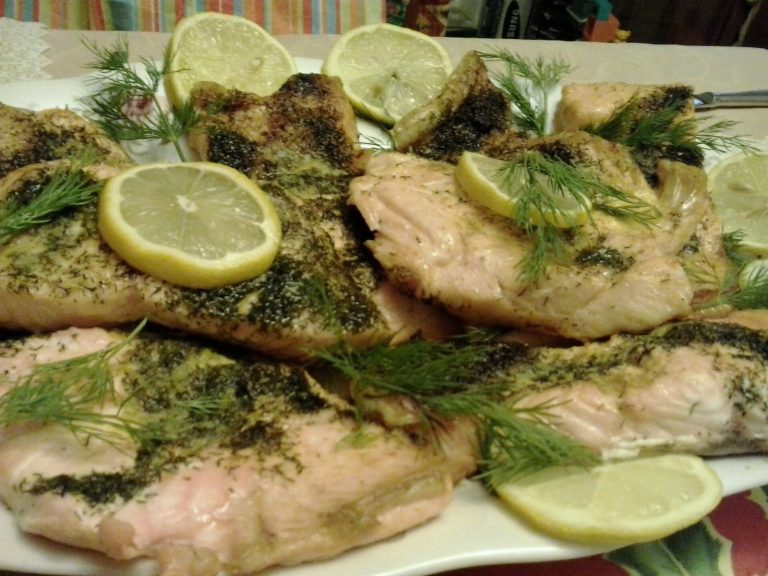
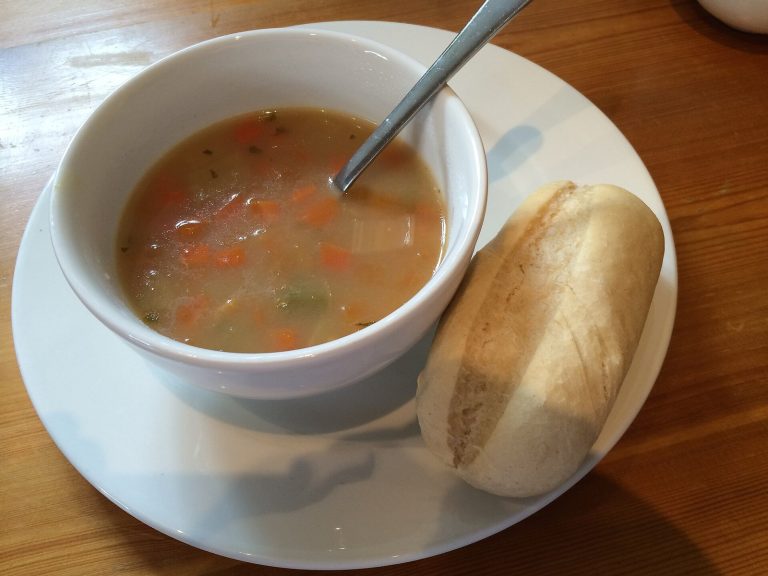
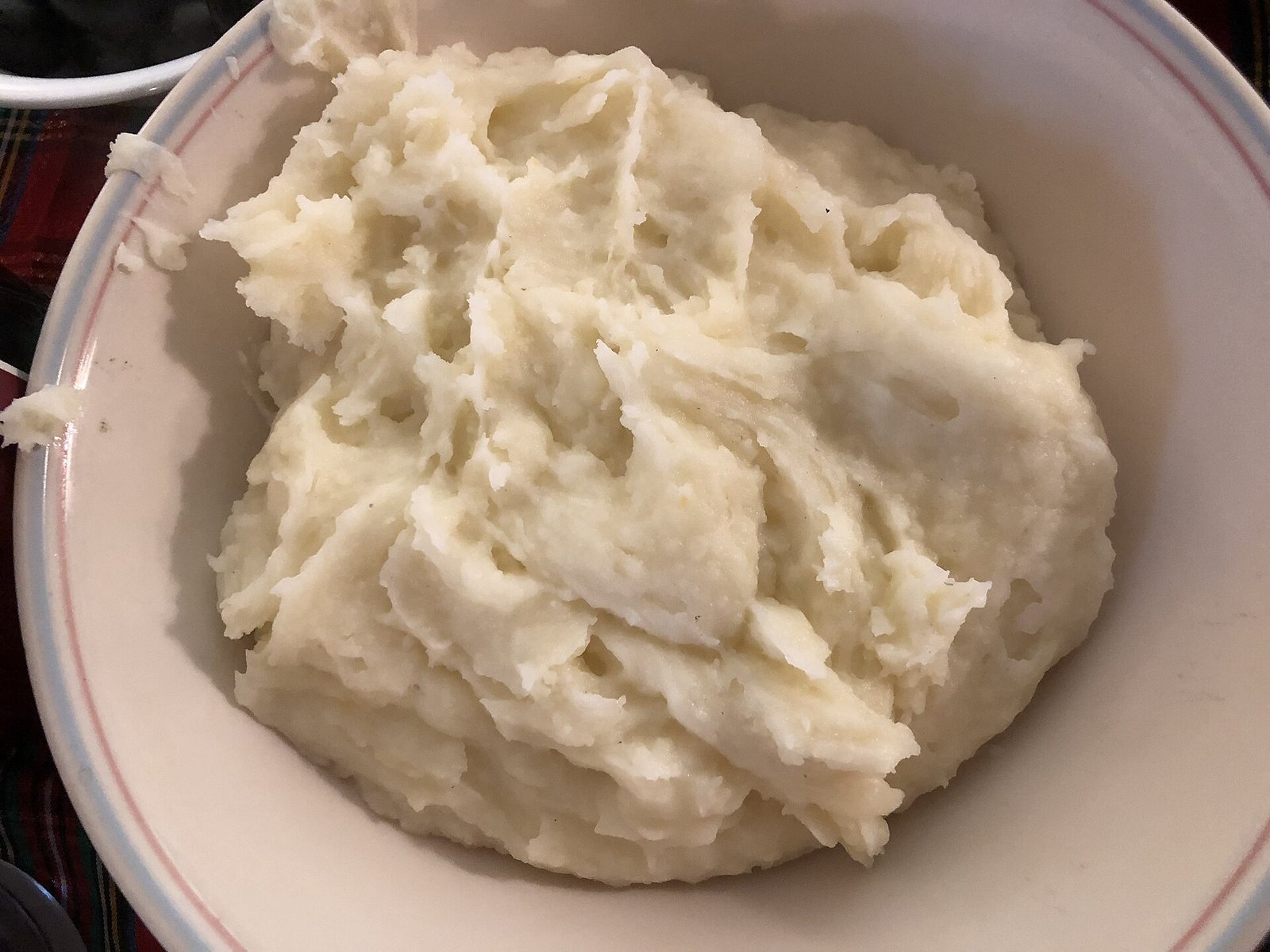
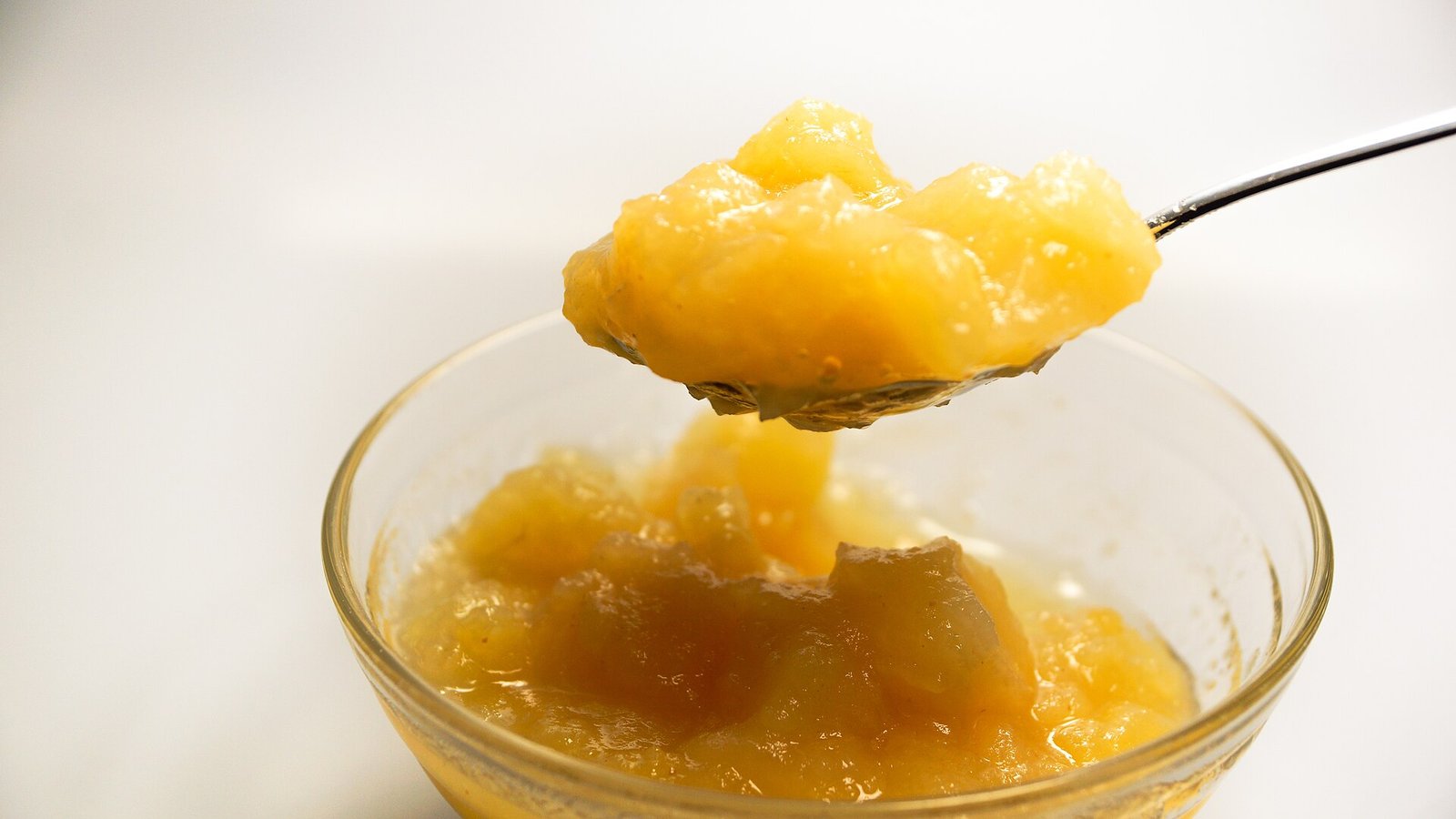
- – Soft eggs, yogurt, smoothies (not with a straw if your surgeon banned straws—ask), soups, mashed potatoes, flaky fish, soft pasta, ripe bananas, applesauce.
- – Mayo advises brushing teeth gently to limit upper-lip movement; softer foods reduce the need for wide bites that tug the midface.
- – Advance toward normal textures as swelling and surgeon instructions allow—usually over days to a couple of weeks for many people, with residual swelling lasting longer.
Lower-sodium choices while swelling is active
- – Mayo Clinic: eating less sodium will help the swelling go away faster.
- – Choose unsalted cooking, rinse canned foods, and limit deli meats and salty snacks during the early weeks.
Steady fluids (nonalcoholic)
- – Support fiber and help offset dry mouth from mouth breathing when the nose is congested or packed.
- – Ask before alcohol; many surgeons restrict it early because of bleeding risk and interaction with pain medicines.
Managing mouth breathing, dry mouth, and taste changes
- – Early congestion or packing can force mouth breathing and dry mouth; sip approved fluids regularly.
- – Mild temporary taste or smell changes can make food less appealing—rotate soft flavors (savory broths, mild fruit) rather than forcing spicy stacks that make you sneeze.
- – Cool or room-temperature soft foods may feel better than very hot soups if steam bothers the face—follow any temperature limits your surgeon gave.
Pain medicines, constipation, and the bathroom plan
- – If opioids are prescribed, constipation risk rises; start the fiber-and-fluid pattern early rather than waiting for hard stool.
- – Ask before combining stimulant laxatives with surgical pain plans.
- – Keep the bathroom stocked so you are not straining while also protecting the nose from sudden bending if your surgeon limited that motion.
Returning to shared meals and photos
- – Soft restaurant options (soups, omelets, mashed sides) beat crunchy appetizers during the first social outings.
- – Lower-sodium choices still help swelling even when you are tired of “bland” food—use herbs and citrus for interest.
Foods and habits that often worsen after-rhinoplasty kitchen patterns
- – Low-fiber, constipating patterns (cheese-and-crackers only, little produce) that invite straining.
- – Very salty takeout during peak swelling weeks.
- – Hard, crunchy foods that demand big bites (hard bagels, tough steaks, large raw carrots) while the upper lip and nose are tender.
- – Using a straw if your surgeon prohibited it; blowing the nose; hot steam showers if told to take baths while bandaged (Mayo).
- – Aspirin/ibuprofen or herbal blood-thinning stacks without clearance.
- – Expecting diet to fix heavy bleeding, foul drainage, fever, or severe uncontrolled pain.
“Limit” means reducing strain and swelling friction—not that one salty meal ruins the aesthetic result forever.
Practical kitchen protocol: an after-rhinoplasty diet week
1. Keep the medical spine first
Confirm packing/splint timeline, approved pain medicines, activity limits (Mayo: avoid intense aerobics/jogging early), head-elevation sleep setup, and sneeze-with-mouth-open instructions. Arrange soft foods before surgery day.
2. Shopping list for soft, fiber-aware recovery
Oats; yogurt; eggs; bananas; applesauce; berries; pears; prune puree; soft fish/poultry; soups; mashed potatoes; cooked vegetables; olive oil; herbal tea; water; stool softener only if your surgeon prescribed/approved one.
3. Default plate template (early days)
- – Soft protein
- – Soft fiber carbohydrate/fruit
- – Cooked vegetables
- – Fluid at each meal
4. Sample day (illustrative)
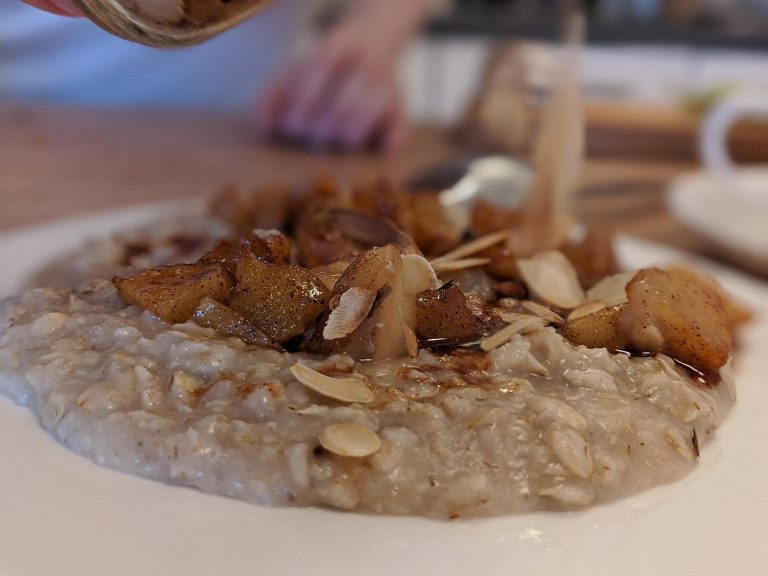
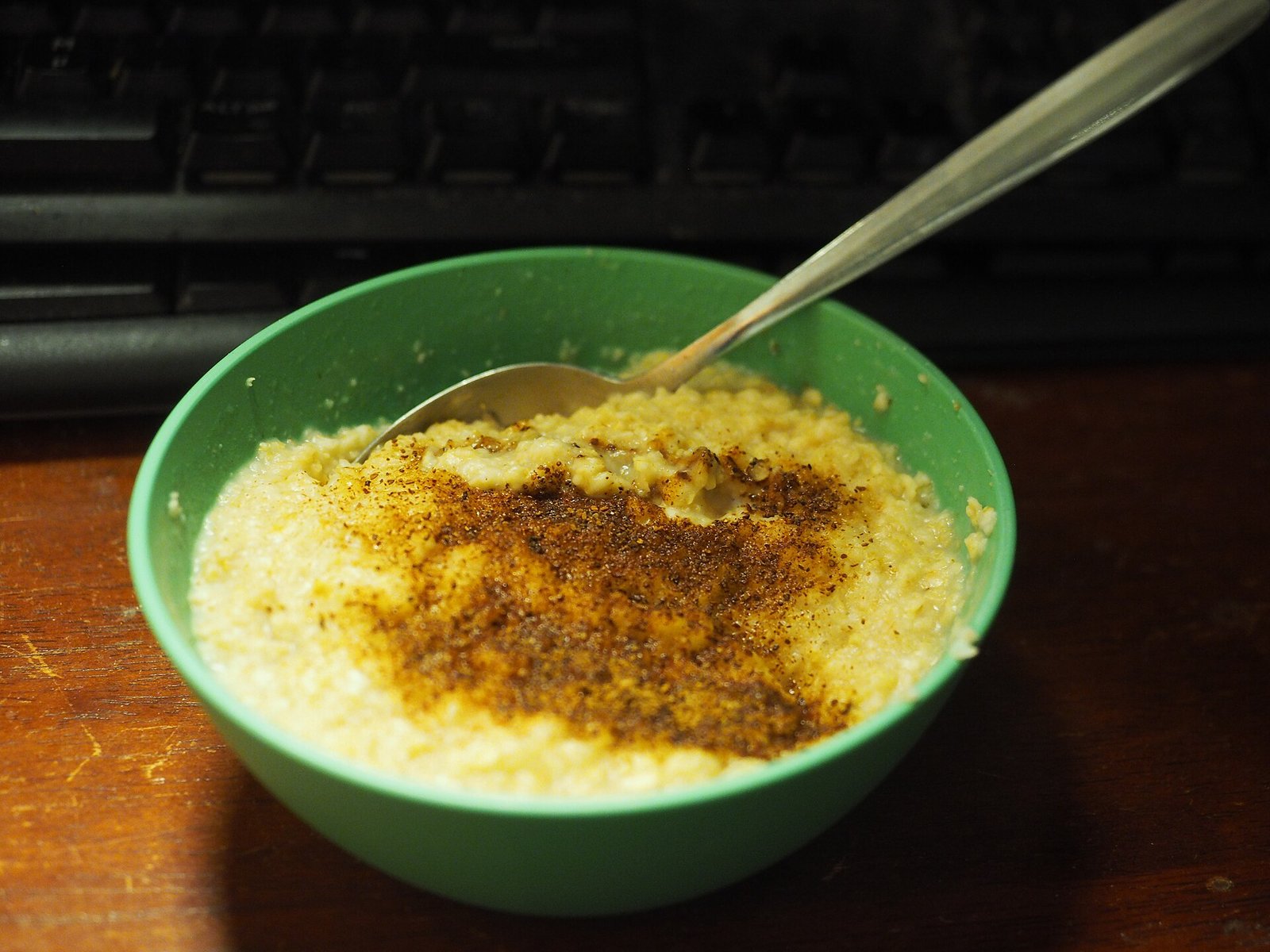
- – Breakfast: oatmeal with banana; water.
- – Lunch: blended vegetable soup; yogurt; soft fruit.
- – Snack: applesauce or pear (soft).
- – Dinner: flaky baked fish, mashed potato, cooked carrots.
- – Evening: warm caffeine-free tea; fiber check—not a bag of salty chips.
5. Home setup tips
Stock straws only if allowed; keep spoons and small bowls for bedside eating with head elevated; ask helpers to cut food small so wide mouth opening is unnecessary.
6. If sinus symptoms were part of the reason for surgery
Long-term comfort patterns may overlap chronic sinusitis diet guide or acute sinusitis diet guide, but postoperative bleeding and splint rules stay with your surgeon.
Safety, interactions, and who should ask a clinician first
- – Bleeding disorders or anticoagulants: surgeons may delay elective rhinoplasty—follow individualized plans.
- – Opioid pain medicines: expect slower bowels—pair with fiber/fluids and ask about softeners.
- – Hypertension: sodium awareness helps swelling and blood-pressure goals.
- – Diabetes: soft liquid calories can spike glucose—plan with your clinician.
- – Contact the surgical team for heavy bleeding, fever, sudden severe headache, vision changes, or wound concerns they flagged.
FAQ
Can diet make rhinoplasty swelling disappear in a week? No. Mayo notes swelling can last months; lower sodium and time help, but food is not a switch.
Why eat fiber after nose surgery? To limit constipation and straining that pressure the surgical site (Mayo).
Are smoothies OK? Often yes if texture is soft—confirm straw rules and avoid extreme juice-only “detox” days.
When can I eat crunchy foods again? When your surgeon clears you and chewing no longer tugs painfully—often gradual over weeks.
How is this different from a sinusitis diet page? See chronic sinusitis diet guide; rhinoplasty recovery adds splint/packing rules, bleeding precautions, and constipation-aware eating.
How this differs from related OTCFood topics
This page is a rhinoplasty-bound diet guide focused on soft textures, fiber against straining, and lower sodium during swelling. It is not a DIY revision protocol and not a substitute for surgical follow-up.
Medical disclaimer
Medical disclaimer: This article is for general information only. It is not medical advice, diagnosis, or a treatment plan. Care after rhinoplasty depends on surgical technique, combined procedures, bleeding risk, and your surgeon’s protocol. Talk with a clinician or registered dietitian before starting, stopping, or changing any eating plan, supplement, or medicine. Seek urgent care for heavy bleeding, fever, or other warning signs your surgeon listed.