Hypoglycemia Diet: Foods That May Help and Foods to Limit
Medical note: This article discusses foods and researched botanicals. It does not claim to prevent, treat, or cure disease. Supplements are not a substitute for food, and studied amounts are not personal prescriptions.
People searching “hypoglycemia diet foods that help or worsen” usually want meal timing and carb strategies that may reduce low blood glucose episodes—not a claim that food replaces insulin adjustments, glucagon kits, or clinician-guided diabetes care. The National Institute of Diabetes and Digestive and Kidney Diseases (NIDDK) defines low blood glucose (hypoglycemia) for many people with diabetes as a reading below 70 mg/dL, though your personal threshold may differ—confirm with your care team. NHS and American Diabetes Association (ADA) education stress rapid treatment of lows, prevention through consistent carbohydrate planning, and emergency preparedness. This guide is supportive diet information alongside medical care. It cannot cure diabetes or replace prescribed medicines.
What this hypoglycemia diet guide covers (and what it does not)
This page is primarily for adults with diabetes who take insulin or other glucose-lowering medicines and want kitchen patterns that may help prevent and respond to lows. People without diabetes who have been told they have reactive hypoglycemia or another endocrine cause still need individualized clinician plans—do not copy insulin users’ rules blindly. Anchors: NIDDK — Low Blood Glucose (Hypoglycemia), MedlinePlus — Hypoglycemia, NHS — Low blood sugar (hypoglycaemia), and ADA — Hypoglycemia.
NIDDK notes lows are common in type 1 diabetes and in type 2 diabetes treated with insulin or certain pills (for example sulfonylureas and meglitinides). Severe lows can cause seizures, loss of consciousness, or death—this is a medical emergency pathway, not a recipe problem.
Evidence snapshot: hypoglycemia diet claims vs public sources
| Claim people hope for | What public sources actually say | Confidence |
|---|---|---|
| “A special diet cures hypoglycemia” | NIDDK/ADA: lows are often medicine-related; treatment and prevention are clinical plus carb timing | Strong: not a food cure |
| “Always avoid all carbohydrates” | Skipping or delaying carbs is a listed cause of lows in people on insulin or insulin-releasing pills | Strong: do not blanket-ban carbs if you take these medicines |
| “15–20 g fast carbs treat a low” | NIDDK: treat with 15–20 g glucose or carbohydrate, wait 15 minutes, recheck, repeat as needed | Strong for standard rule-of-15 style care (confirm your plan) |
| “Alcohol is fine on an empty stomach” | NIDDK: alcohol without enough food makes it harder to keep glucose steady and can mask early symptoms | Strong: limit and never drink without food if you take glucose-lowering meds |
| “Herb teas replace glucose tablets” | Public diabetes pages prioritize glucose tablets/gel, juice, or regular soda—not herbal remedies—for acute lows | Strong: use proven fast carbs |
Foods and patterns that may help with hypoglycemia day-to-day prevention
“May help” means structuring meals and snacks so glucose stays nearer your target between checks—not a promise of zero lows.
Consistent carbohydrate distribution
- – Include planned carbohydrate at meals and snacks according to your diabetes educator’s targets.
- – NIDDK: not eating or drinking enough carbohydrates, or skipping/delaying meals, can drop glucose below your healthy range when medicines are still active.
- – Pair carbs with protein and fat at regular meals for longer satiety once a low has been corrected—acute treatment still uses fast carbs first.
Ready-to-use fast carbohydrate kit
Keep with you (NIDDK examples):
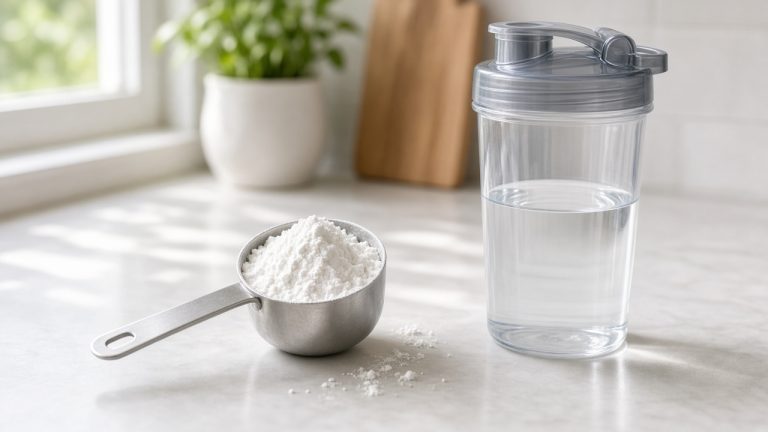
- – Glucose tablets or glucose gel (preferred, especially if you take medicines that slow digestion of food carbs)
- – 4 ounces (about ½ cup) fruit juice that is not diet—apple, grape, or cranberry if potassium limits rule out orange juice
- – 4–6 ounces regular (not diet) soda
- – 1 tablespoon sugar, honey, or corn syrup when appropriate and safe for your age/condition
Exercise-aware fueling
- – Activity can lower glucose during exercise and for hours afterward (NIDDK). You may need checks before, during, and after activity plus planned snacks.
- – Carry fast carbs on walks, gym sessions, and yard work.
Overnight prevention habits
- – If nights are risky, follow your clinician’s bedtime snack or pump/CGM alarm plan. NIDDK lists damp sheets, nightmares, and morning confusion among sleep-related low clues.
Pattern links to broader diabetes plates
Day-to-day meal building still benefits from balanced plates described in our type 2 diabetes plate guide and prediabetes diet guide guides—those pages address higher glucose patterns; this page prioritizes low-glucose safety.
Foods and habits that often worsen hypoglycemia risk
- – Skipping meals while taking insulin or sulfonylureas/meglitinides
- – Drinking alcohol without food, or heavy drinking that hides tremor and confusion
- – Sudden intensity jumps in exercise without extra carbs or dose adjustments agreed with your team
- – Relying only on “healthy” slow snacks during an active low—treat first with fast glucose, then reassess
- – Duplicate diabetes pills or stacking correction doses without a plan (medicine issue, not a food fix)
- – Unsupervised fasting for procedures or lifestyle trends while glucose-lowering medicines continue
“Limit” means reduce high-risk timing mistakes—not that fruit is forbidden.
Practical kitchen protocol: a hypoglycemia-aware diet week
1. Write your personal low plan on the fridge
Include your glucose cut-off, the 15–20 g treatment steps, when to repeat, when to use glucagon, and emergency contacts. Teach household members. Wear medical ID if advised.
2. Stock two kits
- – Home kit: glucose tablets, juice boxes, regular soda, crackers or fruit for aftercare snacks, glucagon kit with checked expiration.
- – Go kit: tablets/gel, juice box, small snack, meter supplies or CGM receiver/phone charger.
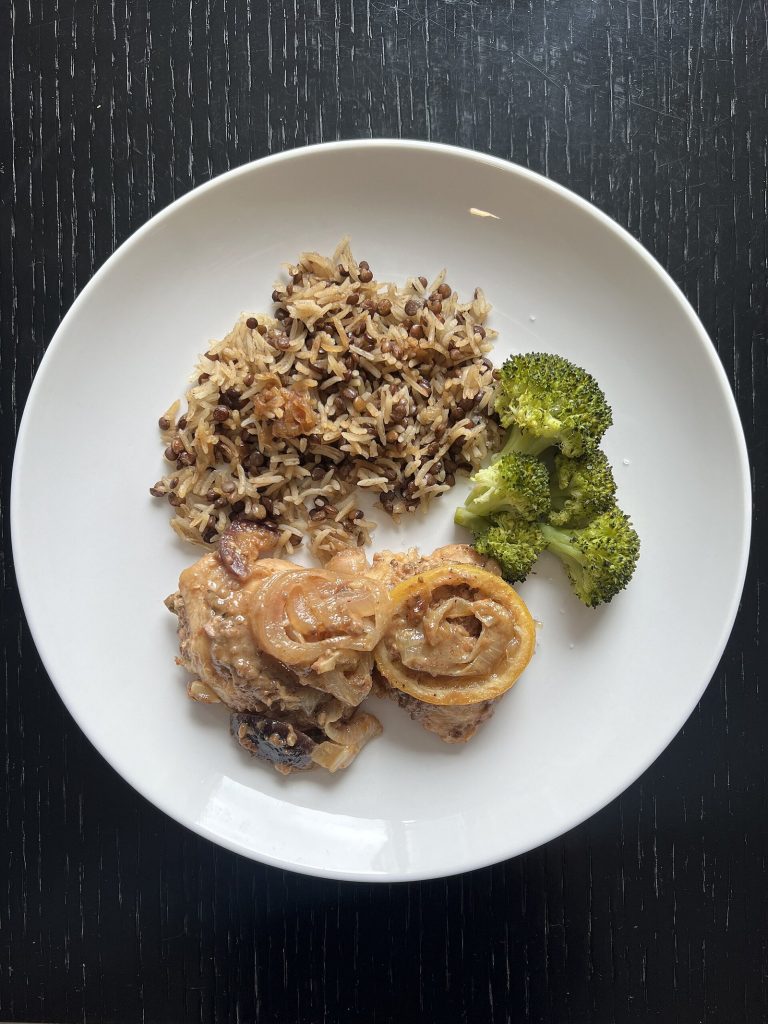
3. Default plate template (between lows)
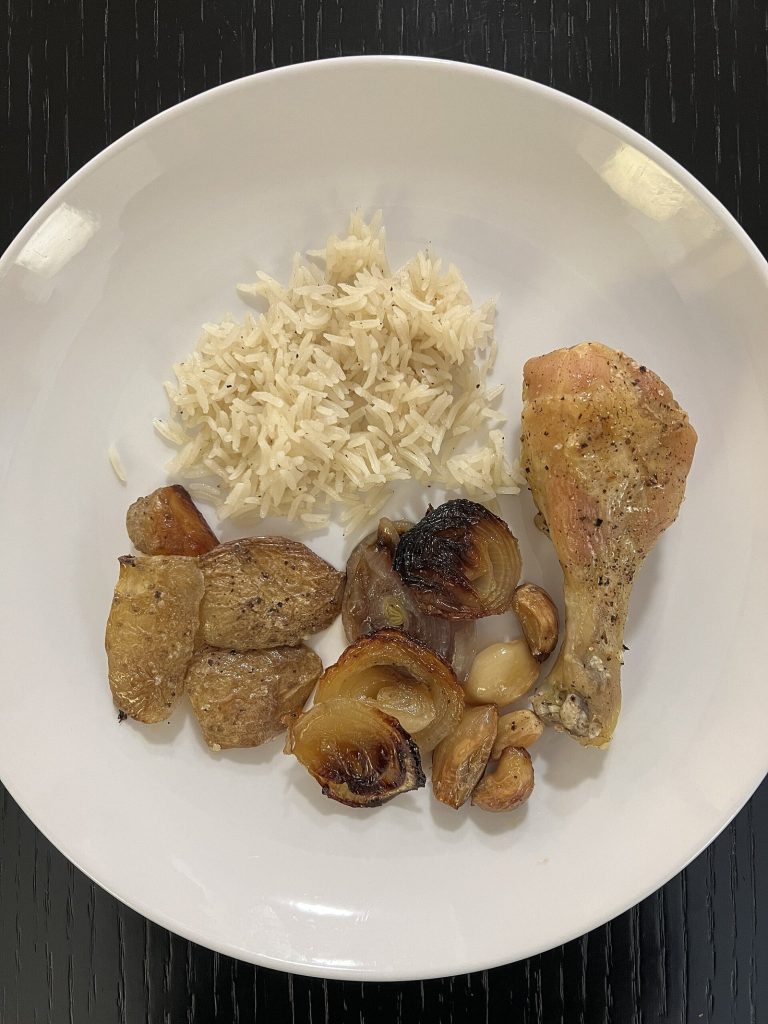
- – Follow your carb budget per meal
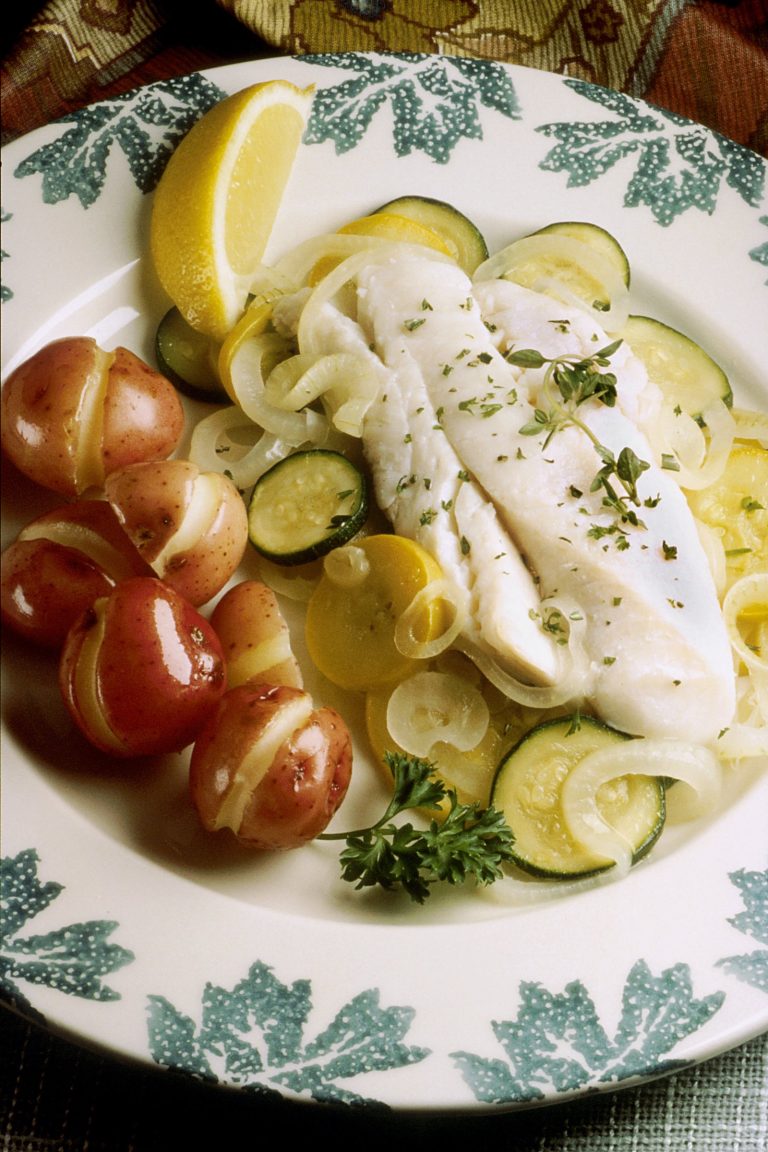
- – Include protein (eggs, fish, poultry, tofu, beans) and non-starchy vegetables
- – Keep meal times relatively steady day to day
- – If pregnancy-related diabetes is part of your story, coordinate with obstetric guidance and see gestational diabetes diet guide—do not improvise lows care alone
4. Sample day (illustrative for someone on insulin—individualize)
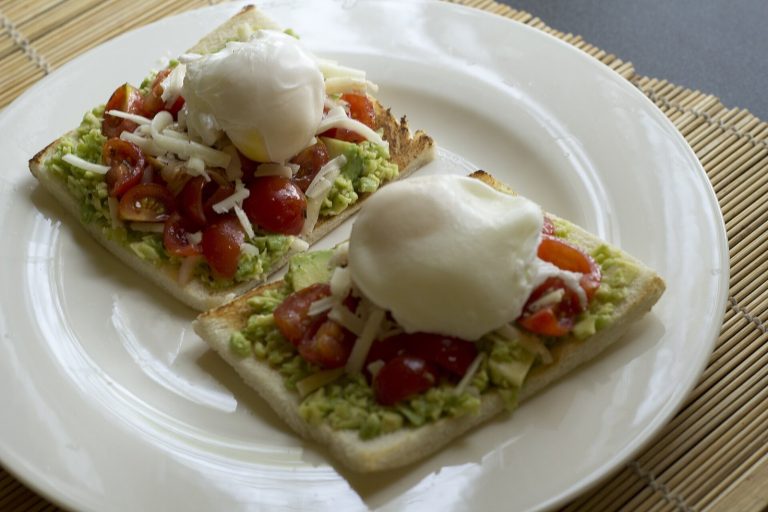
- – Breakfast: Oatmeal or toast with eggs; take mealtime insulin as prescribed after confirming plan.
- – Mid-morning: Only if your plan calls for it—fruit or yogurt.
- – Lunch: Grain-and-protein bowl with vegetables; check glucose per schedule.
- – Pre-exercise: Carbohydrate snack if readings and plan say so.
- – Dinner: Balanced plate; limit alcohol; if you drink, eat simultaneously.
- – Bedtime: Follow CGM/meter and clinician snack rules.
5. Treating a low (summary of NIDDK steps—confirm yours)
- 1. Check glucose if you feel shaky, sweaty, hungry, confused, irritable, or have a racing heart.
- 2. If below target or <70 mg/dL, take 15–20 g fast carbohydrate.
- 3. Wait 15 minutes; recheck; repeat if still low.
- 4. If the next meal is more than an hour away, add a snack such as crackers or fruit once glucose recovers.
- 5. If you cannot swallow or become unconscious, bystanders use prescribed glucagon and call emergency services.
6. Red-flag see-a-doctor / emergency list
- – Severe confusion, seizure, or loss of consciousness
- – Repeated lows in one day or unexplained nocturnal lows
- – Hypoglycemia unawareness (no warning symptoms until glucose is very low)
- – Inability to keep food down during illness while still taking glucose-lowering medicines
- – Pregnancy with diabetes and any severe low
Extra practical note for workplace and driving
Keep a labeled kit in your bag and car. NIDDK warns that untreated lows impair thinking—follow local rules and clinician advice about driving after a low (often wait until glucose has recovered and stayed stable). Coordinating meal timing with shift work matters as much as food quality.
Safety, interactions, and who should ask a clinician first
- – Never stop insulin or diabetes pills on your own because of fear of lows—ask for regimen adjustment instead.
- – Some medicines that slow carb digestion mean food carbs may not raise glucose fast enough—glucose tablets/gel are preferred (NIDDK).
- – Kidney disease may change juice choices (potassium) and medicine clearance.
- – Older adults have higher severe-hypoglycemia risk in NIDDK summaries—simplify regimens with the care team.
- – Metabolic syndrome or weight goals should not override low-glucose safety; see metabolic syndrome diet guide only as parallel cardiometabolic reading.
FAQ
Can diet cure hypoglycemia? No. For people with diabetes, lows are usually related to medicines, missed carbs, alcohol, or activity. Food strategies help prevent and treat episodes alongside clinical care.
Should I avoid all sugar forever? No. Fast sugar or glucose is the acute treatment for lows. Day-to-day meal plans still emphasize balanced carbs—not zero sugar at all costs during an emergency.
Is fruit dangerous? Fruit can be part of planned carbohydrate portions. During an active low, NIDDK lists juice as a treatment option; afterward, whole fruit may be an aftercare snack.
What about people without diabetes? Non-diabetes hypoglycemia needs specialist evaluation. Do not copy insulin-user treatment algorithms without a diagnosis and plan.
Do herbal supplements prevent lows? Public NIDDK/ADA pages do not recommend herbs as hypoglycemia prevention. Focus on medicine timing, carb planning, monitoring, and glucagon readiness.
How this differs from related OTCFood topics
This page is a hypoglycemia-bound safety and diet guide for preventing and responding to lows. It is not a general type 2 diabetes plate guide high-glucose plate tutorial alone, not a gestational diabetes diet guide pregnancy protocol, and not a metabolic syndrome diet guide weight-centric plan—though readers often need all of these topics over time.
Medical disclaimer
Medical disclaimer: This article is for general information only. It is not medical advice, diagnosis, or a treatment plan. Hypoglycemia can be life-threatening. Follow your clinician’s written hypoglycemia plan, monitoring schedule, and medicine instructions. Talk with a diabetes clinician or registered dietitian before changing carb targets, exercise fueling, or supplements. Call emergency services for severe lows, seizures, or unconsciousness; bystanders should give prescribed glucagon when available and seek urgent help.