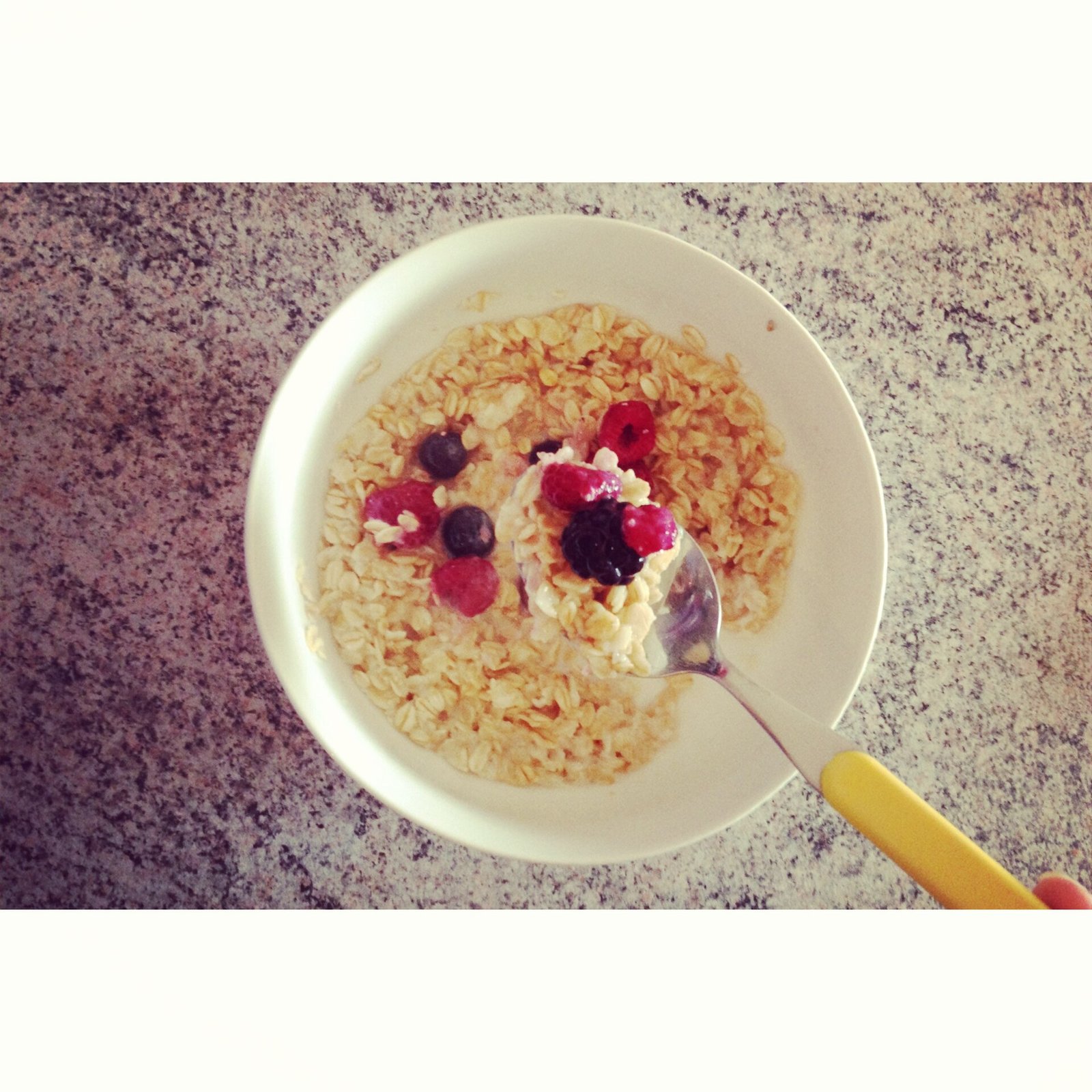
Gestational Diabetes Diet: Foods That May Help and Foods to Limit
Medical note: This article discusses foods and researched botanicals. It does not claim to prevent, treat, or cure disease. Supplements are not a substitute for food, and studied amounts are not personal prescriptions.
Short answer: A gestational diabetes diet is built around regular meals and snacks that spread carbohydrates evenly through the day. ACOG often recommends three meals and two to three snacks, and MedlinePlus advises not skipping meals and keeping portions and food types about the same from day to day. Choose high-fiber, slower-release carbohydrates (whole grains, beans, lentils, plain porridge), plenty of vegetables, whole fruit instead of juice, lean protein, and healthy oils. Consider limiting sugary drinks, juice and smoothies, sweets, pastries, and refined starches such as white rice and fries. NIDDK says many women can manage gestational diabetes with a healthy eating plan and physical activity, though some need insulin or other medicine—and that is not a failure.
What gestational diabetes is and why food timing matters
Gestational diabetes is diabetes that develops for the first time during pregnancy. ACOG explains that pregnancy hormones can interfere with insulin; when the body can’t make enough extra insulin, blood sugar rises. NIDDK notes it often has no symptoms and is usually tested for between 24 and 28 weeks.
Managing blood sugar matters because, per ACOG, extra sugar crossing to the fetus can lead to a large baby (9 pounds or more), raising the risk of birth injuries and cesarean birth, and babies may have low blood sugar after birth. High blood pressure and preeclampsia are also more common with gestational diabetes.
NIDDK’s management guidance says your health care team will help you make an eating plan covering which foods to eat, how much, and when—all three affect whether blood glucose stays in target.
Evidence snapshot: gestational diabetes diet claims vs public sources
| Claim | What reliable sources say | Confidence |
|---|---|---|
| “Diet and activity are the first step” | NIDDK: many women manage GD with a healthy eating plan and physical activity; some also need medicine | Strong |
| “Eat regularly, don’t skip meals” | ACOG: regular meals and often 2–3 snacks help avoid dips and spikes. MedlinePlus: don’t skip meals or snacks. NHS: usually three meals a day, avoid skipping | Strong |
| “Low-GI, high-fiber carbs are better choices” | NHS: eat starchy, low-GI foods such as wholewheat pasta, brown rice, pulses, beans, lentils, and plain porridge. MedlinePlus: high-fiber whole grains are healthy choices | Strong |
| “You must cut all sugar and carbs” | NHS: you don’t need a completely sugar-free diet. MedlinePlus: don’t cut fats entirely; carbs are part of meals | Strong caution against extremes |
| “A walk after meals helps” | ACOG: adding a 10–15 minute walk after each meal can lead to better blood sugar control | Moderate–strong |
| “Needing insulin means I failed” | NIDDK: insulin is usually the first-choice medicine, won’t harm the baby, and is needed when diet and activity aren’t enough | Strong |
Foods that may help in a gestational diabetes diet
Using MedlinePlus, the NHS, and ACOG:
- – Slower-release starchy foods: wholewheat pasta, brown rice, granary or whole-grain bread, all-bran cereals, plain porridge or oats, barley, muesli without added sugar (NHS, MedlinePlus).
- – Pulses, beans, and lentils, which supply fiber and protein together.
- – Plenty of vegetables: MedlinePlus highlights dark green and deep yellow vegetables such as spinach, broccoli, romaine, carrots, and peppers, fresh or frozen without added sauces, fats, or salt.
- – Whole fruit rather than juice, because whole fruit has more fiber (MedlinePlus); spread it across the day.
- – Lean protein: fish, skinless poultry, lean meat, eggs, beans, and peanut butter. MedlinePlus suggests baking, roasting, grilling, or boiling instead of frying.
- – Low-fat or non-fat milk and plain yogurt without added sugar.
- – Healthy fats: MedlinePlus says not to cut fats entirely, because they provide energy for growth and support baby’s brain development—choose canola, olive, peanut, or safflower oil, plus nuts, avocados, and olives.
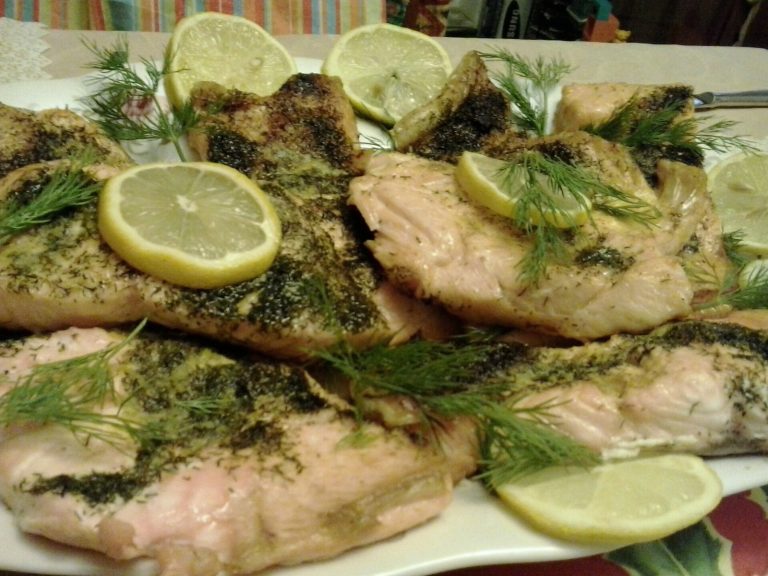
- – Fish lower in mercury: the NIH Office of Dietary Supplements says 8 to 12 ounces a week of fish and seafood during pregnancy may improve the baby’s health, choosing options higher in omega-3s and lower in mercury such as salmon, herring, sardines, and trout.
Foods to limit with gestational diabetes
- – Sugary drinks: NHS says diet or sugar-free drinks are better than sugary versions, and warns fruit juices, smoothies, and some “no added sugar” drinks can still be high in sugar.
- – Sweets and baked goods: swap cakes and biscuits for fruit, nuts, and seeds (NHS). MedlinePlus suggests small portions and splitting desserts; even sugar-free sweets may still contain carbs and calories.
- – Fast-acting carbohydrates: MedlinePlus lists potatoes, french fries, white rice, candy, soda, and other sweets as foods that raise blood sugar quickly.
- – Saturated fat: MedlinePlus suggests going easy on butter and avoiding foods high in saturated fat such as hamburger, cheese, and bacon.
- – Sweetened yogurts: choose plain versions.
- – Pregnancy food-safety risks (all pregnancies): the NHS foods-to-avoid guidance lists liver and liver products (high vitamin A), raw or undercooked meat, unpasteurized dairy and some soft cheeses, raw fish and shellfish, swordfish, shark, and marlin; it limits oily fish to 2 portions a week and tuna to 4 cans or 2 steaks a week.
- – Caffeine above 200 mg a day (about 2 coffees) and alcohol, which the NHS says is safest to avoid in pregnancy.
Practical guide: a gestational diabetes meal plan

1. Spread carbs across meals and snacks
Plan three small-to-moderate meals and two to three snacks, as ACOG and MedlinePlus describe, including a bedtime snack if your team recommends one—ACOG notes small snacks may be needed especially at night. Keep carbohydrate amounts similar each day so your readings are easier to interpret.
2. Build a balanced plate
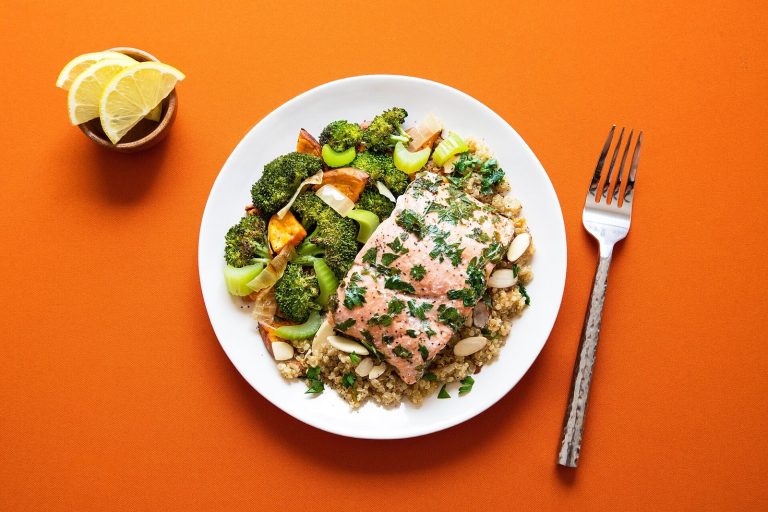
Give non-starchy vegetables a generous share of the plate (MedlinePlus says to enjoy lots of them), add a portion of lean protein, and include a measured serving of a high-fiber carbohydrate. MedlinePlus gives sample servings: ½ cup of cooked rice or pasta, 1 ounce of ready-to-eat cereal, or 1 medium whole fruit.
3. Learn your targets and test as advised
NIDDK lists typical targets for most women: 95 mg/dL or less before meals, at bedtime, and overnight; 140 or less 1 hour after eating; 120 or less 2 hours after eating. Ask your doctor which targets apply to you. The NHS usually advises testing before breakfast and 1 hour after each meal (UK units are mmol/L).
4. Walk after meals
ACOG suggests a 10 to 15 minute walk after each meal on top of about 150 minutes of moderate activity a week, if your ob-gyn agrees.
5. Don’t under-eat
NIDDK warns that if you’re not eating enough, your body may make ketones by burning fat, which can be harmful. Your doctor may ask you to check ketones and adjust meal size or timing.
6. Shopping list default
Plain oats or porridge, whole-grain bread, wholewheat pasta, brown rice, barley, canned or dried lentils and beans, eggs, skinless chicken, salmon or trout, plain low-fat yogurt, low-fat milk, peanut butter, unsalted nuts and seeds, spinach, broccoli, peppers, carrots, salad greens, apples, oranges, berries, olive or canola oil, avocados, pasteurized hard cheese in small amounts.
7. Sample day (illustrative—adjust with your dietitian)
- – Breakfast: plain porridge with a few berries and chopped nuts; a glass of low-fat milk.
- – Mid-morning snack: an apple with a small portion of peanut butter.
- – Lunch: lentil and vegetable soup with one slice of whole-grain bread and a side salad.
- – Afternoon snack: plain yogurt with seeds.
- – Dinner: baked salmon, a measured portion of brown rice, and steamed broccoli with olive oil.
- – Bedtime snack (if advised): whole-grain crackers with cheese or a small handful of nuts.
8. Read labels
Check total carbohydrate and sugars per serving, especially on yogurts, cereals, granola, and “no added sugar” drinks, which the NHS warns can still be high in sugar.
Safety, medicines, and when to call your care team
- – You should be referred to a dietitian (NHS)—ask for one if you haven’t been.
- – Insulin and other medicines: NIDDK says insulin is usually the first-choice medicine and will not harm the baby; ACOG notes insulin doesn’t cross the placenta. The NHS says metformin tablets may be offered, usually with or after meals. Never stop or adjust doses on your own.
- – Low blood sugar on insulin: the NHS lists shakiness, sweating, hunger, paleness, or trouble concentrating. Test and treat straight away as your team has taught you.
- – No weight-loss dieting in pregnancy: ACOG says to aim for a healthy amount of weight gain; ask your ob-gyn what’s right for you.
- – Folic acid: NIH ODS advises women who could become pregnant to get 400 mcg of folic acid daily; your prenatal plan may differ—follow your clinician.
- – Fetal movements: ACOG advises contacting your ob-gyn if you notice a change in your baby’s activity.
After birth: ACOG recommends a blood test 4 to 12 weeks after delivery, then diabetes testing every 1 to 3 years if normal, because gestational diabetes raises your future risk of type 2 diabetes.
FAQ
What should I eat for breakfast with gestational diabetes? Plain porridge or oats, whole-grain toast with eggs, or plain yogurt with nuts are common choices. Skip juice and sugary cereals, and check your 1-hour reading to see how your body responds.
Can I eat fruit with gestational diabetes? Yes. MedlinePlus recommends whole fruits over juice because they have more fiber. Spread portions across the day.
Do I have to cut out carbs completely? No. The NHS says you don’t need a completely sugar-free diet, and MedlinePlus includes grains, starchy vegetables, fruit, and dairy in the plan—just in measured, high-fiber portions.
Is bedtime snacking OK with gestational diabetes? Often yes. ACOG notes small snacks may be needed, especially at night, to avoid dips and spikes. Ask your team what to eat.
Does gestational diabetes go away after birth? ACOG says it usually does, but your future diabetes risk stays higher, so keep up postpartum testing.
Related OTCFood guides
Because gestational diabetes raises later type 2 diabetes risk, our type 2 diabetes plate guide explains the plate method for after pregnancy. ACOG lists PCOS among gestational diabetes risk factors—see the PCOS diet guide.
Medical disclaimer
Medical disclaimer: This article is for general information only and is not medical advice. Gestational diabetes must be diagnosed and managed by your obstetric team, midwife, and dietitian. Diet supports blood sugar control but does not replace monitoring, insulin, metformin, or prenatal care. Follow your own care team’s targets and meal plan, and contact them promptly about low or high readings, reduced fetal movement, or any concerns.
Featured image: Photo: Maryjeanne.li via Wikimedia Commons (CC BY-SA 3.0).