Meibomian Gland Dysfunction Diet: Foods That May Help and Foods to Limit
Medical note: This article discusses foods and researched botanicals. It does not claim to prevent, treat, or cure disease. Supplements are not a substitute for food, and studied amounts are not personal prescriptions.
People searching “meibomian gland dysfunction diet foods that help or worsen” usually want nutrient-aware plates that may support the oily tear layer while they use warm compresses, lid hygiene, and clinician-guided drops—not a claim that food unclogs every meibomian gland or replaces ophthalmology care. MedlinePlus notes dry eye syndrome is sometimes caused or worsened by meibomianitis, which changes the normal tear film. Mayo Clinic explains that the oil film from small eyelid-edge glands (meibomian glands) can become clogged—called posterior blepharitis or meibomian gland dysfunction (MGD)—and lists a diet low in vitamin A or omega-3 fatty acids among factors that make dry eyes more likely. NEI similarly flags inadequate vitamin A (carrots, broccoli, liver) or omega-3s (fish, walnuts, vegetable oils) among dry-eye risk contexts and advises drinking plenty of water among lifestyle steps.
What this meibomian gland dysfunction diet guide covers (and what it does not)
This guide is for adults with evaporative dry eye or clinician-diagnosed MGD/blepharitis who want practical eating patterns alongside lid care and medical therapy. Anchors: MedlinePlus — Dry eye syndrome, NEI — Dry eye, NEI — Keep your eyes healthy, and Mayo Clinic’s dry eyes overview (Mayo Clinic — Dry eyes).
MedlinePlus treatment notes include artificial tears, possible fish oil two to three times per day as one listed option among others, warm compresses, eyelash cleaning, humidifiers, and prescription drops when needed. Kitchen changes do not replace punctal plugs, in-office gland procedures, or evaluation for rosacea, Sjögren syndrome, or medicine side effects. Related reading: dry eye diet guide, dry eye syndrome diet guide, and macular degeneration diet guide.
Evidence snapshot: MGD diet claims vs public sources
| Claim people hope for | What public sources actually say | Confidence |
|---|---|---|
| “Omega-3 food or fish oil cures MGD for everyone” | NEI/Mayo list low omega-3 intake as a risk factor; MedlinePlus lists fish oil among possible treatments—not a guaranteed cure | Moderate for supportive nutrition; weak for cure claims |
| “Carrot juice alone reopens meibomian glands overnight” | Vitamin A adequacy matters in risk framing; megadose retinol can be harmful—prefer food-first unless deficient and supervised | Moderate for adequacy; strong against megadoses |
| “Diet replaces warm compresses and lid hygiene” | MedlinePlus highlights compresses, lid cleaning, and tear products as core self-care | Strong: keep lid care |
| “Any ‘eye vitamin’ megapack is safe” | Excess preformed vitamin A can be toxic; ask before stacking supplements with fortified foods | Strong: don’t megadose |
| “Dehydration never affects comfort” | NEI lifestyle tips include drinking plenty of water (about 8–10 glasses/day as a general suggestion) | Low–moderate as comfort adjunct |
Foods and patterns that may help with MGD day to day
“May help” means supporting nutrient adequacy and hydration that public dry-eye pages mention—not a promise that dinner ends burning eyes by bedtime.
Omega-3–aware fish and plant sources
- – NEI/Mayo examples: fish, walnuts, and vegetable oils as omega-3 food sources in dry-eye risk context.
- – Practical pattern: fatty fish (salmon, mackerel, sardines, herring, trout) most weeks if you eat seafood; walnuts, ground flax, chia, and canola or soybean oils for plant ALA.
- – If you use fish oil capsules, follow the product your clinician agreed with—MedlinePlus lists fish oil among options, but dosing and bleeding risk with other medicines need individualized advice.
Vitamin A–adequate colorful produce and fitting animal sources
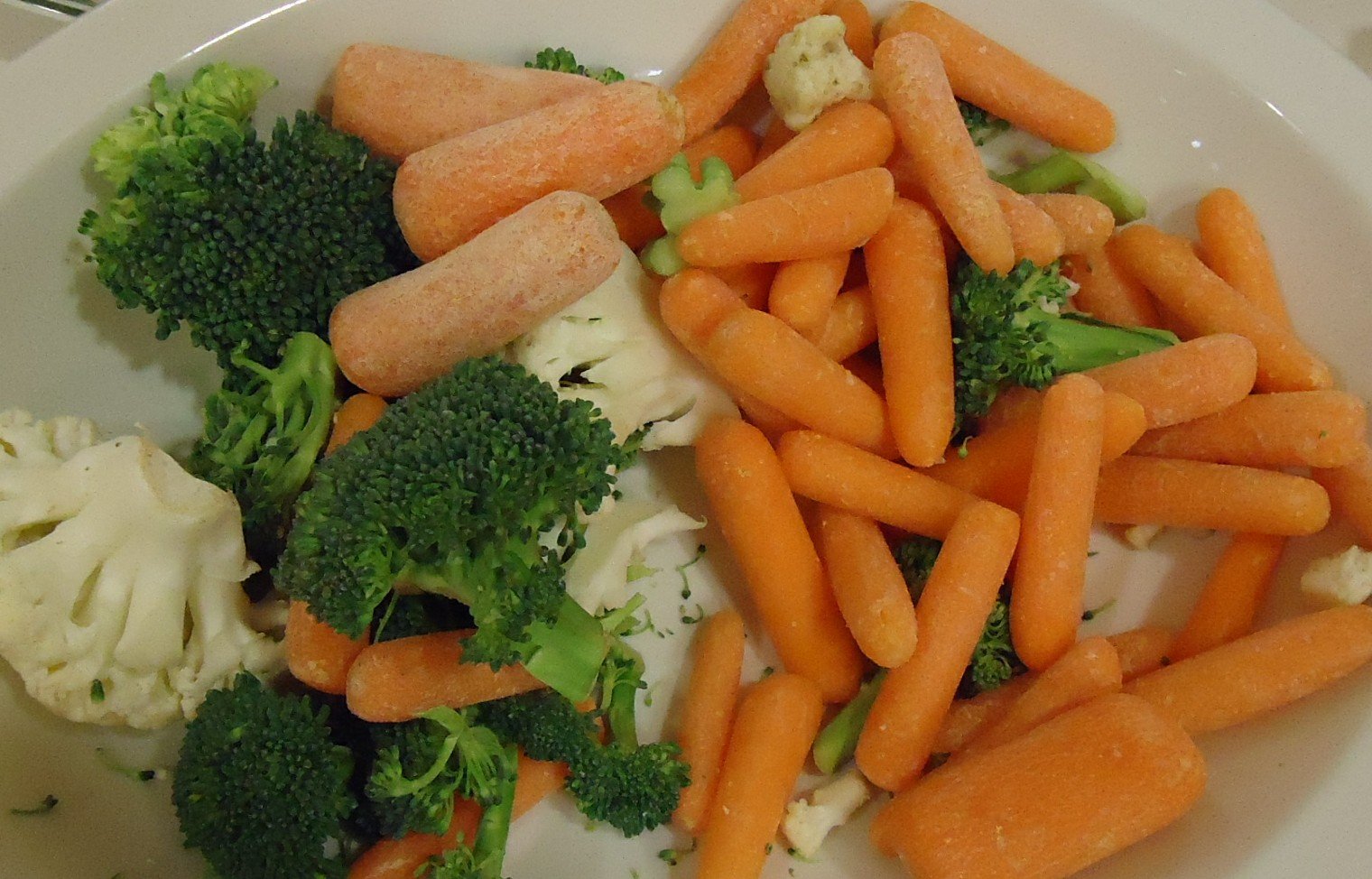
- – NEI examples: carrots, broccoli, and liver among vitamin A–related foods.
- – Leafy greens, orange vegetables, eggs, and fortified dairy or alternatives can help meet needs without high-dose retinol pills.
- – Prefer food-first adequacy; liver is nutrient-dense—do not eat huge portions daily.
Hydration as a comfort adjunct (NEI)
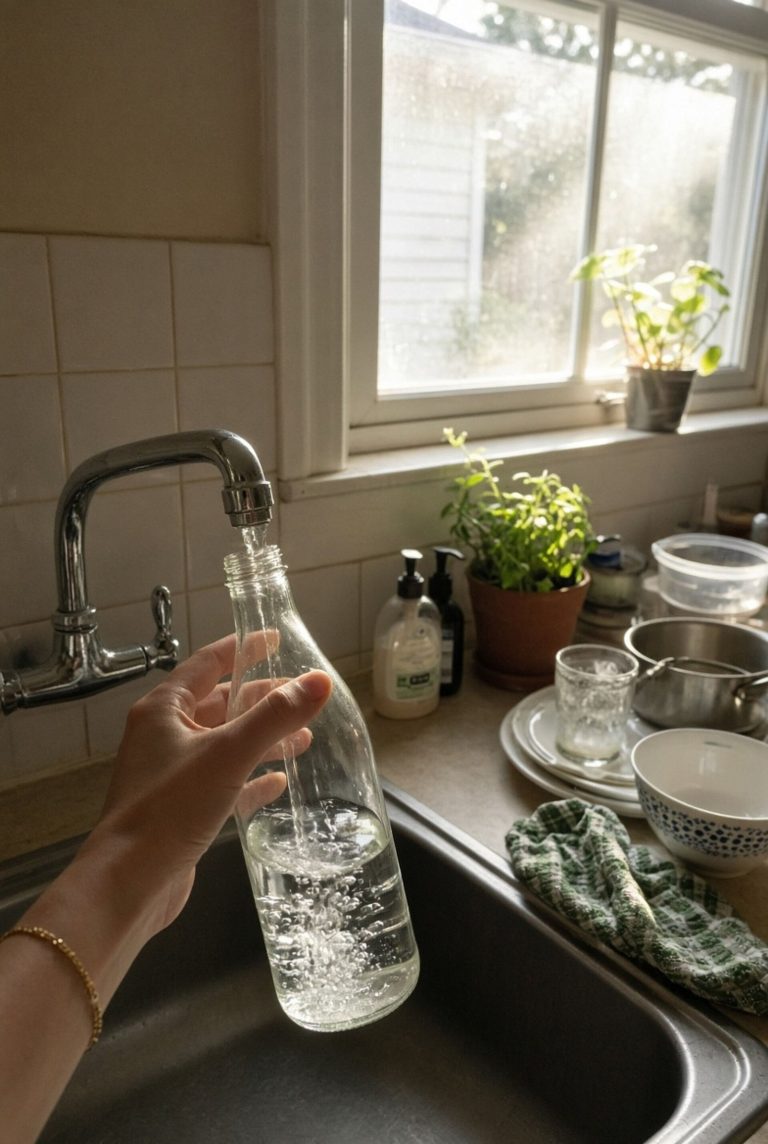
- – Sip water across the day unless fluid-restricted for another disease.
- – Pair fluids with meals; limit replacing water with only salty or sugary drinks.
Overall Mediterranean-style chassis
- – Vegetables, fruits, legumes, nuts, olive oil, and fish naturally cover many of the foods named on NEI/Mayo risk lists.
- – Consistency beats rotating “miracle” juices.
Kitchen habits that support the rest of dry-eye care
- – MedlinePlus: do not smoke; avoid second-hand smoke; use a humidifier; limit drying cold/allergy medicines when possible after asking your clinician.
- – NEI: limit long unbroken screen time, use wraparound sunglasses outdoors, and get enough sleep—pair evening plates so caffeine is earlier if nights are rough.
Foods and habits that often worsen MGD kitchen patterns
- – Very low omega-3, ultra-processed snack patterns that crowd out fish, nuts, and produce for months.
- – Chronic under-drinking while living in air-conditioned or heated dry air.
- – Smoking and heavy second-hand smoke exposure (MedlinePlus).
- – Alcohol-heavy evenings that disrupt sleep and leave you dehydrated the next workday of screens.
- – Unregulated megadose vitamin A or “eye detox” products stacked on top of fortified foods.
- – Expecting diet alone to fix rosacea-related lid disease, Sjögren dryness, or medicine-induced dryness without medical review.
- – Skipping warm compresses and lid hygiene because a supplement bottle promised a shortcut.
“Limit” means improving weekly nutrient density and hydration—not permanent bans on every favorite meal.
Practical kitchen protocol: an MGD-aware week
1. Two-week comfort and intake log
Note burning/gritty hours, screen blocks, compress routine, fish/walnut meals, water glasses, alcohol, and smoke exposure. Bring it to your eye visit.
2. Shopping list for tear-film–aware plates
Fatty fish; walnuts; ground flax or chia; leafy greens; carrots and broccoli; eggs; olive oil; yogurt or fortified dairy alternatives; beans; whole grains; citrus and berries; plain water; herbal caffeine-free drinks for evenings.
3. Default plate template
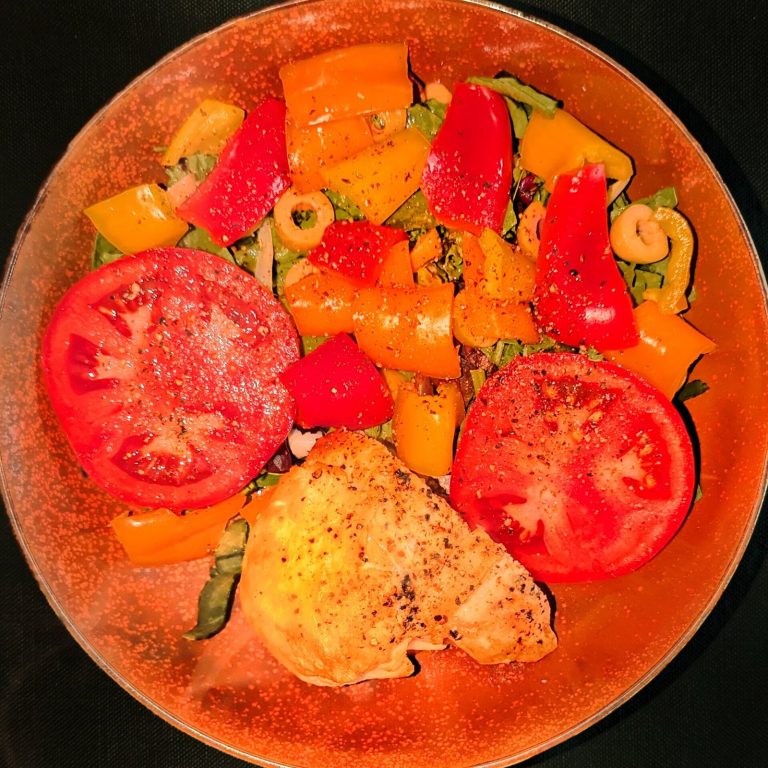
- – Half vegetables (include orange and green choices across the week)
- – Quarter protein (fish several times weekly when possible)
- – Quarter whole grains or starchy vegetables
- – Small portion of nuts or seeds most days if tolerated
- – Water at meals
4. Sample day (illustrative)
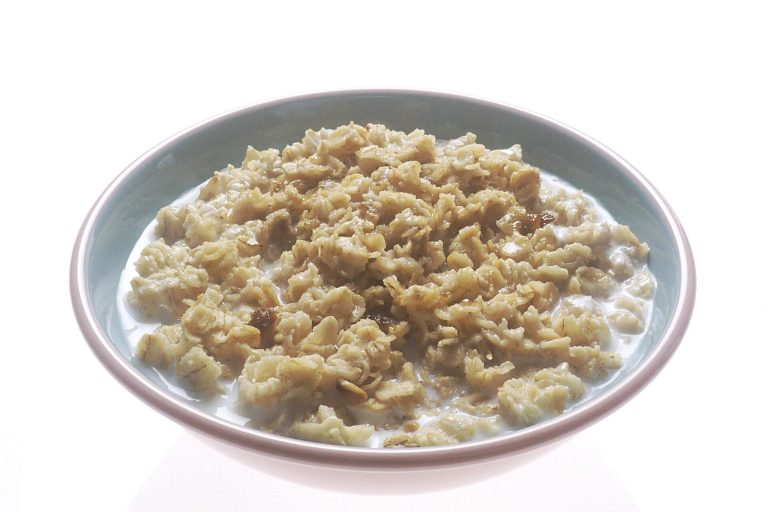
- – Breakfast: oatmeal with walnuts and berries; water.
- – Lunch: leafy salad with chickpeas or tuna; carrot sticks; water.
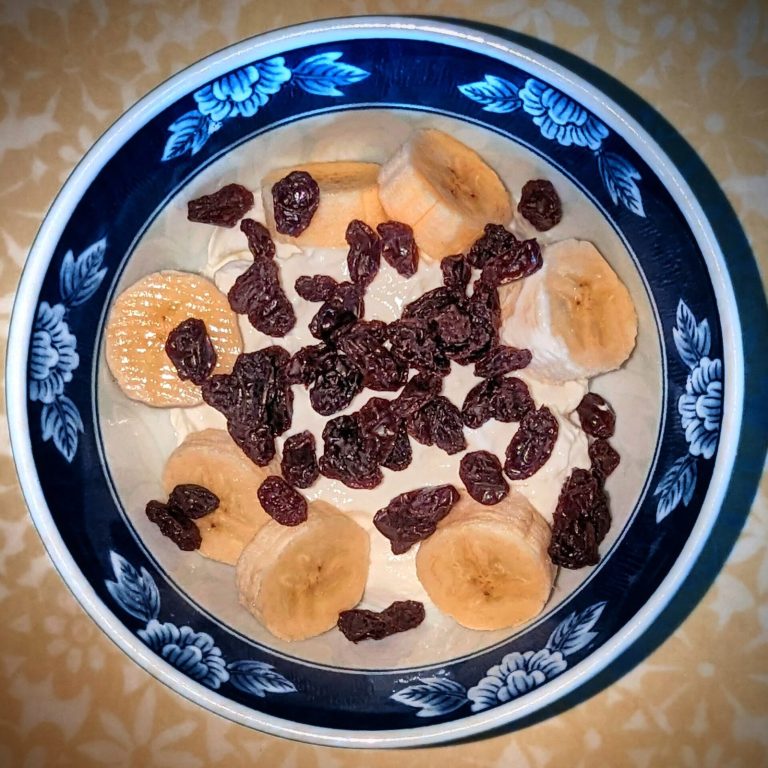
- – Snack: yogurt or a small handful of nuts.
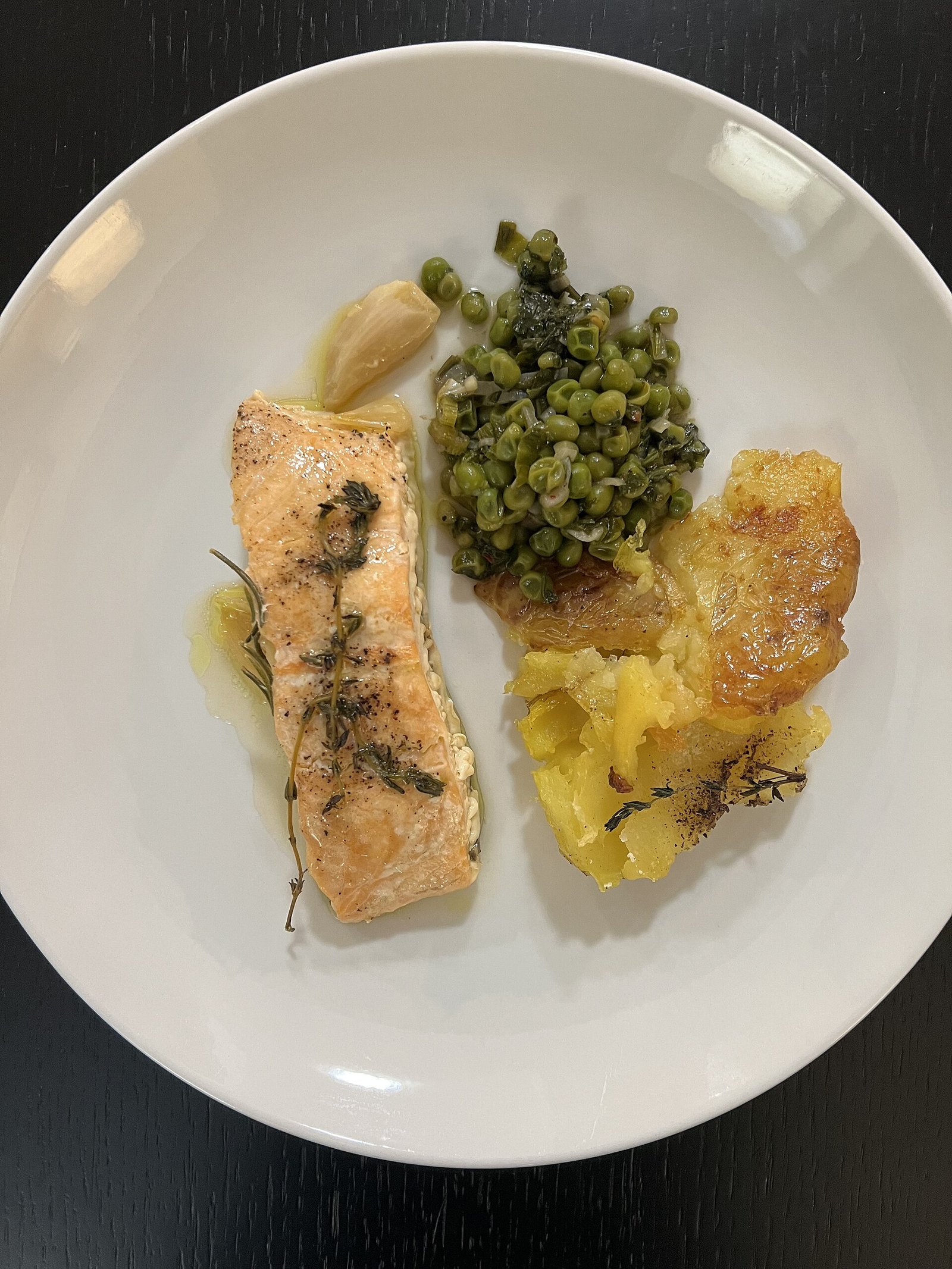
- – Dinner: salmon or trout, broccoli, potato or brown rice; water.
- – Evening: compresses as prescribed; caffeine-free tea if you like; earlier screens-off if possible.
5. Eating out
Choose grilled fish or plant-forward bowls; ask for dressings on the side; keep a water bottle; avoid smoke-filled patios when eyes are flaring.
6. When symptoms dominate
Escalate with your eye clinician—prescription drops, procedures, or systemic disease workups—while keeping the nutrient pattern as support, not a solo therapy.
Safety, interactions, and who should ask a clinician first
- – On blood thinners or before surgery: review fish-oil supplements with your clinician.
- – History of vitamin A toxicity, smoking with high-dose beta-carotene concerns in other eye contexts, or liver disease: avoid megadose retinol without supervision.
- – Contact lens wear, recent refractive surgery, or autoimmune disease: coordinate diet talk with specialty eye care.
- – Sudden vision loss, severe pain, thick discharge, or a sore on the eye: urgent evaluation—not a kitchen experiment.
- – Pregnancy: individualize liver intake and supplements.
FAQ
Can diet cure meibomian gland dysfunction? No. MGD needs lid-oriented care and often medical therapy. Food may help cover omega-3 and vitamin A adequacy NEI/Mayo mention in dry-eye risk lists.
Is fish oil required? MedlinePlus lists fish oil among possible treatments; many people start with food sources. Ask your clinician before capsules, especially if you take anticoagulants.
How is this different from a general dry eye diet page? dry eye diet guide covers broad dry eye; this page centers evaporative/MGD oil-layer context, warm-compress pairing, and meibomianitis language from MedlinePlus/Mayo.
Do I still need artificial tears if I eat fish? Usually yes for symptomatic dry eye. NEI and MedlinePlus keep tear products and lifestyle steps central.
Will cutting caffeine fix MGD? Not as a primary therapy. If late caffeine wrecks sleep or hydration, shift timing; lid care still matters.
Are carrot juice cleanses helpful? Food sources of vitamin A can support adequacy; juice cleanses and megadoses are not standard MGD care and can be unsafe.
How this differs from related OTCFood topics
This page is an MGD-bound diet guide focused on the oily tear layer, omega-3/vitamin A food patterns, hydration, and lid-care pairing. It is not a surgical blepharoplasty guide, not a Sjögren treatment protocol, and not a substitute for ophthalmology follow-up.
Medical disclaimer
Medical disclaimer: This article is for general information only. It is not medical advice, diagnosis, or a treatment plan. Dry eye and MGD care depend on tear testing, lid anatomy, autoimmune disease, medicines, and your clinician’s judgment. Talk with a clinician or registered dietitian before starting, stopping, or changing any eating plan, supplement, or medicine. Seek urgent eye care for severe pain, sudden vision change, chemical injury, or signs of infection.