Creatine Monohydrate: What Evidence Supports (Beyond Gym Myths)
Creatine monohydrate for short intense efforts—what NIH ODS supports, how to read labels, loading vs 3–5 g/day, water weight, and myths for everyday shoppers.
Comparisons, how-to-choose notes, and safety explainers for careful shoppers.
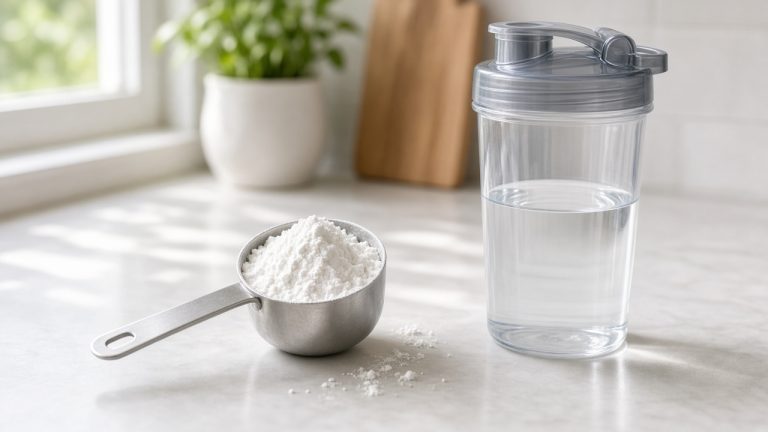
Creatine monohydrate for short intense efforts—what NIH ODS supports, how to read labels, loading vs 3–5 g/day, water weight, and myths for everyday shoppers.
Two roots show up again and again in “stress support” aisles: ashwagandha (Withania somnifera) and maca (Lepidium meyenii). They are not interchangeable. One has a clearer clinical footprint for stress-related outcomes; the other is better known for energy and reproductive-interest research with a thinner stress evidence base. This comparison sticks to what public sources and…
Standing in front of an ashwagandha shelf can feel like decoding a foreign language: KSM-66, Sensoril, “10:1 root extract,” withanolides, “full spectrum,” gummies, capsules. This guide walks through what those labels usually mean—and how to match a bottle to the kinds of products used in research summaries from NIH ODS and NCCIH. Nothing here is…
Ashwagandha (Withania somnifera) is one of the most searched adaptogen supplements—and for good reason. Short-term studies suggest some extracts may help with feelings of stress and, in some trials, sleep quality. That interest also means more people are asking the harder question: who should skip it, what side effects show up, and which medicines might…
Content is for education only and is not medical advice, diagnosis, or treatment. Talk with a qualified clinician before changing your diet, sleep routine, or supplement plan — especially if you are pregnant, nursing, or taking medication.