Meniere’s Disease Diet: Foods That May Help and Foods to Limit
Medical note: This article discusses foods and researched botanicals. It does not claim to prevent, treat, or cure disease. Supplements are not a substitute for food, and studied amounts are not personal prescriptions.
People searching “Meniere’s disease diet foods that help or worsen” usually want a practical low-salt kitchen plan that may help control inner-ear fluid pressure while they follow ENT care—not a claim that food eliminates vertigo, restores hearing, or replaces diuretics, vestibular therapy, or procedures. NIDCD describes Ménière’s disease as an inner-ear disorder with severe dizziness (vertigo), tinnitus, hearing loss, and ear fullness, linked to endolymph buildup (endolymphatic hydrops). MedlinePlus and NIDCD both note Ménière’s is managed rather than eliminated by diet alone; limiting salt and using water pills are among management options clinicians may recommend.
What this Meniere’s disease diet guide covers (and what it does not)
This guide is for adults with clinician-diagnosed Ménière’s disease who want grocery and restaurant tactics aligned with public low-sodium self-care advice. Anchors: MedlinePlus — Meniere’s Disease, NIDCD — Ménière’s Disease, MedlinePlus — Meniere disease (encyclopedia), and MedlinePlus — Meniere disease self-care.
NIDCD cites roughly 615,000 people in the United States with Ménière’s disease and about 45,500 newly diagnosed each year (American Hearing Research Foundation figures reported by NIDCD). Attacks may be rare or clustered; some people have “drop attacks.” Related reading: vertigo and Meniere’s diet guide and vestibular migraine diet guide.
Evidence snapshot: Meniere’s diet claims vs public sources
| Claim people hope for | What public sources actually say | Confidence |
|---|---|---|
| “Zero salt forever ends Ménière’s” | NIDCD/MedlinePlus: limiting salt and diuretics may help control symptoms; not a standalone fix | Strong: helpful for some, not curative |
| “Herbal stacks (ginkgo, niacin, ginger) proven equal to ENT care” | NIDCD: no evidence showing effectiveness of acupuncture, tai chi, or those herbal supplements for Ménière’s | Strong against assuming equivalence |
| “Any sodium number is fine if you drink more water” | MedlinePlus self-care gives specific sodium targets clinicians may use; fluid timing matters too | Moderate: follow your clinician’s numbers |
| “Caffeine and alcohol never matter” | MedlinePlus encyclopedia and self-care: limit caffeine and alcohol; they may worsen symptoms | Moderate–strong for personalization |
| “Diet replaces vestibular rehab or hearing aids” | NIDCD lists rehab, medicines, injections, surgery among options | Strong: diet is one tool |
Foods and patterns that may help with Meniere’s disease day to day
“May help” means supporting lower dietary sodium and steadier fluid habits that clinicians associate with symptom control—not a promise of silent ears.
Clinician-guided sodium limits
- – NIDCD: limiting dietary salt to 1,500–2,000 milligrams per day and taking a diuretic may help control symptoms.
- – MedlinePlus self-care: providers may recommend cutting back to 1,000–1,500 mg sodium per day (about ½ to ¾ teaspoon of salt). Confirm your personal target—do not invent a stricter number than advised.
- – Practical start: remove the table salt shaker; do not add extra salt; read labels (products under 100 mg sodium per serving are highlighted as good choices on the self-care page).
Naturally lower-sodium building blocks
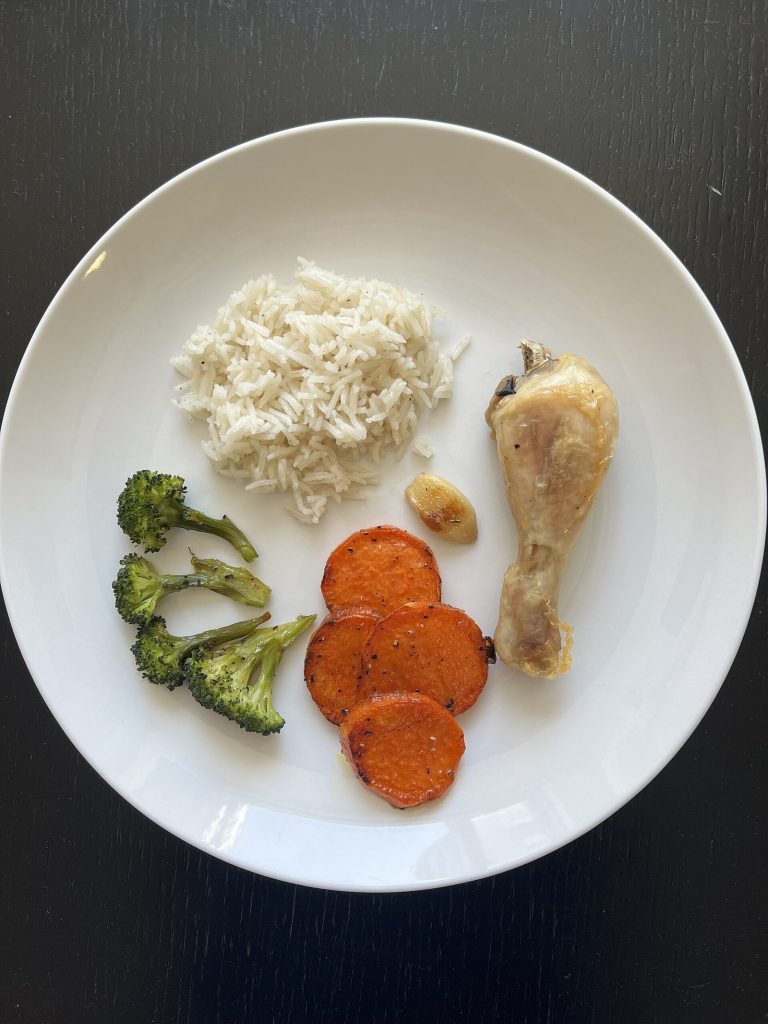
- – Fresh or frozen vegetables and fruits; fresh or frozen beef, chicken, turkey, and fish (check labels—salt is often added to whole turkeys).
- – Season with pepper, garlic, herbs, lemon; use garlic/onion powder not garlic/onion salt; oil and vinegar on salads; fruit or sorbet for dessert (MedlinePlus self-care tips).
Steady meal and fluid timing
- – MedlinePlus self-care: try to eat the same amount of food and drink the same amount of fluid at about the same time every day to reduce fluid-balance swings in the ear.
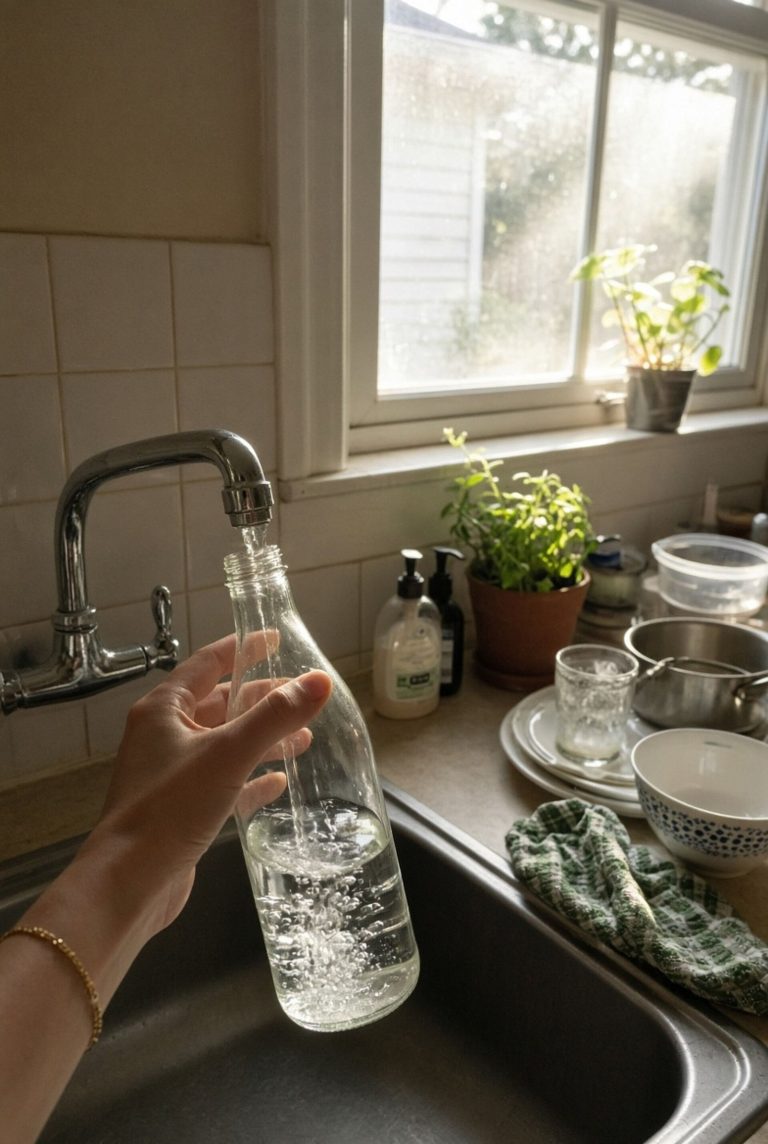
- – Keep a reusable bottle and simple meal template for workdays when vertigo risk feels higher.
Overlap with blood-pressure-aware kitchens
- – Low-sodium patterns often resemble hypertension-aware shopping—see hypertension diet guide—but Ménière’s targets come from your ENT/neuro-otology plan, not a DIY DASH experiment alone.
Foods and habits that often worsen Meniere’s kitchen patterns
- – High-sodium convenience defaults: most canned foods (unless low/no sodium), cured/smoked meats, bacon, hot dogs, sausage, bologna, ham, salami, packaged rice/macaroni mixes, anchovies, olives, pickles, sauerkraut, soy and Worcestershire sauces, tomato and other salty sauces, most cheeses, many bottled dressings, chips and crackers (MedlinePlus self-care avoid list).
- – MSG-containing dishes when you are sensitive—self-care advises asking restaurants not to add MSG.
- – Caffeine and alcohol that may worsen symptoms (encyclopedia and self-care).
- – Smoking—NIDCD: quitting smoking may also reduce symptoms.
- – Home water softeners that add sodium—self-care suggests limiting softened tap water and considering bottled water if relevant.
- – High-sodium OTC antacids or laxatives—ask pharmacist for low-sodium brands.
- – Expecting diet alone to stop drop attacks or sudden severe vertigo—those need medical safety planning.
“Limit” means reducing sodium spikes and known symptom aggravators—not blaming one pickle for lifelong hearing loss.
Practical kitchen protocol: a Meniere’s disease diet week
1. Keep the medical spine first
Confirm diagnosis workup status, diuretic dose timing, rescue medicines for attacks, vestibular therapy referrals, and when to seek emergency care for neurological red flags. Put sodium target on the fridge.
2. Shopping list for lower-sodium weeks
Unsalted or low-sodium broths; fresh produce; plain frozen vegetables; fresh poultry/fish; dried beans you cook yourself; herbs, citrus, vinegar; unsalted nuts; oatmeal; rice cooked without salty packets; low-sodium bread if you find a brand you like; bottled water if your softener adds sodium.
3. Label and restaurant protocol
- – Ingredients list: avoid items with sodium near the top.
- – Look for low-sodium, sodium-free, no salt added, sodium-reduced, unsalted.
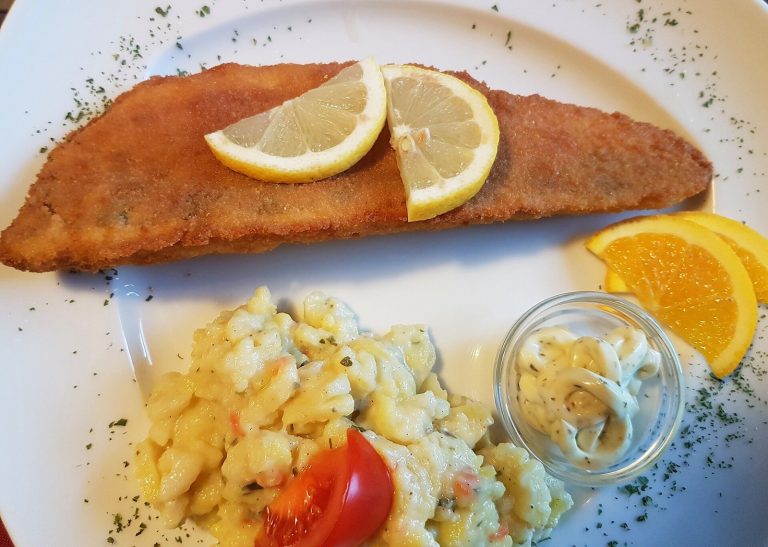
- – Restaurant: steamed, grilled, baked, boiled, broiled foods without added salt, sauces, or cheese; ask for dressings on the side.
4. Sample day (illustrative at ~clinician-approved sodium target)
- – Breakfast: oatmeal cooked in water with berries; unsalted eggs if desired; water.
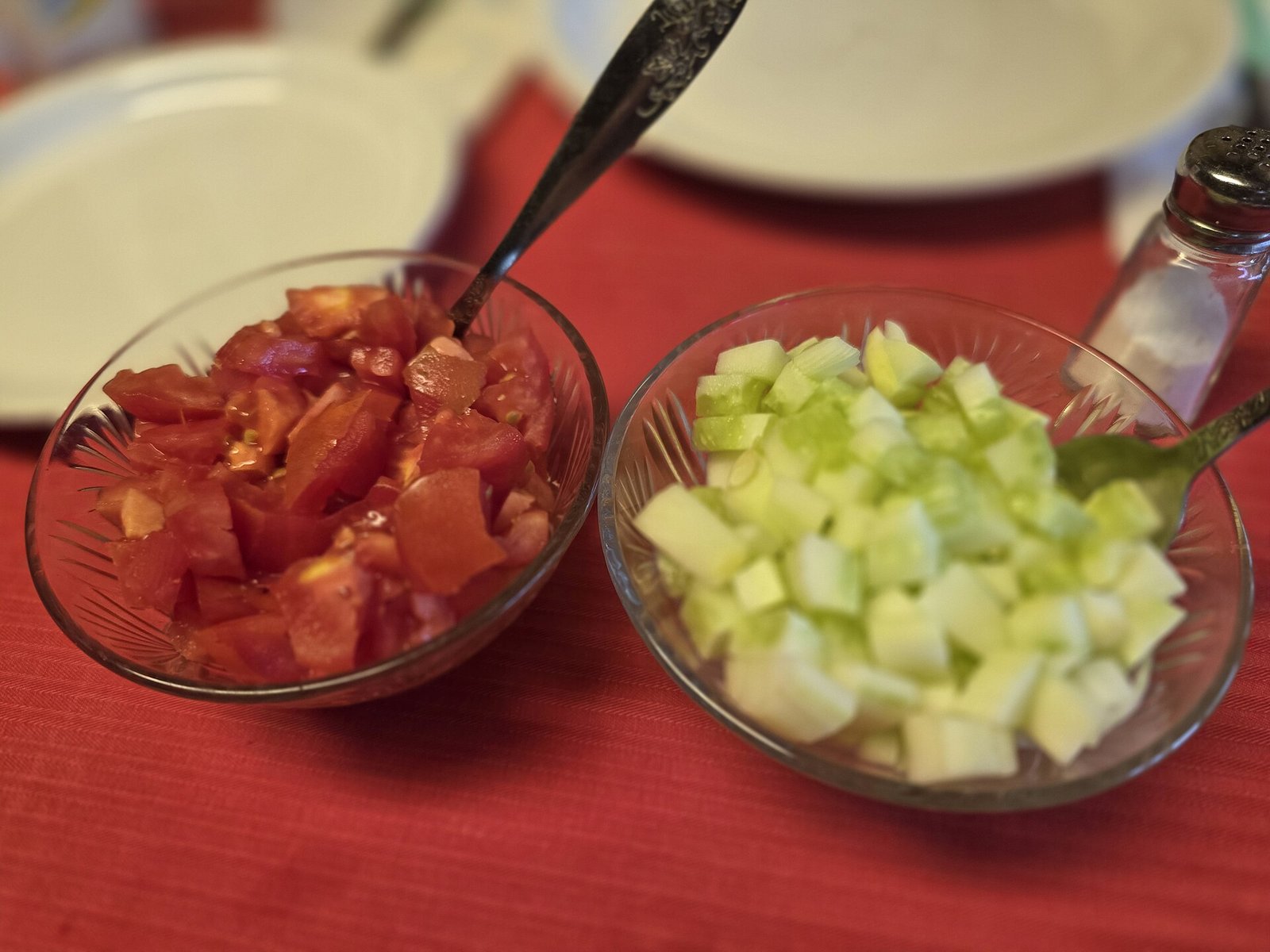
- – Lunch: large salad with grilled chicken, oil/vinegar, fruit; water timed like other days.
- – Snack: apple and a small unsalted yogurt if sodium fits your count.
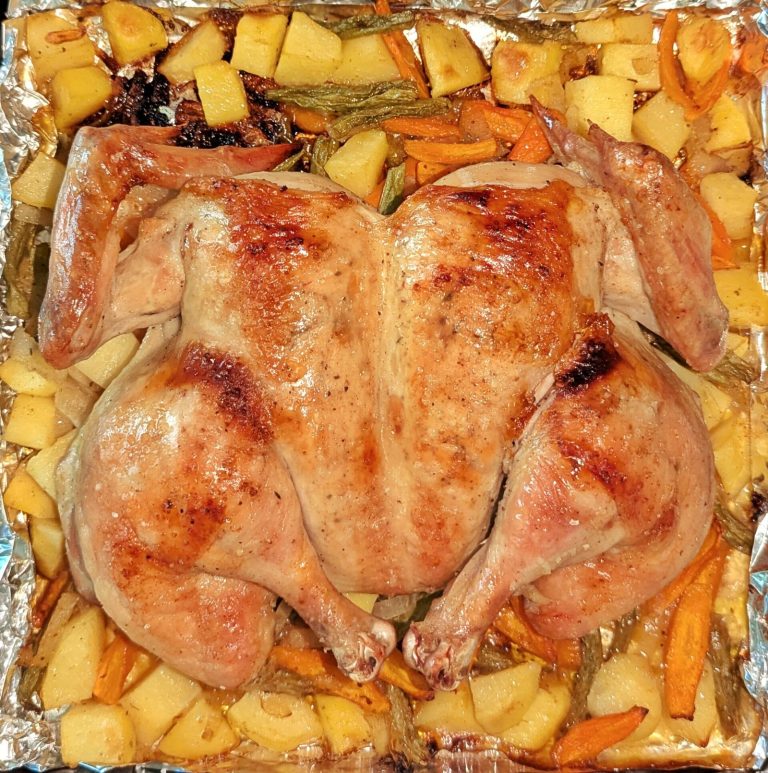
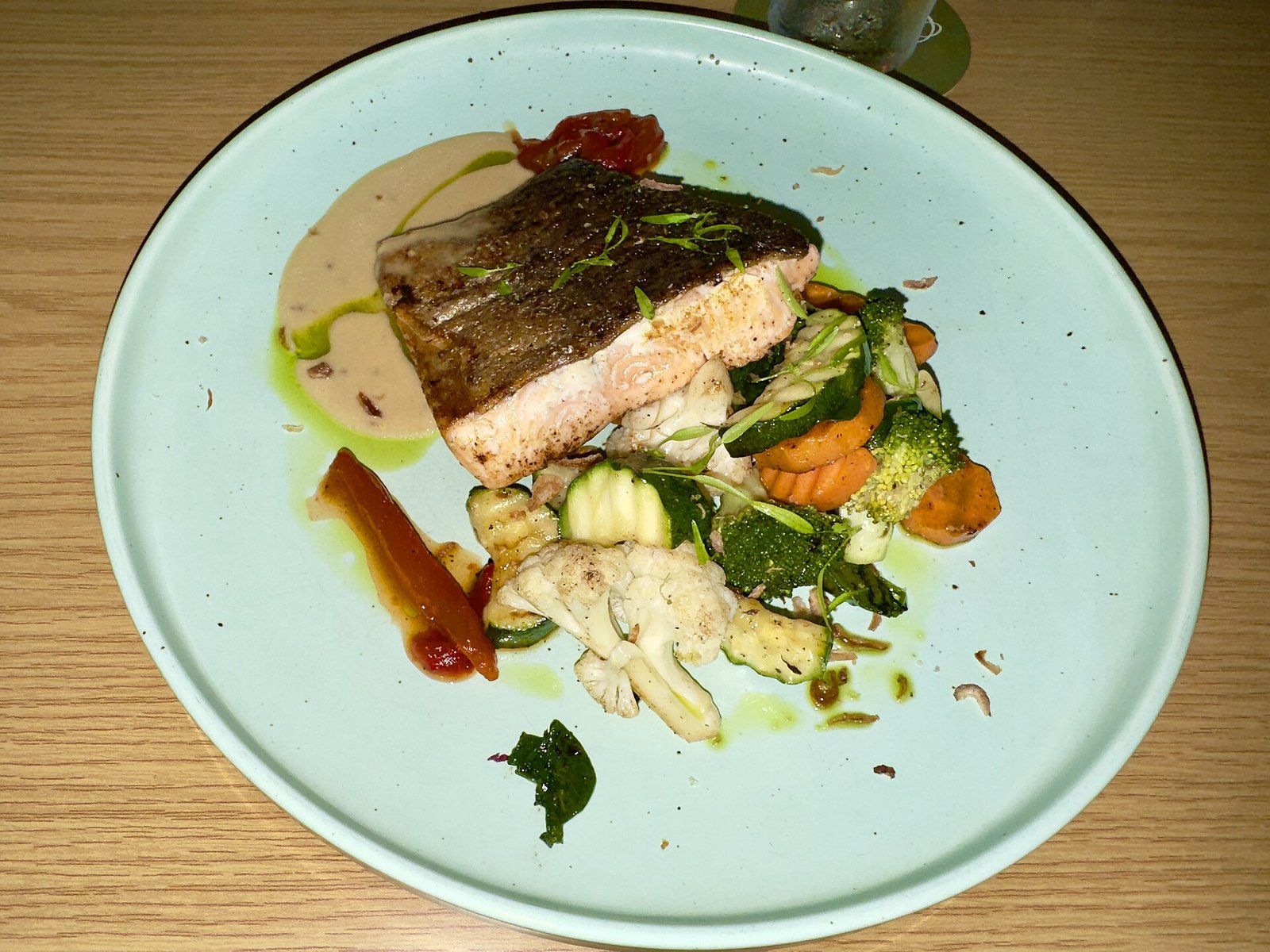
- – Dinner: baked fish, roasted unsalted potatoes, steamed vegetables with herbs.
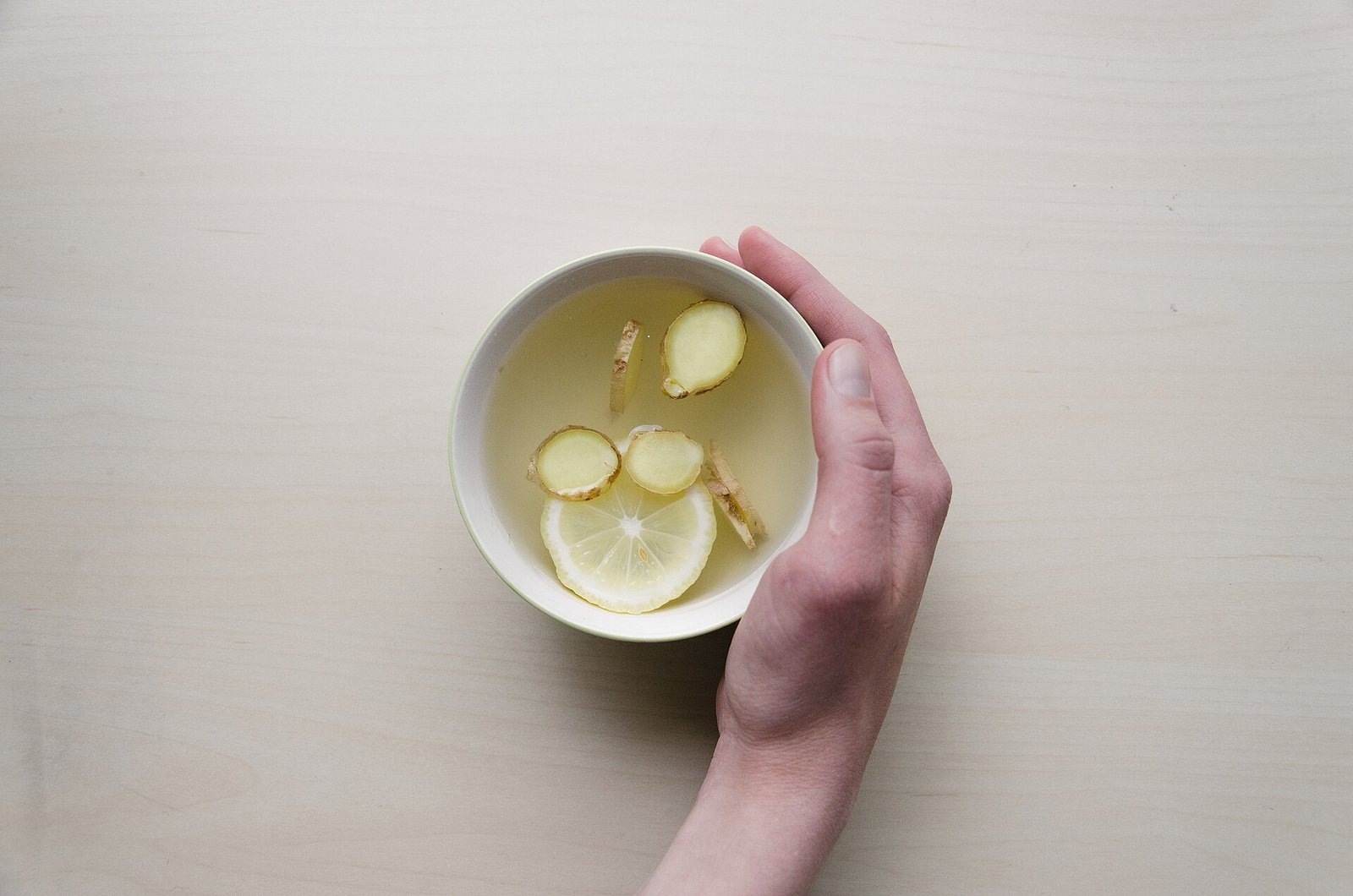
- – Evening: herbal caffeine-free tea if you tolerate it; avoid late alcohol.
Travel and social eating without derailing sodium goals
- – Pack fruit, unsalted crackers you have counted, and a water bottle for travel days when airport food is salty by default.
- – At parties, eat a planned low-sodium meal beforehand so you are not starving into chips; choose plain proteins and salads you can dress yourself.
- – If diuretics make bathroom trips frequent, plan restroom access on long errands rather than skipping medicine doses.
5. Attack-week adaptations
Keep easy low-sodium shelf meals for days nausea limits cooking; lie down safely during vertigo; do not force large salty “comfort” takeout.
6. Related dizziness pages
If vestibular migraine overlap is being evaluated, compare patterns carefully with vestibular migraine diet guide and migraine diet guide without self-diagnosing.
Safety, interactions, and who should ask a clinician first
- – Diuretics: monitor electrolytes and kidney function as directed; do not stack OTC “water pills.”
- – Low blood pressure, eating disorders, or pregnancy: individualized sodium goals only.
- – NIDCD: tell your doctor about alternative therapies—they can influence medicine safety.
- – Sudden one-sided weakness, severe headache unlike usual attacks, chest pain, or fainting: emergency evaluation—do not assume “just Ménière’s.”
FAQ
Will a low-salt diet end Meniere’s disease? No. Public sources say salt limits and diuretics may help control symptoms; NIDCD/MedlinePlus frame management options, not a dietary finish line.
Which sodium number should I use—1,000 or 2,000 mg? NIDCD cites 1,500–2,000 mg; MedlinePlus self-care mentions 1,000–1,500 mg as a possible clinician recommendation. Use the target your provider gives you.
Do I need to quit coffee completely? MedlinePlus advises limiting caffeine because it may worsen symptoms; individualize rather than panic over one cup if your clinician agrees.
Are ginger or ginkgo proven treatments? NIDCD reports no evidence showing effectiveness of those herbal supplements for Ménière’s.
How is this different from a general vertigo diet page? See vertigo and Meniere’s diet guide for overlapping themes; this page stays bound to Ménière’s salt/fluid self-care from NIDCD/MedlinePlus.
How this differs from related OTCFood topics
This page is a Ménière’s-bound diet guide centered on sodium, fluid timing, caffeine/alcohol limits, and ENT-aligned habits. It is not a surgical consent form, not a hearing-aid fitting guide, and not a substitute for dizziness workup.
Medical disclaimer
Medical disclaimer: This article is for general information only. It is not medical advice, diagnosis, or a treatment plan. Ménière’s care depends on attack pattern, hearing status, medicines, and your clinician’s protocol. Talk with a clinician or registered dietitian before starting, stopping, or changing any eating plan, supplement, or medicine. Seek urgent care for neurological red flags or uncontrolled vomiting with dehydration.