Diet After Pacemaker Implantation: Foods That May Help and Foods to Limit
Medical note: This article discusses foods and researched botanicals. It does not claim to prevent, treat, or cure disease. Supplements are not a substitute for food, and studied amounts are not personal prescriptions.
People searching “diet after pacemaker implantation foods that help or worsen” usually want kitchen habits that fit a heart-healthy pattern, support everyday energy while the pocket heals, and respect device-clinic rules—not a claim that food replaces the pacemaker, “resets” heart rhythm, or substitutes for prescribed heart medicines. NHLBI explains that a pacemaker can improve daily life for many people and that regular device checks, an ID card, and avoiding strong electromagnetic interference remain essential. NHLBI’s DASH eating plan is a flexible heart-healthy pattern built around vegetables, fruits, whole grains, low-fat dairy, fish/poultry/beans, and limits on saturated fat, sweets, and sodium.
What this after-pacemaker diet guide covers (and what it does not)
This guide is for adults recovering from pacemaker implantation who want practical eating patterns while wound care, arm restrictions, and cardiology/device follow-up remain primary. Anchors: NHLBI — Living with a pacemaker, NHLBI — Pacemakers, NHLBI — DASH eating plan, and MedlinePlus — Pacemakers and implantable defibrillators.
NHLBI living-with guidance stresses regular doctor visits to check battery and leads, carrying a pacemaker ID card, and keeping strong magnets/electronics at a safe distance (for example, cell phones away from the pocket). Kitchen changes do not reprogram devices, reverse cardiomyopathy, or replace anticoagulation or rate-control medicines when those are prescribed. Related reading: diet after CABG guide, hypertension diet guide, heart failure diet guide, and pericarditis diet guide.
Evidence snapshot: after-pacemaker diet claims vs public sources
| Claim people hope for | What public sources actually say | Confidence |
|---|---|---|
| “A special diet turns the pacemaker off when you ‘heal’” | NHLBI: pacemakers need ongoing checks; diet does not replace the device | Strong: device stays medical |
| “Megadose supplements charge the battery” | Battery/lead function is checked clinically; unregulated megadoses can interact with medicines | Strong against megadose myths |
| “DASH-style eating may support heart-healthy patterns around device care” | NHLBI presents DASH as a flexible heart-healthy eating style with sodium and saturated-fat limits | Moderate for overall heart pattern support |
| “Salt cleanses or potassium megadoses replace diuretics” | Fluid/electrolyte medicines are prescribed individually—especially in heart failure | Strong: do not DIY electrolytes |
| “Keeping a phone on the pacemaker pocket is fine if the diet is clean” | NHLBI: avoid close/prolonged contact with phones and magnetic devices near the pacemaker | Strong for device interference rules |
Foods and patterns that may help after pacemaker implantation day to day
“May help” means supporting a steadier heart-healthy plate and easier meals while the incision heals—not a promise that food eliminates arrhythmia risk.
DASH-aligned everyday patterns
- – NHLBI DASH recommendations include vegetables, fruits, and whole grains; fat-free or low-fat dairy; fish, poultry, beans, nuts, and vegetable oils; limiting fatty meats, full-fat dairy, tropical oils, sugar-sweetened drinks, and sweets.
- – Example sodium targets discussed in DASH materials include 2,300 mg daily, with 1,500 mg lowering blood pressure further for many people—confirm your personal sodium goal with cardiology (especially if you have heart failure).
- – See hypertension diet guide for sodium-aware kitchen tactics that often overlap.
Soft, easy meals during early pocket healing
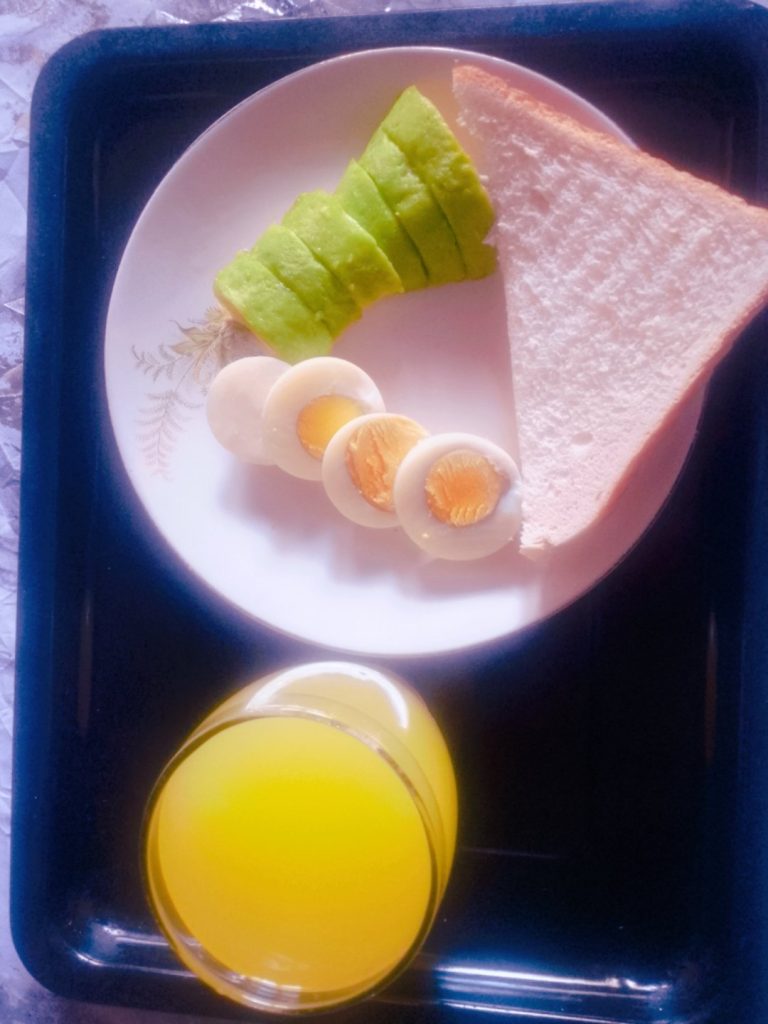
- – Eggs, yogurt, oatmeal, tender fish or poultry, tofu, rice, and cooked vegetables reduce kitchen strain if arm motion on the implant side is limited.
- – Prep foods at counter height; ask helpers to lift grocery bags and cast-iron pans.
Potassium-, calcium-, and magnesium-aware foods within clinician targets
- – DASH highlights foods rich in potassium, calcium, magnesium, fiber, and protein.
- – If you take diuretics or have kidney disease, do not load potassium supplements or salt substitutes without clinician clearance—food patterns still need personalization. Related: heart failure diet guide.
Steady nonalcoholic fluids as advised
- – Meet fluid goals your cardiologist set. Some people with heart failure have fluid caps; others do not—follow your sheet, not a generic “gallon a day” slogan.
Foods and habits that often worsen after-pacemaker kitchen patterns
- – High saturated-fat, high-sodium restaurant default patterns that work against DASH-style goals when cardiology wants blood-pressure and cholesterol support.
- – Sugar-sweetened beverage habits DASH materials advise limiting.
- – Unprescribed megadose vitamin/mineral or “heart detox” stacks—ask before supplements; they can interact with warfarin, antiarrhythmics, or other medicines.
- – Salt substitutes high in potassium if you have kidney disease or take medicines that raise potassium—clinic clearance first.
- – Alcohol excess that may disturb sleep, hydration, and medicine plans—ask for your limit.
- – Storing a phone or magnetic tablet case over the generator pocket.
- – Expecting kitchen changes to fix pocket infection signs, fainting, prolonged dizziness, or device shocks (if you also have an ICD)—those are device-clinic/ER issues.
“Limit” means aligning with heart-healthy patterns and device safety—not claiming one salty meal disables the pacemaker.
Practical kitchen protocol: an after-pacemaker diet week
1. Keep the medical spine first
Confirm wound care, arm restrictions, driving rules, medicine list (including blood thinners if any), device-check schedule, and which household electronics need distance. Carry your pacemaker ID card.
2. Shopping list for DASH-leaning recovery
Vegetables and fruit; oats and other whole grains; low-fat dairy or fortified alternatives; beans; fish and poultry; nuts in modest portions; olive or other unsaturated oils; herbs instead of heavy salt; labeled lower-sodium broths; easy yogurt and eggs for one-handed snacks.
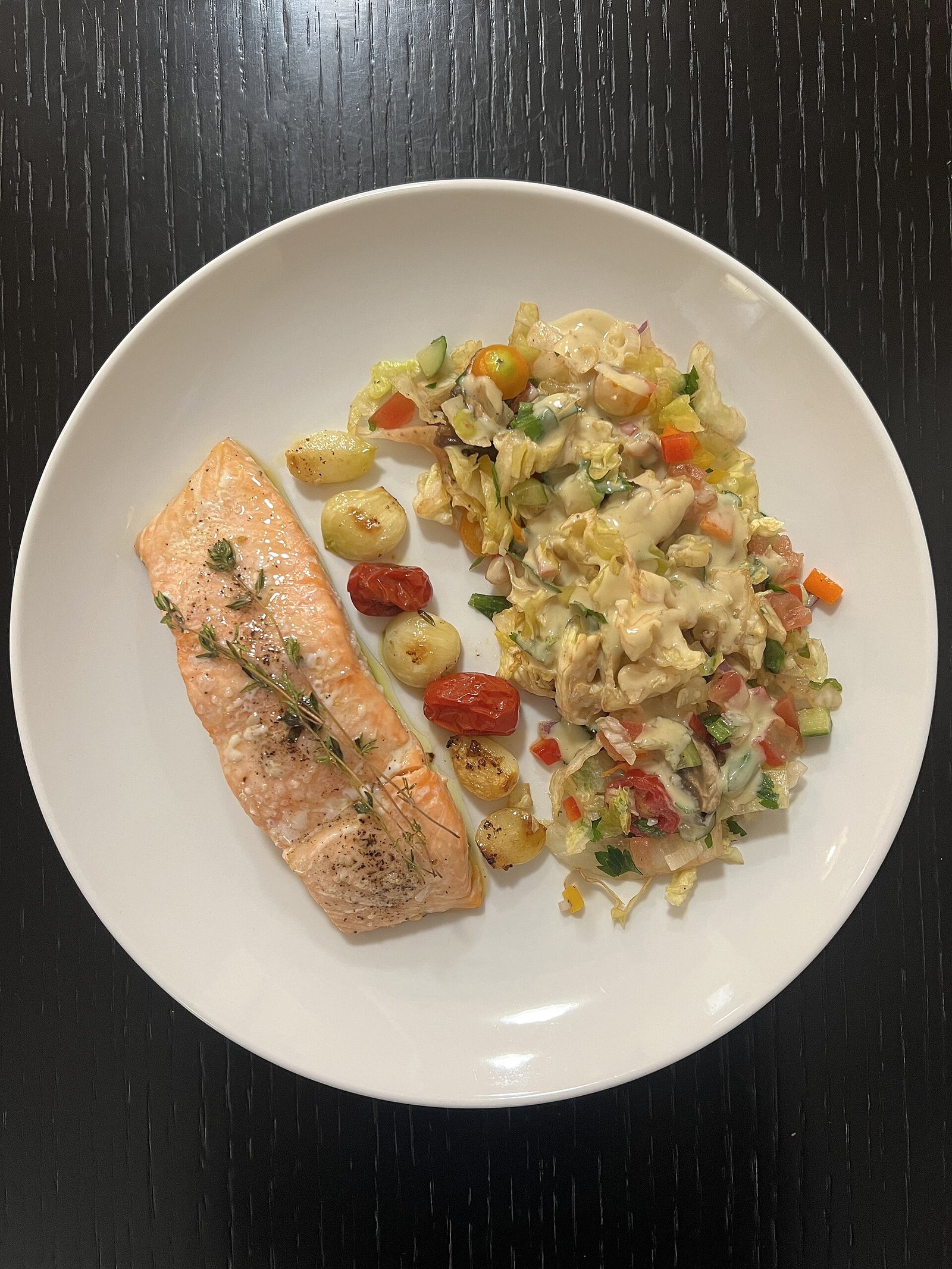
3. Default plate template
- – Vegetables taking visual space
- – Lean protein (fish, poultry, beans, tofu)
- – Whole grain or starchy vegetable
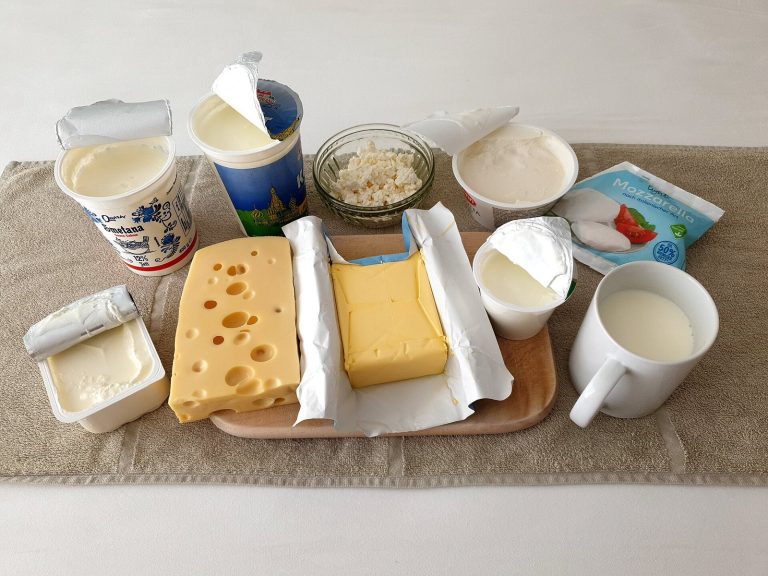
- – Low-fat dairy if used
- – Mindful sodium at the salt shaker and in packaged sauces
4. Sample day (illustrative, if no special fluid/electrolyte limits)
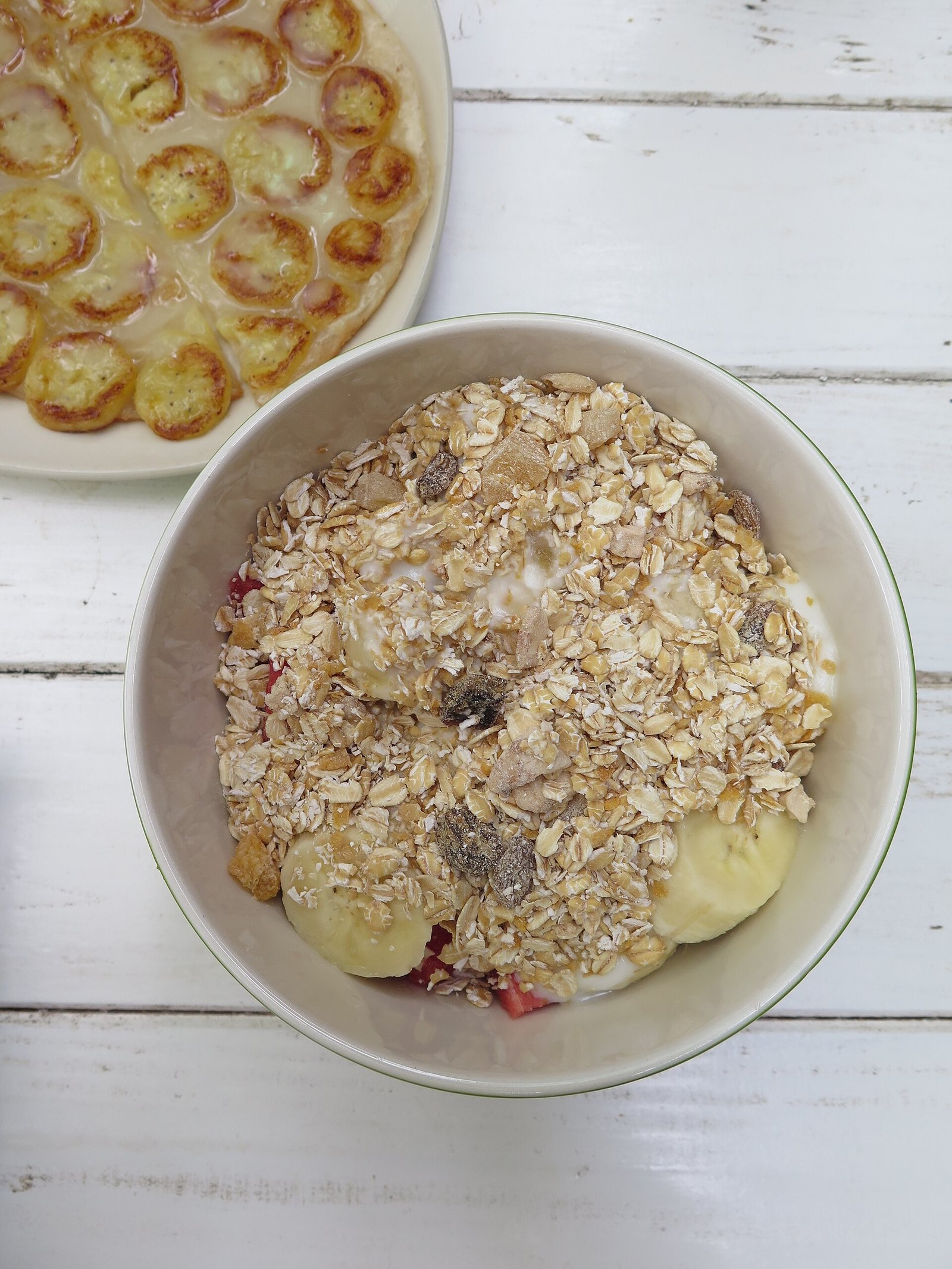
- – Breakfast: oatmeal with fruit and low-fat milk; water.
- – Lunch: grilled chicken or bean salad with lots of vegetables; fruit; water.
- – Snack: yogurt; unsalted nuts in a small portion if cleared.
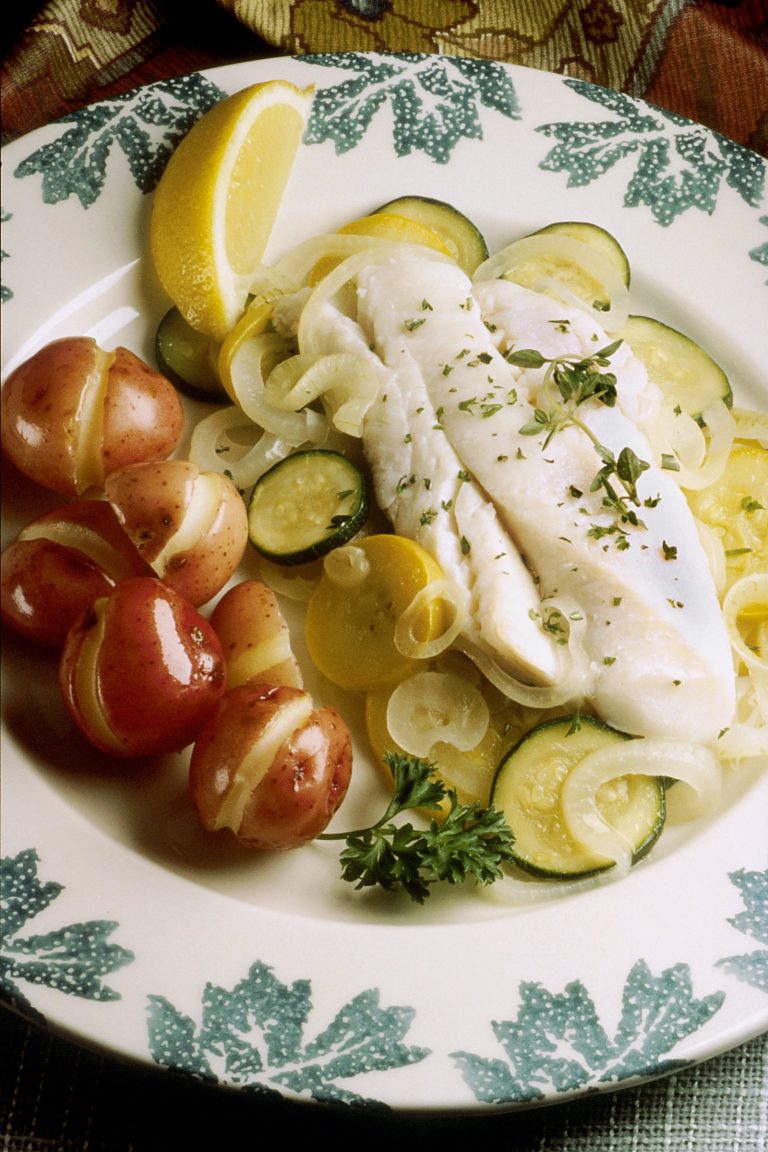
- – Dinner: baked fish, quinoa or brown rice, steamed vegetables; water.
- – Evening: herbal tea or water—keep phones off the chest pocket while resting.
5. Home setup tips
Move frequently used pans to easy shelves on the non-implant side; batch-cook soups with measured salt; read labels on bread, sauces, and deli meats for sodium; keep the device ID card in your wallet near—not under—a phone magnet stack.
6. If heart failure or post-CABG history coexists
Patterns may overlap heart failure diet guide and diet after CABG guide; fluid and sodium caps from those clinics override generic DASH numbers when they conflict.
Safety, interactions, and who should ask a clinician first
- – Kidney disease, heart failure, or hyperkalemia risk: individualize potassium and fluid.
- – Anticoagulation: keep vitamin K intake consistent if advised; do not start megadose vitamin E/fish oil without asking.
- – MRI, surgery, or airport security: follow device-clinic rules and show your ID card—diet is irrelevant to screening protocols.
- – Contact cardiology/device clinic or urgent care for fever, pocket redness/drainage, fainting, new severe shortness of breath, or concerning device alerts.
FAQ
Can diet replace my pacemaker? No. Nutrition may support heart-healthy patterns; the device and clinic follow-up remain essential.
Which diet is “the pacemaker diet”? There is no single magic pacemaker menu. NHLBI often points to heart-healthy patterns such as DASH, individualized for your diagnoses.
Are electrolyte powders safe after implant? Only if your clinician agrees. Unsupervised potassium or magnesium megadoses can be risky with heart and kidney disease.
Does caffeine disable pacemakers? Device function is about sensing/pacing algorithms and electromagnetic interference—not a coffee cup “short circuit.” Ask cardiology about your personal caffeine guidance for arrhythmias or sleep.
How is this different from a general hypertension diet page? Overlap with hypertension diet guide is large, but post-implant care adds pocket healing, arm rules, and electromagnetic precautions your device clinic owns.
How this differs from related OTCFood topics
This page is a pacemaker-implantation-bound diet guide focused on heart-healthy patterns and practical recovery logistics. It is not a DIY arrhythmia protocol, not an ICD shock diet, and not a substitute for device follow-up.
Medical disclaimer
Medical disclaimer: This article is for general information only. It is not medical advice, diagnosis, or a treatment plan. Care after pacemaker implantation depends on the indication, lead/generator details, other heart conditions, medicines, and your cardiology team’s protocol. Talk with a clinician or registered dietitian before starting, stopping, or changing any eating plan, supplement, or medicine. Seek urgent care for fainting, pocket infection signs, severe chest symptoms, or device concerns.