Vertigo and Ménière’s Disease Diet: Foods That May Help and Foods to Limit
Medical note: This article discusses foods and researched botanicals. It does not claim to prevent, treat, or cure disease. Supplements are not a substitute for food, and studied amounts are not personal prescriptions.
People searching “vertigo Ménière’s diet foods that help or worsen” usually want salt, fluid, caffeine, and alcohol rules for spinning attacks—not a claim that diet ends inner-ear disease. NIDCD describes Ménière’s disease as an inner-ear disorder with episodic vertigo, tinnitus, hearing loss, and ear fullness, linked to endolymph fluid imbalance. About 615,000 people in the U.S. have it; new diagnoses are on the order of tens of thousands yearly. NIDCD: there is not yet a cure; management may include dietary and behavioral changes, medicines, devices, or surgery when other options fail. NHS self-care for Ménière’s includes discussing a low-salt diet, avoiding caffeine, not drinking alcohol, staying hydrated, and not driving during dizzy spells.
What this vertigo / Ménière’s diet guide covers (and what it does not)
This guide is for adults with clinician-diagnosed Ménière’s disease or recurrent vestibular vertigo who want kitchen defaults while ENT care continues. Anchors: NIDCD — Ménière’s Disease, NHS — Ménière’s disease, NHS — Vertigo, and MedlinePlus — Dizziness and vertigo.
Sudden one-sided weakness, speech trouble, severe headache unlike usual attacks, chest pain, or new neurologic deficits can be stroke emergencies—not “just vertigo.” Drop attacks with falls need fall-proofing and clinical review.
Evidence snapshot: Ménière’s / vertigo diet claims vs public sources
| Claim people hope for | What public sources actually say | Confidence |
|---|---|---|
| “A salt-free diet cures Ménière’s” | NIDCD: limiting salt to about 1,500–2,000 mg/day plus a diuretic may help control symptoms; no cure yet | Moderate for salt strategy; not a cure |
| “Caffeine always triggers attacks” | NHS: try to avoid caffeine in food and drink (tea, coffee, chocolate) as self-care | Moderate practical guidance |
| “Alcohol is fine in moderation always” | NHS: do not drink alcohol as part of Ménière’s self-care advice | Moderate avoidance guidance |
| “Dehydrate to reduce ear fluid” | NHS: drink lots of fluids; NIDCD focuses on salt/diuretic strategies—not dehydration | Strong against intentional dehydration |
| “Diet replaces ENT procedures” | NIDCD lists medicines, injections, devices, and surgery among options when needed | Strong: diet is one management tool |
Foods and patterns that may help with Ménière’s day-to-day stability
“May help” means NIDCD/NHS-aligned salt, fluid, and trigger habits—not guaranteed attack-free months.
Sodium awareness (NIDCD)
- – Work toward roughly 1,500–2,000 mg sodium per day if your clinician agrees—NIDCD cites this range with possible diuretic use.
- – Cook more from fresh ingredients; read labels on soups, sauces, deli meats, and snacks where sodium hides.
- – Pair any diuretic prescription with clinician guidance on fluids and electrolytes—do not add OTC “water pills.”
Steady fluids (NHS)
- – Drink regularly across the day. Avoid swinging between heavy evening fluid loads and daytime dehydration.
- – Keep water accessible during attacks when standing to fetch drinks is unsafe.
Caffeine and alcohol timing (NHS)
- – Trial lower caffeine (tea, coffee, cola, chocolate) and track attack frequency for two weeks.
- – Follow NHS advice to avoid alcohol while managing Ménière’s symptoms—alcohol can worsen dizziness and sleep.
Migraine-overlap kitchen notes
NIDCD notes vascular and migraine-related theories among proposed contributors for some people. If you also have migraine, coordinate with your clinician before stacking multiple elimination diets; see related migraine diet guidance for personal trigger logs rather than permanent bans.
Smoking
NIDCD explains that symptoms relate to fluid imbalance in the labyrinth—the inner-ear compartments that house hearing and balance organs. That physiology is why clinicians often combine dietary sodium awareness with diuretics for some patients, while others need vestibular suppressants during acute spins, hearing support, or procedures if attacks remain disabling. Your kitchen plan should match the treatment tier your ENT selected, not a one-size blog template.
Attack patterns vary: some people have long quiet intervals; others cluster many episodes in a few days. Use quieter weeks to batch-cook lower-sodium soups and freeze portions so attack days do not default to salty takeout. Keep crackers, bananas, and electrolyte guidance from your clinician ready if vomiting accompanies vertigo—rehydration strategy should be individualized, especially if you take diuretics.
Hearing changes and tinnitus flares can make grocery stores overstimulating. Shop during quieter hours, use written lists, and consider pickup services. Ear fullness that precedes vertigo is a cue to sit, hydrate steadily, and avoid climbing ladders—NHS safety advice applies before the room starts spinning. NIDCD: quitting smoking may also reduce symptoms for some people.
Foods and habits that often worsen Ménière’s / vertigo kitchen patterns
- – High-sodium restaurant meals and instant noodles that blow past a 1,500–2,000 mg day in one sitting.
- – Large caffeine boluses on empty stomachs if your log shows spins afterward.
- – Alcohol around known attack windows or bedtime.
- – Intentional dehydration “to dry the ear”—conflicts with NHS fluid advice.
- – Driving, ladders, or machinery when prodromal tinnitus/fullness appears (NHS safety).
“Limit” means structured sodium and trigger caps—not fear of every savory herb.
Practical kitchen protocol: a Ménière’s diet week
1. Two-week sodium and trigger log
Record attacks, meals, estimated sodium, caffeine, alcohol, sleep, and stress. Bring the log to ENT or audiology visits.
2. Low-sodium shopping shifts
Choose no-salt-added beans, unsalted nuts in measured portions, herbs/lemon instead of salty sauces, and rinsed canned vegetables. Compare bread and cheese labels—sodium varies widely.
3. Default plate template
Practice reading sodium labels until the milligram arithmetic is automatic: a soup at 800 mg plus a sandwich at 1,200 mg already approaches many people’s daily target before dinner. Swap deli meat for fresh-cooked chicken, choose unsalted beans, and rinse canned items. If family members want saltier food, salt at the table on their portions only so the cooking base stays lower sodium.
Track blood pressure if you have hypertension; low-sodium Ménière’s advice often overlaps DASH-style skills, but vestibular disease and blood-pressure care still need their own clinical goals. Never stop a prescribed diuretic because you “fixed salt,” and never double a diuretic after a salty meal without medical advice.
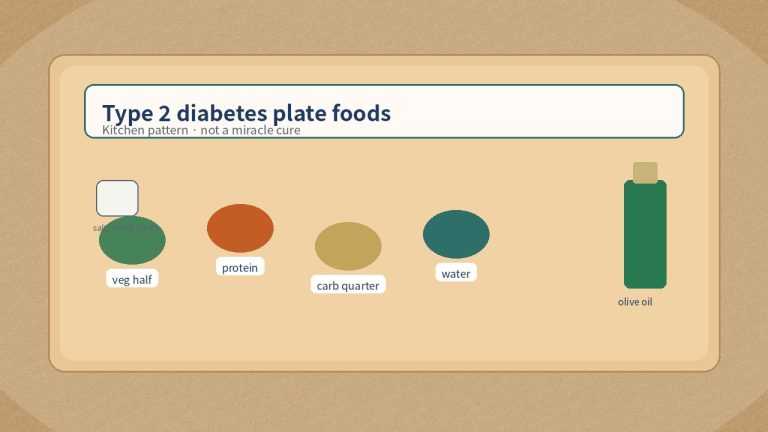
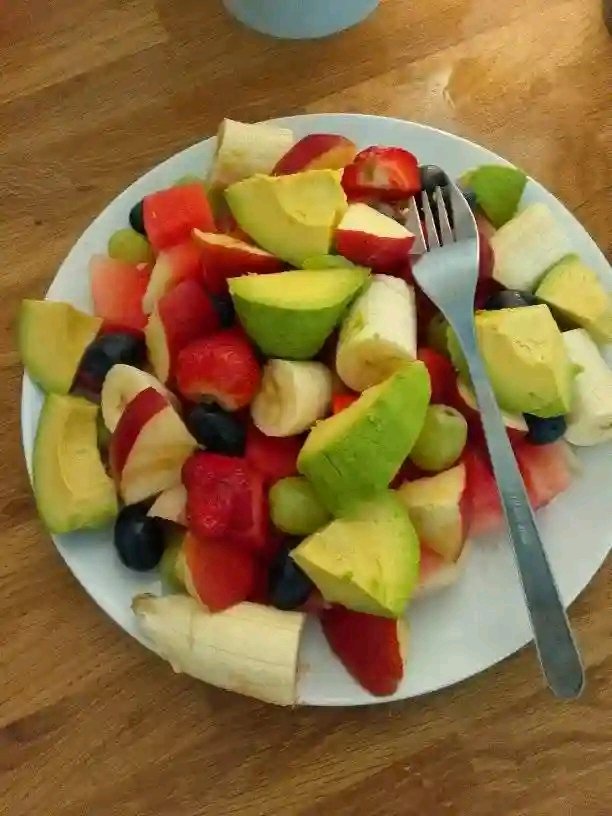
- – Half vegetables and fruit
- – Quarter whole grains or potatoes prepared without heavy salty seasoning
- – Quarter protein (fresh poultry, fish, eggs, beans)
- – Flavor with garlic, vinegar, pepper, and herbs instead of soy sauce packets
4. Sample day (illustrative ~within a lower-sodium day)
- – Breakfast: oatmeal with banana; herbal caffeine-free tea if avoiding coffee.
- – Lunch: unsalted-bean grain bowl with vegetables and olive oil; fruit.
- – Snack: yogurt or fruit (check flavored yogurt sodium if relevant).
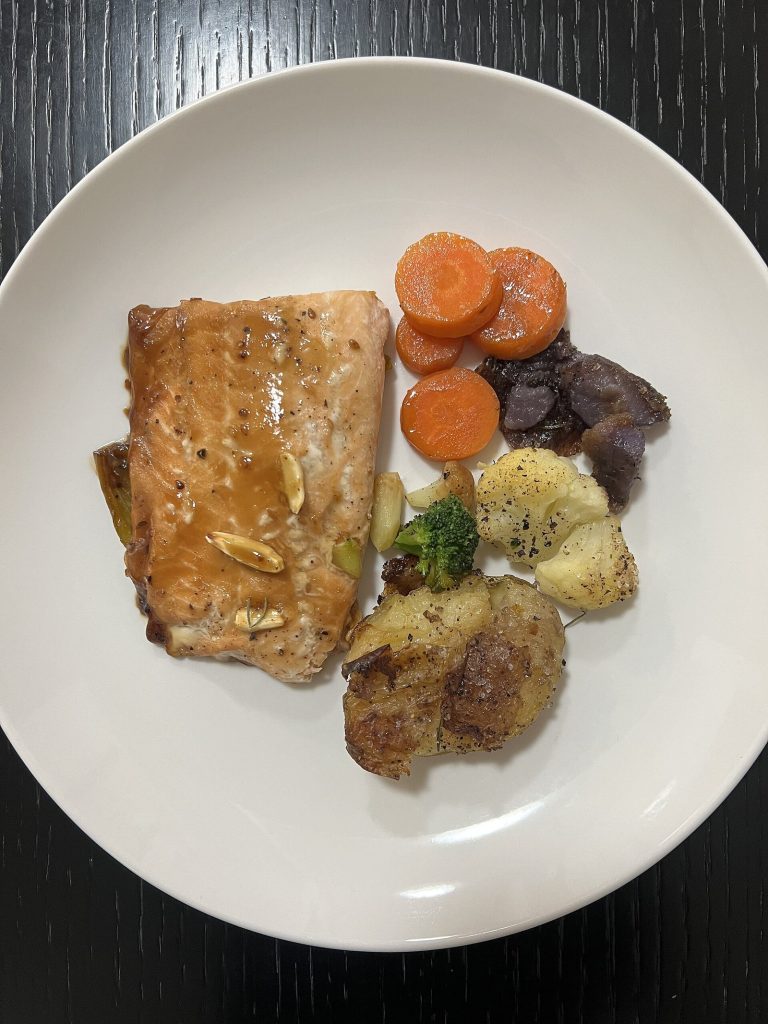
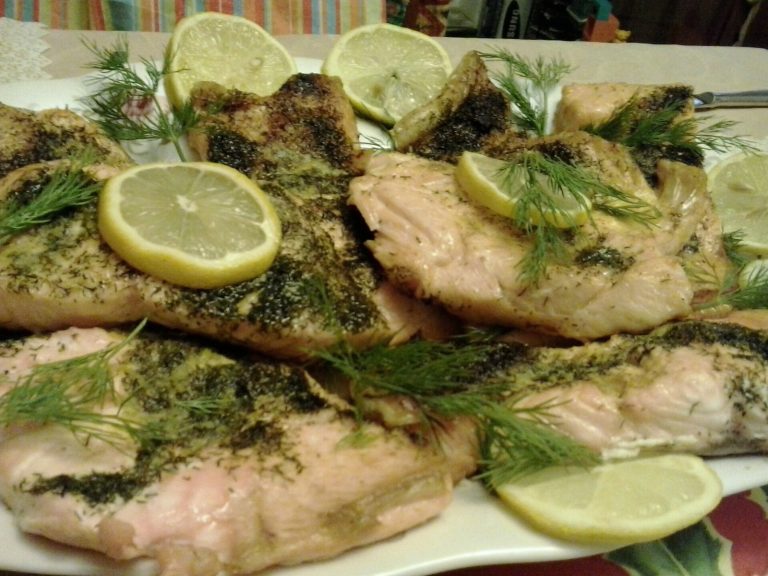
- – Dinner: baked chicken or fish, potatoes, steamed vegetables—season without salty spice blends.
- – Fluids: water spaced through the day; ask about diuretic timing relative to meals.
5. Eating out
Request sauces on the side, skip cured meats and broth-heavy soups, and choose grilled items. Save high-sodium splurges for rare exceptions if your clinician allows flexibility.
6. Attack-day kitchen safety
Pre-portion easy foods at seated height; avoid stove duty during spinning; use paper goods to reduce cleanup energy after nausea.
Safety, interactions, and who should ask a clinician first
- – Diuretics, vestibular suppressants, and steroid injections are medical decisions.
- – Hearing loss progression needs audiology follow-up—diet will not restore damaged hearing.
- – Vertigo with neurologic red flags → emergency evaluation for stroke/TIA mimics.
- – Pregnancy, kidney disease, or adrenal disorders change sodium and diuretic safety.
FAQ
Can a Ménière’s diet cure the disease? No. NIDCD states there is not yet a cure. Salt limitation and other measures may help control symptoms for some people.
How low should sodium go? NIDCD cites about 1,500–2,000 mg/day as a common recommendation to discuss with your doctor—not a DIY extreme salt-free starvation plan.
Is chocolate really a problem? NHS groups chocolate with caffeine-containing foods to try avoiding. Use your personal log.
Do I need to avoid all salt substitutes? Ask your clinician—some potassium-based substitutes are unsafe with certain kidney conditions or medicines.
How this differs from related OTCFood topics
This page is a Ménière’s / vestibular vertigo diet guide focused on sodium, fluids, caffeine, and alcohol. It is not a general migraine diet guide elimination encyclopedia, not a high blood pressure diet guide DASH hypertension clinic visit (though sodium skills overlap), not an anxiety diet guide panic-focused article, and not an insomnia diet guide sleep protocol—though poor sleep can worsen next-day vulnerability.
Medical disclaimer
Medical disclaimer: This article is for general information only. It is not medical advice, diagnosis, or a treatment plan. Vertigo and Ménière’s care depend on hearing tests, vestibular exam, and other neurologic findings. Talk with an ENT clinician or registered dietitian before starting, stopping, or changing any eating plan, diuretic, or supplement. Seek emergency care for stroke-like symptoms, severe headache with neurologic change, chest pain, or inability to walk safely.