Diet After Septoplasty: Foods That May Help and Foods to Limit
Medical note: This article discusses foods and researched botanicals. It does not claim to prevent, treat, or cure disease. Supplements are not a substitute for food, and studied amounts are not personal prescriptions.
People searching “diet after septoplasty foods that help or worsen” usually want kitchen habits that keep meals soft, limit straining and face pressure, and support comfort while they follow a surgeon’s packing, splint, and activity plan—not a claim that food rebuilds the nasal septum or replaces prescribed pain control, saline care, or follow-up. MedlinePlus describes septoplasty as surgery to correct problems in the nasal septum (the wall that separates the nose into two chambers) that can partially block the airway. Discharge guidance emphasizes rest, avoiding nose blowing, limiting bending and breath-holding with bowel movements, and avoiding heavy lifting for about 1 to 2 weeks.
What this after-septoplasty diet guide covers (and what it does not)
This guide is for adults recovering from nasal septum repair who want practical eating patterns while they follow ice, elevation, activity, and wound-care instructions from their ENT surgeon. Anchors: MedlinePlus — Septoplasty, MedlinePlus — Septoplasty discharge, and related nasal recovery reading such as diet after rhinoplasty guide and diet after tonsillectomy guide.
MedlinePlus notes most people go home the same day; packing is often removed in 24 to 36 hours; splints may stay 1 to 2 weeks; light drainage or bleeding for a few days is common; and numbness of the nose tip can linger for months. Kitchen changes do not replace red-flag watches for heavy nosebleed, trouble breathing, worsening pain, high fever, headaches, or neck stiffness. Related soft-texture themes overlap diet after dental implant guide without claiming dental equivalence.
Evidence snapshot: after-septoplasty diet claims vs public sources
| Claim people hope for | What public sources actually say | Confidence |
|---|---|---|
| “A special diet heals the septum faster than the surgeon’s timeline” | MedlinePlus centers packing/splints, rest, ice, and activity limits—not culinary cures | Strong: food is supportive only |
| “Spicy food always ruins septoplasty results” | Individual tolerance varies; bigger priorities are no nose blowing, limited face pressure, and bowel softness so you are not straining | Low for permanent “ruin”; moderate for personal triggers |
| “Skipping fluids dries the nose faster so healing improves” | Discharge care does not promote dehydration; pain medicines and low fluid intake often harden stool and invite straining (activity MedlinePlus asks you to limit) | Strong: under-drinking often backfires |
| “Alcohol is fine the night of surgery if you feel okay” | MedlinePlus discharge: do not drink alcohol for at least 24 hours after surgery because anesthesia effects linger | Strong: follow the 24-hour rule (and any longer surgeon ban) |
| “Hard chewing strengthens recovery” | Soft, easy meals reduce face muscle work while swelling and numbness are present; texture advances follow your surgeon | Moderate: comfort-first early |
Foods and patterns that may help after septoplasty day to day
“May help” means supporting hydration, soft textures, and easier bowel habits so you are less likely to bend, strain, or hold your breath on the toilet—not a promise that porridge erases postoperative swelling on day one.
Soft, cool-to-room-temperature textures early
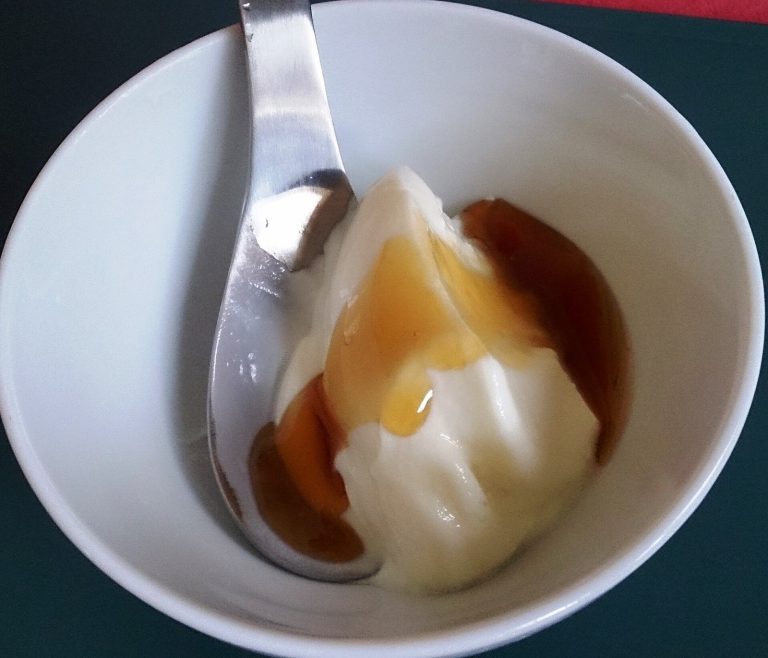
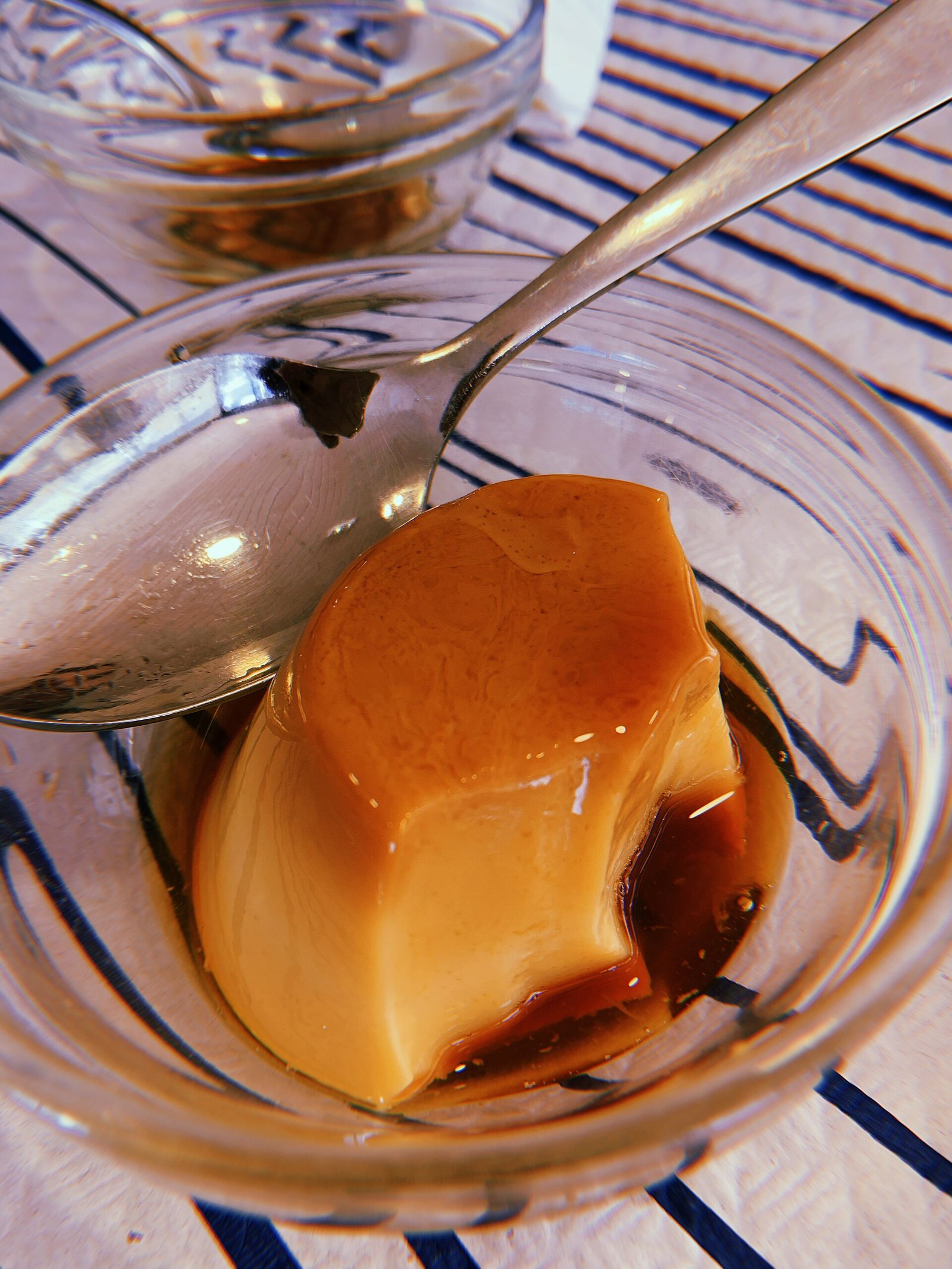
- – Yogurt, smoothies you can sip without a straw if your surgeon restricts straws, applesauce, pudding, scrambled eggs, oatmeal, mashed potato or sweet potato, tender fish, and soft rice porridge are common comfort templates.
- – Keep temperatures moderate if hot steam near the face feels irritating while you are icing the area as directed.
Steady nonalcoholic fluids
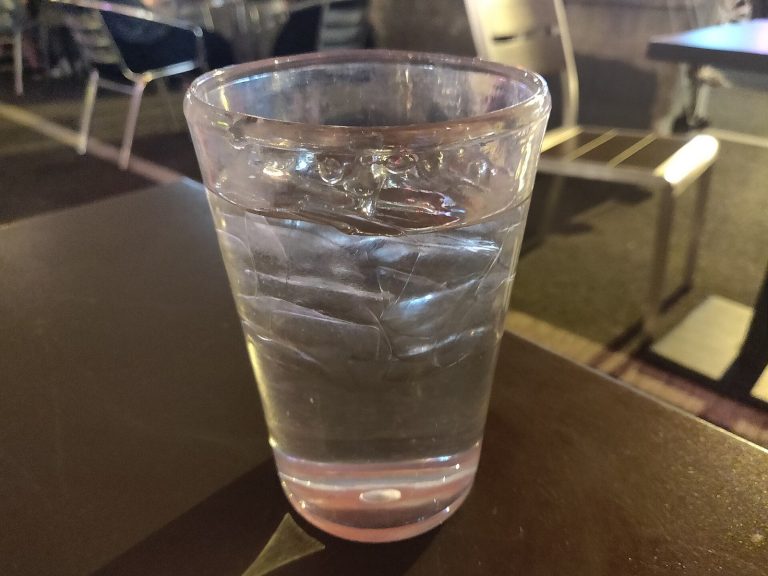
- – Sip water and other nonalcoholic fluids as your clinician allows so mucus stays thinner and pain medicines are less likely to constipate you.
- – MedlinePlus discharge guidance links bowel-muscle tightening and breath-holding with activities to limit—soft stools from fluids (and fiber when cleared) support that rule.
Fiber once nausea settles
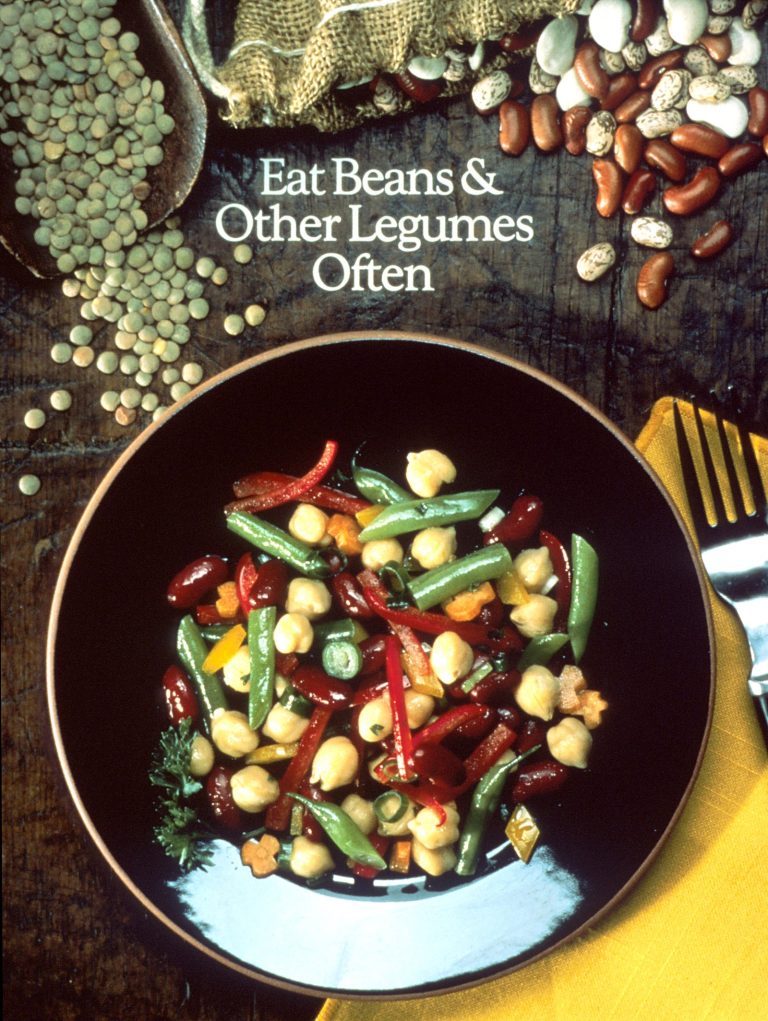
- – As appetite returns, oats, soft fruits, cooked vegetables, and beans (if tolerated) may help limit hard stools—see constipation diet guide.
- – Increase gradually; pair with fluids.
Protein for recovery fueling
- – Eggs, dairy if tolerated, soft fish, tofu, or tender poultry provide calories when chewing large steaks feels miserable with facial numbness.
Foods and habits that often worsen after-septoplasty kitchen patterns
- – Nose blowing, straw suction, or “clearing” rituals that raise nasal pressure against MedlinePlus self-care.
- – Bending low into the fridge or oven for heavy pans—limit face-pressure activities and heavy lifting for 1–2 weeks as discharge pages advise.
- – Alcohol within the first 24 hours (and longer if your surgeon says so).
- – Very hot, steamy bowls held under the nose if they undo ice/elevation comfort plans—follow your team’s cleaning and saline instructions instead of DIY steam stacks.
- – Dry, constipating ultra-processed snack patterns that invite straining.
- – Expecting kitchen changes to fix heavy bleeding, fever, severe headache, or breathing trouble—those are surgical red flags.
- – Aspirin/NSAID “kitchen dosing” without surgeon clearance if you were told to avoid blood-thinning medicines around surgery.
“Limit” means reducing face pressure and constipation risk—not that one pepper flake defines surgical success.
Practical kitchen protocol: an after-septoplasty diet week
1. Keep the medical spine first
Confirm packing/splint timing, saline or cleaning method, pain-medicine schedule, activity/lifting limits, and when nose blowing is allowed. Put ice packs and pillows where you will actually use them.
2. Shopping list for soft, low-strain recovery
Oats; yogurt; eggs; ripe bananas; applesauce; pudding; mashed potato or sweet potato; soft fish or tofu; broth-based soups; oral fluids you will drink; a stool softener only if your clinician advised one.
3. Default plate template (when advancing)
- – Soft lean protein
- – Soft starch (porridge, mashed potato, soft rice)
- – Soft fruit or cooked vegetables
- – Fluid at every meal
4. Sample day (illustrative)
- – Breakfast: oatmeal with mashed banana; water.
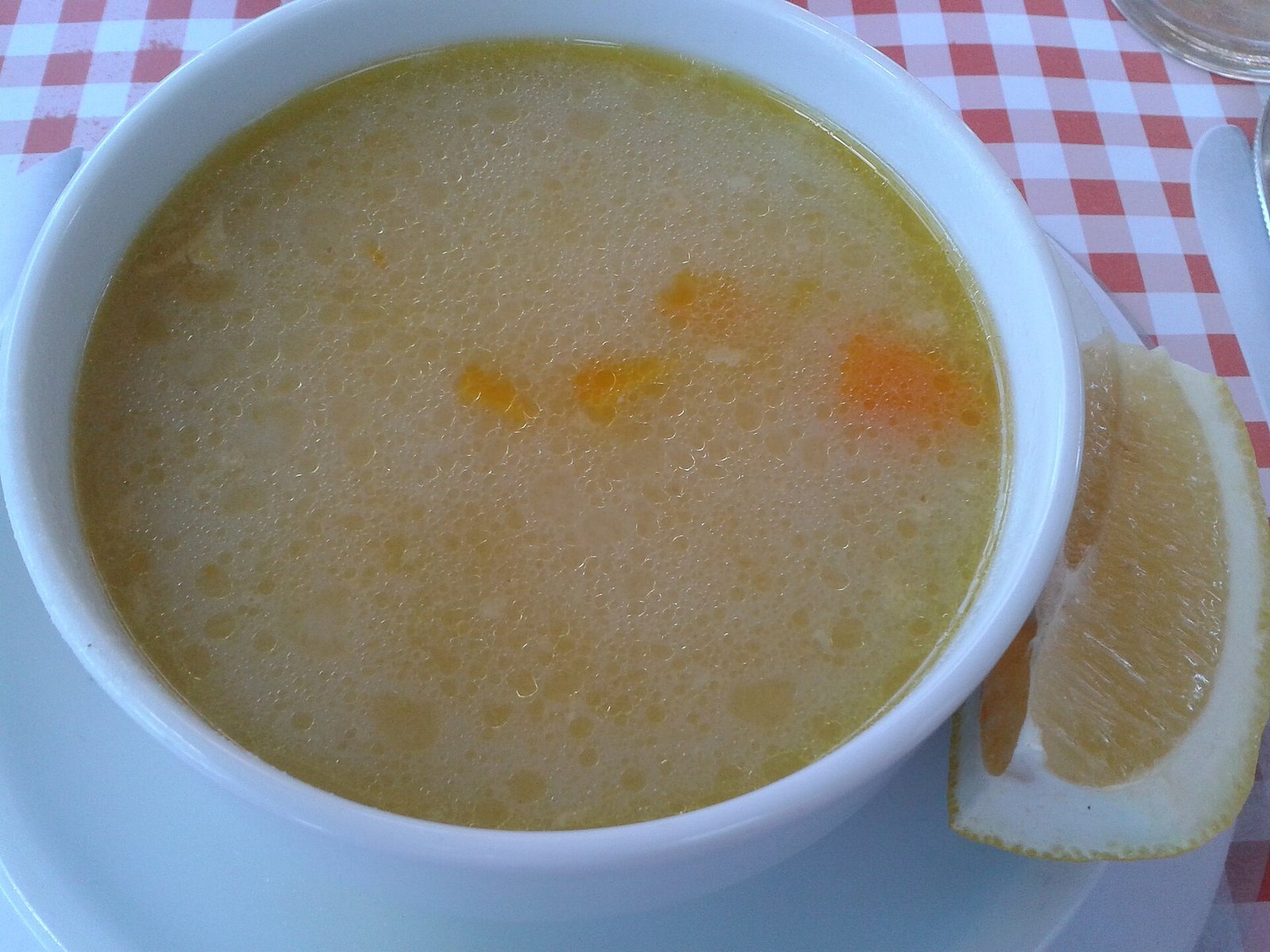
- – Lunch: chicken or vegetable broth with soft noodles or rice; yogurt.
- – Snack: pudding or applesauce; water.
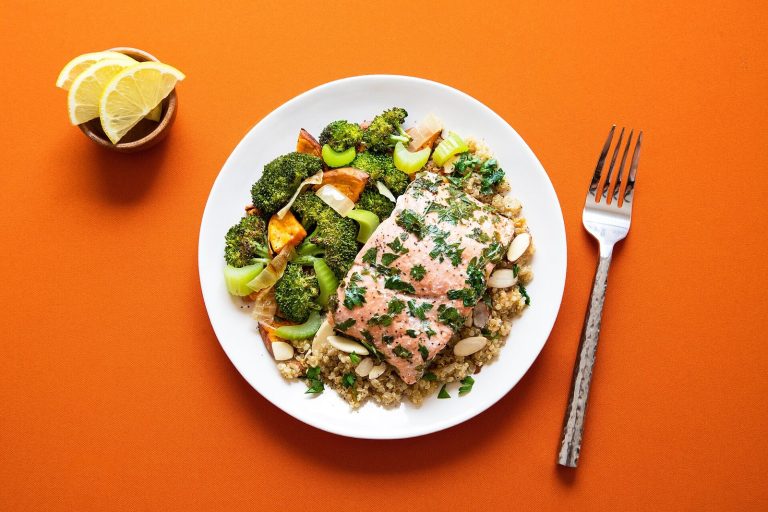
- – Dinner: baked fish flake-soft, mashed sweet potato, cooked zucchini; water.
- – Evening: warm nonalcoholic fluid; stool plan per clinician—not a second espresso if caffeine worsens reflux or sleep for you.
5. Home setup tips
Stage soft foods at eye level so you are not diving into low cabinets; ask helpers for grocery runs; keep nasal-care supplies separate from kitchen spices so you do not confuse cleaning solutions with food.
6. If constipation was already a problem
Longer-term patterns overlap constipation diet guide; postoperative bending and straining rules stay with your ENT.
Safety, interactions, and who should ask a clinician first
- – Opioid pain medicines: expect slower bowels—ask about scheduled softeners rather than waiting for concrete stool.
- – History of bleeding disorders or blood thinners: follow the exact restart plan; do not self-dose NSAIDs from the medicine cabinet.
- – Sleep apnea or mouth-breathing habits: ask how diet texture interacts with nighttime breathing plans.
- – Contact the surgical team for heavy nosebleed you cannot stop, trouble breathing, fever/chills, worsening pain, severe headache, disorientation, or neck stiffness (MedlinePlus discharge red flags).
FAQ
Can diet make septoplasty recovery painless? No. Food supports comfort and softer stools; it does not erase surgical healing timelines.
When can I eat normal crunchy foods again? Advance textures as swelling and your surgeon allow—often after the early packed/splinted days feel more comfortable.
Are spicy foods forbidden forever? Not automatically. Priority targets are pressure limits, hydration, and bowel softness. Track personal triggers without panic.
Why do discharge instructions mention bowel movements? MedlinePlus lists tightening muscles during bowel movements among activities that can put more pressure on your face—soft stools help you follow that limit.
How is this different from a rhinoplasty diet page? Overlap is large—see diet after rhinoplasty guide—but septoplasty is septum-focused; cosmetic nasal plans may add different icing or appearance rules your surgeon owns.
How this differs from related OTCFood topics
This page is a septoplasty-bound diet guide focused on soft textures, fluids, and strain reduction around nasal septum recovery. It is not a DIY packing-removal protocol, not a sinus “detox,” and not a substitute for ENT follow-up.
Medical disclaimer
Medical disclaimer: This article is for general information only. It is not medical advice, diagnosis, or a treatment plan. Care after septoplasty depends on packing/splints, bleeding risk, other nasal or sinus procedures done at the same time, and your surgeon’s protocol. Talk with a clinician or registered dietitian before starting, stopping, or changing any eating plan, supplement, or medicine. Seek urgent care for heavy bleeding, trouble breathing, high fever, severe headache, or neck stiffness.