Migraine Diet: Foods That May Help and Foods to Limit
Medical note: This article discusses foods and researched botanicals. It does not claim to prevent, treat, or cure disease. Supplements are not a substitute for food, and studied amounts are not personal prescriptions.
People searching “migraine diet foods that help or worsen” usually want a practical way to spot personal food triggers, keep meals and fluids steady, and support attack-day comfort—not a claim that a grocery list replaces prescribed abortive or preventive migraine medicines. MedlinePlus explains there is no specific cure for migraine headaches; the goal is to ease symptoms promptly and prevent attacks by avoiding or changing triggers. NINDS likewise lists avoiding food and beverage triggers, eating regular meals, and drinking enough water among everyday habits that may reduce or prevent episodes for some people.
What this migraine diet guide covers (and what it does not)

This guide is for adults with migraine who want kitchen patterns grounded in MedlinePlus and NINDS patient education. Anchors: MedlinePlus — Migraine, MedlinePlus Medical Encyclopedia — Migraine, NINDS — Migraine, and MedlinePlus — Caffeine.
Food changes do not diagnose secondary headache red flags and do not replace neurology advice when attacks escalate. Related reading: vestibular migraine diet guide and magnesium deficiency diet guide.
Evidence snapshot: migraine diet claims vs public sources
| Claim people hope for | What public sources actually say | Confidence |
|---|---|---|
| “One universal migraine diet cures attacks” | MedlinePlus: no specific cure; identify and change your triggers; lifestyle includes healthier eating and not skipping meals | Strong: personalization beats one rigid menu |
| “Every aged cheese always causes migraine in everyone” | MedlinePlus lists common food triggers (certain cheeses, MSG, tyramine foods, nitrates, processed/fermented foods)—useful starting suspects, not universal proof | Moderate: diary-confirmed for you |
| “Skip meals to ‘rest the gut’ during prodrome” | MedlinePlus and NINDS emphasize regular meals; skipping meals is a lifestyle factor to change | Strong against habitual skipping |
| “More OTC pain pills are safer than hydration” | NINDS: drinking lots of fluid can help, especially with vomiting; MedlinePlus warns pain-medicine use more than 3 days/week may lead to rebound headaches | Strong: fluids matter; watch overuse |
| “Feverfew or any herb replaces prescription care” | MedlinePlus: feverfew may help some people; check with your provider; herbal products are not tightly regulated | Low–moderate: clinician gatekeeping required |
Foods and patterns that may help with migraine day to day
“May help” means supporting trigger control, steadier blood-sugar-friendly meal timing, and hydration—not a guarantee of zero attacks.
Regular meals (do not skip)
- – MedlinePlus lifestyle changes: healthier eating habits, including not skipping meals, and avoiding your food triggers.
- – NINDS: eating regular meals is among everyday changes that can reduce or prevent migraine for some people.
- – Practical fix: scheduled breakfast/lunch/dinner plus a planned snack if long gaps reliably precede your attacks.
Steady nonalcoholic fluids
- – NINDS: drink lots of fluid, especially if an episode includes vomiting; drinking enough water is listed among helpful habit changes.
- – MedlinePlus: hydration with fluids is often helpful with or without medicines.
- – Keep a bottle visible on desk and commute days.
Trigger-aware shopping (diary first)
- – MedlinePlus common food triggers include: dairy foods especially certain cheeses; MSG; tyramine-containing foods (examples listed include red wine, aged cheese, smoked fish, chicken livers, figs, and certain beans); meats with nitrates (bacon, hot dogs, salami, cured meats); and processed, fermented, pickled, or marinated foods.
- – Use a headache diary (MedlinePlus/NINDS encourage trigger tracking) before permanently banning entire food groups.
Small, consistent caffeine—only if it helps you
- – NINDS notes small amounts of caffeine may help relieve migraine pain for some people early in an attack.
- – Habitual large swings (heavy daily caffeine then abrupt stop) can themselves become a headache factor for many people—keep intake steady and ask your clinician about your pattern. See also general caffeine education on MedlinePlus.
Magnesium or riboflavin only with clinician approval
- – MedlinePlus: some people find relief with minerals and vitamins; check whether riboflavin or magnesium is appropriate—safety differs in pregnancy and breastfeeding.
- – Kitchen food sources of magnesium (nuts, seeds, legumes, leafy greens) can fit a balanced pattern; supplements are a separate decision. Related: magnesium deficiency diet guide.
Sleep- and stress-linked meal timing
- – MedlinePlus lists healthier sleep habits and stress management beside eating changes.
- – Late heavy meals plus alcohol can collide with sleep debt—another common attack setup. Related sleep-bound reading: obstructive sleep apnea diet guide.
Foods and habits that often worsen migraine kitchen patterns
- – Your confirmed triggers from the MedlinePlus lists above once a diary links them to attacks.
- – Skipping breakfast or going 6+ hungry hours on workdays.
- – Alcohol, especially if red wine is a personal trigger (tyramine list context in MedlinePlus).
- – Large irregular caffeine loads then sudden withdrawal weekends.
- – Ultra-processed cured-meat heavy weeks if nitrates are your trigger class.
- – Relying on daily OTC pain medicines more than about 3 days per week (MedlinePlus rebound-headache warning).
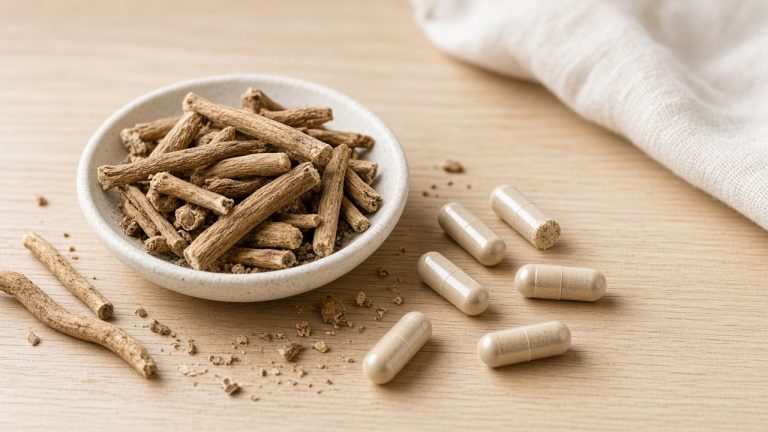
- – Unsupervised herbal stacks marketed as migraine fixes.
- – Ignoring sudden “worst headache,” neurologic deficits, fever with stiff neck, or new headache after age 50—those are medical emergencies, not diet projects.
“Limit” means reducing exposure to your triggers and chaotic meal timing—not lifelong fear of every cheese board at a wedding.
Practical kitchen protocol: a migraine-aware week
1. Keep the medical spine first
Confirm abortive plan, preventive medicines if prescribed, red-flag instructions, and whether pregnancy or other conditions limit options. Fill prescriptions before a long trip.
2. Build a 2-week trigger diary, not a forever ban list
Log meals, caffeine, alcohol, sleep hours, stress peaks, and attack timing. Circle only repeated matches.
3. Shopping list for steadier migraine weeks
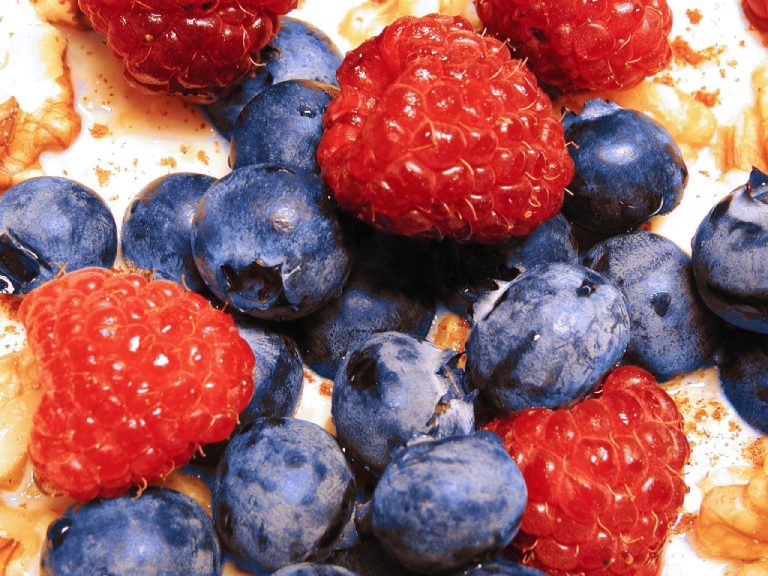
Plain proteins (eggs, fresh poultry/fish); oats and rice; fresh fruits/vegetables; yogurt if dairy is tolerated; nuts/seeds if not triggers; water and herbal caffeine-free options; limited consistent caffeine source if you use it therapeutically.
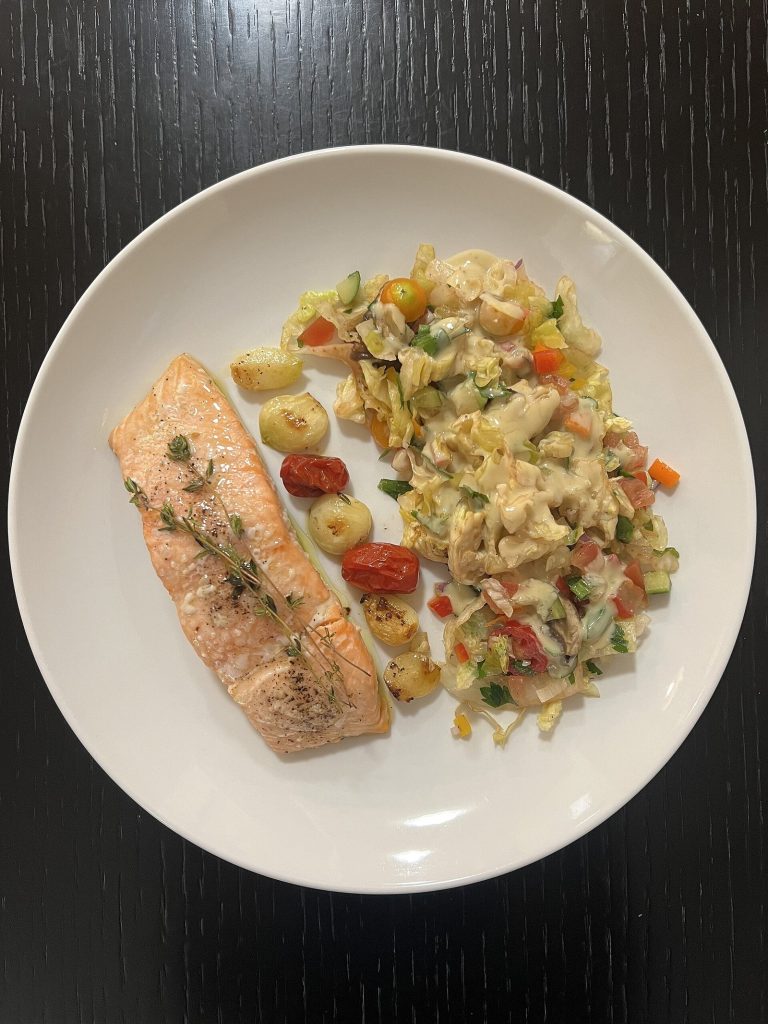
4. Default plate template
- – Regular-timed protein + carbohydrate + produce
- – Fluid at meals
- – Known triggers plated separately so you can test portions intentionally—not mixed into every sauce
5. Sample day (illustrative, trigger-cleared foods)
- – Breakfast: scrambled eggs with spinach; oatmeal; water.
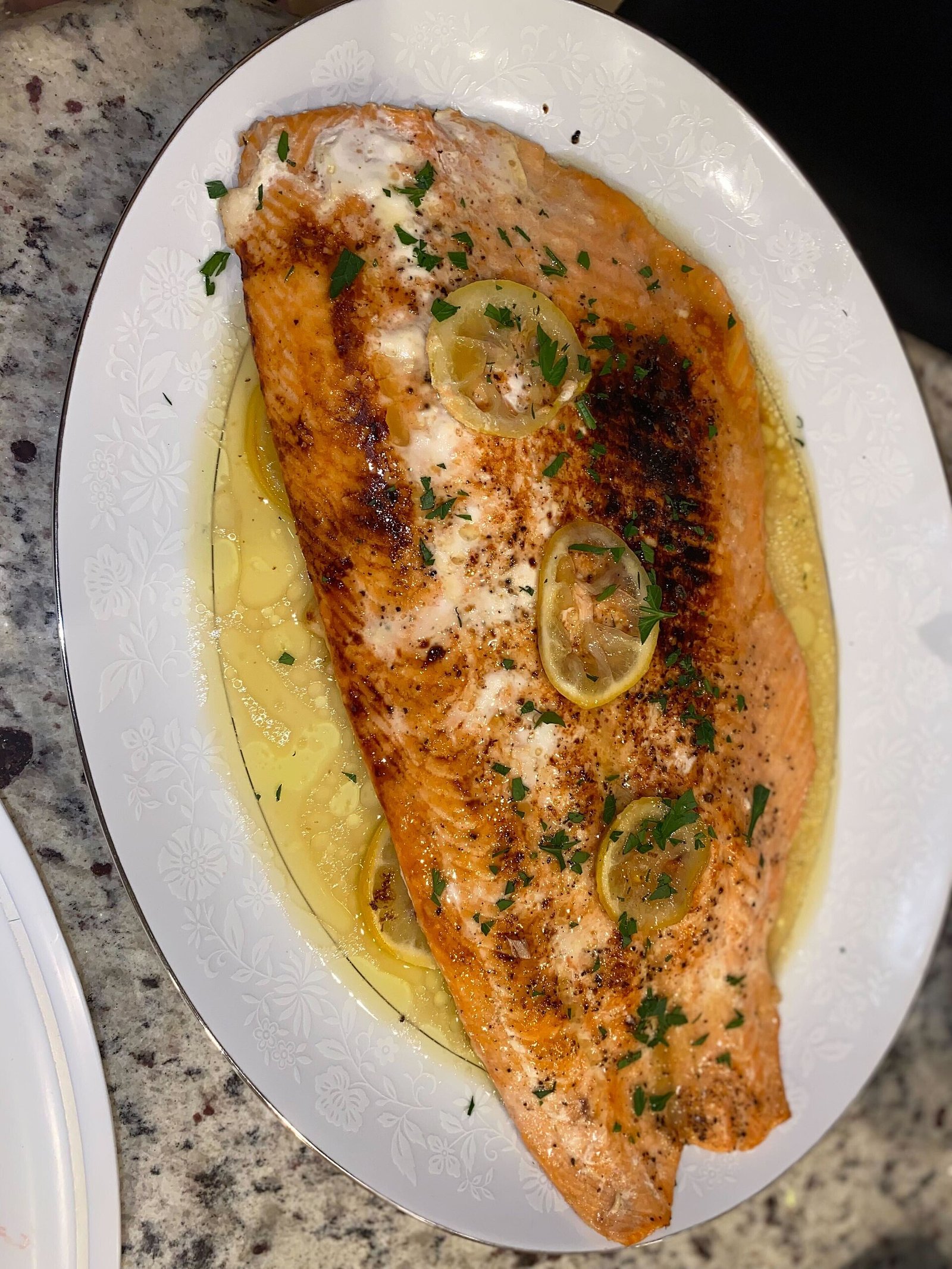
- – Lunch: grilled salmon or chicken, quinoa or rice, vegetables; water.
- – Snack: banana or yogurt if tolerated.
- – Dinner: tofu or fish, sweet potato, cooked greens; herbal tea.
- – Attack-day soft plan: fluids, bland crackers if nausea allows, medicines per your plan—not experimental spicy “sweat it out” meals.
6. If vestibular symptoms dominate
See vestibular migraine diet guide for related reading; still keep the same trigger-diary discipline.
Safety, interactions, and who should ask a clinician first
- – Pregnancy/breastfeeding: many preventives and supplements need specialist clearance (MedlinePlus notes safety limits for some vitamins/minerals).
- – Frequent OTC analgesic use: ask about rebound risk and preventive options.
- – Triptans or other prescriptions: review interactions with supplements before combining.
- – Dehydration from vomiting: oral rehydration solutions may be appropriate—ask if you have kidney or heart disease.
- – Emergency care for thunderclap headache, weakness, vision loss, confusion, or headache with fever and stiff neck.
FAQ
Can diet cure migraine? No. MedlinePlus states there is no specific cure; trigger control and medicines address symptoms and prevention.
Should I eliminate every food on the tyramine list forever? Not automatically. Use them as suspects, confirm with a diary, and reintroduce carefully so your menu stays nutritious.
Does caffeine help or hurt? NINDS notes small amounts may help some people early; irregular heavy use can backfire. Keep your pattern steady and individualized.
Is skipping dinner a valid fast for migraine prevention? No—MedlinePlus and NINDS emphasize regular meals.
Can magnesium food sources replace my preventive pill? Food patterns may support overall intake; MedlinePlus says check with your provider before relying on mineral supplements for migraine.
How is this different from vestibular migraine content? Shared trigger logic applies; vestibular pages emphasize dizziness-linked patterns—see vestibular migraine diet guide.
How this differs from related OTCFood topics
This page is a migraine-bound diet guide focused on regular meals, fluids, diary-based trigger limits, and cautious supplement talk. It is not an emergency headache protocol and not a substitute for neurology care.
Medical disclaimer
Medical disclaimer: This article is for general information only. It is not medical advice, diagnosis, or a treatment plan. Migraine care depends on attack frequency, other medical conditions, pregnancy status, and prescribed medicines. Talk with a clinician or registered dietitian before starting, stopping, or changing any eating plan, supplement, or medicine. Seek emergency care for sudden severe or neurologically unusual headaches.