High Blood Pressure Diet: Foods That May Help and Foods to Limit
Medical note: This article discusses foods and researched botanicals. It does not claim to prevent, treat, or cure disease. Supplements are not a substitute for food, and studied amounts are not personal prescriptions.
People searching “high blood pressure diet foods that help or worsen” usually want a kitchen pattern that may support lower readings alongside medicines and activity—not a claim that food replaces antihypertensive drugs or treats hypertensive crisis. NHLBI states that high blood pressure (hypertension) occurs when blood flows through arteries at higher-than-normal pressures, that about half of American adults have it, and that many do not know. Consistent readings of 130 mm Hg systolic or higher, or 80 mm Hg diastolic or higher, meet NHLBI’s high blood pressure thresholds. MedlinePlus emphasizes that high blood pressure usually has no symptoms, so regular checks matter.
What this high blood pressure diet guide covers (and what it does not)
This guide is for adults with elevated or high readings who want practical DASH-style plates while they work with a clinician on lifestyle and medicines. Anchors: MedlinePlus — High Blood Pressure, NHLBI — What Is High Blood Pressure?, and NHLBI — DASH Eating Plan.
NHLBI lists lifestyle steps that may help control or lower pressure: a heart-healthy pattern such as DASH, Mediterranean, or Dietary Guidelines patterns; physical activity; weight management when overweight; quitting smoking; stress reduction; and enough good-quality sleep. Medicines are often needed when lifestyle alone is not enough. Readings above 180 systolic or 120 diastolic are a hypertensive crisis—contact a clinician immediately. Related reading: hypertension diet guide, heart failure diet guide, and Diet After a Heart Attack: Foods That May Help and Foods to Limit.
Evidence snapshot: high blood pressure diet claims vs public sources
| Claim people hope for | What public sources actually say | Confidence |
|---|---|---|
| “DASH replaces every blood-pressure medicine” | MedlinePlus/NHLBI: lifestyle changes can be very effective, but many people still need medicines; work with your provider | Strong: diet supports, does not auto-replace drugs |
| “Any low-carb fad is the same as DASH” | NHLBI DASH centers vegetables, fruits, whole grains, low-fat dairy, fish, poultry, beans, nuts, and limited saturated fat and sweets—not unrestricted high-sodium “keto snacks” | Strong for DASH structure |
| “Salt does not matter if I feel fine” | DASH targets about 2,300 mg sodium daily, with 1,500 mg lowering pressure even further for many; high pressure often has no symptoms | Strong for sodium awareness |
| “Detox juices cure hypertension overnight” | NHLBI focuses on durable eating patterns, activity, sleep, and medicines—not unregulated detox products | Strong against detox claims |
| “Home readings are optional once I feel OK” | NHLBI: about 1 in 3 U.S. adults with high blood pressure are unaware; regular checks and home monitoring are recommended | Strong |
Foods and patterns that may help with high blood pressure day to day
“May help” means DASH-aligned patterns NHLBI publishes—not a promise that one salad normalizes every cuff reading.
Build the DASH chassis (NHLBI)
For a 2,000-calorie example day, NHLBI lists approximate daily servings: grains 6–8; meats/poultry/fish 6 or less; vegetables 4–5; fruit 4–5; low-fat or fat-free dairy 2–3; fats and oils 2–3; sodium about 2,300 mg (1,500 mg may lower pressure further); plus weekly nuts/seeds/beans 4–5 and sweets 5 or less.
Emphasize potassium-, magnesium-, calcium-, fiber-, and protein-rich foods
- – Vegetables and fruit at most meals and snacks.
- – Whole grains more often than refined white snacks.
- – Beans, lentils, nuts, and seeds several times weekly.
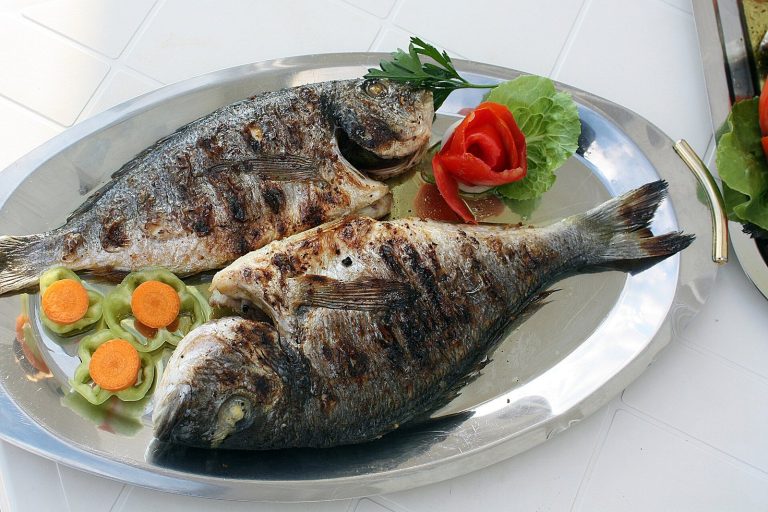
- – Fish, poultry, and other lean proteins; limit fatty meats.
- – Fat-free or low-fat dairy if tolerated, or fortified alternatives your clinician agrees with.
Cooking and label habits that support lower sodium
- – Cook more from fresh or frozen plain produce; rinse canned beans; choose “low sodium” or “no salt added” products when possible.
- – Flavor with herbs, garlic, citrus, vinegar, and spices instead of salty sauces.
- – Watch restaurant soups, sandwiches, pizza, and takeout—sodium often hides there.
Pair plates with the rest of NHLBI’s lifestyle list
- – Move more and sit less as advised.
- – If you smoke, seek quit support.
- – Protect sleep; pair with general sleep-food reading only as adjunct: foods and botanicals for sleep guide.
- – Stress tools matter; food alone is not stress therapy.
Foods and habits that often worsen high blood pressure kitchen patterns
- – Sodium-heavy ultra-processed foods: chips, many canned soups, cured meats, salty sauces, and large restaurant portions.
- – Foods high in saturated fat that DASH asks you to limit: fatty meats, full-fat dairy as a default, and tropical oils such as coconut, palm kernel, and palm oils (NHLBI).
- – Sugar-sweetened beverages and frequent sweets beyond DASH’s modest weekly sweets allowance.
- – Excess alcohol, which can raise pressure and disrupt sleep and medicine routines—ask your clinician for personal limits.
- – Licorice-root products and unregulated “BP cure” supplements that can interact with medicines—review with a pharmacist.
- – Skipping medicines because “my diet is clean now” without a clinician plan to adjust doses safely.
- – Ignoring crisis-range readings while waiting for kitchen changes to “kick in.”
“Limit” means shifting the weekly pattern—not a vow never to taste birthday cake.
Practical kitchen protocol: a high blood pressure diet week
1. Know your numbers and medicines
Log home cuff readings as your clinician taught. List every prescription and OTC product (including cold remedies) before changing diet radically.
2. Shopping list for DASH-style plates
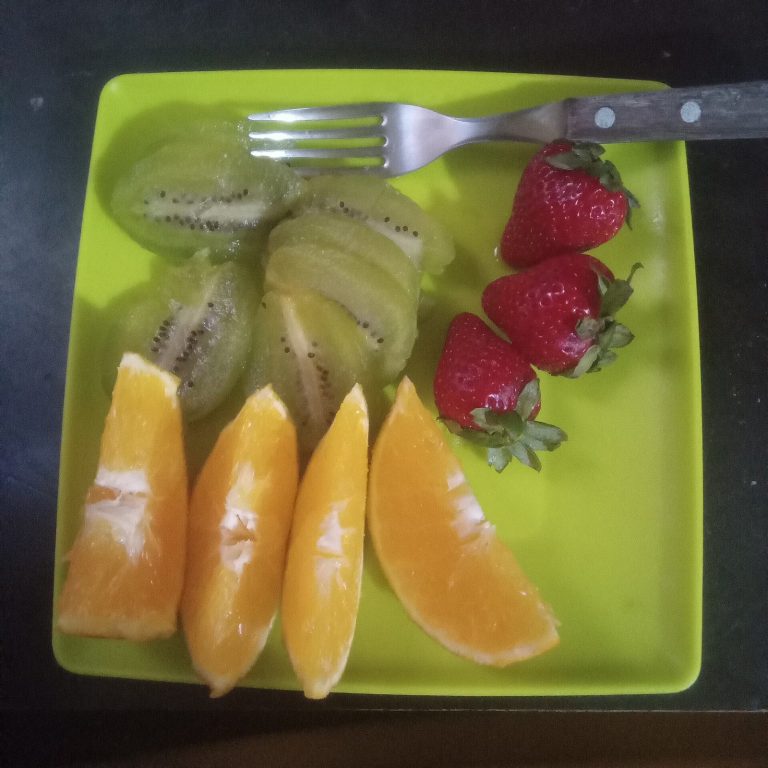
Leafy greens; colorful vegetables; berries and other fruit; oats and other whole grains; beans and lentils; nuts; low-fat yogurt or milk; eggs; fish; poultry; olive or other liquid vegetable oils; herbs; plain water.
3. Default plate template
- – Half non-starchy vegetables
- – Quarter protein (fish, beans, poultry, tofu)
- – Quarter whole grains or starchy vegetables
- – Fruit on the side or as dessert most days
- – Dairy or fortified alternative per your plan
- – Water as the default drink
4. Sample day (illustrative, ~DASH-leaning)
- – Breakfast: oatmeal with berries; low-fat yogurt; water.
- – Lunch: large vegetable salad with beans or tuna; fruit; water.
- – Snack: handful of unsalted nuts or carrot sticks with hummus.
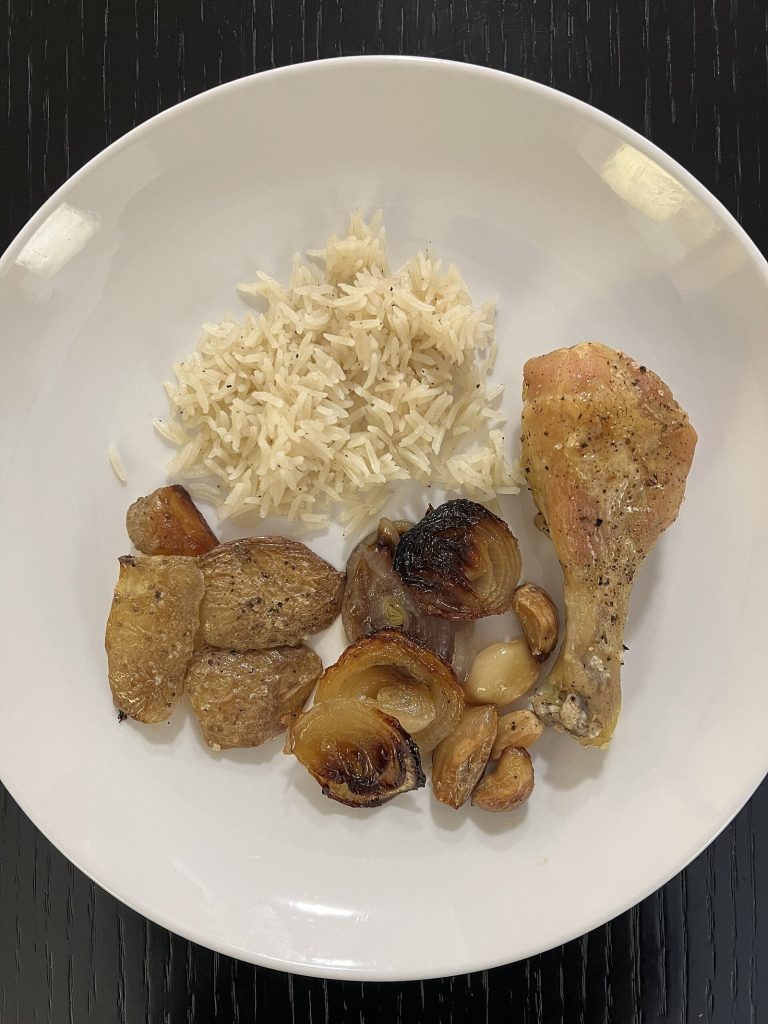
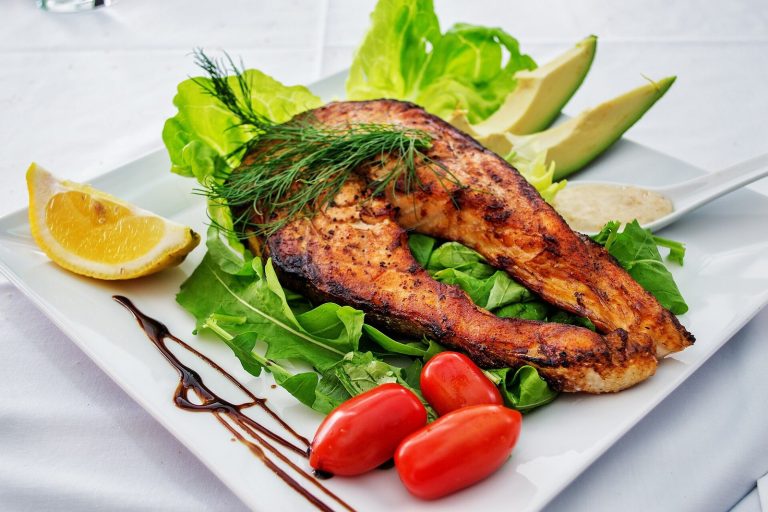
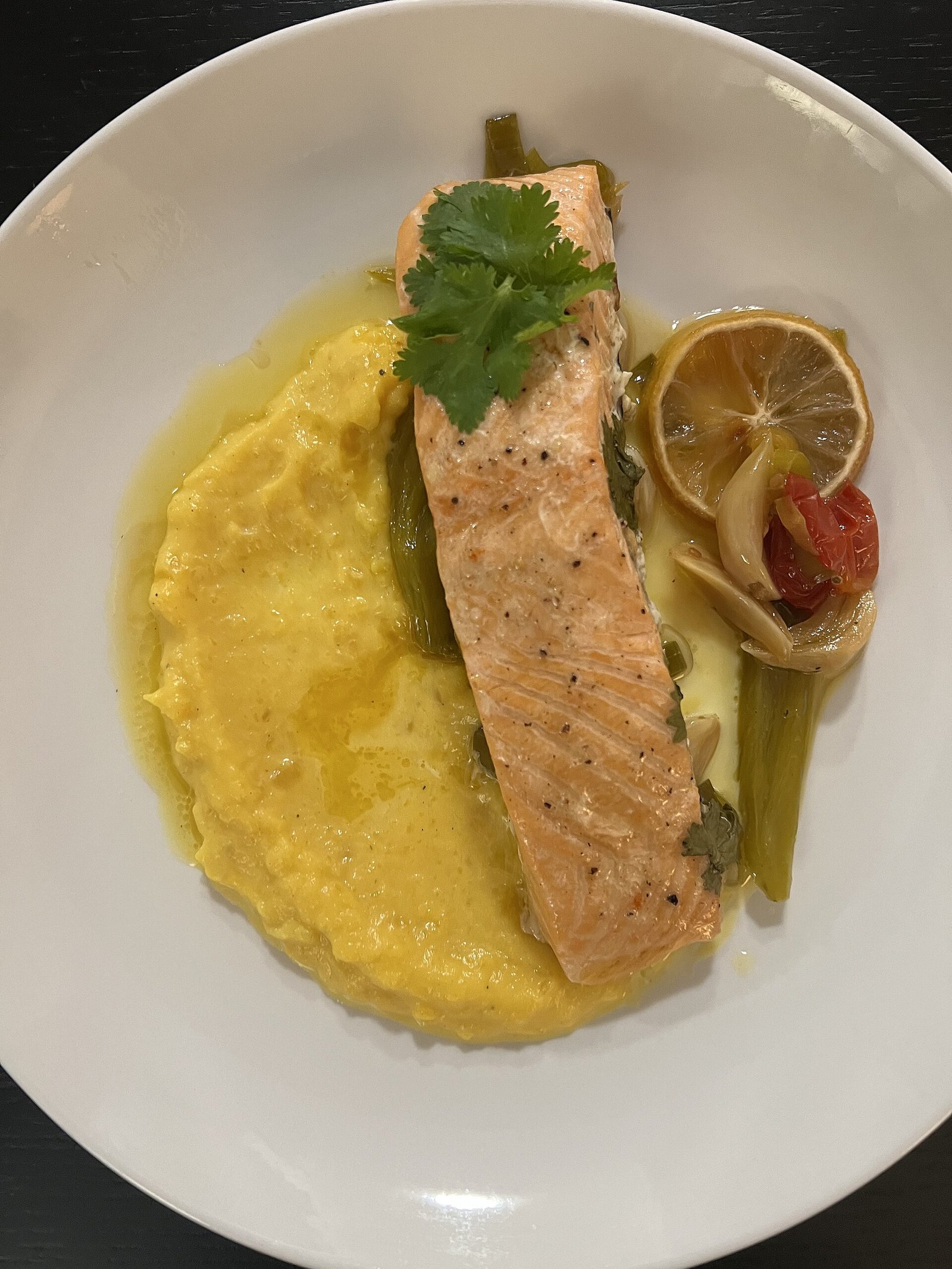
- – Dinner: grilled salmon or skinless chicken, steamed vegetables, brown rice; water.
- – Evening: herbal caffeine-free tea if you enjoy it; skip late salty snacks.
5. Eating out
Ask for dressings and sauces on the side; choose grilled proteins and extra vegetables; share large portions; request no added salt when kitchens can oblige; prefer water over sugary drinks.
6. When readings stay high
Lifestyle plus DASH often helps, but MedlinePlus notes medicines are frequently needed. Bring your food log and cuff diary to visits rather than stopping prescriptions on your own.
Safety, interactions, and who should ask a clinician first
- – Kidney disease, heart failure, or potassium-sparing medicines: do not start high-potassium salt substitutes or large potassium-supplement routines without advice.
- – Pregnancy-related high blood pressure: needs obstetric care—do not self-treat with diet blogs alone.
- – Diabetes, gout, or digestive disease: tailor fruit, dairy, and protein choices with your team.
- – Older adults and people on multiple blood-pressure drugs: watch for dizziness when standing after sodium cuts—report falls.
- – Hypertensive crisis symptoms or readings: urgent medical care, not a juice cleanse.
FAQ
Can diet cure high blood pressure? No public NHLBI/MedlinePlus page frames food as a cure. DASH and related patterns may help lower or control readings; many people still need medicines.
Is 1,500 mg sodium mandatory for everyone? NHLBI notes 2,300 mg as a DASH target and that 1,500 mg can lower pressure further. Your clinician may individualize for kidney disease, frailty, or other conditions.
How is this different from a general hypertension page on OTCFood? Overlap is large with hypertension diet guide; this page centers NHLBI DASH serving examples and crisis thresholds in plain “high blood pressure” search language.
Do I need specialty DASH products? No. NHLBI says DASH requires no special foods—just daily and weekly nutritional goals.
What about coffee? Ask your clinician; focus first on sodium, produce, saturated fat, sweets, alcohol, activity, sleep, and medicines—the DASH and NHLBI pillars.
Can I stop my pills if my home cuff looks better? Only under clinician guidance. Abrupt stops can be dangerous.
How this differs from related OTCFood topics
This page is a high blood pressure–bound DASH-forward diet guide for everyday kitchen planning. It is not a heart-failure fluid/sodium protocol, not a post–heart-attack cardiac rehab plan, and not a substitute for prescribed antihypertensives.
Medical disclaimer
Medical disclaimer: This article is for general information only. It is not medical advice, diagnosis, or a treatment plan. Blood-pressure care depends on your readings, kidneys, heart, pregnancy status, medicines, and your clinician’s judgment. Talk with a clinician or registered dietitian before starting, stopping, or changing any eating plan, supplement, or medicine. Seek urgent care for readings in the hypertensive-crisis range or for chest pain, severe headache, confusion, or shortness of breath.