Vestibular Migraine Diet: Foods That May Help and Foods to Limit
Medical note: This article discusses foods and researched botanicals. It does not claim to prevent, treat, or cure disease. Supplements are not a substitute for food, and studied amounts are not personal prescriptions.
People searching “vestibular migraine diet foods that help or worsen” usually want kitchen habits that reduce personal food triggers and steady meal timing while they follow neurology or vestibular care—not a claim that food cures the inner ear or replaces migraine medicines, vestibular therapy, or urgent evaluation for stroke-like symptoms. MedlinePlus describes migraine as a recurring headache disorder with throbbing pain, nausea, and light/sound sensitivity, and lists skipped meals, caffeine shifts, alcohol, chocolate, aged cheeses, MSG, and other foods among possible triggers for some people. Vestibular migraine sits in the broader dizziness/vertigo conversation: MedlinePlus notes that vertigo is a spinning sensation, and NIDCD explains that balance disorders have many causes needing proper diagnosis.
What this vestibular migraine diet guide covers (and what it does not)
This guide is for adults with clinician-recognized vestibular migraine (or migraine with prominent dizziness/vertigo features) who want practical eating patterns while they follow trigger tracking, sleep routines, and prescribed prevention or acute medicines. Anchors: MedlinePlus — Migraine, MedlinePlus — Dizziness and vertigo, NIDCD — Balance disorders, and ODS — Magnesium.
MedlinePlus migraine pages list stress, hormonal changes, sensory triggers, sleep changes, tobacco, caffeine or caffeine withdrawal, skipped meals, and certain foods (alcohol, chocolate, aged cheeses, MSG, some fruits/nuts, fermented/pickled foods, yeast, cured meats) among factors that may trigger attacks for some people. Natural products sometimes discussed for prevention (riboflavin, coenzyme Q10, magnesium if low, butterbur with safety caveats) require clinician review. Kitchen changes do not diagnose BPPV, Meniere disease, or stroke. Related reading: migraine diet trigger foods guide and vertigo and Meniere’s diet guide.
Evidence snapshot: vestibular migraine diet claims vs public sources
| Claim people hope for | What public sources actually say | Confidence |
|---|---|---|
| “A strict diet cures vestibular migraine permanently” | MedlinePlus frames triggers as individual; medicines and multimodal care remain central | Strong: food is supportive only |
| “Eliminating every listed trigger food forever is required for everyone” | Triggers vary person to person; skipped meals and caffeine withdrawal matter too | Moderate for personalized elimination/rechallenge |
| “Magnesium or riboflavin automatically stop spinning attacks” | MedlinePlus notes some people try magnesium if levels are low, riboflavin, or CoQ10—always check with a clinician; not ear cures | Low–moderate as adjuncts under guidance |
| “Salt loading or salt cutting always fixes vestibular migraine like Meniere protocols” | Meniere-oriented sodium advice is a different disease frame—see related vertigo page; do not assume identical rules without your clinician | Low unless your clinician individualized it |
| “Herbal ear detoxes replace neurology care” | NIDCD stresses proper diagnosis of balance disorders; no NIH page endorses ear detox herbs as migraine-vestibular therapy | Strong: disclose supplements |
Foods and patterns that may help with vestibular migraine day to day
“May help” means supporting regular meal timing, steadier caffeine habits, and thoughtful trigger tracking—not a promise that dinner recalibrates the vestibular system.
Regular meals to limit skipped-meal triggers
- – MedlinePlus lists skipped meals among migraine triggers.
- – Aim for consistent breakfast–lunch–dinner timing, with planned snacks on long workdays, especially if nausea from prior attacks disrupted intake.
- – Easy cold options (yogurt, bananas, toast, cheese if tolerated) help when cooking smells worsen nausea.
Steady, not swinging, caffeine habits
- – MedlinePlus lists caffeine or caffeine withdrawal as triggers for some people.
- – If you use coffee or tea, keep timing and amount boringly consistent day to day rather than weekday spikes and weekend crashes—or taper with clinician advice if withdrawal itself is a trigger.
Hydration and alcohol awareness
- – Dehydration appears among common dizziness contributors on MedlinePlus dizziness/vertigo summaries; alcohol is a listed migraine food trigger for some people.
- – Prefer water and nonalcoholic fluids; if you drink alcohol, notice whether red wine or other drinks precede attacks.
Magnesium-containing foods when intake is low (clinician-guided)
- – ODS reviews magnesium food sources (greens, nuts, seeds, beans, whole grains) and notes deficiency risk groups; MedlinePlus mentions trying magnesium if your level is low, with clinician oversight.
- – Food-first patterns beat self-megadosing—see magnesium deficiency diet guide.
Personalized trigger mapping—not fear of every grocery aisle
- – Common food suspects in MedlinePlus lists include chocolate, aged cheeses, MSG, cured/processed meats, fermented/pickled foods, and alcohol.
- – Keep a brief diary linking meals, sleep, hormones, and spinning/headache symptoms for 2–4 weeks; remove one suspect at a time if patterns appear, then rechallenge carefully with clinician input—same spirit as migraine diet trigger foods guide.
Foods and habits that often worsen vestibular migraine kitchen patterns
- – Skipped meals and long fasting windows that reliably precede attacks for many migraineurs.
- – Chaotic caffeine (huge Monday coffee, none on weekends).
- – Heavy alcohol nights, especially combined with poor sleep.
- – Large aged-cheese, cured-meat, or MSG-heavy restaurant meals if those are your documented triggers.
- – Unprescribed butterbur or multi-herb “vestibular detox” stacks—MedlinePlus flags butterbur long-term safety concerns and urges clinician checks before supplements.
- – Expecting kitchen changes to fix sudden one-sided weakness, speech trouble, new severe thunderclap headache, chest pain, or fainting—those need emergency care, not a trigger chart.
- – Assuming every dizzy spell is “just migraine” without the diagnostic work NIDCD-style balance evaluation may require.
“Limit” means reducing personally confirmed triggers and meal chaos—not lifelong fear of every chocolate chip.
Practical kitchen protocol: a vestibular migraine diet week
1. Keep the medical spine first
Confirm diagnosis (vestibular migraine vs BPPV, Meniere disease, medication effects, orthostatic issues), acute and preventive medicines, vestibular therapy if prescribed, and emergency red flags. Put rescue medicines where you can reach them without climbing during spinning spells.
2. Shopping list for steadier migraine kitchens
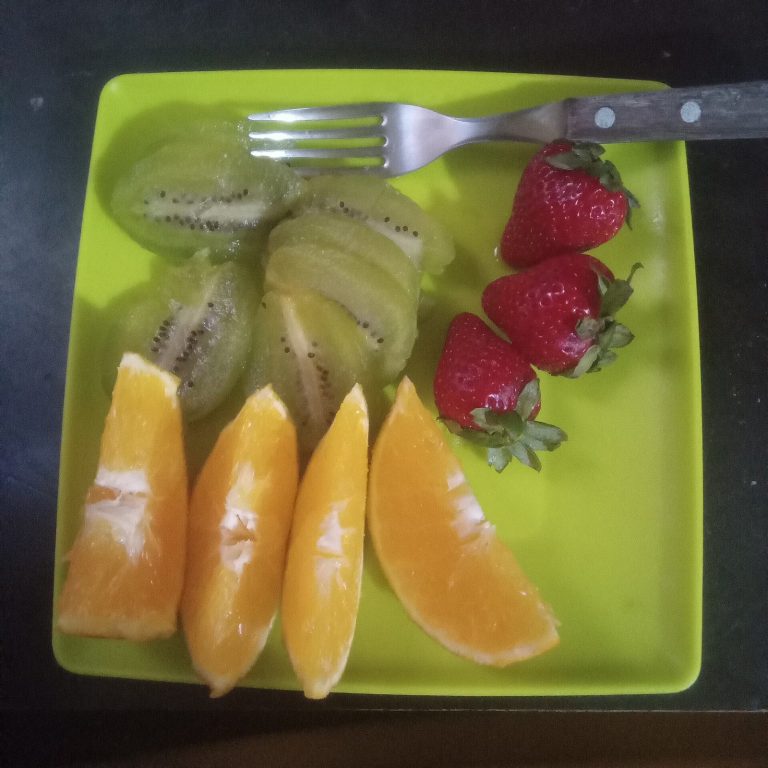
Oats; eggs; fresh (not aged) proteins you tolerate; leafy greens; beans; nuts/seeds if tolerated; rice/potatoes; bananas and other non-trigger fruits; pasteurized yogurt; water; consistent tea/coffee portion if used; limit stocking binge-trigger snacks you already linked to attacks.
3. Default plate template
- – Regular protein
- – Steady carbohydrate
- – Vegetables/fruit
- – Season simply while you are still mapping MSG/soy-sauce sensitivity
4. Sample day (illustrative, trigger-aware)
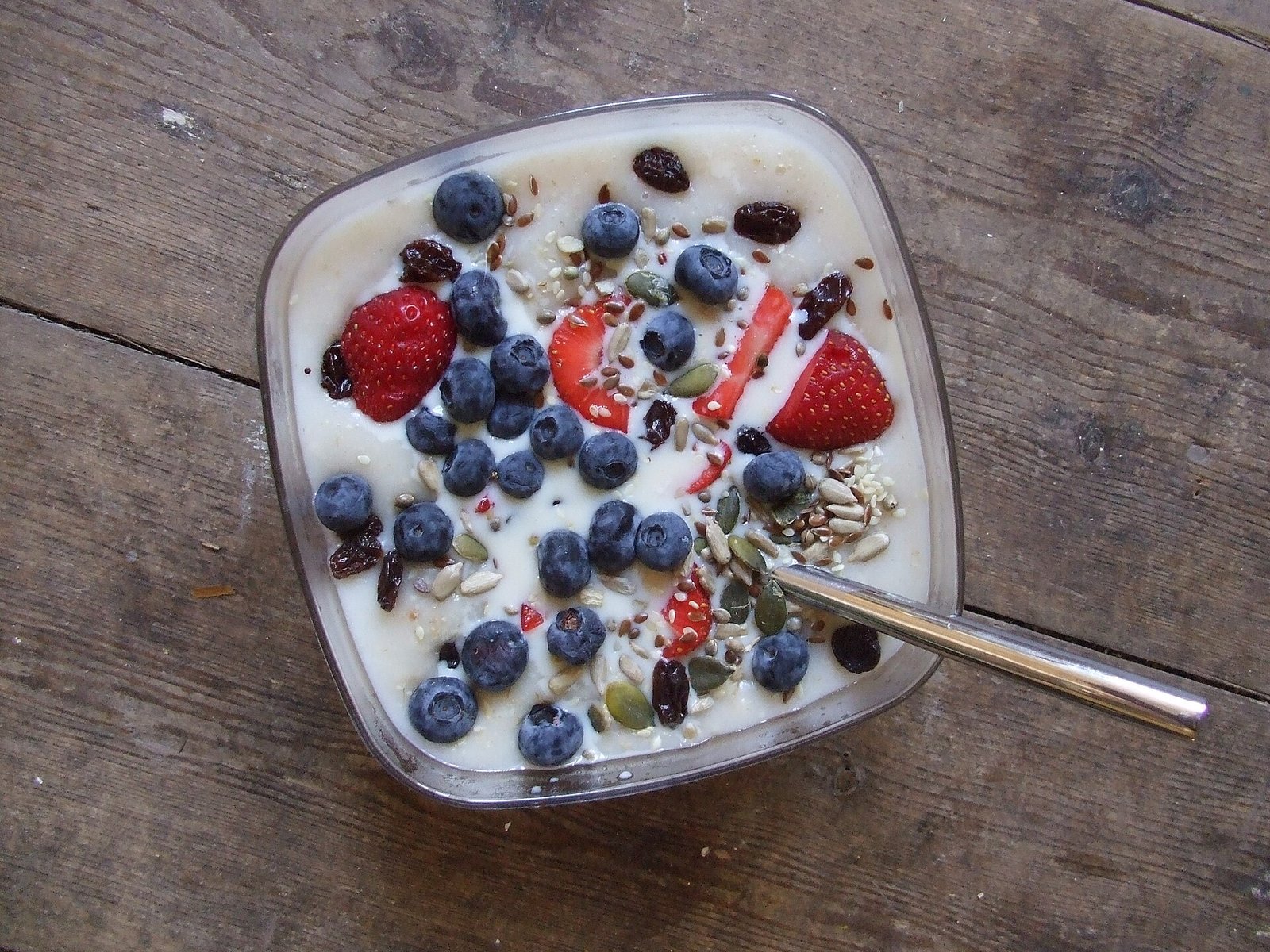
- – Breakfast: oatmeal with banana; same caffeine portion as other days; water.
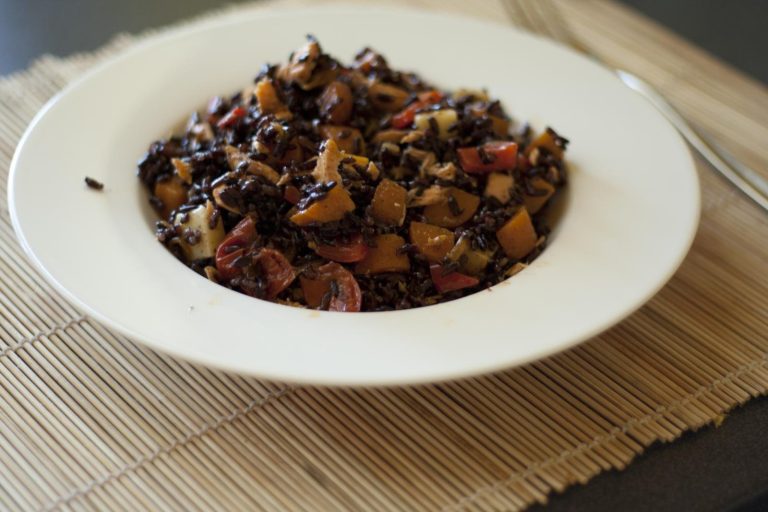
- – Lunch: chicken or tofu rice bowl with vegetables; fruit.
- – Snack: yogurt or handful of nuts if tolerated.
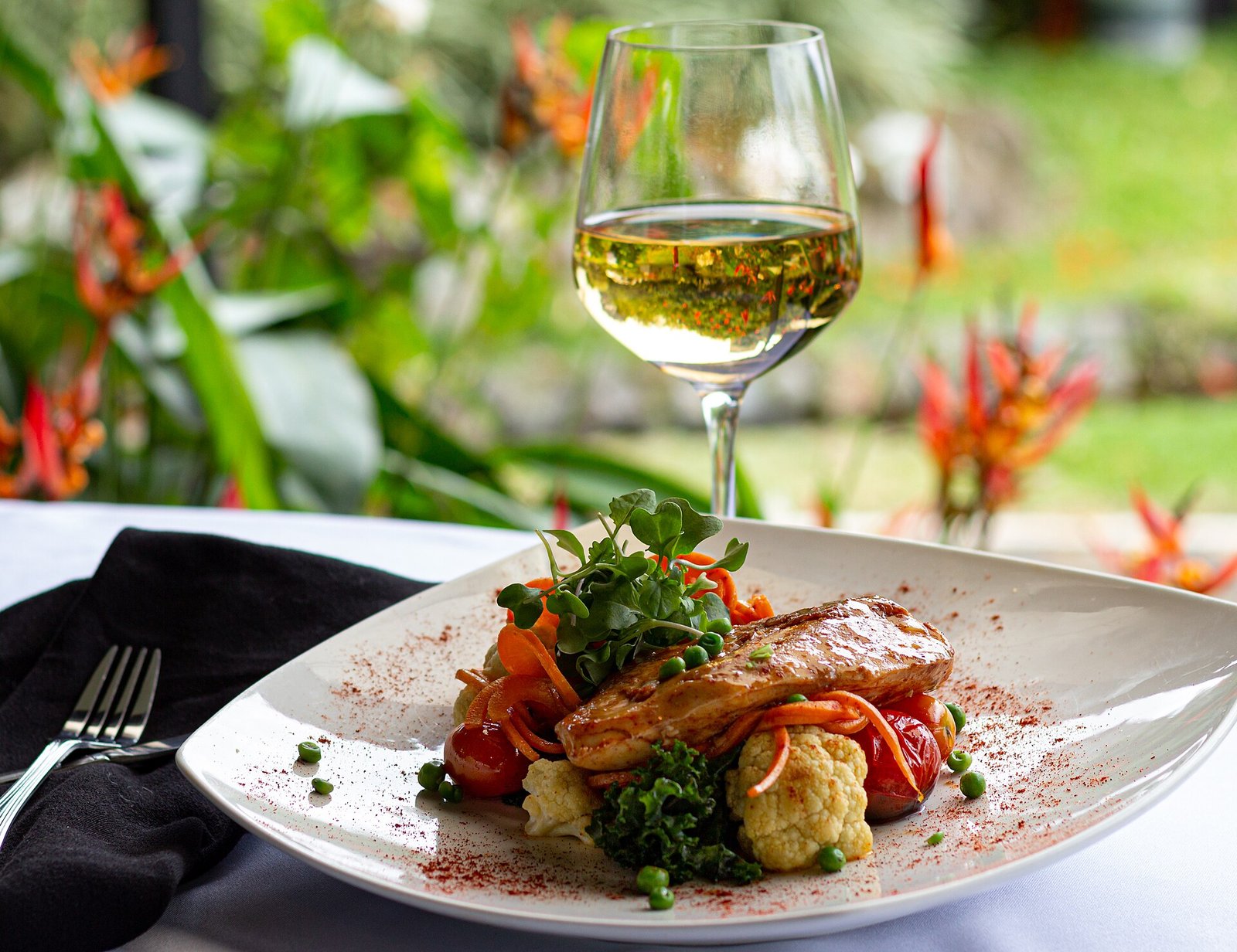
- – Dinner: baked fish or lentils, potato, greens; water; skip alcohol if it is a known trigger.
- – Evening: light snack if evening hunger precedes nocturnal attacks—per your pattern diary.
5. Home setup tips
Batch-cook bland freezer meals for attack days; keep oral rehydration or ginger-compatible fluids only if your clinician agrees for nausea; avoid strong cooking fumes if smells are triggers.
6. If true Meniere disease overlaps or is still being sorted
Sodium and fluid advice may differ—use vertigo and Meniere’s diet guide only as a related frame after your clinician clarifies the diagnosis.
Safety, interactions, and who should ask a clinician first
- – Pregnancy, daily preventive medicines, or cardiovascular disease: check before magnesium, riboflavin, CoQ10, or herbal products.
- – Kidney disease: do not self-dose magnesium.
- – Medication-overuse headache risk: MedlinePlus warns that taking migraine medicine too often can itself perpetuate headaches—ask about limits.
- – Seek emergency care for stroke-like deficits, thunderclap headache, chest pain, or fainting with neurologic changes.
FAQ
Can diet cure vestibular migraine? No. MedlinePlus frames food and lifestyle factors as possible triggers alongside medical care. Diet does not rewire the vestibular system on demand.
Should I eliminate every MedlinePlus-listed trigger food at once? Usually no. Broad elimination is hard to sustain and muddy to interpret. Prioritize skipped meals and caffeine steadiness, then test individual suspects.
Is vestibular migraine the same as Meniere disease for diet purposes? Not automatically. NIDCD-style evaluation matters because balance disorders differ; sodium protocols are not one-size-fits-all.
Do I need magnesium pills? Only discuss if intake is low or labs suggest deficiency—MedlinePlus ties trials of magnesium to low levels and clinician advice.
How is this different from a standard migraine diet page? Core trigger logic overlaps migraine diet trigger foods guide, but vestibular migraine adds dizziness/vertigo safety sorting and clearer separation from inner-ear diseases covered on vertigo and Meniere’s diet guide.
How this differs from related OTCFood topics
This page is a vestibular-migraine-bound diet guide focused on meal regularity, caffeine steadiness, and personalized food-trigger mapping. It is not an ear infection diet, not a promise to stop all vertigo, and not a substitute for neurology or vestibular assessment.
Medical disclaimer
Medical disclaimer: This article is for general information only. It is not medical advice, diagnosis, or a treatment plan. Care for vestibular migraine depends on accurate diagnosis, other balance conditions, medicines, and your clinicians’ protocols. Talk with a clinician or registered dietitian before starting, stopping, or changing any eating plan, supplement, or medicine. Seek emergency care for stroke-like symptoms, sudden severe headache unlike your usual attacks, or fainting with neurologic changes.