Chronic Cough Diet: Foods That May Help and Foods to Limit
Medical note: This article discusses foods and researched botanicals. It does not claim to prevent, treat, or cure disease. Supplements are not a substitute for food, and studied amounts are not personal prescriptions.
People searching “chronic cough diet foods that help or worsen” usually want soothing drinks, reflux-friendly plates, or a list of foods that “stop a cough.” Food does not replace finding and treating the cause. Mayo Clinic defines a chronic cough as lasting eight weeks or longer in adults (four weeks in children) and notes that it usually goes away once the underlying issue is treated. MedlinePlus likewise describes chronic coughs as lasting longer than eight weeks and lists causes such as allergies, asthma, COPD, infections, sinusitis with postnasal drip, GERD, ACE-inhibitor medicines, and smoking. Kitchen changes may help comfort and may ease reflux-triggered cough; they do not treat asthma, infection, or medicine side effects alone.
What this chronic cough diet guide covers (and what it does not)

This guide is for adults with a clinician-recognized cough lasting weeks who want practical meal and drink guidance while the cause is evaluated. Anchors: MedlinePlus — Cough and Mayo Clinic — Chronic cough. The original NHLBI cough URL was not available; a working official equivalent is NHLBI — Bronchitis. Reflux-specific eating details come from NIDDK — Eating, Diet, & Nutrition for GER & GERD.
Mayo Clinic lists common drivers as tobacco use, asthma, postnasal drip, and acid reflux; COPD, lingering infection, and ACE-inhibitor medicines also matter, and more than one cause can be present. Related reading: GERD acid reflux diet guide, silent reflux LPR diet guide, asthma diet guide, chronic rhinosinusitis diet guide, nasal polyps diet guide, and COPD diet guide.
Evidence snapshot: chronic cough diet claims vs public sources
| Claim people hope for | What public sources actually say | Confidence |
|---|---|---|
| “One cough diet will stop every chronic cough” | Mayo Clinic: finding the cause is very important to effective treatment; the cough usually improves when the underlying issue is treated | Strong against food-as-cure |
| “Just take honey and skip the doctor” | Mayo Clinic: a teaspoon of honey may help loosen a cough, but see a clinician for a cough lasting weeks, especially with sputum or blood or sleep disruption. Never give honey to children younger than 1 year | Moderate that honey may soothe; strong that evaluation still matters |
| “Fluids do not matter” | MedlinePlus and Mayo Clinic both recommend drinking fluids to help thin mucus; Mayo Clinic mentions warm liquids such as broth, tea, or juice | Strong that fluids are a reasonable comfort step |
| “GERD foods never affect cough” | Mayo Clinic lists acid reflux among common causes and notes coughing can worsen GERD. NIDDK lists commonly linked trigger foods and late meals | Strong that reflux-aware eating may help when GERD is a driver |
| “Dairy always creates mucus and must be banned” | The official pages reviewed here do not mandate a universal dairy ban for chronic cough | Low that everyone must eliminate dairy |
Foods and patterns that may help with chronic cough comfort
“May help” means easing throat irritation or reducing reflux triggers while the cause is treated—not a promise the cough will stop.
Comfort defaults many people use while symptoms are active
- – Steady fluids, unless your clinician gave other instructions. MedlinePlus: liquids help thin mucus. Mayo Clinic: warm liquids such as broth, tea, or juice can soothe the throat.
- – A teaspoon of honey for some adults and older children, which Mayo Clinic says may help loosen a cough; do not give honey to children younger than 1 year. NHLBI also lists hot tea or water with honey among home steps for bronchitis-related cough.
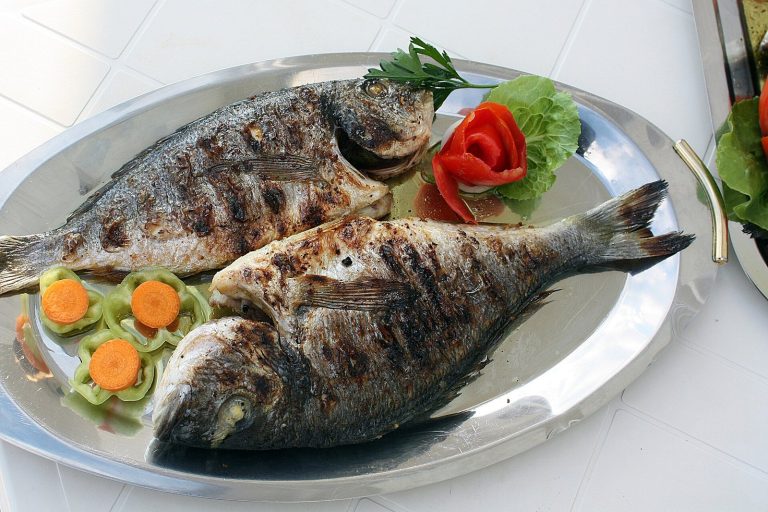
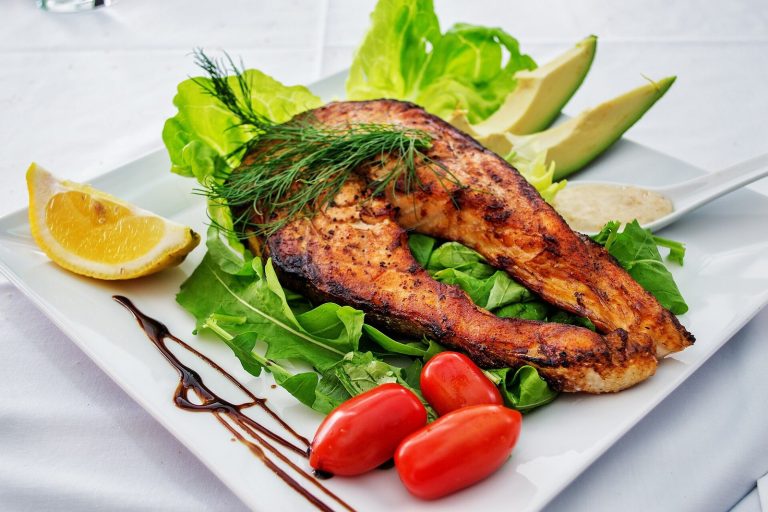
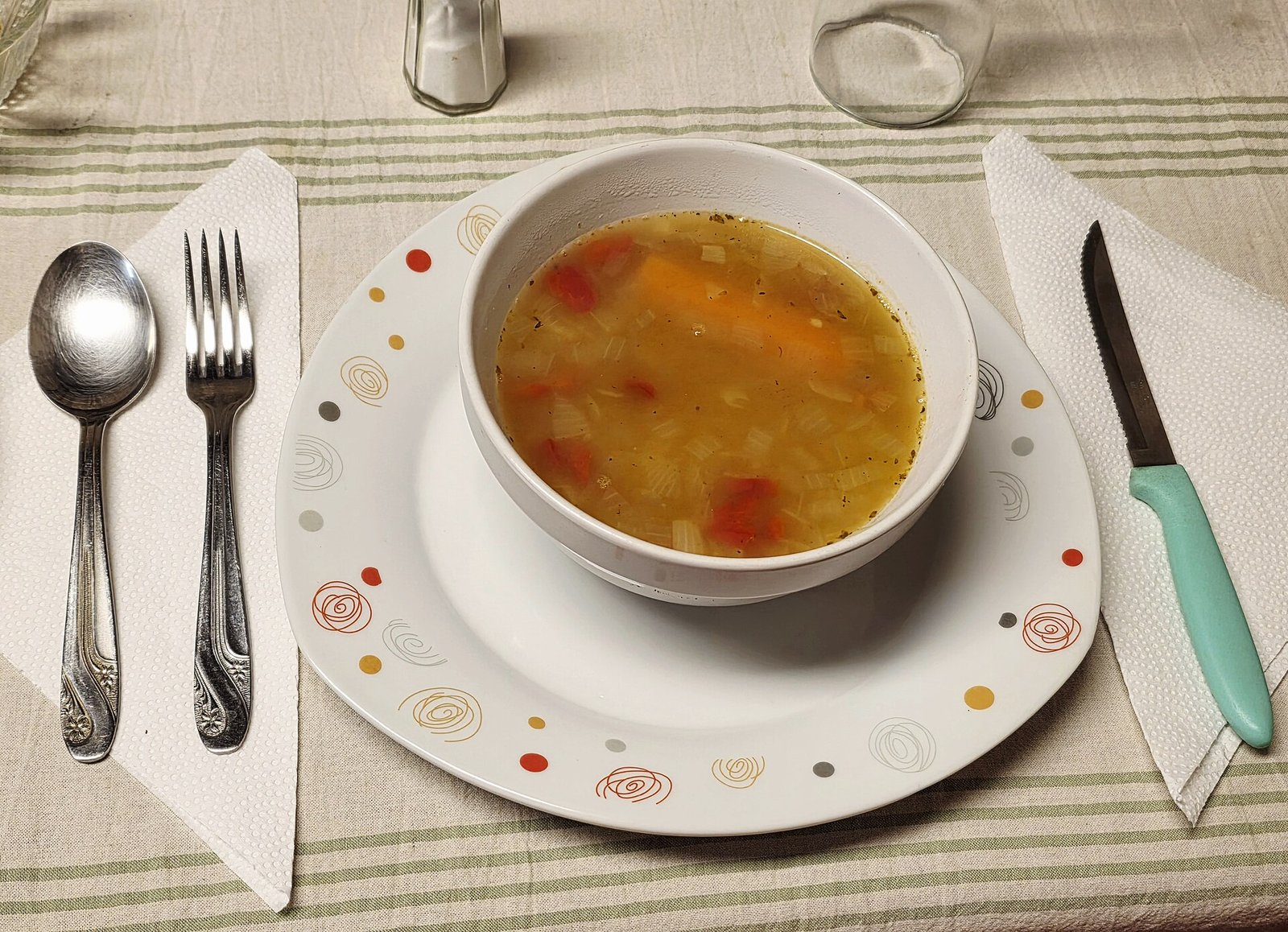
- – Moist, easy-to-eat foods such as soups, oatmeal, yogurt if tolerated, eggs, tender fish or poultry, and cooked vegetables when a dry cough makes crumbly foods unappealing.
- – If postnasal drip or sinus symptoms travel with the cough, treat the airway problem as directed; diet is adjunctive. See chronic sinusitis diet guide and chronic rhinosinusitis diet guide.
If acid reflux is part of the picture
NIDDK notes that if you have GERD and overweight or obesity, a clinician may suggest weight loss, and that eating meals at least 3 hours before lying down may improve nighttime symptoms. Foods and drinks commonly linked to GERD symptoms include acidic citrus and tomatoes, alcoholic drinks, chocolate, coffee and other caffeine, high-fat foods, mint, and spicy foods—triggers are individual. Related: GERD acid reflux diet guide and silent reflux LPR diet guide.
Pattern that supports a useful appointment
Keep a one-week log of cough timing (night, after meals, with exercise or cold air), heartburn or a sour taste, postnasal drip, smoke exposure, and blood pressure medicines, especially ACE inhibitors. Mayo Clinic and MedlinePlus both flag ACE inhibitors as a cause of chronic cough in some people.
Foods and habits that often worsen a chronic cough
- – Tobacco smoke and secondhand smoke. Mayo Clinic lists tobacco use as a leading factor; MedlinePlus advises not smoking and staying away from secondhand smoke.
- – Late, large, or personal GERD-trigger meals if reflux is in the mix (NIDDK): high-fat plates, alcohol, chocolate, peppermint, coffee, and acidic tomato or citrus foods when they clearly worsen your symptoms.
- – Very dry, scratchy snacks if they set off a tickly cough—this is comfort-guided, not a universal rule.
- – Ignoring red flags such as coughing up blood, shortness of breath, unexplained weight loss, night sweats, or a cough that worsens when lying down in someone with heart disease or leg swelling (MedlinePlus).
- – Giving over-the-counter cough and cold medicines to young children without clinician guidance. MedlinePlus and Mayo Clinic warn these products may not help children and can have serious side effects; Mayo Clinic advises against their use under age 6, and generally avoiding them under age 12 unless a clinician agrees.
“Limit” means reducing irritants and reflux triggers while the cause is treated—not a fear of every flavorful food.
Practical kitchen protocol: a chronic cough-aware week
1. Treat the cause in parallel
Ask whether the cough points to asthma, postnasal drip, GERD, COPD, infection, or an ACE-inhibitor side effect. Mayo Clinic notes many clinicians start treatment for a common cause before ordering every test; diet does not replace that plan. If you have asthma or another chronic lung disease, take medicines as prescribed (MedlinePlus). See asthma diet guide and emphysema diet guide.
2. Shopping list for gentler plates
Broth-based soups, tea, oatmeal, eggs, yogurt if tolerated, tender fish or chicken, cooked vegetables, rice or potatoes, honey if you are older than 1 year, and lozenges or hard candy only for people old enough not to choke (MedlinePlus: never give these to a child under age 3).
3. Default plate and drink template
- – Regular meals that are not excessively large or high-fat if reflux is suspected
- – A warm fluid with meals or between meals
- – Finish eating at least 3 hours before lying down if nighttime cough or heartburn is present, and keep smoke off the table
- – Honey or a lozenge only as a short-term soothe
4. Sample day
- – Breakfast: oatmeal and tea, with honey if appropriate.
- – Lunch: chicken-and-vegetable soup with bread or rice.
- – Snack: yogurt or a banana if tolerated.
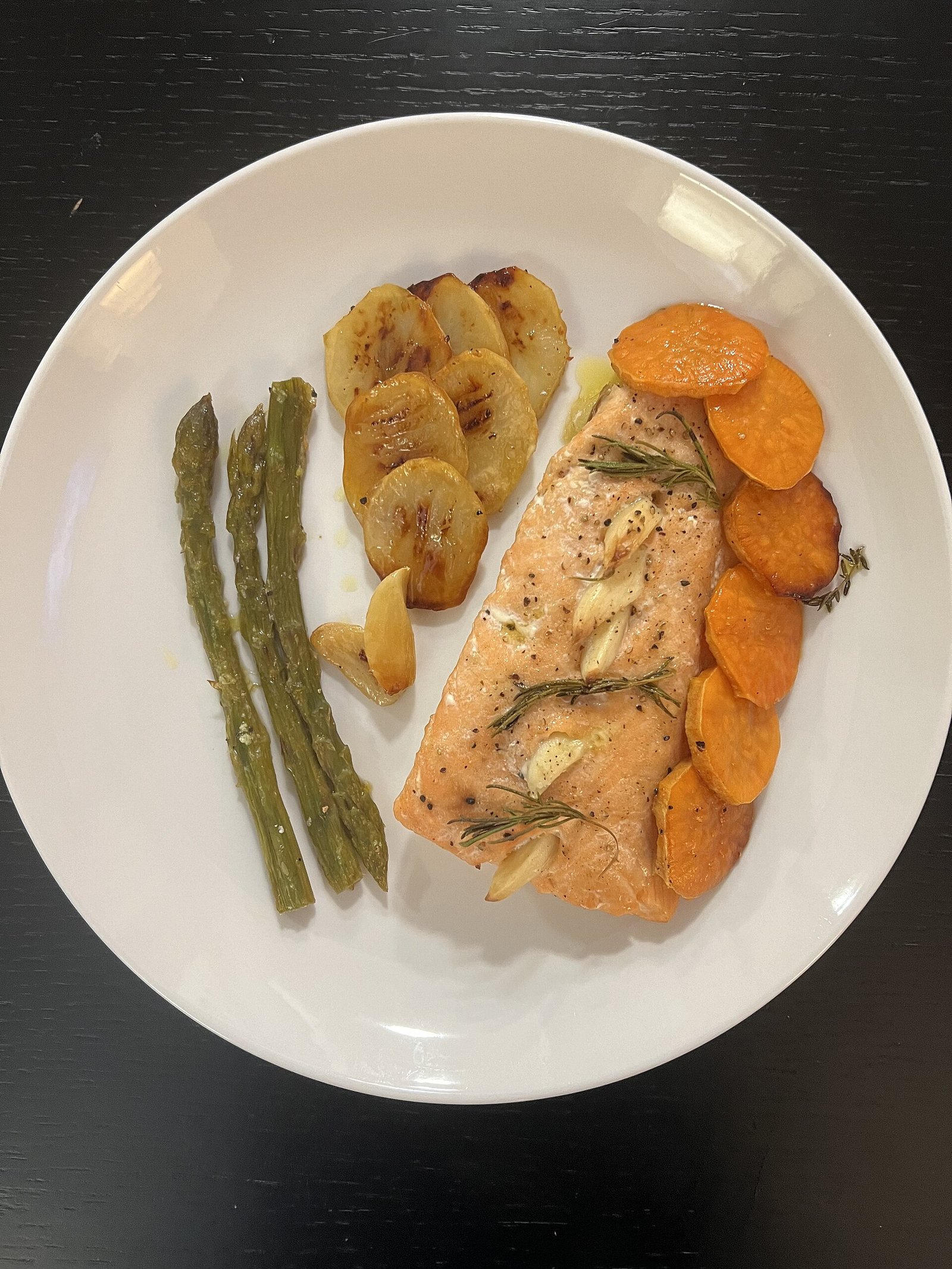
- – Dinner: baked fish, potatoes, and cooked carrots, finished well before bedtime.
- – Evening: no late heavy meal if reflux is a suspect; note cough timing.
5. If sinus, asthma, or COPD overlaps
Cough-variant asthma can have cough as the main symptom (Mayo Clinic). NHLBI defines chronic bronchitis as a productive cough lasting at least three months and returning at least two years in a row. Food will not open narrowed airways; prescribed inhalers remain first-line.
6. After the cause is treated
As the cause settles, gradually return to your usual variety. Keep smoke exposure off the table and re-check lingering ACE-inhibitor cough with the prescribing clinician rather than adding more lozenges.
Safety, interactions, and who should ask a clinician first
- – Call emergency services for shortness of breath, a swollen face or throat with trouble swallowing, or hives with breathing trouble (MedlinePlus).
- – Contact a clinician promptly for coughing up blood, a cough lasting longer than 10 to 14 days without a clear plan, fever, thick foul-smelling phlegm, weight loss or night sweats, or an infant younger than 3 months with a cough (MedlinePlus).
- – Heart disease with a cough that worsens when you lie down, or leg swelling: ask about heart failure evaluation (MedlinePlus).
- – High blood pressure: check with a clinician before using decongestants (MedlinePlus). Do not stop a prescribed ACE inhibitor on your own.
- – Children: no honey under age 1; no hard candy under age 3; cough-and-cold medicines need clinician guidance in young children (MedlinePlus, Mayo Clinic).
FAQ
Will cutting out dairy or acidic foods cure a chronic cough? No. Official pages emphasize treating the cause. Avoid a food only if it clearly worsens your symptoms, not because of a universal mucus myth.
Can honey replace an appointment? No. Mayo Clinic says honey may help loosen a cough, but a cough lasting weeks still needs a clinician. Never give honey to infants under 1 year.
Why would my clinician ask about heartburn or blood pressure pills? Mayo Clinic and MedlinePlus list GERD and ACE inhibitors among important causes of a long-lasting cough.
Do I need to stop coffee forever? Only if coffee clearly worsens reflux-related symptoms. NIDDK lists coffee among commonly linked GERD triggers, not as a mandatory lifelong ban.
When is a cough an emergency? MedlinePlus: difficulty breathing, or swelling of the face or throat with trouble swallowing, needs emergency care. Coughing up blood also needs prompt medical contact.
Can smoking “just a little” still keep a cough going? Tobacco use and secondhand smoke are leading contributors (Mayo Clinic, MedlinePlus). Cutting down is not a substitute for a quit plan.
How this differs from related OTCFood topics
This page is a chronic cough-bound diet guide focused on fluids and honey as comfort steps, reflux-aware meal timing, and smoke and ACE-inhibitor cautions. It is not an asthma action plan, a COPD protocol, or a substitute for evaluating infection or heart-failure warning signs.
Medical disclaimer
Medical disclaimer: This article is general information only, not medical advice, diagnosis, or a treatment plan. Chronic cough care depends on the cause, lung and heart history, and your clinician’s judgment. Talk with a clinician before changing an eating plan, supplement, or medicine. Seek urgent care for trouble breathing, coughing up blood, or facial or throat swelling.