Androgenetic Alopecia Diet: Foods That May Help and Foods to Limit
Medical note: This article discusses foods and researched botanicals. It does not claim to prevent, treat, or cure disease. Supplements are not a substitute for food, and studied amounts are not personal prescriptions.
People searching “androgenetic alopecia diet foods that help or worsen” usually want to know whether plates, protein, or biotin pills can slow male- or female-pattern hair loss. Public sources do not support a cure-by-diet claim. MedlinePlus describes male pattern baldness (androgenetic alopecia) as the most common type of hair loss in men and ties it to genes and male sex hormones; follicles shrink over time, hair becomes shorter and finer, and the loss is usually permanent. In women, MedlinePlus Genetics describes female-pattern hair loss as thinning at the top of the head with a widening part, rarely total baldness. Mayo Clinic states that hereditary hair loss with age is the most common cause of baldness and that this type is not preventable. Kitchen changes may support overall nutrition and help sort out other shedding triggers; they do not replace clinician-directed treatments or regrow a genetically patterned hairline.
What this androgenetic alopecia diet guide covers (and what it does not)
This guide is for adults with clinician-recognized androgenetic alopecia—male-pattern baldness or female-pattern hair loss—who want practical eating guidance while medical options are considered. Anchors: MedlinePlus — Hair Loss, MedlinePlus — Male pattern baldness, MedlinePlus Genetics — Androgenetic alopecia, and Mayo Clinic — Hair loss, plus NIH ODS fact sheets on biotin and zinc.
MedlinePlus Genetics estimates the condition affects about 50 million men and 30 million women in the United States; it can start in the teens, and more than 50 percent of men over age 50 have some hair loss. In women it is most likely after menopause. MedlinePlus also notes that about 80% of men show signs of male pattern baldness during their lifetime. Related reading: alopecia areata diet guide, PCOS diet guide, zinc deficiency diet guide, and hypothyroidism diet guide.
Evidence snapshot: androgenetic alopecia diet claims vs public sources
| Claim people hope for | What public sources actually say | Confidence |
|---|---|---|
| “A special diet will reverse pattern baldness” | MedlinePlus: male pattern baldness is related to genes and male sex hormones; hair loss is usually permanent. Mayo Clinic: this hereditary type is not preventable | Strong against food-as-cure |
| “Biotin supplements thicken pattern hair” | ODS: biotin is often promoted for hair, but there is little scientific evidence for these claims; deficiency is very rare in the United States | Strong that routine megadose biotin is not an AGA therapy |
| “Zinc or iron pills will regrow a receding hairline” | ODS: zinc deficiency can cause hair loss in older children, but most people in the U.S. get enough zinc from food. MedlinePlus lists anemia among other causes of hair loss—not the same as treating pattern baldness with iron | Moderate that confirmed deficiency should be treated; strong against untested megadoses |
| “Hair mineral analysis will reveal the diet you need” | MedlinePlus: hair analysis is not accurate for diagnosing hair loss due to nutritional or similar disorders | Strong against hair-analysis “nutrient maps” |
| “Crash dieting is fine if you take a hair vitamin” | MedlinePlus lists crash diets, especially those low in protein, among causes of telogen effluvium, a shedding pattern distinct from classic androgenetic alopecia | Strong that very-low-protein crash diets can add shedding |
Foods and patterns that may help with androgenetic alopecia care
“May help” means supporting adequate nutrition and reducing overlapping shedding risks—not a guarantee of thicker hair.
Ordinary protein-and-produce plates
- – Regular meals with enough protein from eggs, fish, poultry, beans, dairy if tolerated, or other protein foods—because MedlinePlus flags crash diets that lack enough protein as a trigger for telogen effluvium, which can stack on top of pattern thinning.
- – A variety of foods that naturally supply biotin (ODS: meat, fish, eggs, organ meats, seeds, nuts, and vegetables such as sweet potatoes, spinach, and broccoli) and zinc (ODS: oysters, meat, fish, poultry, seafood, fortified cereals, plus some zinc from beans, nuts, whole grains, eggs, and dairy).
- – Iron-containing foods only if a clinician has identified iron-deficiency anemia as a separate issue (ODS lists lean meat, seafood, poultry, iron-fortified cereals, beans, lentils, and spinach). That is anemia care, not a baldness protocol (see iron-deficiency anemia diet guide).
Metabolic context, not “hair superfoods”
MedlinePlus Genetics notes associations in men with coronary heart disease, prostate enlargement, insulin-resistance disorders such as diabetes and obesity, and high blood pressure; in women, this hair-loss pattern is associated with an increased risk of polycystic ovary syndrome (PCOS). They do mean a cardiometabolic eating pattern your clinician already recommends remains relevant. See type 2 diabetes diet guide, obesity diet guide, high blood pressure diet guide, and PCOS diet guide.
Pattern that supports a useful appointment
Keep a short log of rapid shedding, new medicines, crash dieting, thyroid symptoms, or heavy periods. MedlinePlus notes that classic male pattern baldness is usually diagnosed by appearance, but other conditions may be considered if hair is lost in patches, sheds heavily, breaks, or comes with redness, scaling, pus, or pain.
Foods and habits that often worsen hair concerns
- – Crash or very-low-protein diets, which MedlinePlus lists among causes of telogen effluvium. “Limit” means not using extreme restriction as a hair strategy.
- – Unsupervised high-dose biotin. ODS reports little evidence for hair claims and warns that biotin above recommended amounts may cause false results in some lab tests, including thyroid hormone tests—important if hypothyroidism is also being evaluated (hypothyroidism diet guide).
- – High-dose zinc supplements “for hair.” ODS: too much zinc can cause nausea and, over time, lower immunity, lower HDL cholesterol, and low copper; the adult upper limit from all sources is 40 mg/day unless a clinician is treating a documented problem. See zinc deficiency diet guide.
- – Assuming every shed is pattern baldness. Sudden loosening of hair after a shock, patchy bald spots, or scalp infection need a different workup (Mayo Clinic; MedlinePlus). Alopecia areata is a separate immune-related pattern: alopecia areata diet guide.
- – Smoking, which Mayo Clinic notes some studies associate with baldness in men—a reason for quit support, not a claim that stopping smoking will reverse an established hairline.
- – Relying on hair mineral analysis to design a supplement stack (MedlinePlus).
Practical kitchen protocol: an androgenetic alopecia-aware week
1. Confirm the pattern with a clinician, in parallel
Ask whether the pattern fits androgenetic alopecia or whether blood tests, a scalp exam, or review of medicines is needed. Treatment is not necessary if you are comfortable with your appearance (MedlinePlus). If you want treatment, public pages discuss options such as topical minoxidil or, for many men, finasteride—not a grocery protocol. Hair loss can return when those medicines are stopped.
2. Shopping list for adequate, not “miracle,” plates
Eggs, fish or poultry, beans or lentils, yogurt or milk if tolerated, oats or fortified cereals, leafy greens, nuts or seeds, fruit, and ordinary cooking oils—a complete-plate list, not a regrowth kit.
3. Default plate template
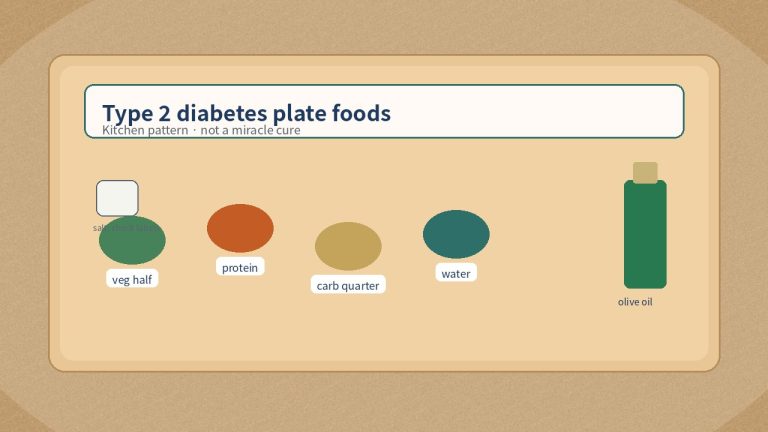
- – A protein food at most meals, plus vegetables or fruit and a grain or starch you already tolerate
- – No requirement for exotic “hair foods,” and skip megadose biotin or zinc unless prescribed
4. Sample day (illustrative)
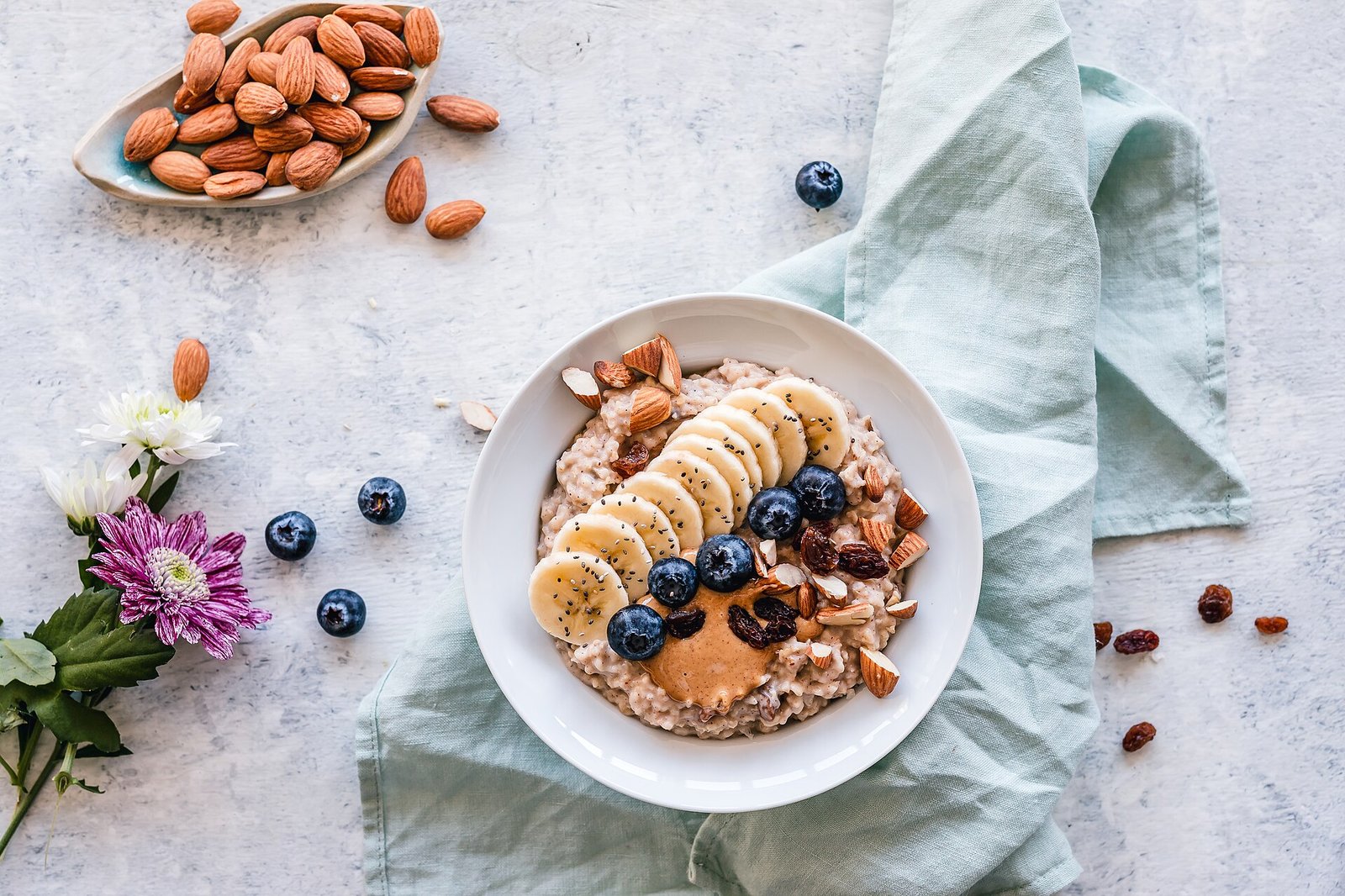
- – Breakfast: oatmeal with eggs or yogurt and fruit.
- – Lunch: bean-and-vegetable bowl or a turkey sandwich with a salad.
- – Snack: nuts or cheese if they fit your plan.
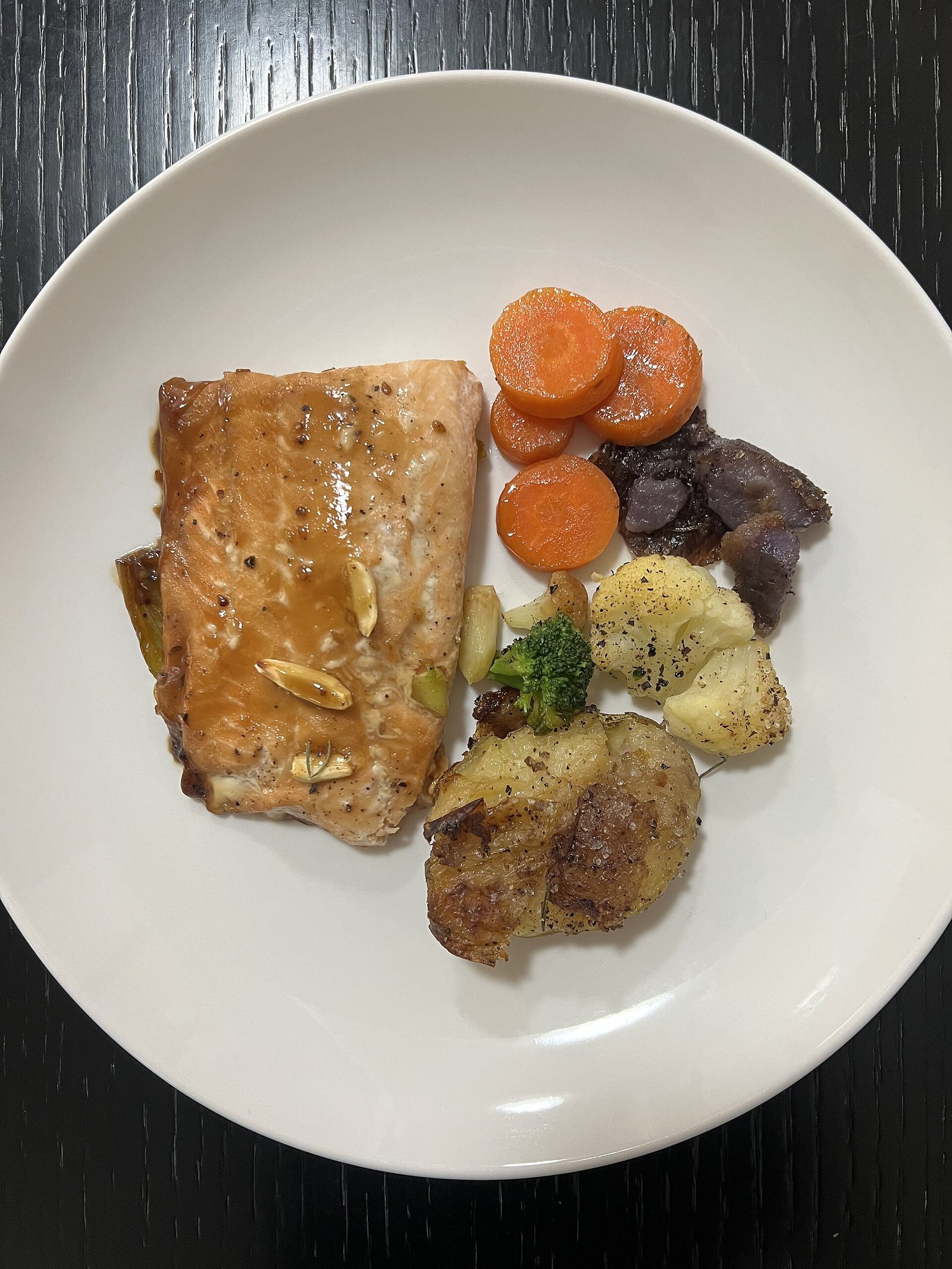
- – Dinner: baked fish, a potato or rice, and cooked greens or broccoli.
5. If PCOS, thyroid disease, or anemia overlaps
Female-pattern thinning can coexist with PCOS (MedlinePlus Genetics) or with thyroid disease or anemia as separate pathways (MedlinePlus). Treat those conditions as diagnosed; do not assume one supplement covers all of them.
6. After starting a medical hair treatment
Continue a regular eating pattern. Do not stack untested “hair boosters” onto prescription therapy without telling the clinician, especially biotin before lab work.
Safety, interactions, and who should ask a clinician first
- – Rapid, patchy, painful, or scaly hair loss, or hair loss after a new medicine: contact a clinician (MedlinePlus, Mayo Clinic).
- – Women with irregular periods, acne, or excess body hair plus scalp thinning: ask about PCOS evaluation.
- – Anyone taking high-dose biotin: tell the laboratory and clinician before hormone or other blood tests (ODS).
- – Zinc supplements can interact with some antibiotics, penicillamine, or long-term thiazide diuretics (ODS)—review timing with a pharmacist.
- – Pregnancy or planned pregnancy: do not start hair-loss pills or high-dose supplements without clinician review.
FAQ
Will changing my diet regrow a receding hairline or widen a thinning part? No public source we used supports that claim. MedlinePlus and Mayo Clinic describe it as hereditary and hormone-related; Mayo Clinic says this type is not preventable, and MedlinePlus says the loss is usually permanent.
Should I take biotin for male- or female-pattern hair loss? ODS says there is little scientific evidence that biotin supplements improve hair, skin, or nails in people who are not deficient, and deficiency is very rare; high doses can interfere with some lab tests.
Can zinc or iron deficiency look like pattern baldness? Zinc deficiency can cause hair loss in some settings (ODS), and MedlinePlus lists anemia among other causes of hair loss. Those problems are diagnosed with medical testing, not a hair-analysis kit, and they are not the same as androgenetic alopecia.
Why would my clinician mention diabetes, blood pressure, or PCOS? MedlinePlus Genetics reports associations between androgenetic alopecia and those conditions. Those associations support whole-person care, not a claim that diet will reverse hair loss.
Is a crash diet a fast way to “reset” hormones and hair? MedlinePlus lists crash diets, especially those low in protein, as a cause of telogen effluvium, which can increase shedding for weeks to months.
When should I see a doctor? If hair loss is atypical, sudden, patchy, itchy, painful, or medicine-related, or if you want to discuss medical or procedural treatment (MedlinePlus).
How this differs from related OTCFood topics
This page is an androgenetic alopecia-bound diet guide focused on hereditary pattern hair loss, the limits of food and biotin marketing, and overlapping issues such as crash-diet shedding, nutrient deficiency, PCOS, and cardiometabolic associations. It is not an alopecia areata protocol or a minoxidil/finasteride how-to.
Medical disclaimer
Medical disclaimer: This article is for general information only. It is not medical advice, diagnosis, or a treatment plan. Androgenetic alopecia care depends on the hair-loss pattern, hormones, medicines, and your clinician’s judgment. Talk with a clinician or registered dietitian before changing any eating plan, supplement, or medicine. Seek care for sudden, patchy, painful, or unexplained hair loss.