Chronic Rhinosinusitis Diet: Foods That May Help and Foods to Limit
Medical note: This article discusses foods and researched botanicals. It does not claim to prevent, treat, or cure disease. Supplements are not a substitute for food, and studied amounts are not personal prescriptions.
People searching “chronic rhinosinusitis diet foods that help or worsen” usually want fewer thick-mucus days and meals they can still taste—not a claim that food will ventilate the sinuses, replace saline rinses or steroid sprays, or make antibiotics unnecessary when a clinician actually needs to prescribe them. Chronic rhinosinusitis is the clinical name for long-lasting inflammation of the nasal cavity and sinuses; MedlinePlus uses “chronic sinusitis” for sinus inflammation lasting more than 12 weeks, which can continue for months or even years. CDC describes sinus infections as fluid buildup in the face’s air-filled pockets, causing inflammation, congestion, and runny nose, and notes that viruses cause most sinus infections while bacteria cause some. Kitchen patterns may help with hydration, trigger awareness, and eating when smell drops; they do not cure chronic rhinosinusitis.
What this chronic rhinosinusitis diet guide covers (and what it does not)
This guide is for adults with clinician-recognized chronic rhinosinusitis (CRS)—symptoms lasting 12 weeks or longer—including people who also have nasal polyps, allergies, or asthma. It is a CRS-focused companion to our everyday-language chronic sinusitis page. Anchors: MedlinePlus — Sinusitis, CDC — Sinus Infection Basics, and NIDCD — Smell Disorders.
MedlinePlus lists acute sinusitis (up to 4 weeks), subacute (4 to 12 weeks), chronic (more than 12 weeks), and recurrent disease. Allergies, nasal problems, and certain diseases can contribute to acute and chronic sinusitis. CDC risk factors include a previous cold, seasonal allergies, smoking and secondhand smoke, structural problems such as nasal polyps, and a weak immune system or medicines that weaken immunity. Symptoms on these pages include stuffy or runny nose, facial pain or pressure, headache, mucus dripping down the throat, sore throat, cough, and bad breath; MedlinePlus also mentions fever, weakness, fatigue, and congestion. Related reading: chronic sinusitis diet guide, acute sinusitis diet guide, allergic rhinitis diet guide, asthma diet guide, diet after sinus surgery guide, and food allergy diet guide.
Evidence snapshot: chronic rhinosinusitis diet claims vs public sources
| Claim people hope for | What public sources actually say | Confidence |
|---|---|---|
| “A sinus diet cures CRS” | MedlinePlus and CDC focus on cause, time course, smoke exposure, and—when needed—clinical decisions about antibiotics. Neither page offers a curative menu | Strong against food-as-cure |
| “You always need leftover antibiotics plus a cleanse” | CDC: you don’t need antibiotics for many sinus infections; your clinician decides. Antibiotics do not treat viral illness or polyps | Strong against self-antibiotics |
| “Smoking is unrelated if you eat ‘clean’” | CDC lists smoking and secondhand smoke as risk factors; NIDCD lists smoking among causes of smell disorders | Strong to avoid smoke |
| “Dairy always creates mucus in CRS” | Not stated as CDC or MedlinePlus treatment advice. Individual tolerance varies | Low for blanket bans |
| “If you cannot smell, skip meals until it returns” | NIDCD: smell loss makes food taste bland and removes warnings about spoiled food or gas. Adequate intake still matters | Strong to keep eating |
Foods and patterns that may help with chronic rhinosinusitis comfort
“May help” means supporting daily comfort and nutrition during months-long inflammation—not sterilizing sinus cavities.
Steady fluids and moist meals
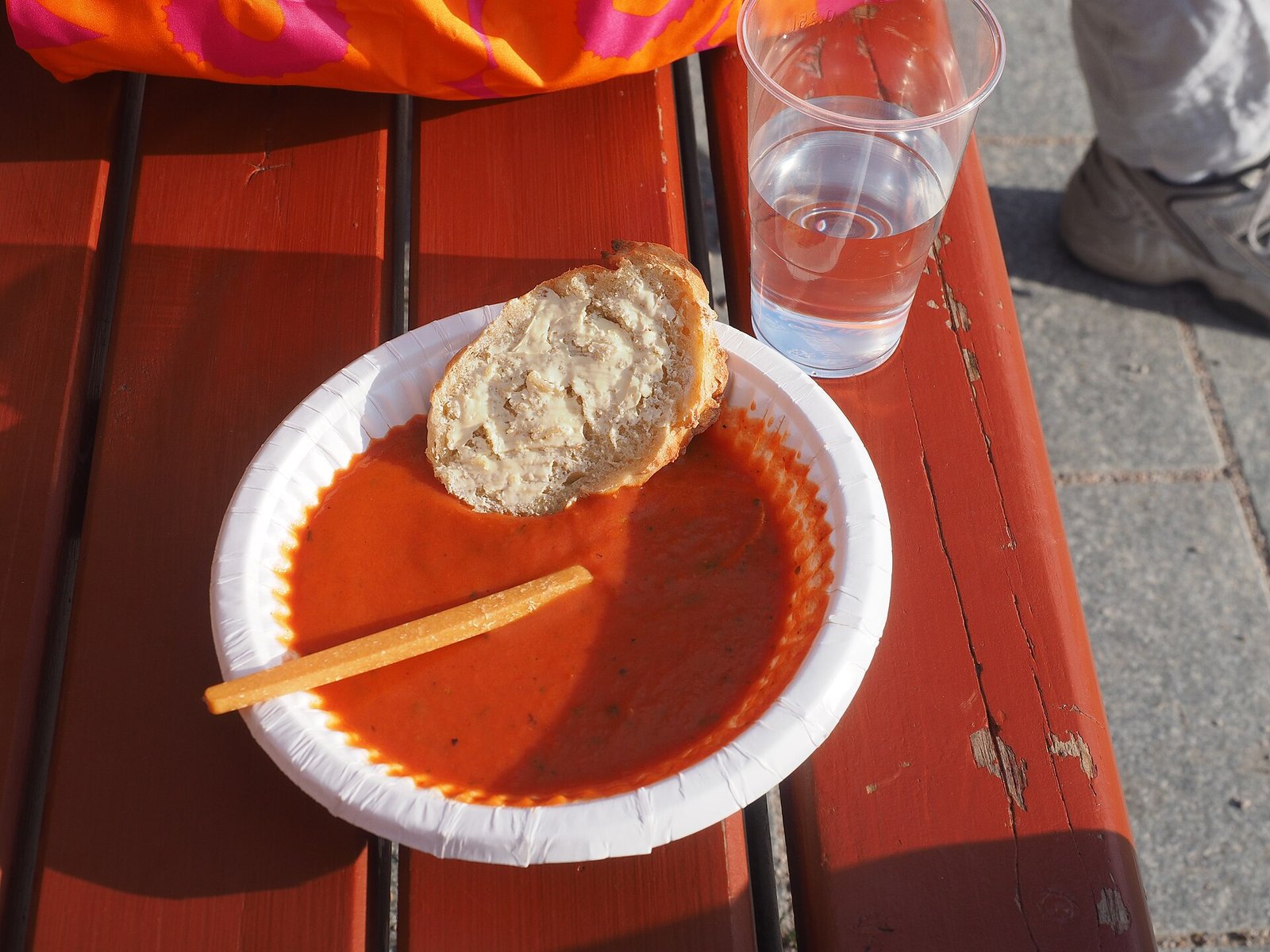
Thick mucus and mouth breathing can dry you out. Water, broths, herbal teas, stews, oatmeal, and water-rich fruit are practical supports many people use alongside clinician-recommended saline rinses—the rinses are medical care, not a recipe. Warm (not scalding) foods often feel easier than dry crackers when your face aches.
Eating when smell is reduced
NIDCD lists sinus and other upper respiratory infections and growths in the nasal cavities among common causes of smell disorders. Without smell, familiar flavors become hard to distinguish. Use texture, temperature, citrus or herbs if tolerated, and visible color so calories do not quietly fall off. Date leftovers and lean on labels, because smell is also a safety system.
Allergy-aware choices when allergy is part of your CRS
CDC names seasonal allergies as a risk factor; MedlinePlus notes allergies can contribute to chronic sinusitis. If a clinician confirmed allergic rhinitis or a food allergy, avoiding your triggers is reasonable (see allergic rhinitis diet guide and food allergy diet guide). That is not permission to eliminate half the grocery store on a social-media “sinus list.”
A generally balanced plate
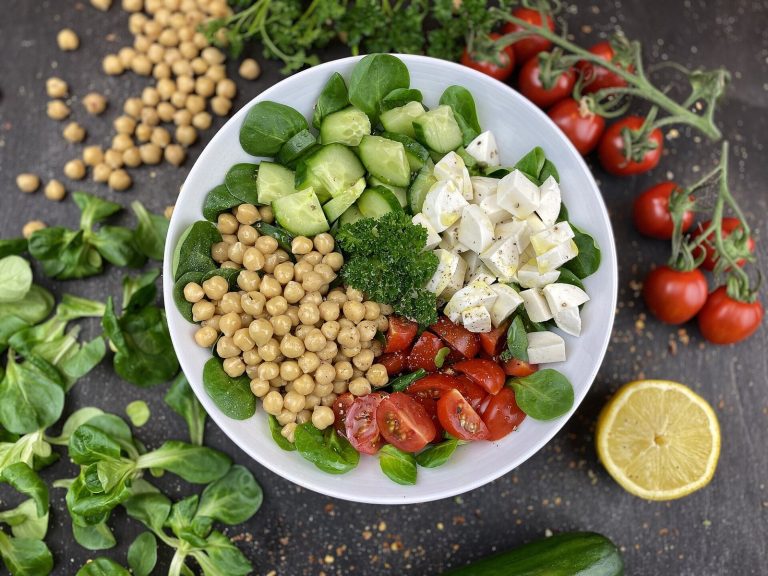
Vegetables, fruits, beans, fish or other proteins, and grains support overall health while ENT or allergy care continues. This is ordinary dietary quality—not evidence that an “anti-inflammatory” label reverses CRS.
Foods and habits that often worsen chronic rhinosinusitis patterns
- – Tobacco smoke and secondhand smoke (CDC risk factor; NIDCD smell-disorder cause). No salad offsets continued smoke exposure.
- – Alcohol, very late heavy meals, or personal irritants if they clearly increase congestion or nighttime drip—limit by your own log, not by a universal ban.
- – Dehydration from sugary alcohol-heavy evenings, which can make thick mucus feel worse even though official pages do not frame CRS as a “juice-cleanse” disease.
- – Self-starting leftover antibiotics “just in case.” CDC stresses that many sinus infections do not need antibiotics and that a clinician should decide.
- – Cutting dairy, gluten, or entire protein groups without a diagnosis, then wondering why energy drops during a months-long illness.
- – Delaying care for facial swelling, vision changes, or a severe headache while rearranging spices.
“Limit” means reducing smoke, unnecessary restriction, and irritants you have actually linked to flares.
Practical kitchen protocol: a chronic-rhinosinusitis-aware week
1. Confirm the time course and the plan
Symptoms lasting more than 12 weeks need a diagnosis, not only soup (MedlinePlus). Ask whether polyps, allergy, a structural problem, or immune issues are involved, and whether saline rinses, nasal corticosteroids, or ENT review are next. For shorter cold-then-sinus episodes, see acute sinusitis diet guide.
2. Shopping list
Broth, oats, yogurt if tolerated, eggs, beans, tender fish or chicken, citrus, cooked vegetables, rice or potatoes, herbal tea, and easy snacks so skipped dinners do not become the norm when you cannot taste much.
3. Default plate template
- – A moist protein-plus-vegetable dish
- – A starch you like
- – Extra fluid at the table
- – Smoke-free space
- – Medicines and rinses on their prescribed schedule, not mixed into untested teas
4. Sample day (illustrative)
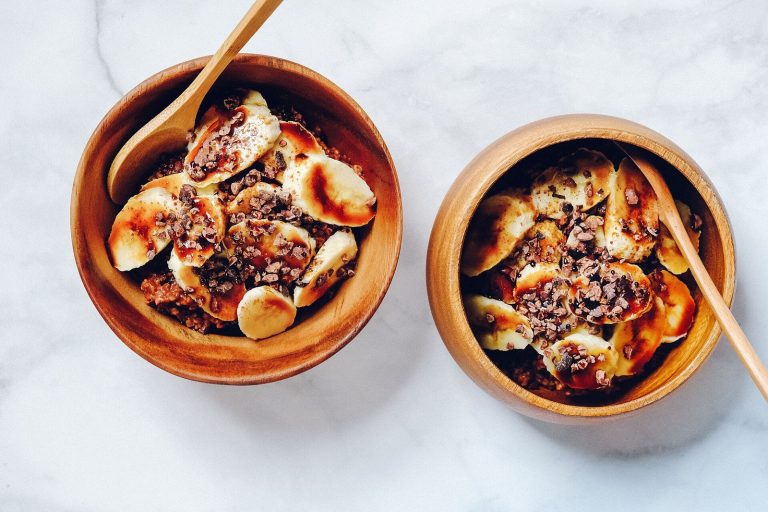
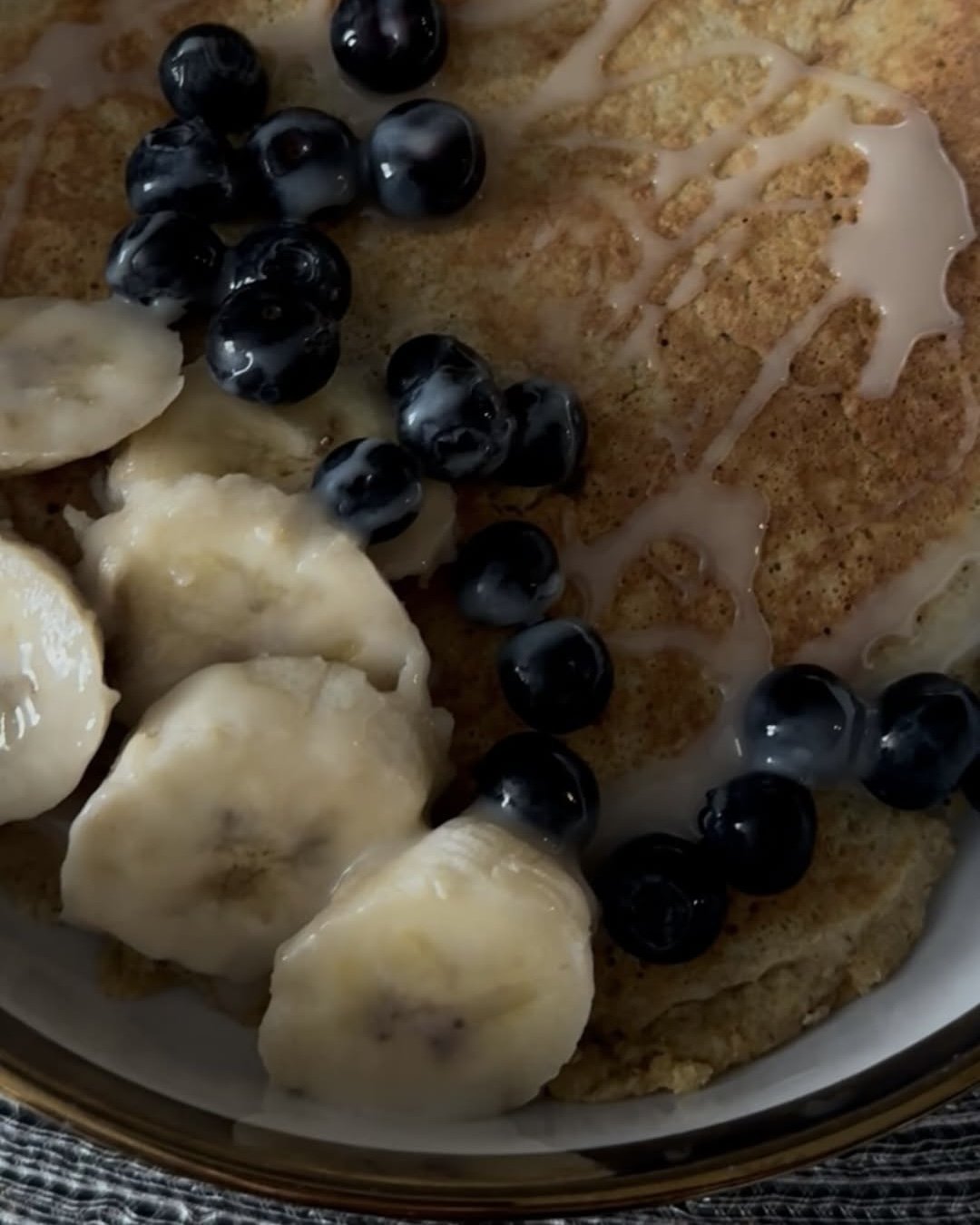
- – Breakfast: oatmeal with banana; water or tea.
- – Lunch: vegetable or chicken soup with toast.
- – Snack: yogurt or fruit if it sits well.
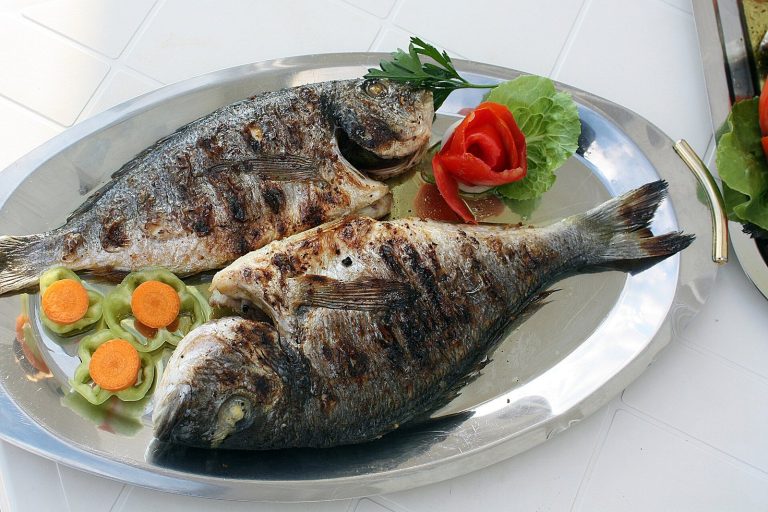
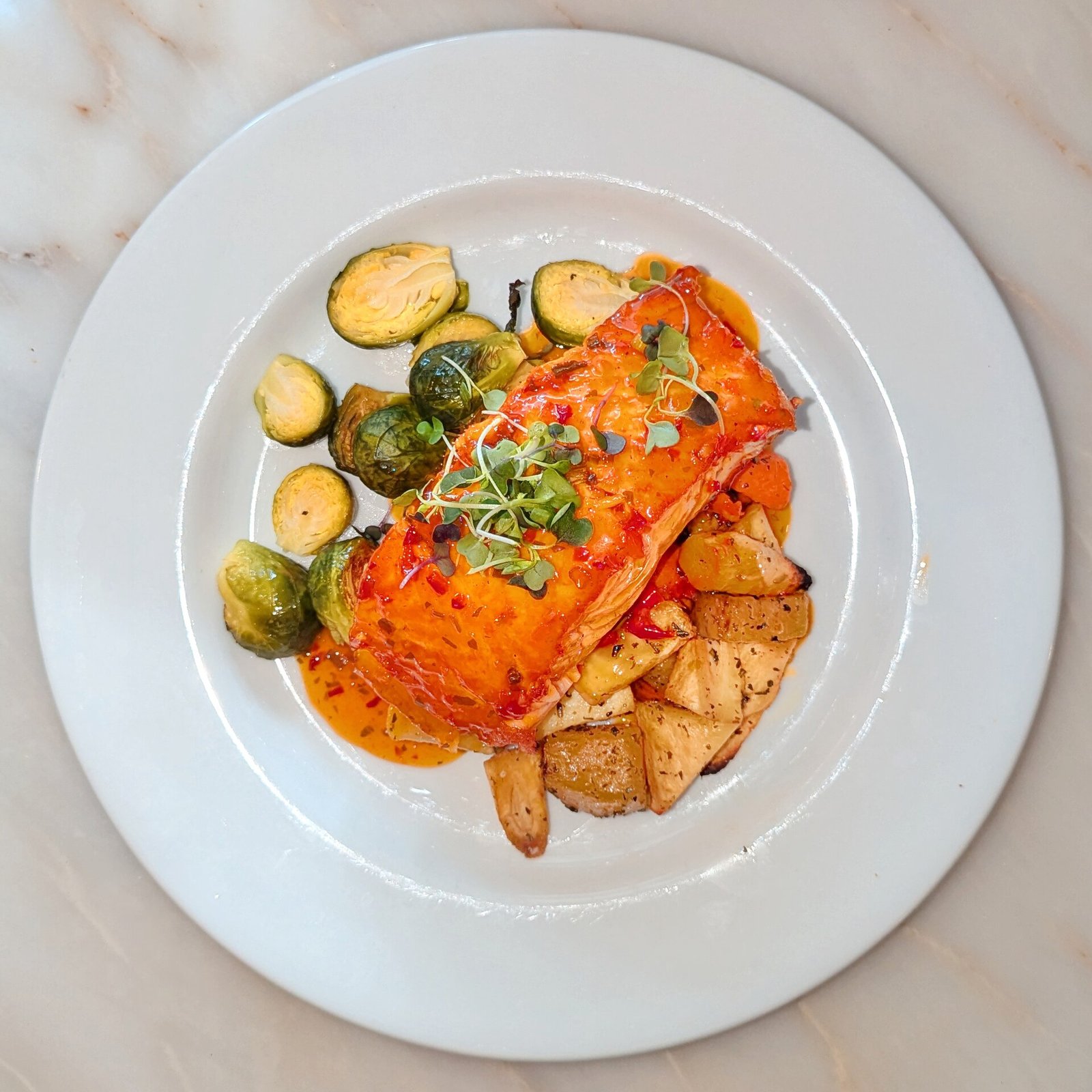
- – Dinner: baked fish, rice, steamed zucchini or carrots.
- – Evening: note smoke exposure, allergy triggers, alcohol, and symptom timing for your visit.
5. If nasal polyps are part of CRS
MedlinePlus describes polyps as inflammatory growths that can block the nose and dull smell, and CDC lists polyps as a structural risk factor for sinus infection. See nasal polyps diet guide if polyps are part of the picture; surgery recovery eating is covered in diet after sinus surgery guide.
6. Recurring short attacks vs true CRS
MedlinePlus distinguishes recurrent sinusitis (several attacks in a year) from chronic inflammation that never fully clears. Your log should capture duration, not only severity, so you and your clinician are talking about the same pattern.
Safety, interactions, and who should ask a clinician first
- – Eye swelling or redness, vision changes, severe headache with neck stiffness, confusion, high fever that is not improving, or a feeling that one side of the face is rapidly worsening: urgent care.
- – Weak immune system or immunosuppressive medicines (CDC risk factor): call earlier about new sinus symptoms.
- – Repeated oral steroids, biologics, or sinus surgery: review supplements and grapefruit-level interaction questions with the prescribing team when relevant.
- – Children, pregnancy, or complex medicine lists: do not copy adult elimination diets.
- – Do not share another person’s leftover antibiotics.
FAQ
Is chronic rhinosinusitis the same as chronic sinusitis? Clinicians often use chronic rhinosinusitis to emphasize that both the nose and sinuses are inflamed. MedlinePlus’s public page discusses chronic sinusitis lasting more than 12 weeks. The kitchen advice—hydration, smoke avoidance, trigger awareness—overlaps, but this page stays with the CRS label and smell-focused eating.
Will cutting dairy clear my sinuses? Official CDC and MedlinePlus sinus pages do not instruct everyone with CRS to stop dairy. Remove it only if it clearly bothers you or you have a diagnosed allergy.
Do I need antibiotics every time? No. CDC says you do not need antibiotics for many sinus infections and that your healthcare provider can decide. Chronic inflammation lasting months is a different problem from a short bacterial episode.
Why does soup taste like nothing? NIDCD describes how a blocked nose prevents odor molecules from reaching smell nerves, so flavor collapses even when taste buds still work.
Can smoking less “just around other people” still matter? CDC lists both smoking and secondhand smoke as risk factors. Reducing household smoke is a stronger official step than buying a specialty tea.
When should I see a doctor? If symptoms last beyond 12 weeks, keep returning several times a year, include reduced smell, or come with asthma, known polyps, or immune problems—seek evaluation rather than waiting on a new grocery rule.
How this differs from related OTCFood topics
This page is a chronic-rhinosinusitis-bound diet guide focused on the 12-week definition, CDC smoke and antibiotic points, and NIDCD-guided eating when smell fades. It is not an acute-sinusitis recovery page, not a nasal-polyp procedure guide, and not a substitute for ENT or allergy care. For the everyday “chronic sinusitis” wording, see chronic sinusitis diet guide.
Medical disclaimer
Medical disclaimer: This article is for general information only. It is not medical advice, diagnosis, or a treatment plan. Chronic rhinosinusitis care depends on duration, polyps, allergy or asthma, immune status, infection risk, medicines, and your clinician’s judgment. Talk with a clinician or registered dietitian before starting, stopping, or changing any eating plan, supplement, or medicine. Seek urgent care for vision changes, swelling around the eyes, confusion, a severe headache with neck stiffness, or trouble breathing.