GERD / Acid Reflux Diet: Foods That May Help and Foods to Limit
Medical note: This article discusses foods and researched botanicals. It does not claim to prevent, treat, or cure disease. Supplements are not a substitute for food, and studied amounts are not personal prescriptions.
People searching “GERD acid reflux diet foods that help or worsen” usually want trigger-aware kitchen habits, meal timing, and elevate-the-head strategies that may ease heartburn—not a claim that food cures gastroesophageal reflux disease or replaces proton-pump inhibitors (PPIs), H2 blockers, or endoscopy follow-up when those are prescribed. NIDDK explains that GERD is when reflux causes bothersome symptoms or complications, and that eating changes—weight loss when overweight, finishing meals at least three hours before lying down, and reducing personal trigger foods—may improve symptoms for many adults.
What this GERD / acid reflux diet guide covers (and what it does not)
This guide is for adults with heartburn, regurgitation, or clinician-diagnosed GER or GERD who want practical eating patterns while they follow medical advice. Anchors: NIDDK — Eating, diet, and nutrition for GER & GERD, NIDDK — Treatment of GER & GERD, and MedlinePlus — GERD.
NIDDK lists common trigger categories many people link to worse symptoms: acidic foods such as citrus and tomatoes; alcoholic drinks; chocolate; coffee and other caffeine sources; high-fat foods; mint; and spicy foods. Your doctor may recommend reducing or avoiding items that increase your symptoms rather than a universal “forever ban” list. Kitchen changes do not replace evaluation for alarm symptoms (trouble swallowing, unintentional weight loss, vomiting blood, black stools) or long-term monitoring when Barrett’s esophagus or erosive disease is present. Related reading: GERD diet guide, hiatal hernia diet guide, and Barrett’s esophagus diet guide.
Evidence snapshot: GERD diet claims vs public sources
| Claim people hope for | What public sources actually say | Confidence |
|---|---|---|
| “One master GERD diet cures reflux for everyone” | NIDDK: individual triggers vary; doctors may suggest reducing foods that worsen your symptoms | Strong: personalization beats rigid lists |
| “Weight loss may reduce GERD symptoms if you have overweight/obesity” | NIDDK explicitly notes weight loss may reduce symptoms and that clinicians can recommend healthy eating plans | Moderate–strong as supportive lifestyle |
| “Finish dinner, then lie flat immediately—timing doesn’t matter” | NIDDK: if night symptoms occur, eating at least 3 hours before lying down may improve symptoms | Strong for timing advice |
| “PPIs are optional if you juice celery every morning” | NIDDK treatment pages center medicines, lifestyle, and sometimes procedures—not juice protocols as disease care | Strong: medicines are medical |
| “Mint tea always soothes the sphincter” | NIDDK includes mint among foods commonly linked to worse GERD symptoms for some people | Moderate for mint as a personal trigger |
Foods and patterns that may help with GERD day to day
“May help” means supporting fewer reflux episodes and less nighttime burn for many people—not erasing a hiatal hernia or guaranteeing you can stop prescribed acid suppression without clinician guidance.
Meal timing and portion habits
- – Eat meals at least three hours before lying down or bedtime when night symptoms are an issue (NIDDK).
- – Prefer moderate portions over very large, high-fat dinners that sit heavily in the stomach.
- – Keep a simple food-and-symptom log for two weeks so you cut your triggers instead of half the grocery aisle.
Lower-fat, gentler plate templates (when tolerated)
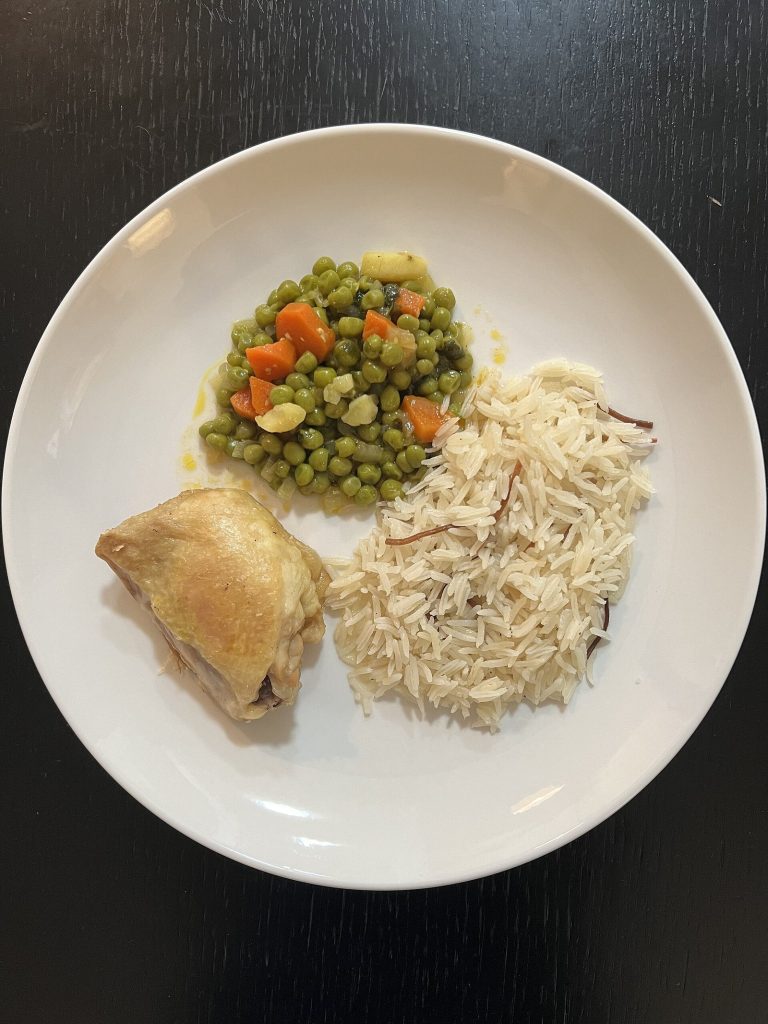
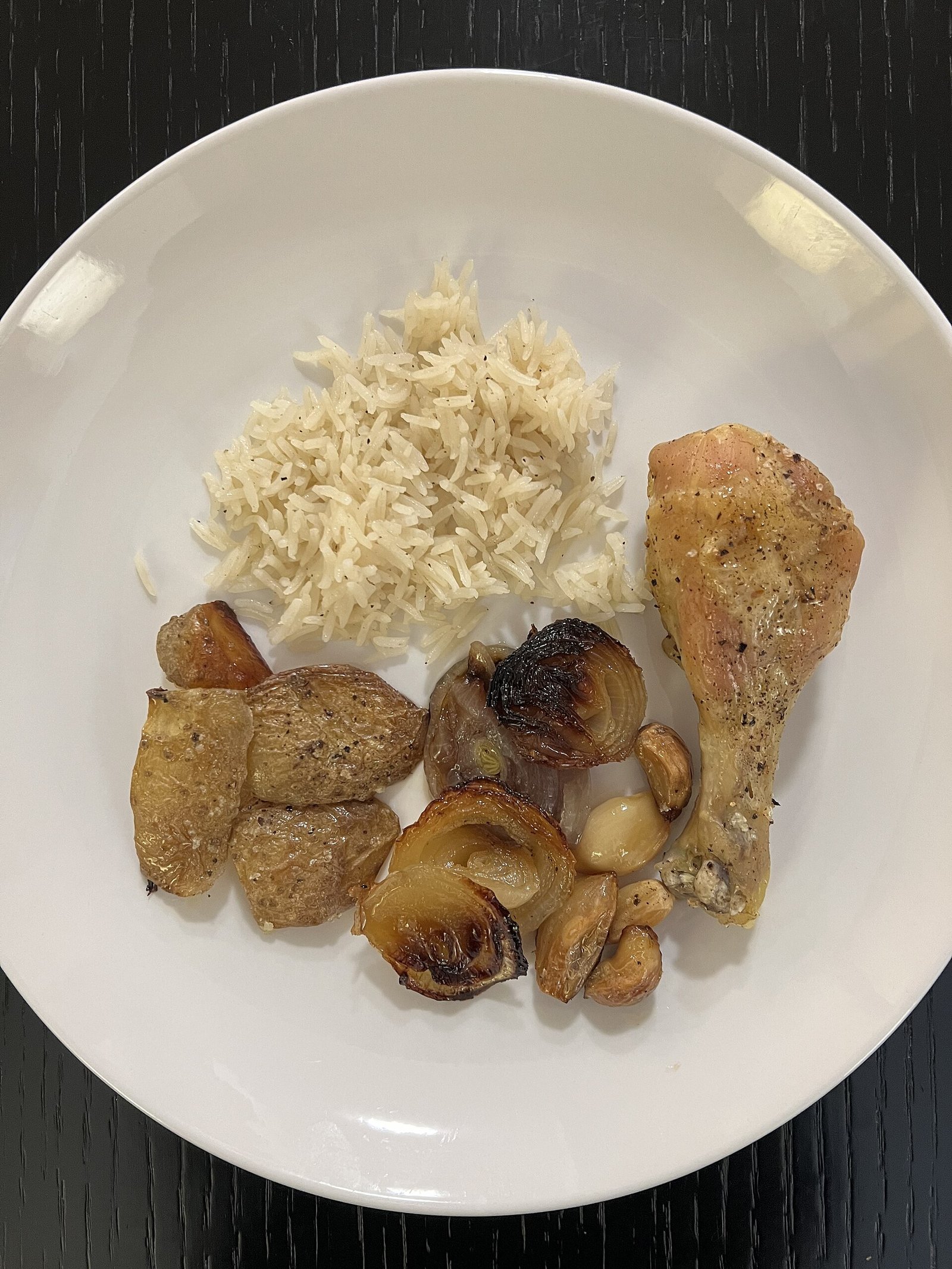
- – Lean proteins (fish, poultry without heavy cream sauces, eggs, tofu), cooked vegetables that are not tomato-heavy if tomato bothers you, oats, rice, potatoes, and non-citrus fruit many people tolerate better than fried or creamy meals.
- – Nonfat or low-fat dairy if dairy is not a personal trigger—high-fat dairy is more often linked to symptoms in GERD education materials.
Elevate the head of the bed as a lifestyle partner
- – NIDDK treatment guidance commonly pairs lifestyle steps (including elevating the head of the bed for night reflux) with medicines when needed. Pillows alone that bend only the neck are usually less effective than raising the bed frame or using a wedge under the mattress—follow your clinician’s practical tips.
Weight-aware patterns when relevant
- – If overweight or obesity is present, NIDDK notes weight loss may reduce GERD symptoms; sustainable calorie patterns and activity plans belong with your clinician or dietitian—not crash “detox” weeks.
Hydration without late chugging
- – Sip fluids through the day; avoid large volumes right before bed if that worsens regurgitation for you.
Foods and habits that often worsen GERD kitchen patterns
- – Acidic foods such as citrus fruits and tomatoes when they are your triggers (NIDDK).
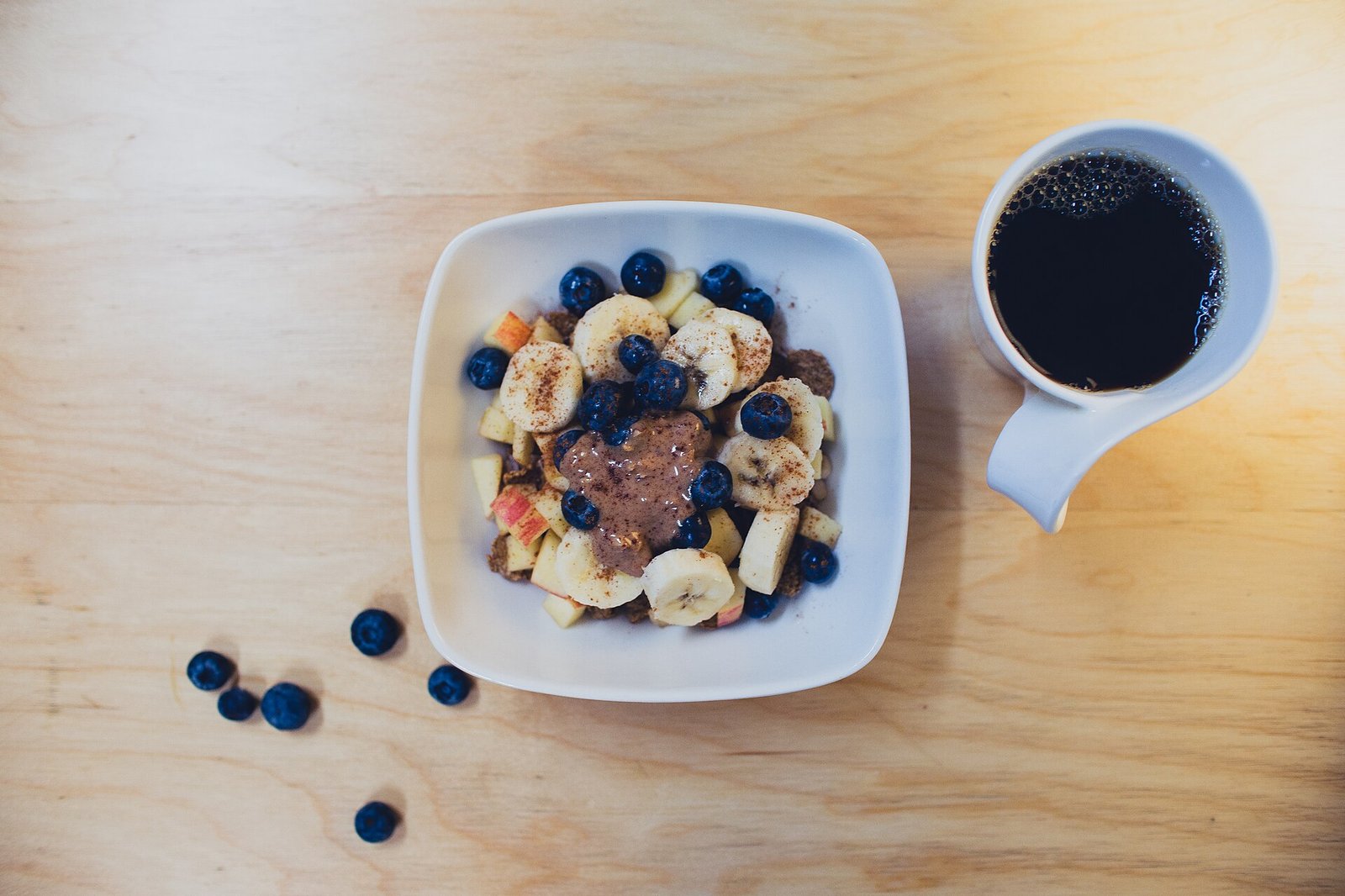
- – Alcoholic drinks, chocolate, coffee/caffeine, high-fat foods, mint, and spicy foods when linked to your flares (NIDDK).
- – Lying down soon after large meals.
- – Tight belts and late night snacking that keep the stomach full near bedtime.
- – Smoking, which many reflux education resources discourage for esophageal health and overall risk.
- – Stopping prescribed PPIs or H2 blockers abruptly because an influencer promised “food is enough.”
- – Ignoring dysphagia, bleeding, or progressive weight loss—those are medical red flags, not meal-plan failures.
“Limit” means reducing patterns that commonly aggravate reflux—not that one tomato slice defines disease severity.
Practical kitchen protocol: a GERD-aware week
1. Keep the medical spine first
Confirm diagnosis pathway (trial of therapy vs testing), medicine timing (often before meals for PPIs when prescribed that way), and when to escalate for endoscopy. Put refill reminders where you will see them.
2. Shopping list for a trigger-aware pantry
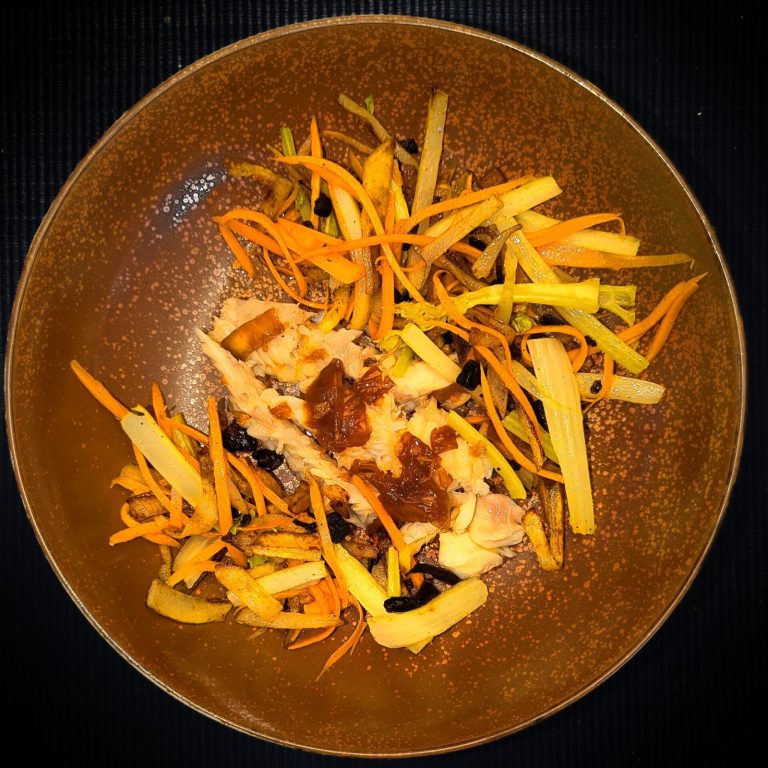
Oats; rice; potatoes; bananas and melons if tolerated; non-citrus fruit you personally tolerate; lean fish/poultry; eggs; low-fat yogurt if tolerated; cooked carrots, green beans, zucchini; ginger tea if you enjoy it and it does not worsen symptoms; herbal options other than mint if mint bothers you; olive oil in modest amounts instead of deep-fried defaults.
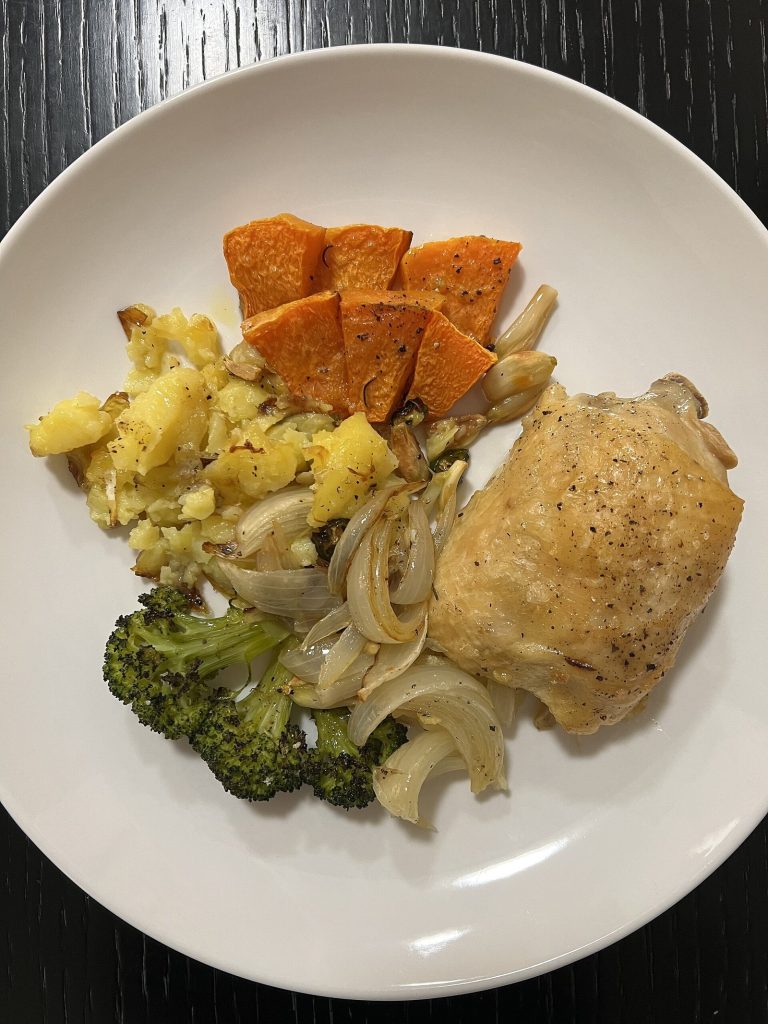
3. Default plate template
- – Moderate lean protein
- – Starchy carbohydrate that is not drowned in butter/cream
- – Non-trigger vegetables
- – Finish eating ≥3 hours before bed when nights are bad
4. Sample day (illustrative—not a prescription)
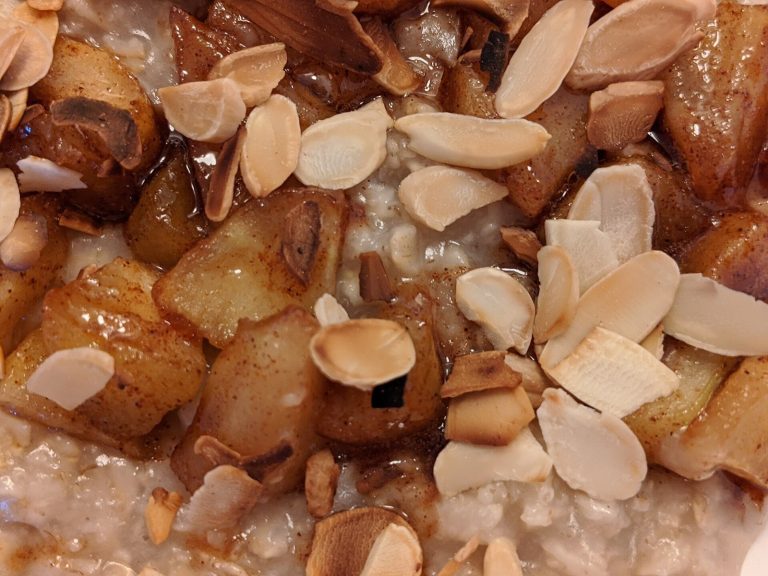
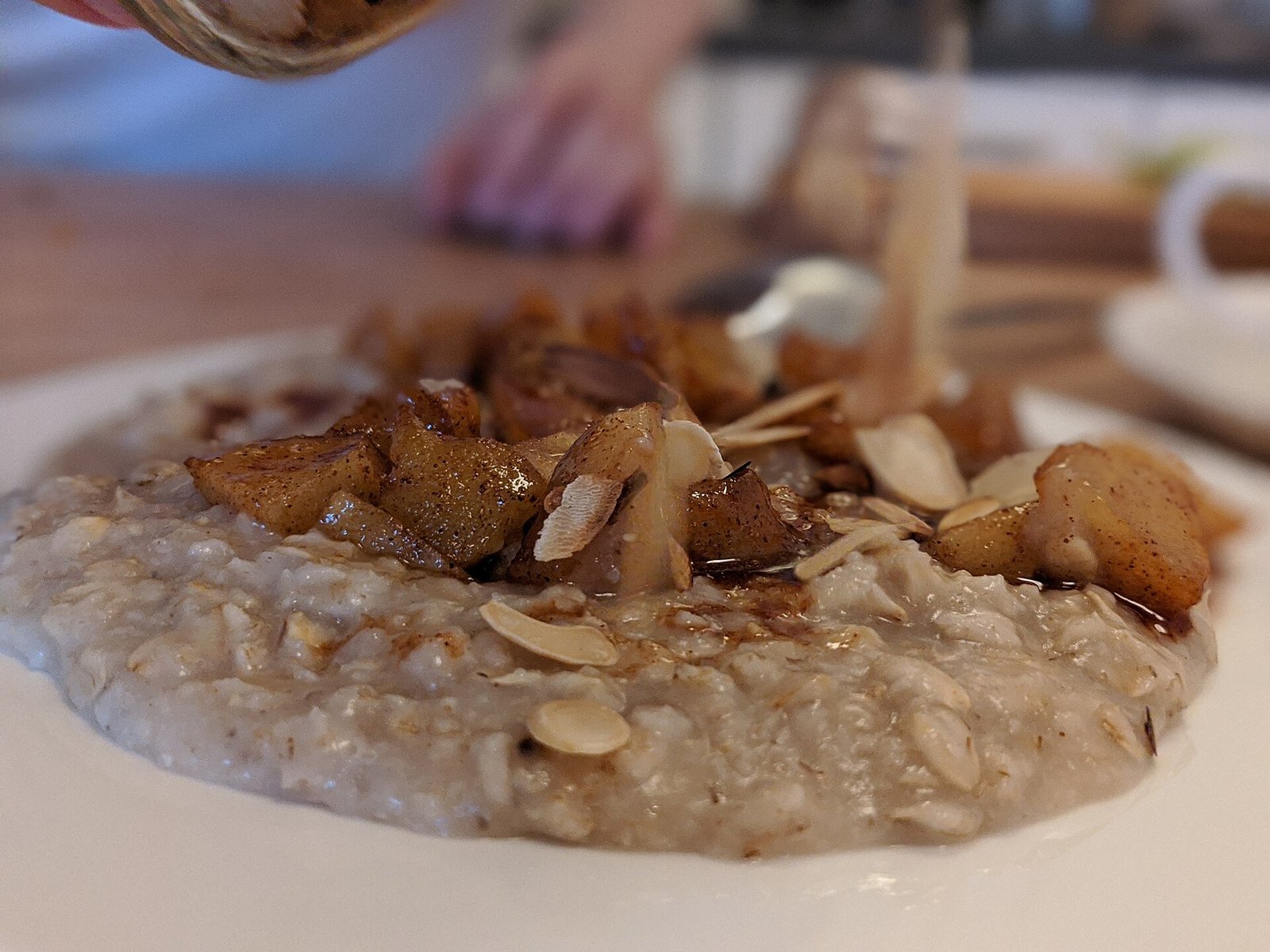
- – Breakfast: oatmeal with banana; water or low-fat milk if tolerated.
- – Lunch: grilled chicken, rice, cooked green beans; water.
- – Snack (if needed, earlier afternoon): low-fat yogurt or a handful of crackers—not a giant chocolate bar.
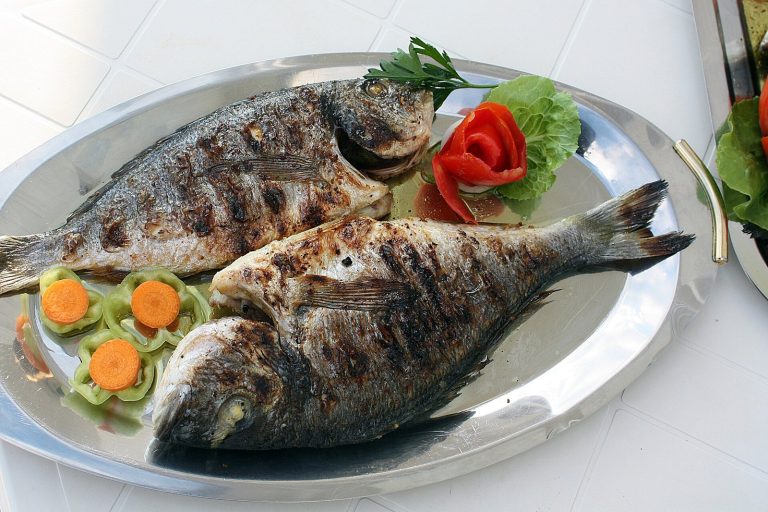
- – Dinner (early): baked fish, potato, zucchini; leave three hours before lying flat.
- – Evening: elevate head of bed; skip mint tea and late espresso if those are triggers.
5. Restaurant tactics
Ask for sauces on the side; choose grilled over fried; skip the after-dinner coffee-and-chocolate dessert stack if nights are rough; request early seating so you are not eating at 10 p.m.
6. When surgery or Barrett’s is in the picture
If you already had fundoplication or have Barrett’s surveillance, see Barrett’s esophagus diet guide and keep surgical dietitian instructions above generic lists. Hiatal hernia overlap: hiatal hernia diet guide.
Safety, interactions, and who should ask a clinician first
- – Chronic daily reflux with alarm symptoms needs medical evaluation—not endless self-restriction.
- – Long-term PPI use decisions (benefits vs side-effect monitoring) belong with your clinician.
- – Pregnancy-related heartburn needs obstetric guidance for medicines and positioning.
- – Kidney disease, diabetes, or eating disorders: individualize any weight-loss or food-elimination plan.
- – Seek urgent care for chest pain that could be cardiac, vomiting blood, black stools, or food impaction.
FAQ
Can diet cure GERD? No. Eating patterns and timing may improve symptoms for many people; they do not replace prescribed therapy or procedures when those are indicated.
Should everyone avoid tomatoes and coffee forever? No. NIDDK frames these as common triggers to test against your own symptoms with clinician guidance.
Does elevating the head of the bed replace medicine? It is a lifestyle support, especially for night symptoms—not a standalone cure.
How is this different from a general OTCFood GERD page? This acid-reflux-bound guide emphasizes NIDDK timing, trigger categories, and weight notes alongside sister pages such as GERD diet guide.
What if I still have symptoms on a “perfect” diet? Return to your clinician—dose timing, adherence, alternative diagnoses, or further testing may be needed.
How this differs from related OTCFood topics
This page is a GERD / acid reflux–bound diet guide focused on triggers, meal timing, and supportive lifestyle steps. It is not a Barrett’s surveillance protocol, not an anti-reflux surgery discharge manual, and not a substitute for gastroenterology care.
Medical disclaimer
Medical disclaimer: This article is for general information only. It is not medical advice, diagnosis, or a treatment plan. GERD care depends on symptom severity, complications, other conditions, and your clinician’s plan. Talk with a clinician or registered dietitian before starting, stopping, or changing any eating plan, supplement, or medicine. Seek urgent care for chest pain, bleeding, severe swallowing trouble, or other emergency warning signs.