COPD Diet: Foods That May Help and Foods to Limit
Medical note: This article discusses foods and researched botanicals. It does not claim to prevent, treat, or cure disease. Supplements are not a substitute for food, and studied amounts are not personal prescriptions.
People searching “COPD diet foods that help or worsen” usually want meal timing and portion habits that make breathing feel easier—not a claim that food repairs damaged lungs. MedlinePlus and NHLBI state COPD is a group of progressive lung diseases (including emphysema and chronic bronchitis) that make airflow hard; there is no cure, but treatments can ease symptoms and slow progression. The American Lung Association (ALA) explains that what and when you eat can affect breathing effort, energy, and mucus. NHS adds that stopping smoking is the most important step if you smoke, and that weight that is too high or too low both need attention. Diet supports COPD care; it does not replace inhalers, oxygen, pulmonary rehab, or medicines.
What this COPD diet guide covers (and what it does not)
This guide is for adults living with COPD (or caregivers) planning smaller meals, protein, fluids, and gas-producing foods. Anchors: MedlinePlus — COPD, NHLBI — Living with COPD, ALA — Nutrition and COPD, and NHS — Living with COPD.
NHLBI warns that shortness of breath and fatigue can make it hard to eat enough, raising infection risk. Sudden worse breathlessness, blue lips, confusion, or inability to speak full sentences needs emergency care—not a new “lung cleanse.”
Evidence snapshot: COPD diet claims vs public sources
| Claim people hope for | What public sources actually say | Confidence |
|---|---|---|
| “A COPD diet reverses lung damage” | MedlinePlus/NHS: lung damage from COPD is permanent; treatment slows progression and eases symptoms—smoking cessation is central | Strong: diet is supportive only |
| “Small meals help breathing” | ALA: large meals can make breathing harder; 4–6 smaller meals may let the diaphragm move more freely | Moderate practical consensus |
| “High protein always helps COPD” | ALA: breathing uses more energy; enough protein and healthy calories help keep breathing muscles strong; NHS: high-protein/enough calories if unintentionally underweight | Moderate when undernourished |
| “Dairy always increases mucus” | ALA focuses on gas/bloating foods, sodium, and meal timing more than a blanket dairy ban; individual tolerance varies | Insufficient for universal dairy bans |
| “Supplements replace pulmonary rehab” | NHS: check OTC remedies with the care team—they can interfere with medicines; rehab and prescribed therapy remain core | Strong against replacement |
Foods and patterns that may help with COPD day-to-day breathing comfort
“May help” means reducing meal-related breathlessness and protecting nutrition status—not curing emphysema or bronchitis.
Smaller, more frequent meals (ALA)
- – Aim for 4–6 small meals instead of three large ones so the stomach does not push up on the diaphragm as much.
- – Eat earlier in the day if evenings bring more fatigue (ALA).
- – Choose easy-to-prepare foods so cooking does not use all available energy (ALA caregiver tip).
Protein and calorie protection (ALA + NHS)
- – Include protein at most meals: eggs, fish, poultry, dairy if tolerated, beans, or oral nutrition supplements when a clinician/dietitian advises—especially if weight is falling.
- – NHS: unintentional weight loss is common; enough protein and calories help maintain a healthy weight.
- – NHLBI: talk with your provider about an eating plan that meets nutritional needs when breathlessness limits intake.
Fluids and mucus (ALA)
- – Many people aim for about 6–8 glasses of fluid daily to help keep mucus thinner—confirm with your clinician if you have heart failure or fluid limits.
- – If drinks with meals cause early fullness, take most fluids between meals (ALA).
Sodium awareness (ALA)
- – Excess sodium may worsen edema and blood pressure; ask your doctor/RDN about a sodium target and herb-based seasoning if swelling or hypertension coexist.
Weight in both directions (NHS)
- – Extra weight can worsen breathlessness—combine clinician-approved activity with a balanced deficit if overweight.
- – Underweight raises infection risk—prioritize calorie-dense soft foods and dietitian support, often via pulmonary rehab.
Foods and habits that often worsen COPD meal patterns
- – Very large, heavy meals—ALA links fullness with harder breathing.
- – Gas-forming foods that bloat you personally—beans, carbonated drinks, and some crucifers bother some people; ALA notes bloating pressure can make breathing harder—trial reductions rather than permanent bans of all fiber.
- – Drinking large fluid volumes during meals if that stops you from finishing protein/calories.
- – High-sodium packaged meals if edema or blood pressure are problems.
- – Continuing to smoke or vape irritants—NHS: stopping smoking is the most important action; diet cannot offset ongoing smoke injury.
- – Skipping meals because cooking is exhausting—leads to undernutrition NHLBI warns about.
“Limit” means smaller portions, retimed fluids, and personal gas triggers—not fear of all carbohydrates or all dairy.
Practical kitchen protocol: a COPD diet week
1. Map energy across the day
Note when breathlessness peaks. Schedule the larger of your small meals when you have the most energy; keep rescue inhaler timing coordinated with meals if prescribed.
2. Soft, high-yield shopping list
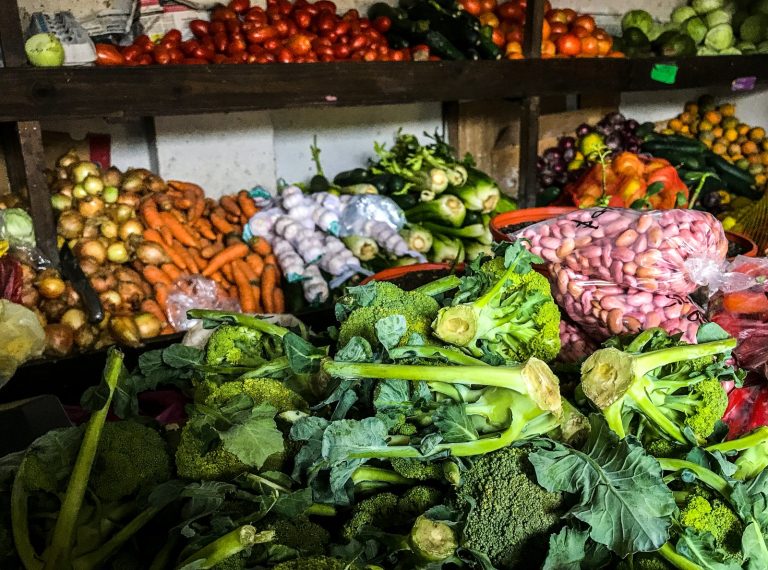
Eggs, Greek yogurt or fortified milk (if tolerated), canned fish, soft cooked chicken, oatmeal, ripe bananas, mashed potatoes, soups, peanut butter, olive oil, oral supplements if prescribed, pre-cut vegetables, and herb blends instead of salty seasoning packets.
3. Plate method for small meals
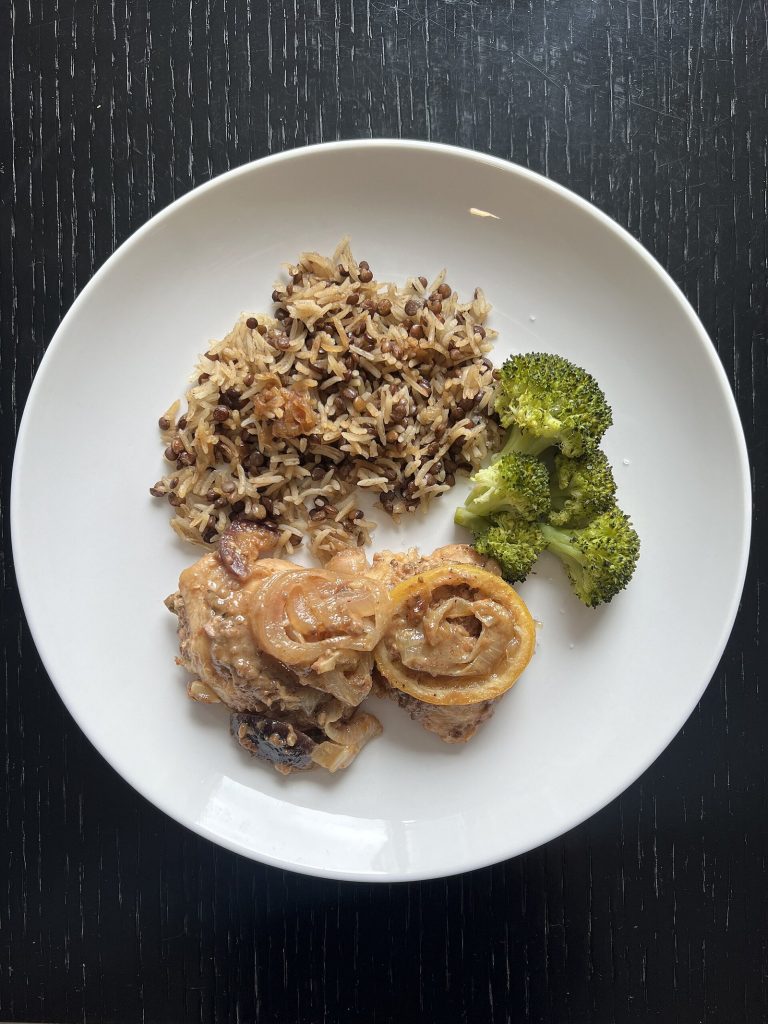
- – Palm-sized protein
- – Soft cooked vegetables or fruit
- – Small starch (potato, rice, oatmeal)
- – Optional calorie booster: olive oil drizzle, nut butter, cheese if sodium allows
4. Sample day (illustrative)
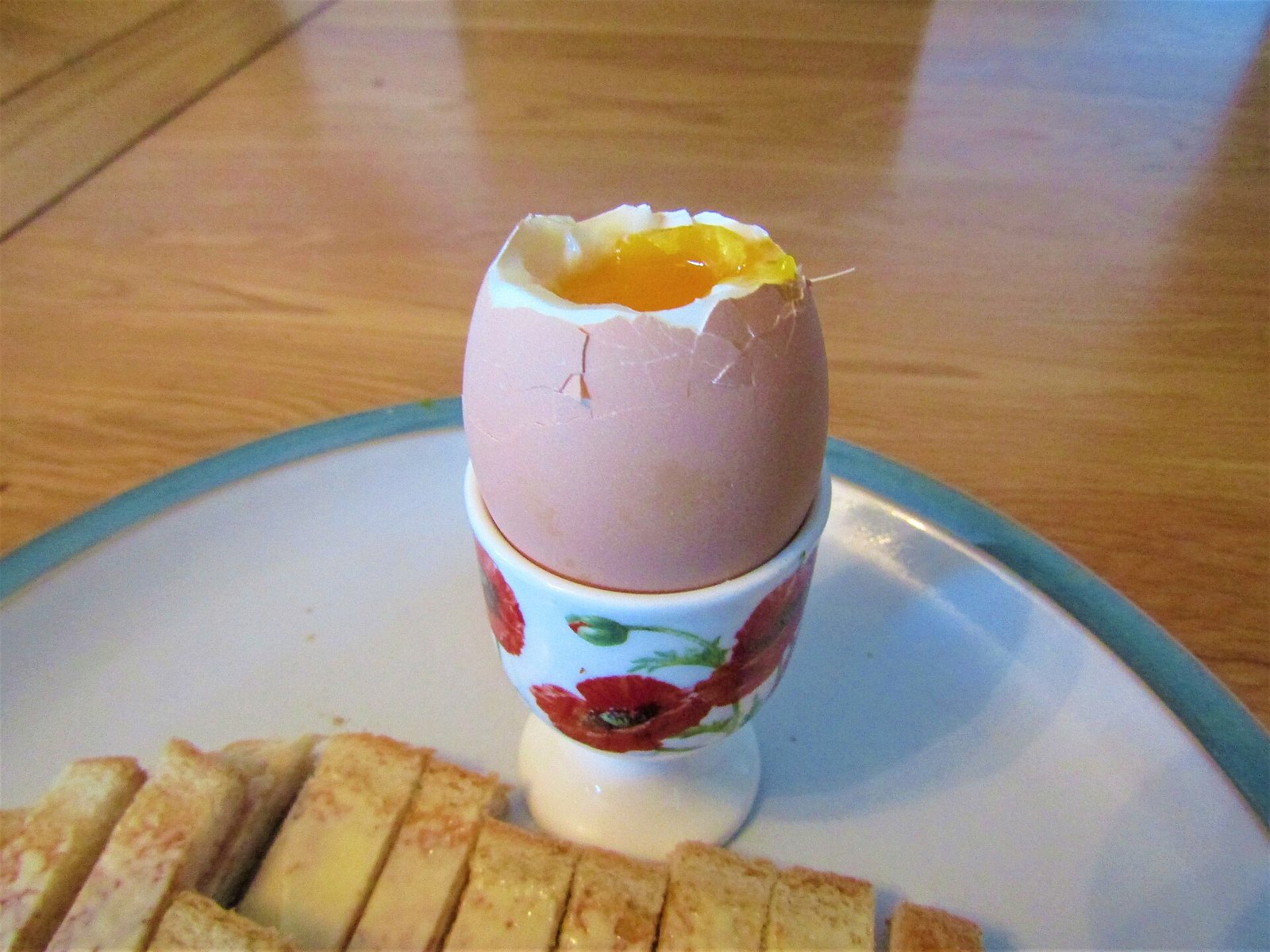
- – Breakfast: scrambled eggs and toast; fluids afterward.
- – Mid-morning: yogurt and banana.
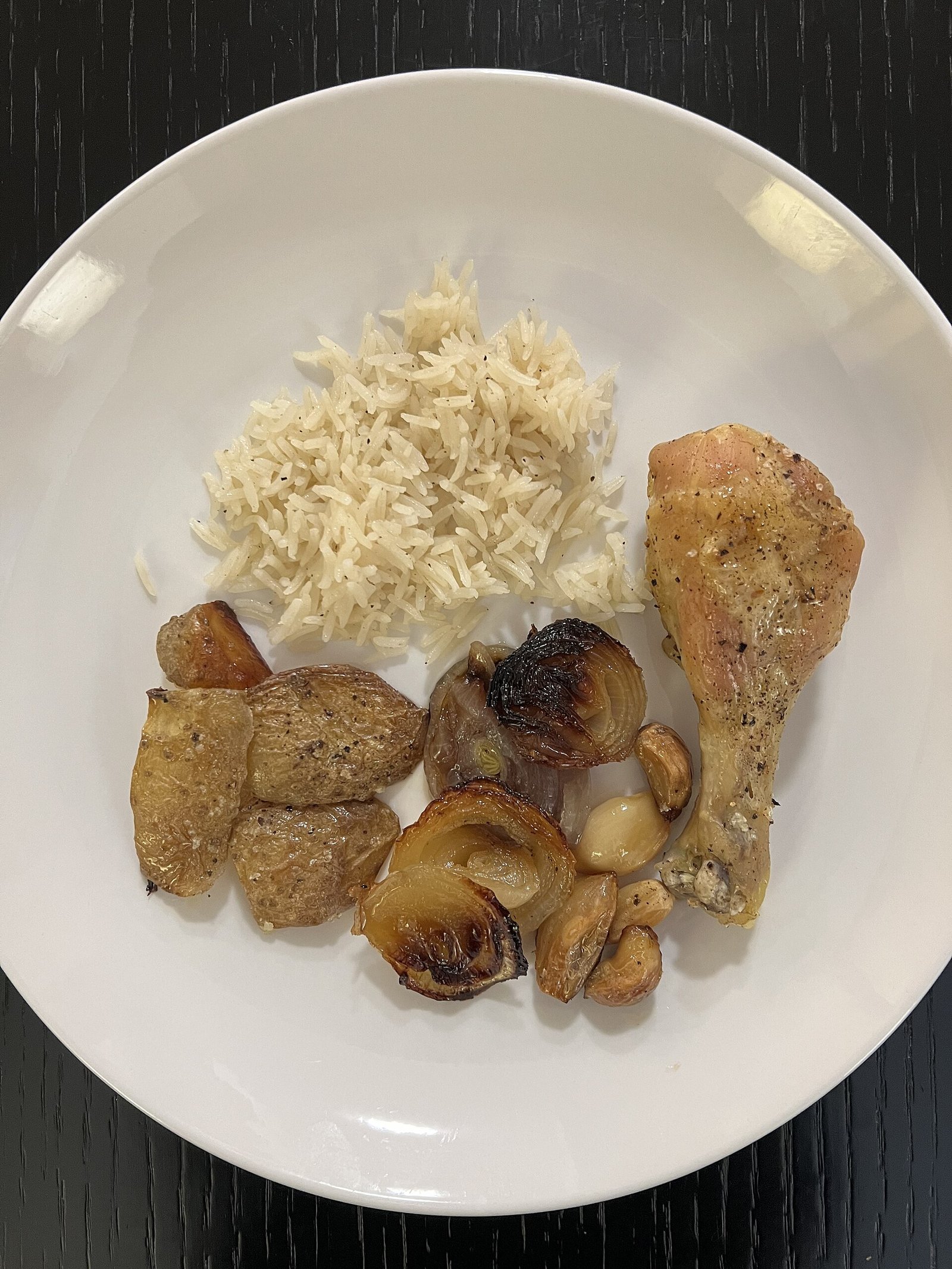
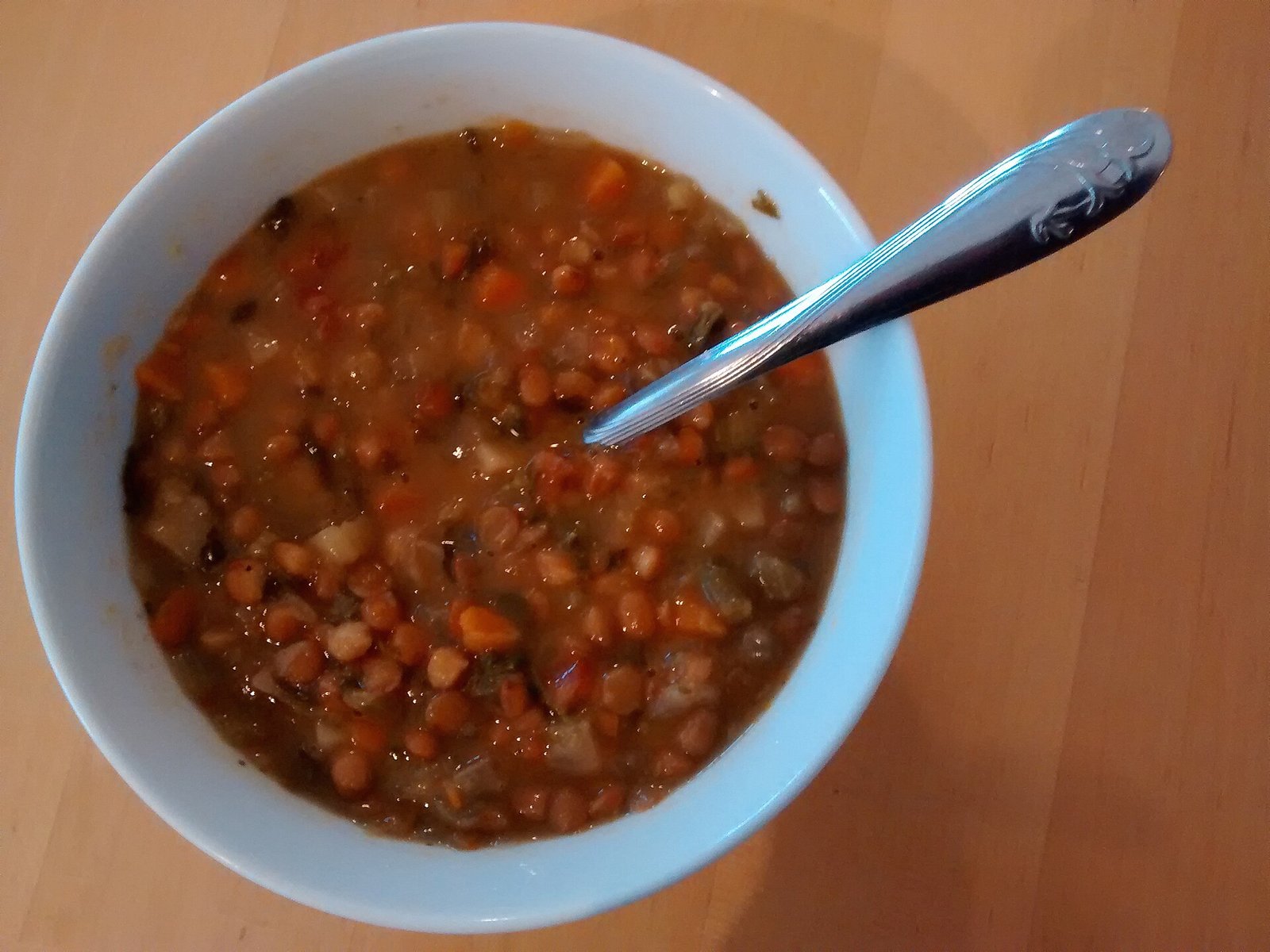
- – Lunch: small bowl of chicken-vegetable soup with crackers; rest before dessert fruit.
- – Afternoon: fortifying shake or cheese and fruit if weight is low.
- – Dinner: baked fish, mashed potato, soft carrots—smaller than a restaurant portion.
- – Evening: warm milk or supplement only if it does not worsen reflux or fluid overload.
5. Rest before and after eating
Sit upright; eat slowly; use prescribed oxygen during meals if that is your plan. Avoid lying flat immediately after eating if reflux worsens breathlessness.
7. Grocery shortcuts when breathlessness limits shopping
Batch-buy frozen vegetables, pre-cooked chicken, canned beans (rinsed if sodium is a concern), microwave rice cups, and ready soups your dietitian approves. ALA notes caregivers can help with shopping and cooking so energy is saved for eating. Keep a written list of gas-trigger foods you personally noticed rather than eliminating every high-fiber vegetable—fiber still supports bowel regularity when steroids or reduced activity slow digestion.
6. Flare-week adjustments
During exacerbations, prioritize easy calories and hydration, follow antibiotic/steroid plans, and contact the COPD team early—nutrition supports recovery but does not treat infection alone.
Safety, interactions, and who should ask a clinician first
- – MedlinePlus: no cure; medicines, rehab, oxygen, and surgery decisions are clinical.
- – NHS: check nutritional supplements and OTC products with the care team for drug interactions.
- – Rapid weight loss, inability to eat, swelling of legs, or waking breathless: prompt medical review.
- – Heart failure, CKD, or diabetes change fluid, potassium, and carbohydrate rules—get a personalized plan.
- – Emergency: severe breathlessness at rest, confusion, blue lips/fingertips, or oxygen saturation drops per your action plan.
FAQ
Can a COPD diet reverse the disease? No. Public sources state lung damage is permanent. Diet may help energy, weight, and meal-related breathlessness alongside medical care and smoking cessation.
Should I avoid all carbohydrates because of CO₂? ALA’s practical teaching emphasizes meal size, protein, fluids, sodium, and gas-producing foods. Extreme carb-cutting without a dietitian can worsen undernutrition—ask your pulmonary rehab team.
Do I need 6–8 glasses of water no matter what? ALA gives that as a common goal, but heart or kidney limits may differ—confirm with your clinician.
Is weight loss always good in COPD? No. NHS notes extra weight can worsen breathlessness, but unintentional loss is also harmful. Target a healthy weight with professional help.
How this differs from related OTCFood topics
This page is a COPD-bound diet guide focused on small meals, protein/calories, fluids, and sodium. It is not a general heart failure diet guide fluid-restriction protocol, not an asthma diet guide trigger map, not a sleep apnea diet guide weight-loss program, and not a gastroparesis diet guide emptying diet—though overlapping cardiopulmonary issues are common.
Medical disclaimer
Medical disclaimer: This article is for general information only. It is not medical advice, diagnosis, or a treatment plan. COPD care depends on your spirometry stage, oxygen needs, exacerbations, and comorbidities. Talk with a pulmonologist, registered dietitian, and rehab team before changing diet or supplements. Seek emergency care for severe breathlessness, confusion, or blue lips.