Chronic Sinusitis Diet: Foods That May Help and Foods to Limit
Medical note: This article discusses foods and researched botanicals. It does not claim to prevent, treat, or cure disease. Supplements are not a substitute for food, and studied amounts are not personal prescriptions.
People searching “chronic sinusitis diet foods that help or worsen” usually want fewer congestion flares and smarter hydration—not a claim that food will drain the sinuses like surgery or steroids. MedlinePlus defines chronic sinusitis as sinus inflammation lasting more than 12 weeks; causes include infection, allergies, nasal problems, and other diseases. NHS self-care for sinusitis emphasizes rest, drinking plenty of fluids, pain relief, avoiding allergy triggers, not smoking, and salt-water nasal cleaning. Antibiotics, other medicines, and ENT review are clinical tools when needed. Kitchen choices may help with hydration and avoiding personal trigger foods; they do not cure chronic sinus disease.
What this chronic sinusitis diet guide covers (and what it does not)
This guide is for adults with chronic or recurrent sinusitis symptoms (facial pressure, blocked nose, thick mucus, reduced smell), caregivers supporting fluid intake during flares, and anyone sorting dairy/mucus myths from NHS/MedlinePlus care. Anchors: MedlinePlus — Sinusitis, NHS — Sinusitis (sinus infection).
Red flags / see a clinician: swelling/redness around the eyes, vision changes, severe headache with neck stiffness, confusion, high fever that is not improving, or symptoms lasting beyond usual self-care windows—ENT/GP pathways matter. Chronic disease lasting months needs proper diagnosis (MedlinePlus mentions imaging in some cases), not only soup.
Evidence snapshot: chronic sinusitis diet claims vs public sources
| Claim people hope for | What public sources actually say | Confidence |
|---|---|---|
| “A sinus diet cures chronic sinusitis” | MedlinePlus treatments: medicines, saline, humidification, addressing causes; NHS fluids + saline rinse—not a curative diet | Strong against cure claims |
| “Drink plenty of fluids” | NHS self-care: drinking plenty of fluids | Moderate for comfort/mucus thinness support |
| “Dairy always increases mucus” | Not stated as NHS universal advice; individual tolerance varies—do not cut dairy solely on myth if nutrition suffers | Low for blanket bans |
| “Avoid allergy trigger foods if food allergy exists” | NHS: avoid things that trigger your allergies | Moderate when allergy is confirmed |
| “Spicy food clears chronic sinus disease permanently” | Temporary sensory effects are anecdotal; not a MedlinePlus disease treatment | Low for disease modification |
Foods and patterns that may help with chronic sinusitis day-to-day comfort
“May help” means supporting NHS fluid advice and easy meals when smell/taste are reduced—not sterilizing sinuses.
Hydration-forward pattern (NHS)
- – Water across the day; warm broths and herbal teas count toward fluids.
- – Soups and water-rich fruits/vegetables when drinking plain water is hard.
- – Humidifier use is environmental (MedlinePlus-linked tips), not dietary—but pair with fluids.
Soft, aromatic, easy-to-eat meals when smell is reduced
MedlinePlus and NHS list reduced smell among sinus symptoms. Flavor with mild herbs, garlic if tolerated, and umami broths so calories do not collapse. Warm (not scalding) foods often feel soothing during congestion.
Anti-inflammatory-style plate for overall health
Vegetables, fruits, whole grains, fish, beans, and olive oil support general health while you manage sinus care. This is a wellness pattern—not proof of sinus cure.
Allergy-aware grocery habits
If your clinician confirmed food or environmental allergies that worsen rhinitis/sinus symptoms, NHS advises avoiding your triggers. Label-read packaged foods if you have documented food allergy; do not self-diagnose multiple “sensitivities” without guidance.
Foods and habits that often worsen chronic sinusitis patterns
- – Alcohol—can worsen dehydration and sleep; not a decongestant substitute.
- – Skipping fluids during busy days—conflicts with NHS fluid advice.
- – Smoking and secondhand smoke—NHS: do not smoke.
- – Known allergy trigger foods if you have confirmed allergy.
- – Very dry, crumbly snacks without fluids—uncomfortable when postnasal drip and cough are present (MedlinePlus lists cough/congestion).
- – Relying on “mucus busting” supplement marketing instead of saline rinses and medical care—FDA cautions exist around improper neti-pot water safety (MedlinePlus links); use safe water for rinses as directed.
“Limit” means personal triggers and dehydration patterns—not a universal ban on milk for every reader.
Practical kitchen protocol: a chronic sinusitis diet week
1. Fluid targets you can actually hit
Keep a bottle at your desk; pair each painkiller dose (if using paracetamol/ibuprofen per NHS/pharmacist advice) with a full glass of water. Alternate water with warm broth.
2. Saline rinse + meal timing
NHS homemade salt-water cleaning uses cooled boiled water with salt and bicarbonate. Do rinses away from immediately stuffing the nose with peppery foods that make eyes water if that bothers you. Never use untreated tap water in neti-style devices contrary to safety guidance.
3. Shopping list default
Broth ingredients or ready low-salt soups, porridge oats, herbal tea, citrus if tolerated (vitamin C foods are fine for general nutrition—ODS vitamin C consumer sheet—but acidic juices may bother some throats), cucumbers and other high-water produce, soft proteins, rice, and honey only as optional tea sweetener for adults (not a cure; never give honey to infants).
4. Sample day (illustrative)
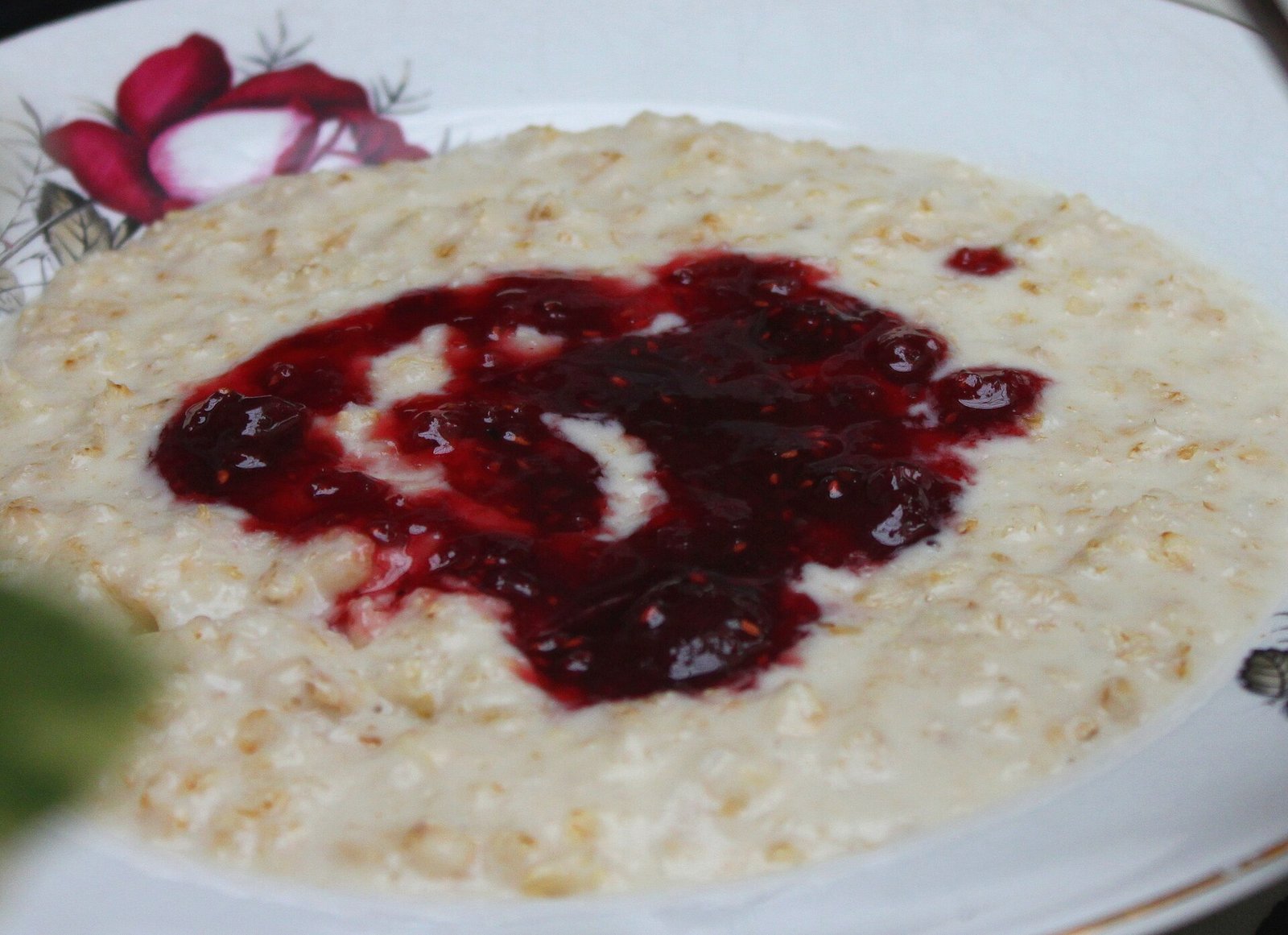
- – Breakfast: porridge with soft fruit; large water or herbal tea.
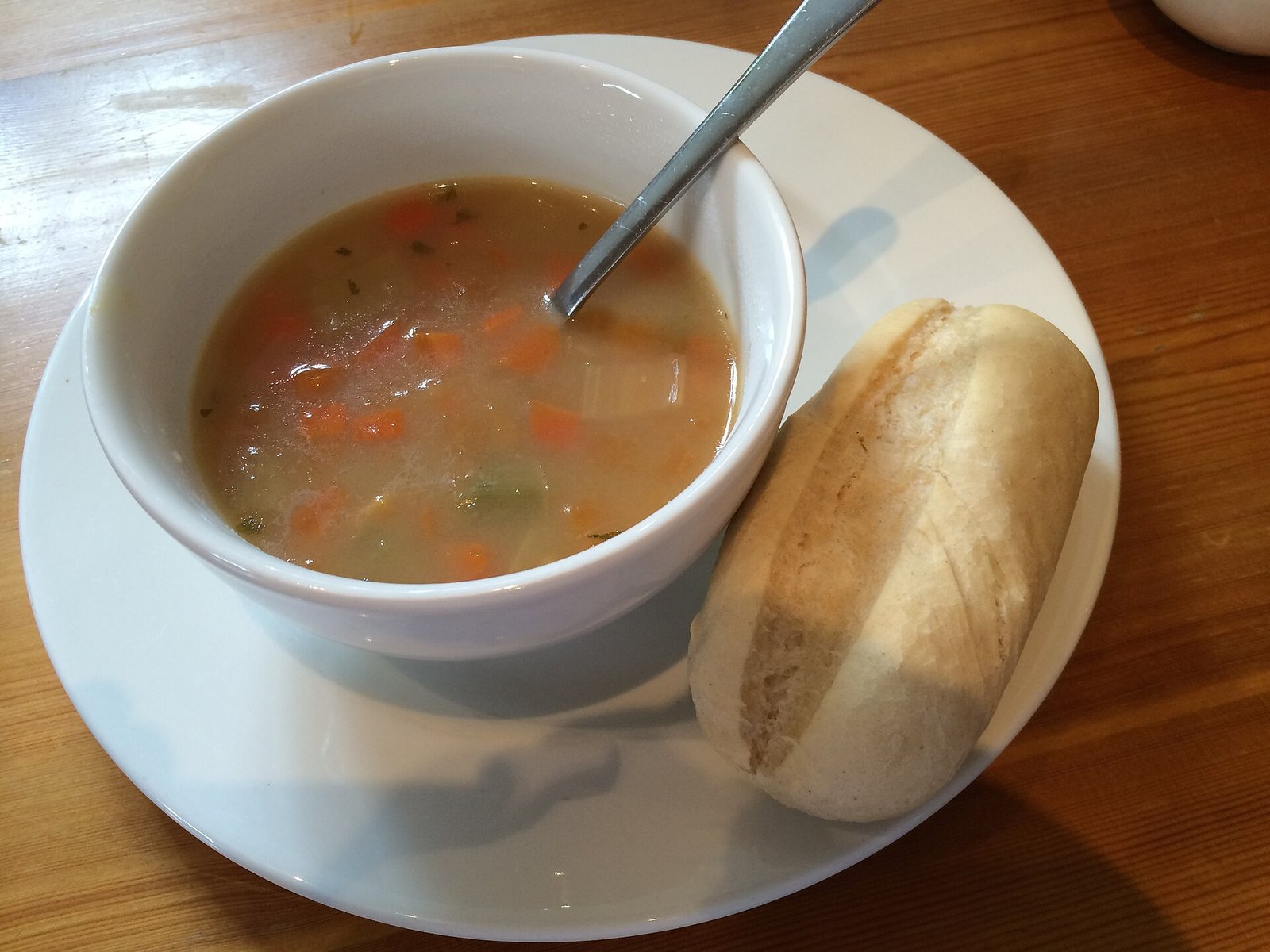
- – Lunch: Scotch broth–style vegetable soup; bread if desired.
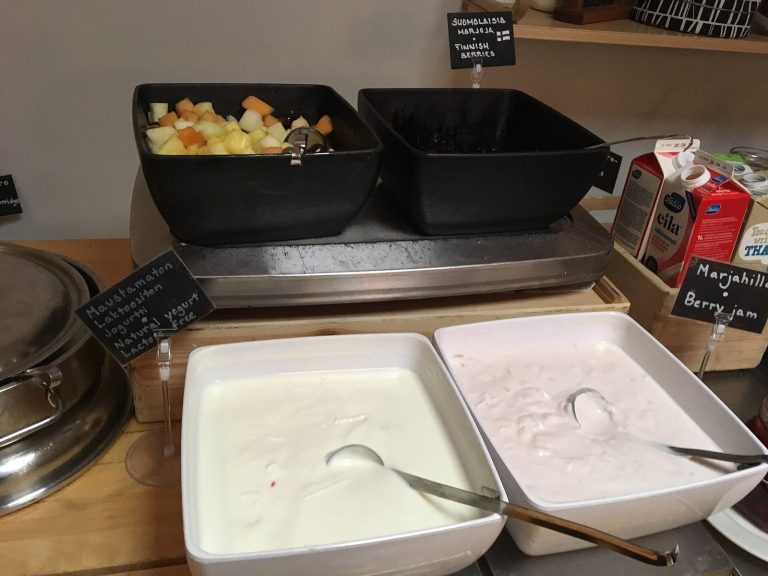
- – Snack: cucumber salad or yogurt if dairy is tolerated.
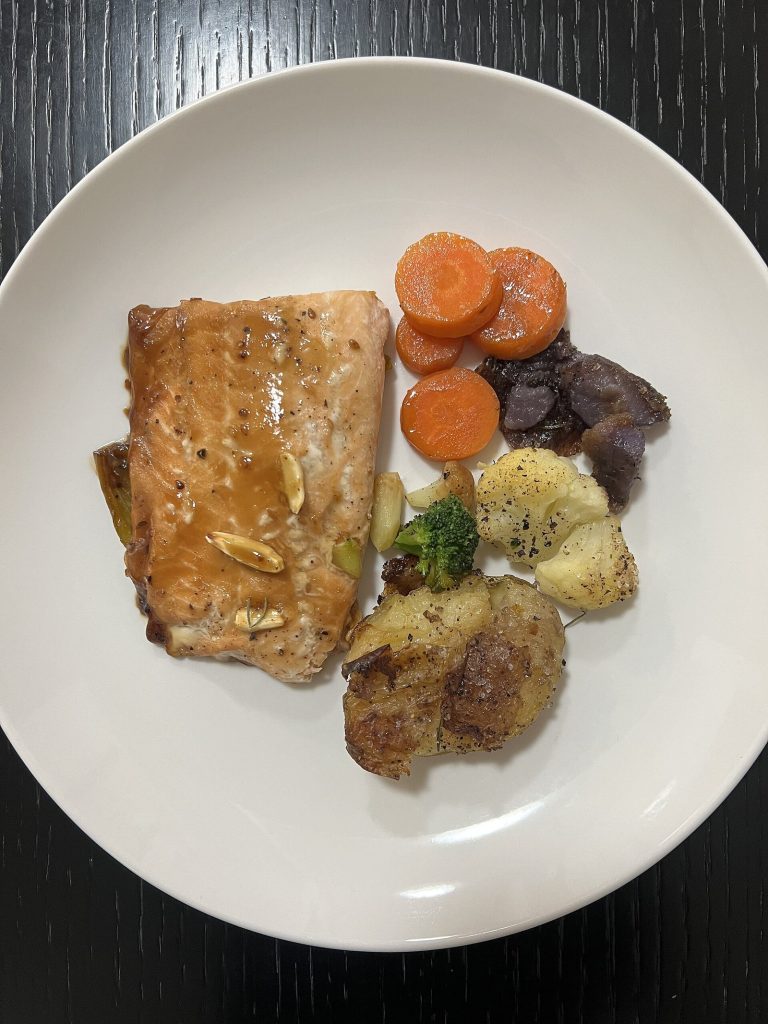
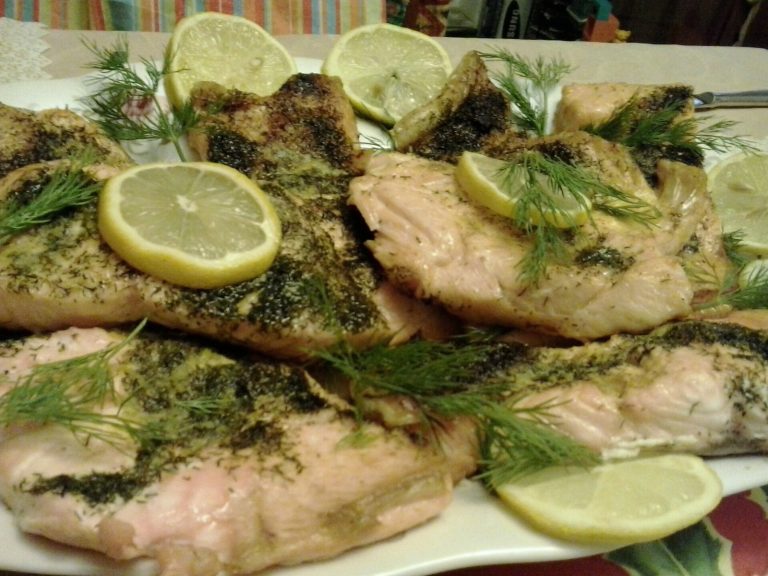
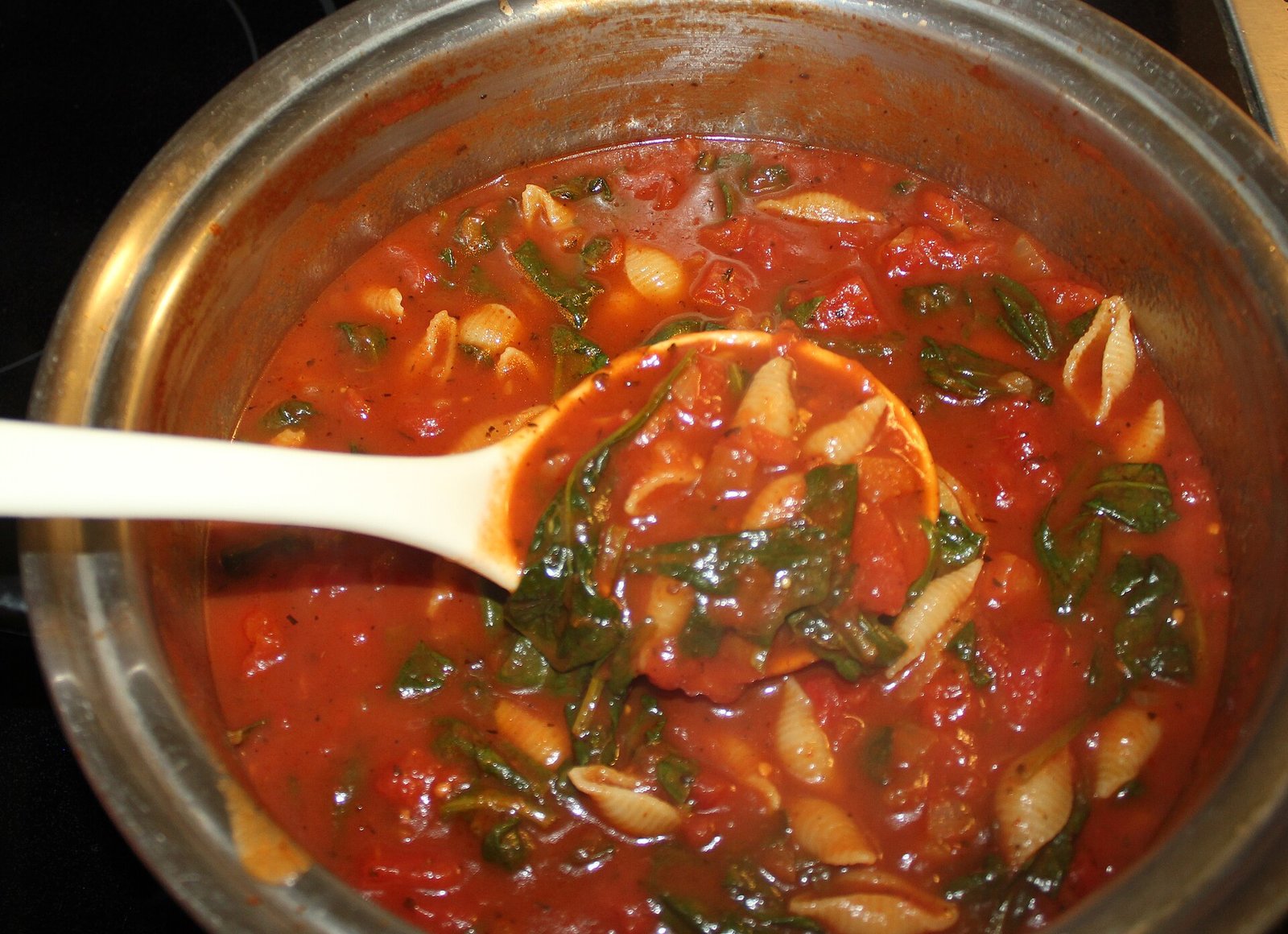
- – Dinner: tomato florentine–style vegetable soup or baked fish with moist vegetables; water.
- – Evening: humidified room; warm herbal tea; avoid late alcohol.
5. Flare-week shortcuts
Frozen soup portions, electrolyte solutions only if a clinician advises during fever/poor intake, and ready porridge pots. Rest as NHS suggests when febrile.
6. Eating out
Choose stews/soups; ask for less salt if reflux or throat irritation is an issue; skip smoky bars; carry saline spray if prescribed/recommended.
7. Allergy season grocery swaps
If pollen or dust triggers your nasal disease, NHS still prioritizes avoiding those triggers. In the kitchen, that means wiping counters, running a clean humidifier if advised, and not assuming cayenne capsules replace allergen reduction. Keep rescue meals (soup, porridge) ready for days when smell drops and cooking feels pointless.
8. What about fasting, juice cleanses, or “sinus teas”?
Short religious fasts should be planned with your clinician if you have diabetes or other conditions. Multi-day juice cleanses are not MedlinePlus sinusitis therapy and can leave you dehydrated—opposite of NHS fluid advice. Herbal teas are fine as warm fluids if they do not interact with your medicines; they are not antibiotic substitutes.
Safety, interactions, and who should ask a clinician first
- – Eye swelling, vision change, severe systemic infection signs: urgent care.
- – Symptoms >12 weeks or recurrent attacks: seek evaluation for chronic sinusitis causes (MedlinePlus).
- – Children: NHS pharmacist pathways differ by age; do not give aspirin under 16.
- – Safe water only for nasal irrigation devices.
- – Blood thinners, kidney disease, or stomach ulcers: check before frequent NSAID use for facial pain.
- – Immunodeficiency or fungal sinus concerns: specialist ENT care—not DIY spice protocols.
FAQ
Can diet cure chronic sinusitis? No. MedlinePlus and NHS focus on medical care, saline cleaning, fluids, and trigger avoidance. Food supports comfort.
Should I eliminate all dairy? Only if dairy is a confirmed personal trigger or allergy. Blanket elimination is not NHS universal advice and can cost calcium/protein.
Do spicy foods fix sinusitis? They may create a temporary runny sensation for some people; they do not replace saline rinses or clinical treatment for chronic disease.
How much should I drink? NHS: plenty of fluids—individual needs vary with fever, heart/kidney disease, and clinician limits.
When are antibiotics needed? That is a clinician decision; many sinus cases are viral. Do not self-start antibiotics based on diet blogs.
How this differs from related OTCFood topics
This page is a disease-bound chronic sinusitis diet guide focused on fluids, easy meals with low smell, and allergy-aware limits. It is not an asthma diet guide asthma plate map, not an eczema diet guide skin-trigger guide, not a GERD diet guide reflux protocol, and not a migraine diet guide migraine trigger list—though facial pain can overlap other diagnoses that need separate evaluation.
Medical disclaimer
Medical disclaimer: This article is for general information only. It is not medical advice, diagnosis, or a treatment plan. Chronic sinusitis care depends on cause, imaging when indicated, allergy status, and ENT findings. Talk with a GP or ENT specialist before starting, stopping, or changing any eating plan, rinse routine, supplement, or medication. Seek urgent care for eye swelling, vision changes, stiff neck with severe headache, confusion, or rapidly worsening fever.