Low Testosterone Diet: Foods That May Help and Foods to Limit
Medical note: This article discusses foods and researched botanicals. It does not claim to prevent, treat, or cure disease. Supplements are not a substitute for food, and studied amounts are not personal prescriptions.
People searching “low testosterone diet foods that help or worsen” often want a grocery list that will raise testosterone without medicine. Public sources do not support that claim. MedlinePlus explains that testosterone is made mainly by the testicles, supports sex drive, muscle and bone strength, sperm production, and red blood cells, and that levels may start to decline slowly around age 30 to 40. Other causes of low T include medicine side effects, testicle injury or cancer, pituitary or hypothalamus problems, low thyroid function, obesity, and other chronic diseases. Whether testosterone replacement therapy (TRT) is appropriate belongs with a clinician after blood testing, not with a “testosterone-boosting” menu. Kitchen changes may support weight, sleep, and nutrition; they do not replace testing or prescribed hormone care.
What this low testosterone diet guide covers (and what it does not)
This guide is for adults, especially men, with clinician-evaluated symptoms or lab-confirmed low testosterone who want practical eating guidance. The original MedlinePlus encyclopedia URL was not available; working equivalents are MedlinePlus — Low testosterone and MedlinePlus — Male hypogonadism. The original NIA URL was not available; a current official page is NIA — Sexuality and Intimacy in Older Adults. Also see Mayo Clinic — Male hypogonadism.
Mayo Clinic defines male hypogonadism as not making enough testosterone, enough sperm, or both, and divides causes into primary (testicle) and secondary (hypothalamus or pituitary) problems. Adult symptoms can include lower sex drive and energy, depression, erectile dysfunction, infertility, less muscle mass, breast tissue growth, and bone loss. Related reading: erectile dysfunction diet guide, male infertility diet guide, obesity diet guide, sleep apnea diet guide, hypothyroidism diet guide, and osteoporosis diet guide.
Evidence snapshot: low testosterone diet claims vs public sources
| Claim people hope for | What public sources actually say | Confidence |
|---|---|---|
| “Certain foods will raise testosterone like TRT” | MedlinePlus: if testosterone is low, hormone therapy may help some men, with risks that require monitoring. Food is not described as a substitute for TRT | Strong against food-as-hormone-therapy |
| “Herbal ‘T boosters’ are a safe first step” | NIA: be wary of dietary or herbal supplements promising to treat erectile dysfunction; they may have dangerous side effects or interact with medicines | Strong caution against unregulated boosters |
| “Obesity is irrelevant to testosterone labs” | MedlinePlus: obesity is a cause of low testosterone; free testosterone testing may be discussed because obesity lowers SHBG. Mayo Clinic also lists obesity as a risk factor | Strong that weight is clinically relevant |
| “Malnutrition and alcohol do not matter” | Mayo Clinic lists malnutrition as a risk factor. MedlinePlus lab information lists alcohol use disorder among causes of low testosterone in males | Strong that heavy alcohol and poor intake can be relevant |
| “Sleep and thyroid problems are unrelated” | MedlinePlus lists low thyroid function and obstructive sleep apnea among reasons total testosterone may be decreased. Mayo Clinic: untreated obstructive sleep apnea can cause hypogonadism that might improve after sleep apnea treatment | Strong that these conditions should be evaluated |
Foods and patterns that may help with low testosterone care
“May help” means supporting weight, nutrient adequacy, and conditions that can lower testosterone—not a guarantee of a higher lab number or better erections.
Everyday balanced plates
- – Regular meals with enough protein, vegetables or fruit, and whole grains or other starches you tolerate—aimed at a healthy weight if obesity is part of the picture (MedlinePlus, Mayo Clinic). See obesity diet guide and metabolic syndrome diet guide.
- – Food-first zinc sources if your usual diet is very limited. ODS lists oysters, meat, fish, poultry, seafood, and fortified cereals as good sources, with some zinc from beans, nuts, whole grains, eggs, and dairy. Most people in the United States already get enough zinc from food; supplements are not a do-it-yourself hormone treatment. See zinc deficiency diet guide.
- – If thyroid disease, diabetes, or heart disease is also present, follow the eating plan already recommended for those conditions rather than adding a separate “T diet.” NIA notes that diabetes and heart disease can contribute to erectile problems, which may overlap with low T symptoms. See type 2 diabetes diet guide and hypothyroidism diet guide.
Weight, sleep, and alcohol as diet-adjacent levers
Mayo Clinic lists obesity, obstructive sleep apnea, and malnutrition among risk factors. NIA notes that a clinician may suggest limiting alcohol or increasing physical activity to help reduce erectile dysfunction, and may prescribe testosterone when levels are low—after testing, and with attention to side effects. Evening eating patterns that worsen untreated sleep apnea are worth discussing with the sleep team (obstructive sleep apnea diet guide).
Pattern that supports a useful appointment
Ask how and when testosterone will be measured. MedlinePlus notes that interpretation can be difficult in older men and men who are obese, and results may need an endocrinologist’s review. Bring a list of opioids, glucocorticoids, chemotherapy, or other medicines, plus sleep, mood, and erectile symptoms.
Foods and habits that often worsen the picture
- – Very high alcohol intake. MedlinePlus lists alcohol use disorder among causes of low testosterone; NIA notes that too much alcohol can cause erection problems.
- – Unintentional under-eating or highly restrictive “cut” diets that lead to malnutrition, a listed risk factor (Mayo Clinic).
- – Over-the-counter testosterone or “male enhancement” supplements. NIA warns these products may have dangerous side effects or interact with prescription medicines.
- – High-dose zinc “boosters.” ODS: adult zinc from all sources has an upper limit of 40 mg/day unless a clinician is treating a documented problem; excess zinc can lower copper and HDL cholesterol.
- – Ignoring sleep apnea, thyroid disease, or opioid use, which official pages list as contributors. Diet will not fix those on its own.
- – Assuming low desire is “only aging” and skipping care. MedlinePlus notes some symptoms may be part of aging, but having no interest in sex is not usually considered normal; symptoms can also come from other conditions such as high blood pressure or diabetes.
“Limit” means reducing heavy alcohol, unsafe supplements, and extreme restriction—not banning ordinary foods.
Practical kitchen protocol: a low-testosterone-aware week
1. Get the diagnosis pathway in parallel
A morning blood test is often used because levels are typically highest then (MedlinePlus testosterone test information). Do not start TRT from an online kit or a supplement aisle. MedlinePlus lists TRT risks that can include infertility, enlarged prostate symptoms, blood clots, worsening cardiovascular disease, sleep problems, and cholesterol changes; TRT is avoided in men with prostate or breast cancer. NIA likewise flags serious side effects and medicine interactions.
2. Shopping list for ordinary complete plates
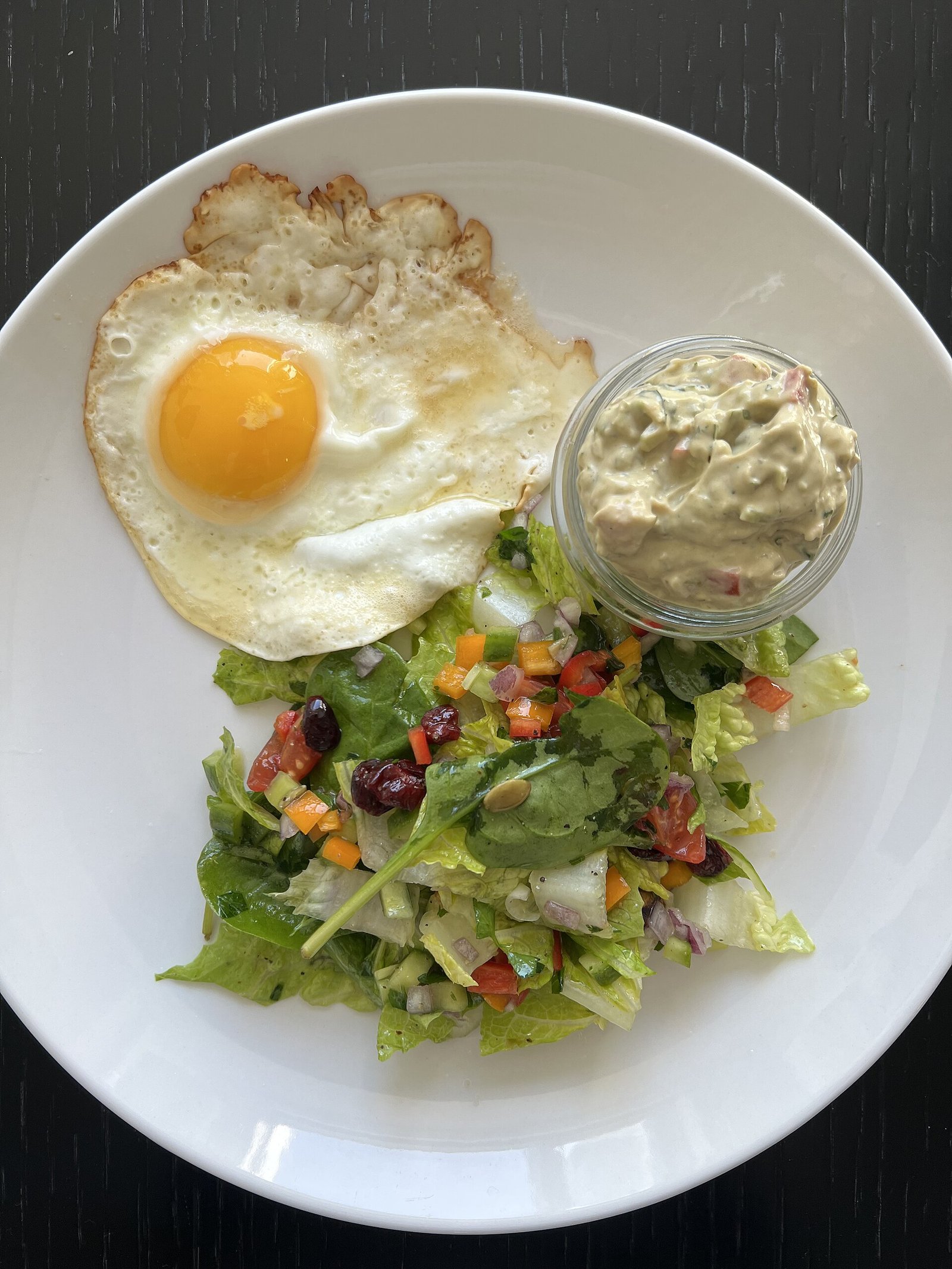
Eggs, fish, poultry or beans, yogurt or milk if tolerated, vegetables, fruit, oats or other grains, nuts, and olive or canola oil. This is a weight- and nutrition-support list, not a hormone prescription.
3. Default plate template
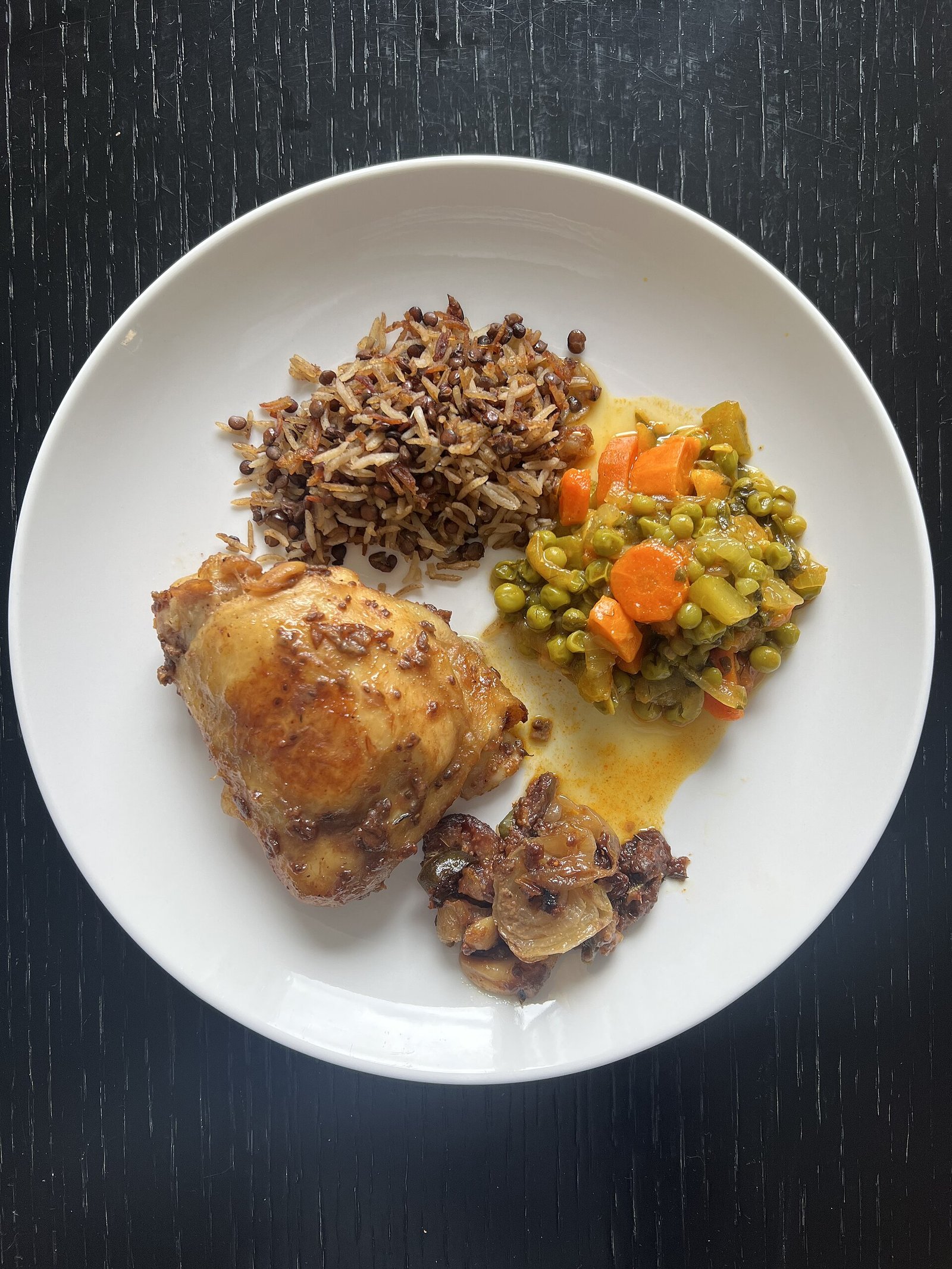
- – A protein food at meals
- – Vegetables or fruit
- – A grain or starch
- – Alcohol kept within limits your clinician sets, or avoided during evaluation
- – No unregulated “T booster”
4. Sample day
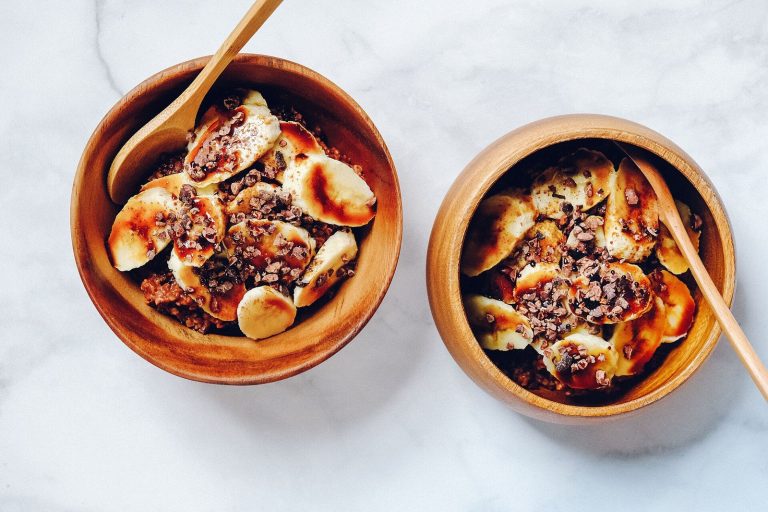
- – Breakfast: eggs or yogurt with fruit and oats.
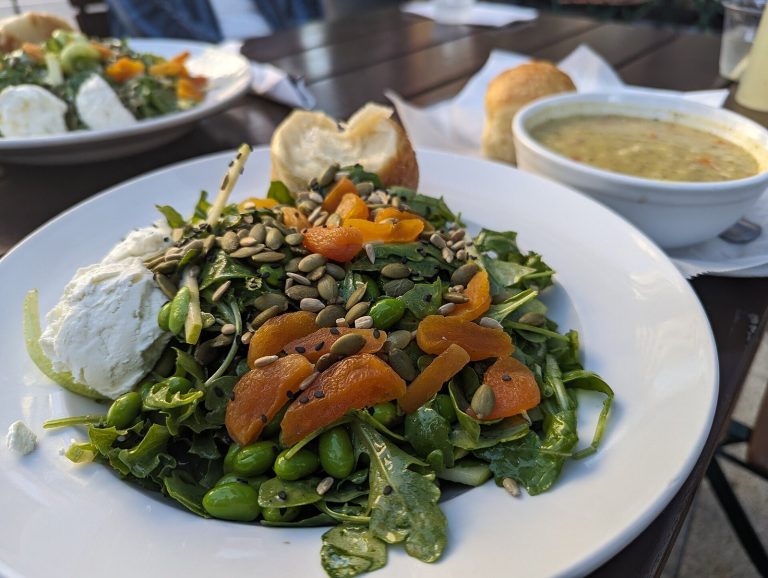
- – Lunch: a grain bowl with beans or chicken and vegetables.
- – Snack: nuts or cheese if they fit your plan.
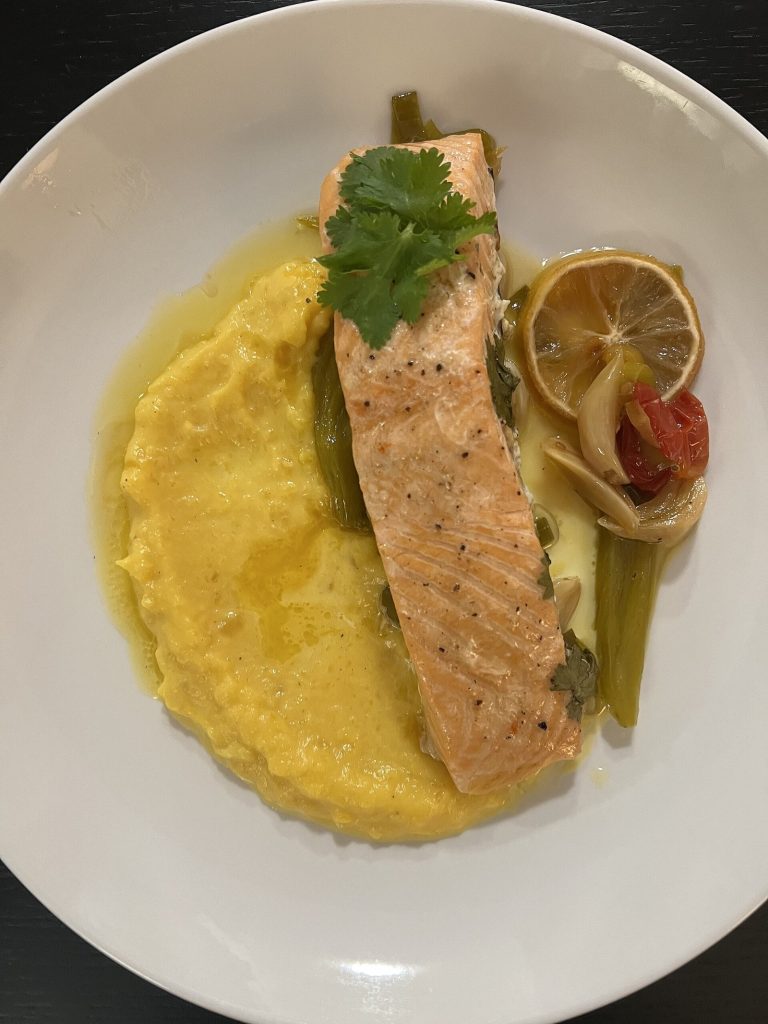
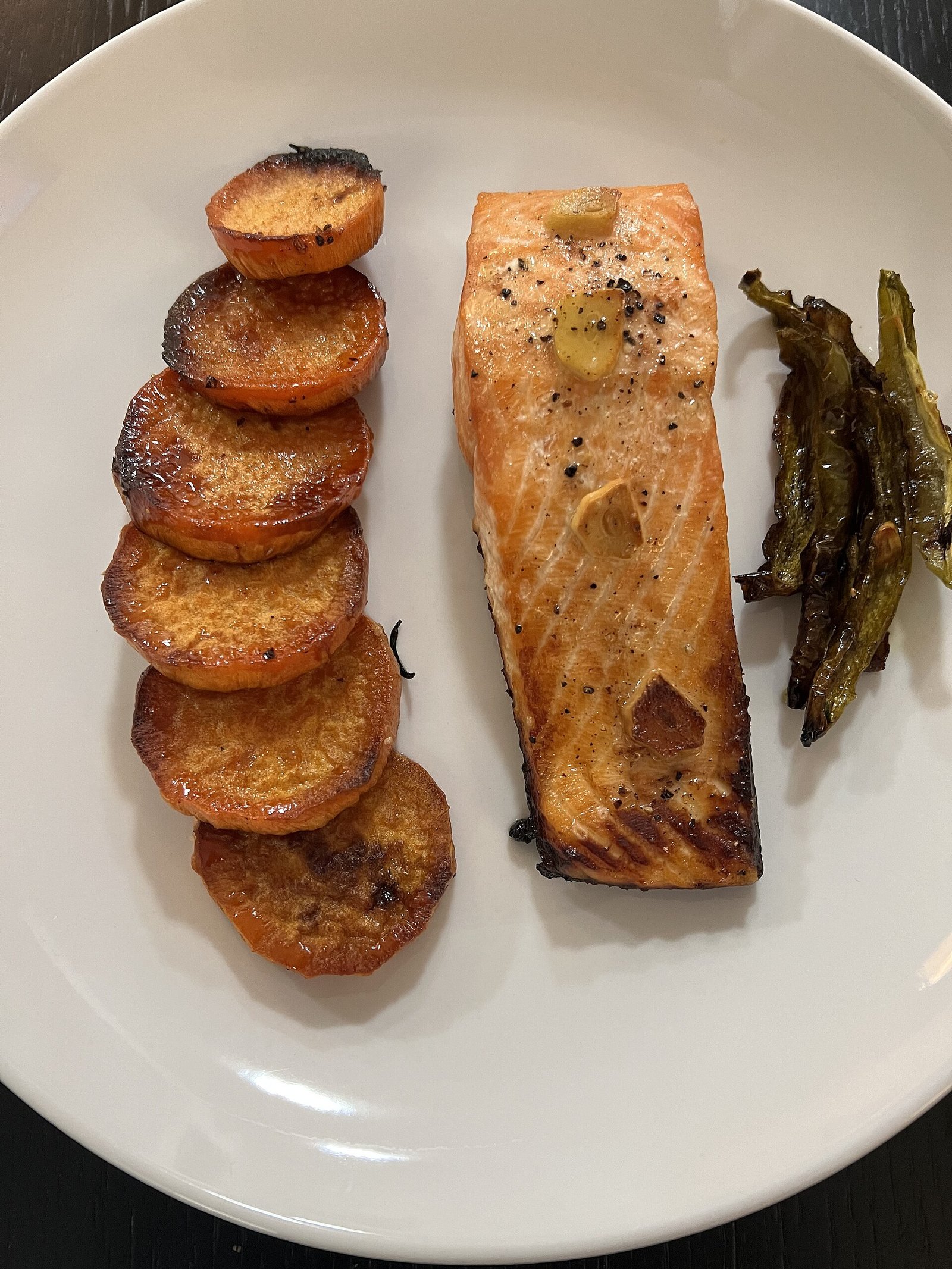
- – Dinner: baked salmon or other fish, potatoes or rice, and cooked greens.
- – Evening: avoid heavy late alcohol; note sleep quality and morning energy.
5. If fertility is a goal
MedlinePlus notes that TRT may not restore fertility and can cause infertility. Discuss sperm counts and alternatives before starting hormones. Kitchen zinc or protein habits are not a fertility protocol; see male infertility diet guide.
6. If TRT is prescribed
Keep eating in a steady pattern, tell the clinician about all supplements, and go to monitoring visits. If symptoms do not change after about 3 months, MedlinePlus says it is less likely that TRT will benefit you—do not add megadoses of vitamins to “force” a response.
Safety, interactions, and who should ask a clinician first
- – New breast enlargement, severe fatigue, sudden bone pain, or testicle changes: prompt medical review (male hypogonadism pages).
- – Known prostate or breast cancer, or a rising PSA: TRT decisions need specialist input (MedlinePlus).
- – Sleep apnea, heart disease, blood-clot history, or fertility plans: review risks before any hormone therapy (MedlinePlus, Mayo Clinic, NIA).
- – Opioid pain medicines, glucocorticoids, or chemotherapy: ask whether they could be contributing (MedlinePlus).
- – Zinc supplements with certain antibiotics or penicillamine: review timing (ODS).
FAQ
Can oysters, eggs, or a steak dinner replace testosterone therapy? No. Official pages describe diagnosis with blood tests and, when appropriate, clinician-supervised TRT. Food supports general health and weight; it is not a substitute for hormone treatment.
Will losing weight raise my testosterone? Obesity is a recognized contributor (MedlinePlus, Mayo Clinic), and weight management may be part of care. That is not a guarantee that every person’s lab value will normalize with diet alone, especially if the cause is testicular, pituitary, or medicine-related.
Are over-the-counter testosterone boosters worth trying first? NIA advises being wary of dietary or herbal supplements that promise to treat erectile dysfunction because of side effects and drug interactions. Talk with a clinician before taking any herb or supplement.
Why would my clinician also check thyroid function or sleep? MedlinePlus and Mayo Clinic list low thyroid function and obstructive sleep apnea among causes or risk factors for low testosterone.
Is a falling testosterone level always a disease in older adults? MedlinePlus notes that levels may decline slowly with age and that hypogonadism can be hard to diagnose in older men. Symptoms still deserve a workup rather than a supplement experiment.
When should I see a doctor? Mayo Clinic: make an appointment if you have symptoms of male hypogonadism; finding the cause is an important first step.
How this differs from related OTCFood topics
This page is a low-testosterone-bound diet guide focused on the limits of food and “T booster” marketing, the relevance of obesity, alcohol, sleep apnea, and thyroid disease, and why TRT is a medical decision. It is not an erectile-dysfunction drug guide or instructions for using testosterone products.
Medical disclaimer
Medical disclaimer: This article is general information only, not medical advice, diagnosis, or a treatment plan. Low testosterone care depends on symptoms, blood tests, fertility goals, medicines, and your clinician’s judgment. Talk with a clinician before changing an eating plan, supplement, or medicine. Seek care for sudden testicular pain, breast changes, or unexplained bone or mood symptoms.