Hemochromatosis Diet: Foods That May Help and Foods to Limit
Medical note: This article discusses foods and researched botanicals. It does not claim to prevent, treat, or cure disease. Supplements are not a substitute for food, and studied amounts are not personal prescriptions.
People searching “hemochromatosis diet foods that help or worsen” usually want clear rules about iron, vitamin C, alcohol, and shellfish—not a claim that kitchen changes replace therapeutic blood removal. MedlinePlus and the NIDDK describe hemochromatosis as a condition in which too much iron builds up in the body, especially in the liver, heart, and pancreas. Without treatment, organ damage can occur. There is no cure; the main treatment for most people is phlebotomy (regular blood removal) to lower iron stores.
What this hemochromatosis diet guide covers (and what it does not)
This guide is for adults diagnosed with hemochromatosis or iron overload who want diet habits that reduce extra risk while they follow lab-monitored care. Anchors: MedlinePlus — Hemochromatosis, NIDDK — Hemochromatosis, NIDDK — Eating, Diet, & Nutrition, and Mayo Clinic patient education on treatment and diet limits.
NIDDK emphasizes a healthy, well-balanced diet and notes that most people do not need a low-iron diet—food changes have a relatively small effect compared with phlebotomy. Diet never replaces scheduled blood removal or clinician-directed chelation when those are indicated. Do not invent aggressive iron restriction without lab monitoring.
Evidence snapshot: hemochromatosis diet claims vs public sources
| Claim people hope for | What public sources actually say | Confidence |
|---|---|---|
| “A low-iron diet replaces phlebotomy” | NIDDK/Mayo: phlebotomy is the main way to lower iron; diet effect is relatively small; dietary changes cannot replace phlebotomy | Strong |
| “Stop all red meat forever” | Public guidance focuses on avoiding iron supplements, vitamin C supplements, raw shellfish, and unsafe alcohol—not a universal meat ban for everyone on phlebotomy | Moderate: individualize with clinician/RD |
| “Vitamin C food must be eliminated” | Mayo/NIDDK: avoid vitamin C supplements (they increase iron absorption); usually no need to restrict vitamin C in food | Strong for supplements; food usually OK |
| “Raw oysters are fine if cooked-looking sauces” | NIDDK/Mayo: avoid raw/undercooked shellfish—infection risk, especially with liver disease | Strong |
| “Alcohol is optional if I feel well” | Limit alcohol to protect the liver; stop completely if cirrhosis (NIDDK) | Strong |
Foods and patterns that may help with hemochromatosis day-to-day health
“May help” means supporting overall liver and metabolic health while iron is managed medically—not draining iron stores with salad alone.
Balanced plate defaults (NIDDK)
- – Eat a healthy, well-balanced pattern: vegetables, fruit, whole grains, lean proteins, and dairy or fortified alternatives as appropriate.
- – Work with your doctor or a registered dietitian rather than copying extreme “iron-free” internet menus.
Practical habits that often support care
- – Read labels on multivitamins—many contain iron; NIDDK/Mayo: do not take iron supplements or multivitamins that contain iron.
- – Skip vitamin C supplements unless your clinician explicitly approves a product (vitamin C increases iron absorption).
- – Prefer cooked seafood over raw shellfish; when in doubt, choose fully cooked fish or non-seafood proteins.
- – If you also manage diabetes or heart disease from iron-related organ stress historically, pair kitchen habits with type 2 diabetes diet guide or heart failure diet guide under clinician guidance.
Tea/coffee timing myths vs what matters more
- – Online tips about tea blocking iron absorption are sometimes discussed in anemia contexts (see iron deficiency anemia diet guide for the opposite problem). For hemochromatosis, phlebotomy schedule and lab follow-up matter far more than micromanaging every plant meal.
Foods and habits that often worsen hemochromatosis risk patterns
- – Iron pills, iron-fortified “energy” packets, and multivitamins with iron without clinician approval (NIDDK/Mayo).
- – Vitamin C supplements that raise iron absorption (Mayo/NIDDK).
- – Raw or undercooked shellfish (infection risk) (NIDDK/Mayo).
- – Alcohol—limit if no cirrhosis; stop completely if cirrhosis (NIDDK).
- – Skipping phlebotomy because “I’m eating clean”—Mayo: dietary changes cannot replace blood removal.
- – Unsupervised aggressive iron elimination diets that cut protein quality, calories, or create nutrient gaps—especially dangerous if you also have heart, endocrine, or kidney issues such as those discussed in chronic kidney disease diet guide.
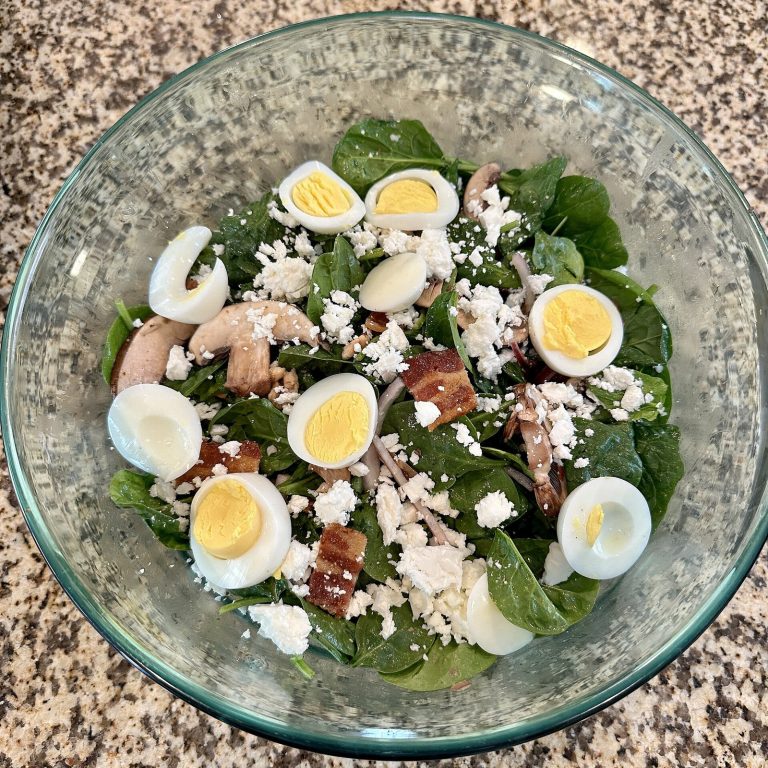
“Limit” means reducing supplements and high-risk exposures—not that one spinach salad undoes treatment.
Practical kitchen protocol: a hemochromatosis diet week
1. Keep the medical spine first
Put phlebotomy appointments and ferritin/transferrin-saturation lab dates on the same calendar as meal planning. Food supports energy for procedures; it does not replace them.
2. Shopping list aligned with NIDDK/Mayo cautions
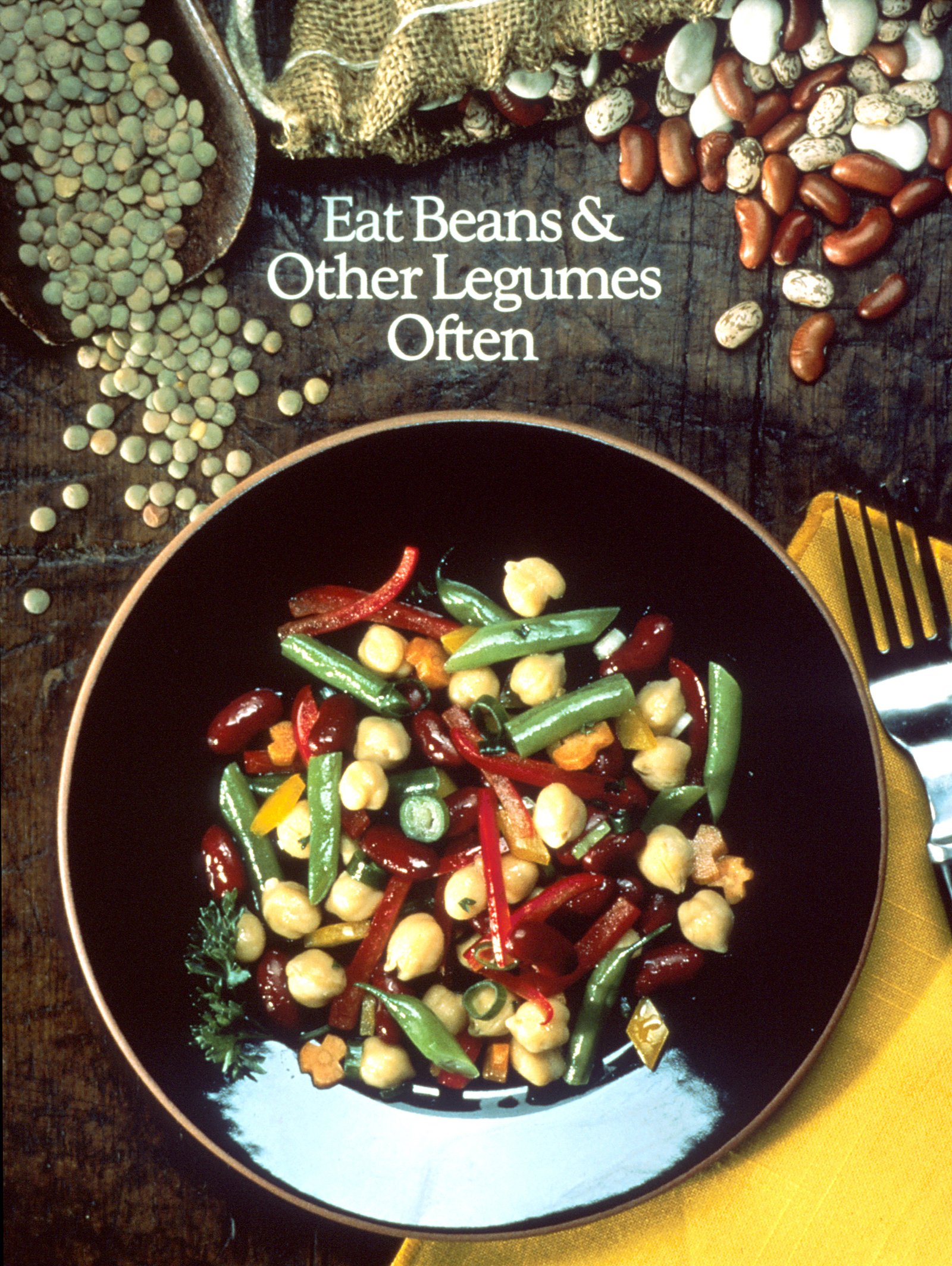
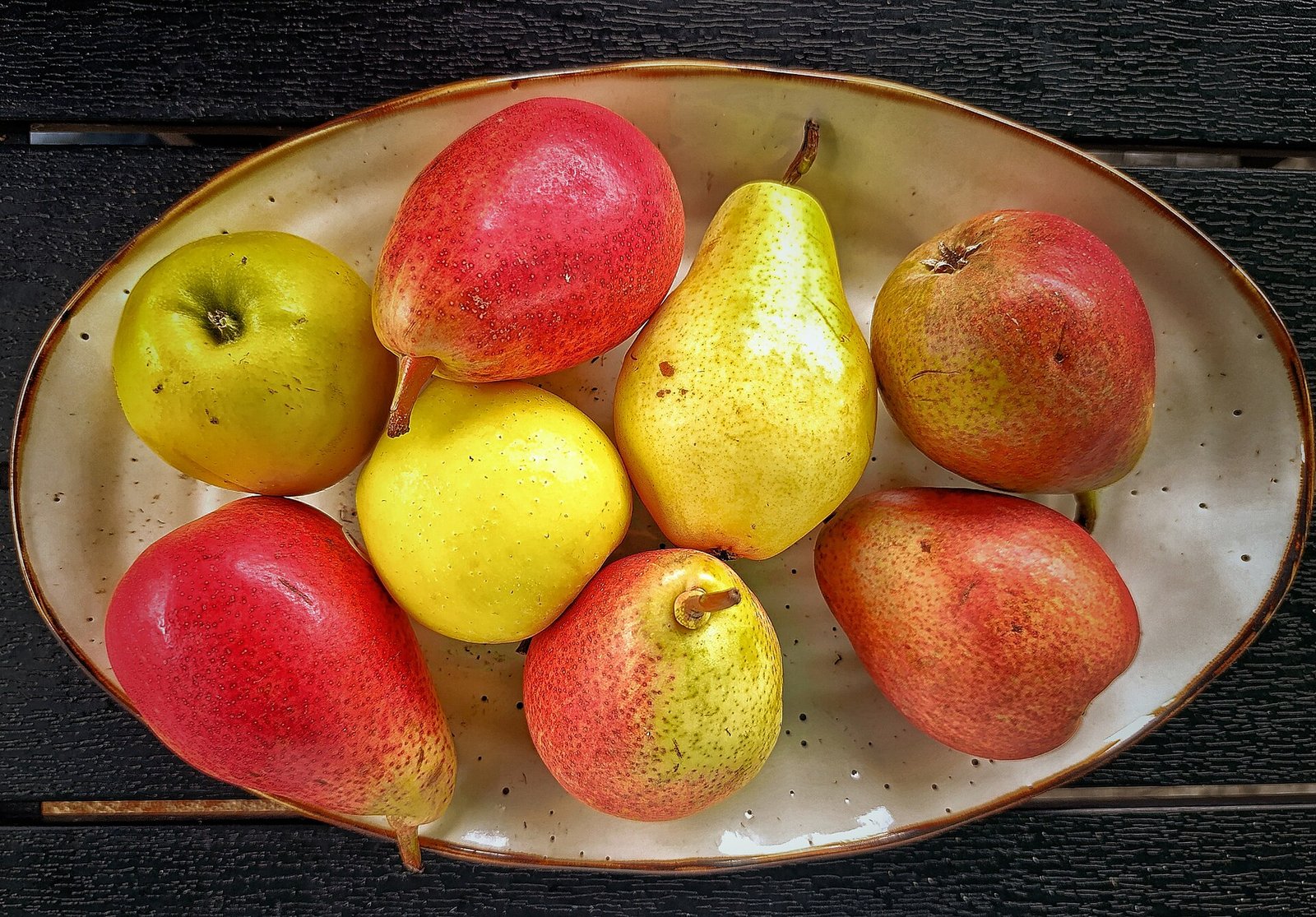
Vegetables and fruit (including vitamin C–rich produce as food, unless your clinician gave a special plan); whole grains; beans, lentils, eggs, poultry, fish (cooked); dairy if tolerated; herbs and spices instead of iron-tonics; no iron supplements in the cart; no high-dose vitamin C tablets unless prescribed.
3. Default plate template
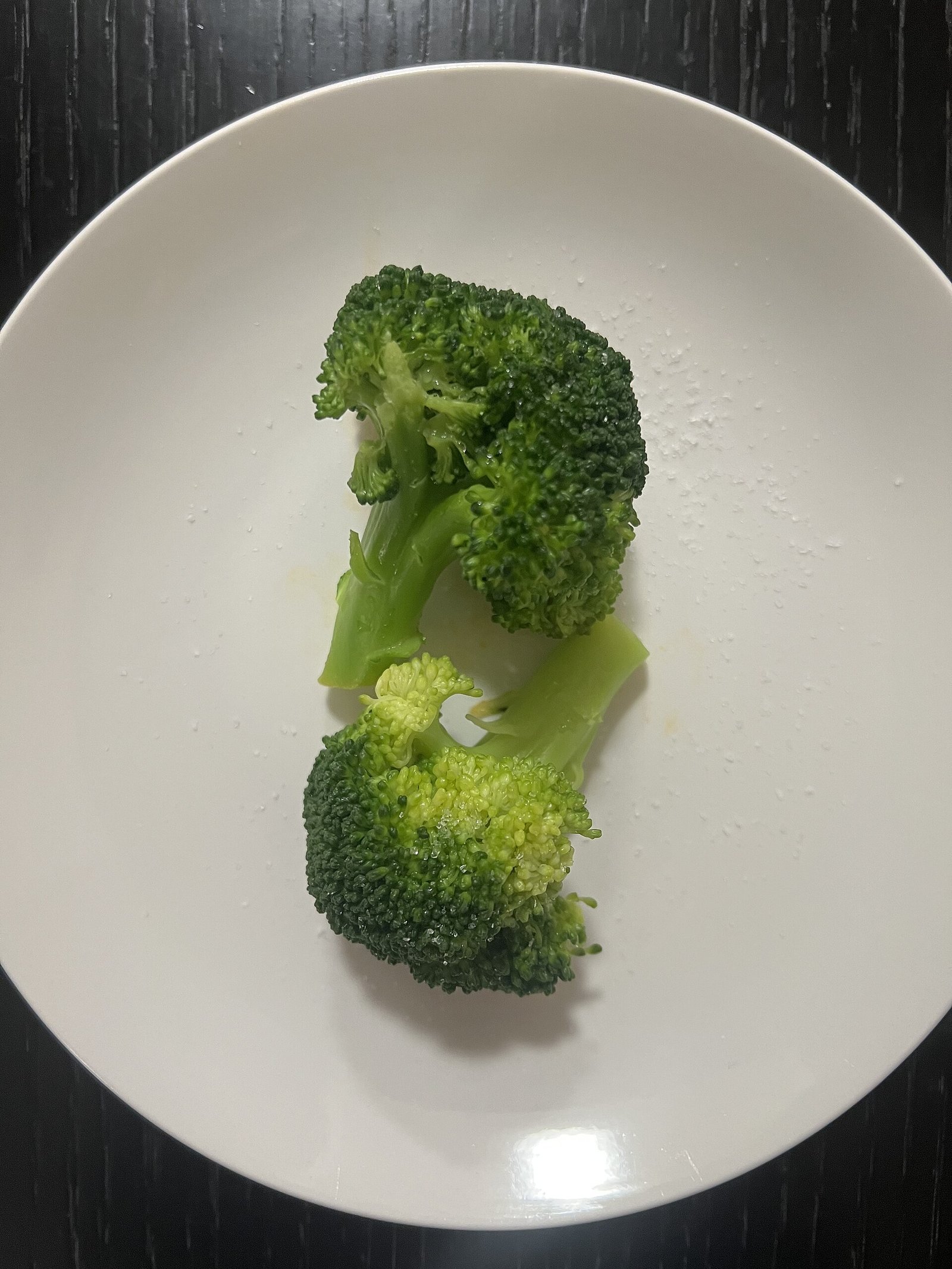
- – Half vegetables and fruit
- – Quarter whole grains or starchy vegetables
- – Quarter protein (varied plant and animal sources as your team advises)
- – Water or other non-alcoholic drinks as the default
4. Sample day (illustrative)
- – Breakfast: oatmeal with berries; eggs or yogurt; water or tea.
- – Lunch: bean-and-vegetable soup with whole-grain bread; fruit.
- – Snack: apple or carrot sticks; optional small handful of nuts.
- – Dinner: fully cooked fish or chicken, potatoes, mixed vegetables; salad.
- – Evening: skip alcohol if cirrhosis; otherwise follow your clinician’s alcohol limits.
5. Eating out
Ask whether shellfish is raw or undercooked; choose cooked entrées; decline “iron booster” smoothies with added vitamin C powder; keep alcohol within medical advice.
6. Family screening reminder
Mayo notes genetic testing is often recommended for first-degree relatives of people with hereditary hemochromatosis—diet pages do not replace that conversation.
Working with a dietitian without DIY extremes
- – Ask for help reading multivitamin and protein-powder labels for hidden iron.
- – If you have cirrhosis, diabetes, or heart disease, request a coordinated plan so liver-protective alcohol limits do not collide with other nutrition goals.
- – Fortified breakfast cereals sometimes add iron—compare labels if your clinician wants you to watch fortified iron, remembering NIDDK’s point that food iron usually matters less than phlebotomy.
- – Keep a simple log of supplements you stopped (iron, vitamin C) to bring to lab visits—clarity helps adjust treatment intervals safely.
Energy on phlebotomy weeks
- – Some people feel briefly lightheaded after blood removal (Mayo lists short-term dizziness, nausea, or low blood pressure as possible side effects). Plan easy, balanced meals and water unless your clinician gave fasting instructions for labs.
- – Do not “replace blood” with iron-rich tonics or vitamin C megadoses—that works against treatment goals.
Safety, interactions, and who should ask a clinician first
- – Iron restriction experiments belong under clinician and lab monitoring—do not self-prescribe extreme diets.
- – Chelation medicines are used when phlebotomy is not an option; they are not DIY supplement protocols (Mayo).
- – Liver disease, diabetes, heart rhythm or heart failure symptoms, joint disease, and endocrine issues need specialty follow-up—diet is adjunctive.
- – Pregnancy, planned surgery, or new supplements/herbals: review every product for hidden iron.
FAQ
Do I need a strict low-iron diet? Usually no. NIDDK: most people do not need to eat less dietary iron; phlebotomy has a much larger effect.
Can I eat fruit high in vitamin C? Mayo/NIDDK focus on avoiding vitamin C supplements; food vitamin C is usually not restricted—confirm with your care team.
Is raw sushi off-limits? Avoid raw/undercooked shellfish; ask your clinician about other raw seafood given your liver status.
Will cutting red meat replace monthly blood removal? No. Dietary changes cannot replace phlebotomy (Mayo).
What if my ferritin is still high despite “clean eating”? Tell your clinician—treatment intervals may need adjustment; do not escalate restriction alone.
How this differs from related OTCFood topics
This page is a hemochromatosis / iron-overload guide focused on supplement and alcohol cautions beside phlebotomy. It is the opposite problem from iron deficiency anemia diet guide, and it is not a general type 2 diabetes diet guide or heart failure diet guide protocol—though those conditions can coexist after organ injury.
Medical disclaimer
Medical disclaimer: This article is for general information only. It is not medical advice, diagnosis, or a treatment plan. Hemochromatosis care depends on iron studies, genetics when indicated, organ assessment, and prescribed phlebotomy or chelation. Talk with a clinician or registered dietitian before starting, stopping, or changing any eating plan, supplement, or iron-related therapy. Seek urgent care for severe abdominal pain, chest pain, fainting after phlebotomy, or signs of infection after raw seafood exposure.