Silent Reflux (LPR) Diet: Foods That May Help and Foods to Limit
Medical note: This article discusses foods and researched botanicals. It does not claim to prevent, treat, or cure disease. Supplements are not a substitute for food, and studied amounts are not personal prescriptions.
People searching “silent reflux LPR diet foods that help or worsen” usually want kitchen and timing habits that may reduce throat irritation from stomach contents without classic heartburn every time—not a claim that food heals the larynx, replaces acid-suppressing medicine when prescribed, or cures GERD. MedlinePlus explains gastroesophageal reflux (GER) as stomach contents moving back up when the muscle at the end of the esophagus does not close properly, and GERD when symptoms are frequent or damaging. NIDDK’s adult GERD eating guidance lists common trigger foods and notes that eating at least three hours before lying down may help nighttime symptoms. Laryngopharyngeal reflux (LPR or “silent reflux”) is often discussed clinically as reflux reaching the throat/voice box; public NIDDK/MedlinePlus pages frame reflux mainly through GER/GERD pathways, so this guide adapts those evidence-aligned habits for throat-focused symptoms without inventing unique LPR miracle diets.
What this silent reflux (LPR) diet guide covers (and what it does not)
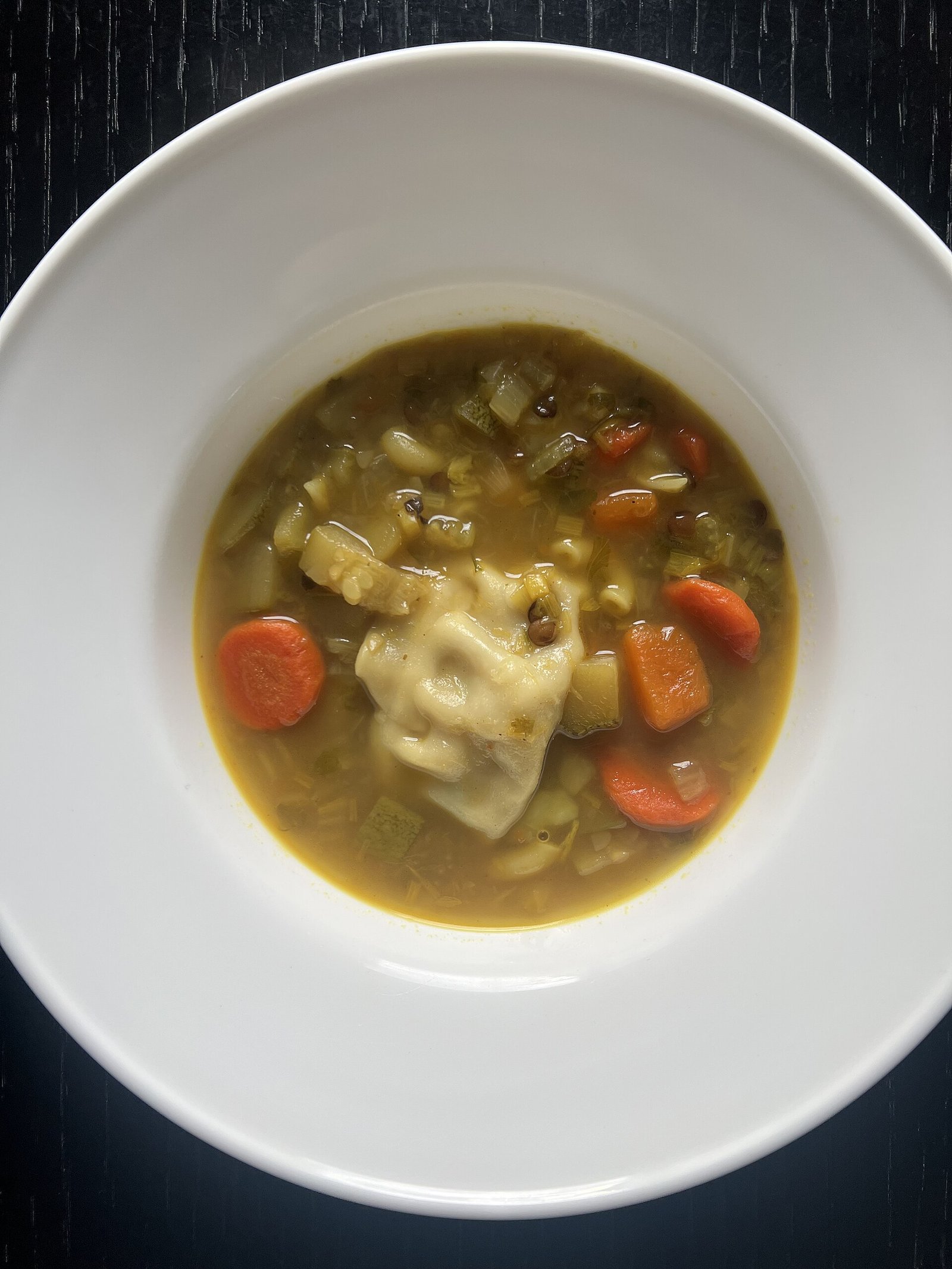
This guide is for adults with throat clearing, hoarseness, lump-in-throat feelings, or chronic cough that a clinician has linked to reflux—or who are exploring GERD-style diet trials while awaiting evaluation. Anchors: MedlinePlus — GERD, NIDDK — Acid reflux (GER & GERD) eating, diet, & nutrition, and NIDDK — Symptoms & causes.
Diet does not replace ENT evaluation for other throat diseases, PPI/H2 plans when indicated, or weight-management counseling if obesity worsens reflux. Related reading: GERD Diet, GERD / Acid Reflux Diet, and IBS Diet.
Evidence snapshot: silent reflux diet claims vs public sources
| Claim people hope for | What public sources actually say | Confidence |
|---|---|---|
| “An alkaline water protocol cures LPR” | NIDDK centers trigger reduction, meal timing, and weight advice when relevant—not a cure claim for alkaline water | Strong: supportive habits ≠ cure |
| “Never eat tomatoes or citrus again forever” | NIDDK lists acidic foods (citrus, tomatoes) among commonly linked triggers—trial reduction, then reintroduce as advised | Moderate: personalization matters |
| “Chocolate and mint are always fine at night” | NIDDK lists chocolate, mint, caffeine, alcohol, high-fat foods, and spicy foods among common symptom links | Moderate–strong for trial limits |
| “Eating in bed is okay if portions are tiny” | NIDDK: meals at least 3 hours before lying down may improve nighttime symptoms | Strong for timing |
| “Silent means harmless—ignore diet” | Reflux can still irritate tissues; MedlinePlus notes GERD when symptoms are frequent or damaging—get evaluated | Strong: do not ignore persistent throat symptoms |
Foods and patterns that may help with silent reflux (LPR) day to day
“May help” means reducing exposure of the throat to refluxate through smaller meals, earlier dinners, and fewer personal triggers—not a promise that oatmeal erases hoarseness overnight.
Meal timing and portion structure (NIDDK-aligned)
- – Eat meals at least three hours before lying down if nighttime or recumbent symptoms are an issue.
- – Prefer moderate portions over very large evening feasts that expand the stomach.
- – Elevate the head of the bed if your clinician agrees (common GERD counseling; pair with NEI-style head elevation only when relevant to other conditions).
Lower-fat, less-irritant default plates
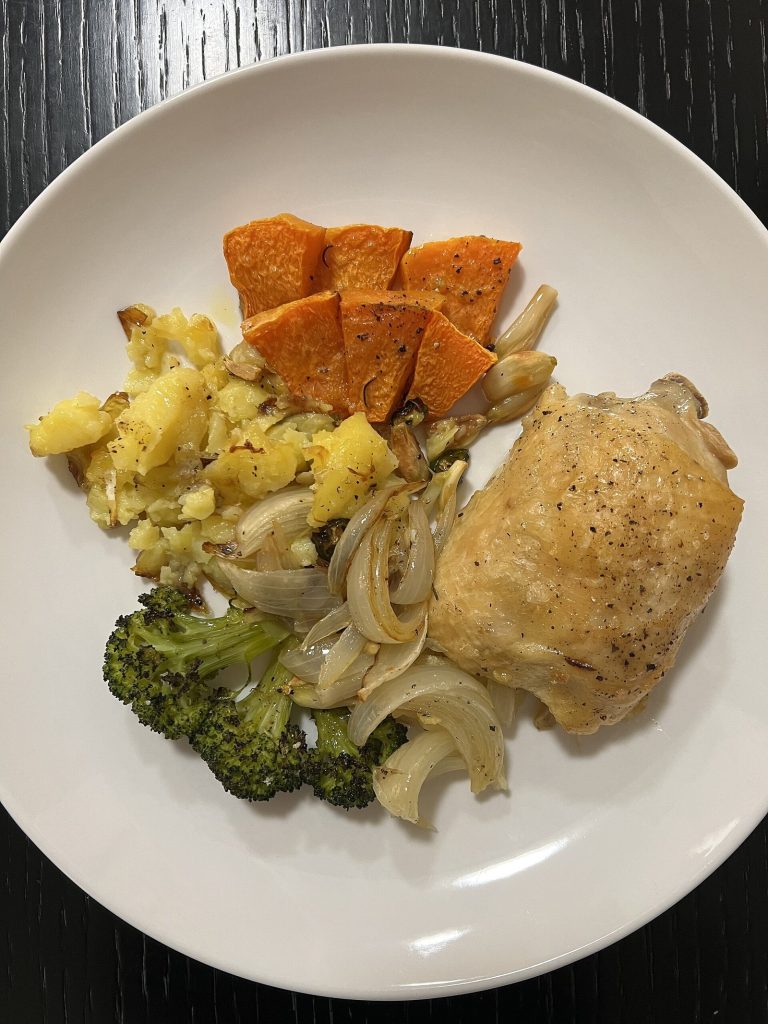
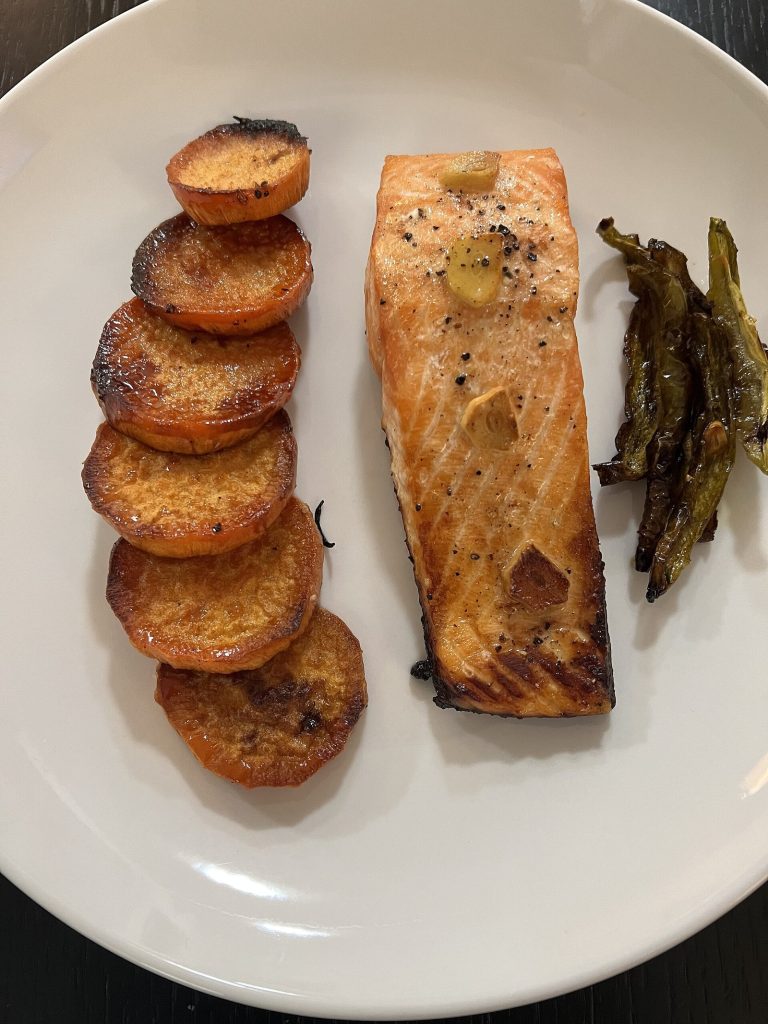
- – NIDDK links high-fat foods to GERD symptoms for many people—trial lean proteins, baked/poached fish or poultry, soft starches, and cooked vegetables.
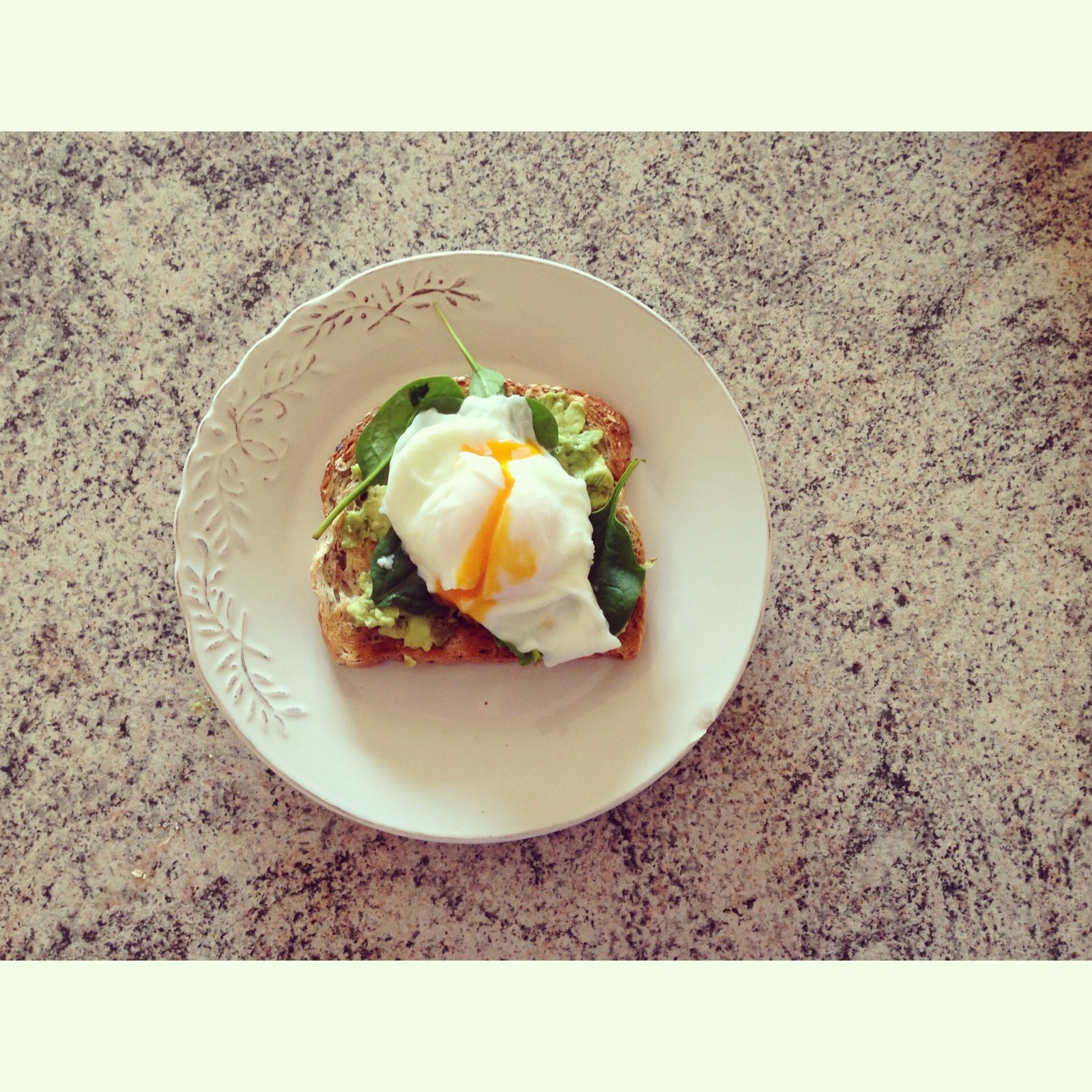
- – Soft breakfasts (eggs on toast, congee/porridge, mild soups) are often easier than late greasy takeout.
- – See GERD Diet for broader GERD kitchen templates.
Trigger-aware beverages
- – Trial limits on coffee/other caffeine, alcohol, chocolate drinks, and peppermint teas if they worsen your throat symptoms (NIDDK lists caffeine, alcohol, chocolate, mint).
- – Water and non-mint herbal options are common swaps—track your own response.
Two-week structured trigger trial (practical, not a lab test)
- – Pick two NIDDK-listed categories that match your habits (for example, late caffeine and high-fat dinners).
- – Reduce them consistently for 14 days while keeping meal timing (3-hour pre-bed buffer) steady.
- – Reintroduce one item at a time every few days and note throat clearing, cough, or hoarseness the next morning.
- – Share the log with your clinician—especially before escalating medicines or procedures.
Weight-aware patterns when relevant
- – NIDDK: if you have overweight or obesity, your doctor may suggest weight loss to reduce GERD symptoms—ask for a healthy eating plan rather than crash dieting that triggers rebound bingeing.
Foods and habits that often worsen silent reflux kitchen patterns
- – Acidic foods such as citrus and tomatoes for people who notice throat burning or cough after them (NIDDK).
- – Alcohol, chocolate, coffee/caffeine, mint, spicy foods, and high-fat meals when they are personal triggers (NIDDK list).
- – Lying down soon after eating, including couch naps after lunch.
- – Very late dinners followed by immediate bedtime.
- – Tight belts and huge carbonated volumes that increase abdominal pressure for some people.
- – Expecting diet alone to explain coughing blood, progressive swallowing failure, or unexplained weight loss—those need prompt medical evaluation.
“Limit” means reducing reflux triggers—not that one tomato permanently ruins your larynx.
Practical kitchen protocol: a silent reflux (LPR) diet week
1. Keep the medical spine first
Confirm whether symptoms have been attributed to LPR/GERD, what medicines you should take, and red flags (trouble swallowing solids/liquids, bleeding, severe chest pain). Voice therapy or ENT care may run in parallel.
2. Shopping list for throat-friendlier reflux kitchens
Eggs; soft breads/rice/oats; lean poultry and fish; non-citrus fruits you tolerate (melon, banana often tried); cooked vegetables; low-fat yogurt if tolerated; ginger or non-mint herbal tea; water; fewer late-night chocolate and alcohol staples during a 2–4 week trial.
3. Default plate template
- – Lean protein
- – Soft starch
- – Non-trigger vegetables
- – Fluid that is not a known personal trigger
- – Finish dinner early enough for a 3-hour buffer before bed
4. Sample day (illustrative)
- – Breakfast: poached eggs on whole-grain toast; water.
- – Lunch: chicken-and-vegetable soup with rice; banana.
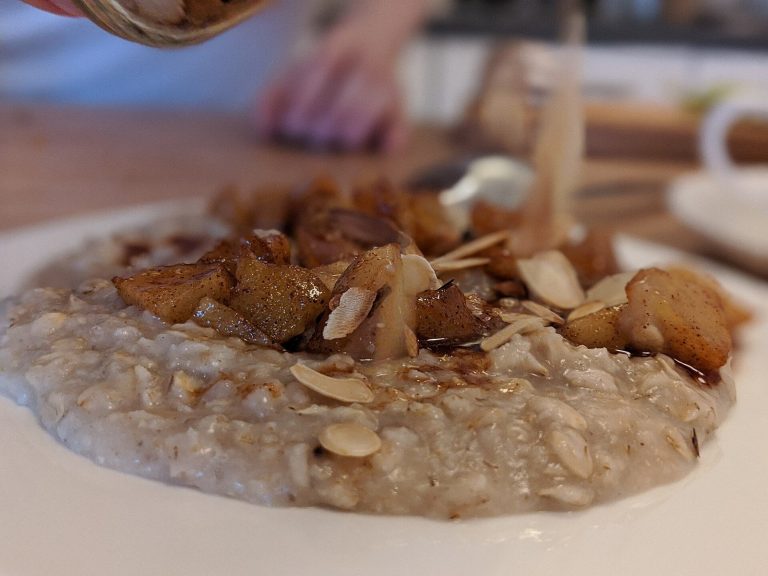
- – Snack: oatmeal or millet porridge if an afternoon gap helps you avoid a huge dinner.
- – Dinner (early): baked fish or chicken, potatoes, cooked carrots/green beans; water.
- – Evening: no alcohol “nightcap”; remain upright after the last snack.
5. Home setup tips
Set a phone reminder for “kitchen closed” three hours before bed; keep a one-week trigger log (food, timing, throat symptoms); batch-cook mild soups for busy nights.
6. If IBS or bloating coexists
Gas and late large meals can overlap discomfort—see IBS Diet and SIBO Diet without assuming every LPR case is SIBO.
Safety, interactions, and who should ask a clinician first

- – Chronic PPI use: discuss nutrient monitoring (including B12 absorption themes on ODS sheets) with your clinician—do not stop medicines abruptly without advice.
- – Asthma, chronic cough, or post-nasal drip can mimic or coexist with LPR—get examined.
- – Pregnancy reflux needs obstetric-guided plans.
- – Seek care for chest pain that could be cardiac, vomiting blood, black stools, or progressive dysphagia.
FAQ
Is silent reflux the same as GERD? They overlap biologically (reflux of stomach contents) but LPR emphasizes throat/voice symptoms that may occur with little classic heartburn. NIDDK/MedlinePlus diet advice for GERD is the practical public evidence base used here.
Do I have to give up coffee forever? Not necessarily. NIDDK lists caffeine as a common trigger—trial reduction, then reintroduce carefully.
How long before bed should I stop eating? NIDDK suggests at least three hours before lying down when nighttime symptoms are an issue.
Will spicy food permanently damage my throat? Individual tolerance varies; priority targets are timing, portion size, and your documented triggers.
Should I sleep completely upright in a chair? Usually no—ask about elevating the head of the bed safely. Chairs can worsen neck and sleep quality; the NIDDK timing guidance is the first kitchen lever.
How is this different from a standard GERD diet page? See GERD / Acid Reflux Diet—this page stresses throat-focused symptom tracking and upright timing even when heartburn is mild.
How this differs from related OTCFood topics
This page is an LPR/silent-reflux–bound diet guide using GERD-aligned public nutrition advice for throat-predominant symptoms. It is not an ENT surgical protocol, not a Barrett’s esophagus diet, and not a substitute for medical evaluation of chronic cough or hoarseness.
Medical disclaimer
Medical disclaimer: This article is for general information only. It is not medical advice, diagnosis, or a treatment plan. Silent reflux and GERD care depend on your exam, other airway or digestive conditions, and medicines. Talk with a clinician or registered dietitian before starting, stopping, or changing any eating plan, supplement, or medicine. Seek urgent care for chest pain, vomiting blood, black stools, or inability to swallow.