Nasal Polyps Diet: Foods That May Help and Foods to Limit
Medical note: This article discusses foods and researched botanicals. It does not claim to prevent, treat, or cure disease. Supplements are not a substitute for food, and studied amounts are not personal prescriptions.
People searching “nasal polyps diet foods that help or worsen” usually want easier breathing and more flavor at meals—not a claim that food will shrink grape-like growths in the nose, replace steroid sprays or surgery, or restore smell on a deadline. MedlinePlus describes nasal polyps as soft, sac-like growths on the lining of the nose or sinuses. They are not cancer. They seem to grow because of long-term swelling and inflammation from allergies, asthma, or infection, and no one knows exactly why some people get them. Medicines may relieve symptoms but rarely get rid of polyps; surgery can remove large or persistent growths, yet polyps often return. Kitchen patterns may help you stay nourished when smell and taste fade and help you avoid confirmed allergy triggers; they do not dissolve nasal polyps.
What this nasal polyps diet guide covers (and what it does not)
This guide is for adults with clinician-recognized nasal polyps, including people who also have chronic sinus disease, asthma, hay fever, or aspirin sensitivity. Anchors: MedlinePlus — Nasal polyps, NIDCD — Smell Disorders, and MedlinePlus — Sinusitis.
MedlinePlus lists higher likelihood of polyps in people with aspirin sensitivity, asthma, long-term (chronic) sinus infections, cystic fibrosis, or hay fever. Symptoms can include a runny or stuffed nose, sneezing, a blocked-nose feeling, loss of smell or taste, headache or pain if a sinus infection is also present, and snoring; you may feel as if you always have a head cold. NIDCD explains that growths in the nasal cavities are among the causes of smell disorders, and that without smell, foods tend to taste bland. Related reading: chronic sinusitis diet guide, asthma diet guide, allergic rhinitis diet guide, food allergy diet guide, and diet after sinus surgery guide.
Evidence snapshot: nasal polyps diet claims vs public sources
| Claim people hope for | What public sources actually say | Confidence |
|---|---|---|
| “An anti-inflammatory diet shrinks polyps like steroids do” | MedlinePlus: nasal steroid sprays can sometimes shrink polyps; corticosteroid pills may shrink them for a few months; surgery or biologics are medical options. No food list is given as polyp treatment | Strong against food-as-cure |
| “You can prevent polyps with a special menu” | MedlinePlus: you can’t prevent nasal polyps, though nasal sprays, antihistamines, allergy shots, prompt sinus-infection care, and some injection therapies may help prevent airway-blocking or returning polyps | Strong against diet-as-prevention |
| “Loss of smell means you should eat less until it returns” | NIDCD: smell loss makes food taste bland and can affect quality of life; it is also a warning-system issue (spoiled food, gas, smoke). Calories still matter | Strong to keep eating |
| “Dairy always grows polyps” | Not stated on the MedlinePlus polyp page. Individual tolerance varies; do not cut a whole food group on a myth if nutrition suffers | Low for blanket dairy bans |
| “Aspirin or NSAID reactions are a food problem” | MedlinePlus lists aspirin sensitivity as a risk factor for polyps. That is a medicine issue to review with your clinician—not a salad dressing protocol | Strong to treat it as a medication safety topic |
Foods and patterns that may help when you have nasal polyps
“May help” means supporting comfort, hydration, and flavor when smell is reduced—not melting tissue in the nasal cavity.
Flavor-forward meals when smell and taste fade
NIDCD notes that chewing releases aromas that reach smell nerves through a channel from the throat, and that a blocked nose cuts much of a food’s flavor. When polyps blunt smell:
- – Use safe texture and temperature contrasts (crisp vegetables plus a warm soup) so meals stay interesting.
- – Lean on leftover taste qualities you can still notice: salt in usual amounts, sour (citrus, yogurt if tolerated), bitter greens, and umami broths.
- – Keep protein in the meal even if food seems dull—eggs, beans, fish, poultry, tofu, or yogurt.
- – If NIDCD-style smell loss makes you forget spoiled food, date leftovers and rely more on expiration dates and visual checks.
Hydration and easy-to-eat defaults during congestion
A stuffy nose and post-nasal drip can make dry, crumbly foods unappealing. Soups, stews, oatmeal, yogurt, fruit, and water or herbal tea across the day are practical—not a MedlinePlus “polyp solvent.”
Allergy-aware shopping if allergy is confirmed
MedlinePlus links polyps with hay fever and notes that allergy medicines can help prevent polyps from growing back. If you have a documented food allergy, avoid those foods (see food allergy diet guide). Do not invent a long elimination list for polyps alone. If asthma overlaps, coordinate with that plan (asthma diet guide) rather than stacking unverified “sinus superfoods.”
Foods and habits that often worsen nasal polyp comfort
- – Skipping prescribed nasal steroid sprays or oral steroids to “try diet first.” MedlinePlus says symptoms return if steroid-spray treatment is stopped, and medicines rarely eliminate polyps even when they help symptoms.
- – Aspirin or NSAID pain relievers if you have known aspirin sensitivity—this is a clinician-directed precaution, not a food rule. Do not stop a prescribed heart aspirin on your own.
- – Smoking, which NIDCD lists among causes of smell disorders and which CDC lists as a sinus-infection risk factor on its sinus pages.
- – Alcohol, very late heavy meals, or personal trigger foods if they clearly worsen your congestion or reflux-like drip—test rather than permanently ban every item on someone else’s list.
- – Undereating because food tastes like cardboard. NIDCD emphasizes quality-of-life and safety effects of smell loss; shrinking portions until smell returns can lead to weight and nutrient gaps.
- – Ignoring red-flag breathing or infection signs while rearranging the pantry.
“Limit” means reducing irritants and unsafe self-experiments—not a lifelong bland diet.
Practical kitchen protocol: a nasal-polyps-aware week
1. Keep ENT care in parallel
MedlinePlus notes you may need an ENT exam or nasal endoscopy, sometimes a sinus CT scan, and that older polyps may even have affected bone inside the sinuses. Steroid sprays, short courses of steroid pills, allergy treatment, antibiotics only for bacterial sinus infection, surgery, and—in selected cases—biologic injections are the listed medical tools. Food does not substitute for them.
2. Shopping list
Broth or soup bases, oats, yogurt or fortified alternatives, eggs, beans, fish or tofu, citrus, herbs you can still detect, cooked vegetables, rice or potatoes, and ready protein if cooking smells are discouraging.
3. Default plate template
- – A moist main item (soup-plus-protein, stewed beans, baked fish)
- – A colorful side you can see and feel even if aroma is weak
- – A starch you like
- – Water or tea
- – Take prescribed nasal medicines as directed, separate from meals if your clinician said to
4. Sample day (illustrative)
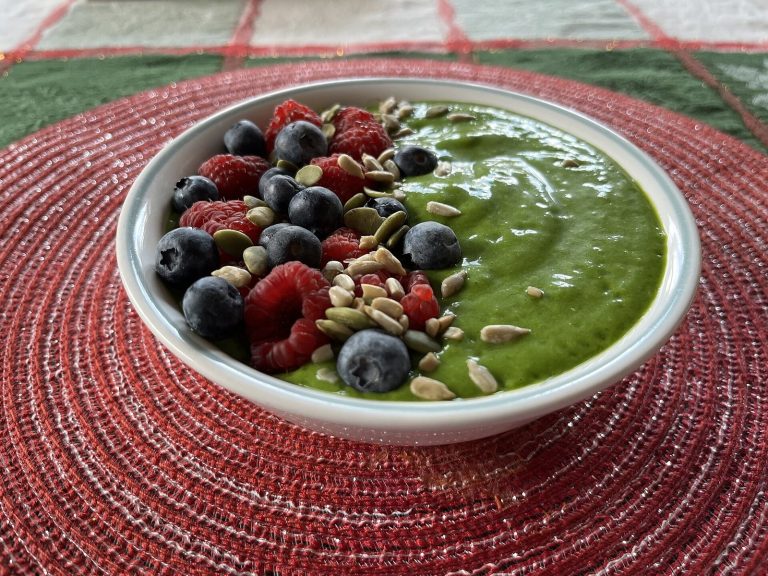
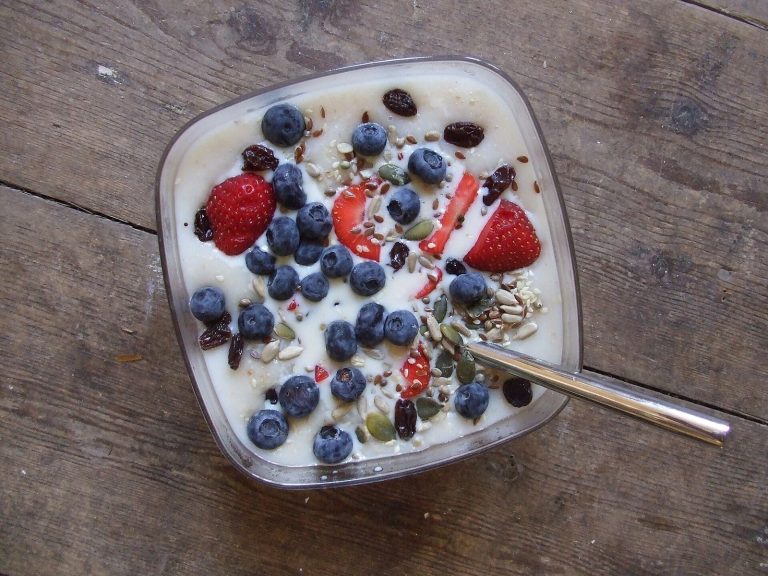
- – Breakfast: oatmeal with banana or yogurt and berries.
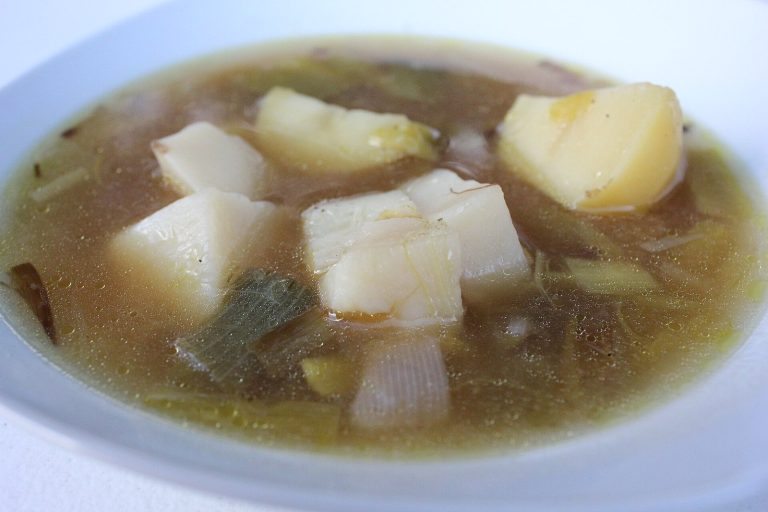
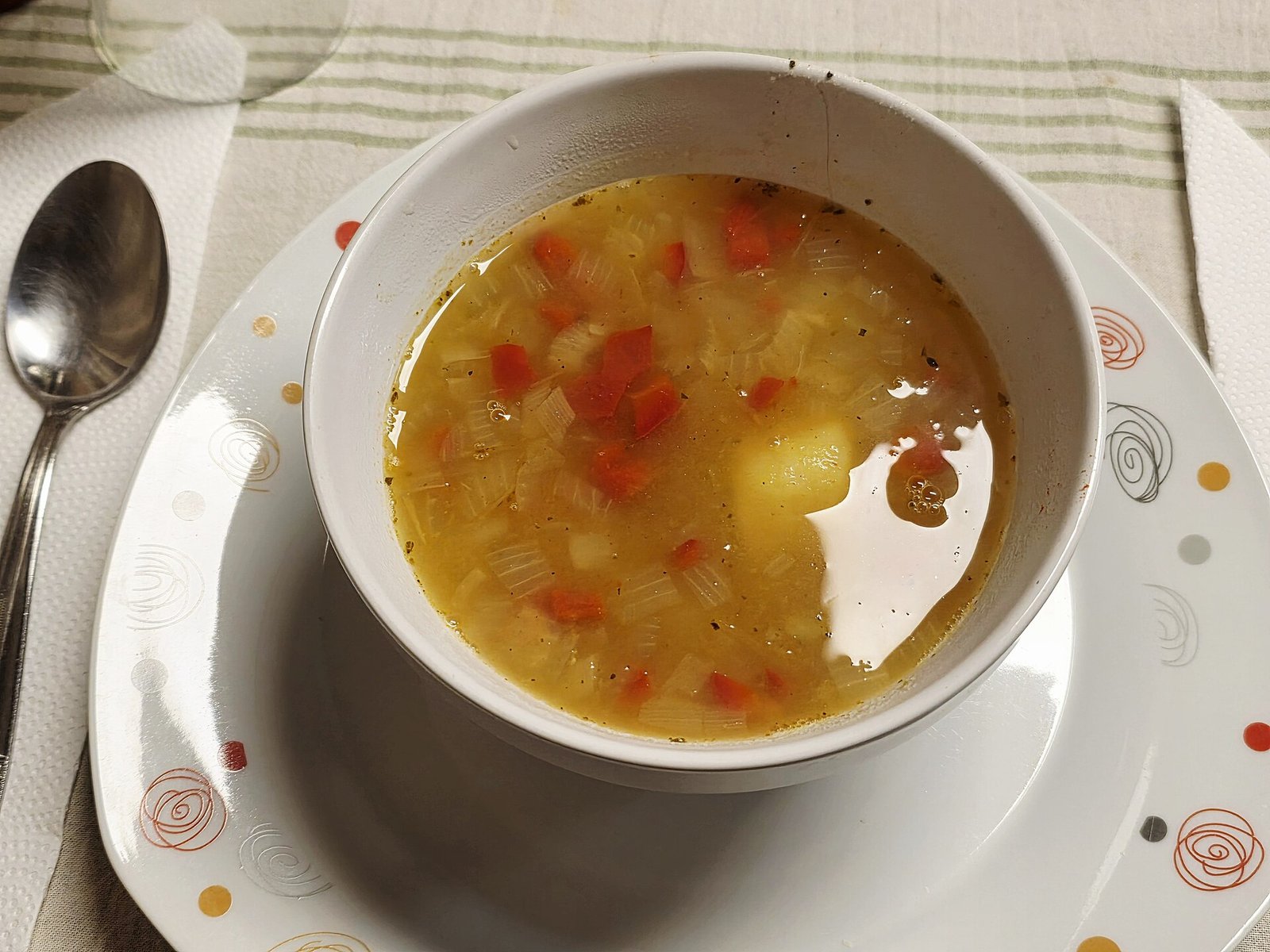
- – Lunch: lentil or chicken soup with toast.
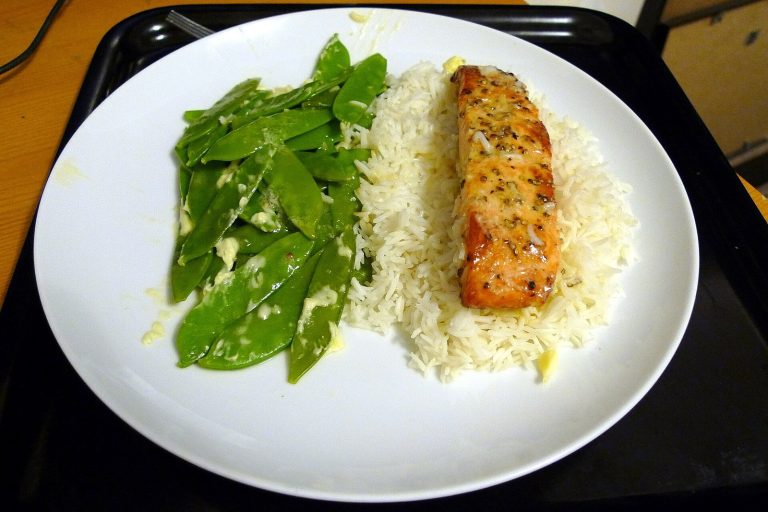
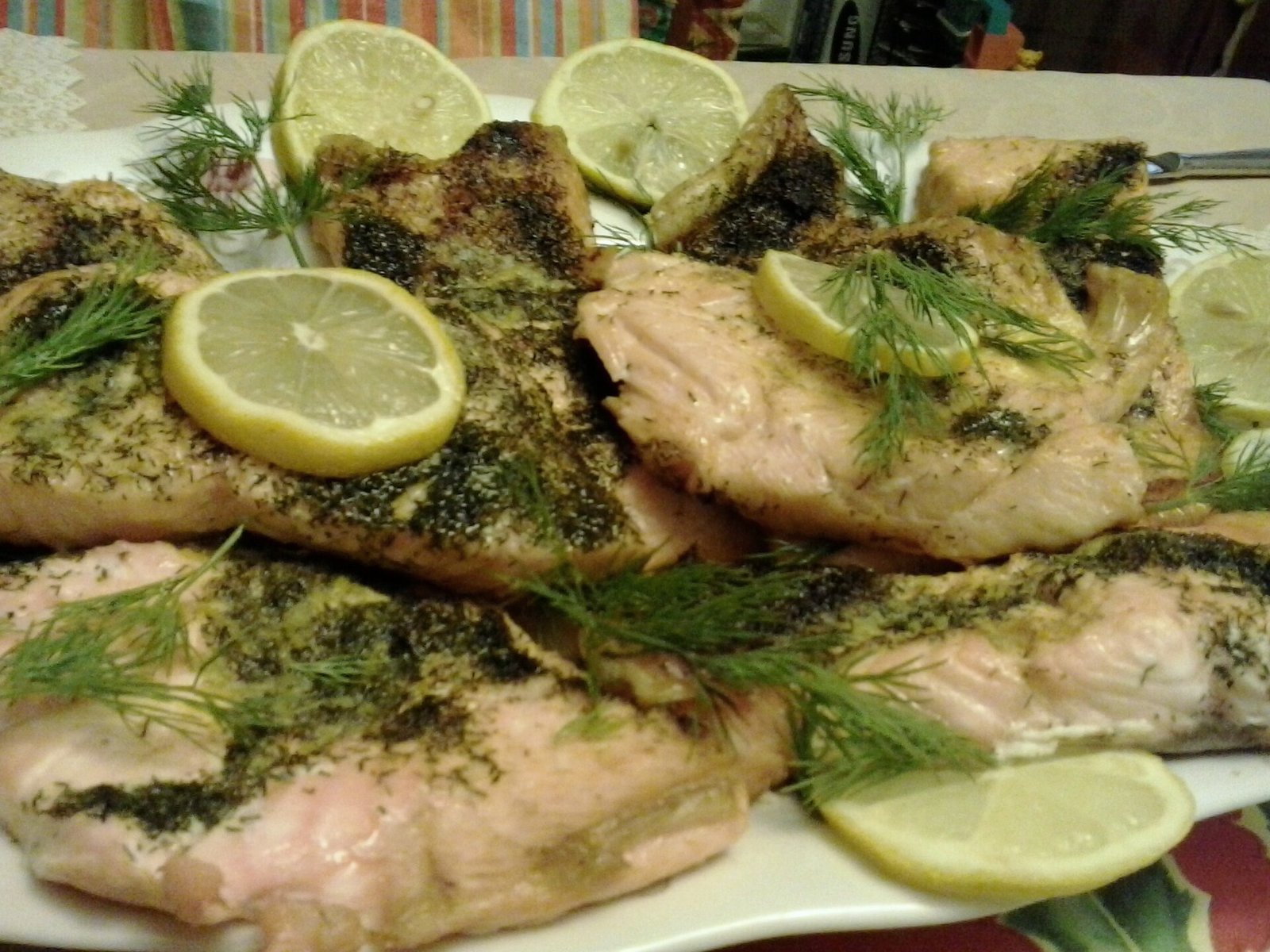
- – Dinner: baked fish or tofu, rice, and roasted vegetables dressed with lemon if citrus is tolerated.
- – If smell is nearly absent: add extra herbs only if they do not irritate; focus on texture and keep portions adequate.
- – Food safety: NIDCD reminds readers that smell warns about spoiled food, gas leaks, and fire—use detectors and visual checks.
5. After sinus surgery
Polyps may come back even after endoscopic removal (MedlinePlus). For short-term eating while the nose is healing, see diet after sinus surgery guide. Long-term kitchen habits still will not replace ongoing medical prevention.
6. If chronic sinusitis is the larger diagnosis
MedlinePlus sinusitis pages describe chronic disease lasting more than 12 weeks. See chronic sinusitis diet guide for the broader sinus-inflammation kitchen discussion.
Safety, interactions, and who should ask a clinician first
- – Contact a clinician if you often find it hard to breathe through your nose (MedlinePlus).
- – Eye swelling, vision changes, a severe headache with neck stiffness, confusion, or a high fever that is not improving are urgent medical problems—not a cue to adjust spices.
- – Aspirin-sensitive asthma or prior NSAID reactions: review pain-reliever choices with your clinician before any new over-the-counter product.
- – Cystic fibrosis, immune suppression, or repeated courses of oral steroids: nutrition and infection questions belong with the specialty team.
- – Biologic injections and steroid pills have their own monitoring needs; do not add unvetted herbal “immune” mixes on top without asking.
FAQ
Can a diet get rid of nasal polyps? No. MedlinePlus states medicines may help symptoms but rarely get rid of polyps, and even surgery does not guarantee they stay gone.
Why does food taste so dull? NIDCD explains that smell and taste work together. Growths in the nose can block odor pathways, so familiar flavors such as chocolate or orange become hard to tell apart.
Should I stop dairy? Only if dairy clearly bothers you or you have a diagnosed allergy. Official polyp pages do not order a universal dairy ban.
Will spicy food clear polyps? Temporary warming or runny-nose sensations are not the same as shrinking tissue. MedlinePlus does not list chili as treatment.
Can smell come back after treatment? Sometimes, but MedlinePlus notes that loss of smell or taste does not always improve after medicine or surgery. Keep eating adequate meals either way.
When should I see a doctor? If your nose is often blocked, smell is fading, you have recurrent sinus infections, or you have asthma plus aspirin reactions—ask about an ENT evaluation rather than waiting on a menu change.
How this differs from related OTCFood topics
This page is a nasal-polyps-bound diet guide focused on eating when smell is reduced, avoiding unproven polyp-shrinking diets, and sorting aspirin sensitivity from food myths. It is not a chronic-sinusitis-only page, not an asthma action plan, and not a substitute for sprays, surgery, or biologics when those are recommended.
Medical disclaimer
Medical disclaimer: This article is for general information only. It is not medical advice, diagnosis, or a treatment plan. Nasal polyp care depends on size and location of growths, asthma or aspirin sensitivity, cystic fibrosis, infection risk, medicines, and your clinician’s judgment. Talk with a clinician or registered dietitian before starting, stopping, or changing any eating plan, supplement, or medicine. Seek urgent care for trouble breathing, vision changes, swelling around the eyes, confusion, or a severe unrelenting headache.