Multiple Sclerosis Diet: Foods That May Help and Foods to Limit
Medical note: This article discusses foods and researched botanicals. It does not claim to prevent, treat, or cure disease. Supplements are not a substitute for food, and studied amounts are not personal prescriptions.
Short answer: No single multiple sclerosis (MS) diet has been shown to change the course of the disease. The National MS Society and the VA MS Centers of Excellence say a healthy, well-balanced diet rich in whole foods is still likely to improve overall health and well-being, and they point to a Mediterranean-style pattern: colorful fruits and vegetables, whole grains, lean protein, beans, nuts and seeds, fermented foods, and unsaturated fats such as olive oil and fatty fish. Foods often recommended to limit are processed foods, red or fatty meat, fried foods, saturated fat, added sugar, and excess salt. Food choices support the care you get from your neurologist; they do not replace disease-modifying therapy.
What to eat with multiple sclerosis: why diet still matters
MS is a chronic autoimmune condition in which the immune system attacks myelin, the protective coating around nerve fibers in the brain and spinal cord, according to the National Institute of Neurological Disorders and Stroke (NINDS). NINDS and the NHS both say there is currently no cure, but treatments can reduce relapses, slow progression, and ease symptoms.
The National MS Society diet and nutrition fact sheet (produced with the VA) gives several reasons food still matters:
- – A steady, healthy body weight is associated with a lower risk of MS activity (relapses and MRI lesions) and related disability.
- – A healthy diet helps lower cardiovascular risk factors—high blood pressure, high cholesterol, and diabetes—which are linked to more MS activity and disability.
- – Fluid and fiber can help ease constipation, and complex carbohydrates from beans, whole grains, and vegetables may help manage fatigue and keep energy steadier.
- – A healthy diet may lower the risk of depression and anxiety, partly through the gut-brain connection.
Evidence snapshot: multiple sclerosis diet claims vs public sources
| Claim | What reliable sources say | Confidence |
|---|---|---|
| “A special MS diet can stop the disease” | National MS Society/VA: scientists have not found one diet that changes the course of MS. MS Society UK: not much scientific evidence that any special diet affects how MS develops | Strong caution |
| “Healthy eating is still worth it” | National MS Society/VA: a healthy, whole-food diet is likely to improve overall health; healthy weight is linked to less MS activity | Moderate–strong |
| “Vitamin D supplements stop relapses” | NIH Office of Dietary Supplements: low vitamin D is linked to MS risk, but trials show supplements do not keep symptoms from getting worse or coming back | Not supported |
| “Salt makes MS worse” | MS Society UK: research hasn’t shown a link between salt and MS risk or course, but high salt raises blood pressure and stroke risk, so less than 6 g a day still makes sense | Low for MS; strong for heart health |
| “I must cut out coffee or alcohol” | MS Society UK: no need to stop coffee; alcohol evidence doesn’t suggest long-term worsening, but it can affect balance, bladder, sleep, and some medicines | Individual |
| “Excluding foods helps MS” | MS Society UK: no conclusive evidence for excluding specific foods to manage MS; see your GP if you suspect an allergy or intolerance | Strong caution |
Foods that may help in a multiple sclerosis diet
These are the foods the National MS Society/VA fact sheet lists for long-term nervous-system and whole-body health:
- – Colorful fruits and vegetables every day for nutrients and fiber. Frozen fruits and vegetables count—the fact sheet suggests them for quick meals on high-fatigue days.
- – Whole grains (if you eat grains): brown rice, oatmeal, quinoa, barley, and whole wheat.
- – Lean protein: skinless poultry, white fish, low-fat dairy, lentils, and beans.
- – Unsaturated fats: extra virgin olive oil, avocado, fatty fish such as salmon or sardines, almonds, chia seeds, and ground flaxseeds.
- – Fermented, probiotic foods: yogurt, kefir, kimchi, and sauerkraut.
- – Herbs and spices to season food in place of some butter and salt.
- – Vitamin D–containing foods as part of normal nutrition. The NIH Office of Dietary Supplements (ODS) lists fatty fish (trout, salmon, tuna, mackerel) among the best natural sources, plus fortified milk, many fortified plant milks and cereals, and smaller amounts in egg yolks and UV-exposed mushrooms.
- – Fluids across the day, which the MS Society UK notes the body needs to work at its best.
Foods to limit with multiple sclerosis
- – Processed and fast foods, which the National MS Society/VA notes are often high in sodium that can lead to or worsen high blood pressure.
- – Red or fatty meat, fried foods, and saturated fats.
- – Added sugars, including sweets and sugary drinks.
- – Excess salt: the MS Society UK points out that bread, cereals, and ready meals already contain salt, so adding more at the table is often unnecessary.
- – Alcohol, if it worsens your symptoms: some people with MS report worse balance and coordination; alcohol can also irritate the bladder, disrupt sleep, and interact with some medicines.
- – Large amounts of caffeine if it affects your bladder or sleep. MS Society UK suggests about 4 cups of coffee a day appears fine for most people, but caffeine can increase the need to use the toilet.
Practical kitchen guide: a multiple sclerosis diet week
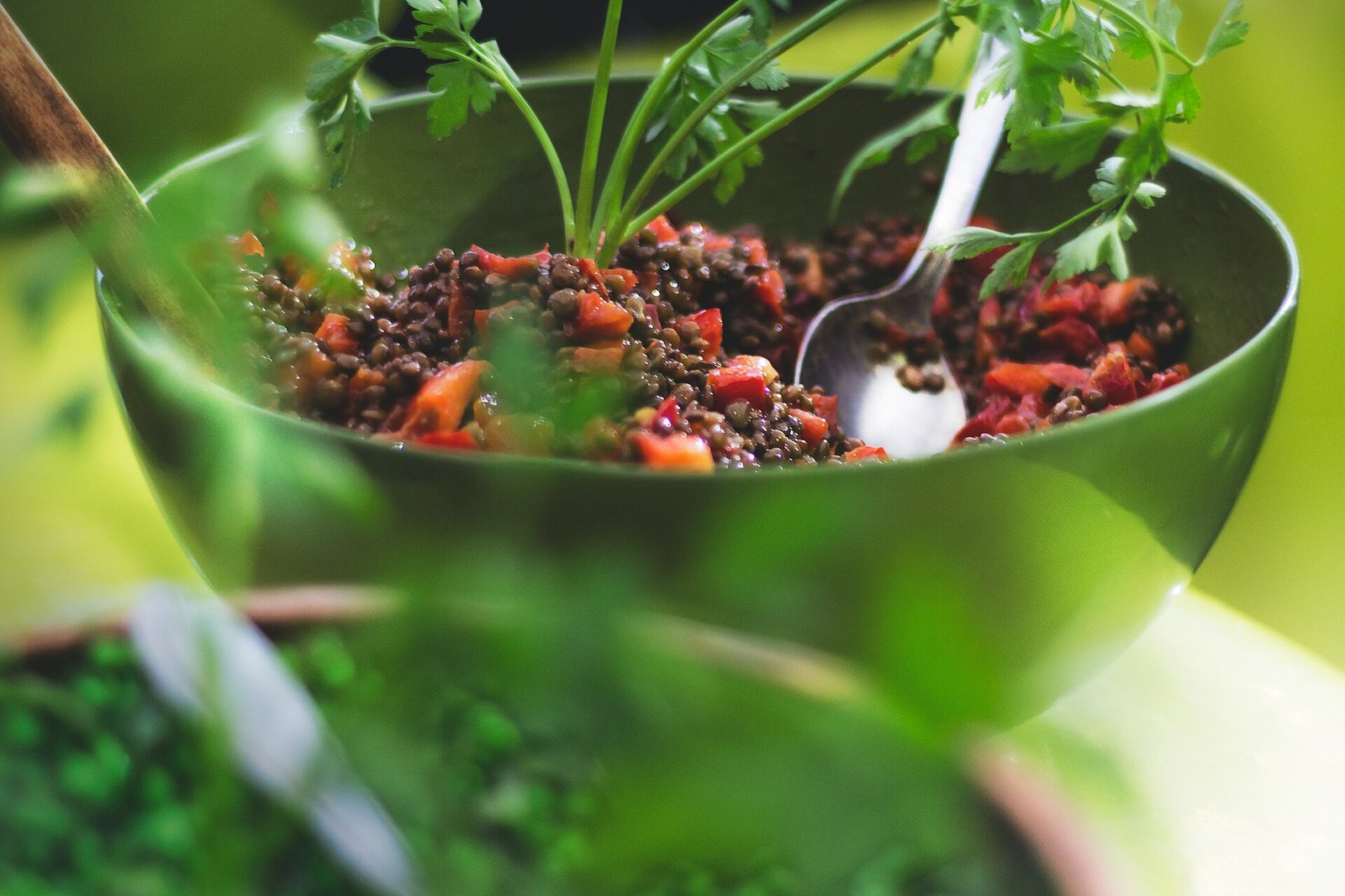
1. Build a Mediterranean-style plate
Fill half the plate with vegetables or salad, a quarter with whole grains or starchy vegetables, and a quarter with fish, poultry, beans, lentils, or tofu. Finish with a drizzle of olive oil, a handful of nuts or seeds, or a few avocado slices.
2. Plan for fatigue days
Fatigue is one of the most common MS symptoms listed by the NHS. Keep a “low-energy shelf”: frozen vegetables and berries, microwave brown rice or quinoa, canned beans and lentils (rinsed), canned salmon or sardines, eggs, plain yogurt, oats, and nut butter. Batch-cook on better days and freeze portions.
3. Cook at home when you can
Home cooking lets you choose the oils and the amount of salt, as the National MS Society/VA fact sheet notes. Sautéing uses less oil at a lower temperature than frying. An occupational therapist can suggest easier ways to prepare food if you have tremor or fatigue, according to MS Society UK.
4. Support bowel health
NINDS notes constipation is common in MS and can be managed with a high-fiber diet, laxatives, and stool softeners as advised. Build fiber gradually with oats, beans, lentils, whole grains, fruit, and vegetables, and drink enough fluid alongside it.
5. Shopping list default
Spinach, broccoli, carrots, peppers, tomatoes, frozen mixed vegetables, berries, apples, oranges, bananas, oats, brown rice, quinoa, barley, whole-wheat bread, lentils, chickpeas, black beans, salmon, sardines, white fish, skinless chicken, eggs, plain yogurt or kefir, sauerkraut or kimchi, extra virgin olive oil, avocados, almonds, walnuts, chia seeds, ground flaxseed, herbs, garlic, lemon.
6. Sample day (illustrative)
- – Breakfast: oatmeal with frozen berries, ground flaxseed, and a spoon of plain yogurt.
- – Lunch: lentil and vegetable soup with whole-grain bread.
- – Snack: an apple with a small handful of almonds.
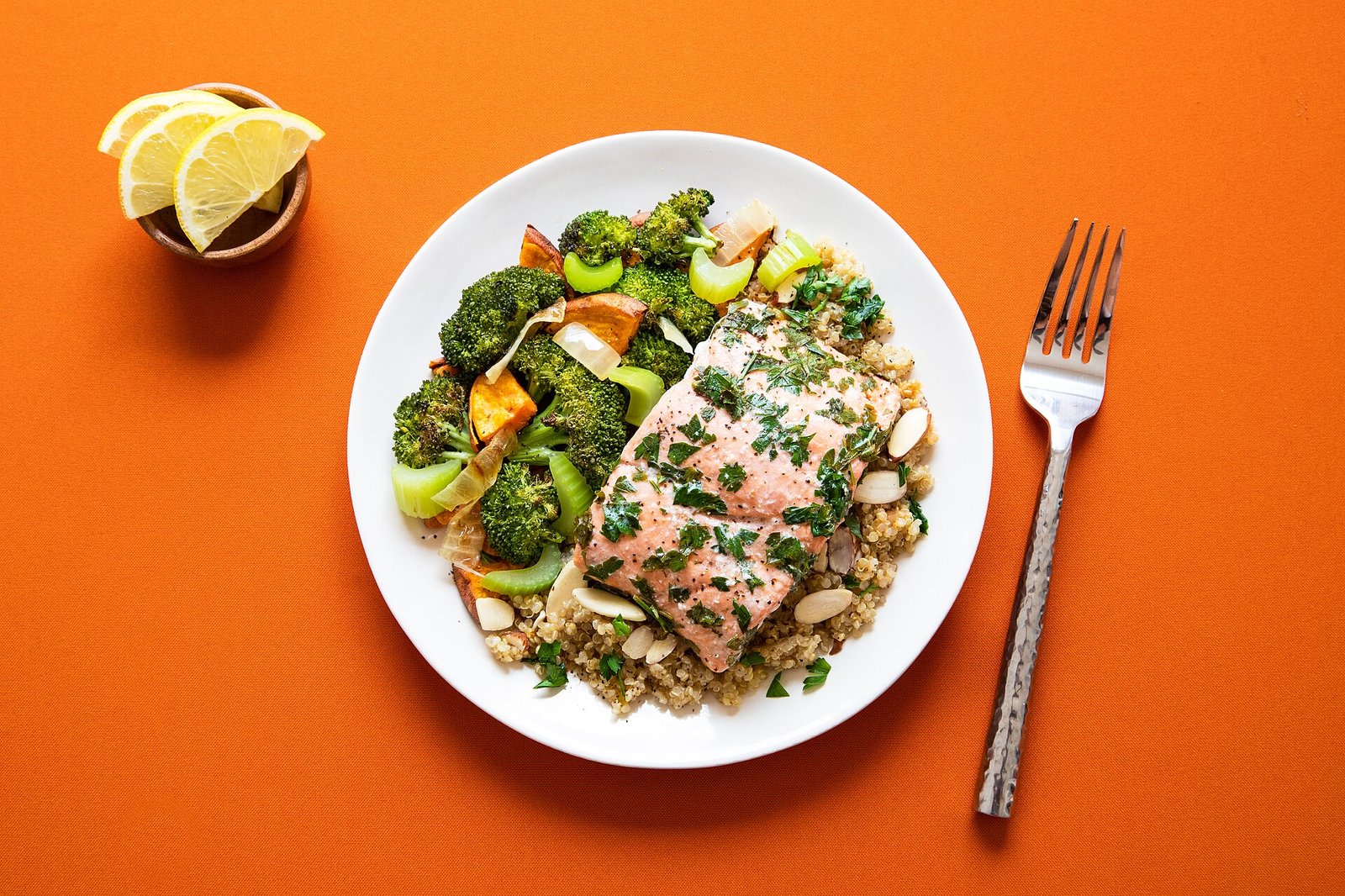
- – Dinner: baked salmon, quinoa, and roasted broccoli with olive oil and lemon.
- – Drinks: water spread through the day; coffee or tea if it suits your bladder and sleep.
7. If you feel nauseous
The National MS Society/VA fact sheet suggests cold foods, which often smell less and may be easier to tolerate—yogurt or chilled grain salads.
Safety, supplements, and medication interactions
- – Vitamin D: MS Society UK says everyone should consider regular vitamin D supplements, while ODS reports trials have not shown supplements stop MS symptoms from worsening or returning. ODS sets the adult upper limit at 100 mcg (4,000 IU) a day from all sources unless a clinician prescribes more for a deficiency. Very high blood levels can cause nausea, vomiting, confusion, kidney stones, and worse.
- – Steroids: NHS lists steroid medicine for MS relapses, and ODS notes steroids such as prednisone can lower vitamin D levels. Ask your team whether your vitamin D or bone health needs checking.
- – Other vitamin D interactions listed by ODS include orlistat (less vitamin D absorbed), cholesterol-lowering statins (which might not work as well with high-dose vitamin D), and thiazide diuretics (blood calcium could rise too high).
- – High-dose supplements: MS Society UK warns that high doses of some vitamins can build up in the body and be harmful. Food first is the preferred route.
- – Restrictive or elimination diets: MS Society UK says there’s no conclusive evidence for excluding foods to manage MS. If you want to try a structured plan, do it with a registered dietitian so you don’t lose key nutrients.
- – Alcohol and medicines: ask your GP, pharmacist, or MS team whether alcohol interacts with anything you take.
- – Tremor or weight loss: MS Society UK suggests asking for a dietitian referral.
Seek urgent help (NHS): call emergency services for sudden weakness or numbness in one arm, sudden loss or blurring of vision, or sudden balance problems—these can be signs of a stroke.
FAQ
What is the best diet for multiple sclerosis? There is no proven “MS diet.” The National MS Society/VA recommends a balanced, whole-food diet with fruits, vegetables, whole grains, lean protein, healthy fats, and fiber; a Mediterranean-style pattern follows these principles.
Should people with MS take vitamin D? MS Society UK suggests everyone consider regular vitamin D supplements, but ODS notes trials have not shown vitamin D stops MS symptoms getting worse or coming back. Ask your neurologist about testing and dose, and stay within the 4,000 IU adult upper limit unless prescribed otherwise.
Can I drink coffee with MS? Yes for most people, according to MS Society UK, which suggests about 4 cups a day seems fine for most adults. Cut back if caffeine affects your bladder, sleep, or nerves.
Is gluten-free or dairy-free better for MS? MS Society UK says there’s no conclusive evidence that excluding specific foods helps MS. Avoid foods only if you have a diagnosed allergy, intolerance, or condition such as celiac disease.
Related OTCFood guides
Bowel problems are common in MS, so our constipation diet guide covers fiber and fluids in more depth. Because steroids and lower activity can affect bones, the osteoporosis diet guide explains calcium and vitamin D foods.
Medical disclaimer
Medical disclaimer: This article is for general information only and is not medical advice. Multiple sclerosis must be diagnosed and managed by a neurologist and care team. Diet supports overall health but does not replace disease-modifying therapies, relapse treatment, or other prescribed care. Talk with your doctor or a registered dietitian before starting supplements or restrictive diets, and seek emergency care for sudden weakness, vision loss, or balance problems.
Featured image: Photo: Ella Olsson from Stockholm, Sweden via Wikimedia Commons (CC BY 2.0).