Cystic Fibrosis Diet: Foods That May Help and Foods to Limit
Medical note: This article discusses foods and researched botanicals. It does not claim to prevent, treat, or cure disease. Supplements are not a substitute for food, and studied amounts are not personal prescriptions.
People searching “cystic fibrosis diet foods that help or worsen” usually want kitchen habits that support nutrition goals set by a CF care team—not a claim that food replaces airway clearance, medicines, or clinician-directed pancreatic enzyme replacement when prescribed. MedlinePlus describes cystic fibrosis (CF) as an inherited disease of the mucus and sweat glands that mostly affects the lungs, pancreas, liver, intestines, sinuses, and sex organs. Thick, sticky mucus can clog the lungs and impair digestion. There is no cure for CF, but treatments have improved; MedlinePlus notes nutritional and respiratory therapies among care options.
What this cystic fibrosis diet guide covers (and what it does not)

This guide is for people living with CF (and caregivers) who want plain-language kitchen framing while they follow a CF specialist team that NHLBI says may include dietitians, lung doctors, and others. Anchors: MedlinePlus — Cystic Fibrosis, MedlinePlus Medical Encyclopedia — Cystic fibrosis, NHLBI — What Is Cystic Fibrosis?, NHLBI — Living With, and ODS — Vitamin D.
MedlinePlus encyclopedia notes that bowel and nutritional care may include a special diet high in protein and calories for older children and adults; pancreatic enzymes to help absorb fats and protein, taken with every meal when prescribed; and vitamin supplements, especially vitamins A, D, E, and K. NHLBI Living With pages describe malnutrition risk when nutrients are not absorbed well, CF-related diabetes risk from pancreatic damage, and salt-loss syndrome in which the body can lose salt quickly. Do not invent gram, calorie, or enzyme-unit targets from this article—those come from your CF clinic.
Evidence snapshot: CF diet claims vs public sources
| Claim people hope for | What public sources actually say | Confidence |
|---|---|---|
| “A kitchen diet cures CF” | MedlinePlus: there is no cure; treatments include chest PT, nutritional and respiratory therapies, medicines, and exercise | Strong: food is supportive within medical care |
| “Skipping enzymes is fine if you ‘eat clean’” | MedlinePlus encyclopedia: pancreatic enzymes help absorb fats and protein and are taken with every meal when part of the plan | Strong: follow prescribed enzyme timing |
| “Any high-calorie junk pattern is automatically optimal” | Public sources emphasize high protein/calorie patterns when clinically directed—and monitoring malnutrition, diabetes, and salt loss with the team | Moderate: quality still matters under clinician guidance |
| “Extra salt is always required every day the same way” | NHLBI notes salt-loss syndrome risk; salt needs are individual and clinician-directed, especially with heat, illness, or exercise | Strong: do not invent fixed salt grams here |
| “Vitamin D megadoses replace CF vitamins A/D/E/K plans” | MedlinePlus lists fat-soluble vitamin supplements as part of nutritional care; ODS vitamin D pages are general—doses belong to your CF dietitian/clinician | Strong: no DIY megadoses |
Foods and patterns that may help with CF day-to-day nutrition support
“May help” means supporting calorie and protein goals your team sets, taking enzymes as prescribed with meals/snacks that contain fat or protein, and watching for diabetes and salt-loss issues—not a promise to clear lung mucus.
High-protein, higher-calorie patterns when the team recommends them
- – MedlinePlus encyclopedia describes a special diet high in protein and calories for older children and adults as one nutritional approach.
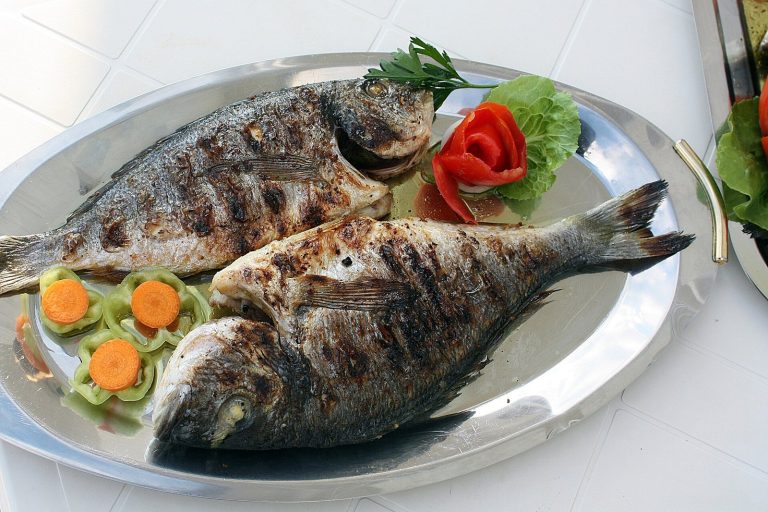
- – Practical ideas often include full-fat dairy if tolerated, eggs, meats, fish, nut butters, oils added to cooked foods, smoothies with yogurt or milk alternatives as planned, and frequent snacks—adjusted if CF-related diabetes or other limits apply.
- – Work with the CF dietitian on oral supplements or tube feeding if MedlinePlus-linked living resources or your clinic raise that option; this page does not decide that.
Pancreatic enzymes (PERT) with meals when prescribed
- – Take enzymes exactly as taught with meals and snacks that need them. Do not crush or change capsules in ways your pharmacist forbids.
- – Skipping enzymes to “eat less fat” can worsen malabsorption and malnutrition risk that NHLBI describes.
Fat-soluble vitamins and monitoring
- – Vitamins A, D, E, and K are often part of CF nutrition plans because fat absorption can be impaired. Blood levels guide dosing—see general nutrient literacy in vitamin D deficiency diet guide and iron deficiency anemia diet guide as context only.
- – Food sources of these vitamins complement, rather than replace, prescribed CF vitamin products when those are ordered.
Salt and fluids with clinical direction
- – NHLBI notes salt-loss syndrome with rapid salt loss and electrolyte imbalance risk. Hot weather, fever, or heavy sweating may change needs—ask your team before changing salt packets or sports drinks.
- – Stay hydrated per clinic advice, especially with airway clearance routines.
CF-related diabetes awareness in the kitchen
- – NHLBI notes diabetes as a common complication related to pancreatic damage. If you have CFRD, carbohydrate distribution and medicine plans override generic “eat as many calories as possible” slogans—pair with type 2 diabetes diet guide only as general carb-literacy reading, knowing CFRD care is specialized.
Foods and habits that often worsen CF kitchen patterns
- – Skipping prescribed enzymes with meals/snacks that require them.
- – Self-starting megadose vitamins or unregulated “lung detox” powders instead of CF-formulated vitamins and lab monitoring.
- – Ignoring weight loss, greasy stools, or bloating—MedlinePlus lists digestive symptoms that warrant clinic contact.
- – Alcohol-heavy patterns that disrupt nutrition, sleep, and medicine adherence.
- – Assuming a low-calorie “cleanse” is safer—malnutrition is a recognized CF risk on NHLBI pages.
- – Delaying care for pulmonary exacerbations while experimenting with diet alone—NHLBI describes worsening cough, mucus, and breathing as clinical events.
“Limit” means limiting habits that fight your prescribed nutrition plan—not moralizing every dessert your dietitian approved for calorie goals.
Practical kitchen protocol: a CF diet week (illustrative)
1. Keep the medical spine first
Airway clearance, inhaled medicines, CFTR modulators when prescribed, enzymes, vitamins, and clinic labs come first. Put enzyme bottles where meals actually happen.
2. Shopping list themes (customize with your dietitian)
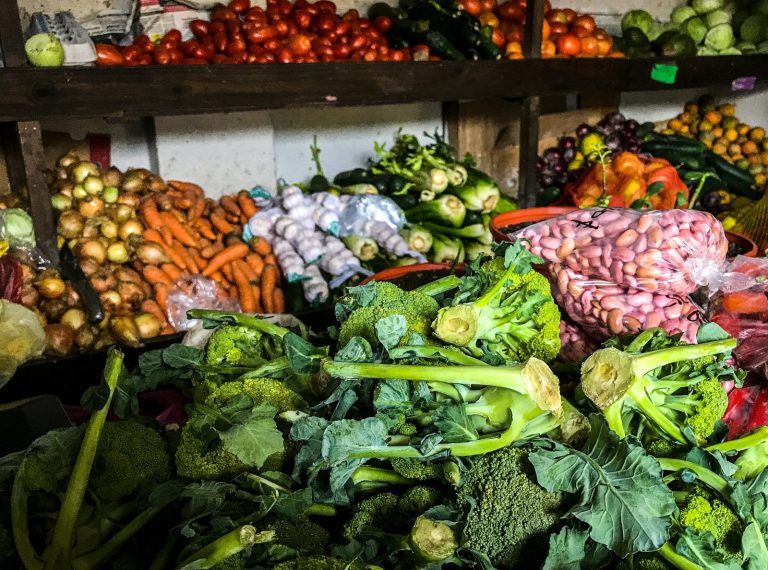
Protein foods; calorie-dense add-ins your plan allows (oils, cheese, avocado, nut butters); fruits and vegetables for micronutrients; salty snacks if the team wants more sodium in heat; glucose-monitoring supplies if you have CFRD; prescribed oral supplements.
3. Default meal template when pancreatic insufficient
- – Take enzymes as prescribed at the start of the meal
- – Include protein + fat + carbohydrate as planned
- – Add a snack with enzymes if that snack needs them
- – Log symptoms your clinic asked you to track (stool character, weight, glucose)
4. Sample day (illustrative only—not a calorie prescription)
- – Breakfast: eggs and toast with butter or avocado if allowed; milk or shake per plan; enzymes.
- – Lunch: hearty sandwich or rice bowl with meat/beans and oil; fruit; enzymes.
- – Snack: yogurt with granola or nut butter crackers; enzymes if required.
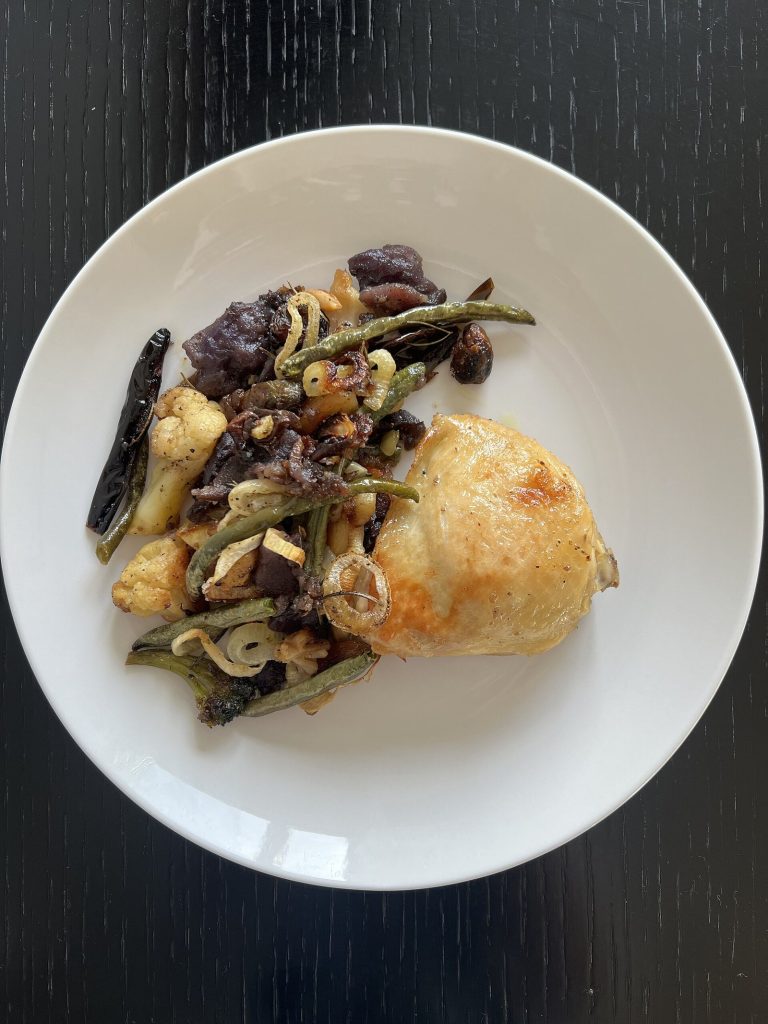
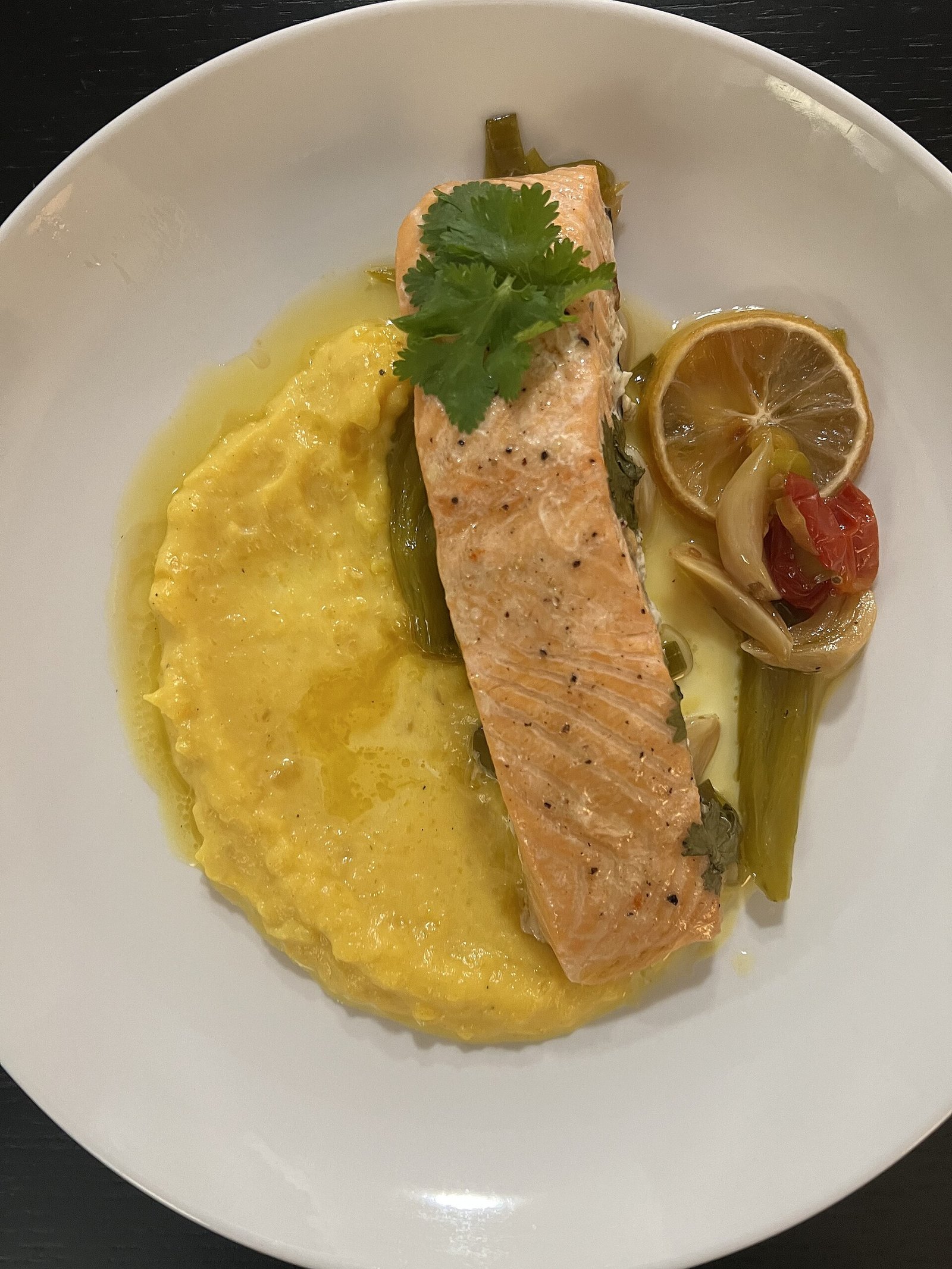
- – Dinner: salmon or chicken, potato, cooked vegetables with added oil; enzymes.
- – Evening: clinic-approved supplement drink if used.
5. Travel and school/work tips
Carry enzymes in original labeled containers; pack salt guidance for hot days; do not store enzymes in a hot car.
6. When digestion or lungs change
Weight drop, increased stools, or pulmonary symptoms need the CF team—see also related gut energy issues in short bowel syndrome diet guide only as loose context for malabsorption kitchens, not as CF equivalence.
Safety, interactions, and who should ask a clinician first
- – Children and teens: growth charts and CF pediatric dietitians drive targets—adult calorie lore does not automatically transfer.
- – Pregnancy with CF: NHLBI discusses fertility/pregnancy complexity—nutrition is specialist-led.
- – Drug–nutrient issues: ask pharmacists about enzymes, vitamins, and CFTR modulators with meals.
- – Constipation or distal intestinal obstruction risk: do not aggressively change fiber without the team.
- – Emergency signs: severe shortness of breath, coughing blood, confusion, or inability to keep enzymes/food down need urgent care.
FAQ
Does a high-calorie CF diet mean unlimited sugar is required? No. MedlinePlus notes high protein and calories when clinically indicated; CFRD and dental health still matter. Your dietitian individualizes.
Can I stop enzymes if stools look better for a week? Do not stop prescribed enzymes without your CF clinician. Malabsorption can return quietly.
Are sports drinks mandatory? Not universally. Salt and fluid plans depend on sweat losses, climate, and labs—NHLBI flags salt-loss risk without giving a single public gram rule here.
Will vitamin D alone fix CF bone or nutrition problems? ODS pages explain vitamin D generally; CF often needs coordinated fat-soluble vitamin care and densitometry plans from the clinic.
Is this the same as a COPD or asthma diet page? No. CF combines thick mucus disease with pancreatic and nutritional issues. Follow CF-specific team advice.
How this differs from related OTCFood topics
This page is a cystic-fibrosis-bound diet guide focused on clinician-directed high-protein/calorie patterns, enzyme adherence, fat-soluble vitamins, salt-loss awareness, and CFRD caution. It is not a general vitamin D deficiency diet guide protocol and not a substitute for airway clearance or CF medicines.
Medical disclaimer
Medical disclaimer: This article is for general information only. It is not medical advice, diagnosis, or a treatment plan. Cystic fibrosis care depends on genotype, lung function, pancreatic status, diabetes, and other complications. Talk with your CF care team or registered dietitian before starting, stopping, or changing any eating plan, enzyme dose, salt strategy, supplement, or medicine. Seek urgent care for severe breathing difficulty, coughing blood, signs of dehydration or salt loss, or allergic reactions to medicines.