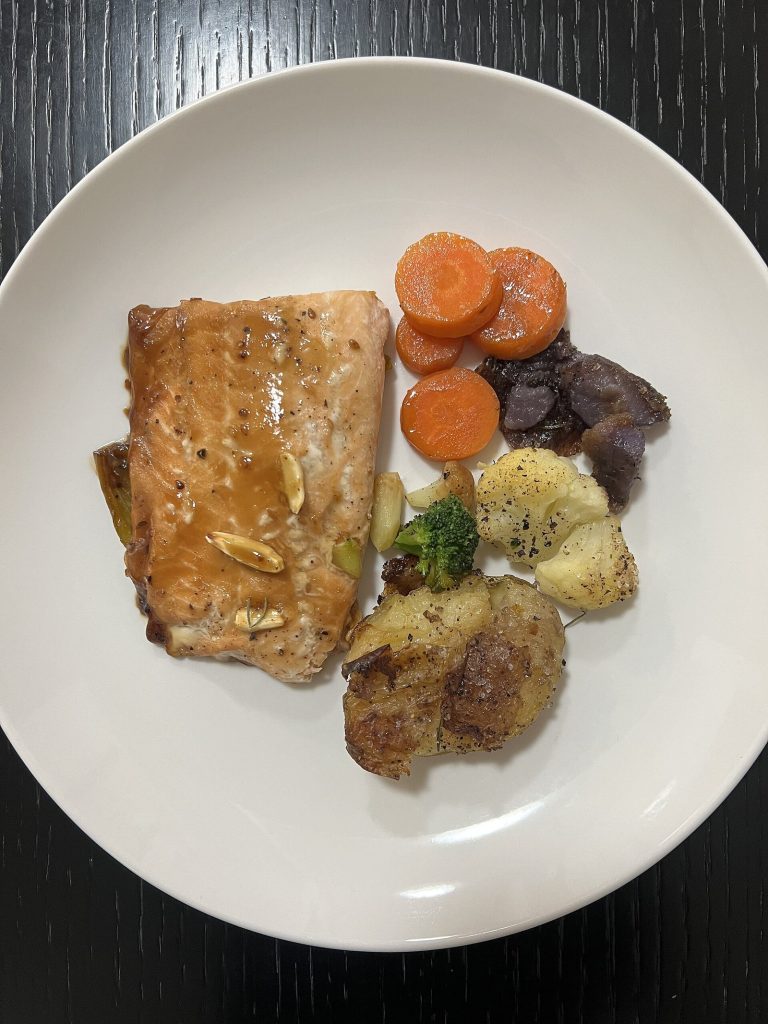
Metabolic Syndrome Diet: Foods That May Help and Foods to Limit
Medical note: This article discusses foods and researched botanicals. It does not claim to prevent, treat, or cure disease. Supplements are not a substitute for food, and studied amounts are not personal prescriptions.
People searching “metabolic syndrome diet foods that help or worsen” usually want a single plate pattern that addresses waist size, blood pressure, triglycerides, HDL, and blood sugar together—not a miracle “reverse diabetes overnight” menu. MedlinePlus defines metabolic syndrome as a cluster of risk factors for heart disease, diabetes, and other problems; having at least three (large waist, high triglycerides, low HDL, high blood pressure, high fasting glucose) meets the label. NHS says treatment usually means lifestyle change, sometimes with medicines for weight, glucose, cholesterol, or blood pressure. NHLBI’s DASH eating plan offers a flexible heart-healthy pattern. Food patterns may help risk markers; they do not replace prescribed medicines or clinical monitoring.
What this metabolic syndrome diet guide covers (and what it does not)

This guide is for adults told they have metabolic syndrome, insulin resistance syndrome, or “borderline” clustered labs who want kitchen defaults grounded in public guidance. Anchors: MedlinePlus — Metabolic Syndrome, MedlinePlus encyclopedia management, NHLBI — Metabolic Syndrome, NHLBI — DASH Eating Plan, NHS — Metabolic syndrome, and NIDDK — Type 2 diabetes risk factors.
MedlinePlus encyclopedia goals include losing about 7–10% of current weight when overweight, 150 minutes/week of moderate activity, healthier fats, less salt, and quitting smoking. Chest pain, one-sided weakness, or very high glucose symptoms need urgent care—not a juice cleanse.
Evidence snapshot: metabolic syndrome diet claims vs public sources
| Claim people hope for | What public sources actually say | Confidence |
|---|---|---|
| “One special diet cures metabolic syndrome” | NHS/MedlinePlus: lifestyle (weight, activity, diet pattern) is first-line; medicines often added; no single magic food | Moderate for pattern; not a cure claim |
| “DASH helps the cluster” | NHLBI: DASH emphasizes vegetables, fruits, whole grains, low-fat dairy, fish, poultry, beans, nuts, vegetable oils; limits saturated fat and sodium | Moderate–strong for blood pressure and heart-healthy eating |
| “Cut all carbs” | Public guidance stresses overall pattern, calorie deficit when needed, and less saturated fat—not mandatory zero-carb | Low for extreme carb elimination as required |
| “Fruit is forbidden because of sugar” | DASH and NHS encourage more fruit and vegetables as part of the healthy pattern | Moderate that whole fruit fits most plans |
| “Supplements replace statins or BP drugs” | Lifestyle plus clinician-prescribed medicines as needed (MedlinePlus encyclopedia) | Strong: do not stop medicines for supplements |
Foods and patterns that may help with metabolic syndrome markers
“May help” means patterns associated with better blood pressure, lipids, glucose, and waist trends—not guaranteed normalization without medical care.
DASH-style daily defaults (NHLBI)
- – Vegetables, fruits, and whole grains as the base.
- – Fat-free or low-fat dairy, fish, poultry, beans, nuts, and vegetable oils.
- – Limit fatty meats, full-fat dairy, and tropical oils high in saturated fat (coconut, palm).
- – Choose foods rich in potassium, calcium, magnesium, fiber, and protein; watch sodium (DASH tables often use 2,300 mg, with 1,500 mg lowering BP further for some).
NHS lifestyle pillars
- – Lose weight if overweight.
- – Eat less saturated fat; shift from excess meat/full-fat dairy toward more fruit, vegetables, and whole grains.
- – At least 150 minutes of moderate-to-intense activity weekly across 4–5+ days; avoid long sitting.
- – Quit smoking; limit heavy alcohol.
Weight and calorie math (MedlinePlus encyclopedia)
- – A common clinical target is 7–10% weight loss; many people need about 500–1,000 fewer kcal/day—there is no single best diet, only patterns you can sustain with clinician oversight.
- – NIDDK: maintaining a healthy weight and activity may help avoid some type 2 diabetes risk factors you can change.
Practical produce and protein swaps
- – Build half-plate vegetables at lunch and dinner.
- – Swap sugary drinks for water or unsweetened tea/coffee.
- – Choose fish or beans several times weekly instead of processed meats.
- – Use olive or other liquid vegetable oils instead of butter-heavy cooking when calories allow.
Foods and habits that often worsen metabolic syndrome patterns
- – High saturated-fat patterns—NHS explicitly flags high-saturated-fat diets as a risk context; fatty meats and full-fat dairy excess work against DASH targets.
- – Sugar-sweetened beverages and frequent desserts—add calories that undermine the 7–10% weight goal.
- – Ultra-salty packaged meals—oppose DASH sodium goals and blood-pressure control.
- – Long sitting days with little movement—NHS lists inactivity as a risk; diet alone cannot fix sedentary risk.
- – Heavy alcohol—NHS lists drinking a lot of alcohol among risk factors.
- – Stopping prescribed glucose, BP, or lipid medicines because labs improved slightly on diet—changes need clinician confirmation.
“Limit” means smaller portions and fewer weekly servings—not fear of all meat or all starch.
Practical kitchen protocol: a metabolic syndrome diet week
1. Know your five numbers
Waist, triglycerides, HDL, blood pressure, fasting glucose (or HbA1c). Re-check on the schedule your clinician sets so food changes can be judged honestly.
2. DASH-inspired shopping list
Leafy greens, tomatoes, berries, apples, oats, brown rice, beans, lentils, nuts (portioned), low-fat yogurt or milk, fish, skinless poultry, olive oil, herbs instead of salt packets, and sparkling water for soda swaps.
3. Plate template
-½ non-starchy vegetables -¼ whole grains or starchy vegetables -¼ lean protein or beans -Fruit for dessert; dairy or fortified alternative as planned
4. Sample day (illustrative; adjust calories to weight goal)
- – Breakfast: oatmeal with berries and low-fat yogurt; coffee without sugar syrups.
- – Lunch: large salad with chickpeas, vegetables, olive oil/vinegar; whole-grain roll.
- – Snack: apple and a small handful of nuts.
- – Dinner: grilled fish, quinoa, roasted vegetables; fruit.
- – Movement: brisk walking toward the 150-minute weekly total.
5. Restaurant rules
Grill/bake/steam defaults; sauces on the side; share large portions; skip bottomless chips and sugary drinks; ask for vegetables instead of fries.
6. If medicines are added
Metformin, antihypertensives, statins, or weight-management medicines change monitoring needs—keep the same DASH-leaning pattern unless your clinician or dietitian individualizes carbohydrates or potassium (especially with some BP drugs).
7. Two-week experiment
Track waist, home BP if advised, sugary-drink count, and vegetable servings. Aim for consistency over perfection; MedlinePlus notes many diet styles can create a calorie deficit.
8. Label-reading shortcuts
On packaged foods, compare saturated fat and sodium per serving; prefer products closer to DASH targets. Sugar-sweetened drinks often hide multiple teaspoons of sugar—switching most of them to water is one of the highest-yield kitchen changes for waist and triglyceride trends when weight loss is advised.
Safety, interactions, and who should ask a clinician first

- – Metabolic syndrome raises long-term risk of cardiovascular disease, type 2 diabetes, stroke, kidney disease, NAFLD, osteoarthritis, gout, and some cancers (NHS)—diet is one pillar.
- – Rapid very-low-calorie diets, unmonitored supplements, or stopping medicines can be dangerous.
- – Hypoglycemia risk rises if you take glucose-lowering drugs and suddenly slash carbs—coordinate changes.
- – Pregnancy, CKD, heart failure, or eating disorders need specialized nutrition plans.
- – Emergency: chest pain, stroke signs, severe hyperglycemia symptoms, or fainting.
FAQ
Can diet reverse metabolic syndrome? Lifestyle changes are the mainstay (NHS/MedlinePlus) and may improve risk factors enough that the cluster no longer meets criteria for some people—especially with 7–10% weight loss—but medicines are often still needed, and “reverse” is not guaranteed.
Is fruit allowed? Yes in DASH and NHS guidance as part of more fruit and vegetables. Portion awareness matters inside a calorie plan.
Do I need a keto or carnivore diet? Not according to these public sources. DASH-style and other balanced patterns with less saturated fat are the documented defaults; choose a sustainable plan with your clinician.
How soon will labs change? It varies. Weight, BP, and triglycerides can shift over weeks to months; keep medicines and follow-up labs on schedule.
How this differs from related OTCFood topics
This page is a metabolic syndrome cluster diet guide tying waist, BP, lipids, and glucose to one kitchen pattern. It is not only a type 2 diabetes plate guide diabetes plate, not only a high blood pressure foods guide sodium clinic sheet, not only a high cholesterol diet guide LDL guide, and not a fatty liver diet basics NAFLD deep dive—though those topics often travel together.
Medical disclaimer
Medical disclaimer: This article is for general information only. It is not medical advice, diagnosis, or a treatment plan. Metabolic syndrome care depends on your labs, medicines, and cardiovascular risk. Talk with a clinician or registered dietitian before starting, stopping, or changing any eating plan, supplement, or medication. Seek urgent care for chest pain, stroke symptoms, or severe metabolic distress.