Diabetic Retinopathy Diet: Foods That May Help and Foods to Limit
Medical note: This article discusses foods and researched botanicals. It does not claim to prevent, treat, or cure disease. Supplements are not a substitute for food, and studied amounts are not personal prescriptions.
People searching “diabetic retinopathy diet foods that help or worsen” usually want eating patterns that support blood glucose, blood pressure, and cholesterol goals—the diabetes ABCs—alongside eye exams and ophthalmology care. The National Eye Institute (NEI) describes diabetic retinopathy as damage to retinal blood vessels that can lead to vision loss and blindness in people with diabetes. NIDDK groups diabetic retinopathy with diabetic macular edema, cataracts, and glaucoma under diabetic eye disease. Diet may help you manage the ABCs; it does not replace dilated eye exams, laser treatment, injections, or surgery when those are indicated. This guide is supportive only. It cannot cure or reverse retinopathy on its own.
What this diabetic retinopathy diet guide covers (and what it does not)
This page is for adults with type 1, type 2, or other diabetes who want kitchen habits that align with protecting vision. Anchors: NEI — Diabetic Retinopathy, NIDDK — Diabetic Eye Disease, MedlinePlus — Diabetic Eye Problems, and NHS — Diabetic retinopathy.
NEI stresses that early retinopathy often has no symptoms; yearly dilated exams (schedules vary by diabetes type and pregnancy status) catch problems when treatment can still protect sight. NIDDK notes that finding and treating diabetic retinopathy early can reduce the risk of blindness by about 95 percent. Sudden showers of floaters, flashes, a curtain over vision, or rapid vision loss are emergency symptoms—call eye care or emergency services immediately, do not wait on a new berry smoothie.
Evidence snapshot: diabetic retinopathy diet claims vs public sources
| Claim people hope for | What public sources actually say | Confidence |
|---|---|---|
| “Eye foods reverse retinopathy” | NEI/NIDDK: manage diabetes ABCs, quit smoking, get exams; advanced disease needs eye procedures | Strong: no food cure or guaranteed reverse |
| “Controlling glucose, BP, and cholesterol helps protect eyes” | NIDDK: best ways to keep eyes healthy include managing blood glucose, blood pressure, and cholesterol; quit smoking | Strong for risk reduction / slowing worsening |
| “Bilberry or eye vitamins replace exams” | Public NEI/NIDDK pages prioritize exams and ABC control; AREDS-style formulas are a different macular-degeneration conversation | Low for bilberry as retinopathy therapy |
| “Blurry vision always means permanent retinal damage” | NIDDK: short-term blur can occur when glucose is high or changing and may improve as glucose nears target—still get exams | Moderate: temporary blur ≠ skip ophthalmology |
| “Gestational diabetes always causes retinopathy” | NIDDK: gestational diabetes alone usually does not; preexisting diabetes in pregnancy needs prompt exams | Strong for exam timing rules |
Foods and patterns that may help protect vision alongside medical care
“May help” means grocery patterns that support A1C, blood pressure, and lipid goals your clinicians set—not a promise to clear retinal bleeds.
Carbohydrate quality and consistency for glucose targets
- – Emphasize non-starchy vegetables, beans, lentils, whole grains in portions that fit your meal plan, and lean proteins.
- – Match carbohydrate timing to your medicines the way your diabetes educator taught— erratic binge-restrict cycles make ABC control harder.
- – Cross-read type 2 diabetes plate guide for plate structure details that still apply when eye disease is present.
Blood-pressure-aware kitchen habits
- – NIDDK lists untreated high blood pressure among factors that raise diabetic eye disease risk.
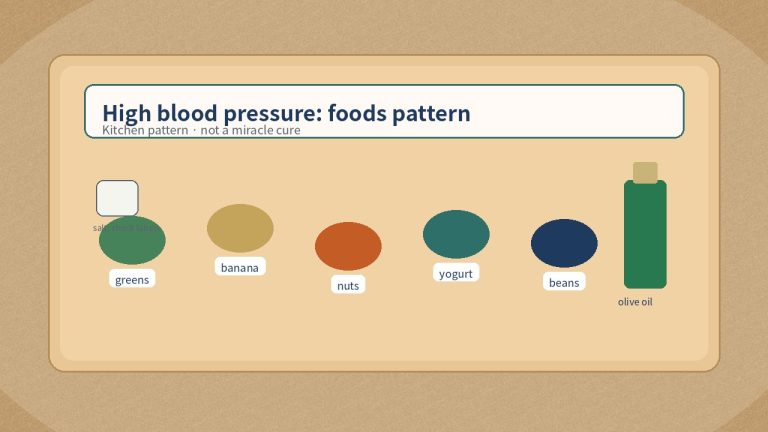
- – Practical steps often include reducing ultra-processed salty foods, cooking more from fresh or rinsed canned ingredients, and following your clinician’s sodium target. See high blood pressure diet guide for deeper BP-focused guidance.
Heart-aware fats and cholesterol support
- – Prefer olive oil, nuts in portion-controlled amounts, avocado, and fish; limit frequent fried takeout.
- – High cholesterol is listed by NIDDK among factors that may raise eye-disease risk—follow lipid medicines and diet advice together.
Produce patterns overlapping eye nutrition research elsewhere
- – Dark leafy greens and colorful vegetables appear in many vision-oriented dietary patterns discussed for macular health; retinopathy care still hinges on ABC control and exams. Readers comparing conditions can review AMD diet guide without assuming the same supplement protocols apply.
Quit-smoking support on the plate
- – NIDDK and NEI both stress smoking cessation for eye protection. Pair quit aids from your clinician with regular meals so nicotine withdrawal does not trigger chaotic eating.
Foods and habits that often worsen diabetic eye risk patterns
- – Long stretches of very high glucose from skipped medicines or sugar-sweetened beverage habit—NIDDK: ongoing high glucose damages tiny retinal vessels.
- – Salty packaged foods every day when blood pressure is above target.
- – Frequent deep-fried meals and large sugary desserts that crowd out vegetables and make lipid/glucose goals harder.
- – Alcohol excess that destabilizes glucose and BP plans.
- – Skipping dilated eye exams because “my vision seems fine”—early disease is often silent (NEI/NIDDK).
- – Unverified “eye detox” supplements that delay anti-VEGF, laser, or surgical care when those are recommended.
“Limit” means reduce patterns that fight ABC goals—not that one birthday cake permanently dooms vision.
Practical kitchen protocol: a retinopathy-supportive diet week
1. Align food with your written ABC targets
Know your A1C (or time-in-range), blood pressure, and cholesterol goals. Bring a three-day food log to diabetes and eye visits so advice is concrete.
2. Shopping list that serves ABC control
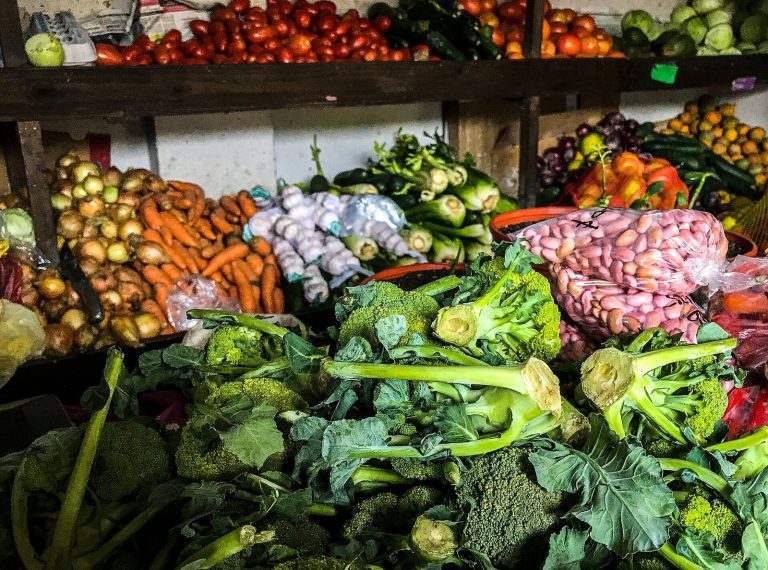
Leafy greens, broccoli, tomatoes, berries, beans, lentils, oats, barley, brown rice in measured portions, fish, poultry, tofu, plain yogurt, olive oil, unsalted nuts, herbs and spices instead of salty sauces, sparkling water to replace soda.
3. Default plate template
- – Half non-starchy vegetables
- – Quarter lean protein
- – Quarter carbohydrate foods that fit your plan
- – Water or unsweetened drinks with meals
4. Sample day (illustrative—individualize with your team)
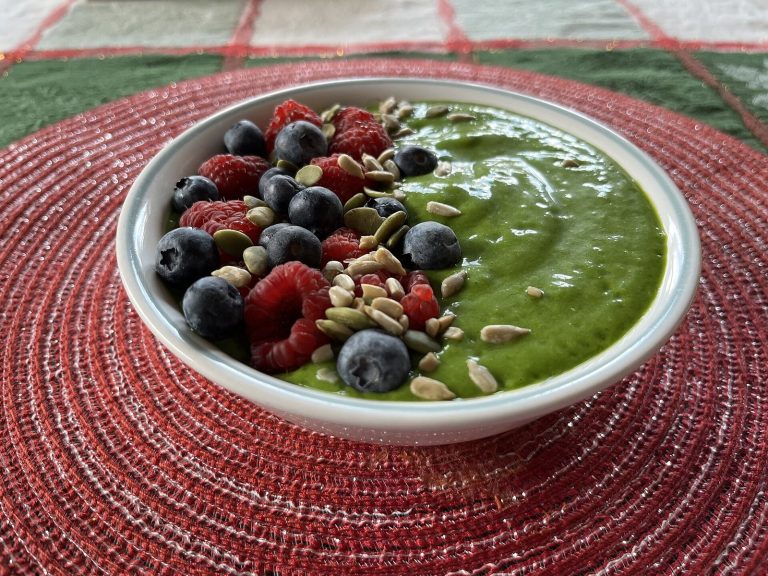
- – Breakfast: Oatmeal with berries and a spoon of nuts; coffee without sugar-sweetened syrups if glucose runs high.
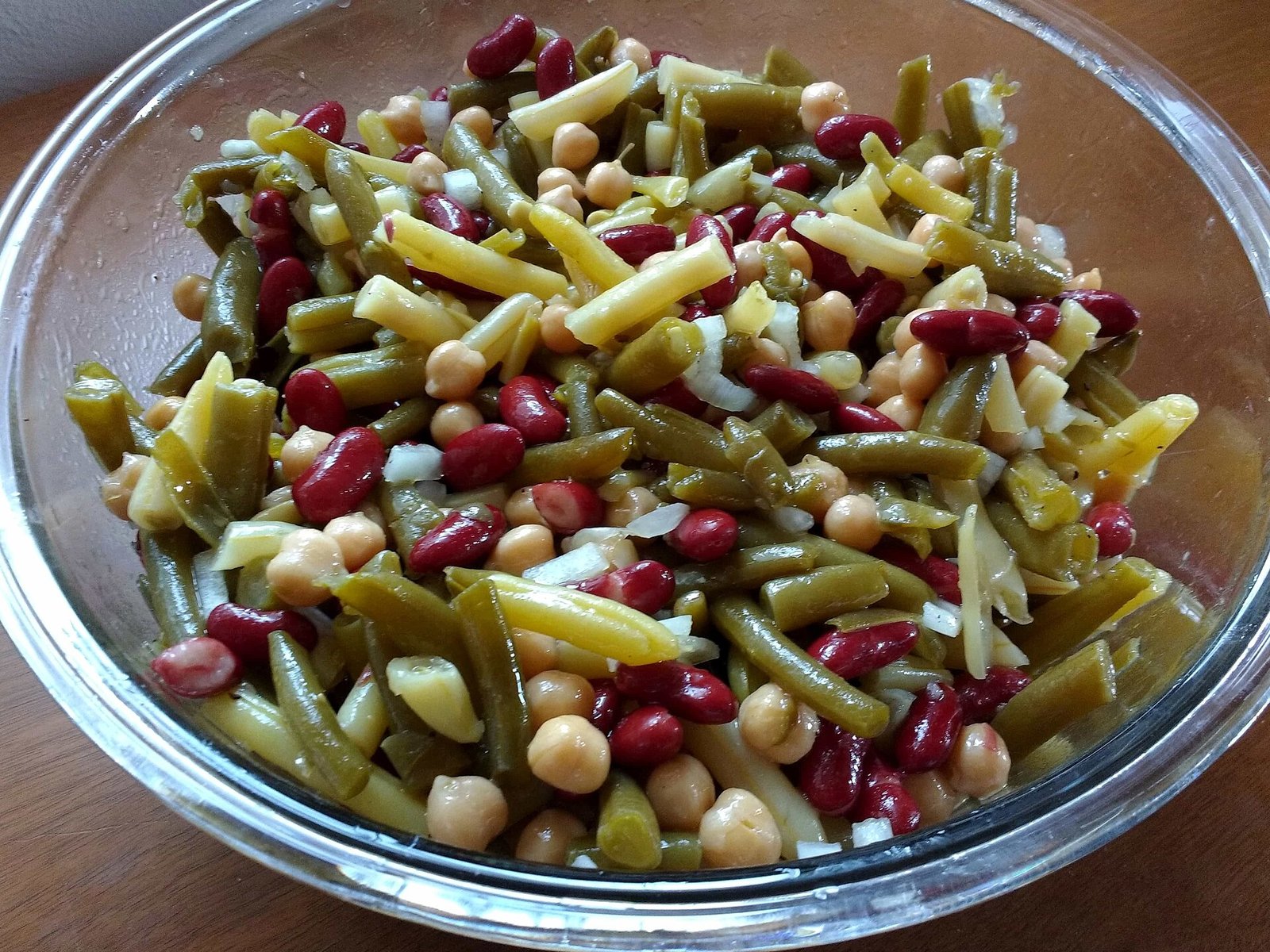
- – Lunch: Bean-and-vegetable salad with olive oil, or a grilled fish bowl with measured grains.
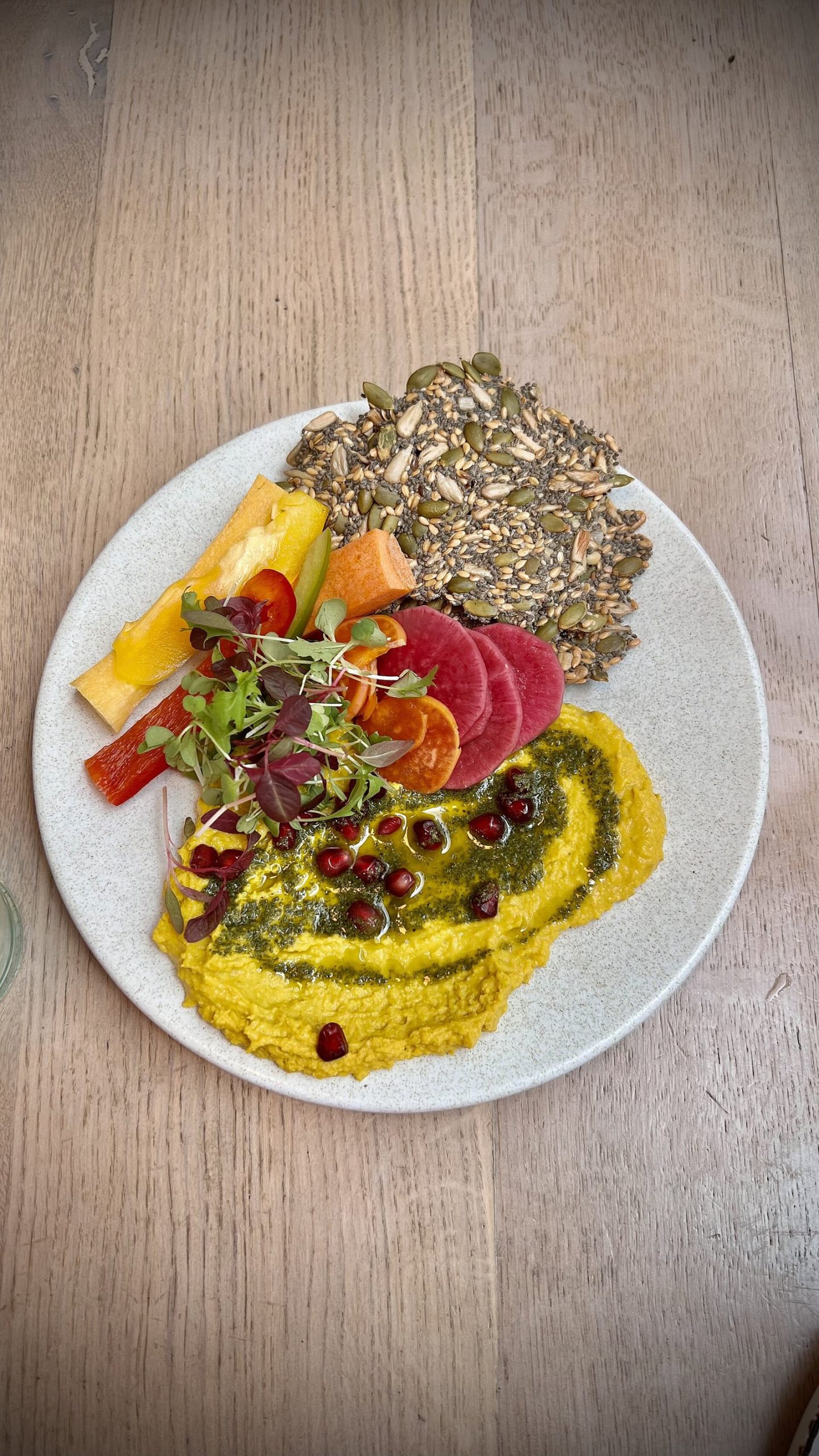
- – Snack: Yogurt or raw vegetables with hummus if the plan allows.
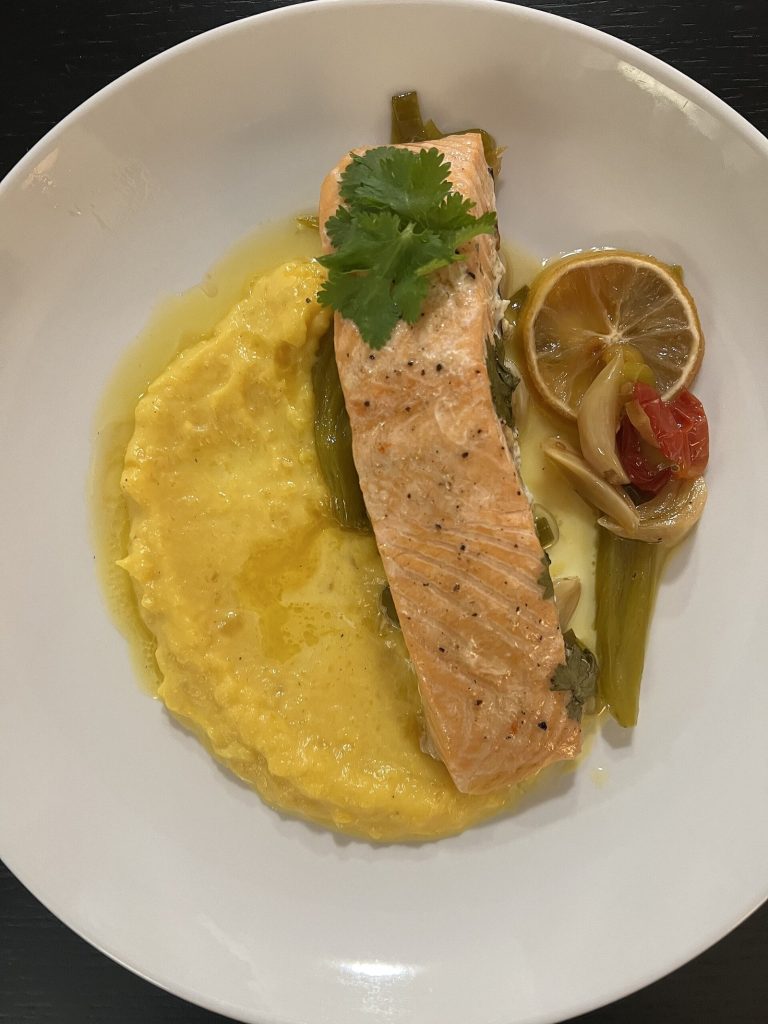
- – Dinner: Baked fish or tofu, large salad or cooked greens, small potato or rice portion per targets.
- – Evening: Unsweetened tea; skip routine late sugary snacks that spike overnight glucose.
5. Eating out
Ask for sauces and dressings on the side; choose grilled proteins; swap fries for vegetables; measure alcohol carefully or skip it. Request nutrition info when glucose dosing depends on carbs.
6. Red-flag see-an-eye-doctor / emergency list (NIDDK/NEI)
- – Sudden many new floaters or flashes of light
- – A dark curtain or shadow over part of your vision
- – Abrupt vision loss or severe eye pain
- – Pregnancy with preexisting diabetes—arrange exams early (NIDDK: before pregnancy or in first trimester, with follow-ups as advised)
- – Any instructed follow-up after anti-VEGF, laser, or vitrectomy—do not postpone for diet experiments
Extra practical note for low-vision days
If vision is already reduced, use high-contrast cutting boards, talking meters if needed, pre-portioned medications, and meal-delivery or caregiver help for knife work. NIDDK discusses living with some vision loss while still managing diabetes—ask for low-vision rehab referrals rather than giving up ABC care. If pregnancy planning is active, coordinate endocrine and eye care early; gestational diabetes diet guide covers pregnancy-onset diabetes separately.
Safety, interactions, and who should ask a clinician first
- – Diet supports but does not replace ophthalmology treatment for macular edema or proliferative disease.
- – Rapid tightening of glucose after long hyperglycemia can occasionally relate to early retinopathy changes—coordinate intensification plans with both diabetes and eye clinicians.
- – Blood pressure and diabetes medicines have dietary interactions (for example potassium with some drugs)—pharmacist review helps.
- – Supplements marketed for “eye repair” can interact with anticoagulants or provide excess vitamin A—ask before adding.
- – Children and teens with diabetes need age-specific exam schedules from pediatric specialists—this adult-oriented kitchen guide is not a pediatric protocol.
FAQ
Can diet reverse diabetic retinopathy? Public NEI/NIDDK education does not present food as a reverse therapy. Controlling the ABCs and getting timely eye treatment may help prevent worsening and protect remaining vision.
If my vision is blurry, is it too late? Not necessarily. Temporary blur can occur with high or changing glucose, and many eye treatments aim to protect or sometimes improve vision. Get a dilated exam promptly.
Do I need AREDS eye vitamins for retinopathy? AREDS formulas are primarily studied for age-related macular degeneration, not as standard diabetic retinopathy therapy. Ask your ophthalmologist before taking them.
How often should I get eye exams? NIDDK summarizes: type 1 often starting within five years of diagnosis then yearly; type 2 starting at diagnosis then yearly; pregnancy with preexisting diabetes needs earlier and possibly more frequent exams. Follow your eye clinician’s schedule.
Does quitting smoking really matter for eyes? Yes. NIDDK includes quitting smoking among key steps to protect eyes along with ABC control and exams.
How this differs from related OTCFood topics
This page is a diabetic retinopathy–bound diet guide tying kitchen habits to ABC control and exam adherence. It is not a standalone AMD diet guide supplement page, not only a type 2 diabetes plate guide glucose primer, and not a pure high blood pressure diet guide sodium tutorial—though all three overlap for many readers.
Medical disclaimer
Medical disclaimer: This article is for general information only. It is not medical advice, diagnosis, or a treatment plan. Diabetic eye disease can progress silently and cause permanent vision loss. Follow your ophthalmologist and diabetes care team regarding exams, medicines, injections, laser, surgery, and glucose/blood pressure targets. Talk with a clinician or registered dietitian before starting, stopping, or changing any eating plan or supplement. Seek emergency eye care for sudden floaters, flashes, curtain-like vision loss, or abrupt blindness symptoms.