Prediabetes and Insulin Resistance Diet: Foods That May Help and Foods to Limit
Medical note: This article discusses foods and researched botanicals. It does not claim to prevent, treat, or cure disease. Supplements are not a substitute for food, and studied amounts are not personal prescriptions.
Short answer: For prediabetes and insulin resistance, the eating pattern most often recommended by NIDDK and the CDC is a reduced-calorie, plate-based diet built on non-starchy vegetables, high-fiber carbohydrates (whole grains, beans, whole fruit), and lean protein, with water instead of sweetened drinks. If you have overweight, losing about 5% to 7% of your body weight—roughly 10 to 14 pounds for a 200-pound person—plus 150 minutes a week of brisk activity may help lower your chance of developing type 2 diabetes. In the CDC-led National Diabetes Prevention Program, these changes lowered risk by 58% (71% for people over 60). Foods to limit include sugary drinks, sweets, refined snacks, high-sodium processed foods, and large portions.
What prediabetes and insulin resistance mean
According to NIDDK, insulin resistance happens when cells in your muscles, fat, and liver don’t respond well to insulin, the hormone that moves glucose into cells. Prediabetes means blood glucose is higher than normal but not high enough for a type 2 diabetes diagnosis. NIDDK says about 97.6 million U.S. adults had prediabetes in 2021, and that people with prediabetes have a high chance of developing type 2 diabetes within 5 to 10 years—though not everyone does.
NIDDK lists these diagnostic ranges:
- – A1C: 5.7% to 6.4%
- – Fasting plasma glucose: 100 to 125 mg/dL
- – Oral glucose tolerance test: 140 to 199 mg/dL
Most people have no symptoms, the CDC notes, which is why testing matters if you have risk factors such as overweight, age 45 or older (NIDDK uses 35), a family history of type 2 diabetes, past gestational diabetes, or polycystic ovary syndrome (PCOS).
Evidence snapshot: prediabetes diet claims vs public sources
| Claim | What reliable sources say | Confidence |
|---|---|---|
| “Modest weight loss lowers diabetes risk” | NIDDK: in the NIH Diabetes Prevention Program, losing 5% to 7% of starting weight reduced the chance of developing diabetes | Strong |
| “A structured lifestyle program helps” | CDC: the National Diabetes Prevention Program can lower type 2 diabetes risk by 58% (71% if over 60) | Strong |
| “Portion size matters more than one ‘superfood'” | NIDDK: eat smaller portions to reduce calories, choose foods with less fat, and drink water instead of sweetened beverages | Strong |
| “The plate method works without counting carbs” | NIDDK: half non-starchy vegetables, a quarter high-fiber carbs, a quarter protein; people not on insulin may not need to count carbs | Moderate–strong (practical tool) |
| “Sleep is part of the plan” | NIDDK lists getting enough sleep alongside healthy eating, activity, and weight management | Moderate |
| “Supplements or cinnamon can replace lifestyle change” | Not supported by these sources; NIDDK names lifestyle change and, for some people, metformin | Not supported |
Foods that may help with prediabetes and insulin resistance
Using NIDDK’s diabetes meal-planning guidance, which also fits prediabetes, focus on:
- – Non-starchy vegetables (half the plate): leafy greens, peppers, carrots, green beans, broccoli, cauliflower, tomatoes, zucchini.
- – High-fiber carbohydrates (a quarter of the plate): brown rice, whole grains, beans, lentils, whole fruit.
- – Lean protein (a quarter of the plate): lean meats, fish, dairy, tofu and other soy foods, eggs.
- – Foods with healthy fats and fiber: NIDDK advises choosing foods that include vitamins, calcium, fiber, and healthy fats—think nuts, seeds, olive oil, avocado, and fish.
- – Zero- or low-calorie drinks: tap or bottled water, low-fat or non-fat milk, unsweetened tea or coffee, and sparkling water.
- – Whole fruit instead of juice, so you get the fiber along with the sweetness.
Foods to limit with prediabetes
- – Sugary drinks: soda, juice, flavored coffee drinks, and sports drinks (NIDDK). Swapping these for water is one of the simplest calorie cuts.
- – Sweets and baked goods: cookies, cakes, pastries, candy.
- – High-sodium processed foods, which NIDDK lists among foods to limit in a diabetes meal plan.
- – Large portions of starchy foods: potatoes, corn, white rice, and white bread have more carbs; keep them to about a quarter of the plate.
- – Saturated fat and high-calorie extras: NIDDK suggests fewer foods high in saturated fat. Fried foods, creamy sauces, and fatty meats make calorie reduction harder, and choosing foods with less fat is one way NIDDK suggests to cut calories.
- – Alcohol, especially on an empty stomach, if you take glucose-lowering medicine. NIDDK warns that with insulin or certain diabetes medicines, alcohol can make blood glucose drop too low; ask your team what applies to you.
- – Smoking and vaping: NIDDK lists smoking, including e-cigarettes, as a risk factor for insulin resistance and prediabetes.
Practical plate guide: a prediabetes meal plan you can repeat
1. Use the 9-inch plate
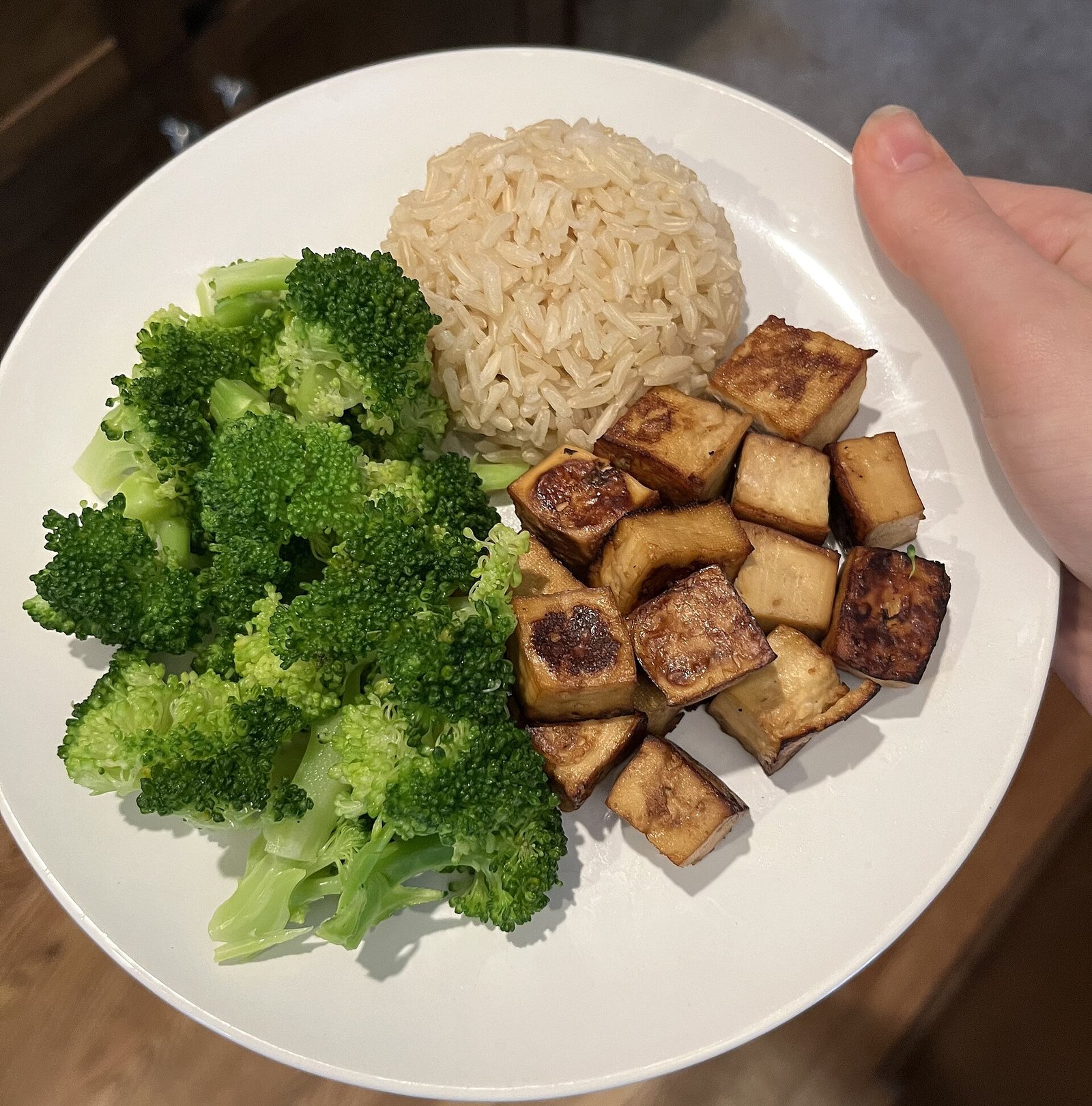
NIDDK’s plate method divides a 9-inch plate into half non-starchy vegetables, a quarter high-fiber carbs, and a quarter protein. A smaller plate naturally trims portions without measuring.
2. Do your 5%–7% math
Multiply your current weight by 0.05 and 0.07. At 180 pounds that is about 9 to 13 pounds. Write it down as a long-term goal, not a crash target, and plan it with your health care team.
3. Swap the drinks first
Replace one sugary drink a day with water, unsweetened tea, or sparkling water. Then the next one. NIDDK lists drinking water instead of sweetened beverages as a direct way to cut calories.
4. Pair food with movement
CDC and NIDDK suggest at least 150 minutes a week of brisk walking or similar activity—about 30 minutes, 5 days a week. A short walk after your largest meal is an easy place to start.
5. Shopping list default
Bagged salad greens, frozen broccoli and green beans, peppers, carrots, tomatoes, onions, berries, apples, pears, oranges, rolled or steel-cut oats, brown rice, whole-wheat bread or tortillas, canned beans and lentils (rinsed), eggs, chicken breast, fish fillets, tofu, plain low-fat yogurt, unsalted nuts, olive oil, herbs and spices, unsweetened sparkling water.
6. Sample day (illustrative)
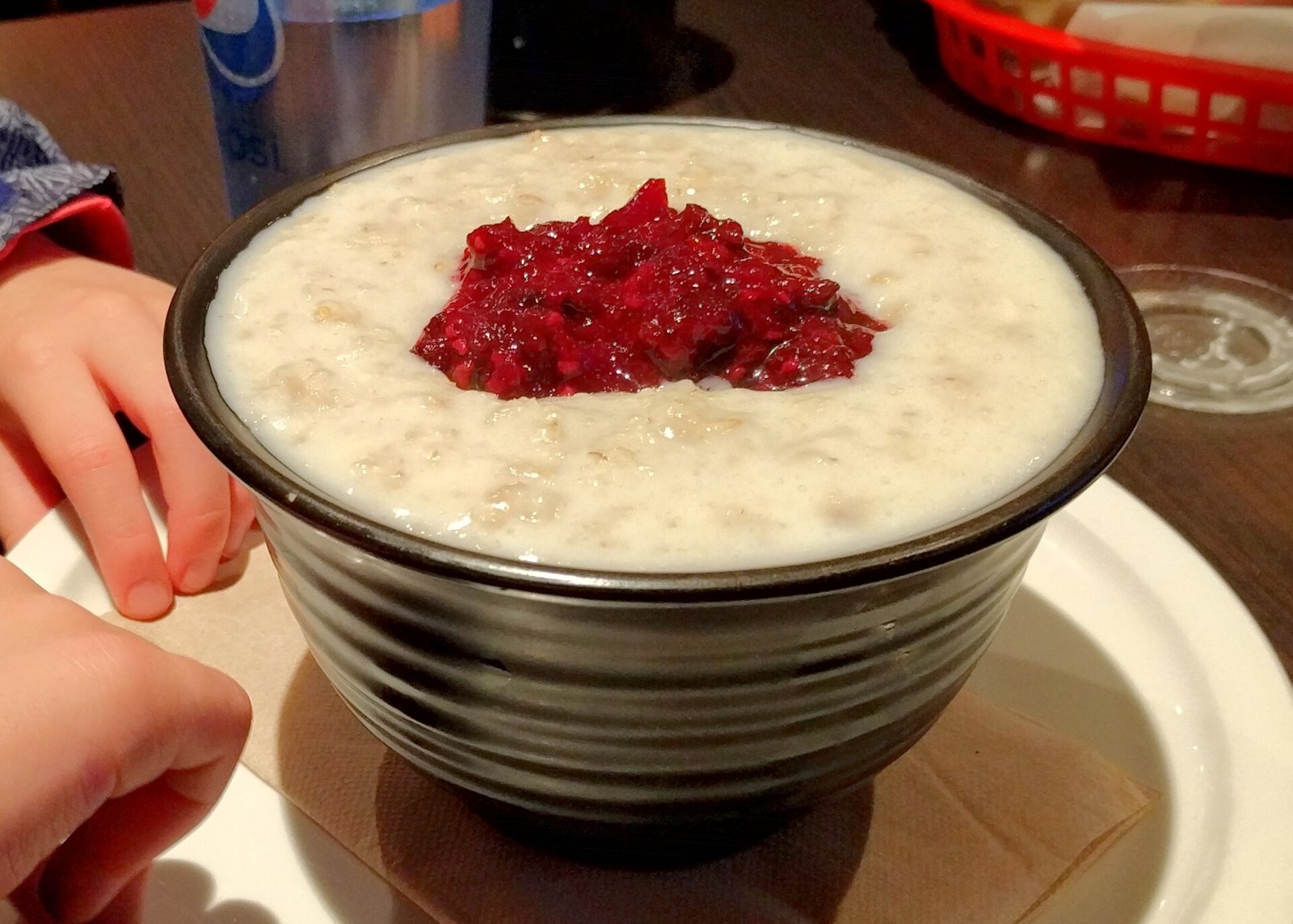
- – Breakfast: oatmeal with berries and a spoon of chopped nuts; coffee or tea without sugar.
- – Lunch: big salad with chickpeas, grilled chicken, peppers, and an olive-oil dressing; one piece of whole fruit.
- – Snack: plain yogurt or a small handful of unsalted nuts.
- – Dinner: baked fish, half a plate of roasted vegetables, and a quarter plate of brown rice.
- – Drinks: water or sparkling water through the day.
7. Eating out
Order vegetables or a salad first, choose grilled over fried, ask for sauces on the side, skip sugary drinks, and box half of a large portion before you start.
8. Join a program
CDC recommends asking your doctor about a CDC-recognized lifestyle change program through the National Diabetes Prevention Program. NIDDK notes planning and tracking progress, and support from family and friends, can make changes easier.
Safety and medication interactions
- – Metformin: NIDDK says health care professionals may prescribe metformin to help manage blood glucose and prevent type 2 diabetes; in the DPP it worked best for women with past gestational diabetes, younger adults, and people with obesity. The NIH Office of Dietary Supplements notes metformin might reduce vitamin B12 absorption, so ask whether your B12 should be checked.
- – Medicines that raise risk: NIDDK lists long-term glucocorticoids, some antipsychotics, and some HIV medicines as risk factors. Never stop a prescribed medicine on your own—talk to your prescriber.
- – Weight-loss medicines or surgery: NIDDK says these can help in some cases; they need medical supervision.
- – Children and teens: NIDDK advises talking with your child’s health care professional before starting a weight-loss plan.
- – Pregnancy: weight-loss diets are not appropriate in pregnancy; ask your obstetric team about weight gain targets.
- – Follow-up testing: NIDDK says people with prediabetes should be tested for type 2 diabetes every year. See a doctor promptly if you develop diabetes symptoms such as increased thirst or urination.
FAQ
What should I eat for breakfast with prediabetes? Build it like the plate: a high-fiber carb (oats or whole-grain toast), a protein (eggs, yogurt, or tofu), and fruit or vegetables. Skip sugary cereals and juice.
Can prediabetes go away with diet? NIDDK says healthy living and weight management may help bring blood glucose back toward normal and prevent or delay type 2 diabetes, but results vary. Keep up yearly testing as advised.
How much weight do I need to lose with insulin resistance? NIDDK and CDC point to 5% to 7% of starting weight if you have overweight—about 10 to 14 pounds at 200 pounds.
Are fruits bad for prediabetes? No. Whole fruit counts as a high-fiber carb in NIDDK’s plate method. Juice and sweetened fruit drinks are the ones to limit.
Do I need to count carbs? Not always. NIDDK says people not taking insulin may not need to count carbs when using the plate method.
Related OTCFood guides
If your prediabetes progresses, our type 2 diabetes plate guide goes deeper on carbs and portions. Insulin resistance often overlaps with PCOS and fatty liver—see the PCOS diet guide and fatty liver diet basics.
Medical disclaimer
Medical disclaimer: This article is for general information only and is not medical advice. Prediabetes and insulin resistance should be diagnosed and monitored by a health care professional. Diet and activity support lower risk but do not replace testing, prescribed medicines such as metformin, or follow-up care. Talk with your doctor or a registered dietitian before making major diet changes, especially if you are pregnant, take glucose-lowering medicine, or have other health conditions.
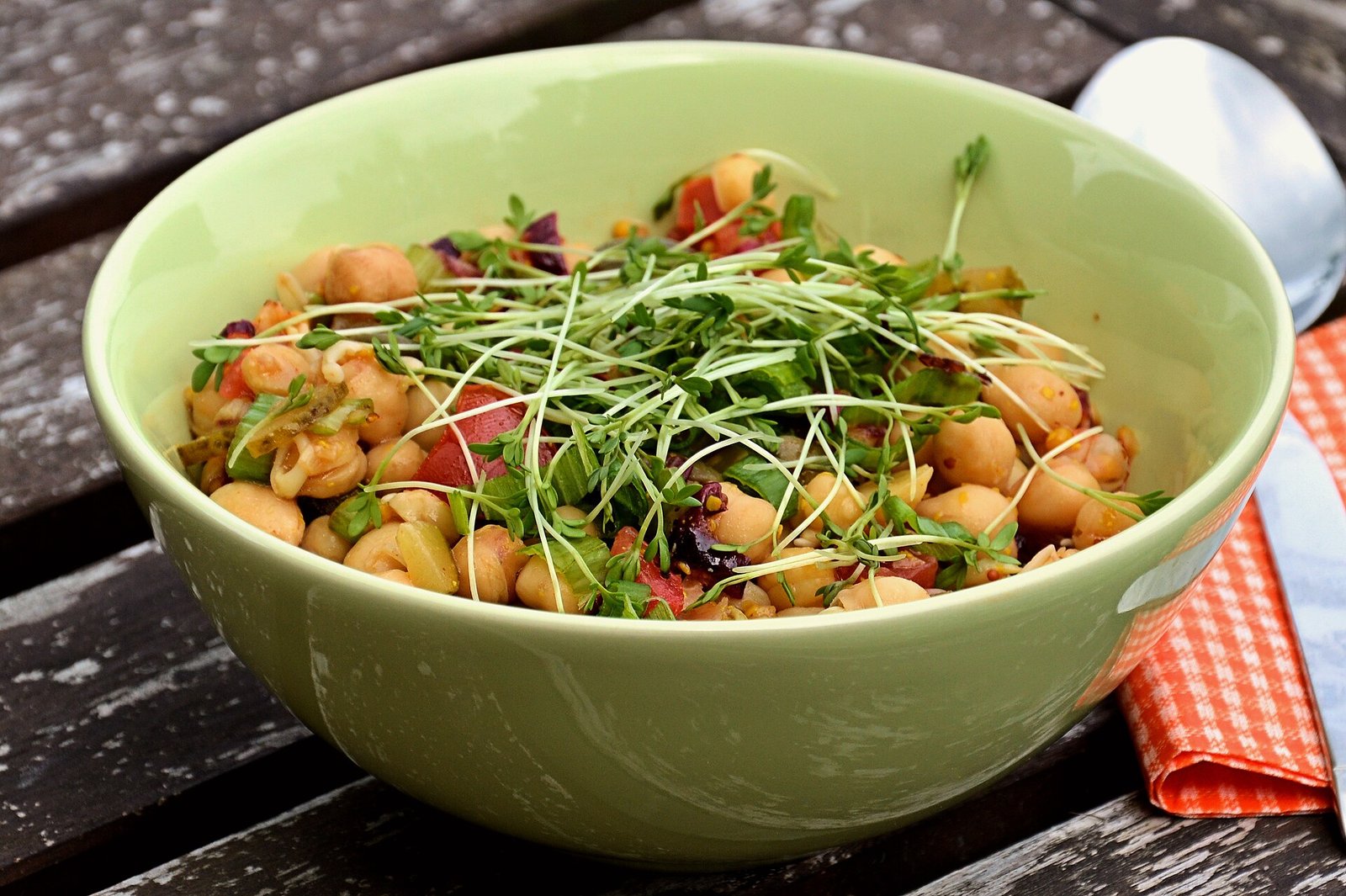
Featured image: Photo: Unknown author (pxhere) via Wikimedia Commons (CC0).