Chronic Kidney Disease Diet: Foods That May Help and Foods to Limit
Medical note: This article discusses foods and researched botanicals. It does not claim to prevent, treat, or cure disease. Supplements are not a substitute for food, and studied amounts are not personal prescriptions.
People searching “chronic kidney disease diet foods that help or worsen” usually need a stage-aware grocery map—not a one-size “renal diet” meme. NIDDK explains that when kidneys cannot filter blood well, what you eat and drink can help maintain a healthier balance of salts and minerals and may delay some CKD complications. NHS states there is no cure for CKD, but treatment can relieve symptoms and slow worsening. Food choices support medical care; they do not replace blood-pressure medicines, SGLT2 inhibitors when prescribed, dialysis planning, or transplant evaluation.
What this CKD diet guide covers (and what it does not)
This guide is for adults with CKD stages managed outside dialysis (and for caregivers shopping for them). Needs change as CKD advances—NIDDK urges working with a renal dietitian whenever possible. Anchors: NIDDK — Healthy Eating for Adults with CKD, MedlinePlus — Chronic Kidney Disease, and NHS — CKD treatment.
Red flags that are not “diet problems”: sudden shortness of breath, chest pain, severe swelling, confusion, very high potassium symptoms (muscle weakness, irregular heartbeat), or inability to urinate. Those need emergency or urgent clinical care.
Evidence snapshot: CKD diet claims vs public sources
| Claim people hope for | What public sources actually say | Confidence |
|---|---|---|
| “Cutting salt protects kidneys” | NIDDK: too much sodium causes fluid retention, higher blood pressure, and stress on kidneys and heart; many with CKD need limits at or below the general adult cap of 2,300 mg sodium/day—your clinician sets the personal target | Strong for sodium awareness |
| “Everyone with CKD must go low protein” | NIDDK: some people need moderate protein so waste does not build up, but too little protein risks malnutrition—balance with a dietitian | Moderate; highly individualized |
| “Ban all potassium foods” | NIDDK/NHS: high or low potassium both harm heart and muscles; limits depend on labs, stage, and medicines—not a universal fruit ban | Strong that labs drive decisions |
| “Phosphorus only matters on dialysis” | NIDDK: damaged kidneys clear phosphorus poorly; high blood phosphorus can weaken bones and harm vessels even before end-stage disease | Moderate-to-strong |
| “Heart-healthy eating does not matter in CKD” | NIDDK and MedlinePlus emphasize fruits, vegetables, whole grains, and lower saturated/trans fat patterns that support heart health—common CKD comorbidity | Strong as a pattern goal |
Foods and patterns that may help with CKD management
“May help” means defaults that support fluid–electrolyte balance and heart health as your labs allow—not a guarantee of stable GFR.
Sodium-aware cooking (NIDDK)
- – Prefer fresh, frozen, or no-salt-added canned fruits and vegetables.
- – Choose unprocessed meats over processed meats, chips, and salty snacks.
- – Drain and rinse canned vegetables, beans, meats, and fish to remove extra salt.
- – Season with herbs, lemon, hot peppers, and sodium-free blends instead of table salt.
- – Read labels: % Daily Value ≤5% sodium per serving is low; ≥20% is high. Look for “low sodium,” “no salt added,” or “unsalted.”
Heart-healthy fat pattern (NIDDK)
- – Grill, broil, bake, roast, air-fry, or stir-fry instead of deep-frying.
- – Use a little olive oil or nonstick spray instead of butter for routine cooking.
- – Trim visible fat from meat; remove poultry skin before eating.
- – Limit saturated and trans fats; check Nutrition Facts for both.
- – Ask how much alcohol—if any—is safe for you.
Protein balance (NIDDK)
- – Keep protein purposeful: eggs, fish, poultry, dairy, beans, or tofu in amounts your dietitian sets.
- – Avoid both crash high-protein “bodybuilding” stacks and unsupervised very-low-protein fad diets.
- – If appetite falls, protect calories with allowed fats and carbohydrates so weight does not crash (NIDDK warns excess weight loss can worsen illness).
Produce within potassium guidance
When labs allow, colorful vegetables and fruits remain part of a heart-healthy CKD pattern (MedlinePlus). If potassium is high, your dietitian may suggest swaps (for example, lower-potassium fruit choices) rather than eliminating all produce.
Foods and habits that often worsen CKD patterns
- – Packaged, fast-food, and processed-meat sodium loads—even foods that do not taste salty can be high (NIDDK).
- – Salt shaker + salty condiments (ketchup, mustard, soy sauce) stacked on already salty meals.
- – Unsupervised high-protein supplements that increase nitrogenous waste when kidneys clear poorly.
- – Potassium supplements or salt substitutes high in potassium when hyperkalemia risk exists (NHS warns people with CKD should avoid potassium supplements unless directed).
- – High-phosphorus stacks—cola-type dark sodas, processed cheeses, and some packaged meats—when phosphorus is elevated; NHS also notes eggs, dairy, red meat, and fish may need portion limits if phosphate is high.
- – Ignoring fluid advice in later CKD when swelling or heart strain appears—NHS may advise reduced salt and fluid including soups and yogurts.
- – NSAID self-medication—NHS lists NSAIDs among medicines that can harm kidneys; do not self-treat pain with them without clinician approval.
Practical kitchen protocol: a CKD diet week
1. Bring a three-day food-and-label log to your dietitian
Record sodium milligrams from labels, protein portions, and any salt substitutes. Compare with your personal targets. NIDDK notes needs change as CKD advances—yesterday’s free-for-all banana bowl may not match today’s potassium lab.
2. Rebuild the salt habit first (usually the highest-yield change)
- – Cook from fresh ingredients three dinners this week.
- – Swap chips for unsalted popcorn or sliced cucumber if potassium allows.
- – Ask restaurants for no-salt preparation and sauces on the side.
- – Target the label habit: if %DV sodium is ≥20%, choose another brand or smaller portion.
3. Set protein “anchors,” not protein free-for-alls
Example structure if your dietitian approves moderate protein: palm-sized portion at lunch and dinner; smaller breakfast protein; skip protein shakes unless prescribed. Plant proteins (beans, lentils) may fit some plans after phosphate/potassium review.
4. Phosphorus and potassium checkpoints
- – Prefer fresh foods over phosphate-additive processed foods when phosphorus is high.
- – If hyperkalemia is documented, follow the written list from your renal team—do not invent a total fruit ban from social media.
- – NHS: medicines and binders (for example phosphate binders) are clinical tools—take them as prescribed with meals when instructed.
5. Shopping list default (adjust to labs)
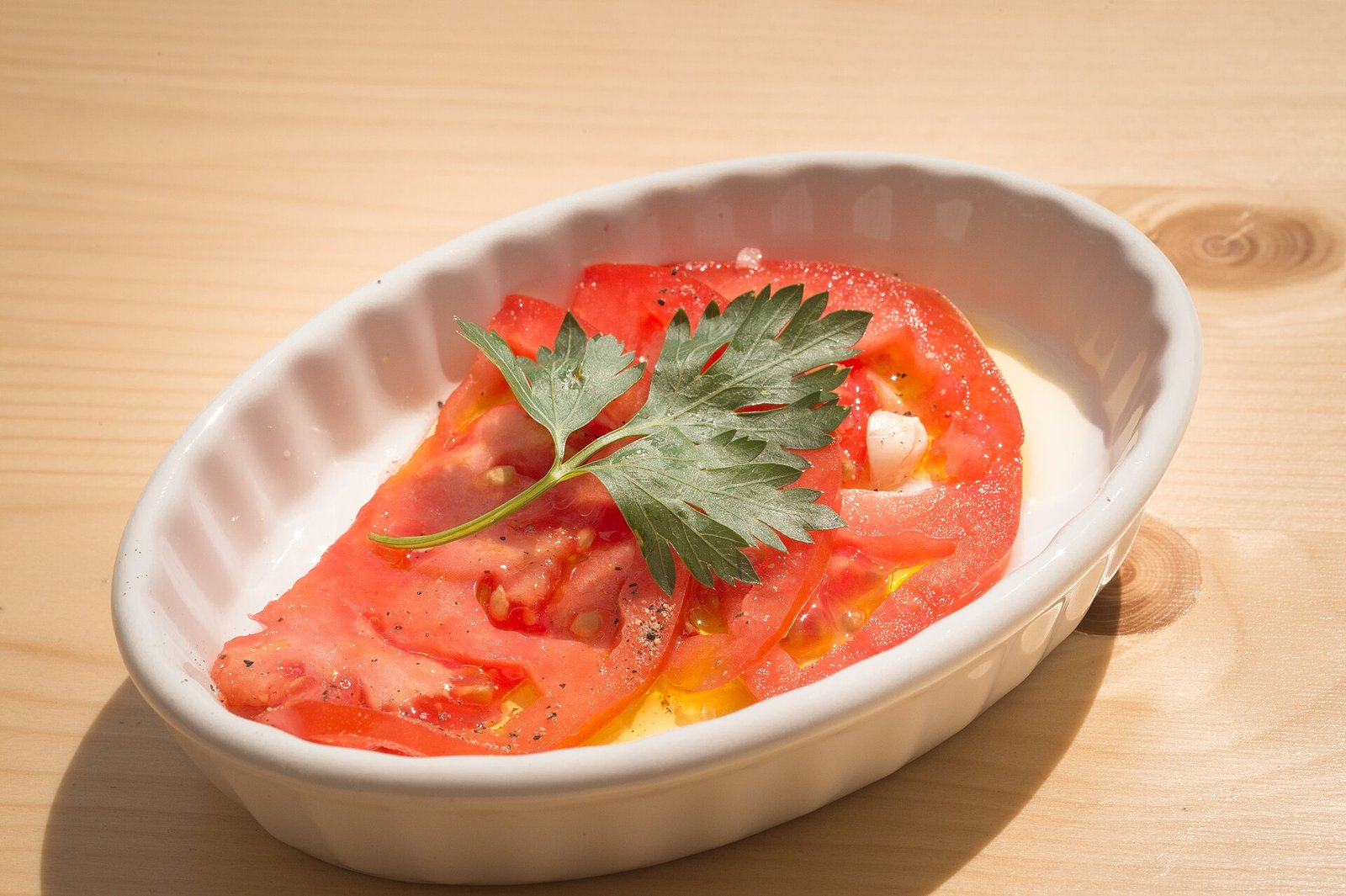
No-salt-added canned tomatoes, fresh herbs, lemon, olive oil, unprocessed poultry or fish, eggs (if phosphate allows), rice or other clinician-approved grains, apples or berries if potassium allows, unsalted frozen vegetables, and homemade spice mix without salt.
6. Sample day (illustrative only—must match your plan)
- – Breakfast: egg-white omelet with herbs; toast if phosphorus/sodium allow; berries if potassium allows.
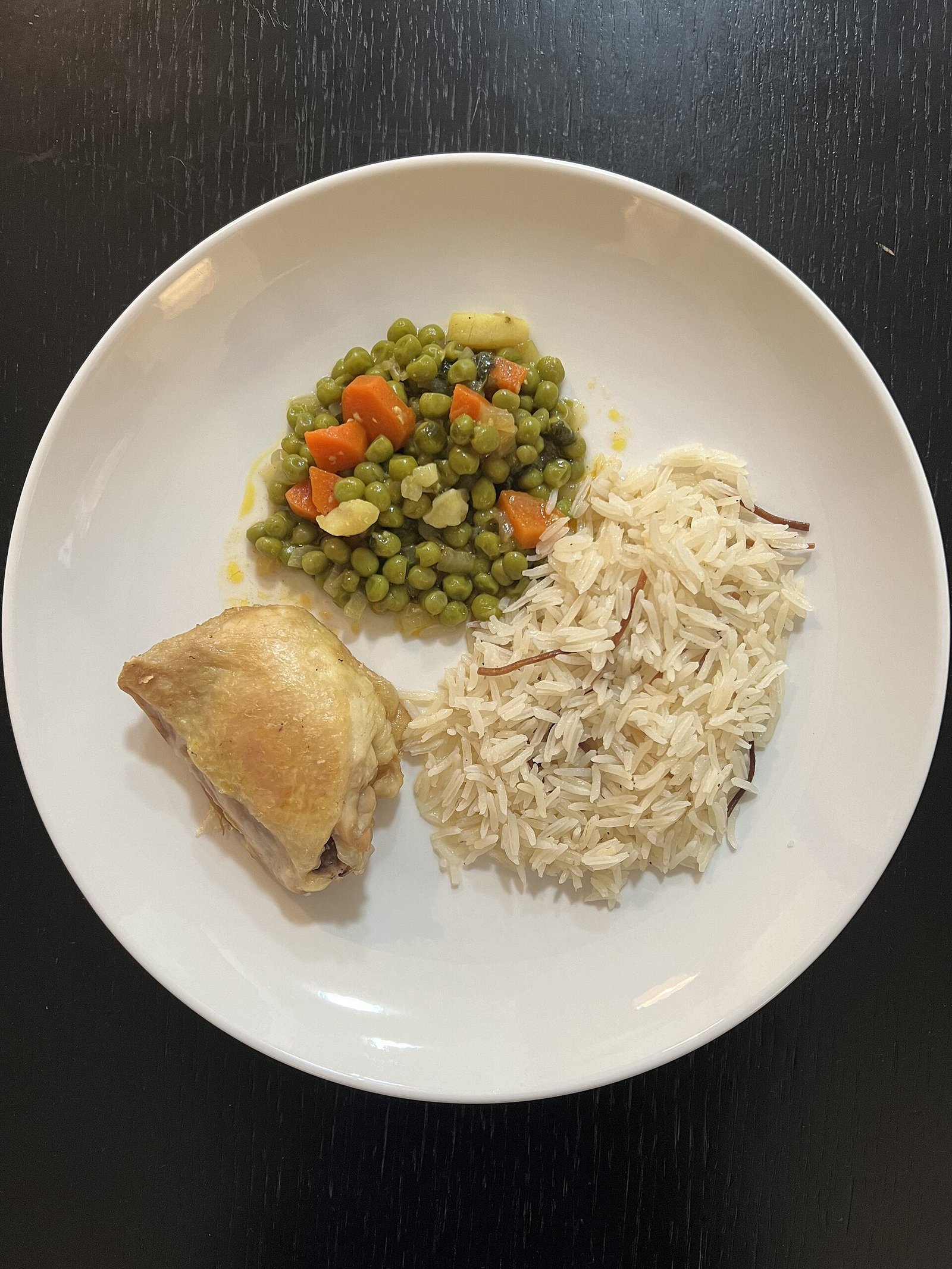
- – Lunch: grilled chicken breast, rice, unsalted green beans, olive oil.
- – Snack: apple slices (if allowed) or unsalted crackers per plan.
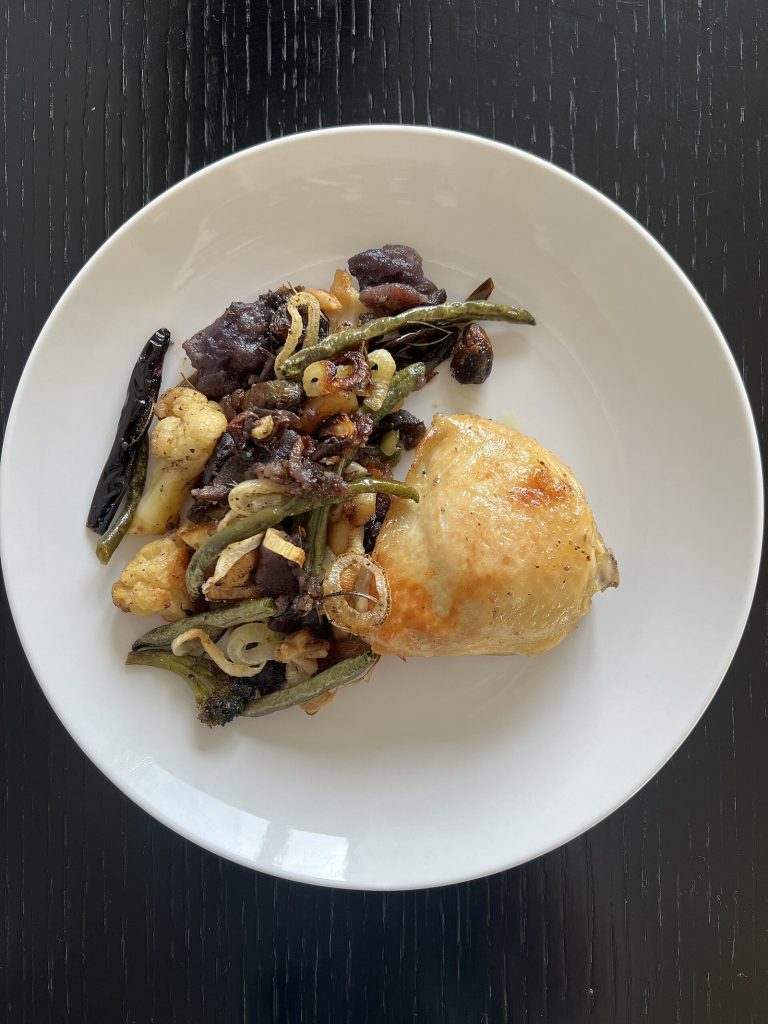
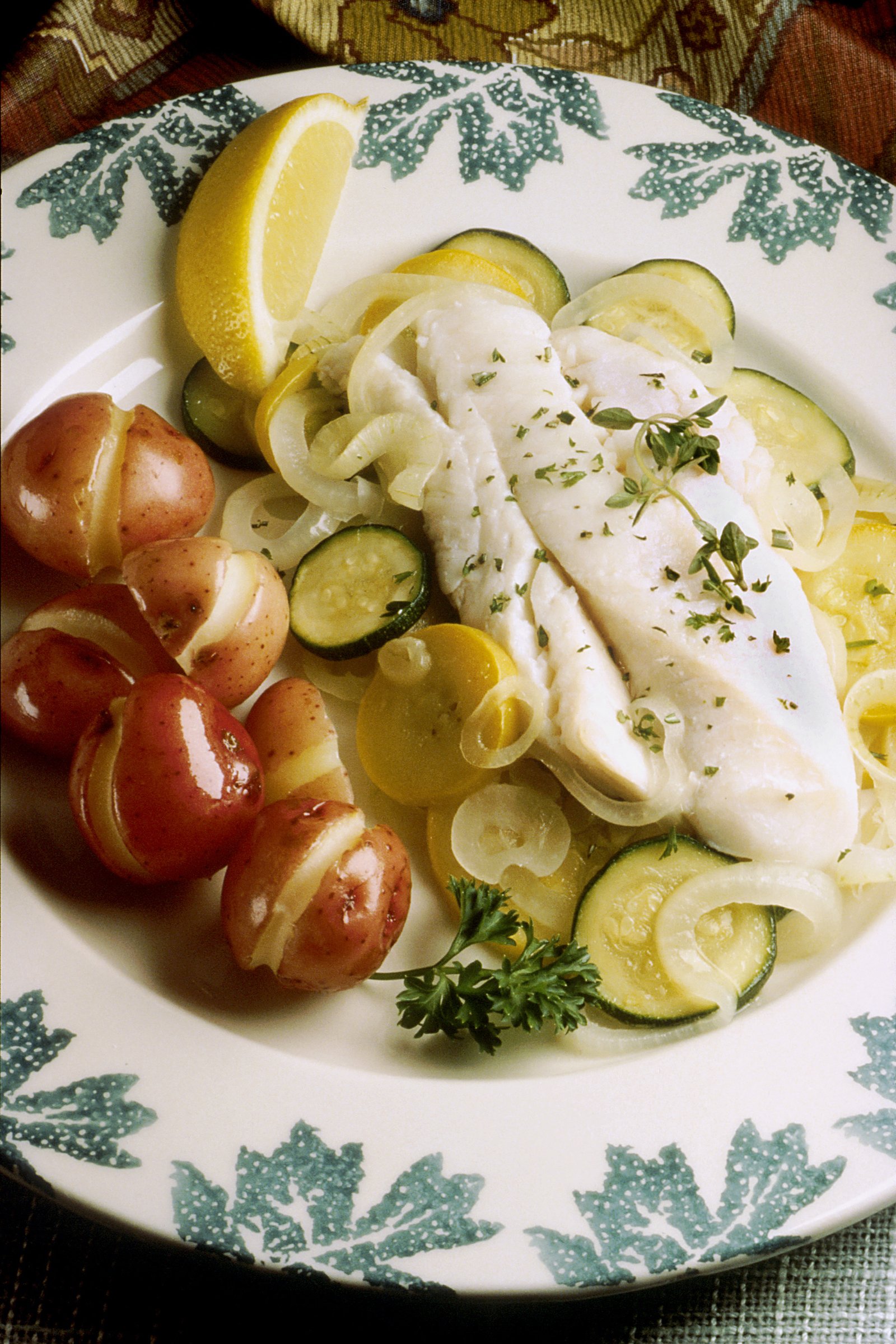
- – Dinner: baked fish, roasted low-salt vegetables, small salad without salty dressings.
7. Diabetes or blood-pressure overlap
Many people with CKD also manage diabetes or hypertension. Coordinate with type 2 diabetes plate guide and high blood pressure foods guide patterns so sodium, carbohydrate, and potassium rules do not contradict each other.
Safety, interactions, and who should ask a clinician first
- – Hyperkalemia can cause dangerous heart-rhythm problems (NHS)—do not add potassium supplements or high-potassium salt substitutes on your own.
- – Phosphate binders, diuretics, ACE inhibitors/ARBs, and SGLT2 inhibitors change diet priorities—ask before major grocery shifts.
- – Advanced CKD, dialysis, or transplant waitlists need specialist diet codes this general article cannot set.
- – Kidney-stone history may conflict with some CKD fluid or oxalate advice—see also kidney stones diet guide.
- – Unexplained weight loss, persistent itching, bone pain, or swelling: contact your kidney team promptly.
FAQ
Is there one CKD diet for every stage? No. NIDDK stresses that nutritional needs change as CKD advances and that a renal dietitian should individualize protein, sodium, potassium, phosphorus, and fluids.
How much sodium should I eat with CKD? General adults are often guided to ≤2,300 mg/day; many people with CKD need less. Your clinician sets the number from blood pressure, swelling, and labs.
Do I have to stop eating protein? Not usually. NIDDK says some people need moderate protein to limit waste buildup, but too little protein risks malnutrition. Dose protein with a dietitian.
Can diet cure CKD? No. NHS states there is no cure; treatment and lifestyle measures aim to relieve symptoms and slow progression.
How this differs from related OTCFood topics
This page is a CKD-bound sodium–protein–electrolyte guide. It is not a primary high blood pressure foods guide DASH explainer, not a kidney stones diet guide stone protocol, not a high cholesterol diet guide LDL plan, and not a type 2 diabetes plate guide carb-plate tutorial—though CKD care often borrows pieces from each.
Medical disclaimer
Medical disclaimer: This article is for general information only. It is not medical advice, diagnosis, or a treatment plan. CKD nutrition depends on stage, labs (including potassium and phosphorus), medicines, and dialysis status. Work with a nephrologist and registered dietitian before starting, stopping, or changing any eating plan, salt substitute, or supplement. Seek urgent care for chest pain, severe swelling, confusion, or signs of high potassium.