Tennis Elbow Diet: Foods That May Help and Foods to Limit
Medical note: This article discusses foods and researched botanicals. It does not claim to prevent, treat, or cure disease. Supplements are not a substitute for food, and studied amounts are not personal prescriptions.
People searching “tennis elbow diet foods that help or worsen” usually want kitchen habits that support recovery comfort while tendons calm down—not a claim that food replaces rest, bracing, physiotherapy, or clinician care. The NHS describes tennis elbow (lateral epicondylitis) as pain on the outside of the elbow that can worsen with lifting, gripping, or wrist movement, and notes it often improves with rest but can last months. OrthoInfo (American Academy of Orthopaedic Surgeons) and MedlinePlus frame it as an overuse injury of the tendons that attach forearm muscles to the lateral elbow. NIAMS sports-injury education emphasizes load management and gradual return to activity. Diet is supportive at best: anti-inflammatory eating patterns, weight-aware plates if excess body weight stresses joints, and habits that do not undermine recovery sleep or medication plans.
What this tennis elbow diet guide covers (and what it does not)
This guide is for adults with clinician-suspected or diagnosed lateral epicondylitis who want food and drink patterns that may support overall recovery while they rest and rehab the arm. Anchors: NHS — Tennis elbow, MedlinePlus — Tennis elbow, OrthoInfo — Tennis Elbow (Lateral Epicondylitis), and NIAMS — Sports Injuries.
NHS advice prioritizes reducing aggravating activities, simple pain relief, hot or cold packs, and physiotherapy if home care stalls. Sudden severe swelling, fever with a hot joint, numbness with progressive weakness, or trauma after a fall needs urgent assessment—not a turmeric latte.
Evidence snapshot: tennis elbow diet claims vs public sources
| Claim people hope for | What public sources actually say | Confidence |
|---|---|---|
| “An anti-inflammatory diet cures tennis elbow” | NHS and OrthoInfo center rest, activity modification, physio, and sometimes medicines or procedures—not food as cure | Strong: food is not disease-modifying therapy |
| “Collagen supplements fix the tendon” | Public orthopedic patient pages do not position collagen powders as standard tennis-elbow care | Low for self-prescribed collagen as treatment |
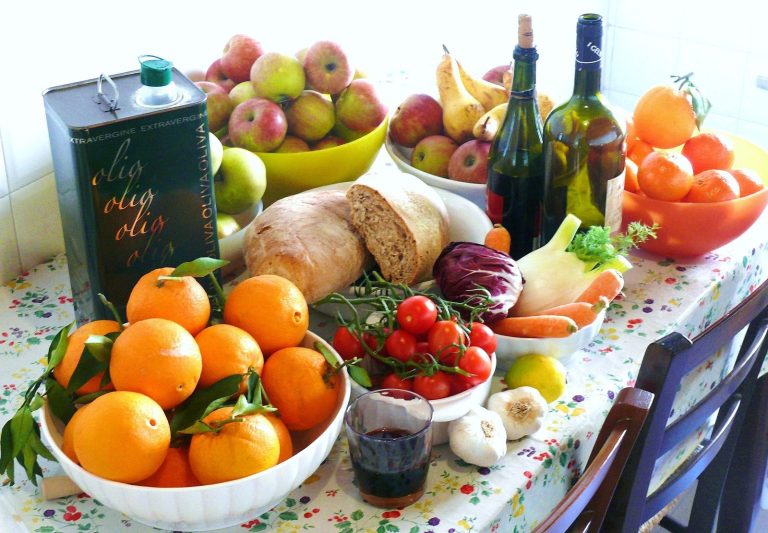
| “Mediterranean-style eating may support joint comfort” | General patterns rich in vegetables, fish, olive oil, and whole grains support overall health during recovery; not elbow-specific RCTs on NHS pages | Low–moderate for general recovery nutrition |
| “Alcohol and smoking are fine during rehab” | Smoking impairs tissue recovery in many musculoskeletal contexts; alcohol can disrupt sleep and medication safety | Moderate: limit both while recovering |
| “Skipping protein speeds recovery by ‘resting’ metabolism” | Adequate protein supports tissue repair needs during rehab; under-eating can slow recovery | Moderate for adequacy, not megadoses |
Foods and patterns that may help with tennis elbow day-to-day comfort
“May help” means grocery defaults that support energy for physiotherapy, sleep, and steady inflammation-aware eating—not a promise to delete elbow pain.
Protein for soft-tissue recovery support
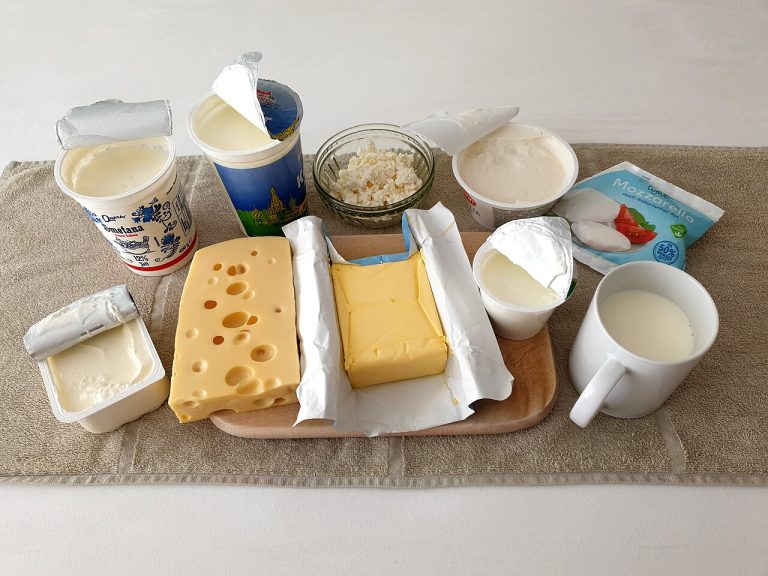
- – Include fish, poultry, eggs, dairy or fortified alternatives, beans, lentils, and tofu across the day so rehab weeks are not low-protein by accident.
- – Soft or one-handed prep options (yogurt cups, pre-cut fruit, canned fish, slow-cooker stews) matter when gripping knives hurts.
Olive-oil-forward, plant-heavy patterns
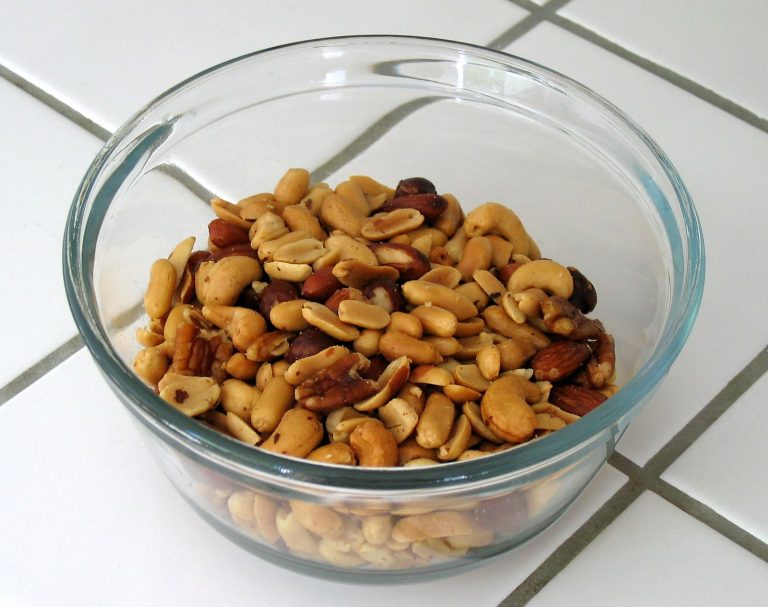
- – Emphasize vegetables, fruit, whole grains, legumes, nuts, and olive oil—the same pattern often recommended for overall cardiometabolic health while you move less during a flare.
- – Fatty fish a few times weekly may fit an inflammation-aware plate; this is general nutrition, not an OrthoInfo protocol.
Hydration and sleep-friendly evening plates
- – Dehydration and poor sleep can amplify pain perception; NHS lists sleep problems among lifestyle factors that worsen some headache and pain patterns more broadly—keep caffeine earlier if nights are fragile.
- – Warm, easy-to-chew meals reduce kitchen time when standing and chopping aggravate the forearm.
Weight-aware portions if advised
- – Extra body weight is not the cause of tennis elbow, but overall joint-load and metabolic health still matter for long-term musculoskeletal comfort. If a clinician suggests gradual weight loss, pair it with protein adequacy and permitted rehab exercises rather than crash diets. Related reading: osteoarthritis diet guide and gout diet guide when metabolic and joint issues overlap.
Foods and habits that often worsen tennis elbow kitchen patterns
- – Heavy cookware and repetitive jar-opening on the painful side—use electric openers, ask for help, or switch hands; this is practical load management, not a food ban.
- – Alcohol with NSAIDs—stomach and bleeding risk rise; follow pharmacist guidance if you use ibuprofen gel or tablets.
- – Ultra-processed “anti-inflammatory” junk marketed with miracle claims—delays proven physio.
- – Smoking or vaping nicotine—many musculoskeletal educators link smoking with poorer soft-tissue recovery.
- – Skipping meals before physio—lightheaded sessions help no one; eat a small carb-plus-protein snack if needed.
“Limit” means reduce aggravating kitchen mechanics and empty-calorie patterns—not that one dessert blocks tendon recovery.
Practical kitchen protocol: a tennis elbow diet week
1. Redesign the kitchen for one-handed days
Move lightweight pans to easy shelves. Prefer pre-washed greens, frozen vegetable mixes, rotisserie chicken, and jarred sauces you can open with an assistive tool. Batch-cook on better days.
2. Recovery shopping list
Eggs, Greek yogurt, canned salmon or tuna, soft tofu, lentils, oatmeal, bananas, berries, olive oil, whole-grain bread, pre-cut vegetables, herbal tea, and easy proteins that need little chopping.
3. Default plate template
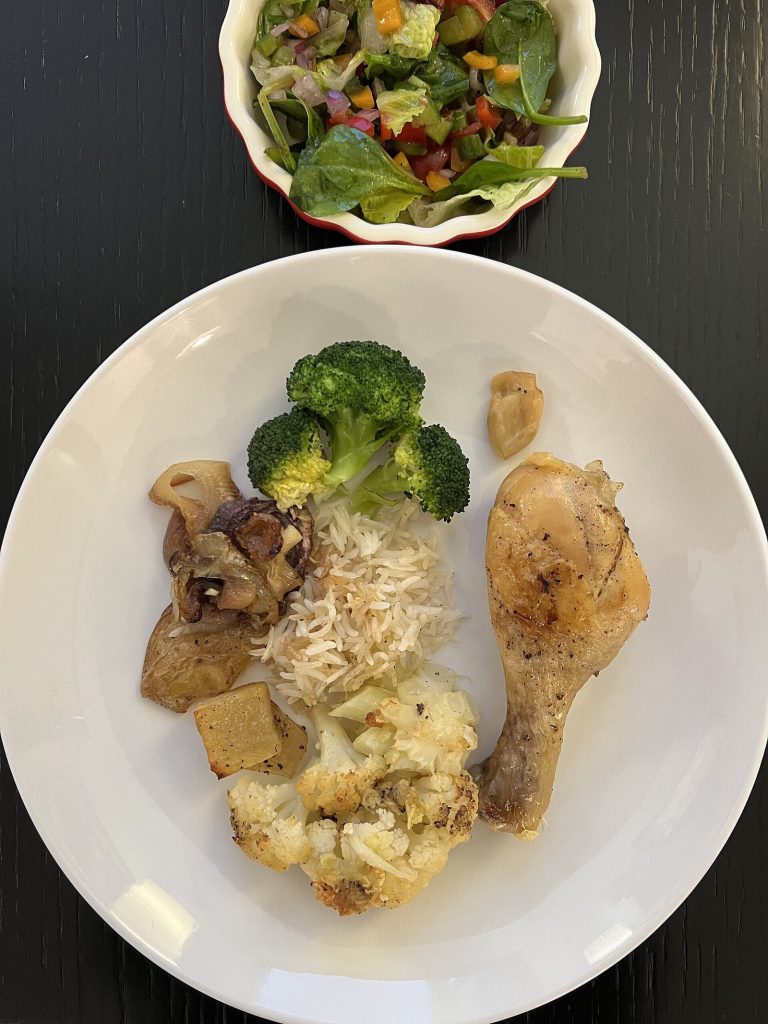
- – Half vegetables and fruit
- – Quarter protein
- – Quarter whole grains or starchy vegetables
- – Use olive oil or avocado instead of deep-fried defaults when appetite allows
4. Sample day (illustrative)
- – Breakfast: Poached or scrambled eggs on toast with fruit, or yogurt with berries.
- – Lunch: Quinoa or rice bowl with beans, cooked vegetables, and olive oil; or a turkey sandwich if gripping is tolerable.
- – Snack: Hummus with soft vegetables, or a handful of nuts if chewing is easy.
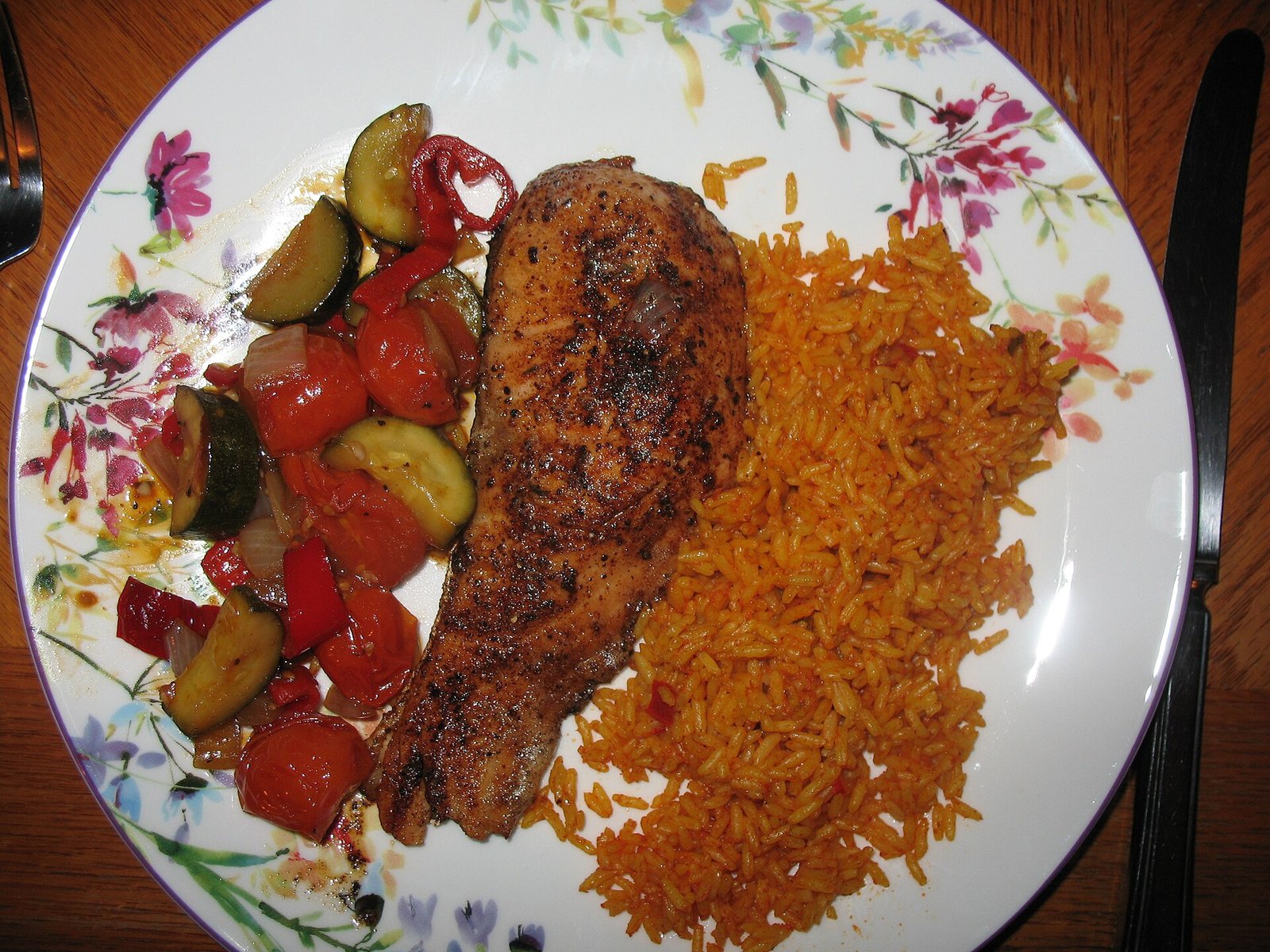
- – Dinner: Baked fish with rice and mixed vegetables, or tofu stir-fry prepared in larger batches on a good day.
- – Evening: Herbal tea; keep alcohol low while using pain gels or oral NSAIDs.
5. Eating out
Choose fork-friendly meals (bowls, stews, flaked fish) over foods that need aggressive cutting. Ask staff to open sealed bottles. Avoid carrying heavy takeout bags on the painful arm.
6. When pain spikes after computer or DIY days
NHS notes typing, mouse use, screwdrivers, and racquet sports as common triggers. Pair load reduction with simple meals so you are not chopping for an hour after a flare. If pain persists beyond about two weeks of self-care, NHS advises seeing a GP; physiotherapy often enters after longer home trials.
Extra practical note for shared households
Ask housemates to handle jar lids and cast-iron pans. Keep cold packs ready near the fridge. If rheumatoid or widespread joint pain is also present, do not assume tennis elbow tips cover inflammatory arthritis—see rheumatoid arthritis diet guide and discuss with a clinician. Nerve-style pain radiating from the neck or back needs different evaluation than classic lateral elbow tenderness; sciatica diet guide is a separate topic.
Safety, interactions, and who should ask a clinician first
- – Seek care sooner for hot swollen joints, fever, trauma, progressive numbness, or inability to use the hand.
- – NSAID gels and tablets have stomach, kidney, and heart considerations—pharmacist or GP guidance matters, especially with blood thinners.
- – Steroid injections or surgery decisions belong with specialists after appropriate conservative care timelines (NHS notes surgery may be considered after many months).
- – Pregnancy-safe pain options differ—ask before using ibuprofen.
- – Diet does not replace bracing, activity modification, or physiotherapy homework.
FAQ
Can diet fix tennis elbow? No. NHS and orthopedic patient education center load management, self-care, physiotherapy, and sometimes procedures. Food patterns may support overall recovery only.
Should I take collagen or turmeric for my elbow? Public NHS/OrthoInfo pages do not list them as standard care. Discuss supplements with a clinician so they do not interact with medicines or delay physio.
Do I need to avoid all acidic foods? No specific acidic-food ban appears in standard tennis-elbow patient pages. Focus on practical prep and balanced plates.
Is complete rest forever the goal? Usually not. NHS encourages gradual exercises and activity modification; total long-term immobilization can stiffen the arm—follow clinician or physio advice.
Why mention weight at all? Only when overall metabolic and joint health matter for your long-term comfort. Tennis elbow itself is an overuse tendon issue, not a “lose weight to cure elbow” condition.
How this differs from related OTCFood topics
This page is a tennis elbow–bound diet guide focused on recovery-friendly protein, easy-prep meals, and habits that support rehab. It is not a general osteoarthritis diet guide wear-and-tear map, not an inflammatory rheumatoid arthritis diet guide protocol, and not a spine-radiation sciatica diet guide page.
Medical disclaimer
Medical disclaimer: This article is for general information only. It is not medical advice, diagnosis, or a treatment plan. Elbow pain can come from tendon, nerve, neck, or inflammatory causes that need different care. Talk with a clinician, physiotherapist, or registered dietitian before starting, stopping, or changing any eating plan, supplement, brace, or medicine. Seek urgent care for trauma, fever with a hot joint, sudden weakness, or rapidly worsening swelling.