Insulin Resistance Diet: Foods That May Help and Foods to Limit
Medical note: This article discusses foods and researched botanicals. It does not claim to prevent, treat, or cure disease. Supplements are not a substitute for food, and studied amounts are not personal prescriptions.
People searching “insulin resistance diet foods that help or worsen” usually want kitchen patterns that may support steadier blood glucose, healthier weight habits, and fewer ultra-processed sugar spikes—not a claim that food replaces metformin, clinical labs, or a clinician’s diabetes-prevention plan. NIDDK defines insulin resistance as a condition in which the body does not respond to insulin the way it should; it can raise blood glucose and contribute to weight gain. Prediabetes means glucose is higher than normal but not yet at type 2 diabetes levels. In 2021, about 97.6 million U.S. adults ages 18 and older had prediabetes (NIDDK).
What this insulin resistance diet guide covers (and what it does not)
This guide is for adults who have been told they have insulin resistance, prediabetes, or metabolic-risk clustering and want practical eating patterns while they follow clinician advice on labs, activity, sleep, and medicines. Anchors: NIDDK — Insulin Resistance & Prediabetes, MedlinePlus — Metabolic Syndrome, Mayo Clinic — Metabolic syndrome diagnosis & treatment, and NHLBI — DASH Eating Plan.
NIDDK stresses healthy living—nutritious foods and drinks, physical activity, weight management, and enough sleep—and notes that lifestyle change programs such as the National Diabetes Prevention Program can help. The Diabetes Prevention Program (DPP) showed that losing about 5% to 7% of starting weight helped reduce the chance of developing type 2 diabetes among high-risk adults. Kitchen habits do not replace prescribed medicines or glucose monitoring when those are part of your plan. Related reading: prediabetes diet guide and type 2 diabetes diet guide.
Evidence snapshot: insulin resistance diet claims vs public sources
| Claim people hope for | What public sources actually say | Confidence |
|---|---|---|
| “One superfood reverses insulin resistance overnight” | NIDDK centers lifestyle patterns (food quality, activity, weight, sleep)—not a single miracle food | Strong: patterns matter more than one food |
| “Cutting all carbs is always required” | Healthy-eating plans such as DASH and Mediterranean patterns emphasize vegetables, fruits, whole grains, and lean protein while limiting sugary drinks and ultra-processed foods (Mayo Clinic metabolic syndrome care) | Moderate: carb quality/portion individualized |
| “Supplements replace weight loss and activity” | DPP evidence highlights weight loss and lifestyle; metformin may be prescribed for some—ask your clinician | Strong: food/activity first; meds when indicated |
| “Detox juices fix metabolic syndrome” | Mayo Clinic lists vegetables, fruits, high-fiber whole grains, lean protein; limits sugary beverages, excess alcohol, salt, sugar, and processed foods | Strong: juice cleanses are not the protocol |
| “You cannot improve risk once labs are abnormal” | NIDDK: many people can take steps to prevent or delay prediabetes and type 2 diabetes | Strong: lifestyle can meaningfully change risk |
Foods and patterns that may help with insulin resistance day to day
“May help” means supporting healthier glucose and weight trajectories alongside medical care—not a promise that diet alone erases insulin resistance on a fixed timeline.
Produce-forward, fiber-aware plates
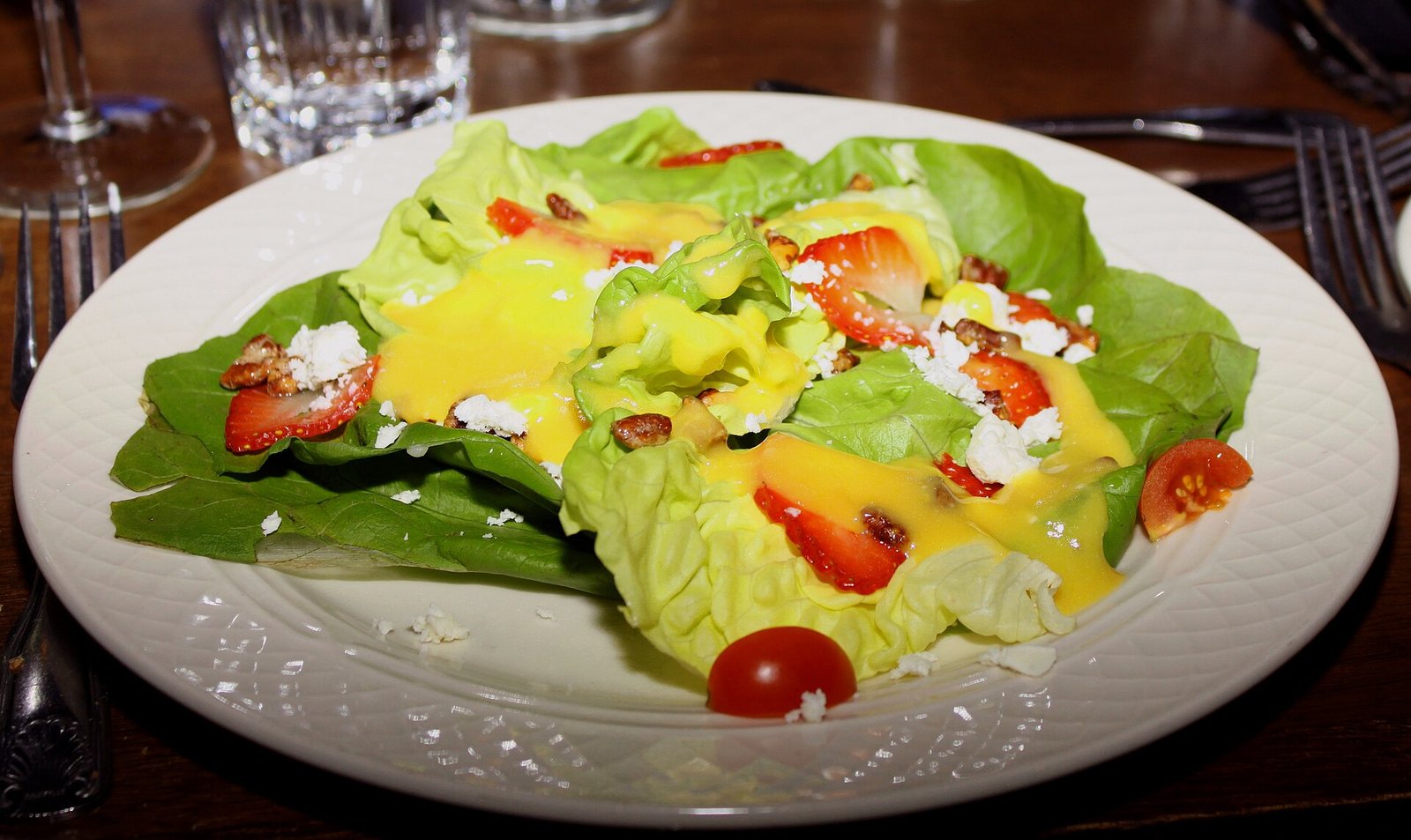
- – Mayo Clinic metabolic-syndrome self-care highlights vegetables, fruits, high-fiber whole grains, and lean protein.
- – Build most meals around non-starchy vegetables plus a measured starch (beans, oats, brown rice, whole-grain bread) rather than refined sweets.
- – See overlapping themes in metabolic syndrome diet guide and prediabetes and insulin resistance diet guide.
Protein and fat quality that steadied many people’s meals
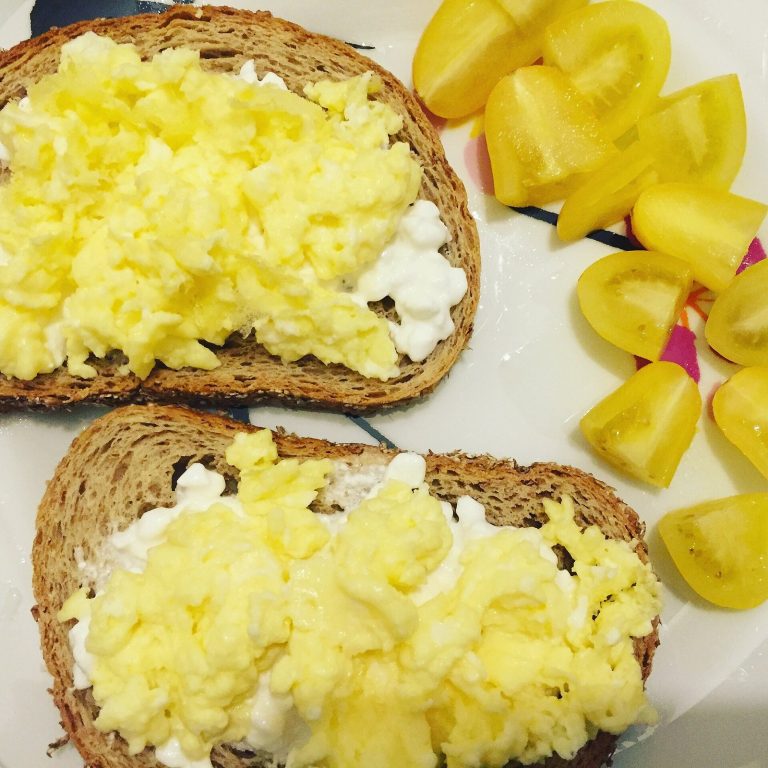
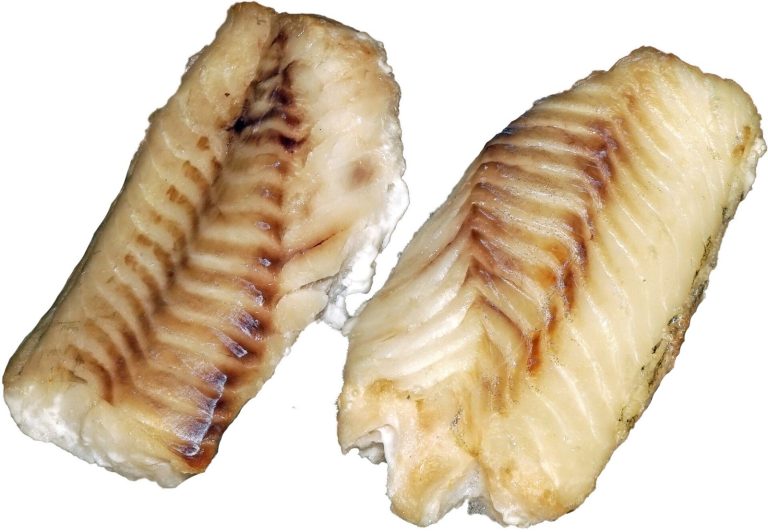
- – Lean poultry, fish, eggs, tofu, beans, and low-fat dairy (if tolerated) can make plates more filling than pastry-only breakfasts.
- – Prefer unsaturated fats (olive oil, nuts in portions) over frequent fried foods and packaged snacks high in saturated/trans fats (Mayo Clinic limits).
Beverage habits that reduce liquid sugar load
- – NIDDK and Mayo Clinic patterns discourage sugary beverages as a default.
- – Water, unsweetened tea/coffee (if tolerated), and milk alternatives without added sugar usually fit better than daily soda or sweetened coffee drinks.
Weight, activity, sleep—kitchen alone is incomplete
- – NIDDK: managing weight can have several health benefits; DPP linked 5–7% loss with lower diabetes risk.
- – Mayo Clinic: at least about 30 minutes of daily activity such as brisk walking is a common target; 7–9 hours of sleep for adults supports metabolic health.
- – If fatty liver is also on your chart, coordinate with NAFLD fatty liver diet guide.
Foods and habits that often worsen insulin-resistance kitchen patterns
- – Sugary drinks and dessert-like coffee drinks that add fast glucose load without much satiety.
- – Ultra-processed snack patterns (chips, candy, bakery sweets) as default afternoon fuel.
- – Very large late-night meals that crowd sleep and next-morning glucose.
- – Skipping meals then overeating refined carbs in one sitting—harder for many people with insulin resistance.
- – Heavy alcohol that adds calories and may disrupt sleep and liver health.
- – Expecting kitchen changes to replace urgent hyperglycemia care, ketone checks when prescribed, or cardiac symptoms workups.
- – Unsupervised extreme fasting stacks if you take glucose-lowering medicines—ask before experimenting.
“Limit” means reducing glucose and calorie spikes that make insulin resistance harder to live with—not moralizing one birthday cake.
Practical kitchen protocol: an insulin-resistance-aware week
1. Keep the medical spine first
Confirm A1C/fasting glucose targets, medicine list (including metformin if prescribed), blood-pressure and lipid plans, and whether a DPP-style program is available. Put lab dates on the calendar.
2. Shopping list for insulin-resistance-friendly cooking
Leafy greens and mixed vegetables; berries and other fruit; oats and other whole grains; beans and lentils; fish/poultry/tofu/eggs; plain yogurt; olive oil; nuts in small packs; herbs/spices instead of sugary sauces; sparkling water if you miss soda fizz.
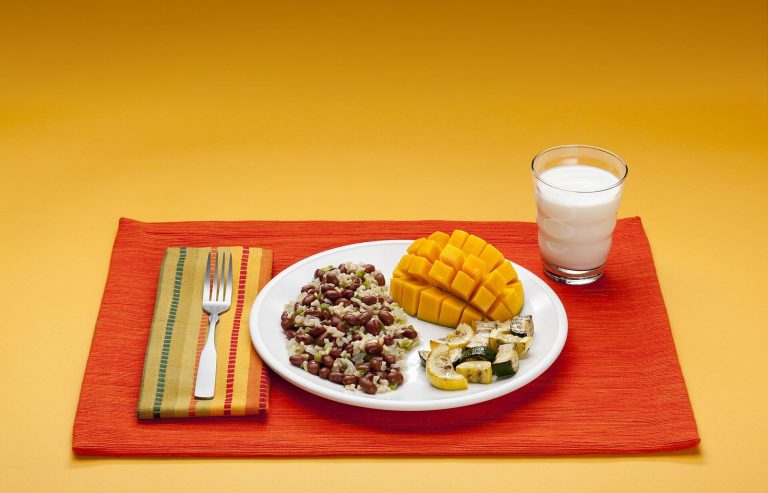
3. Default plate template
- – Half non-starchy vegetables
- – Quarter lean protein
- – Quarter high-fiber carbohydrate
- – Water or unsweetened drink
4. Sample day (illustrative—not a prescription)
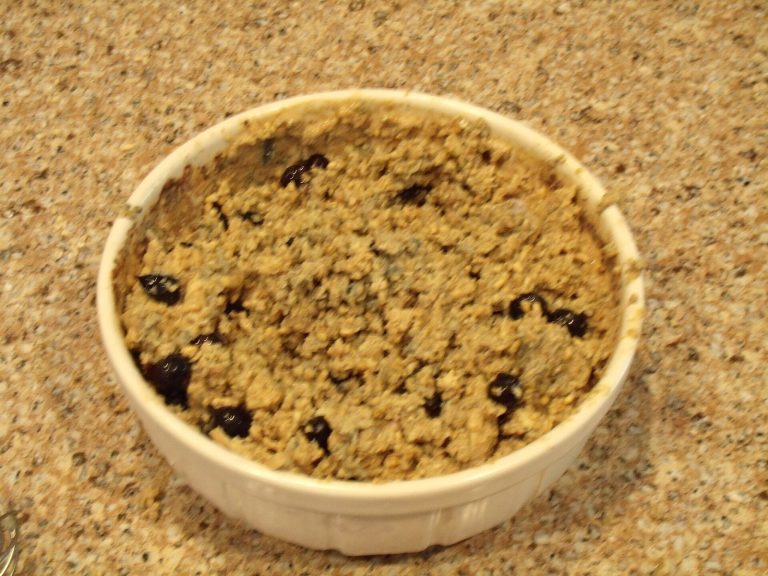
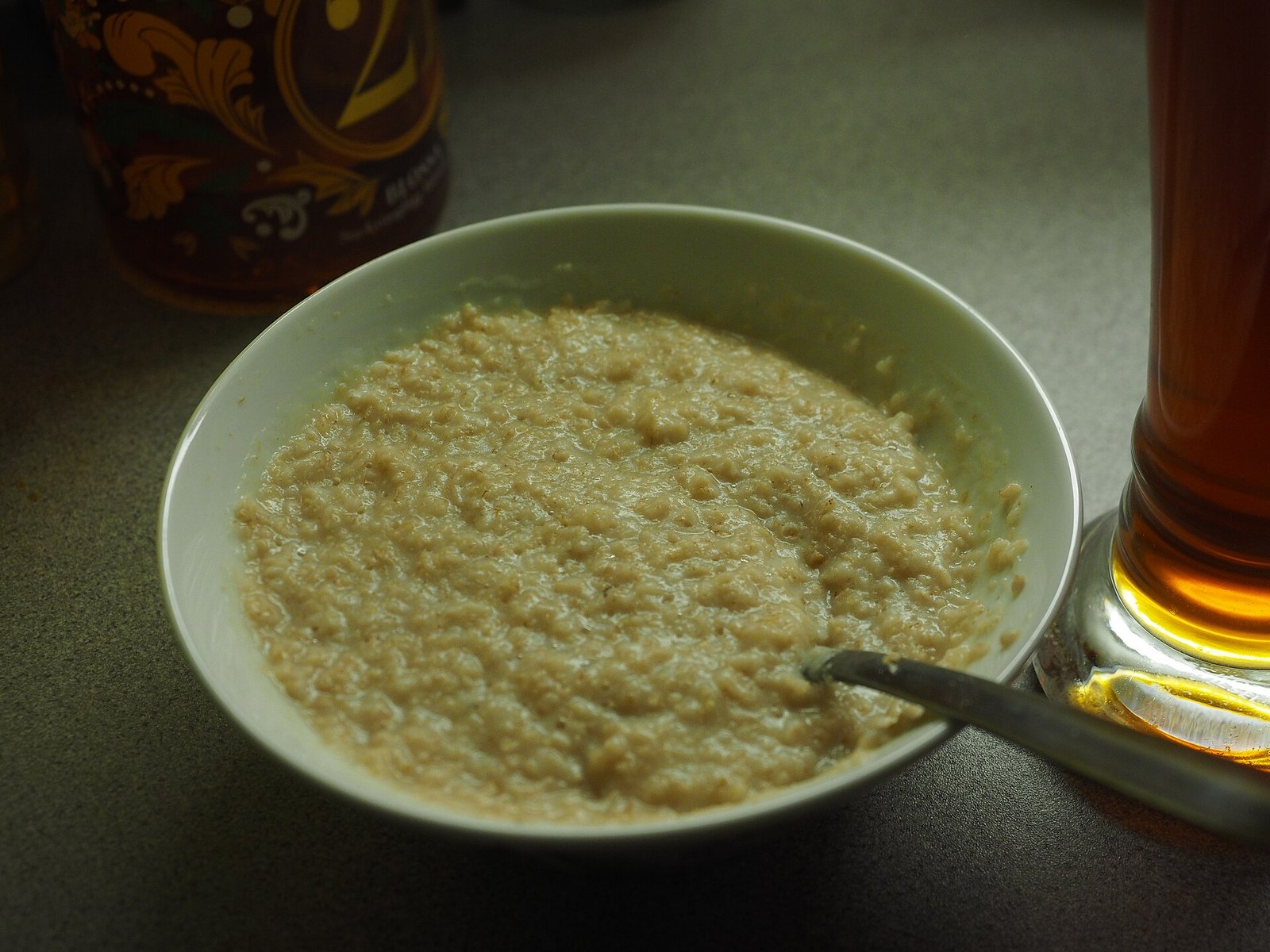
- – Breakfast: oatmeal with berries and a spoon of nuts; water or unsweetened coffee.
- – Lunch: grilled chicken or tofu grain bowl with mixed vegetables; fruit.
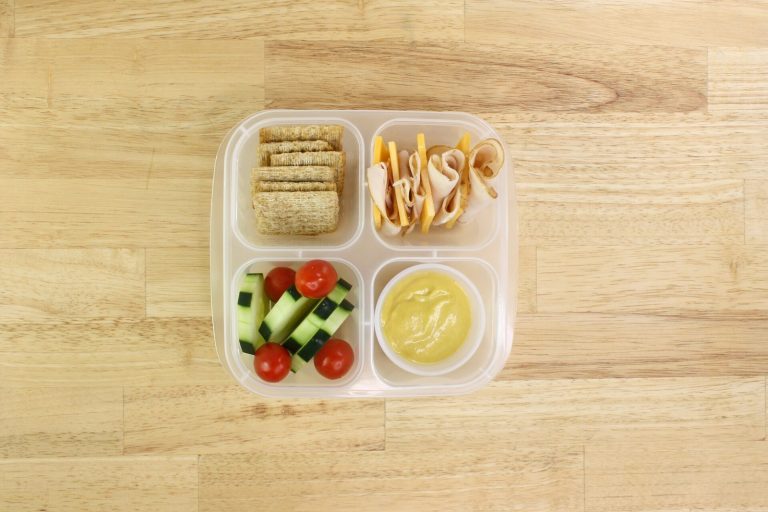
- – Snack: Greek yogurt or apple with a few almonds.
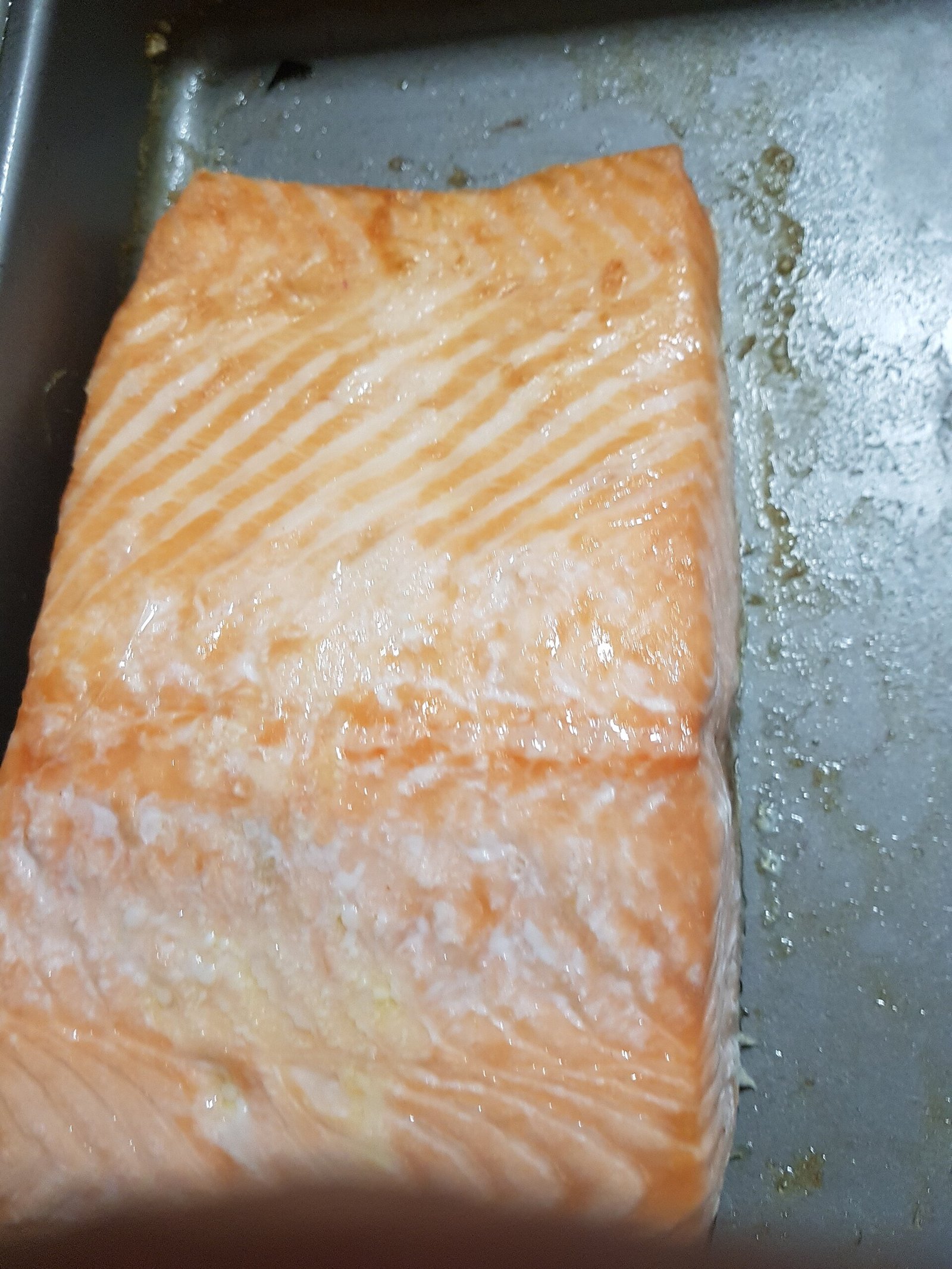
- – Dinner: baked fish, beans or brown rice, large salad with olive oil; water.
- – Evening: herbal tea if hungry—not a second dessert by default.
5. Home setup tips
Keep cut vegetables visible; store sweets out of eye-level; prep overnight oats for busy mornings; walk 10–15 minutes after one meal most days if your clinician cleared activity.
6. If pregnancy or gestational diabetes history is relevant
NIDDK lists gestational diabetes history as a risk factor for later insulin resistance—coordinate future pregnancies with gestational diabetes diet guide themes and obstetric guidance.
Safety, interactions, and who should ask a clinician first
- – Hypoglycemia risk if you take insulin or certain oral agents and you suddenly cut carbs—adjust only with clinician guidance.
- – Kidney disease: protein and potassium plans may differ.
- – Eating disorders history: avoid extreme restriction messaging; ask for RD support.
- – Children/teens with insulin resistance: NIDDK advises talking with a clinician before starting a weight-loss plan.
- – Seek care for unintended rapid weight loss, severe thirst/urination, vision changes, chest pain, or fainting.
FAQ
Can diet reverse insulin resistance by itself? NIDDK says healthy living and weight management may help prevent or reverse insulin resistance and prediabetes for many people; medicines such as metformin may still be appropriate. Food is supportive, not a guaranteed solo fix.
Is a zero-carb diet required? No. Public guidance emphasizes overall healthy patterns (vegetables, fruits, whole grains, lean protein) and limiting sugary drinks and ultra-processed foods—not mandatory zero carbs for everyone.
How much weight loss matters? DPP evidence highlighted about 5% to 7% of starting weight among high-risk adults for lower type 2 diabetes risk—individualize with your team.
Do “blood sugar” supplements replace labs? No. Ask before supplements; they can interact with medicines and are not a substitute for glucose testing when indicated.
How is this different from a type 2 diabetes diet page? Overlap is large—see type 2 diabetes diet guide—but this page focuses on insulin resistance/prediabetes risk reduction before or alongside a diabetes diagnosis.
How this differs from related OTCFood topics
This page is an insulin-resistance-bound diet guide focused on produce-forward plates, sugary-drink limits, and DPP-aligned weight/activity context. It is not a keto prescription, not a cure claim, and not a substitute for endocrinology or primary-care follow-up.
Medical disclaimer
Medical disclaimer: This article is for general information only. It is not medical advice, diagnosis, or a treatment plan. Insulin resistance and prediabetes care depends on labs, other conditions, medicines, and your clinician’s protocol. Talk with a clinician or registered dietitian before starting, stopping, or changing any eating plan, supplement, or medicine. Seek urgent care for severe hyperglycemia symptoms, chest pain, or fainting.