Sarcopenia Diet: Foods That May Help and Foods to Limit
Medical note: This article discusses foods and researched botanicals. It does not claim to prevent, treat, or cure disease. Supplements are not a substitute for food, and studied amounts are not personal prescriptions.
People searching “sarcopenia diet foods that help or worsen” usually want kitchen habits that support muscle and strength alongside resistance training—not a claim that food alone reverses age-related muscle loss. The National Institute on Aging (NIA) describes sarcopenia as age-related loss of muscle mass and strength that can make walking, rising from a chair, and climbing stairs harder, and that links to higher fall and disability risk. NIA-supported research emphasizes strength training as a core tool for maintaining muscle; eating patterns that deliver enough protein, energy, and vitamin D–friendly foods may support that training response. MedlinePlus notes that skeletal muscle atrophy is a common aging tissue change. This guide is supportive only and does not replace clinician-guided exercise, fall-risk care, or medicines.
What this sarcopenia diet guide covers (and what it does not)
This page is for adults—especially midlife and older adults—who want food patterns that may help preserve lean mass when paired with progressive resistance work. Anchors: NIA — How can strength training build healthier bodies as we age?, MedlinePlus — Aging changes in organs, tissues, and cells, ODS — Vitamin D (Health Professional), and ODS — Dietary Supplements for Exercise and Athletic Performance.
NIA notes muscle mass and strength typically peak around ages 30–35, then decline more slowly at first and faster after about age 65 for women and 70 for men (Baltimore Longitudinal Study of Aging). Sudden inability to walk, unexplained rapid weight loss, or new falls need medical evaluation—not a protein shake experiment alone.
Evidence snapshot: sarcopenia diet claims vs public sources
| Claim people hope for | What public sources actually say | Confidence |
|---|---|---|
| “A special diet cures sarcopenia” | NIA frames resistance training as the key driver for building and retaining muscle; diet supports training and overall health | Strong: food is not a standalone cure |
| “More protein always equals more muscle without exercise” | ODS performance sheet: protein builds, maintains, and repairs muscle and may optimize training responses—training still matters | Moderate for protein + training; low for protein alone |
| “Vitamin D pills reverse frailty” | ODS: vitamin D supports bone mineralization and neuromuscular roles; older adults are a higher-risk group for low status—test and dose with a clinician | Moderate for correcting deficiency; low for megadose self-treatment |
| “Creatine replaces strength training” | ODS: creatine may support strength/power adaptations with training; weight gain from water retention is common | Moderate as adjunct with training; not a substitute |
| “Skipping meals is fine if calories are low” | Inadequate energy intake can worsen muscle loss during weight-loss efforts; NIA research pairs nutrition with resistance work when losing weight | Moderate: avoid aggressive under-eating without guidance |
Foods and patterns that may help with sarcopenia day-to-day support
“May help” means kitchen defaults that make it easier to hit protein and energy targets around strength sessions—not a promise to restore 30-year-old muscle on food alone.
Protein-forward plates at most meals
- – Spread protein across breakfast, lunch, and dinner rather than loading it only at dinner—many older adults under-eat protein early in the day.
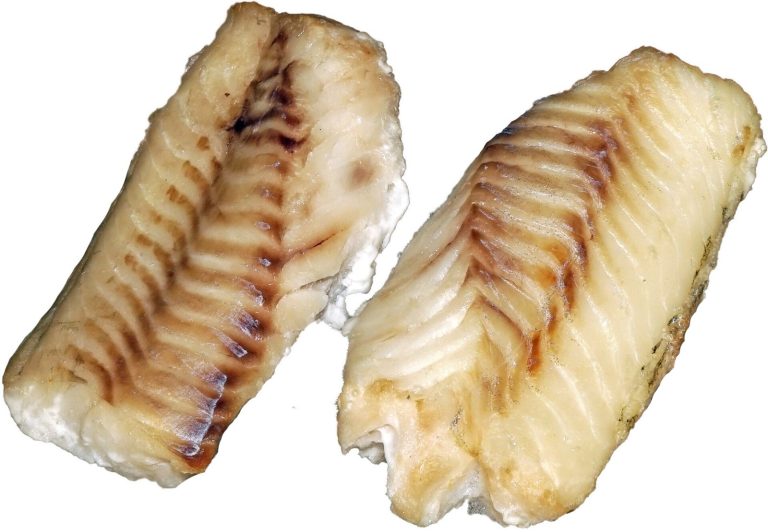
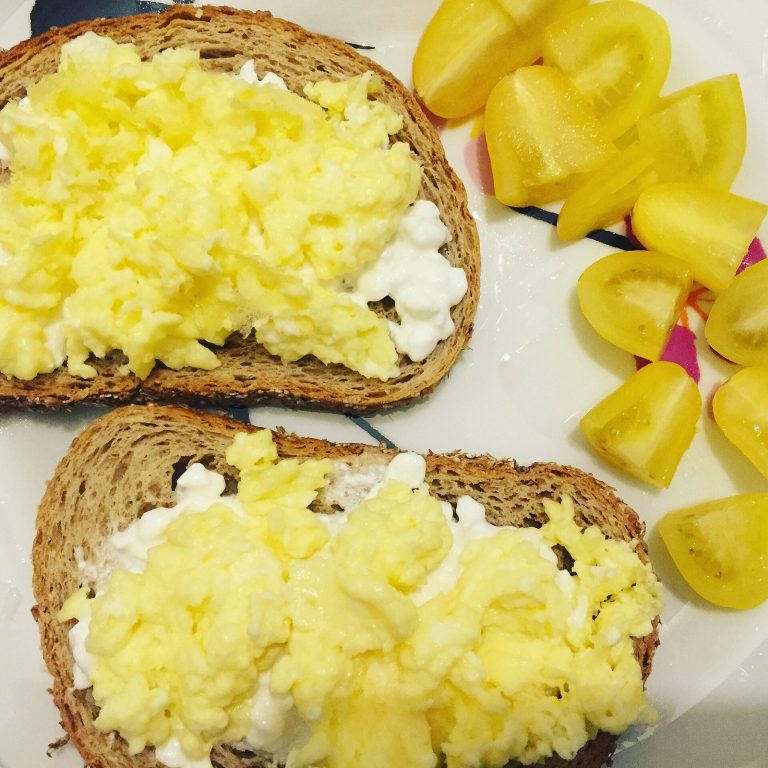
- – Practical sources: eggs, Greek yogurt or cottage cheese, fish, poultry, lean meats, tofu, tempeh, lentils, beans, and fortified soy milk.
- – ODS notes protein helps build, maintain, and repair muscle and may optimize the muscle response to exercise and recovery when intake is adequate for training.
Energy adequacy when training or losing weight
- – NIA-supported work on obesity and frailty stresses that resistance training is especially important during weight loss so people lose more fat than muscle.
- – If you are reducing calories, keep protein higher within your plan and do not cut all strength-building foods; ask a clinician or dietitian for targets that fit kidney function and other conditions.
Vitamin D–aware grocery habits
- – ODS lists fatty fish, fortified milk or plant milks, fortified cereals, and egg yolks among food sources; older adults synthesize less vitamin D from sun.
- – Food alone often falls short of RDAs for many people—clinician-ordered blood tests decide whether a supplement is appropriate. Pair discussion with our vitamin D deficiency diet guide guide if status is low.
Muscle-supportive produce and fluids
- – Vegetables, fruit, and whole grains support overall energy and bowel regularity when protein portions increase.
- – Stay hydrated around training; dehydration can worsen dizziness and fall risk when strength is already limited.
Optional evidence-aware adjuncts (not required)
- – Creatine is discussed on ODS performance pages as an ingredient that may increase strength and power with training; kidney disease, polypharmacy, and unsupervised high doses are reasons to ask a clinician first. See also creatine evidence guide.
Foods and habits that often worsen sarcopenia kitchen patterns
- – Chronic under-eating or “tea and toast” patterns—too little total energy and protein accelerate muscle and strength loss.
- – Protein only once a day—harder to support muscle protein needs across the day.
- – Ultra-restrictive detox or juice cleanses—especially during illness recovery or after hospitalization.
- – Alcohol as empty calories—displaces protein-rich meals and can impair sleep and balance.
- – Skipping resistance work while relying on supplements—NIA researchers repeatedly prioritize progressive strength training; pills do not replace it.
- – Ignoring bone-aware eating—sarcopenia and bone loss often travel together; see osteoporosis diet guide.
“Limit” means reduce frequency of patterns that undermine training—not that one low-protein meal ruins progress.
Practical kitchen protocol: a sarcopenia-supportive diet week
1. Pair food goals with a strength plan
Aim for clinician-cleared resistance work about 1–2 times weekly at minimum (NIA commentary often cites roughly 150 minutes of moderate activity weekly plus strength). Mark training days on a fridge calendar and plan a protein-containing meal within a few hours after sessions.
2. Build a high-protein shopping list
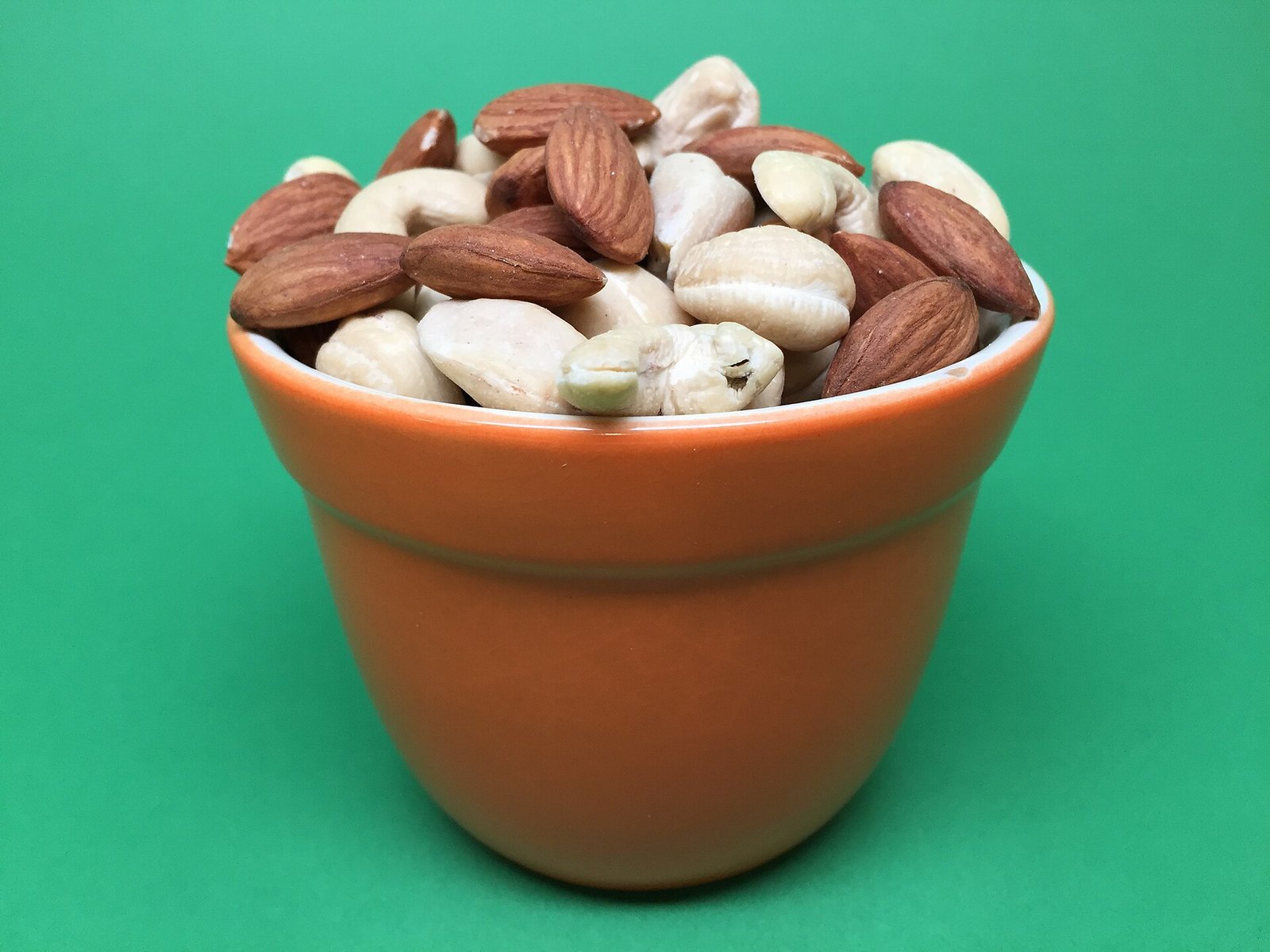
Eggs, canned tuna or salmon, frozen fish fillets, chicken thighs or breast, Greek yogurt, cottage cheese, tofu, lentils, beans, peanut or almond butter, fortified milk, oats, potatoes, frozen vegetables, and olive oil.
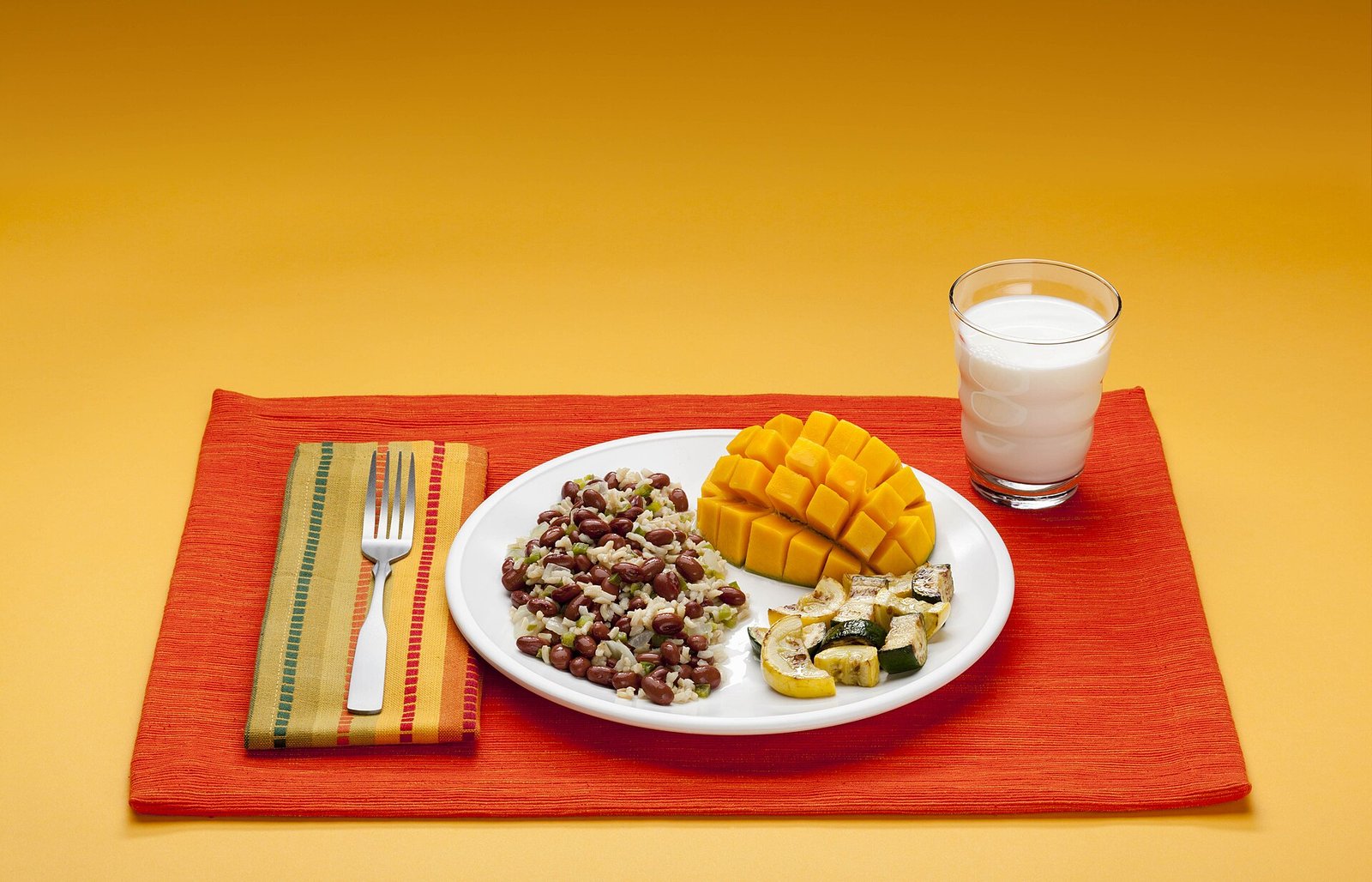
3. Default plate template
- – About one-quarter to one-third of the plate as protein foods
- – Half vegetables and fruit
- – Remaining space for whole grains or starchy vegetables
- – Include a fortified dairy or fortified plant milk serving most days unless contraindicated
4. Sample day (illustrative)
- – Breakfast: Greek yogurt with berries and a handful of nuts, or eggs with toast and fruit.
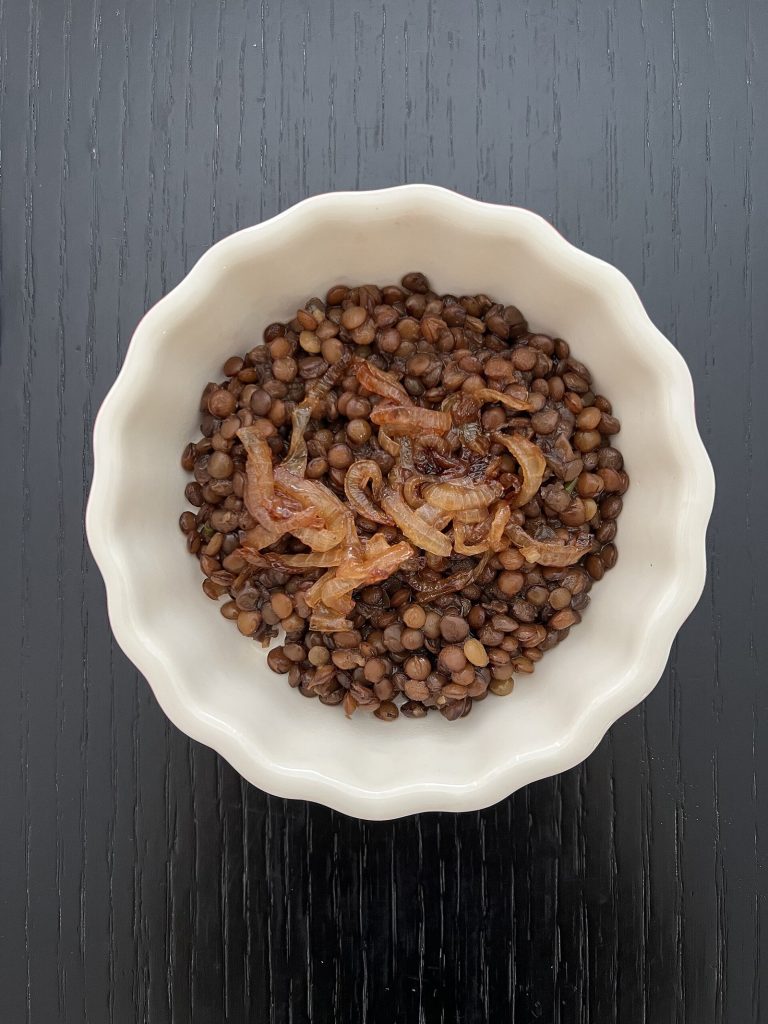
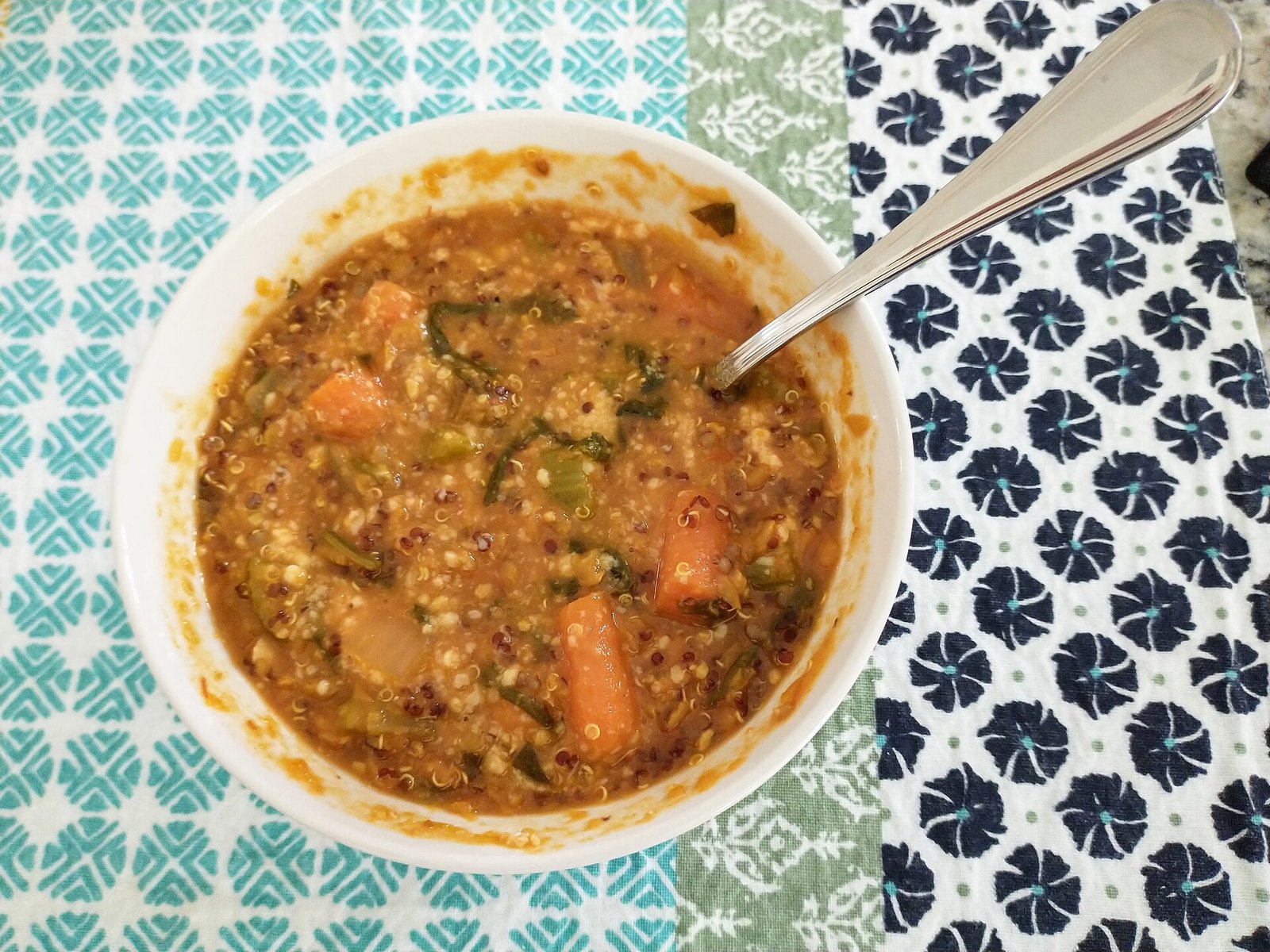
- – Lunch: Lentil soup with a side salad and whole-grain bread, or a turkey sandwich with vegetables.
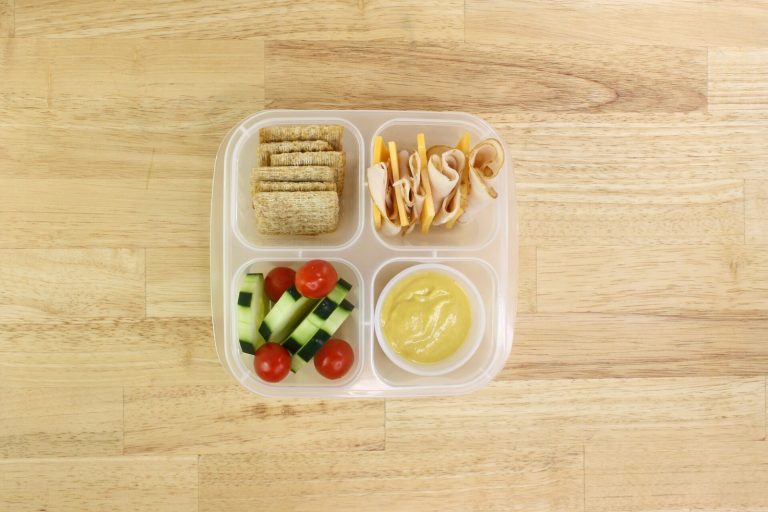
- – Snack: Cottage cheese, hummus with vegetables, or a small smoothie with milk and banana if chewing is difficult.
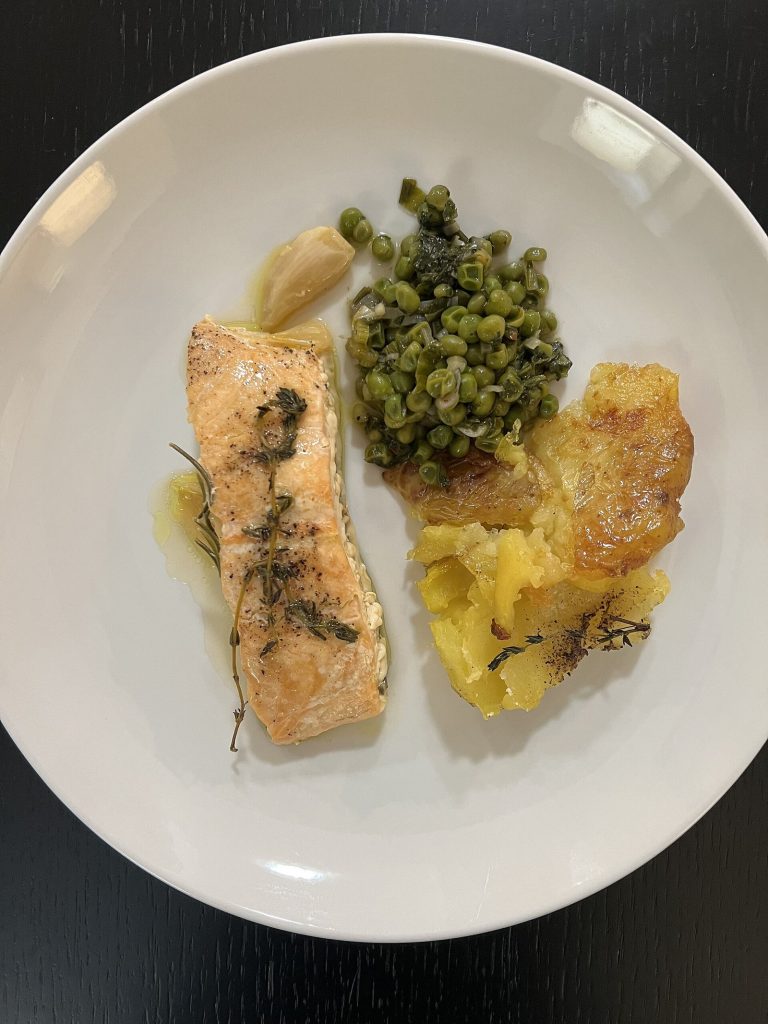
- – Dinner: Baked fish or tofu stir-fry with rice and mixed vegetables; milk or fortified soy milk.
- – Training day add-on: An extra yogurt, egg, or bean portion if appetite allows.
5. Soft or easy-prep options for low-energy days
Batch-cook shredded chicken, freeze soup portions, keep canned beans rinsed and ready, and use microwave-steamed frozen vegetables so fatigue does not collapse protein intake.
6. Eating out
Choose grilled fish or chicken, bean-based bowls, egg dishes, or tofu entrees; ask for an extra protein add-on if the default plate is mostly starch. Skip “diet only salad with almost no protein” trap meals.
Extra practical note for fall-risk households
Keep frequently used protein foods at waist height so you are not climbing stools for heavy cans. Use non-slip mats when cooking. If chewing or swallowing problems appear, ask about texture-modified diets rather than silently dropping meat and nuts.
Safety, interactions, and who should ask a clinician first
- – New falls, unexplained weight loss, night sweats, or rapidly worsening weakness need medical assessment for causes beyond “normal aging.”
- – Chronic kidney disease may require individualized protein targets—do not self-prescribe high-protein diets.
- – Vitamin D and creatine supplements interact with labs, kidney status, and other medicines—clinician guidance first.
- – Menopause-related muscle and bone concerns may overlap; see menopause diet guide for hormone-transition context without assuming the same plan fits everyone.
- – Iron status and fatigue can confuse the picture; if anemia is suspected, review iron deficiency anemia diet guide with lab work rather than guessing.
FAQ
Can a sarcopenia diet reverse muscle loss without lifting? NIA-supported researchers emphasize resistance training as the most important component for building muscle. Food patterns may support that training; they are not a substitute.
How much protein should I eat? Targets depend on age, kidney function, and activity. Discuss numbers with a clinician or registered dietitian rather than copying athlete ranges from supplement marketing.
Do I need creatine? Optional. ODS describes possible strength benefits with training; it is not required, and medical conditions may make it inappropriate without supervision.
Is vitamin D from food enough? Often not for older adults. ODS notes limited food sources and reduced skin synthesis with age—testing guides supplementation.
Will cutting carbs help my muscles? Aggressive carb cuts can reduce training energy. Focus first on adequate protein and progressive strength work, not fad restriction.
How this differs from related OTCFood topics
This page is a sarcopenia-bound diet guide focused on protein distribution, energy adequacy, and vitamin D–aware habits beside strength training. It is not a general osteoporosis diet guide bone page, not a vitamin D deficiency diet guide repletion protocol alone, and not a sports-performance creatine review—though those topics overlap for many readers.
Medical disclaimer
Medical disclaimer: This article is for general information only. It is not medical advice, diagnosis, or a treatment plan. Sarcopenia evaluation and exercise prescriptions depend on your fall risk, heart and kidney status, medicines, and recent hospitalizations. Talk with a clinician, geriatrician, physical therapist, or registered dietitian before starting, stopping, or changing any eating plan, supplement, or training program. Seek urgent care for fainting, inability to walk, chest pain with exertion, or injuries after a fall.