Hashimoto’s Thyroiditis Diet: Foods That May Help and Foods to Limit
Medical note: This article discusses foods and researched botanicals. It does not claim to prevent, treat, or cure disease. Supplements are not a substitute for food, and studied amounts are not personal prescriptions.
People searching “Hashimoto’s thyroiditis diet foods that help or worsen” usually want clarity on iodine, selenium, soy, and gluten myths—plus how food interacts with levothyroxine. NIDDK describes Hashimoto’s disease as an autoimmune cause of hypothyroidism and notes researchers are looking at diet and supplements such as vitamin D and selenium, but no specific diet guidance is currently available. ODS fact sheets explain iodine and selenium roles in thyroid hormone chemistry without endorsing megadoses. Food choices support thyroid hormone replacement and daily energy; they do not replace levothyroxine or specialist care.
What this Hashimoto’s diet guide covers (and what it does not)
This guide is for adults diagnosed with Hashimoto’s thyroiditis or autoimmune hypothyroidism, and for shoppers confused by “thyroid diets” online. Anchors: NIDDK — Hashimoto’s Disease, ODS — Iodine, and ODS — Selenium.
NIDDK lists symptoms such as fatigue, weight changes, cold intolerance, and constipation when hormone levels are low. Chest pain, severe depression with suicidal thoughts, myxedema symptoms, or inability to take thyroid medicine needs urgent medical care—not a new supplement stack.
Evidence snapshot: Hashimoto’s diet claims vs public sources
| Claim people hope for | What public sources actually say | Confidence |
|---|---|---|
| “A special Hashimoto’s diet replaces medicine” | NIDDK: treatment is levothyroxine when hormone replacement is needed; diet research is ongoing without specific prescribed eating rules | Strong that medicine is primary |
| “Everyone should avoid iodine” | ODS: iodine is required to make thyroid hormones; both deficiency and excess can disturb thyroid function—needs are age-specific, not zero | Moderate; individualize |
| “Selenium cures Hashimoto’s” | NIDDK: selenium is being studied; no specific guidance yet. ODS: selenium deficiency can worsen iodine deficiency and thyroid risk, but U.S./Canada deficiency is rare | Low for supplements as therapy |
| “Soy destroys thyroid function” | ODS: soy and some cruciferous vegetables contain compounds that can affect iodine use, but for people with adequate iodine this is generally not a problem in usual food amounts | Moderate for food vs megadose pills |
| “Always take levothyroxine with breakfast” | NIDDK: grapefruit juice, espresso coffee, soy, and multivitamins with iron or calcium can reduce absorption—often take on an empty stomach per clinician timing | Strong for absorption timing |
Foods and patterns that may help with Hashimoto’s day-to-day management
“May help” means supporting nutrient adequacy and medicine absorption—not reversing autoimmunity.
Steady, nutrient-dense meals
- – Regular meals with protein, fiber-rich carbohydrates, and produce to support energy while hormone levels are optimized.
- – Selenium-containing foods from ODS lists: seafood, meat, poultry, eggs, dairy, breads/cereals, beans, lentils, and nuts (Brazil nuts are very high—keep portions small unless advised).
- – Iodine from iodized salt, seafood, dairy, and eggs in food amounts—not seaweed megadosing—unless your clinician directs otherwise (ODS).
Constipation and cold-intolerance kitchen supports
MedlinePlus/NIDDK-linked hypothyroid patterns often include constipation and fatigue. Fiber-and-fluid habits similar to a general constipation diet guide approach may help stool regularity while you wait for hormone levels to normalize—without claiming fiber “fixes” Hashimoto’s.
Medicine-friendly beverage defaults
- – Water with morning levothyroxine when your clinician wants an empty stomach.
- – Delay espresso coffee, soy beverages, and calcium/iron supplements by the interval your clinician sets (NIDDK examples of absorbers that interfere).
- – Keep grapefruit juice away from the dose window.
Foods and habits that often worsen Hashimoto’s management patterns
- – Skipping levothyroxine or taking it with interfering foods/supplements—absorption failures mimic “diet failure.”
- – High-dose iodine supplements or frequent kelp/seaweed products without medical advice—ODS notes excess iodine can disrupt thyroid function.
- – High-dose selenium pills “for antibodies” without labs—ODS upper limits exist; more is not automatically better.
- – Extreme soy-protein isolate shakes stacked on inadequate iodine intake—food soy is different from concentrated supplements for many people (ODS context).
- – Unsupervised gluten-free diets as a Hashimoto’s cure—NIDDK does not prescribe gluten avoidance for Hashimoto’s unless you have confirmed celiac disease (see celiac disease diet guide).
- – Crash dieting that worsens fatigue and nutrient gaps while thyroid labs are still being optimized.
- – Herbal “thyroid boosters” that contain hidden thyroid hormone or high iodine—disclose all supplements to your clinician.
Practical kitchen protocol: a Hashimoto’s diet week
1. Fix the levothyroxine routine before chasing food rules
Confirm with your clinician: exact dose time, empty-stomach window, and how long to wait before coffee, breakfast, calcium, or iron. NIDDK notes digestive problems and certain foods/supplements change absorption—consistency often matters more than a trendy elimination diet.
2. Build an iodine-adequate, non-extreme plate
- – Use iodized salt in normal cooking amounts unless told to restrict iodine (for example, before some nuclear-medicine procedures).
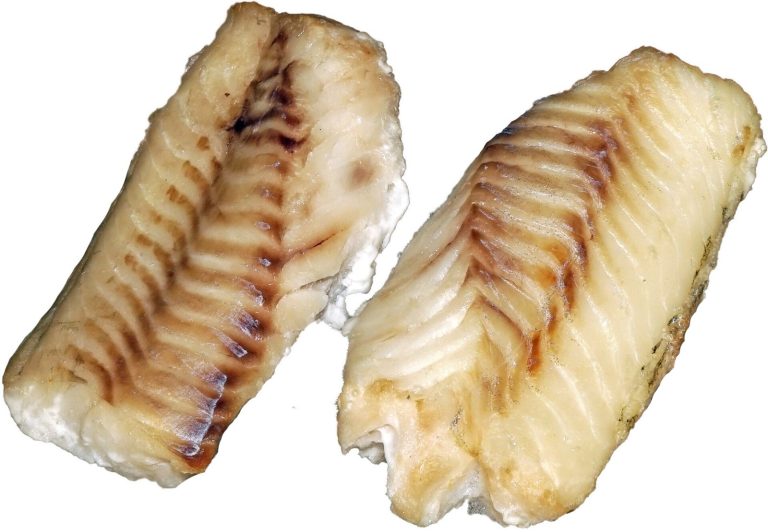
- – Include fish or dairy a few times weekly if tolerated.
- – Avoid stacking kelp tablets “for energy.”
3. Get selenium from food first
Most people in the U.S. and Canada meet selenium needs from protein foods and grains (ODS). One Brazil nut can contain a large fraction of the daily amount—do not eat handfuls daily without advice.
4. Shopping list default
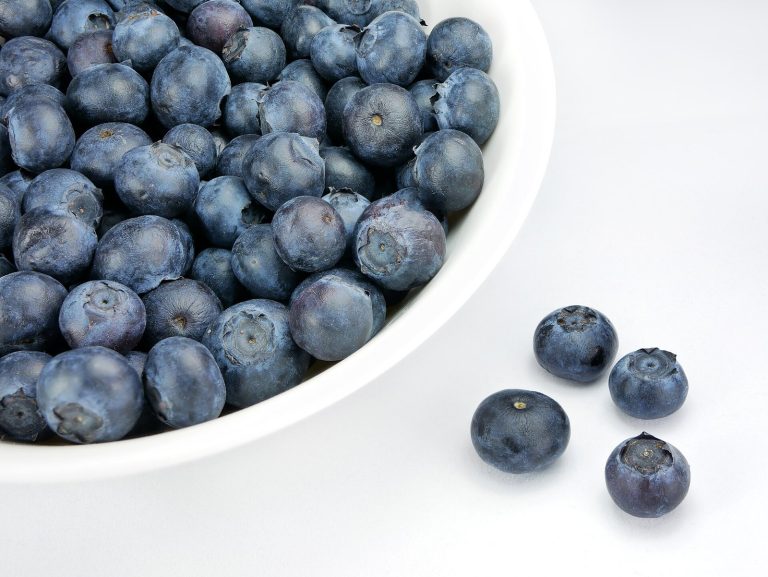
Eggs, yogurt, iodized salt, frozen fish, beans or lentils, whole grains, mixed vegetables (including broccoli/cabbage in normal food portions if iodine intake is adequate), berries, olive oil, and a consistent breakfast you can delay until after the thyroid-pill window.
5. Sample day (illustrative)
- – Early morning: levothyroxine with water; wait the prescribed interval.
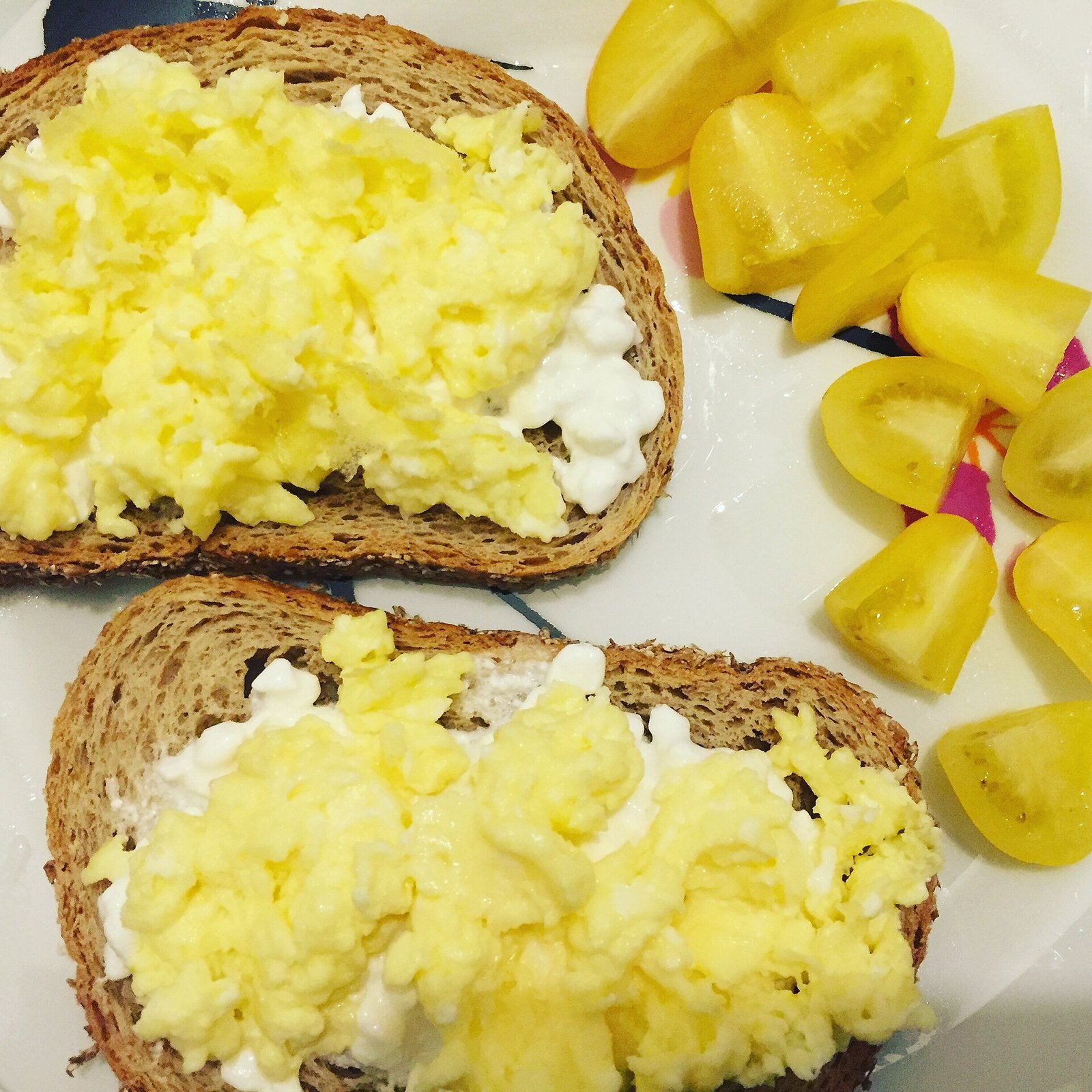
- – Breakfast: eggs and toast; fruit.
- – Lunch: salmon salad with mixed greens; olive oil.
- – Snack: yogurt or a small handful of mixed nuts (not a bag of Brazil nuts).
- – Dinner: chicken, rice, roasted vegetables; iodized-salt seasoning as usual.
6. If you have confirmed celiac disease
Follow a strict gluten-free plan with a dietitian. That is a celiac indication, not a universal Hashimoto’s rule. Coordinate with your thyroid clinician because malabsorption can change levothyroxine needs.
7. Overlap with general hypothyroidism content
For broader underactive-thyroid grocery themes, see hypothyroidism diet guide. This Hashimoto’s page emphasizes autoimmune context, iodine/selenium evidence limits, and medicine absorption.
8. Track symptoms alongside labs—not instead of labs
Keep a simple two-week log of energy, stool pattern, cold intolerance, and whether coffee or calcium landed too close to levothyroxine. Bring it to your clinician with recent TSH/free T4 results. NIDDK emphasizes hormone replacement and monitoring; food experiments are adjuncts, not substitutes for lab-guided dose changes. If constipation remains after thyroid levels normalize, shift to a dedicated fiber plan rather than adding more iodine.
Safety, interactions, and who should ask a clinician first
- – NIDDK: iron and calcium supplements, soy, espresso coffee, and grapefruit juice can impair levothyroxine absorption—separate doses as instructed.
- – Pregnancy and Hashimoto’s need specialist thyroid monitoring—do not self-adjust iodine or medicine.
- – Heart disease, arrhythmias, or adrenal disorders change thyroid dosing urgency—diet experiments are secondary.
- – Unexplained weight gain/loss, severe constipation, depression, or neck swelling: seek medical review and lab checks.
- – Do not stop thyroid hormone replacement because an online diet claims to “heal” the gland.
FAQ
Is there an official Hashimoto’s diet? NIDDK says researchers are studying diet and supplements such as vitamin D and selenium, but no specific guidance is currently available. Levothyroxine remains the standard replacement therapy when needed.
Should I avoid cruciferous vegetables? ODS notes goitrogenic compounds in soy and crucifers can affect iodine use, but usual food amounts are generally fine for people with adequate iodine. Do not eliminate vegetables without clinical reason.
Can selenium supplements lower thyroid antibodies? Interest exists, but NIDDK states specific guidance is not available. Discuss labs and dosing with your clinician before supplementing; ODS warns that excess selenium has risks.
Does gluten-free eating help Hashimoto’s? Only treat gluten as medically necessary if you have celiac disease or a clinician-diagnosed gluten-related disorder—not as a default Hashimoto’s cure.
How this differs from related OTCFood topics
This page is Hashimoto’s-specific, centered on autoimmune hypothyroidism, iodine/selenium evidence limits, and levothyroxine absorption. It is not a general hypothyroidism diet guide overview alone, not a celiac disease diet guide gluten protocol, not a constipation diet guide fiber guide, and not an anxiety diet guide stress plate—though fatigue and mood symptoms often overlap clinically.
Medical disclaimer
Medical disclaimer: This article is for general information only. It is not medical advice, diagnosis, or a treatment plan. Hashimoto’s management depends on thyroid labs, antibodies, pregnancy status, and medicines. Talk with an endocrinologist or licensed clinician and a registered dietitian before starting, stopping, or changing any eating plan, iodine/selenium supplement, or thyroid medication. Seek urgent care for severe symptoms of thyroid imbalance or inability to take prescribed hormone therapy.