Reactive Hypoglycemia Diet: Foods That May Help and Foods to Limit
Medical note: This article discusses foods and researched botanicals. It does not claim to prevent, treat, or cure disease. Supplements are not a substitute for food, and studied amounts are not personal prescriptions.
People searching “reactive hypoglycemia diet foods that help or worsen” usually want steadier meal structure that limits post-meal glucose crashes—not a claim that kitchen rules replace evaluation for diabetes medicines, insulinoma, hormone problems, or other causes of low blood sugar. MedlinePlus defines low blood sugar as glucose that drops too low (often cited around below 70 mg/dL) and lists causes that include diabetes therapies, alcohol, skipped carbs, and—in people without diabetes—alcohol, rare insulin-producing tumors, hormone deficiencies, and organ illness. NIDDK explains that skipping or delaying carbohydrate-containing meals, drinking alcohol without enough food, and certain diabetes medicines can drop glucose, and it teaches the classic 15–20 grams of fast carbohydrate treatment when readings are low.
Reactive (postprandial) hypoglycemia refers to symptomatic low glucose occurring within a few hours after eating; clinicians still need to confirm true hypoglycemia and search for causes. This kitchen guide stays aligned with public NIDDK/MedlinePlus hypoglycemia eating themes: regular meals with adequate carbohydrate, not drinking alcohol on an empty stomach, and treating documented lows promptly.
What this reactive hypoglycemia diet guide covers (and what it does not)
This guide is for adults told they have reactive or post-meal hypoglycemia patterns—or who are working with a clinician on postprandial lows—who want practical plates while diagnostic work continues. Anchors: MedlinePlus — Hypoglycemia, MedlinePlus — Low blood sugar, NIDDK — Low blood glucose (hypoglycemia), and NIDDK — Diabetes diet & activity.
NIDDK prevention themes for people at risk include a regular eating plan with meals, snacks, and beverages that contain enough carbohydrate; carrying fast-acting carbohydrate; eating when drinking alcohol; and adjusting around physical activity. MedlinePlus likewise stresses eating and drinking enough carbs to keep glucose in target and notes alcohol without food as a risk. Food patterns do not replace supervised fasting tests or tumor workups when indicated. Related reading: hypoglycemia diet guide, type 2 diabetes diet guide, and prediabetes diet guide.
Evidence snapshot: reactive hypoglycemia diet claims vs public sources
| Claim people hope for | What public sources actually say | Confidence |
|---|---|---|
| “Zero-carb forever stops reactive lows” | NIDDK/MedlinePlus center adequate carbohydrate timing—not carbohydrate elimination as universal therapy | Strong: don’t self-starve carbs |
| “Candy-only grazing prevents crashes best” | Fast sugar treats acute lows (NIDDK 15–20 g rule); preventing swings usually needs balanced meals, not endless sweets | Strong for acute treatment vs prevention distinction |
| “Any shake labeled ‘blood sugar support’ replaces evaluation” | Public pages prioritize meal structure, alcohol caution, and clinician diagnosis of causes | Strong: evaluate causes |
| “Skipping breakfast ‘trains’ the pancreas” | Skipping/delaying carb-containing meals can drop glucose (NIDDK) | Strong: don’t skip as therapy |
| “Alcohol is fine if drinks are ‘clean’” | Alcohol without enough food impairs glucose steadiness and can mask early symptoms (NIDDK) | Strong: eat with alcohol if you drink |
Foods and patterns that may help with reactive hypoglycemia day to day
“May help” means supporting steadier glucose availability across the day—not a promise that recipes abolish every shaky episode without monitoring.
Regular meals and planned snacks with carbohydrate
- – NIDDK: if you don’t eat enough carbohydrates or skip/delay meals, glucose can fall.
- – Aim for consistent meal times; include carbohydrate sources your clinician or dietitian sized for you (whole grains, fruit, starchy vegetables, dairy) paired with protein and fat for staying power.
Balanced plates rather than sugar-only hits between meals
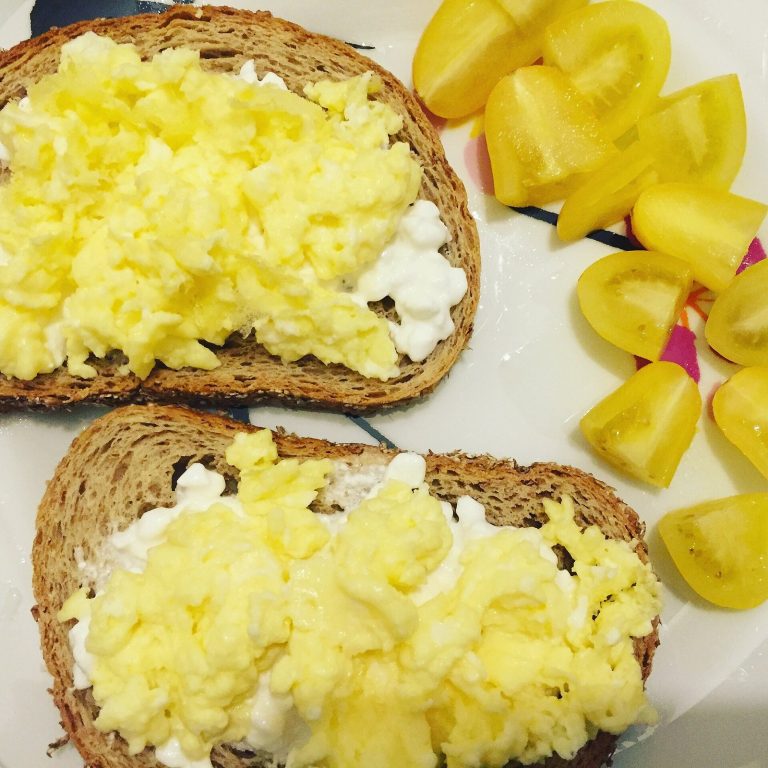
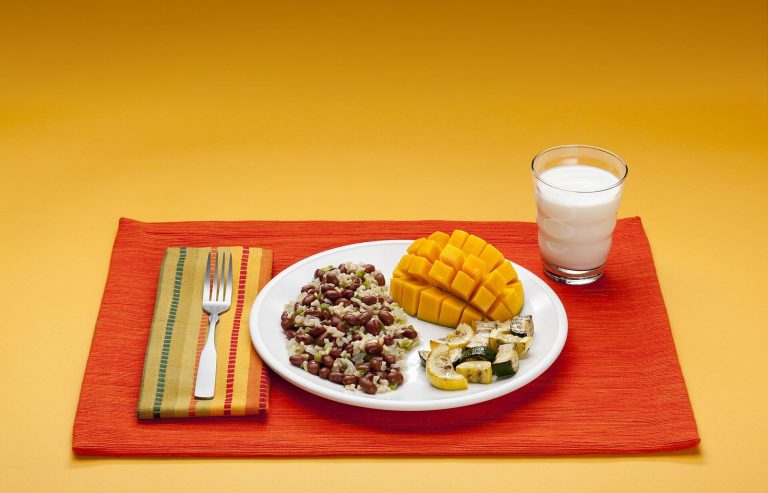
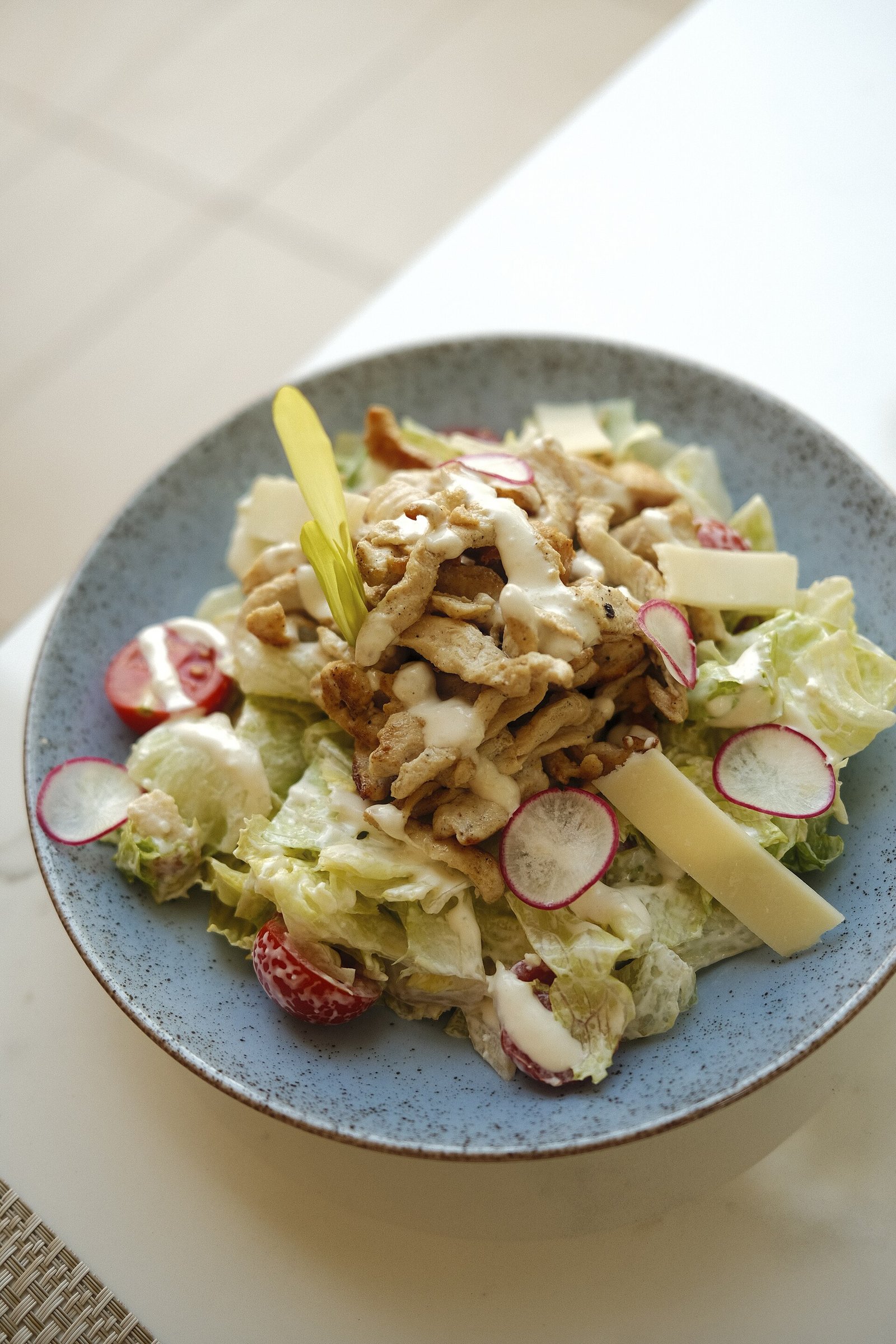
- – Build meals with protein (eggs, fish, poultry, tofu, yogurt), fiber-containing carbs, and vegetables.
- – Save pure sugar/juice primarily for treating confirmed lows per the NIDDK examples (glucose tablets, 4 oz juice, regular soda, tablespoon of sugar/honey)—then recheck.
Eat if you drink alcohol
- – NIDDK: alcohol makes it harder to keep glucose steady, especially without food, and can hide early warning symptoms.
- – Never drink heavily on an empty stomach; discuss personal limits with your clinician.
Activity-aware snacks
- – Physical activity can lower glucose during and after exercise (NIDDK). Ask whether a small carb-containing snack before activity fits your plan—especially if you also take glucose-lowering medicines.
Carry a labeled “low kit”
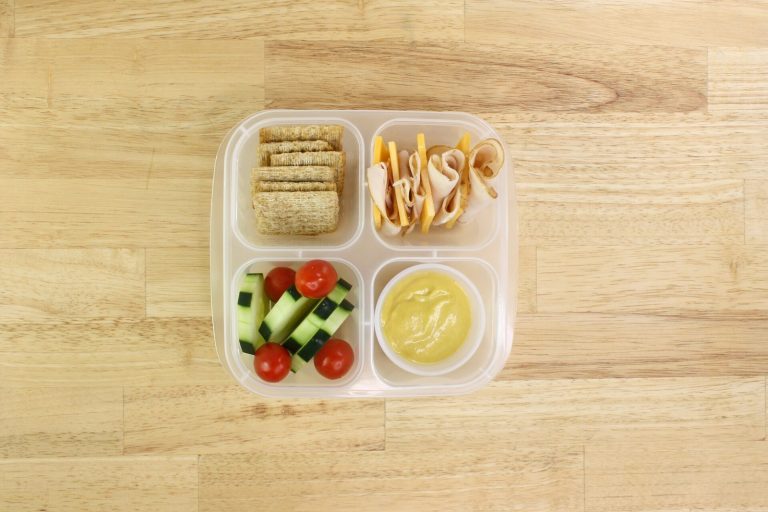
- – Glucose tablets or gel, juice box, and a follow-up snack (crackers or fruit) if the next meal is more than an hour away (NIDDK sequence).
Foods and habits that often worsen reactive hypoglycemia kitchen patterns
- – Skipping meals or ultra-long fasting without medical supervision.
- – Large sugar-only boluses followed by long gaps that may set up rebound symptoms for some people—prevention favors balanced meals; acute treatment still uses fast carbs when a true low is documented.
- – Alcohol without food.
- – Unmonitored intense exercise without adjusting fueling if you are prone to lows.
- – Ignoring clinician advice if you take insulin, sulfonylureas, or other agents that lower glucose.
- – Relying on “sugar-free” labels alone—some products still affect individuals differently; use meter/CGM guidance your clinician set.
- – Expecting diet to fix seizures, loss of consciousness, or repeated severe lows — emergency care and medication review are required.
“Limit” means reducing swing-prone habits—not fearing every fruit serving.
Practical kitchen protocol: a reactive hypoglycemia diet week
1. Keep the medical spine first
Confirm whether lows are documented on a meter/CGM, whether diabetes medicines are involved, and whether further endocrine testing is planned. Know your personal treatment threshold and glucagon/nasal glucagon access if prescribed.
2. Shopping list for steadier-glucose kitchens
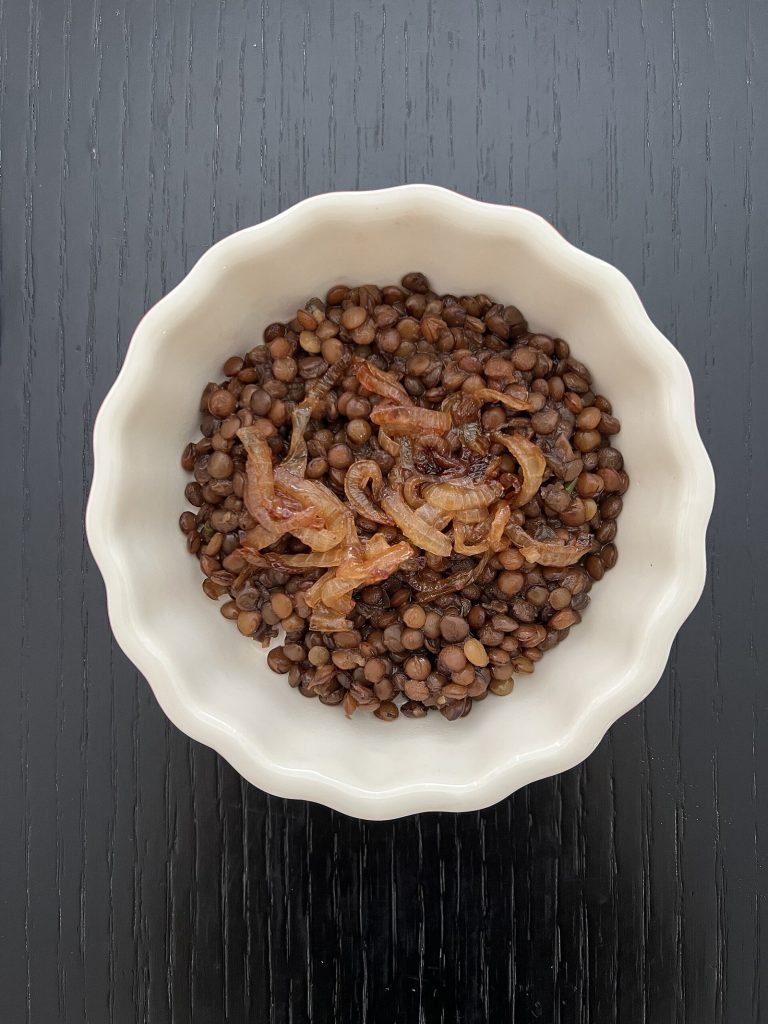
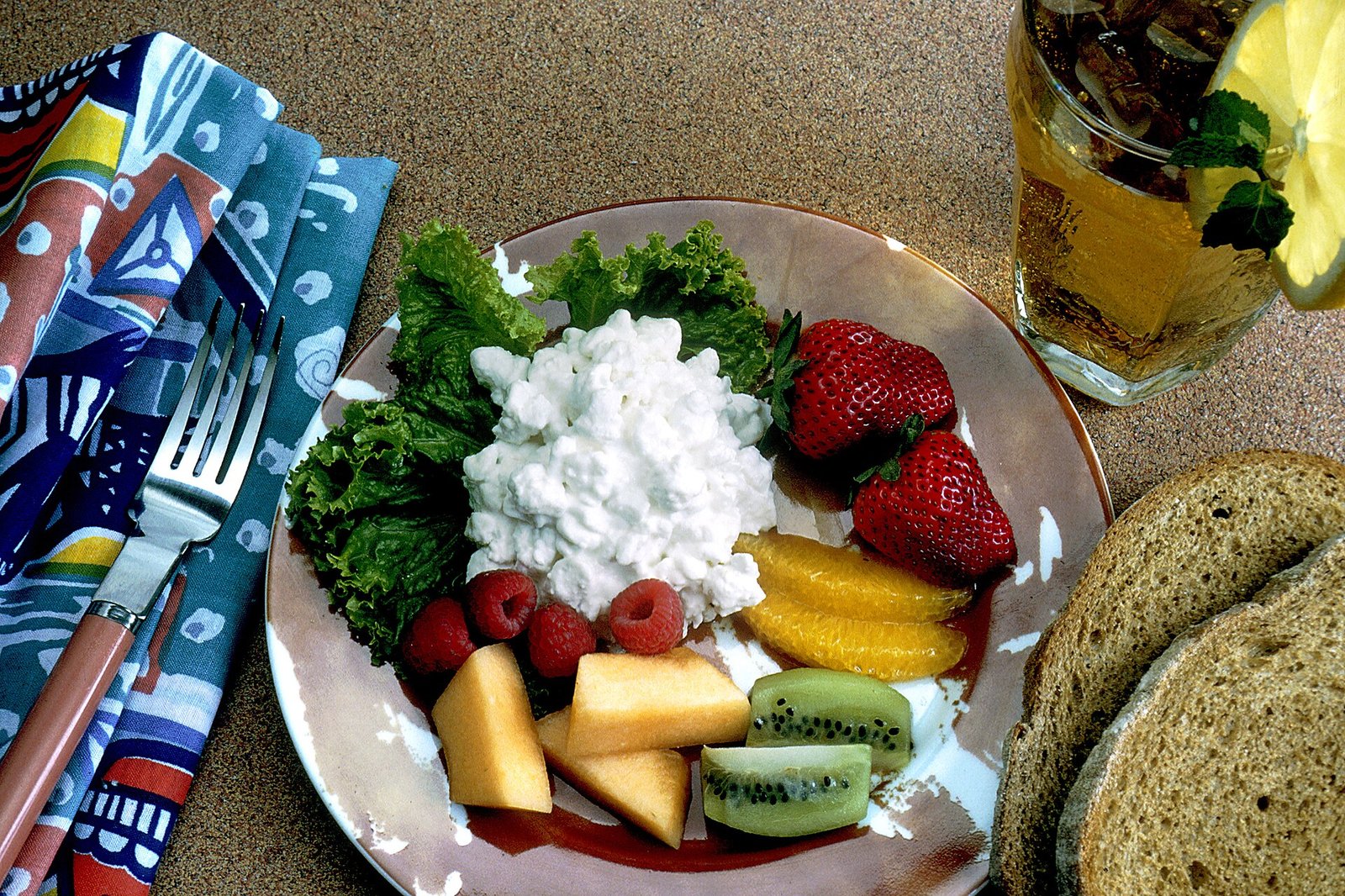
Oats; whole-grain bread; fruit; yogurt; eggs; nuts; cheese or cottage cheese; lean proteins; beans; vegetables; glucose tablets; juice boxes for the low kit; crackers for post-treatment snacks.
3. Default plate template
- – Fiber-containing carbohydrate
- – Protein
- – Vegetables
- – Modest fat for satiety
- – Timed snacks if your plan includes them (for example mid-afternoon)
4. Sample day (illustrative—individualize)
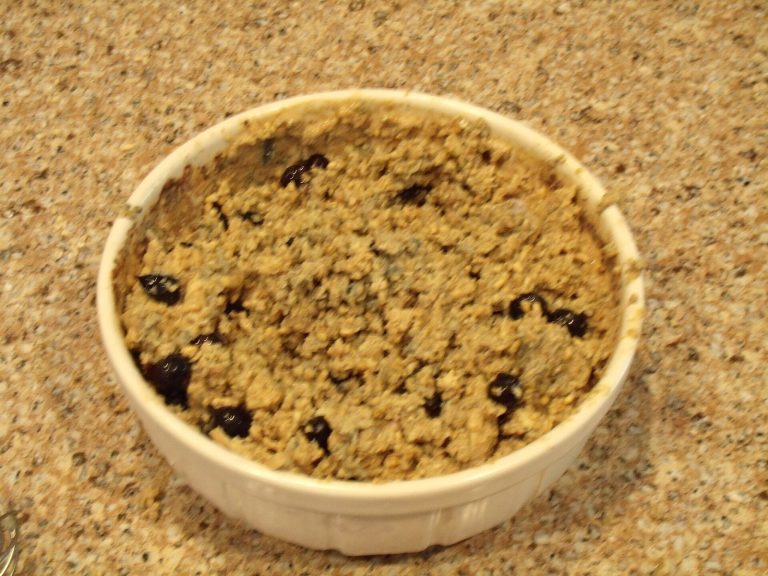
- – Breakfast: oatmeal with nuts and yogurt; berries.
- – Lunch: turkey or tofu grain bowl with vegetables; fruit.
- – Snack: apple with peanut butter or cheese.
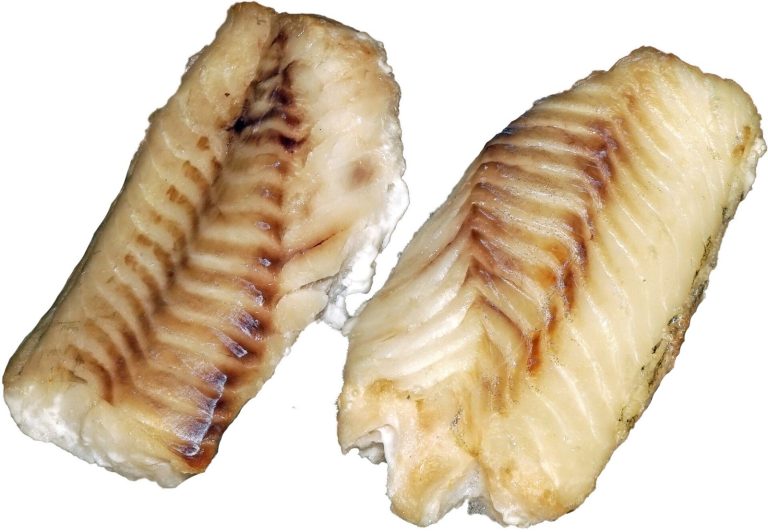
- – Dinner: salmon or chicken, potato or beans, salad.
- – Evening: small planned snack if nights are vulnerable; alcohol-free or alcohol only with food per clinician advice.
5. Home setup tips
Pack the low kit in every bag; set phone meal reminders; log symptoms vs meter readings for your clinician rather than guessing.
6. If diabetes or prediabetes coexists
Coordinate with type 2 diabetes diet guide and hypoglycemia diet guide so medicine doses and carb timing stay aligned—do not cut carbs aggressively on your own.
Safety, interactions, and who should ask a clinician first
- – Severe hypoglycemia with confusion, seizure, or unconsciousness is an emergency—call local emergency services.
- – People on alpha-glucosidase inhibitors need glucose tablets/gel specifically (NIDDK notes other carbs may not raise glucose effectively with those drugs).
- – Driving with untreated lows is dangerous—treat and recheck before driving.
- – Unexplained lows without diabetes medicines need medical evaluation for other causes (MedlinePlus lists several).
FAQ
Is reactive hypoglycemia the same as diabetes? Not necessarily. Lows can occur with diabetes therapies or, less often, without diabetes. Evaluation matters.
Should I avoid all carbohydrates? Public NIDDK guidance emphasizes adequate carbohydrate timing, not zero-carb elimination, for preventing lows.
What do I eat for an acute low? NIDDK: 15–20 g fast carbohydrate, wait 15 minutes, recheck, repeat if needed, then snack if the next meal is far away.
Can coffee cause reactive hypoglycemia? Caffeine is not the NIDDK headline mechanism; alcohol without food, skipped carbs, medicines, and illness are clearer public themes—track personal symptoms with data.
How is this different from a general hypoglycemia page? Overlap is large—see hypoglycemia diet guide—this page emphasizes post-meal timing, balanced plates, and avoiding sugar-only preventative grazing.
How this differs from related OTCFood topics
This page is a reactive/postprandial hypoglycemia–aware diet guide focused on regular balanced meals, alcohol-with-food rules, and NIDDK-aligned acute treatment. It is not a supervised fast protocol, not an insulinoma self-test, and not a substitute for endocrine care.
Medical disclaimer
Medical disclaimer: This article is for general information only. It is not medical advice, diagnosis, or a treatment plan. Hypoglycemia care depends on cause, medicines, other conditions, and your clinician’s protocol. Talk with a clinician or registered dietitian before starting, stopping, or changing any eating plan, supplement, or medicine. Seek emergency care for severe low blood sugar with confusion, seizure, or loss of consciousness.