NAFLD (Fatty Liver) Diet: Foods That May Help and Foods to Limit
Medical note: This article discusses foods and researched botanicals. It does not claim to prevent, treat, or cure disease. Supplements are not a substitute for food, and studied amounts are not personal prescriptions.
Nonalcoholic fatty liver disease (NAFLD)—also referred to as metabolic dysfunction–associated steatotic liver disease (MASLD)—means extra fat has built up in the liver without heavy alcohol use as the main driver. NIDDK’s public eating guidance is practical rather than mystical: if you do not have NAFLD, a healthy diet, sensible portions, and a healthy weight may help prevent it; if you already have NAFLD, your clinician may recommend gradual weight loss when you have overweight or obesity, plus specific fat and carbohydrate pattern changes. Food does not “detox” the liver, reverse advanced scarring by itself, or replace care for diabetes, lipids, and heart risk that often travel with fatty liver.
What this NAFLD diet guide covers (and what it does not)
This guide is for adults who want kitchen defaults aligned with NIDDK — Eating, Diet, & Nutrition for NAFLD & NASH and the NIDDK NAFLD & NASH overview. It covers weight-aware eating, fat-quality swaps, lower-glycemic patterns, limiting simple sugars (especially fructose-heavy drinks), and minimizing alcohol. It does not diagnose fatty liver, interpret elastography scores, or tell you to stop prescribed medicines because you started a “liver cleanse.”
Evidence snapshot: NAFLD diet claims vs public sources
| Claim people hope for | What public sources actually say | Confidence |
|---|---|---|
| “A juice cleanse cures fatty liver” | NIDDK focuses on weight, fats, glycemic foods, and simple sugars—not detox juices | Strong (against cure/detox claims) |
| “Gradual weight loss may help if overweight” | NIDDK: doctor may recommend gradually losing weight if overweight or obesity | Strong |
| “Limit fats that drive easy calorie surplus; prefer unsaturated fats, especially omega-3” | NIDDK lists limiting fat intake that raises obesity chance and replacing saturated/trans fats with unsaturated fats, especially omega-3, which may reduce heart-disease chance if you have NAFLD | Moderate-to-strong |
| “Choose lower-GI foods; avoid large simple-sugar loads, especially fructose” | NIDDK lists low-GI foods (most fruits, vegetables, whole grains) vs high-GI examples (white bread, white rice, potatoes) and avoiding foods/drinks with large amounts of simple sugars, especially fructose in sweetened drinks and juices; sucrose is a major fructose source during digestion | Strong |
| “Alcohol is harmless if the disease name says nonalcoholic” | NIDDK: minimize alcohol use—it can further damage your liver | Strong |
Foods and patterns that may help with NAFLD
“May help” means supporting weight and metabolic health beside clinician follow-up—not melting liver fat on a deadline.
Weight-aware, portion-conscious plates (NIDDK)
- – Build meals from vegetables, fruits, legumes, whole grains, and lean proteins so calorie balance is easier without crash dieting.
- – Use a flexible plate: plenty of non-starchy vegetables, a protein serving, and a measured starch—then adjust with your clinician or dietitian to your calorie target.
Prefer unsaturated fats; limit saturated and trans fats (NIDDK)
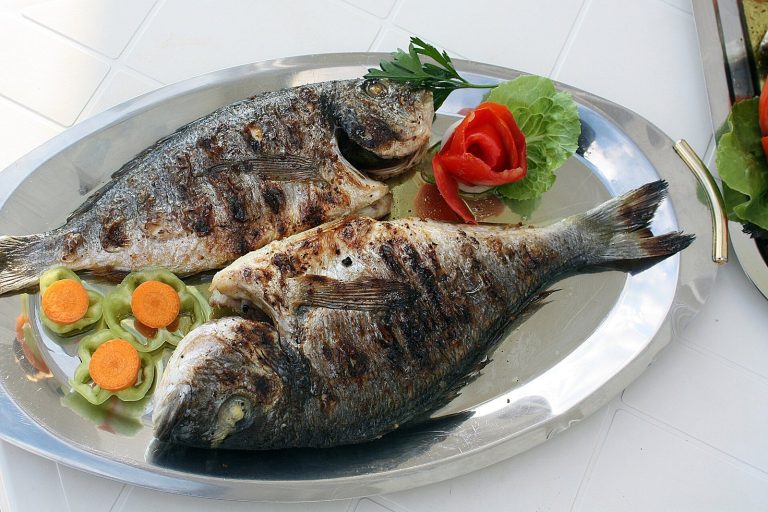
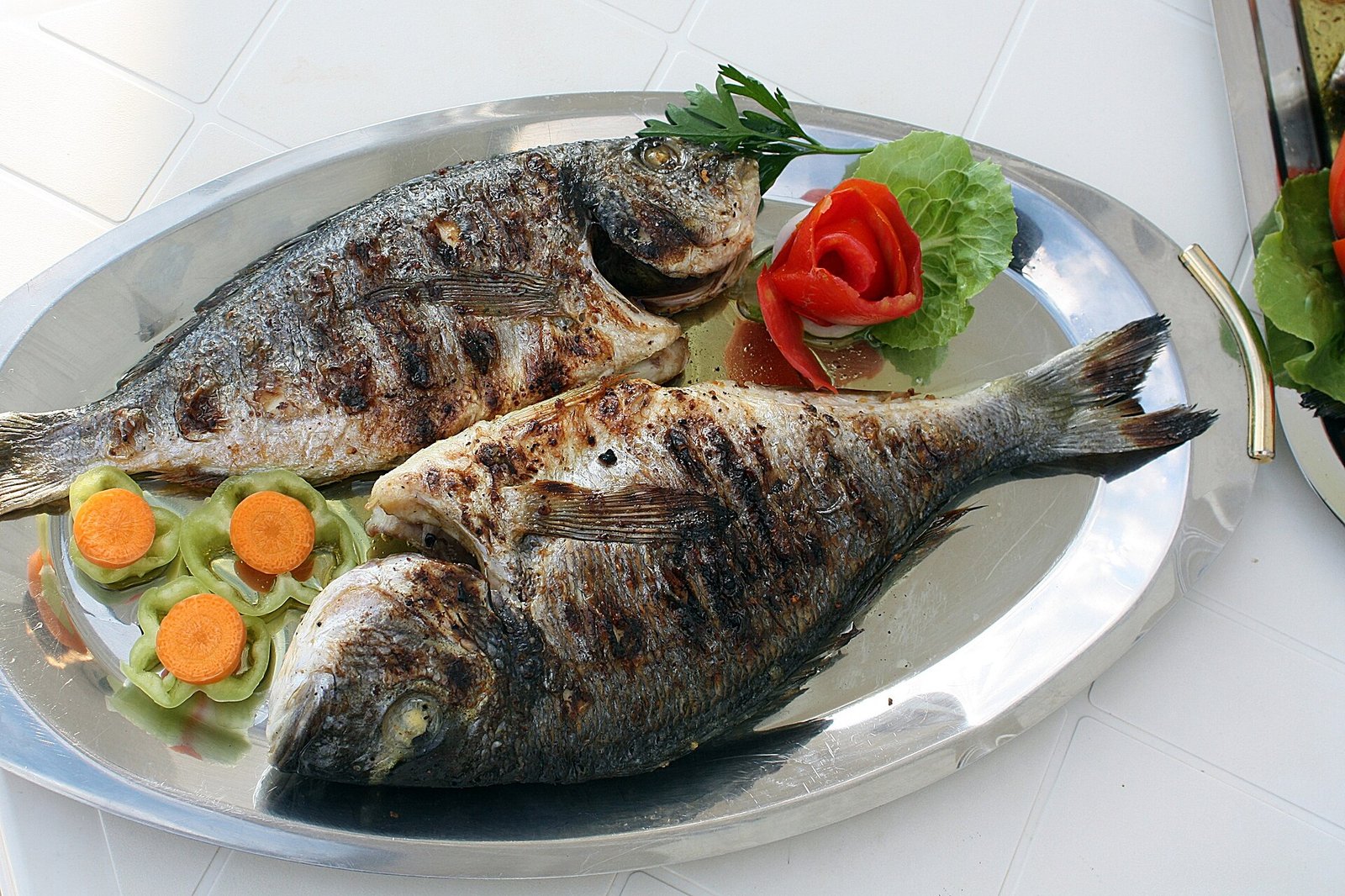
- – Olive or canola oil for cooking; nuts and seeds in measured handfuls; fish such as salmon, sardines, or trout.
- – Cut back on fatty processed meats, deep-fried fast food, and packaged snacks high in saturated or industrial trans fats.
Lower-glycemic carbohydrate pattern (NIDDK)
- – Favor most fruits, vegetables, and whole grains over large habitual portions of white bread, white rice, and potatoes if those dominate your plate.
- – Pair carbohydrate foods with protein and vegetables to blunt large glucose swings—especially important when diabetes or prediabetes coexists.
Limit simple sugars—especially fructose-heavy drinks (NIDDK)
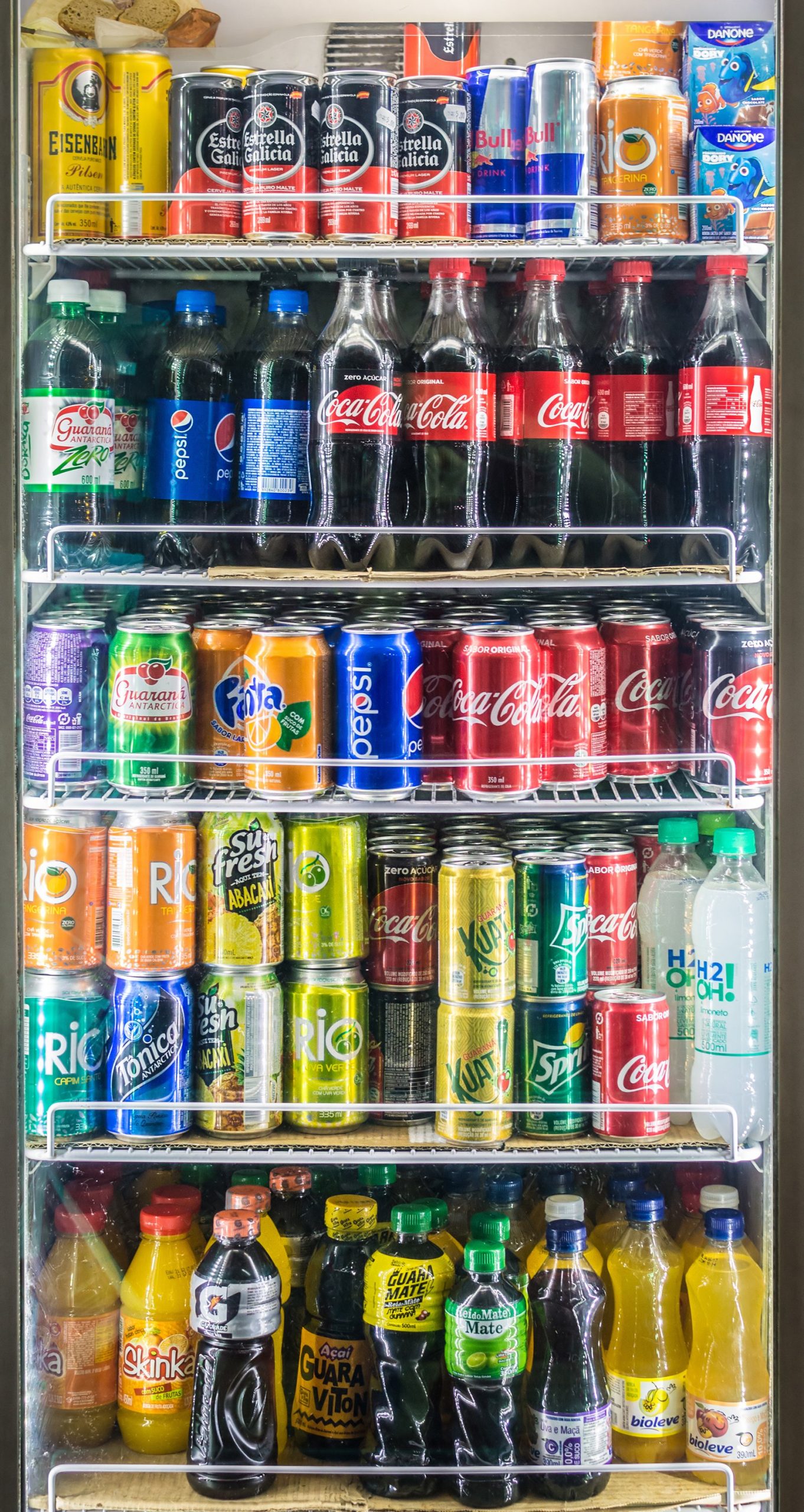
- – Reduce sweetened soft drinks, sports drinks, sweetened tea, and large juice servings.
- – Keep desserts modest; table sugar (sucrose) rapidly yields fructose during digestion.
Minimize alcohol (NIDDK)
- – Even when alcohol was not the original cause, continued drinking can further damage the liver.
Foods and drinks that often worsen the bigger picture
- – Sugar-sweetened beverages and frequent dessert loads (simple-sugar / fructose focus).
- – Frequent fried and ultra-processed high-fat meals that pack saturated fat and easy calories.
- – Alcohol beyond clinician-agreed limits—NIDDK says minimize.
- – Crash “liver cleanses” that promise rapid detox; NIDDK frames gradual weight loss when indicated.
- – Skipping protein while cutting calories, which makes adherence harder and can sap energy for activity.
“Limit” means reduce patterns that push weight, glycemia, and liver stress—not eliminate every enjoyable food forever.
Practical kitchen protocol: a NAFLD-aware eating plan
1. Keep medical care first
NAFLD management often includes checks for type 2 diabetes, lipids, and fibrosis risk. Diet supports those goals; it does not replace imaging follow-up or medicines your clinician prescribed.
2. Build a 7-day plate template
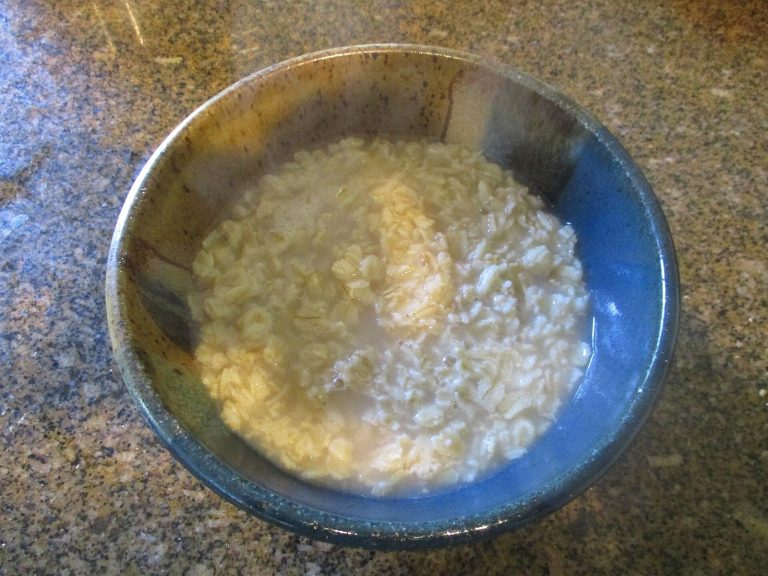
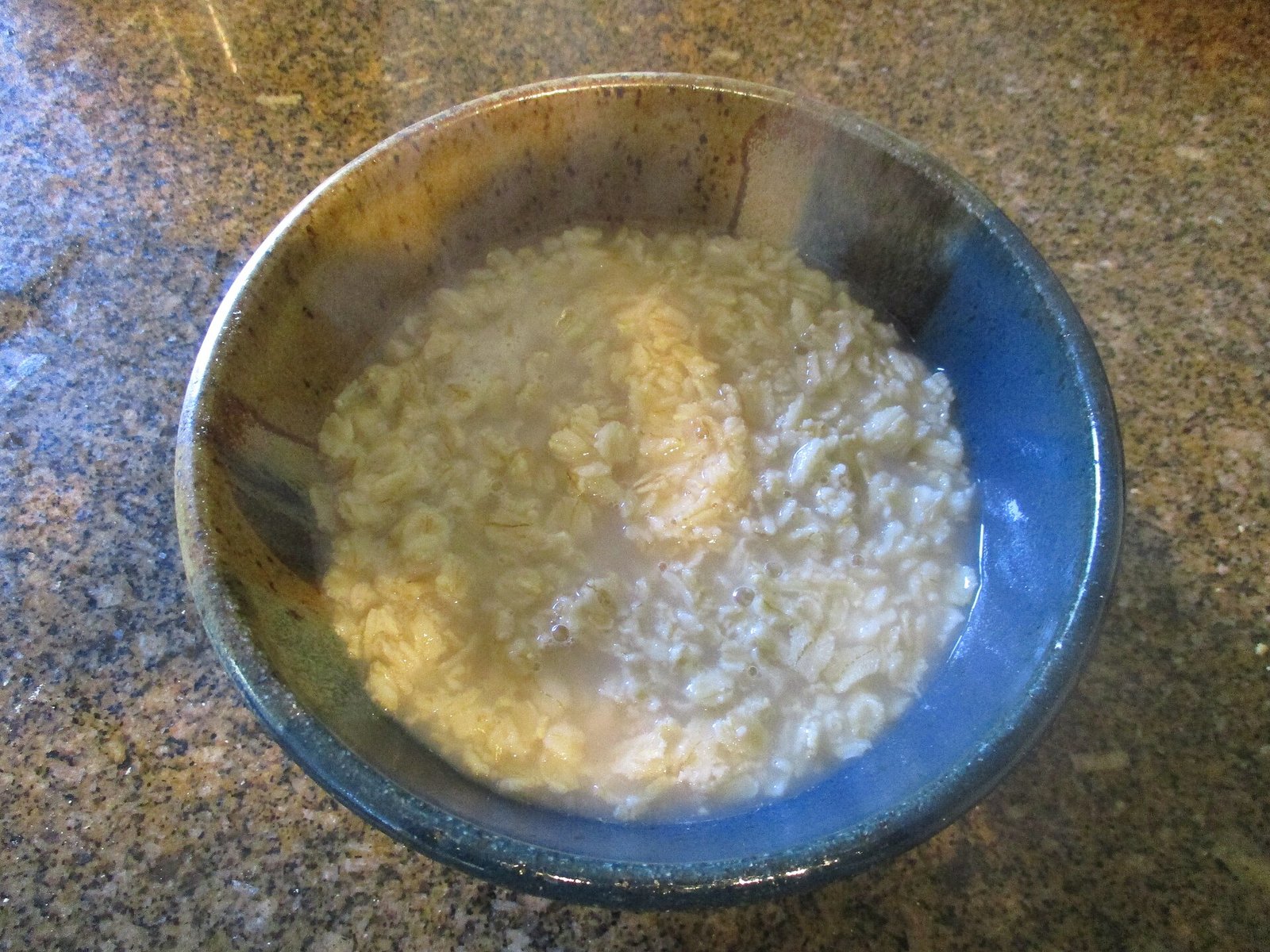
- – Breakfast: oats or steel-cut oats with milk or fortified alternative; berries; optional egg.
- – Lunch: bean, tuna, or tofu salad with a large vegetable base and a modest whole-grain side.
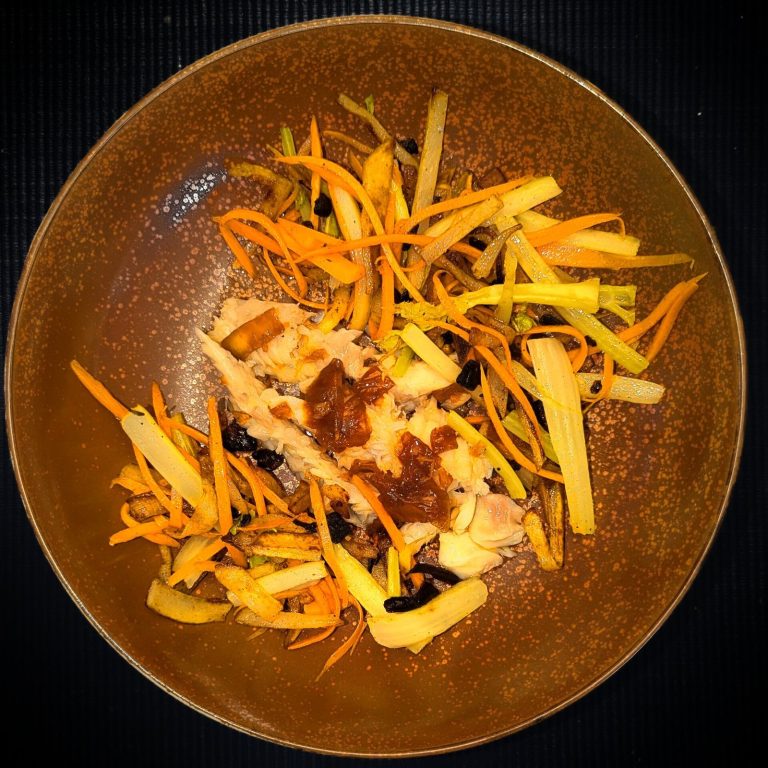
- – Dinner: baked fish or skinless poultry, roasted non-starchy vegetables, small potato or brown-rice portion.
- – Snacks: yogurt, fruit, or a small handful of nuts—planned, not desk-drawer grazing.
- – Drinks: water, unsweetened tea or coffee; skip sugar-sweetened sodas as a default.
3. Prep and shopping that survive busy weeks
Batch-cook a pot of beans or chili with lean protein; portion grilled fish; keep frozen vegetables and pre-washed greens visible at eye level. Staples: leafy greens, frozen mixed vegetables, oats, lentils, olive oil, canned salmon, eggs, plain yogurt, berries, apples, measured nut packs.
4. Eating out without undoing the week
Choose grilled or baked instead of fried; sauce on the side; swap fries for salad or steamed vegetables; order water or sparkling water instead of soda. Split large restaurant portions or box half immediately.
5. Alcohol and social calendars
Decide alcohol-free defaults for weeknights. If you drink, keep amounts minimal per clinician advice and never use “I have NAFLD but it’s nonalcoholic” as permission to binge.
6. Track what your clinician actually uses
Weight trend, waist comfort, fasting glucose or A1C if relevant, triglyceride notes, and alcohol days. Bring the log to visits rather than relying on memory.
7. Weekly rhythm example
Two fish dinners, two legume-forward lunches, one slower weekend cook, and at least three movement sessions your clinician cleared—activity supports weight goals even though this page focuses on food.
How this differs from related OTCFood topics
This page focuses on NIDDK’s NAFLD/NASH nutrition framing (weight, fat quality, glycemic pattern, fructose-heavy drinks, alcohol). For triglyceride-focused eating see high triglycerides diet guide. For an earlier fatty-liver basics page on this site see fatty liver diet basics. For blood-pressure parallel goals see high blood pressure foods guide.
Safety, interactions, and when to get help
- – Seek care for jaundice, severe right-upper abdominal pain, leg or abdominal swelling, or confusion.
- – Do not stop diabetes, lipid, or blood-pressure medicines because you “started a liver diet.”
- – Discuss “liver detox” supplements with a clinician—NIDDK’s public eating page does not present them as standard therapy.
- – Pregnancy, advanced fibrosis, and transplant evaluation need specialist nutrition plans.
- – If you have diabetes and use medicines that can cause hypoglycemia, coordinate carb changes with your care team.
FAQ
Can diet cure NAFLD? No. NIDDK frames diet and weight patterns as tools that may help prevent or support management—not as a cure.
Is coffee allowed? Unsweetened coffee can fit a low-simple-sugar pattern; keep syrups and sweet creamers modest. Individual caffeine tolerance varies.
Do I need gluten-free eating for fatty liver? Not based on NIDDK NAFLD diet pages. Gluten avoidance is an IBS or celiac discussion, not a fatty-liver default.
What about intermittent fasting? NIDDK’s NAFLD nutrition text emphasizes gradual weight loss and food-quality changes when indicated—not a specific fasting protocol. Ask before aggressive fasting, especially with diabetes medicines.
Are fruit juices “healthy sugar”? NIDDK flags drinks with large amounts of simple sugars, including juices, among items to avoid in large amounts—whole fruit is usually the better default.
Longer kitchen landing section: make the pattern boring enough to keep
Staple list you can buy without thinking
Leafy greens, frozen mixed vegetables, carrots, onions (omit or use green tops only if they are a personal trigger for gut topics), oats, brown rice or potatoes, eggs, tofu, beans, lentils, plain yogurt or fortified soy yogurt, canned fish, olive oil, fruit that fits your plan, and measured nuts. Keep a backup shelf of shelf-stable proteins so busy nights do not default to fried takeout.
Cooking default methods
Steam, boil, stew, bake, air-fry with minimal oil, or quick stir-fry with measured oil. Save deep frying and heavy cream sauces for rare occasions. Season with herbs, vinegar, citrus (if tolerated), garlic/onion only when they fit your personal tolerance map, pepper, and modest salt unless your clinician set a tighter sodium target.
Portion and rhythm habits
Put vegetables on the plate first, then protein, then starch. Keep sugary drinks as exceptions. If evenings are when symptoms or glucose readings worsen, shift the larger meal earlier and keep dinner lighter. Chronic conditions that coexist (glucose, lipids, blood pressure, kidney disease) override generic blog rules—follow specialty targets.
“Hard day” simplified menu
Rice porridge or soft oatmeal, egg dishes, poached fish, stewed vegetables, ripe banana or cooked apple, yogurt if tolerated. When warning symptoms appear, seek care instead of “waiting it out with stricter restriction.”
Label reading without obsession
Scan the first ingredients for sugar and hydrogenated oils; check sodium on broths, breads, and sauces; prefer plain dairy or fortified alternatives over dessert yogurts when you are aiming for steadier patterns. Supplements are not an automatic fix for an incomplete grocery cart—labs and clinicians decide deficiencies.
Two-week retrospective
Keep the three rules that improved comfort or readings; delete the five bans that only increased anxiety. Bring the short list to your next appointment with your medicine list.
Medical disclaimer
Medical disclaimer: This article is for general education only and is not medical advice, diagnosis, or a treatment plan. NAFLD care depends on imaging, labs, alcohol history, and co-diseases. Talk with your doctor or dietitian before major diet changes or supplements, and seek care for warning symptoms.