Hypothyroidism Diet: Foods That May Help and Foods to Limit
Medical note: This article discusses foods and researched botanicals. It does not claim to prevent, treat, or cure disease. Supplements are not a substitute for food, and studied amounts are not personal prescriptions.
People searching for a hypothyroidism diet usually want two answers: what belongs on the plate, and what might interfere with thyroid medicine. NIH sources give a clear, fairly short list. NIDDK (the NIH diabetes, digestive, and kidney institute) warns that people with Hashimoto’s disease or other autoimmune thyroid disorders may be sensitive to iodine, and that eating foods with large amounts of iodine—such as kelp, dulse, or other seaweed—or taking iodine supplements may cause or worsen hypothyroidism. MedlinePlus adds that soybeans, walnuts, and dietary fiber may affect how levothyroxine works, and that calcium carbonate and iron supplements should be taken at least 4 hours apart from it. Beyond that, a hypothyroidism diet is a balanced, ordinary eating pattern built around consistent habits. Food choices support your care; thyroid hormone medicine remains the core of managing an underactive thyroid.
What this hypothyroidism diet page covers (and what it does not)
This page is for adults with diagnosed hypothyroidism (underactive thyroid), including Hashimoto’s disease, and the family cooks who shop for them. Anchors: NIDDK — Hypothyroidism, ODS — Iodine Fact Sheet for Consumers, ODS — Selenium Fact Sheet for Consumers, and MedlinePlus — Levothyroxine.
NIDDK reports that nearly 5 out of 100 Americans ages 12 and older have hypothyroidism, that women are much more likely than men to develop it, and that it is more common after age 60. Common symptoms include fatigue, weight gain, trouble tolerating cold, joint and muscle pain, dry skin or thinning hair, and depression—but NIDDK stresses that many of these symptoms are common and do not necessarily mean you have a thyroid problem. Diagnosis relies on blood tests, not on how you feel after a meal.
Not covered: hyperthyroidism or pregnancy dosing decisions.
Evidence snapshot: hypothyroidism diet claims vs public sources
| Claim people hope for | What public sources actually say | Confidence |
|---|---|---|
| “More seaweed and iodine will boost my thyroid” | NIDDK: large amounts of iodine from kelp, dulse, or other seaweed—or iodine supplements—may cause or worsen hypothyroidism in people with autoimmune thyroid disease; iodine deficiency is extremely rare in the United States | Strong caution against high-iodine foods and pills |
| “Broccoli, cabbage, and soy damage the thyroid” | ODS: goitrogens in soy and cruciferous vegetables interfere with iodine use, but for most people in the U.S. who get adequate iodine, reasonable amounts are not a concern | Moderate: normal portions are fine |
| “Selenium or Brazil nuts will fix my thyroid” | ODS: the thyroid needs selenium and low selenium is linked with higher thyroid-disease risk, yet a few studies found supplements do not provide much benefit; one Brazil nut has 68–91 mcg and the adult upper limit is 400 mcg/day | Low for supplements |
| “Breakfast timing doesn’t matter with levothyroxine” | MedlinePlus: take it on an empty stomach 30 minutes to 1 hour before breakfast; separate calcium carbonate and ferrous sulfate by 4 hours | Strong for consistent timing |
| “Hypothyroidism has nothing to do with cholesterol” | NIDDK: hypothyroidism can contribute to high cholesterol, and people with high cholesterol should get tested | Strong reason for a heart-friendly plate |
| “A special diet can stand in for pills” | NIDDK: hypothyroidism most likely can be completely controlled with thyroid hormone medicine taken as instructed; never stop it without talking with your doctor | Strong: diet supports, medicine leads |
Foods and patterns that may help with hypothyroidism
“May help” here means a sensible kitchen default that works alongside your medicine and blood tests.
Adequate—not excessive—iodine from everyday foods
ODS sets the adult recommended amount at 150 mcg per day and lists these sources:
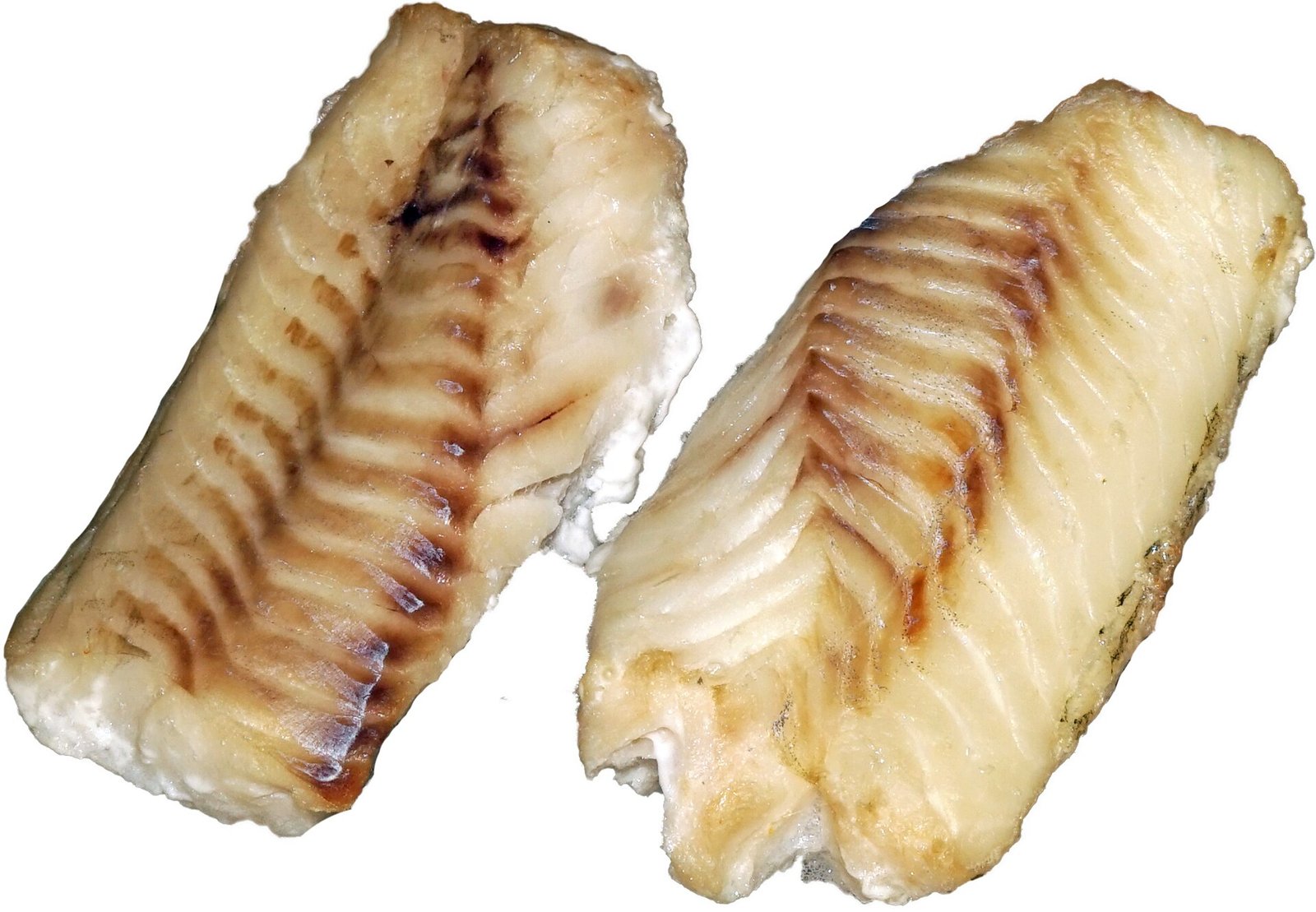
- – Fish such as cod and tuna, shrimp, and other seafood.
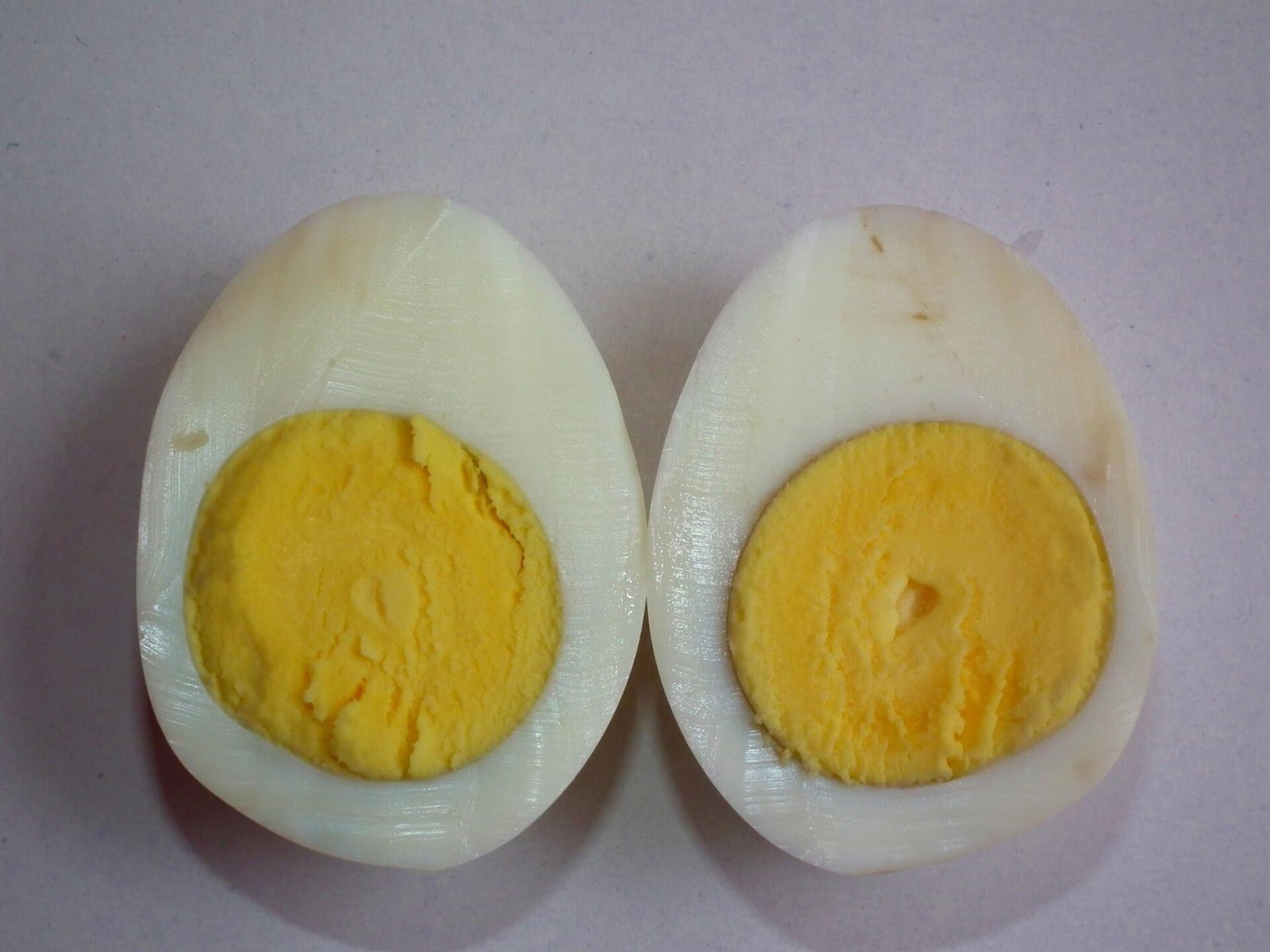
- – Dairy—milk, yogurt, and cheese—and eggs.
- – Iodized salt. ODS notes processed foods such as canned soups almost never contain iodized salt, and specialty salts (sea salt, kosher salt, Himalayan salt, fleur de sel) usually are not iodized.
Most people in the U.S. already get enough iodine from food, so the goal is ordinary portions of these foods, not chasing extra.
Protein foods that also supply selenium
ODS lists fish and other seafood, beef, pork, poultry, eggs, dairy, breads and grains, beans, lentils, and nuts. A varied diet covers the adult target of 55 mcg per day for most people, without pills.
A cholesterol-conscious plate
Because NIDDK links hypothyroidism with higher cholesterol, lean on vegetables, fruit, whole grains, beans, fish, and unsaturated oils—the pattern in our high cholesterol diet guide.
Fiber, kept consistent
MedlinePlus lists constipation among the symptoms of too little thyroid hormone, and also says dietary fiber may affect levothyroxine. The practical answer is not to drop fiber but to keep your usual intake steady and tell your clinician about big changes. Our constipation diet page covers gradual fiber increases.
Foods and habits to limit with hypothyroidism
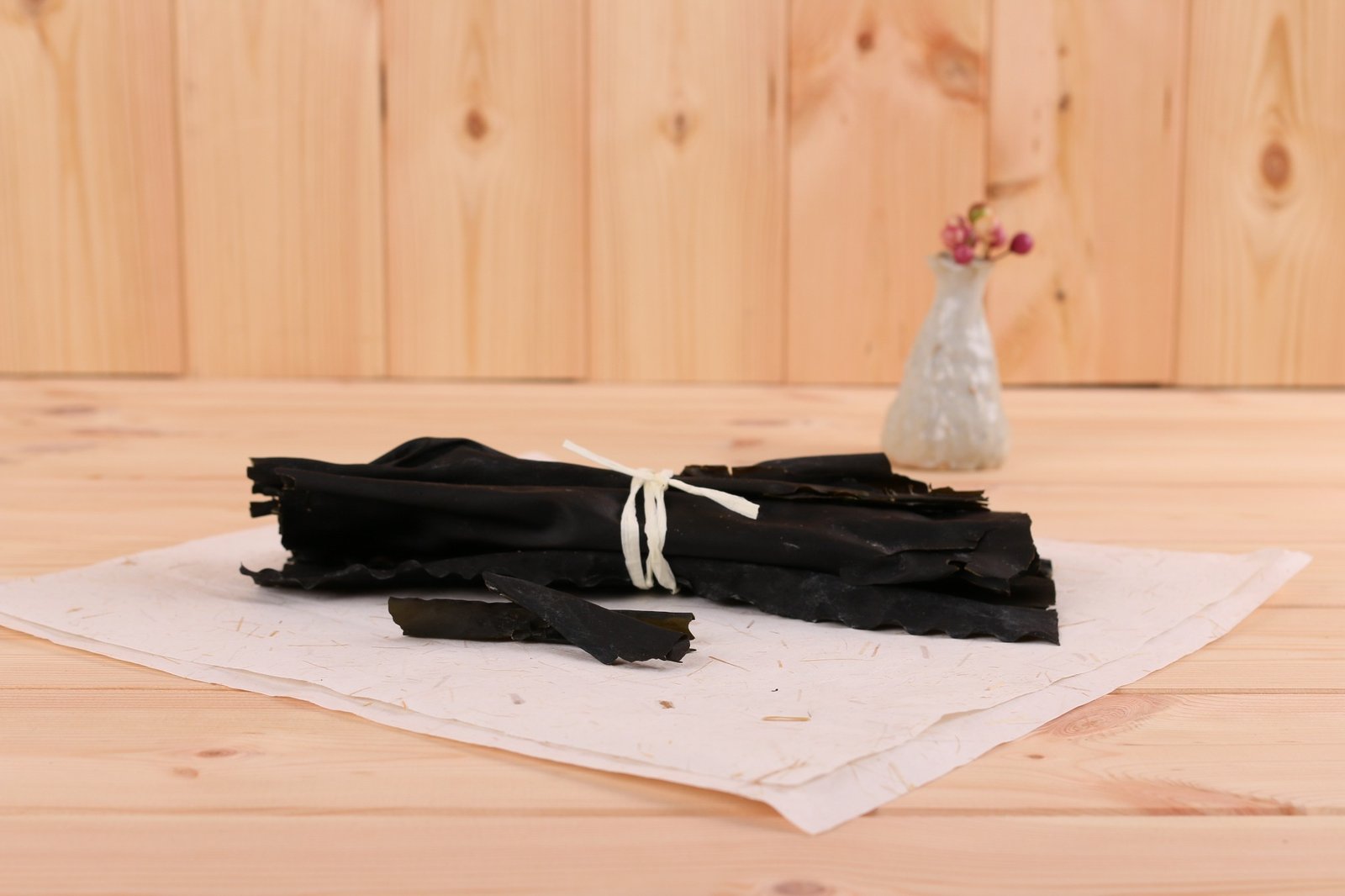
- – Kelp, dulse, and seaweed in large amounts, including daily seaweed snacks or kelp-based “thyroid support” products (NIDDK).
- – Iodine supplements—and check cough syrups, which NIDDK notes may contain iodine. ODS adds that many multivitamin/mineral supplements contain iodine; read the Supplement Facts label.
- – Selenium megadoses and Brazil-nut habits. Several nuts a day can push you past the 400 mcg upper limit (ODS).
- – Taking levothyroxine with breakfast, calcium-fortified drinks, or supplements. MedlinePlus advises an empty stomach and a 4-hour gap for calcium carbonate and iron.
- – Sudden big swings in soy, walnuts, or fiber supplements without telling your clinician (MedlinePlus).
- – Using thyroid medicine for weight loss. MedlinePlus states levothyroxine should not be used to cause weight loss, and large doses can be dangerous.
“Limit” means reduce frequency or dose under a clinical plan—not that a single sushi roll ruins your labs.
Practical kitchen protocol: a hypothyroidism diet week
1. Anchor the medicine routine first
Take levothyroxine with a full glass of water on an empty stomach, 30–60 minutes before breakfast, at roughly the same time every day (MedlinePlus). Consistency matters because NIDDK says your doctor checks a blood test about 6 to 8 weeks after you start or change a dose. If your diet and timing swing wildly, the test is harder to interpret.
2. Build a 4-hour buffer for calcium and iron
If you take calcium carbonate (such as Tums) or ferrous sulfate, MedlinePlus says to take it at least 4 hours before or after levothyroxine. Many people find it easiest to move these to lunch or the evening—confirm the schedule with your pharmacist.
3. Keep soy, walnuts, and fiber steady, not banned
Tofu, soy milk, walnuts, and whole grains are nutritious; MedlinePlus simply asks you to talk to your doctor because they may affect absorption. Eat your usual amounts, not at the same moment as your pill, and mention major diet changes at your next blood test.
4. Use iodized salt at home, lightly
Cooking mostly with sea or kosher salt may supply less iodine than you think (ODS). A light hand with iodized salt plus dairy, eggs, or seafood usually covers needs; keep total salt moderate.
5. Shopping list default
Eggs, milk or yogurt, cheese, cod, tuna, shrimp, chicken, beans and lentils, oats, whole-grain bread, brown rice, frozen broccoli, fruit, olive or canola oil, iodized salt, and mixed nuts.
6. Sample day (illustrative)
- – On waking: levothyroxine with water; wait 30–60 minutes.
- – Breakfast: scrambled eggs, whole-grain toast, a piece of fruit, and a glass of milk or a yogurt.
- – Lunch: tuna or bean salad over greens with olive oil, plus a whole-grain roll; calcium or iron supplement here if prescribed and at least 4 hours after your pill.
- – Snack: a small handful of mixed nuts (Brazil nuts only occasionally).
- – Dinner: baked cod or chicken, roasted broccoli and carrots, brown rice.
7. Eating out and travel
NIDDK’s warning is about large amounts of seaweed: an occasional nori-wrapped roll differs from daily kelp salads or kelp tablets. Ask your care team where your line sits, and keep the same morning pill routine while traveling.
Safety, interactions, and who should talk to a clinician first
- – Pregnancy: ODS says pregnant women need 220 mcg of iodine per day, and NIDDK notes many women taking thyroid hormone need a higher dose during pregnancy—contact your doctor right away if you become pregnant.
- – Too much thyroid hormone can cause serious problems such as atrial fibrillation or osteoporosis (NIDDK). Never adjust your dose on your own; see our osteoporosis diet page for bone-friendly eating.
- – Seek prompt care for chest pain, a rapid or irregular heartbeat, shaking, nervousness, shortness of breath, or excessive sweating while on levothyroxine (MedlinePlus).
- – Iodine supplement interactions (ODS): antithyroid medicines such as methimazole; potassium iodide with ACE inhibitors or potassium-sparing diuretics may raise blood potassium to unsafe levels.
- – Other products that may interact with levothyroxine (MedlinePlus): proton pump inhibitors, antacids, simethicone, aspirin and other salicylates, niacin, and NSAIDs such as ibuprofen.
- – Low-iodine diets before radioactive iodine therapy follow a specialist plan—ODS describes 50 mcg or less per day for 1 to 2 weeks. Follow your own team’s instructions.
FAQ
Is there one best hypothyroidism diet? No NIH source names a single hypothyroidism diet. NIDDK’s diet advice focuses on avoiding large amounts of iodine from seaweed and supplements; the rest is a balanced, heart-conscious pattern plus consistent medicine timing.
Should people with hypothyroidism avoid broccoli, cabbage, or soy? Generally no. ODS says reasonable amounts of goitrogen-containing foods are not a concern for most people who get adequate iodine. For soy, MedlinePlus advises talking with your doctor because it may affect levothyroxine absorption, so keep your intake steady.
How long should I wait to eat after taking levothyroxine? MedlinePlus says to take it on an empty stomach 30 minutes to 1 hour before breakfast, and to separate calcium carbonate and iron supplements by at least 4 hours. Follow your own prescription label if it differs.
Do I need iodine or selenium supplements for hypothyroidism? Usually not. NIDDK says iodine supplements may worsen hypothyroidism in people with autoimmune thyroid disease, and ODS reports selenium supplements have shown limited thyroid benefit. Pregnancy is a special case—ask your clinician.
Can a hypothyroidism diet help with weight gain? Balanced meals and activity may help with weight overall, but MedlinePlus is clear that levothyroxine should not be used for weight loss. Ask your clinician whether your dose is right.
How this differs from related OTCFood topics
This page is a disease-bound hypothyroidism diet focused on iodine, selenium, and levothyroxine timing. It is not our high cholesterol diet (though NIDDK links the two), not a bone-focused osteoporosis diet, and not a fiber-building constipation diet.
Medical disclaimer
Medical disclaimer: This article is for general information only. It is not medical advice or a diagnosis. Hypothyroidism care depends on your blood tests, cause, pregnancy status, and medicines. Talk with a licensed clinician, pharmacist, or registered dietitian before starting, stopping, or changing any eating plan, supplement, or medication, and never stop thyroid medicine without your doctor’s guidance.