ADHD Diet: Foods That May Help and Foods to Limit
Medical note: This article discusses foods and researched botanicals. It does not claim to prevent, treat, or cure disease. Supplements are not a substitute for food, and studied amounts are not personal prescriptions.
Short answer: There is no special ADHD diet proven to take the place of medication or behavior therapy. What the CDC, CHADD (the CDC-funded National Resource Center on ADHD), and the NHS do recommend is a healthy, balanced diet of whole and minimally processed foods, eaten at regular mealtimes, alongside physical activity and enough sleep—habits the CDC says can help keep ADHD symptoms from getting worse. Foods often worth limiting are sugary drinks and sweets, heavily processed snacks, and—for some children who seem sensitive—artificial food dyes and preservatives, which CHADD says some studies link to worse symptoms. Evidence for omega-3 fish oil and other supplements is mixed, so talk with a doctor before trying them.
What to eat with ADHD: where diet fits
ADHD is usually managed with behavior therapy and medication, according to the CDC’s ADHD treatment guidance. For children under 6, the American Academy of Pediatrics recommends parent training in behavior management first; for children 6 and older, medication and behavior therapy together. CDC reports that 70% to 80% of children with ADHD have fewer symptoms when taking stimulant medicines.
Diet is a complementary piece, not a substitute. CHADD’s Nutrition and ADHD page says a healthy diet can be an effective complementary approach to easing some symptoms, while careful research has not supported elimination diets as a form of treatment, and scientists have found no proof that supplements or large vitamin doses improve ADHD symptoms in general.
Evidence snapshot: ADHD diet claims vs public sources
| Claim | What reliable sources say | Confidence |
|---|---|---|
| “A healthy diet supports ADHD care” | CDC: nutritious food, physical activity, and sleep can help keep symptoms from getting worse. NHS: help children have a healthy, balanced diet and regular mealtimes | Moderate–strong (supportive) |
| “Sugar causes ADHD” | MedlinePlus: experts disagree; refined sugars may affect activity in some children, but there are many other reasons to limit sugar (tooth decay, empty calories) | Not established |
| “Food dyes make ADHD worse” | CHADD: some studies suggest artificial dyes and preservatives could worsen symptoms in some children. MedlinePlus: studies are mixed; the issue is not decided | Mixed / some children |
| “Elimination diets work for ADHD” | CHADD: careful research has not supported this as treatment | Not supported as treatment |
| “Fish oil omega-3s help ADHD” | NCCIH: despite many studies, it’s unclear whether omega-3s help. NIH ODS: more research is needed | Unclear |
| “Herbal supplements improve focus” | CHADD and NCCIH: not enough evidence for St. John’s wort, ginkgo, pycnogenol, and other herbs; St. John’s wort can weaken many medicines | Not supported; safety risk |
Foods that may help as part of an ADHD diet
These are everyday choices that fit the balanced, minimally processed pattern CHADD and the NHS describe:
- – Regular meals and planned snacks, because the NHS specifically recommends regular mealtimes.
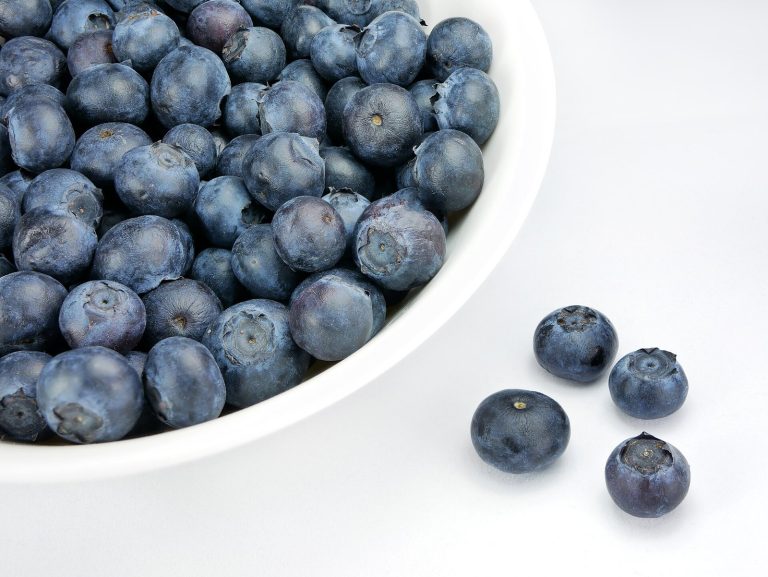
- – Breakfast with fiber and protein: oatmeal, shredded wheat, whole-grain pancakes, berries, or bananas, which MedlinePlus suggests to help keep blood sugar more even.
- – Whole grains at lunch and dinner: whole-grain bread, brown rice, whole-wheat pasta.
- – Fruits and vegetables across the day—peaches, grapes, apples, and other fresh fruit are MedlinePlus examples of fiber sources.
- – Protein foods: eggs, poultry, fish, beans, lentils, tofu, yogurt, and nut butter (where nut allergies aren’t an issue).
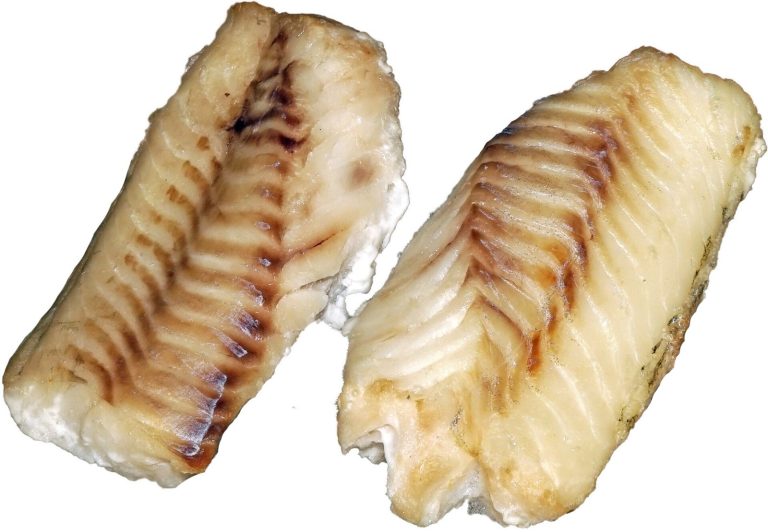
- – Fish and other omega-3 food sources: NIH ODS lists fish and seafood (especially salmon, mackerel, tuna, herring, and sardines), nuts and seeds such as flaxseed, chia, and walnuts, and plant oils such as canola and soybean oil.
- – Iron-containing foods: ODS notes the body absorbs plant iron better alongside meat, poultry, seafood, or vitamin C foods. CHADD suggests asking your child’s doctor whether there is a micronutrient deficiency that diet can address.
- – Home-cooked meals: CHADD notes cooking at home lets you use fresh ingredients low in fat, sugar, and salt without the artificial ingredients and additives that may worsen symptoms for some people.
Foods to limit with ADHD
- – Sugary drinks and sweets: MedlinePlus says refined sugars enter the bloodstream quickly and may affect some children’s activity, and high-sugar foods cause tooth decay, carry extra calories, and crowd out nutritious food.
- – Highly processed snacks and takeout: CHADD notes takeout and restaurant meals often lack important nutrients.
- – Artificial food dyes and preservatives, if your child seems sensitive: CHADD says some studies suggest they could worsen symptoms in some children; talk with your doctor before changing the diet.
- – Foods that seem to trigger symptoms: the NHS suggests a food and drink diary to spot them.
- – Caffeinated energy drinks for children and teens: CHADD lists caffeine among natural products tried for ADHD without enough evidence, and caffeine may disturb sleep, which CHADD says can worsen ADHD symptoms.
- – Diagnosed allergens: MedlinePlus notes some people are allergic to dyes and flavors—work with your provider or a dietitian.
Practical guide: an ADHD-friendly meal routine
1. Fix the schedule, not just the food
Set the same breakfast, lunch, snack, and dinner times each day. CDC’s parent tips stress routines “from wake-up time to bedtime,” and meals are an easy anchor.
2. Work around medication and appetite
CDC notes stimulants can cause decreased appetite and sleep problems. One pattern to discuss with the prescriber is a solid breakfast before the morning dose, a lighter lunch, and a substantial after-school snack or later dinner. Ask how to time meals with your child’s specific medicine, and raise any weight or growth concerns—CHADD advises talking with your doctor about nutrition if medication affects appetite.
3. Limit choices
CDC suggests offering choices with only a few options—”this meal or that one”—to avoid overwhelm. A short rotating menu of familiar dinners can reduce daily decisions for both kids and adults.
4. Make cooking ADHD-friendly
CHADD notes preparation, time management, and following multiple steps can make cooking hard. Pick recipes with few steps, prep vegetables in batches, keep a visible shopping list, and use sheet-pan or one-pot meals.
5. Keep a food and drink diary
If you suspect certain foods affect symptoms, log meals, drinks, sleep, and behavior, as the NHS suggests. Share it with your doctor before removing whole food groups.
6. Shopping list default
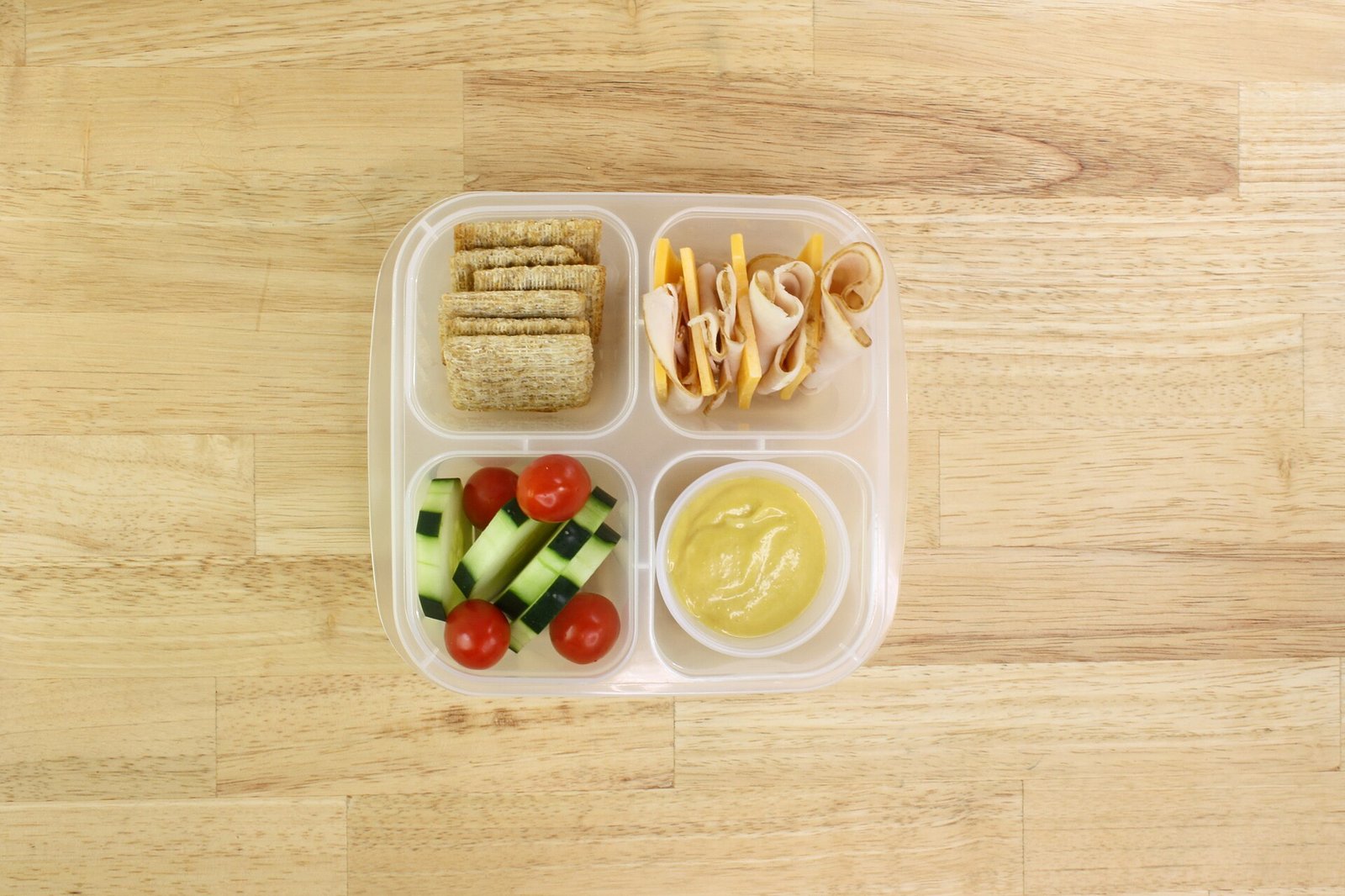
Oats, shredded wheat, whole-grain bread and tortillas, brown rice, eggs, plain yogurt, cheese sticks, chicken, salmon or canned sardines, canned beans, peanut or seed butter, apples, bananas, berries, grapes, carrots, cucumbers, frozen peas and corn, walnuts or chia seeds, water and milk instead of soda.
7. Sample day (illustrative)
- – Breakfast: oatmeal with banana and a spoon of peanut butter; milk.
- – Lunch: whole-grain wrap with chicken, cucumber, and carrots; an apple.
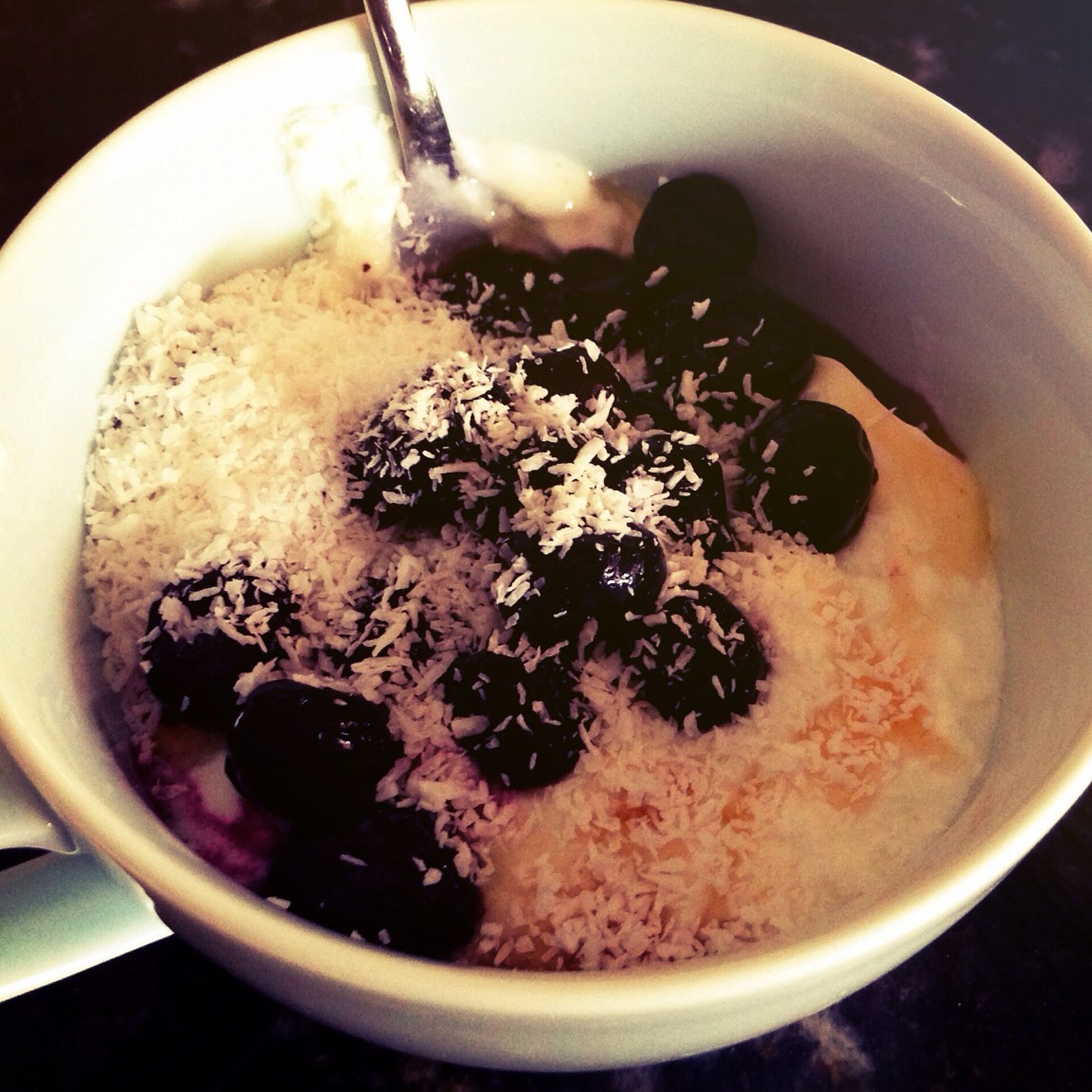
- – After school: yogurt with berries and chia seeds.
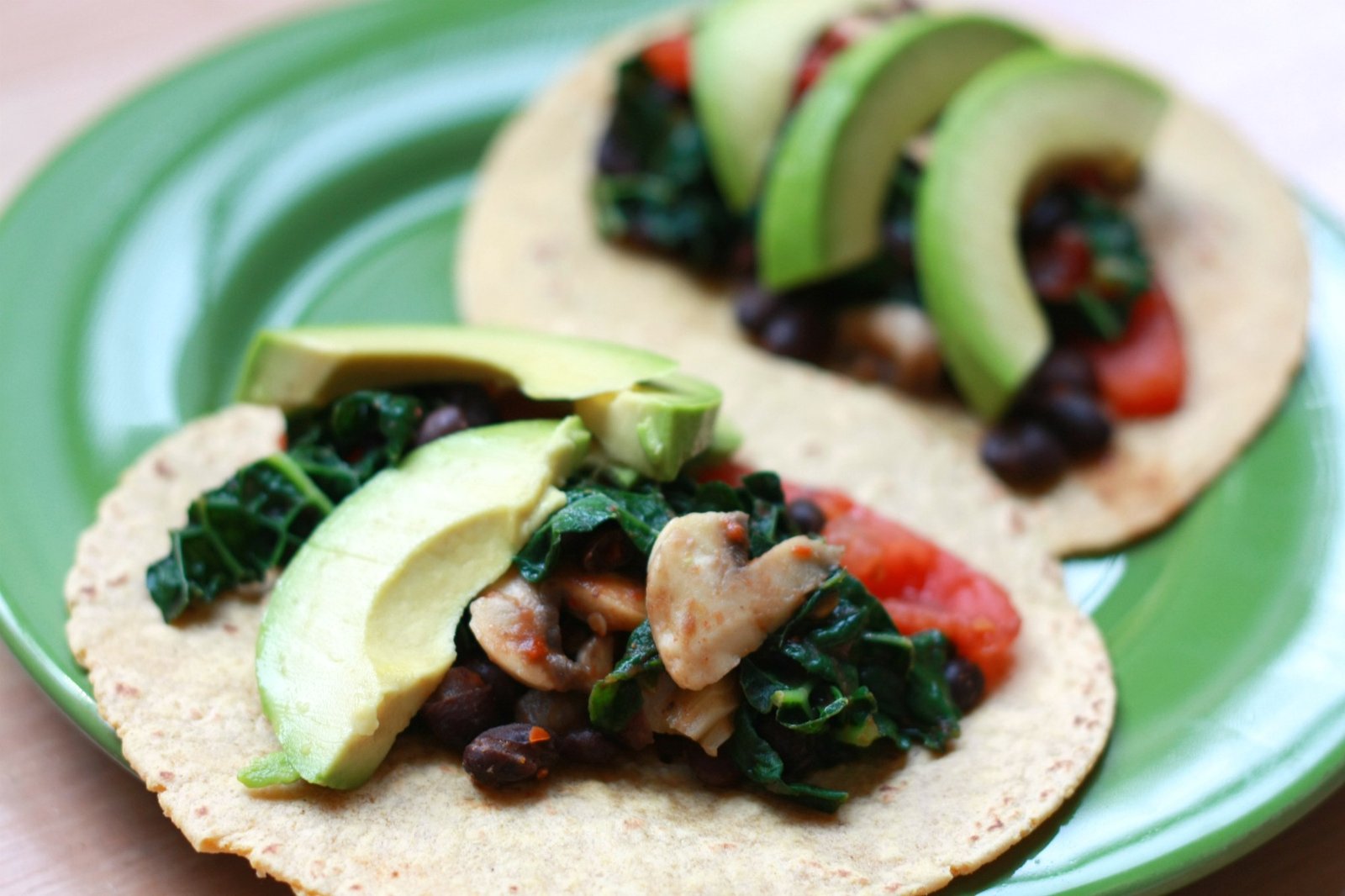
- – Dinner: salmon or bean tacos with corn and a side salad.
- – Evening: water; no caffeinated drinks late in the day.
8. Pair food with sleep and activity
CHADD notes lack of sleep can look like or worsen ADHD symptoms, and exercise has reduced symptoms for a limited time in some studies. A consistent bedtime routine plus daily active play complements a steady eating pattern.
Safety, supplements, and medication interactions
- – Talk to the doctor before any supplement: CHADD says vitamins, minerals, and especially herbs can interact with medications, and “natural” does not mean “safe.”
- – St. John’s wort can weaken the effects of many medicines, including crucially important ones (NCCIH).
- – Omega-3 supplements: ODS notes high doses may cause bleeding problems when taken with warfarin or other blood thinners.
- – Iron supplements: ODS warns accidental iron overdose is a leading cause of fatal poisoning in children under 6—keep supplements locked away, and only give iron if a doctor advises it.
- – Strict elimination diets: CHADD notes that eliminating all food dyes and preservatives can be challenging, and careful research hasn’t supported elimination as treatment. If you try a restrictive plan, do it with a pediatrician or registered dietitian so your child’s nutrition stays complete.
- – Never change or stop ADHD medicine because of a diet change without the prescriber.
FAQ
Is there a specific diet for ADHD? No proven one. CHADD and the NHS recommend a healthy, balanced diet of whole, minimally processed foods with regular mealtimes as a complement to standard treatment.
Does sugar make ADHD worse? MedlinePlus says experts disagree. Refined sugars may affect some children’s activity, and limiting sugar is worthwhile for teeth and overall nutrition.
Should I remove food dyes for my child with ADHD? CHADD says some studies link artificial dyes and preservatives to worse symptoms in some children. If you suspect sensitivity, keep a food diary and talk with your doctor first.
Does fish oil help ADHD? NCCIH says it’s still unclear despite many studies. Eating fish and other omega-3 foods is a reasonable food-first step; discuss supplements with your doctor.
My child won’t eat on ADHD medication—what can I do? CDC notes decreased appetite is a common side effect. Offer a good breakfast before the dose and a nourishing afternoon snack or dinner, and tell the prescriber if appetite or weight is a concern.
Related OTCFood guides
Sleep and attention are closely linked—our insomnia diet guide covers evening food and caffeine habits. If you’re seeing “focus” supplements marketed online, our review of lion’s mane focus claims shows how thin that kind of evidence can be.
Medical disclaimer
Medical disclaimer: This article is for general information only and is not medical advice. ADHD should be diagnosed and managed by a qualified health care professional. Diet changes may support overall health and routines but do not replace behavior therapy, medication, or school supports. Talk with your doctor or a registered dietitian before starting supplements or elimination diets, especially for children.
Featured image: Photo: USDAgov via Wikimedia Commons (Public domain).