Mild Cognitive Impairment Diet: Foods That May Help and Foods to Limit
Medical note: This article discusses foods and researched botanicals. It does not claim to prevent, treat, or cure disease. Supplements are not a substitute for food, and studied amounts are not personal prescriptions.
People searching “mild cognitive impairment diet foods that help or worsen” usually want kitchen patterns that may support overall brain and heart health—Mediterranean- or MIND-style plates, steady produce, and fewer ultra-processed patterns—not a claim that food cures MCI, reverses Alzheimer’s disease, or replaces clinician evaluation, medicines when indicated, or cognitive follow-up. The National Institute on Aging (NIA) explains that mild cognitive impairment (MCI) involves more memory or thinking changes than typical aging, while daily activities are still largely independent. Mayo Clinic notes diagnosis rests on history, exam, and testing—and that healthy lifestyle choices promote overall health and may play a role in brain health even when study results on reversing MCI are mixed.
What this mild cognitive impairment diet guide covers (and what it does not)

This guide is for adults living with MCI (or supporting a partner) who want practical eating patterns alongside medical care for vascular risks, sleep, mood, and medicines. Anchors: MedlinePlus — Mild cognitive impairment, NIA — What Is Mild Cognitive Impairment?, NIA — Diet and prevention of Alzheimer’s disease, and Mayo Clinic — MCI diagnosis & treatment.
NIA reviews Mediterranean and MIND eating patterns: vegetables (especially leafy greens), berries, whole grains, beans, nuts, fish, and olive oil, with limits on red meat, sweets, butter/margarine, cheese, and fried/fast food. Observational studies often look favorable; a clinical trial assigning older adults with dementia family history to MIND versus a control diet found only small cognitive improvements similar to mild calorie restriction—so expectations should stay modest. No single food has been proven to prevent Alzheimer’s or age-related cognitive decline (NIA). Related reading: Alzheimer’s MIND diet guide and hypertension diet guide.
Evidence snapshot: MCI diet claims vs public sources
| Claim people hope for | What public sources actually say | Confidence |
|---|---|---|
| “Blueberries reverse MCI” | NIA: individual foods are studied; so far no evidence that eating or avoiding a specific food prevents Alzheimer’s or age-related decline | Strong against cure claims |
| “MIND diet guarantees dementia prevention” | Observational associations exist; a recent MIND trial showed only small improvements similar to control calorie restriction | Moderate for heart-healthy patterns; low for guarantees |
| “Vitamin E / ginkgo / fish-oil pills replace medical care” | NIA: no vitamin or supplement is proven to prevent Alzheimer’s; multivitamin memory findings are preliminary | Strong: ask before supplement stacks |
| “Diet replaces blood-pressure and sleep apnea care” | Mayo Clinic lists hypertension, depression, and sleep apnea among conditions that can worsen thinking—and treating them may help | Strong: medical comorbidities matter |
| “Skipping meals ‘sharpens’ the brain” | Steady nutritious patterns and hydration support daily function better than chaotic restriction for most older adults | Moderate practical confidence |
Foods and patterns that may help with MCI day to day
“May help” means supporting cardiometabolic and dietary patterns linked in research to better brain aging trajectories—not promising restored memory scores from dinner alone.
Mediterranean / MIND-leaning plates
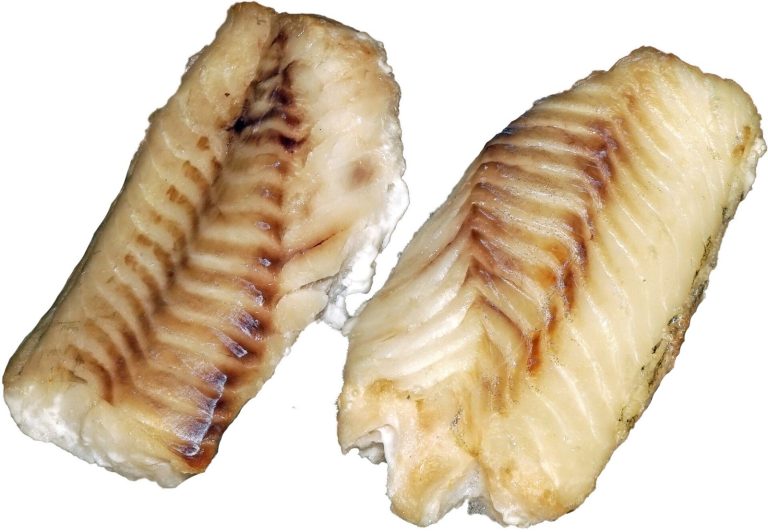
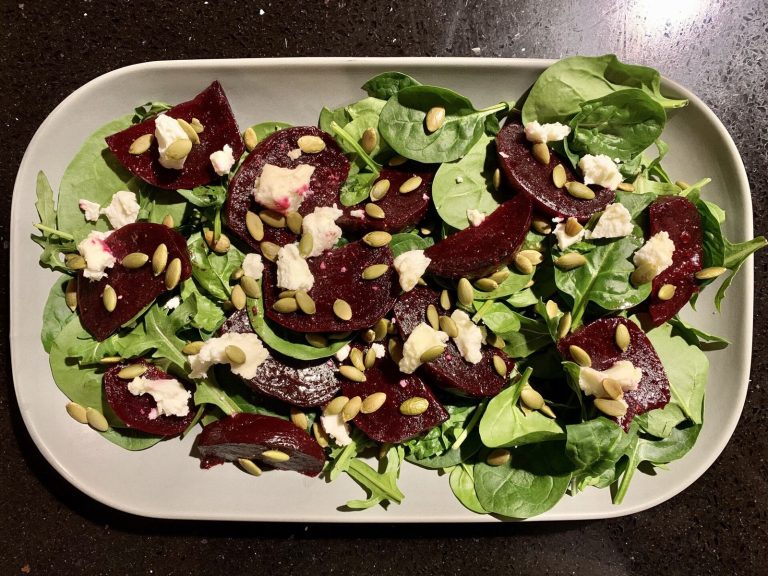
- – Vegetables, especially leafy greens; berries; whole grains; beans; nuts; fish weekly; olive oil as a primary fat (NIA MIND/Mediterranean summaries).
- – Limit frequent red meat, sweets, heavy butter/margarine, and fried/fast food.
- – Overlap with Alzheimer’s MIND diet guide for deeper MIND detail.
Heart-healthy patterns that also serve the brain
- – Mayo Clinic self-care for MCI highlights regular physical activity, a diet low in fat and rich in fruits and vegetables, omega-3s mainly from fish intake patterns, social engagement, and cognitively stimulating activities.
- – Blood-pressure-aware eating (DASH themes) pairs well—see hypertension diet guide and metabolic syndrome diet guide.
Protein and hydration for everyday function
- – Eggs, fish, poultry, beans, dairy or fortified alternatives help prevent frail under-eating when appetite or cooking skills slip.
- – Keep water visible; dehydration can worsen confusion-like symptoms in older adults.
Meal simplicity when planning is harder
- – Batch-cook soups and grain bowls; use labeled containers; keep a written weekly menu on the fridge.
- – If diabetes risk is present, coordinate with type 2 diabetes diet guide plate ideas.
Foods and habits that often worsen MCI kitchen patterns
- – Ultra-processed sweet and fried patterns as default daily fuel.
- – Excess alcohol, which can impair cognition and sleep.
- – Very high-salt takeout habits if blood pressure is already elevated (NIA notes excess salt research signals in animal work; BP care remains clinical).
- – Supplement megadoses bought after online ads promising memory cures.
- – Skipping meals then grazing on pastry when medication timing needs food.
- – Isolation eating every meal alone if loneliness is worsening mood—Mayo Clinic notes social connection may help preserve abilities.
- – Expecting diet to replace evaluation for depression, sleep apnea, B12/thyroid issues, or medication side effects that Mayo Clinic lists among reversible contributors to foggy thinking.
“Limit” means reducing patterns that undermine heart and brain health—not shaming an occasional dessert.
Practical kitchen protocol: an MCI-supportive week
1. Keep the medical spine first
Confirm MCI subtype discussion, medicine review (Mayo Clinic lists benzodiazepines, anticholinergics, some antihistamines, opioids, and PPIs among agents that can affect thinking—never stop medicines without clinician advice), BP/sleep/depression plans, and driving/safety guidance.
2. Shopping list for MIND-leaning cooking
Leafy greens; berries (fresh or frozen); oats/brown rice/whole-grain bread; beans; nuts; olive oil; fish (salmon, sardines, etc.); poultry; colorful vegetables; herbs instead of heavy salt; fruit for snacks.
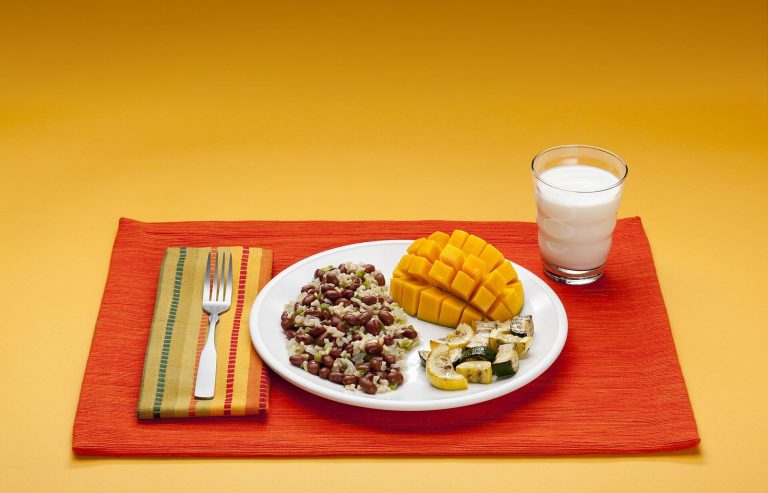
3. Default plate template
- – Leafy or mixed vegetables
- – Lean protein (favor fish some days)
- – Whole-grain or bean carbohydrate
- – Berries or other fruit
- – Olive-oil-based dressing
4. Sample day (illustrative)
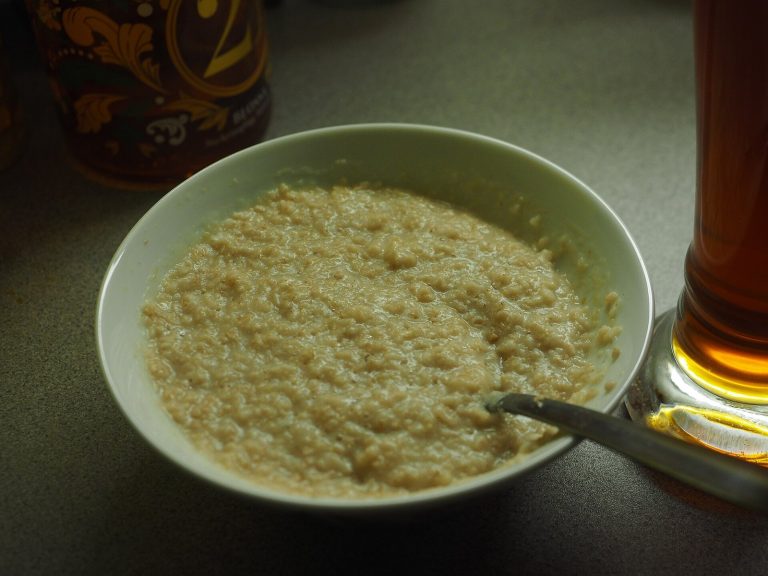
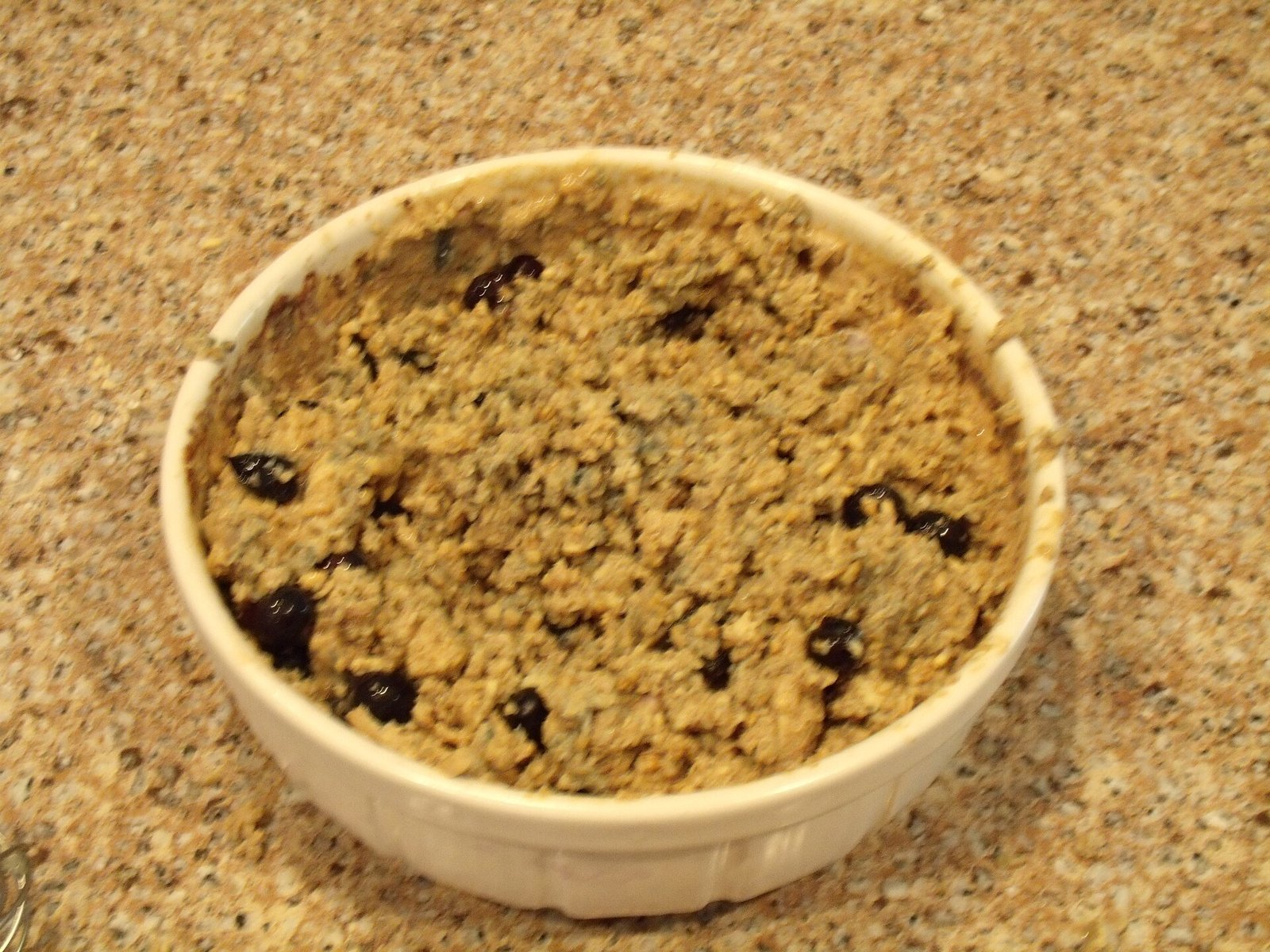
- – Breakfast: oatmeal with blueberries and a few walnuts; water or tea.
- – Lunch: large salad with chickpeas, olive oil, whole-grain toast; fruit.
- – Snack: yogurt or a small handful of nuts.
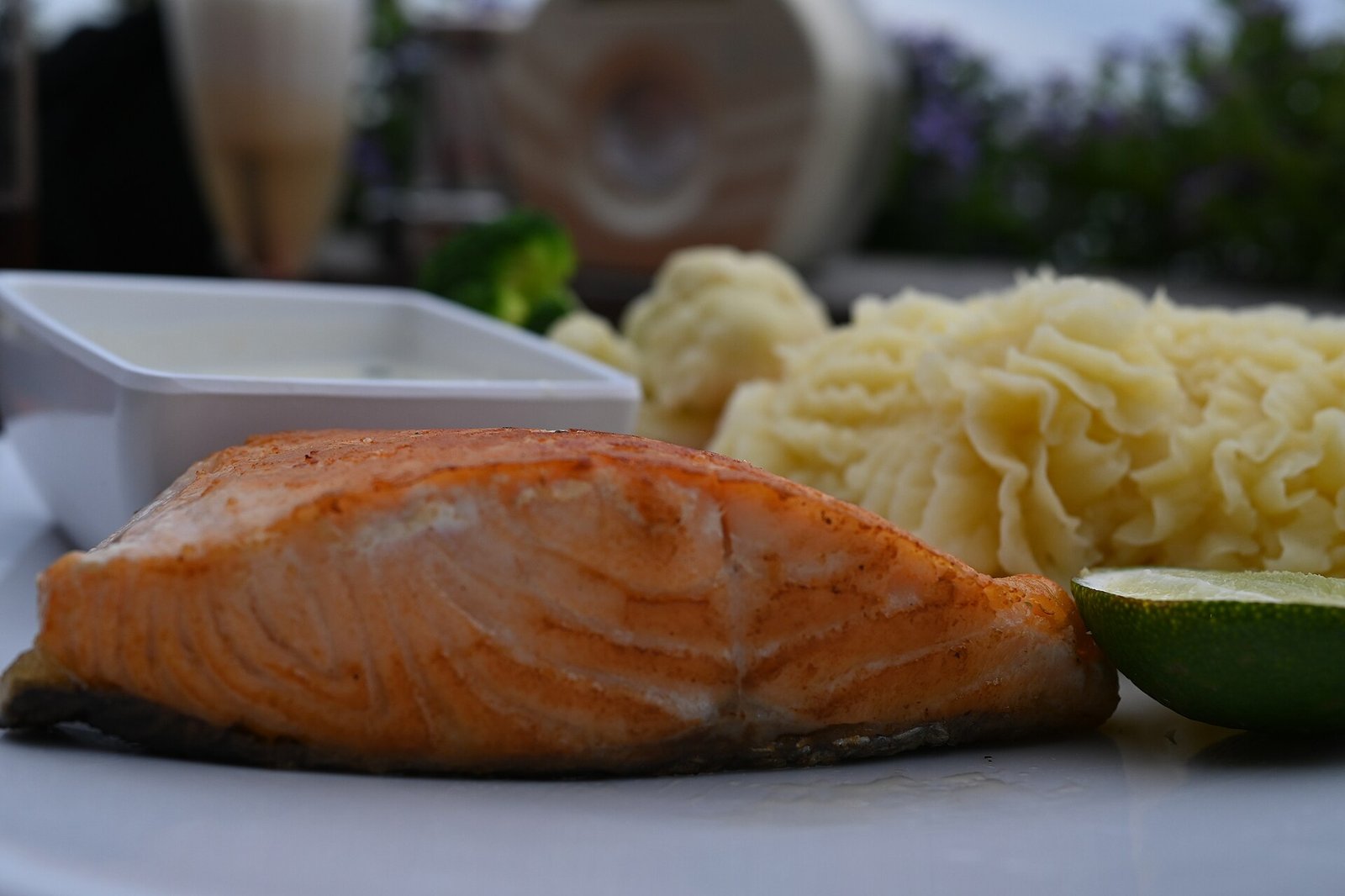
- – Dinner: baked salmon, quinoa or brown rice, steamed greens; water.
- – Evening: herbal tea; light reading or a puzzle—not a second nightcap.
5. Home setup tips
Use a pill-food checklist; pre-portion nuts; keep frozen berries and frozen fish for easy MIND-style dinners; invite a walking partner after one meal most days if cleared for activity.
6. Care-partner tips
Cook together when possible; label leftovers with large print; watch for unintended weight loss; escalate sudden confusion, focal weakness, or chest pain urgently.
Safety, interactions, and who should ask a clinician first
- – Swallowing problems or recurrent choking: get a clinical swallow evaluation before texture experiments.
- – Kidney disease: protein and potassium plans may differ.
- – Anticoagulation: high-dose vitamin E or herbal “memory” products can be risky—ask first.
- – New amyloid-targeting medicines (when prescribed for MCI due to Alzheimer’s): follow MRI monitoring and clinician diet/medicine advice; this article does not guide those therapies.
- – Seek care for sudden neurologic changes, severe depression, suicidal thoughts, or inability to manage medicines/food safely.
FAQ
Can diet reverse mild cognitive impairment? Mayo Clinic notes mixed results on whether diet or lifestyle can prevent or reverse MCI; healthy choices still support overall and possibly brain health. Do not treat food as a cure.
Is the MIND diet proven in a big trial? NIA describes observational promise and a trial with only small cognitive improvements similar to a control diet—useful as a heart-healthy pattern, not a guarantee.
Should I take fish-oil or ginkgo pills? NIA: no supplement is proven to prevent Alzheimer’s; evidence is mixed/weak for many products. Ask your clinician.
How is this different from an Alzheimer’s diet page? See Alzheimer’s MIND diet guide for dementia-focused framing; this page stays MCI-bound with Mayo/NIA caution about expectations.
Do I need to eliminate gluten or dairy for MCI? Only for diagnosed intolerance/allergy or clinician direction—not as a default MCI protocol.
How this differs from related OTCFood topics
This page is an MCI-bound diet guide focused on Mediterranean/MIND-leaning plates, vascular risk kitchen habits, and realistic evidence limits. It is not an anti-amyloid drug guide, not a cure protocol, and not a substitute for neurology or primary-care follow-up.
Medical disclaimer
Medical disclaimer: This article is for general information only. It is not medical advice, diagnosis, or a treatment plan. Mild cognitive impairment care depends on cause, other medical conditions, medicines, safety needs, and your clinician’s protocol. Talk with a clinician or registered dietitian before starting, stopping, or changing any eating plan, supplement, or medicine. Seek urgent care for sudden weakness, speech trouble, chest pain, or inability to stay safe at home.