BPPV Diet: Foods That May Help and Foods to Limit
Medical note: This article discusses foods and researched botanicals. It does not claim to prevent, treat, or cure disease. Supplements are not a substitute for food, and studied amounts are not personal prescriptions.
People searching “BPPV diet foods that help or worsen” usually want steadier meals while brief spinning spells settle—not a claim that food repositions inner-ear crystals, cures benign paroxysmal positional vertigo, or replaces canalith-repositioning maneuvers. MedlinePlus defines benign positional vertigo (also called BPPV) as the most common type of vertigo, caused when small bone-like calcium pieces (canaliths) break free and float inside an inner-ear semicircular canal, sending confusing position signals to the brain. NIDCD explains that loose otoconia can tumble into a canal and distort head-movement signals; treatment is often a series of simple movements such as the Epley maneuver. Mayo Clinic notes that BPPV causes brief mild to intense dizziness triggered by head-position changes, is rarely serious, but can raise the chance of falling. Kitchen changes may help comfort, hydration, and fall safety; they do not substitute for diagnosis or repositioning therapy when a clinician recommends it.
What this BPPV diet guide covers (and what it does not)
This guide is for adults with clinician-recognized BPPV who want practical eating during nausea, vomiting, or unsteadiness. Anchors: MedlinePlus — Benign positional vertigo, NIDCD — Balance Disorders, and Mayo Clinic — Benign paroxysmal positional vertigo.
MedlinePlus lists spinning, loss of balance, and nausea or vomiting among symptoms, usually triggered by head movement and lasting seconds to minutes. NIDCD distinguishes BPPV from Ménière’s disease, labyrinthitis, and vestibular neuronitis, which are evaluated differently. Mayo Clinic advises urgent evaluation when dizziness comes with a new or severe headache, fever, vision or hearing changes, trouble talking, weakness, fainting, falling, or numbness. Related reading: vertigo diet guide, Meniere’s Disease Diet: Foods That May Help and Foods to Limit, Labyrinthitis Diet: Foods That May Help and Foods to Limit, and vestibular neuritis diet guide.
Evidence snapshot: BPPV diet claims vs public sources
| Claim people hope for | What public sources actually say | Confidence |
|---|---|---|
| “A special BPPV diet repositions ear crystals” | NIDCD and MedlinePlus describe mechanical loose otoconia/canaliths and canalith-repositioning (for example, the Epley maneuver) as the core treatment path, not a food protocol | Strong against food-as-cure |
| “A low-salt diet is required for every vertigo diagnosis” | NIDCD discusses diet changes in the section on Ménière’s disease, not as first-line BPPV care; BPPV and Ménière’s are different disorders | Strong that salt rules should not be copied blindly |
| “BPPV is never dangerous, so diet alone is enough” | Mayo Clinic: BPPV is rarely serious but can raise fall risk; seek emergency care when dizziness is paired with neurologic or systemic red flags | Strong caution |
| “Medicines always fix BPPV better than maneuvers” | MedlinePlus: antihistamines, anticholinergics, and sedative-hypnotics may ease spinning but often do not work well for treating vertigo; Epley works best | Moderate–strong for maneuvers over routine meds |
| “Osteoporosis has nothing to do with BPPV discussions” | Mayo Clinic: osteoporosis also might be a risk factor. That is a reason to ask about bone health—not proof that a calcium supplement treats BPPV | Limited, associational |
Foods and patterns that may help with BPPV comfort
“May help” means easier eating and steadier hydration while a clinician addresses the inner-ear mechanics—not a guarantee of zero spinning.
Gentle defaults many people use while spells are active
- – Small, more frequent meals if a large plate worsens nausea after a vertigo bout
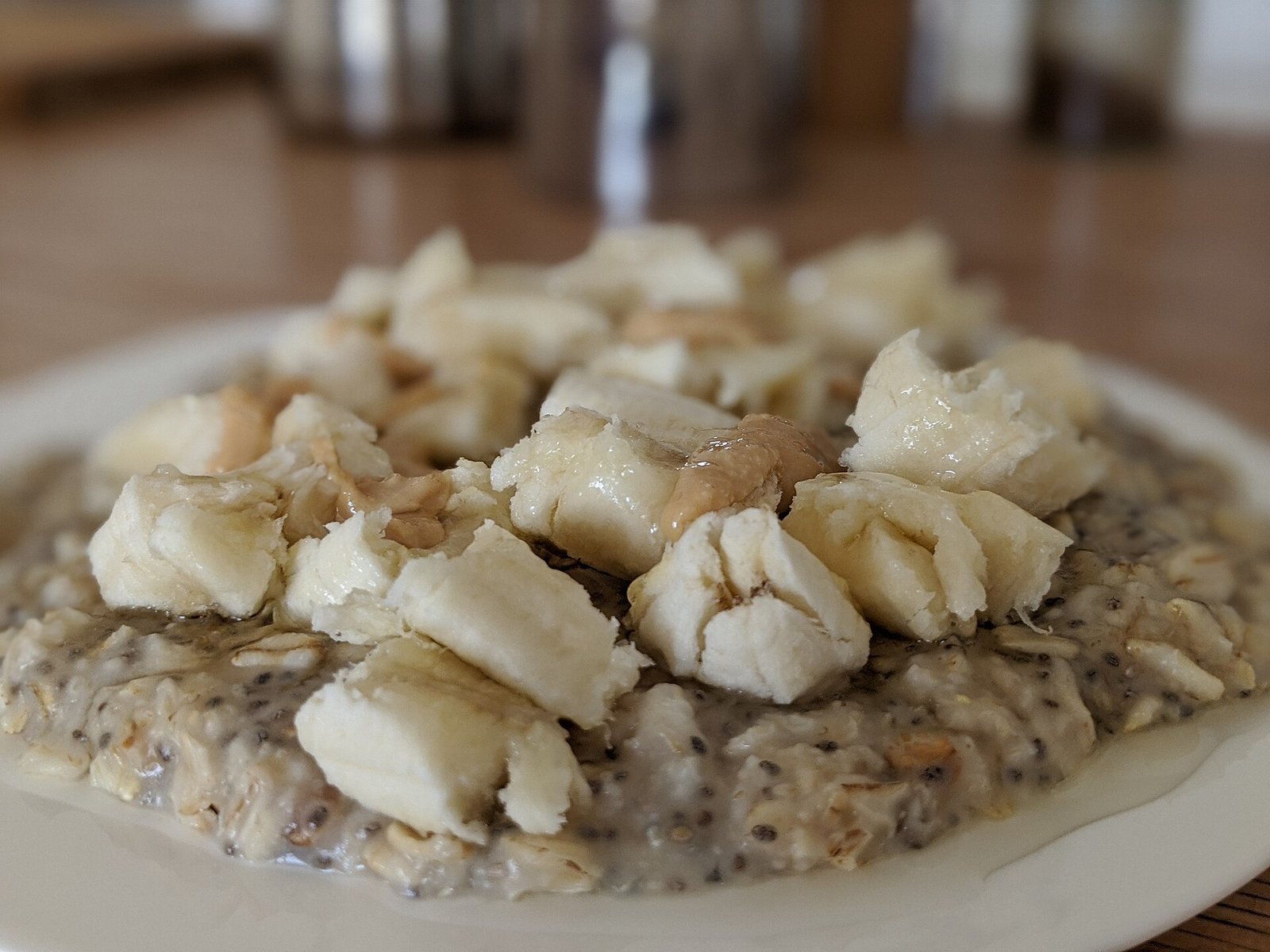
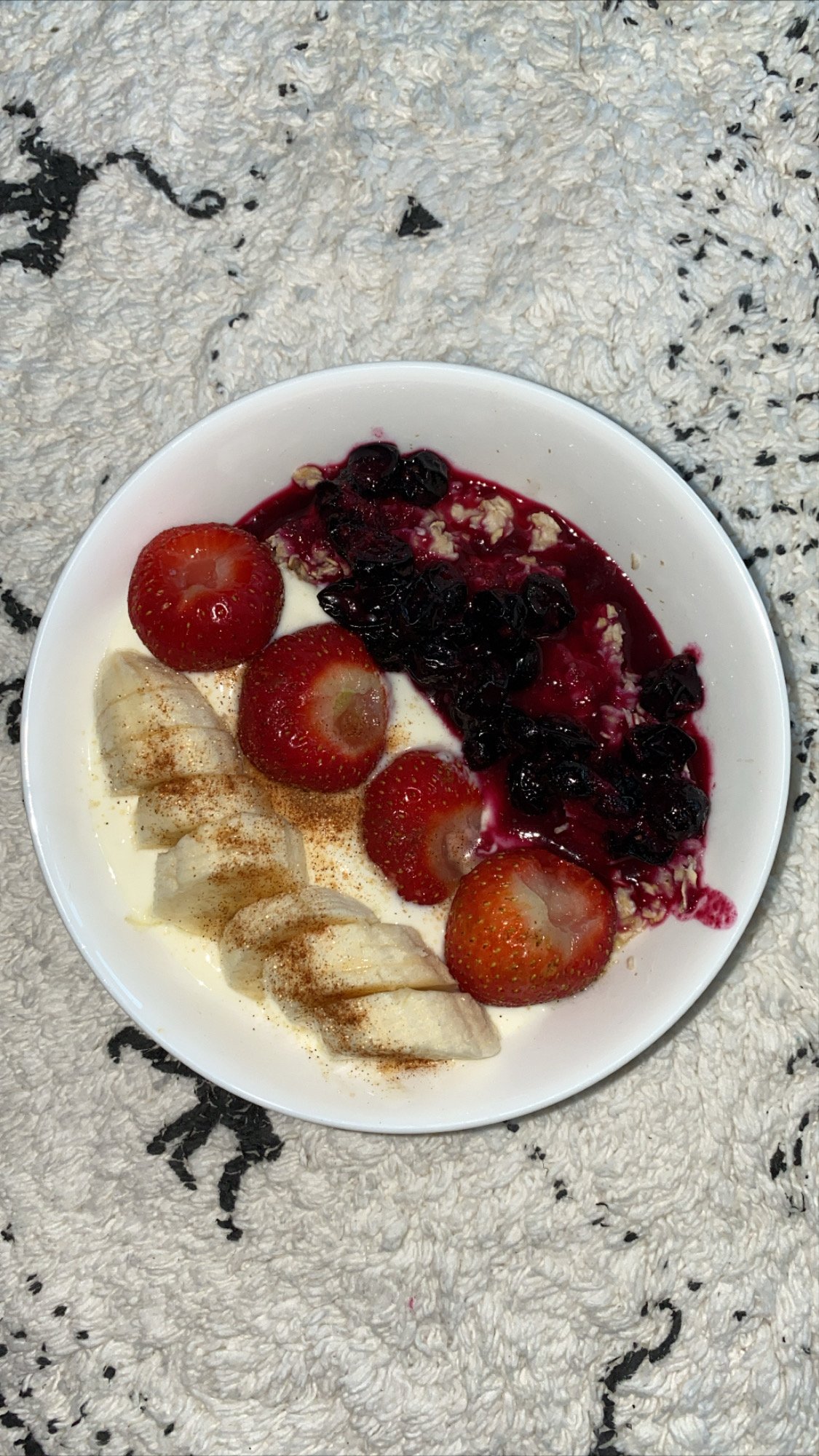
- – Bland, lower-fat options such as toast, rice, oatmeal, bananas, applesauce, or tender eggs if they sit well
- – Steady non-alcoholic fluids, because MedlinePlus notes that people with severe vertigo may get dehydrated from frequent vomiting
- – Sitting to eat rather than bending deeply over a low table if looking down triggers symptoms (NIDCD lists bending, tilting the head, or rolling in bed as typical triggers)
- – A short log of meal timing, head-position triggers, vomiting, and all medicines and supplements, which NIDCD encourages patients to bring to the appointment
When bone health is part of the conversation
Mayo Clinic notes that osteoporosis might be a risk factor for BPPV. If bone health is also being evaluated, ask about food sources of calcium and vitamin D rather than self-megadosing. See Osteoporosis Diet: Foods That May Help or Worsen Bone Health. Dietary calcium does not “glue crystals back” into place.
Keep meals simple on maneuver or vestibular-rehabilitation days so you have enough energy and fluid to complete clinician-directed exercises without adding avoidable nausea.
Foods and habits that often worsen BPPV symptoms or safety
- – Skipping fluids after vomiting. Dehydration is a listed MedlinePlus complication of severe vertigo.
- – Copying a Ménière’s salt-restriction plan without a Ménière’s diagnosis. NIDCD reserves diet-change discussion for Ménière’s disease; BPPV is a loose-otoconia problem. If hearing loss, tinnitus, or ear fullness accompanies spinning, ask for a full evaluation rather than self-prescribing salt rules (see Meniere’s Disease Diet: Foods That May Help and Foods to Limit and Tinnitus Diet: Foods That May Help and Foods to Limit).
- – Alcohol when you are already unsteady. Official BPPV pages do not list alcohol as the cause of loose canaliths, but drinking can add to unsteadiness and fall risk—the complication Mayo Clinic highlights.
- – Very large, high-fat, or strongly aromatic meals if they reliably worsen nausea after a spell (symptom-guided, not a lifelong ban).
- – Bending, reaching into low cabinets, or tipping the head sharply during cooking if those motions trigger vertigo (MedlinePlus and NIDCD both flag head-position triggers). Prep at counter height when possible, and avoid a hot stove during active spinning. NIDCD advises asking whether it is safe to drive and how to lower fall risk on stairs, in the bathroom, and during exercise.
- – Ignoring red flags. Mayo Clinic: new or severe headache, fever, visual change, hearing loss, trouble talking, weakness, fainting, falling, or numbness with dizziness needs prompt care—not a new snack plan.
“Limit” means reducing nausea triggers and unsafe kitchen motions while BPPV is treated—not a permanent fear of flavorful food.
Practical kitchen protocol: a BPPV-aware week
1. Treat the mechanical problem in parallel
Ask whether you need a Dix-Hallpike test and an Epley or similar repositioning maneuver. MedlinePlus states that this treatment works best for BPPV and may need to be repeated if symptoms return.
2. Shopping list for easier spell days
Oats, rice, bananas, applesauce, eggs, yogurt if tolerated, bread, broth-based soup, oral rehydration drinks if a clinician agrees, and water. Keep frequently used items at mid-shelf height to reduce tipping the head.
3. Default plate template during active days
- – A modest starch you tolerate (oatmeal, rice, or toast)
- – A small gentle protein (eggs, yogurt, or tender fish) if nausea allows
- – Soft fruit or cooked vegetables
- – Fluids between, not only with, meals
- – Stop eating before nauseated fullness; rest sitting upright after meals if lying down immediately triggers spinning
4. Sample day (illustrative)
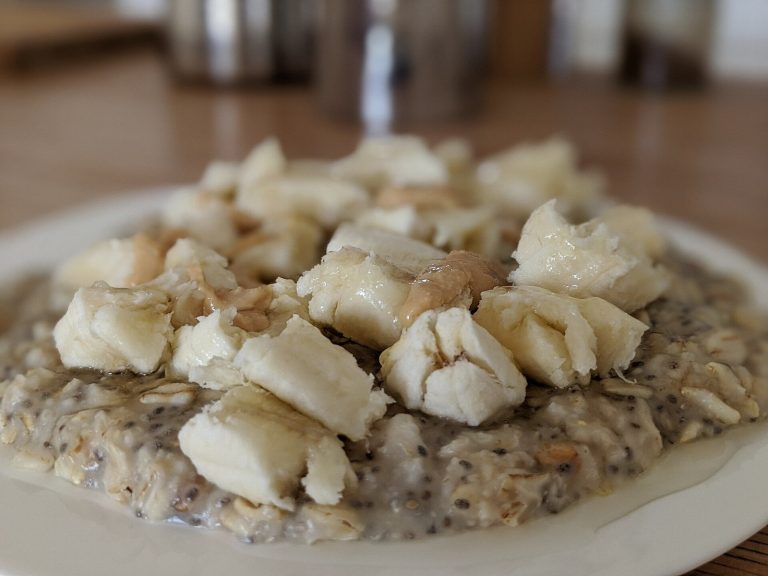
- – Breakfast: oatmeal with banana, eaten sitting at a table.
- – Lunch: rice with a small portion of tender chicken or eggs; cooked carrots.
- – Snack: applesauce or yogurt if tolerated, plus water.
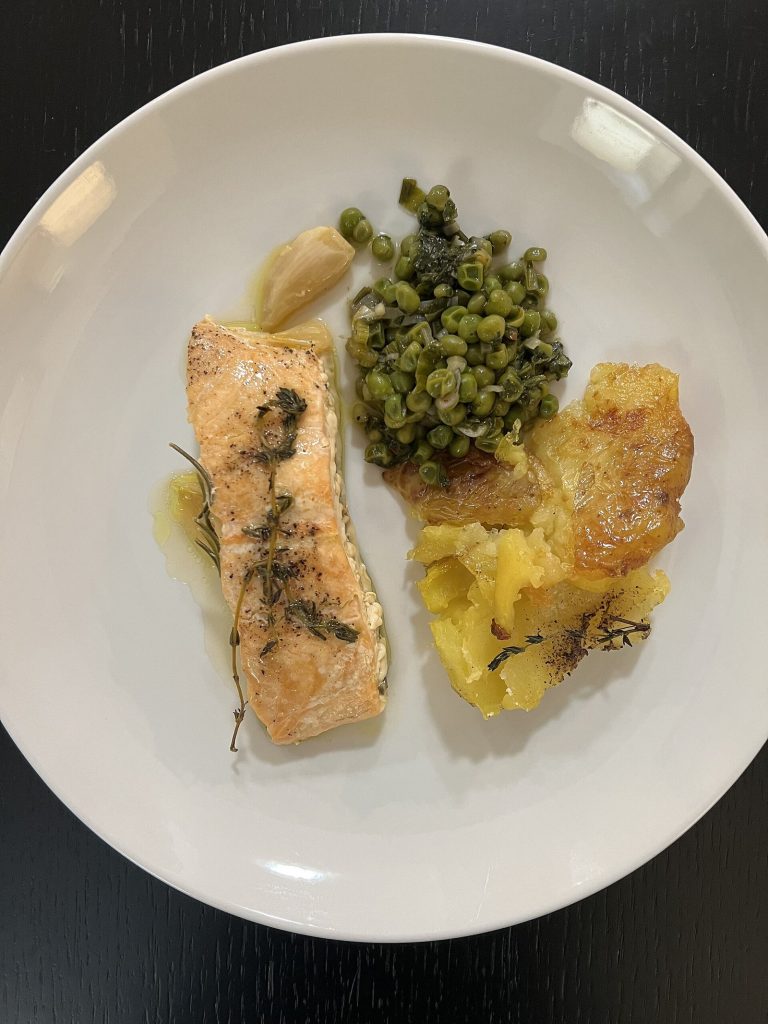
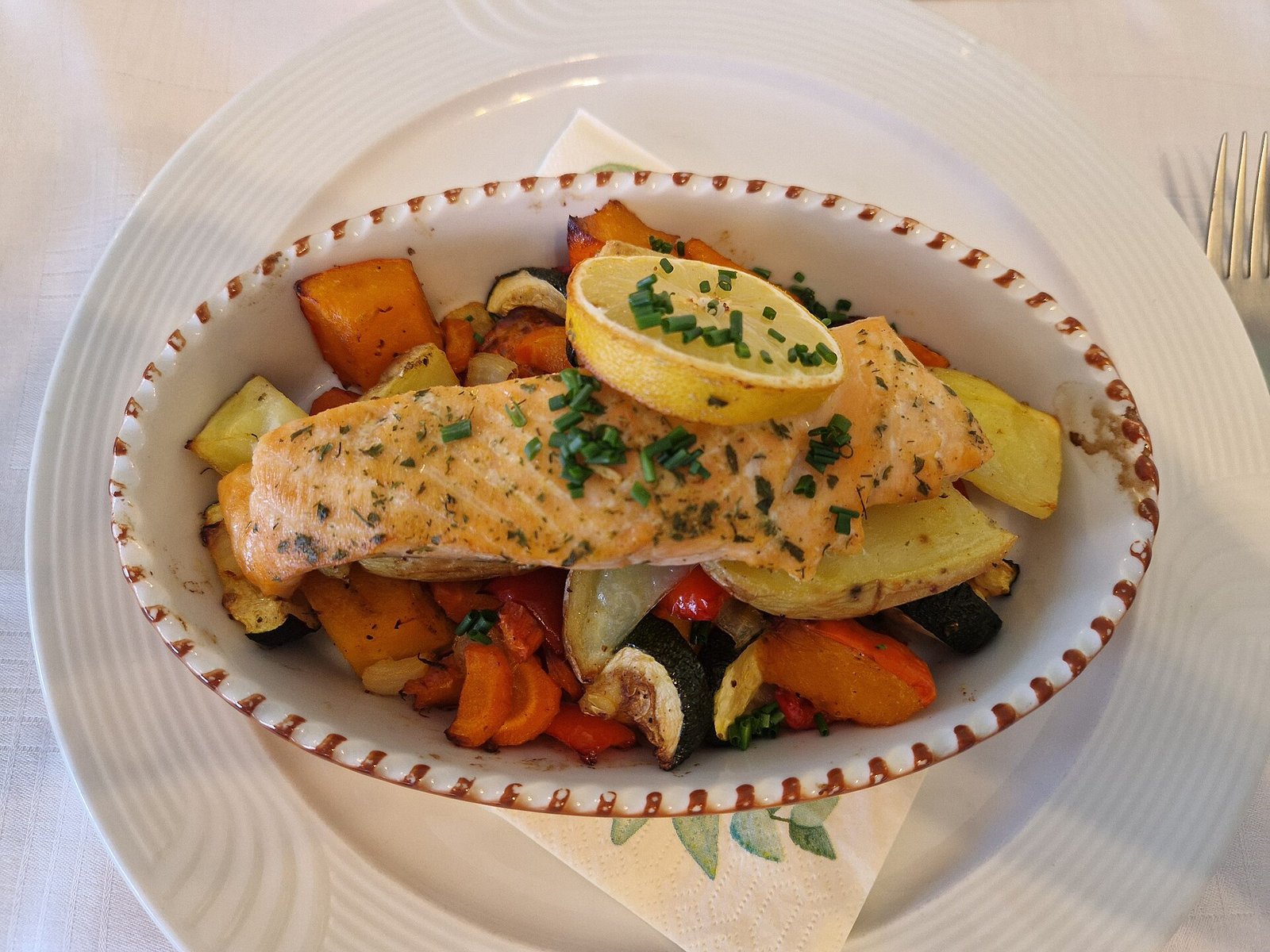
- – Dinner: baked fish, potatoes, and steamed zucchini, plated before you sit so you are not repeatedly looking into a hot oven.
- – Evening: skip alcohol; note any rolling-in-bed spells for your clinician.
5. If the diagnosis is still being sorted
Vertigo has more than one cause. Vestibular migraine, labyrinthitis, and Ménière’s disease can look related but have different evaluation paths. See vestibular migraine diet guide and vertigo diet guide rather than stacking every “vertigo diet” rule at once.
6. After a successful maneuver
Symptoms can return without warning (MedlinePlus). Return to your usual eating pattern as nausea settles, and keep NIDCD fall-safety habits such as avoiding walking in the dark and wearing stable shoes.
Safety, interactions, and who should ask a clinician first
- – Weakness, slurred speech, or vision problems with vertigo: get medical help right away (MedlinePlus).
- – Dizziness plus the Mayo Clinic emergency list above: urgent care, not a diet experiment.
- – Frequent vomiting or inability to keep fluids down: contact a clinician promptly.
- – Older age, prior falls, or osteoporosis: ask about bone health and fall prevention rather than starting high-dose calcium or vitamin D on your own.
- – Pregnancy, complex medicine lists, or “vertigo” herbal blends: review them, because NIDCD asks patients to report all over-the-counter products and supplements.
- – Do not stop prescribed medicines because a blog called them “dizzy-making” without talking to the prescribing clinician.
FAQ
Can a diet cure BPPV? No. NIDCD and MedlinePlus describe loose inner-ear crystals and repositioning maneuvers as the central care path. Gentler eating may ease nausea and support hydration; it does not move canaliths back into place.
Should I start a low-salt diet because I have vertigo? Not automatically. NIDCD discusses diet changes for Ménière’s disease, which is a different diagnosis. If you also have hearing changes, tinnitus, or ear fullness, ask for evaluation rather than copying another condition’s food rules.
Why do I feel sick to my stomach with BPPV? MedlinePlus and Mayo Clinic both list nausea and vomiting among symptoms. Small, bland meals and fluids may be easier until spells shorten after treatment.
Are vertigo medicines a substitute for the Epley maneuver? MedlinePlus notes that some medicines may relieve spinning but often do not work well for treating vertigo, while the Epley maneuver is the treatment that works best for BPPV. Follow your clinician’s plan.
When is dizziness an emergency? Mayo Clinic: seek care right away if vertigo comes with a new or severe headache, fever, visual problems, hearing loss, trouble talking, weakness, fainting, falling or walking trouble, or numbness or tingling.
Will BPPV come back even if I eat carefully? It may. MedlinePlus says BPPV can return without warning. Recurrence is a reason to repeat evaluation and maneuvers if needed—not a sign that you failed a diet.
How this differs from related OTCFood topics
This page is a BPPV-bound diet guide focused on loose-canalith mechanics, maneuver-first care, nausea and hydration, and not borrowing Ménière’s salt rules by default. It is not a general dizziness protocol or a substitute for urgent evaluation when neurologic red flags appear.
Medical disclaimer
Medical disclaimer: This article is for general information only. It is not medical advice, diagnosis, or a treatment plan. BPPV care depends on a confirmed diagnosis, fall risk, other ear or neurologic findings, medicines, and your clinician’s judgment. Talk with a clinician or registered dietitian before starting, stopping, or changing any eating plan, supplement, or medicine. Seek urgent care for vertigo with weakness, trouble speaking, vision or hearing changes, fainting, a severe new headache, or inability to keep fluids down.