PCOS Diet: Foods That May Help and Foods to Limit
Medical note: This article discusses foods and researched botanicals. It does not claim to prevent, treat, or cure disease. Supplements are not a substitute for food, and studied amounts are not personal prescriptions.
The short answer for anyone searching “PCOS diet”: public health sources do not name one special diet, but they agree on what matters most. Mayo Clinic says that for people with PCOS and overweight or obesity, eating fewer calories is the most important thing—no matter what kind of diet you follow, and that research has not shown one diet works better than another for weight loss in PCOS. The U.S. Office on Women’s Health (OWH) adds that even a 10% loss of body weight—for example, a 150-pound woman losing 15 pounds—can help make menstrual cycles more regular and improve the chances of pregnancy, and Mayo notes that losing as little as 5% can improve symptoms. NICHD (the NIH child health and human development institute) says adjusting your diet to reduce foods that can cause or increase inflammation could also be beneficial. A PCOS diet supports your care; it works alongside, not instead of, the medicines and monitoring your clinician recommends.
What this PCOS diet page covers (and what it does not)
This page is for people with polycystic ovary syndrome (PCOS), those recently diagnosed, and family cooks. In 2026, a global consensus renamed the condition polyendocrine metabolic ovarian syndrome (PMOS); NHS, Mayo Clinic, and NICHD now use both names. We use “PCOS” because it is still the most-searched term. Anchors: OWH — Polycystic ovary syndrome, NICHD — PCOS care options, Mayo Clinic — PMOS diagnosis and care, and NHS — PMOS.
OWH reports PCOS affects about 1 in 10 women of childbearing age. It involves a hormonal imbalance and metabolism problems: higher androgen levels, and—in many women—insulin resistance, especially with overweight, unhealthy eating habits, low activity, or a family history of type 2 diabetes. Symptoms can include irregular periods, extra facial or body hair, acne, scalp hair thinning, weight gain or difficulty losing weight, and darkened skin folds. NHS adds that PCOS is more likely if a close relative has it or if you are from an Asian background. This page does not cover fertility procedures or medicine choices in detail.
Evidence snapshot: PCOS diet claims vs public sources
| Claim people hope for | What public sources actually say | Confidence |
|---|---|---|
| “There’s one perfect PCOS diet” | Mayo Clinic: research hasn’t shown one diet works better than another for weight loss in PCOS, as long as total calories are lower | Strong against a single “best” diet |
| “Small weight loss won’t change anything” | Mayo: losing about 5% of body weight can improve symptoms; OWH: a 10% loss may help regulate cycles and fertility | Strong |
| “Weight loss only matters for appearance” | NICHD: losing weight can help restore ovulation and improve insulin and cholesterol levels; for many, it also reduces extra hair growth and acne | Strong |
| “Diet has nothing to do with inflammation in PCOS” | NICHD: reducing foods that can cause or increase inflammation could be beneficial | Low-to-moderate |
| “PCOS is only about ovaries” | OWH: more than half of women with PCOS will have diabetes or prediabetes before age 40; higher risks of high blood pressure and unhealthy cholesterol | Strong reason for a metabolic-focused plate |
| “Exercise is optional if I diet” | Mayo: aerobic exercise and strength training help lower blood sugar by improving how insulin works; NICHD: activity can help reduce PCOS-related depression | Strong |
Foods and patterns that may help with PCOS
“May help” means a plate that supports insulin sensitivity, weight goals, and heart health alongside medical care.
Vegetables and fruit as the base
Fill half the plate with vegetables and fruit. They add volume and fiber with few calories, which makes the calorie reduction Mayo emphasizes easier to sustain. OWH points users to the MyPlate Plan tool for a personalized healthy eating plan.
Whole grains and beans instead of refined starches
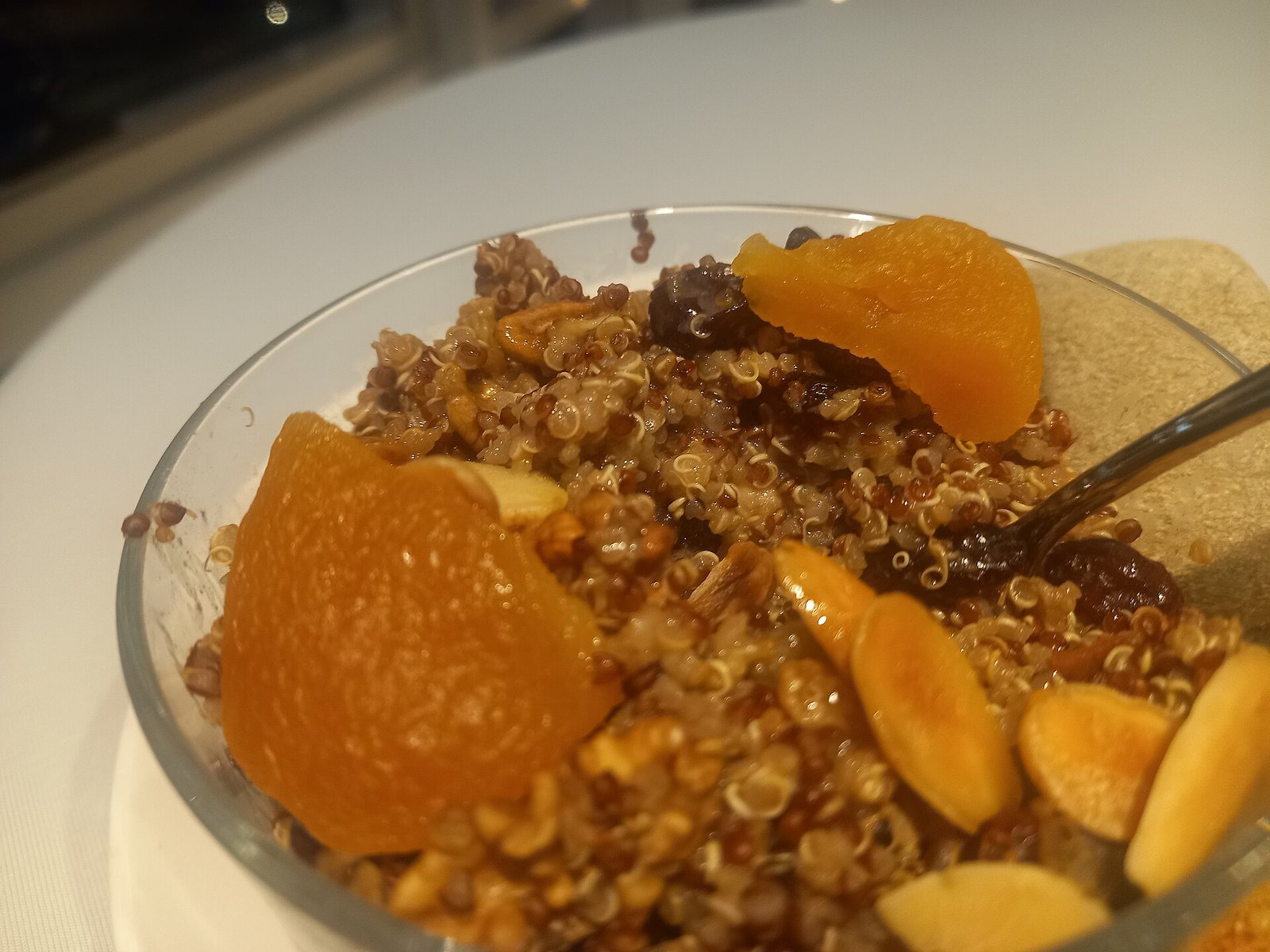
Choose oats, brown rice, quinoa, barley, whole-wheat bread, lentils, chickpeas, and beans. These fill you up for longer than white bread or sugary cereals and fit the diabetes-conscious plate described in our type 2 diabetes plate guide.
Lean protein at every meal
Fish, poultry, eggs, tofu, beans, and plain yogurt help meals feel satisfying, which supports a calorie deficit without constant hunger.
Unsaturated fats in modest amounts
Olive or canola oil, nuts, seeds, and avocado in measured portions. OWH notes women with PCOS often have higher LDL and lower HDL cholesterol, so the swaps in our high cholesterol diet page apply here too.
An “anti-inflammatory” lean, kept realistic
NICHD’s suggestion to reduce foods that can cause or increase inflammation fits naturally with this whole-food pattern: more vegetables, fruit, whole grains, and fish; fewer heavily processed foods.
Foods and habits that often worsen PCOS patterns
- – Sugary drinks and sweets—an easy source of extra calories that work against the deficit Mayo describes.
- – Refined, heavily processed snacks and fast food, which are calorie-dense and less filling.
- – Large portions and frequent grazing without noticing total intake.
- – Crash diets and extreme restriction that are hard to keep up; Mayo stresses a sustainable lower-calorie approach with professional support.
- – Long sedentary stretches; Mayo and NICHD both pair diet with activity.
- – Smoking, which NICHD says can raise the risks of some PCOS medicines.
- – “PCOS supplement” stacks bought online without telling your clinician, especially if you take hormonal or diabetes medicines.
“Limit” means reduce how often or how much—not that one dessert undoes your plan.
Practical kitchen protocol: a PCOS diet week
1. Set a 5–10% goal with your care team
If you have overweight or obesity, a target of 5–10% of your current weight matches Mayo and OWH guidance. Mayo recommends meeting a registered dietitian and asking about a weight-control program.
2. Build the half-quarter-quarter plate
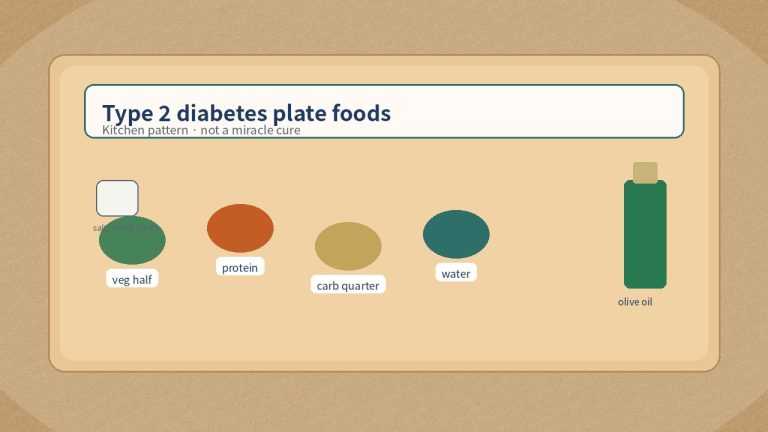
Half vegetables and fruit, a quarter lean protein, a quarter whole grains or beans, plus a spoon of olive oil or a few nuts. Repeat at lunch and dinner.
3. Swap drinks first
Swap soda, sweetened tea, and juice drinks for water, sparkling water, or unsweetened tea and coffee. It is often the simplest calorie cut.
4. Prep three “default” meals
Pick three easy meals you can repeat—such as lentil soup, a quinoa-and-vegetable bowl with chicken, and a salmon sheet-pan dinner—so busy days do not default to takeout.
5. Add activity you can keep
Mayo recommends aerobic exercise and strength training. Brisk walks after meals and two short strength sessions a week are a practical start.
6. Shopping list default
Frozen and fresh vegetables, berries, apples, oats, quinoa, brown rice, whole-wheat bread, lentils, canned beans, eggs, chicken breast, salmon, tofu, plain yogurt, olive oil, unsalted nuts, and sparkling water.
7. Sample day (illustrative)
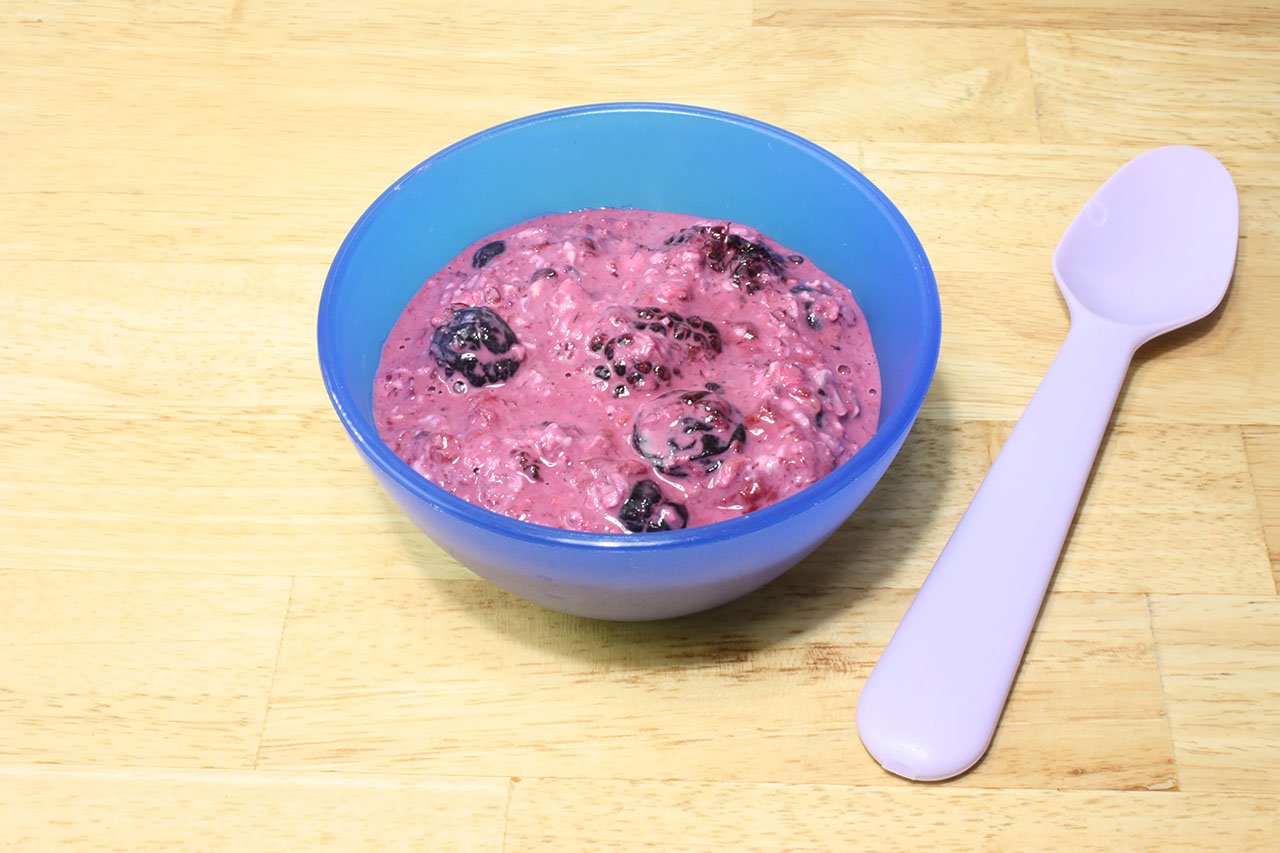
- – Breakfast: overnight oats with berries and plain yogurt.
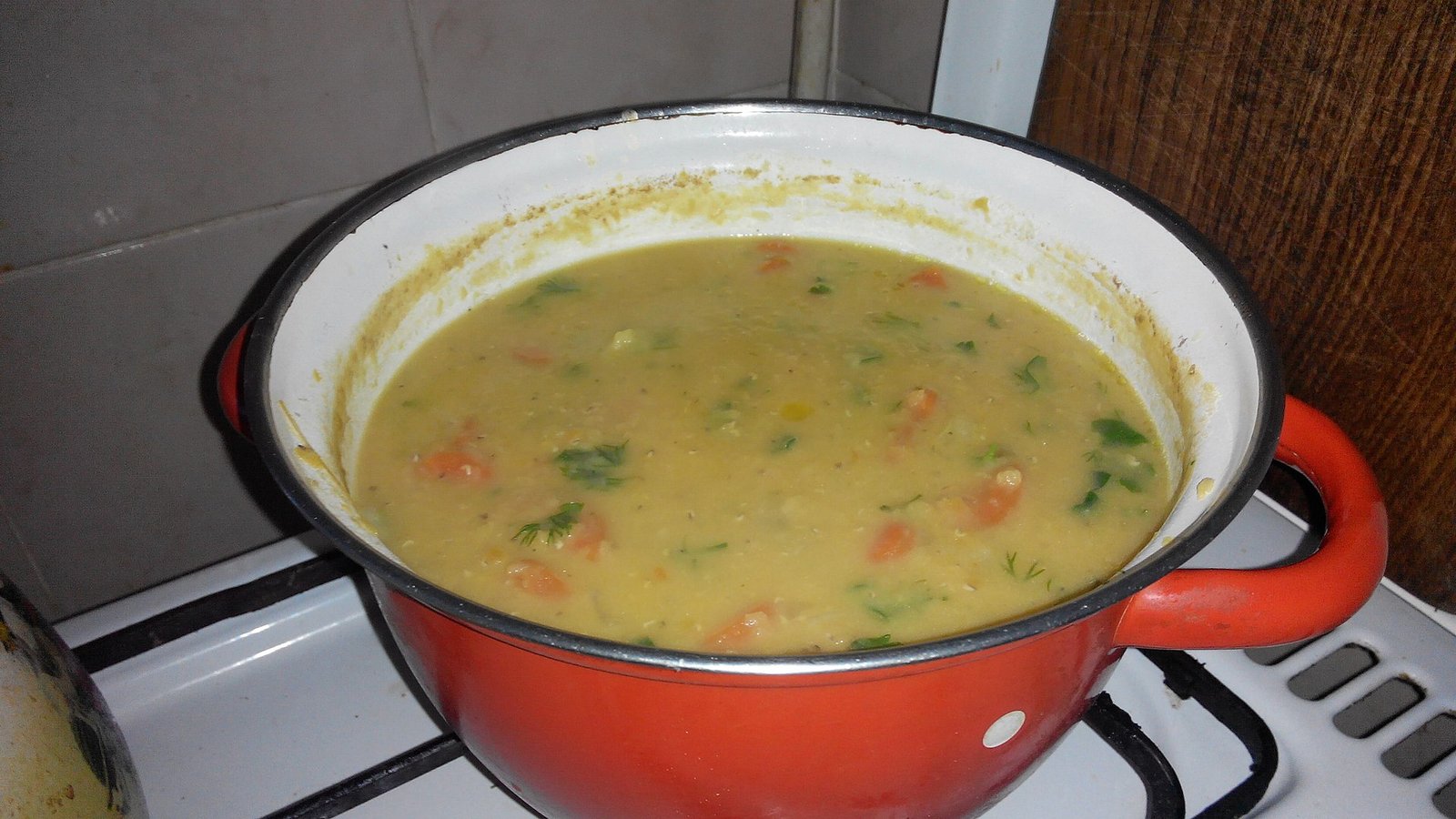
- – Lunch: lentil and vegetable soup with a slice of whole-grain bread.
- – Snack: an apple and a small handful of nuts.
- – Dinner: grilled chicken or tofu, a large salad with olive oil, and quinoa.
- – Movement: a 20–30 minute walk after dinner.
Safety, interactions, and who should talk to a doctor first
- – Metformin: often used for PCOS symptoms, though not FDA-approved for PCOS (OWH, NICHD). ODS notes metformin might reduce vitamin B12 absorption; ask whether your B12 level should be checked, especially if you eat few animal foods.
- – GLP-1 medicines: Mayo says these may help some people with PCOS lower blood sugar and lose weight, and that they are stopped before pregnancy. Follow your prescriber’s plan for diet and dosing.
- – Trying to conceive: OWH advises reaching a healthy weight and healthy blood sugar levels before pregnancy and talking to your doctor about folic acid. Some PCOS medicines, such as anti-androgens, can cause problems in pregnancy.
- – Metabolic screening: Mayo recommends regular checks of blood pressure, glucose tolerance, and cholesterol; NHS also lists non-alcoholic fatty liver disease as a possible complication (see our fatty liver diet basics).
- – Mood: depression and anxiety are common with PCOS (OWH). If food rules start to feel obsessive or distressing, tell your clinician.
- – Teens: growing bodies need adequate energy; weight goals should be set by a pediatric clinician.
FAQ
What is the best diet for PCOS? Mayo Clinic says research has not shown one diet works better than another for weight loss in PCOS; eating fewer calories overall matters most for people with overweight or obesity. A whole-food plate of vegetables, whole grains, beans, lean protein, and healthy fats is an easy default.
How much weight loss helps PCOS symptoms? Mayo notes losing about 5% of body weight can improve symptoms, and OWH says a 10% loss may help make periods more regular and improve the chance of pregnancy.
Do I need to cut out carbs, dairy, or gluten for PCOS? None of the public sources reviewed here require cutting these foods. Mayo emphasizes total calories over a specific diet type. Choosing whole grains over refined starches and limiting sugary foods is a practical middle path; discuss restrictive plans with a dietitian.
Is PCOS the same as PMOS? Yes. In 2026 a global consensus renamed polycystic ovary syndrome as polyendocrine metabolic ovarian syndrome (PMOS); NHS and Mayo Clinic now use the new name, and NICHD lists both.
Does diet matter if I don’t want to get pregnant? Yes. OWH links PCOS with higher risks of diabetes, high blood pressure, and unhealthy cholesterol, so a metabolic-friendly diet supports long-term health whatever your fertility plans.
How this differs from related OTCFood topics
This page is a disease-bound PCOS diet focused on calorie balance, insulin, and long-term metabolic risk. It overlaps with our type 2 diabetes plate, high cholesterol diet, and fatty liver diet basics, but adds hormone, fertility, and medicine context specific to PCOS.
Medical disclaimer
Medical disclaimer: This article is for general information only. It is not medical advice or a diagnosis. PCOS care depends on your symptoms, labs, pregnancy plans, and medicines. Talk with a licensed clinician or registered dietitian before starting, stopping, or changing any eating plan, weight-loss program, supplement, or medication.