Nephrotic Syndrome Diet: Foods That May Help and Foods to Limit
Medical note: This article discusses foods and researched botanicals. It does not claim to prevent, treat, or cure disease. Supplements are not a substitute for food, and studied amounts are not personal prescriptions.
People searching “nephrotic syndrome diet foods that help or worsen” usually want kitchen habits that support swelling control and heart-kidney health while nephrology treatment addresses the cause—not a claim that food seals leaky glomeruli. NIDDK describes nephrotic syndrome as a group of symptoms showing kidneys are not working properly: too much protein in the urine (proteinuria), low blood albumin, swelling (edema), and high blood cholesterol/lipids (hyperlipidemia). It usually happens when inflamed glomeruli let too much protein leak into urine.
What this nephrotic syndrome diet guide covers (and what it does not)
This guide is for adults with clinician-diagnosed nephrotic syndrome who want practical eating patterns while following nephrology care. Anchors: NIDDK — Nephrotic Syndrome in Adults and MedlinePlus nephrotic syndrome consumer pages.
NIDDK: eating, diet, and nutrition have not been shown to play a role in causing or preventing nephrotic syndrome. However, if you have developed it, your health care professional may recommend limiting sodium (salt) and fluids to help control swelling, and reducing fat and cholesterol in the diet to help control blood cholesterol. Treatment also commonly includes ACE inhibitors or ARBs, diuretics, cholesterol medicines, blood thinners when clotting risk is high, and therapies aimed at the underlying disease (such as diabetes or lupus). Do not invent gram targets for protein, sodium, or fluid—those come from your nephrology/dietitian plan. Related broader kidney framing: chronic kidney disease diet guide.
Evidence snapshot: nephrotic syndrome diet claims vs public sources
| Claim people hope for | What public sources actually say | Confidence |
|---|---|---|
| “A detox diet prevents nephrotic syndrome” | NIDDK: diet has not been shown to cause or prevent nephrotic syndrome | Strong against prevention claims |
| “Limiting sodium and fluids may help swelling” | NIDDK: clinicians may recommend limiting sodium and fluids to help control edema | Moderate–strong as clinician-directed support |
| “Lower fat/cholesterol patterns may help lipid levels” | NIDDK: clinicians may recommend reducing fat and cholesterol intake to help control blood cholesterol | Moderate as adjunct to medicines |
| “High protein always rebuilds lost albumin” | Protein goals are individualized; nephrotic loss is a kidney filter problem—do not self-prescribe megadose protein powders | Strong: ask nephrology/RD |
| “Kitchen changes replace ACE/ARB or steroids” | NIDDK lists medicines for symptoms/causes; food is supportive | Strong: medicines first |
Foods and patterns that may help with nephrotic syndrome day-to-day comfort
“May help” means supporting edema and lipid goals your team set—not curing FSGS, membranous nephropathy, or minimal change disease.
Sodium and fluid limits as prescribed (NIDDK)
- – Follow the specific sodium and fluid guidance you were given for swelling control. Practical kitchen moves often include cooking from fresh ingredients, rinsing canned beans/vegetables when used, reading labels, and flavoring with herbs, vinegar, citrus, garlic, and pepper instead of stacking salty sauces.
- – Measure fluids if you have a numeric allotment (including soups and juicy fruit if your team counts them).
Heart-aware fat patterns (NIDDK hyperlipidemia context)
- – Nephrotic syndrome includes high cholesterol/lipids among core features. Emphasize vegetables, fruit, whole grains if potassium/phosphorus allow, beans as cleared, fish, poultry, and unsaturated oils while limiting fried foods, fatty processed meats, and tropical oils if those are on your limit list—pair with high cholesterol diet guide as general kitchen context, not a cure.
- – Take prescribed lipid-lowering medicines if ordered; diet alone often is not enough during active nephrotic hyperlipidemia.
Protein: individualized only
- – Because protein leaks into urine, internet “high protein fixes albumin” advice can clash with kidney stage and cause. Ask your nephrologist or renal dietitian for a personal target—especially if CKD is progressing (NIDDK notes brief or long-lasting kidney problems, including CKD and kidney failure, as possible complications).
Produce-forward plates within lab limits
- – Fruits and vegetables support overall cardiometabolic patterns, but potassium and phosphorus limits may apply as CKD advances—see NIDDK healthy eating for CKD themes and coordinate labs. Related: hypertension diet guide when blood pressure is elevated (a listed complication).
Infection-aware nutrition
- – NIDDK notes higher infection risk from loss of immunoglobulins. Keep vaccines and infection precautions per clinician; use food-safety basics (thorough cooking, fridge timing) especially if on immunosuppressants for the underlying disease.
Foods and habits that often worsen nephrotic syndrome kitchen patterns
- – Salty restaurant meals, instant noodles, cured meats, and salty snacks that work against edema-focused sodium limits.
- – Uncounted fluid loads (large sodas, unlimited broth) when you were given a fluid cap.
- – Frequent fried fast food when lipid control is part of the plan.
- – Self-ordered protein powders or “kidney cleanses” without nephrology approval.
- – NSAIDs for everyday aches without checking—NIDDK lists some medicines, including NSAIDs, among secondary contributors to nephrotic syndrome; always confirm pain plans.
- – Skipping ACE/ARB, diuretics, anticoagulants, or immunosuppression because a salad felt virtuous.
“Limit” means aligning the kitchen with clinician sodium/fluid/fat guidance—not shame over one higher-salt meal while traveling.
Practical kitchen protocol: a nephrotic syndrome diet week
1. Write down your targets
Sodium, fluid, protein, and any potassium/phosphorus limits should be on the fridge in the numbers your team gave—not numbers copied from a stranger’s blog.
2. Shopping list ideas (illustrative)
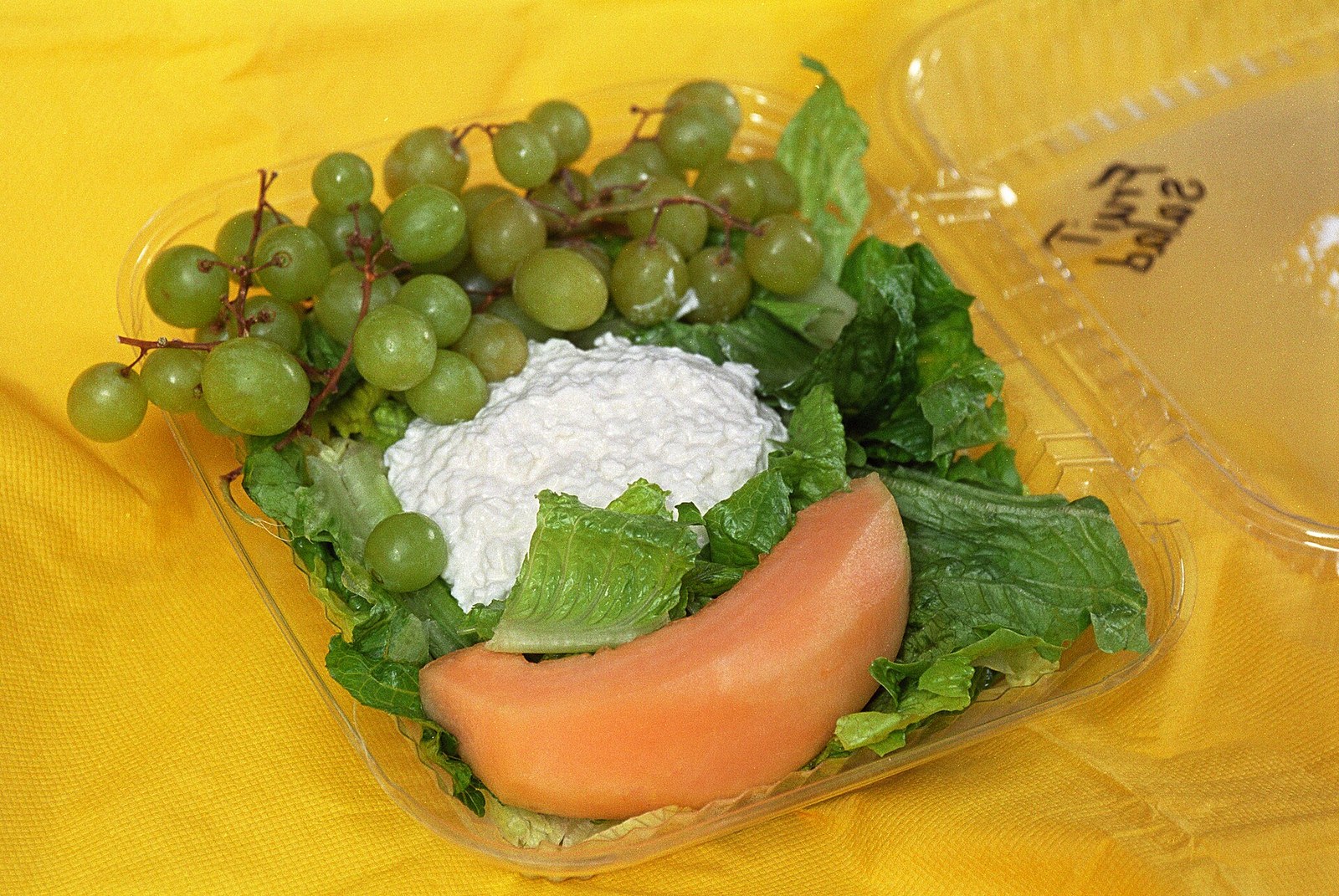
Fresh or no-salt-added vegetables and fruit as allowed; herbs; unsalted spices; olive oil; oats/rice as cleared; eggs; fish; poultry; legumes if potassium/phosphorus fit; low-sodium bread alternatives if labeled; yogurt/cottage cheese only within protein/sodium budgets.
3. Default plate template
- – Half vegetables/fruit (lab-permitted)
- – Quarter grains/starches
- – Quarter clinician-approved protein portion
- – Prepare with minimal added salt; drain and rinse canned goods when used
4. Sample day (illustrative — adjust to your prescription)
- – Breakfast: oatmeal with berries; eggs if protein budget allows.
- – Lunch: large salad with herbs/lemon, grilled chicken portion as prescribed, unsalted seeds only if cleared.
- – Snack: fruit; or cottage cheese if it fits sodium/protein targets.
- – Dinner: baked fish or tofu, roasted vegetables, rice; measured fluid.
- – Evening: check edema and weight if your team uses home monitoring.
5. Eating out
Ask for sauces on the side, no added salt, grilled instead of fried, and share portions. Skip brine-heavy pickles and soup bases unless sodium budget remains.
6. Related OTCFood links
If diabetes drives secondary nephrotic syndrome, coordinate with type 2 diabetes diet guide. For stone risk overlap in some kidney patients, see kidney stones diet guide only if that diagnosis applies.
Daily self-checks that belong with the meal plan
- – Morning weight (same scale, similar clothing) if your team uses weight to gauge edema.
- – Ankle/shin swelling photos or notes when changes are subtle day to day.
- – Medicine timing relative to meals for diuretics (ask whether morning dosing affects your grocery/outing schedule).
- – If appetite collapses while on high-dose steroids or other immunosuppression for the underlying disease, ask about calorie-dense soft options rather than forcing large salty comfort foods that fight edema goals.
Safety, interactions, and who should ask a clinician first
- – Rapid weight gain, severe swelling, shortness of breath, or chest pain can signal fluid overload or clot risk (NIDDK lists thrombosis among complications)—seek care promptly.
- – Blood thinners require consistent diet patterns and bleeding-watch education from your clinician.
- – Children with nephrotic syndrome need pediatric nephrology plans; this adult-focused page is not a pediatric protocol.
- – Pregnancy with nephrotic-range proteinuria needs specialist management.
FAQ
Can diet prevent nephrotic syndrome from starting? NIDDK says eating/diet/nutrition have not been shown to cause or prevent it.
Why limit salt if my kidneys “need electrolytes”? When nephrotic edema is active, clinicians often limit sodium and fluids to help control swelling—follow your numbers.
Should I eat huge protein portions to replace losses? Not automatically. Protein targets are individualized; excess can be harmful depending on kidney function.
Do I stop cholesterol medicine if I eat “clean”? Usually no. Hyperlipidemia is part of the syndrome; medicines are often needed alongside kitchen changes.
Is this the same as a CKD diet? Overlap exists, especially as kidney function falls, but nephrotic plans emphasize edema and lipids. See chronic kidney disease diet guide for broader CKD framing.
How this differs from related OTCFood topics
This page is a nephrotic-syndrome-bound diet guide focused on clinician-directed sodium/fluid limits, lipid-aware eating, and individualized protein—not a polycystic kidney disease DASH overview (see the PKD guide) and not a kidney-stone oxalate protocol.
Medical disclaimer
Medical disclaimer: This article is for general information only. It is not medical advice, diagnosis, or a treatment plan. Nephrotic syndrome care depends on cause, kidney function, clotting risk, and other diseases. Talk with a nephrologist or registered dietitian before changing sodium, fluid, protein, supplements, or medicines. Seek urgent care for severe swelling with breathing trouble, chest pain, sudden calf swelling, or confusion.