Vestibular Neuritis Diet: Foods That May Help and Foods to Limit
Medical note: This article discusses foods and researched botanicals. It does not claim to prevent, treat, or cure disease. Supplements are not a substitute for food, and studied amounts are not personal prescriptions.
People searching “vestibular neuritis diet foods that help or worsen” usually want kitchen tactics for nausea days and steadier hydration while the inner-ear balance nerve recovers—not a claim that food repairs the vestibular nerve, replaces vestibular rehabilitation, or stops every spinning spell. NIDCD’s balance-disorders page lists vestibular neuronitis as an inflammation of the vestibular nerve that can be caused by a virus and primarily causes vertigo. MedlinePlus’s labyrinthitis encyclopedia entry also lists vestibular neuritis / vestibular neuronitis among related names and describes inner-ear irritation that can cause vertigo, imbalance, nausea, and sometimes hearing changes when the labyrinth is involved.
What this vestibular neuritis diet guide covers (and what it does not)
This guide is for adults with clinician-diagnosed vestibular neuritis (or closely related acute vestibular neuronitis/labyrinthitis care pathways) who need practical eating and safety habits during and after acute vertigo. Anchors: NIDCD — Balance Disorders (includes vestibular neuronitis) and MedlinePlus — Labyrinthitis (lists vestibular neuritis / vestibular neuronitis among alternate names). The topic brief’s older NIDCD “vestibular neuritis and labyrinthitis” URL currently redirects to a removed page, so these live public pages are used instead.
NIDCD explains that balance problems can cause dizziness or vertigo, falls, nausea, and anxiety, and that treatment starts by checking medicines and other health conditions. MedlinePlus notes labyrinthitis often follows a viral illness and that severe symptoms usually improve within about a week, with most people better within 2 to 3 months, though older adults may have dizziness that lasts longer. Related reading: Meniere’s disease diet guide, vertigo and Meniere’s diet guide, and vestibular migraine diet guide.
Evidence snapshot: vestibular neuritis diet claims vs public sources
| Claim people hope for | What public sources actually say | Confidence |
|---|---|---|
| “A vertigo diet cures nerve inflammation” | NIDCD/MedlinePlus emphasize medical evaluation, symptom medicines, rest, and vestibular therapy—not a curative menu | Strong: food is supportive |
| “Same ultra-low salt plan as Ménière’s is mandatory” | NIDCD salt limits of 1,500–2,000 mg/day are stated for Ménière’s disease management, not as a universal vestibular neuritis cure diet | Moderate: do not copy blindly |
| “Alcohol helps you sleep through vertigo” | MedlinePlus labyrinthitis risk factors include drinking large amounts of alcohol; alcohol can worsen dizziness for many people | Strong to limit in acute weeks |
| “You should drive as soon as appetite returns” | MedlinePlus: avoid driving, heavy machinery, and climbing for one week after symptoms disappear because a sudden dizzy spell can be dangerous | Strong safety rule |
| “Herbal ginkgo equals vestibular rehab” | NIDCD Ménière’s page notes lack of evidence for ginkgo and similar herbals in that related balance disease; rehab remains a core tool for chronic imbalance | Strong against assuming equivalence |
Foods and patterns that may help during vestibular neuritis recovery day to day
“May help” means supporting hydration, gentler meals during nausea, and fall-safe routines—not promising faster nerve healing than your timeline allows.
Acute nausea-aware plates (MedlinePlus home-care themes)
- – Stay still and rest during severe episodes; avoid sudden movements; slowly resume activity; you may need help walking.
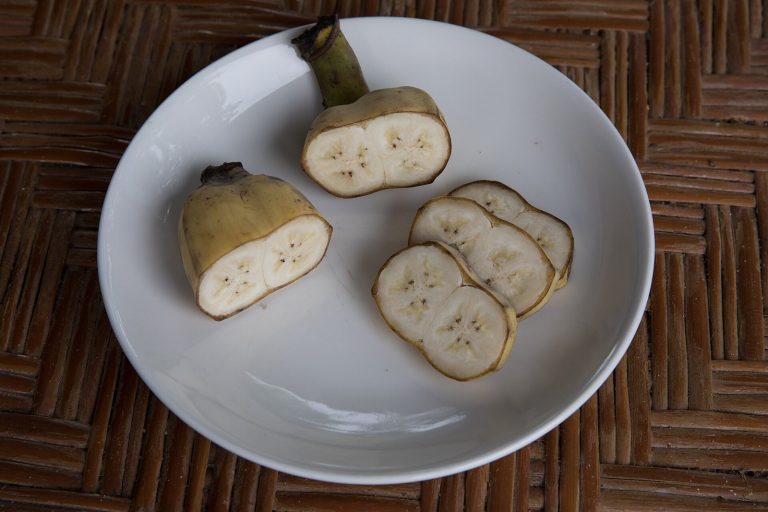
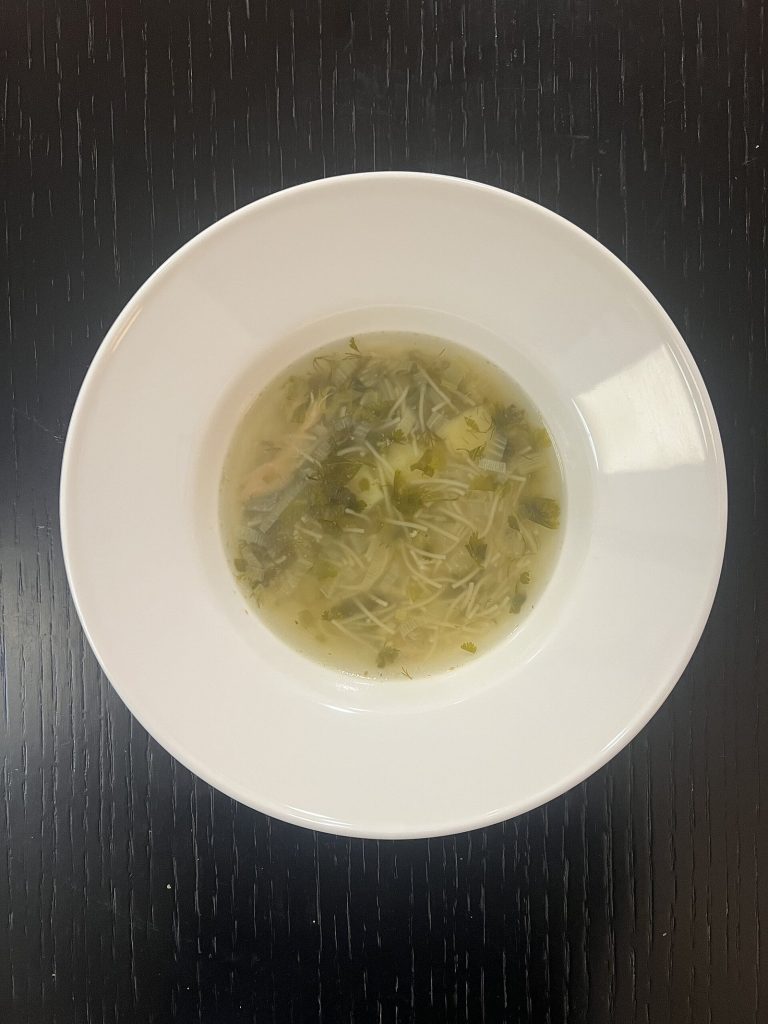
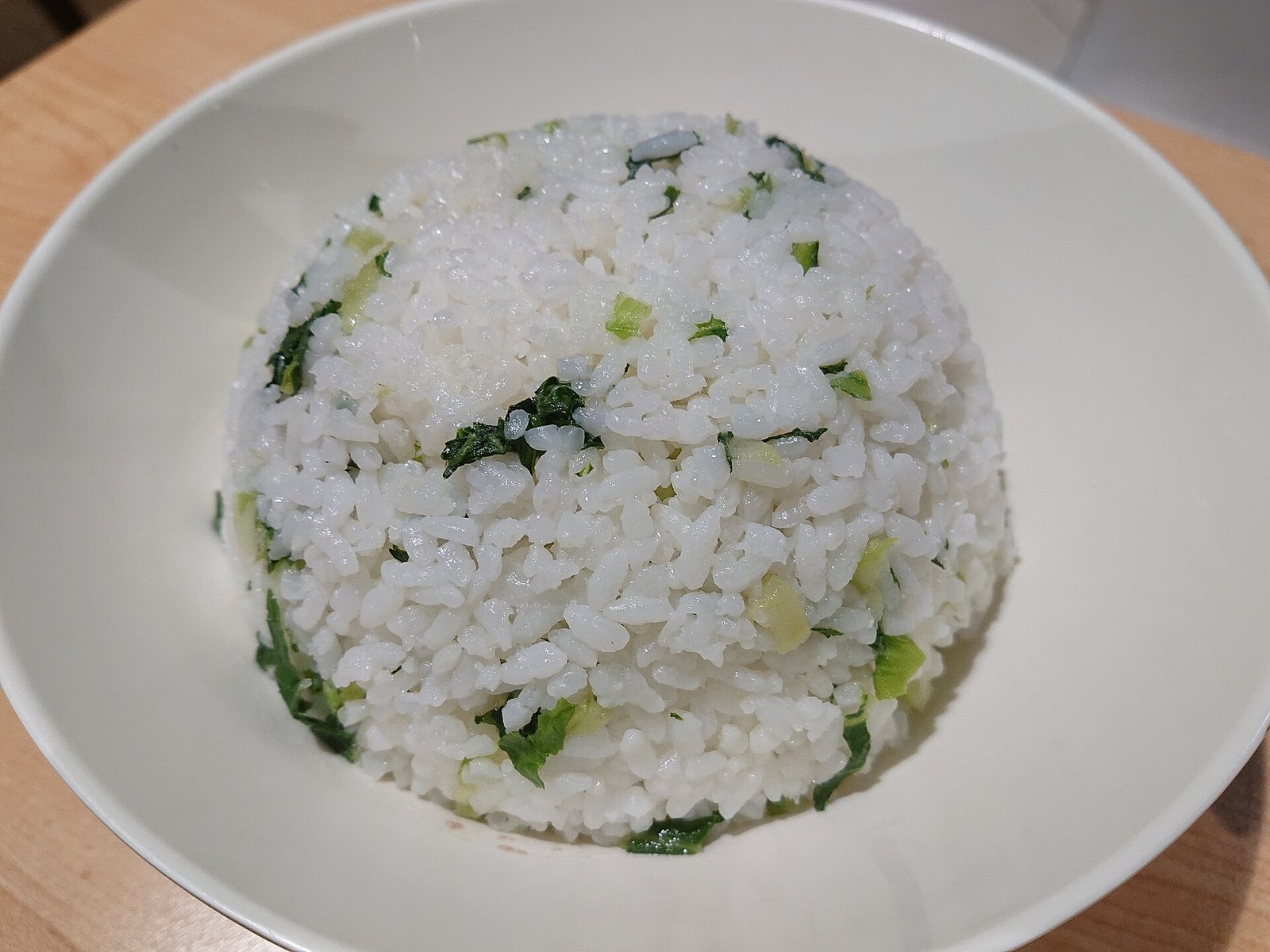
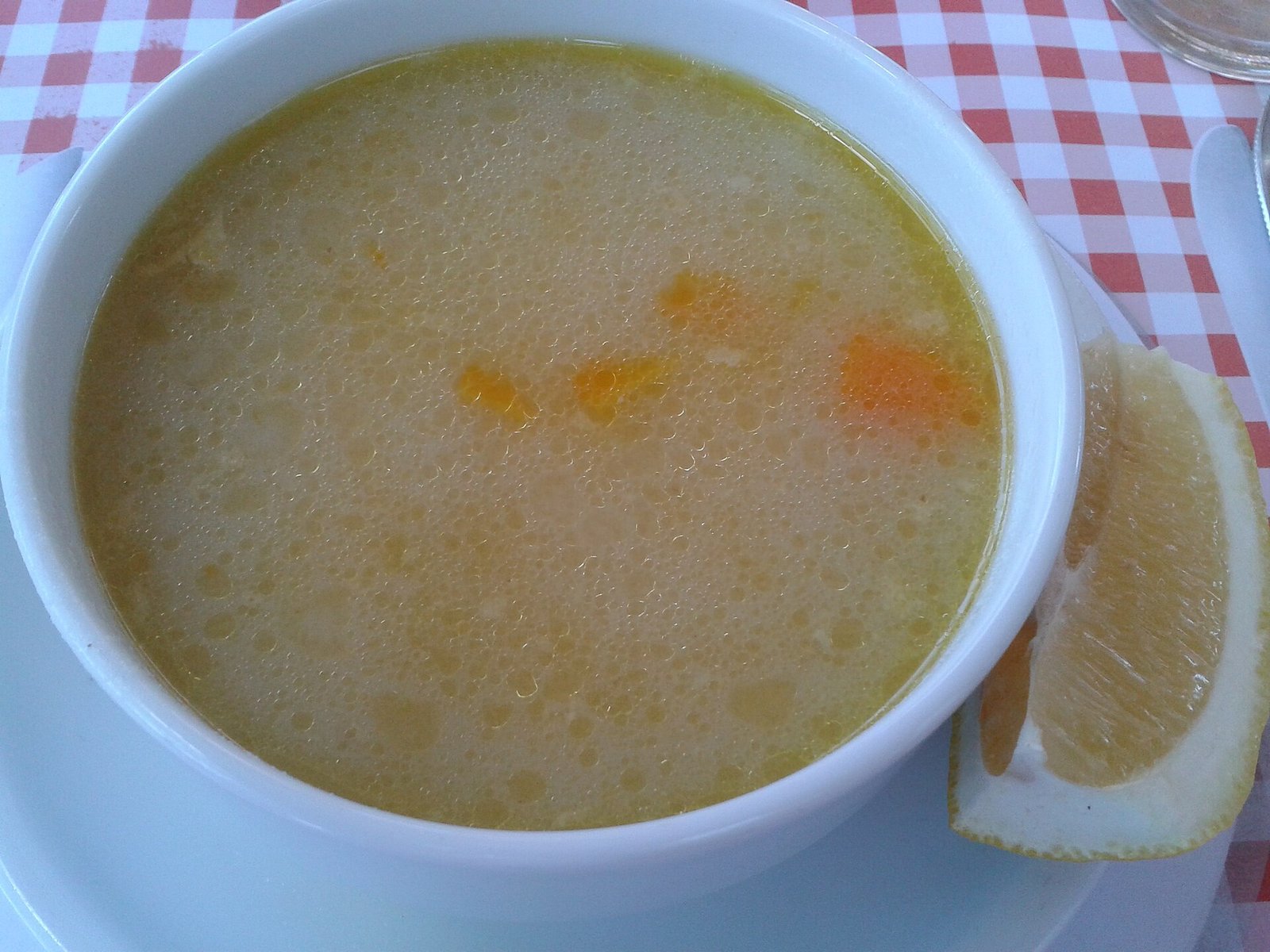
- – Keep easy-to-tolerate foods: broths, toast, bananas, rice, applesauce-style soft carbs, yogurt if tolerated, and small frequent portions rather than one huge meal that worsens nausea.
- – Prioritize fluids in small sips if vomiting risk is high—MedlinePlus warns people with severe vertigo may get dehydrated from frequent vomiting.
After the worst spinning: rebuild balanced meals
- – Return toward regular protein, vegetables, fruit, and whole grains as nausea medicines and appetite allow.
- – If your clinician later labels overlapping Ménière’s features, discuss whether a lower-sodium plan is appropriate—see Meniere’s disease diet guide—rather than inventing a neuritis-specific milligram target.
Vestibular rehab energy support
- – NIDCD notes vestibular rehabilitation therapists can help people who cannot fully relieve dizziness. Steady meals before therapy sessions may reduce lightheadedness from under-eating.
- – Pair kitchen planning with fall-prevention steps NIDCD emphasizes (good lighting, low-heeled shoes, handrails)—food changes do not replace home safety.
Migraine-overlap awareness
- – Some people with recurrent vestibular symptoms later receive migraine-related diagnoses; if that is your pathway, see vestibular migraine diet guide and migraine diet guide only under clinician guidance—do not self-rebrand acute neuritis as migraine without evaluation.
Foods and habits that often worsen vestibular neuritis kitchen patterns
- – Large amounts of alcohol (MedlinePlus labyrinthitis risk factor) and drinking to “sleep off” vertigo.
- – Skipping fluids while vomiting or too nauseated to drink, raising dehydration risk.
- – Heavy, greasy, or very large meals right after an acute spin when nausea medicines are barely controlling symptoms.
- – Caffeine excess late in the day if it worsens sleep when the brain is trying to recalibrate balance—individualize; not a universal NIDCD ban for neuritis.
- – Smoking, listed among labyrinthitis risk-raising factors on MedlinePlus.
- – Driving, climbing, or operating machinery too early after symptoms—MedlinePlus timing rule above.
- – Copy-pasting aggressive Ménière’s sodium cuts or unproven herbals without ENT guidance.
- – Ignoring neurologic red flags (MedlinePlus: convulsions, double vision, fainting, severe vomiting, slurred speech, fever with vertigo, weakness/paralysis)—seek emergency care.
“Limit” means reducing nausea triggers and unsafe behaviors—not blaming one cup of coffee for lasting imbalance.
Practical kitchen protocol: a vestibular neuritis diet week
1. Acute week kit
Oral rehydration or clear fluids as advised; bland carbs; soft proteins; prescribed anti-nausea timing written on the fridge; a neighbor/family plan for meal help if walking is unsafe.
2. Shopping list as activity returns
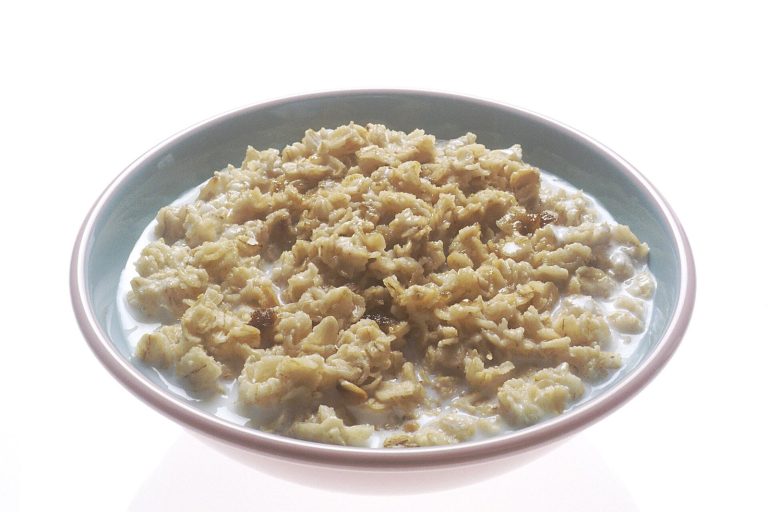
Bananas, rice, oats, eggs, yogurt, broth, tender fish or chicken, cooked vegetables, fruit, water bottles, ginger tea only if your clinician says it will not interact with medicines (flavor comfort, not a proven nerve cure).
3. Default plate template after vomiting settles
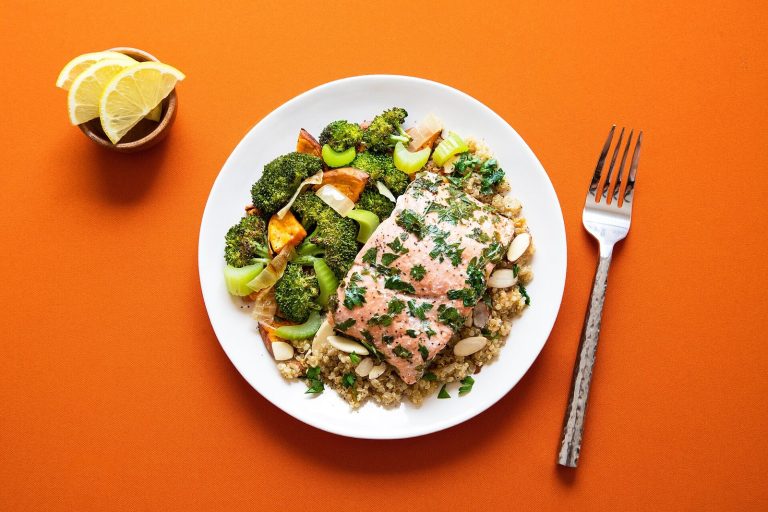
- – Small protein serving
- – Gentle starch
- – Soft produce
- – Fluids between bites
- – Eat seated with feet planted; rise slowly
4. Sample day (illustrative, post-acute)
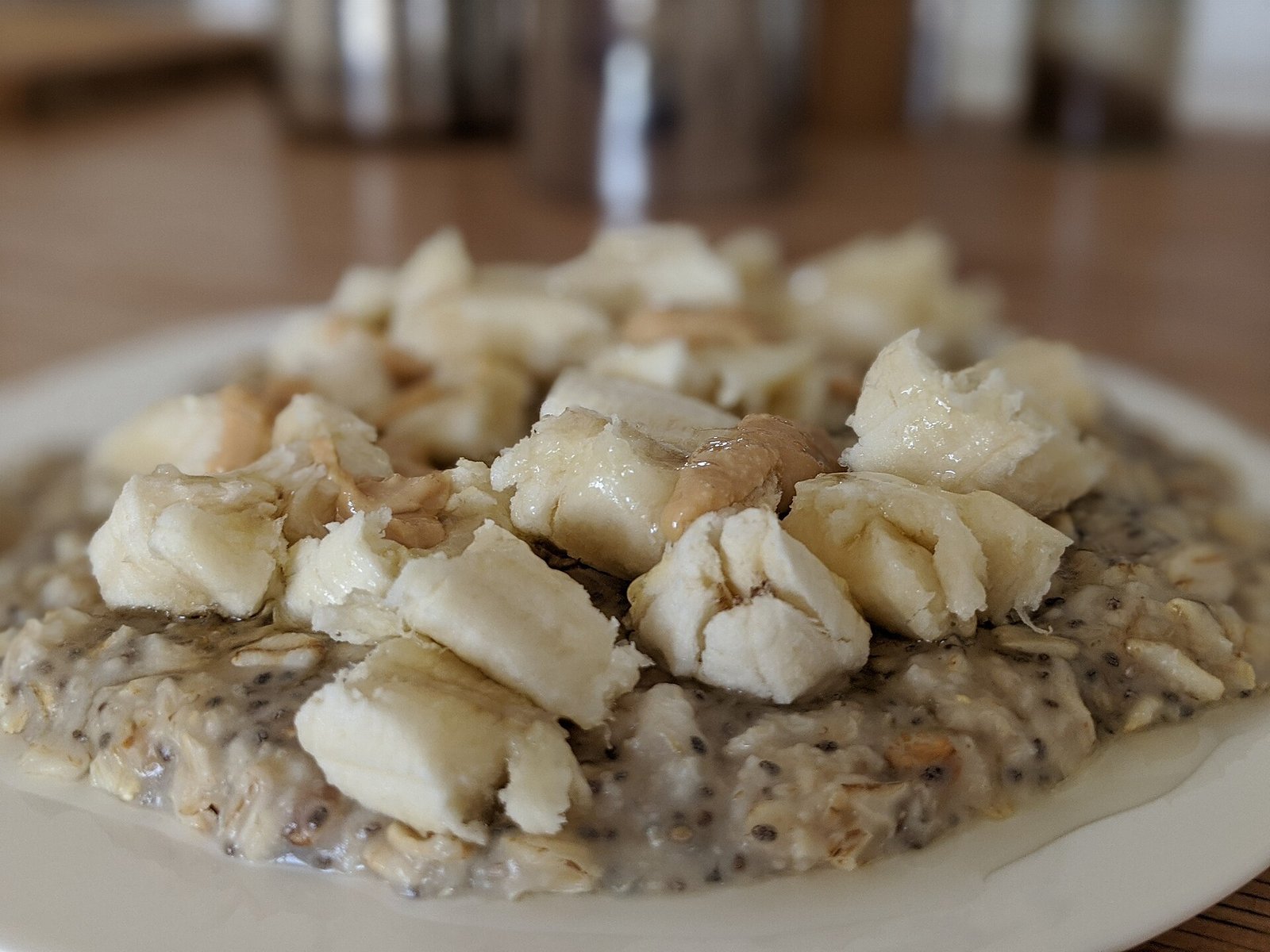
- – Breakfast: oatmeal with banana; water.
- – Lunch: rice bowl with eggs and cooked carrots; broth on the side.
- – Snack: yogurt or applesauce.
- – Dinner: baked chicken, potatoes, green beans; water.
- – Evening: no alcohol; dim screens if visual motion worsens symptoms (MedlinePlus suggests avoiding bright lights, TV, and reading during attacks).
5. Therapy and workday logistics
Pack a simple meal for vestibular therapy days; schedule groceries when crowded aisles and quick head turns are less likely; ask for seating near restrooms if nausea persists.
Safety, interactions, and who should ask a clinician first
- – Sudden vertigo with neurologic deficits, high fever, chest pain, or severe headache: emergency evaluation first.
- – Antihistamines, meclizine, scopolamine, sedatives, or steroids from your clinician can cause drowsiness—do not mix with alcohol.
- – Older adults: MedlinePlus notes dizziness may last longer—fall-proof the kitchen before ambitious cooking projects.
- – Hearing loss with vertigo: clarify labyrinthitis vs neuritis with ENT; diet will not restore hearing.
- – Pregnancy or severe vomiting: ask about safer anti-nausea options and dehydration thresholds for ER care.
FAQ
Can diet cure vestibular neuritis? No. Public NIDCD/MedlinePlus pages frame medical care, time, and often vestibular therapy as central; food supports comfort and hydration.
Is this the same diet as Ménière’s disease? Not automatically. NIDCD’s specific milligram sodium targets are discussed for Ménière’s. Vestibular neuritis care is often more about acute symptom support unless your clinician overlaps the diagnoses.
How long until I eat normally again? MedlinePlus: severe symptoms often ease within a week; full recovery commonly within 2 to 3 months, with individual variation.
Should I force a big “recovery feast” after the first good day? Better to advance portions gradually; sudden heavy meals can revive nausea while the vestibular system is still recalibrating.
Can I drink alcohol when the room stops spinning? MedlinePlus lists heavy alcohol use among risk factors for labyrinthitis pathways and advises caution with activities after symptoms; ask your clinician when—if ever—alcohol is reasonable for you.
Do I need a low-salt prescription pad diet? Only if your clinician recommends it for your specific diagnosis. Do not invent targets from a different disease page.
How this differs from related OTCFood topics
This page is a vestibular neuritis / acute vestibular neuronitis–bound diet and safety guide for nausea-aware plates and recovery logistics. It is not a Ménière’s sodium protocol and not a vestibular migraine elimination diet—see Meniere’s disease diet guide and vestibular migraine diet guide for those lanes.
Medical disclaimer
Medical disclaimer: This article is for general information only. It is not medical advice, diagnosis, or a treatment plan. Acute vertigo can signal vestibular neuritis, stroke, migraine, or other emergencies. Talk with a clinician before starting, stopping, or changing any eating plan, supplement, or medicine. Seek urgent care for neurologic red flags, uncontrolled vomiting, fainting, or vertigo with high fever.