Uveitis Diet: Foods That May Help and Foods to Limit
Medical note: This article discusses foods and researched botanicals. It does not claim to prevent, treat, or cure disease. Supplements are not a substitute for food, and studied amounts are not personal prescriptions.
People searching “uveitis diet foods that help or worsen” usually want an eating pattern while the middle layer of the eye is inflamed—not a claim that food treats uveitis, replaces steroid eye drops or pills, or prevents vision loss on its own. NEI defines uveitis as inflammation inside the eye that damages the uvea (iris, ciliary body, and choroid) and often other eye structures too. It can be short-lived or chronic, and it can affect one eye or both. MedlinePlus describes swelling and inflammation of the uvea and lists autoimmune diseases and infections among possible causes; in many cases the cause is unknown. Kitchen changes may help you support overall health if an associated disease is present. They do not quiet eye inflammation the way prescribed medicines do.
What this uveitis diet guide covers (and what it does not)
This guide is for adults with clinician-recognized uveitis (including iritis, pars planitis, choroiditis, or panuveitis) who want food guidance that stays inside public eye-health sources. Anchors: MedlinePlus — Uveitis, NEI — Uveitis, and Mayo Clinic — Uveitis. If an associated condition is part of your diagnosis, see the matching guide rather than forcing one “eye diet” onto every disease: Ankylosing Spondylitis Diet: Foods That May Help and Foods to Limit, Behçet’s Disease Diet: Foods That May Help and Foods to Limit, rheumatoid arthritis diet guide, lupus diet guide, ulcerative colitis diet guide, Crohn’s disease diet guide, and Sarcoidosis Diet: Foods That May Help and Foods to Limit.
NEI says uveitis is most common in people ages 20 to 60 and that you are at higher risk if you smoke cigarettes. Mayo Clinic notes that warning signs often come on suddenly and get worse quickly, and that cigarette smoking has been associated with uveitis that is more difficult to control. Early symptoms listed by NEI and MedlinePlus include blurry vision, floaters, eye pain, red eyes, and light sensitivity. Those symptoms need prompt eye care, not a kitchen experiment.
Evidence snapshot: uveitis diet claims vs public sources
| Claim people hope for | What public sources actually say | Confidence |
|---|---|---|
| “An anti-inflammatory diet treats uveitis” | NEI: medicines called steroids reduce inflammation; drops are the most common treatment, and pills, injections, or implants may be used. MedlinePlus: treatment may also include dilating drops, oral steroids, antibiotics for infection, or immune-suppressing medicines | Strong against food-as-treatment |
| “If I change my diet I can skip the eye exam” | NEI and Mayo Clinic: untreated uveitis can cause vision loss. MedlinePlus lists urgent symptoms as eye pain and reduced vision | Strong that delayed care is harmful |
| “Steroids have no nutrition-related follow-up” | NEI: steroids can increase the risk of cataracts and glaucoma, so regular eye exams matter while you take them. Those are eye-medicine effects, not a license to self-prescribe supplements “against steroids” | Strong that steroid follow-up is medical |
| “Smoking does not matter if I eat well” | NEI: smoking raises uveitis risk. Mayo Clinic: smoking has been associated with uveitis that is harder to control | Strong that tobacco is relevant |
| “One elimination diet fits every cause” | Causes include autoimmune disease, infection, injury, medicines, and sometimes cancer such as lymphoma (Mayo Clinic, NEI, MedlinePlus). An infectious cause is not managed with the same plan as an autoimmune cause | Strong that cause matters |
Foods and patterns that may help alongside uveitis care
“May help” means supporting general nutrition and any associated-disease meal pattern your team already uses—not replacing drops.
Keep meals regular while vision or light sensitivity makes cooking harder
Anterior uveitis (iritis) is the most common type, and MedlinePlus notes that it often occurs in otherwise healthy people, may affect only one eye, and is most common in young and middle-aged adults. Even then, pain and light sensitivity can make shopping and stove work difficult. Soft, familiar plates may help you keep eating:
- – Eggs, yogurt, tender fish or poultry, or beans
- – Oats, rice, potatoes, or bread
- – Cooked vegetables and fruit you already tolerate
- – Fluids through the day
- – Help with chopping and driving if glare or blurred vision makes those tasks unsafe
If an associated autoimmune or gut disease is present
MedlinePlus lists ankylosing spondylitis, Behçet disease, psoriasis, reactive arthritis, rheumatoid arthritis, sarcoidosis, and ulcerative colitis among autoimmune associations. It also notes that pars planitis may be linked to Crohn disease and possibly multiple sclerosis. Mayo Clinic adds sarcoidosis, lupus, Crohn’s disease, and ankylosing spondylitis among identifiable causes. In those settings, follow the eating plan already tied to that diagnosis with your clinician—not a second, conflicting “uveitis cleanse.”
Everyday pattern, limited evidence for the eye itself
A produce-and-protein pattern is reasonable for overall health. Public uveitis pages do not present a specific vegetable, spice, or supplement as proven uveitis therapy.
Foods and habits that often worsen the bigger picture
- – Waiting to see whether food changes fade the redness. MedlinePlus says most anterior attacks settle over days to weeks with proper treatment, but the problem often returns; posterior uveitis may last months to years and can permanently damage vision even with treatment.
- – Cigarette smoking, which NEI and Mayo Clinic both flag.
- – Stopping steroid drops or pills early because you feel better, or adding unregulated “immune” supplements that you have not reviewed. NEI says treatment depends on which part of the eye is affected and on your other health conditions.
- – Assuming every case needs the same elimination diet. If infection (for example, shingles, syphilis, toxoplasmosis, or CMV retinitis, listed by MedlinePlus and NEI) is the cause, the priority is treating that infection—not starting a self-designed anti-inflammatory protocol.
- – Ignoring new vision changes that could signal complications. MedlinePlus lists cataracts, fluid within the retina, glaucoma, an irregular pupil, retinal detachment, and vision loss. Mayo Clinic also lists macular edema, retinal scarring, optic nerve damage, and permanent vision loss. See Cataracts Diet: Foods That May Help and Foods to Limit and Glaucoma Diet: Foods That May Help and Foods to Limit only as nearby topic pages—not as uveitis treatment.
Practical kitchen protocol: a uveitis-aware week
1. Keep the ophthalmology plan in front
Confirm whether your uveitis is anterior, intermediate, posterior, or panuveitis, and whether infection, injury, or a systemic disease is suspected. MedlinePlus says iritis treatment may include dark glasses, dilating drops, and steroid drops; posterior uveitis treatment almost always includes steroids taken by mouth if that route is chosen.
2. Shopping list for low-glare, low-effort plates
Eggs, yogurt, oats, bananas or other easy fruit, prewashed greens if light does not make prep painful, canned beans, rice, tender fish or chicken, and cooked frozen vegetables. If oral steroids or immune-modulating medicines were prescribed, ask your clinician whether those medicines change blood-sugar, bone-health, infection-prevention, or grapefruit rules for you—do not invent a side-effect diet from a general blog.
3. Default plate template
- – A protein food
- – A grain or starch
- – Fruit or vegetables
- – Water or another unsweetened drink
- – Medicines and drops on the schedule you were given, including any instructions about food timing
4. Sample day (illustrative)
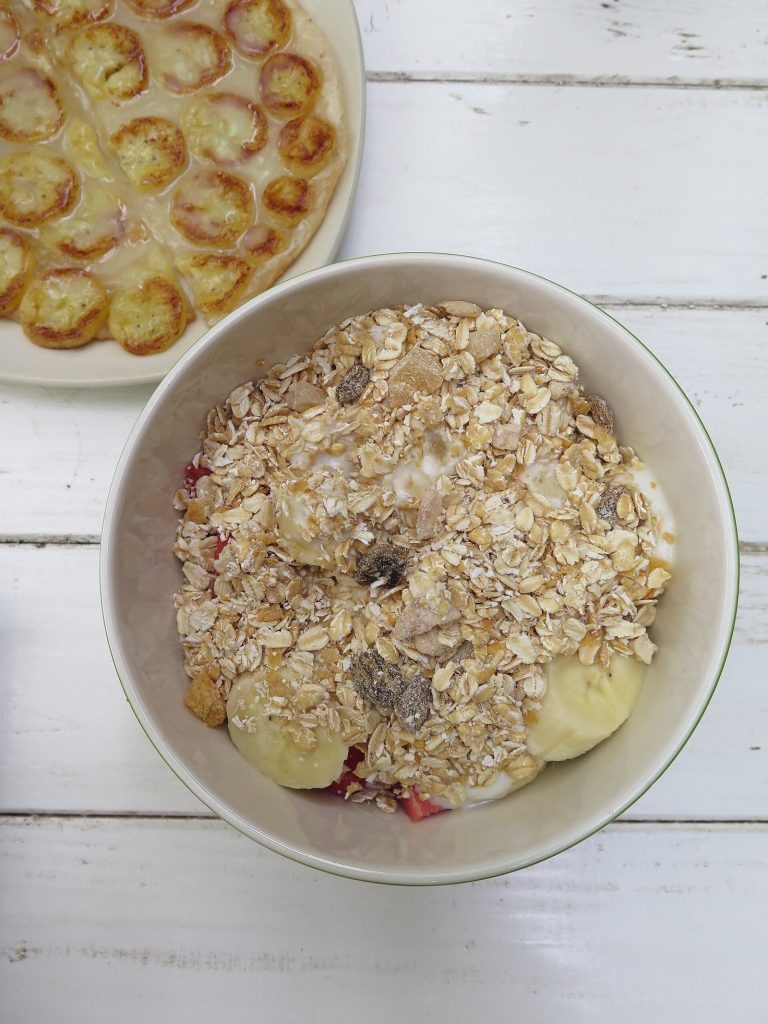
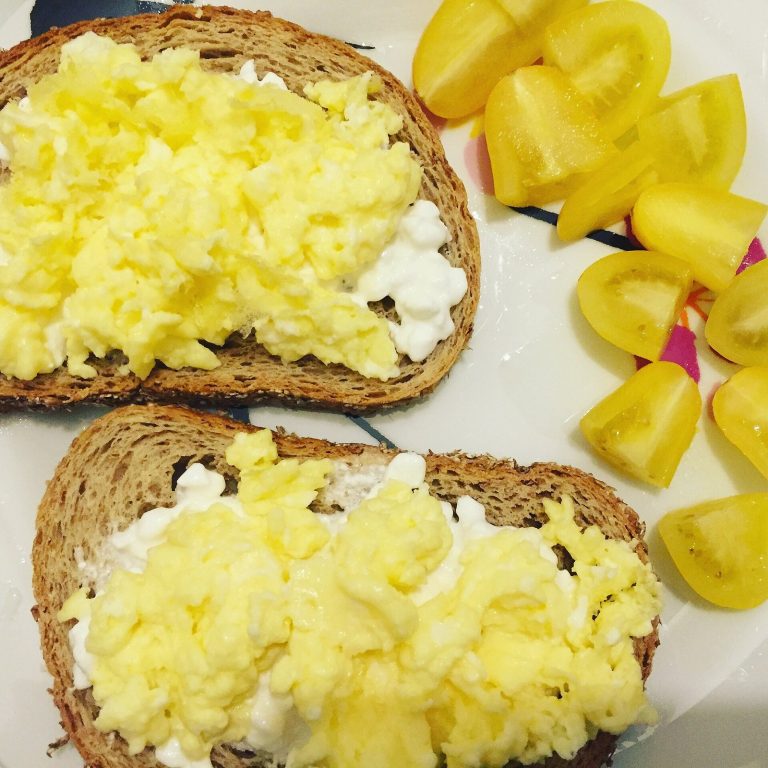
- – Breakfast: scrambled eggs or yogurt with fruit and oats.
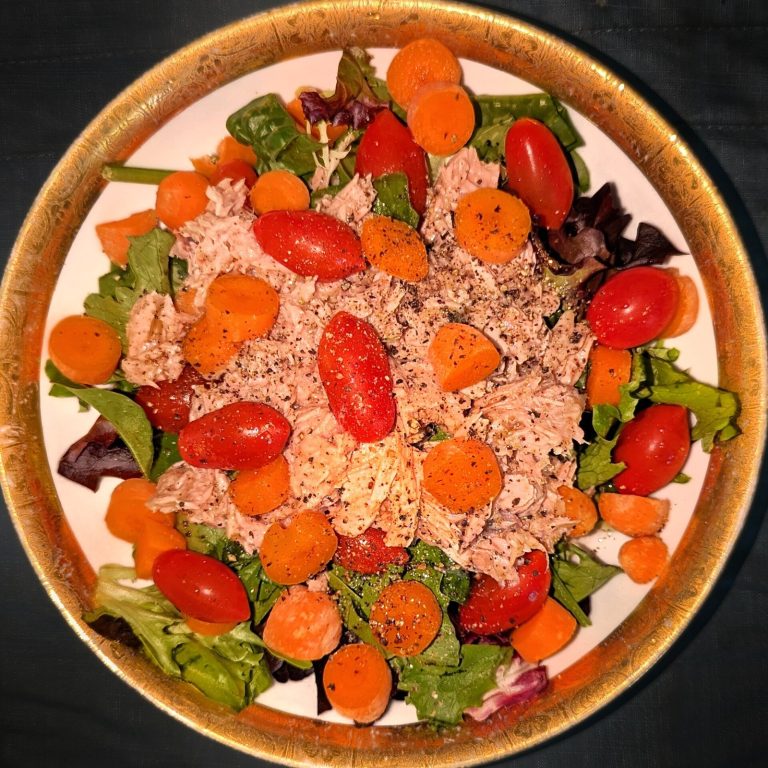
- – Lunch: a simple grain bowl or soup with chicken or beans and vegetables.
- – Dinner: baked fish, rice, and cooked vegetables.
- – Snacks: fruit or yogurt if appetite drops because of malaise or medicines.
5. If Crohn’s disease or ulcerative colitis overlaps
Use the gut-specific pattern you were already given (Crohn’s disease diet guide or ulcerative colitis diet guide) and tell both the eye specialist and the gastroenterology team what you are eating so the plans do not collide.
6. Smoking and the next flare
Quitting smoking is one of the few lifestyle steps directly tied to uveitis risk and control on NEI and Mayo Clinic pages. Pair that effort with whatever counseling or medicines your clinician recommends; food substitutions cannot offset continued smoking.
Safety, interactions, and who should ask a clinician first
- – Eye pain or reduced vision: urgent care (MedlinePlus). Mayo Clinic likewise says to seek immediate care for significant eye pain and unexpected vision problems.
- – Possible infection, a weakened immune system, or a cancer evaluation: do not start high-dose supplements that claim to “boost immunity” without review.
- – Steroid eye drops, oral steroids, injections, or an implant: keep the glaucoma and cataract checks NEI describes.
- – Children with uveitis, or pars planitis in someone over age 25 (MedlinePlus mentions MRI discussion in that setting to check for multiple sclerosis): follow specialist testing; this page is written for adult kitchen planning.
- – Do not stop a prescribed immune medicine or steroid because a meal plan “looks anti-inflammatory.”
FAQ
Will cutting out sugar or gluten stop uveitis? Public pages above do not describe a universal uveitis elimination diet. Treatment is medical. Only change major food groups if your clinician tied that change to another diagnosis, such as celiac disease or inflammatory bowel disease.
Can I treat a flare with food for a few days first? No. NEI says uveitis can cause vision loss if it is not treated, and symptoms should send you to an eye doctor right away.
Do steroids mean I need a special diet? NEI highlights extra cataract and glaucoma risk, which is monitored with exams—not with a kitchen protocol. Ask your prescriber whether your specific steroid dose or immune medicine has food, glucose, or infection precautions.
Does smoking really affect an eye inflammation? Yes, according to these sources: NEI lists higher uveitis risk in people who smoke, and Mayo Clinic associates smoking with uveitis that is harder to control.
Can uveitis come back even if I eat well? Yes. MedlinePlus says anterior uveitis often returns, and posterior disease may last a long time. Food quality does not cancel that pattern.
When is eye pain an emergency? MedlinePlus lists eye pain and reduced vision as symptoms that need urgent medical care. New flashes, a curtain over vision, or sudden vision loss also need same-day evaluation because retinal detachment is a listed complication.
How this differs from related OTCFood topics
This page is a uveitis-bound diet guide focused on prompt medical care, smoking as a sourced risk factor, and meals that fit around steroid or immune treatment and any associated systemic disease. It is not an arthritis diet, not an IBD protocol, and not a substitute for dilated eye exams or prescribed anti-inflammatory medicine.
Medical disclaimer
Medical disclaimer: This article is for general information only. It is not medical advice, diagnosis, or a treatment plan. Uveitis care depends on which part of the eye is inflamed, whether infection or autoimmune disease is present, your medicines, and your clinician’s judgment. Talk with a clinician or registered dietitian before starting, stopping, or changing any eating plan, supplement, or medicine. Seek urgent care for eye pain, sudden vision loss, a curtain-like shadow, or other symptoms your eye-care team told you not to ignore.