Cataract Diet: Foods That May Help and Foods to Limit
Medical note: This article discusses foods and researched botanicals. It does not claim to prevent, treat, or cure disease. Supplements are not a substitute for food, and studied amounts are not personal prescriptions.
A cataract is a cloudy area in the lens of your eye. NEI explains that surgery is the only way to remove a cataract, though you may not need surgery right away and can use brighter lights or other practical adjustments early on. For risk reduction and eye-healthy living, NEI encourages eye-healthy food choices—plenty of fruits and vegetables, leafy greens, nuts, and whole grains—and notes higher risk with diabetes, smoking, and drinking too much alcohol. AREDS/AREDS2 research (NEI) found those formulas do not prevent cataract onset the way they help certain AMD patients. Diet may support overall eye health; it does not dissolve an existing cataract.
What this cataract diet guide covers (and what it does not)
This guide is for adults seeking food patterns aligned with NEI cataract prevention lifestyle notes. It covers plant-forward plates, alcohol limits, diabetes-aware eating, and clear boundaries versus AREDS marketing. It does not schedule cataract surgery or replace dilated eye exams.
Anchors: NEI — Cataracts, NEI — AREDS/AREDS2.
Evidence snapshot: cataract diet claims vs public sources
| Claim people hope for | What public sources actually say | Confidence |
|---|---|---|
| “Foods dissolve cataracts” | NEI: surgery is the only way to get rid of a cataract | Strong |
| “Plant-rich eating may support eye health” | NEI: make eye-healthy food choices—fruits, vegetables, leafy greens, nuts, whole grains | Moderate |
| “AREDS pills prevent cataracts” | NEI AREDS/AREDS2: formulas do not prevent cataract onset like AMD benefit | Strong |
| “Smoking and heavy alcohol raise risk” | NEI lists smoking and drinking too much alcohol among risk factors | Strong |
| “Diabetes control is irrelevant” | NEI lists diabetes among factors that raise cataract risk | Strong |
Foods and patterns that may help
Eye-healthy food choices (NEI)
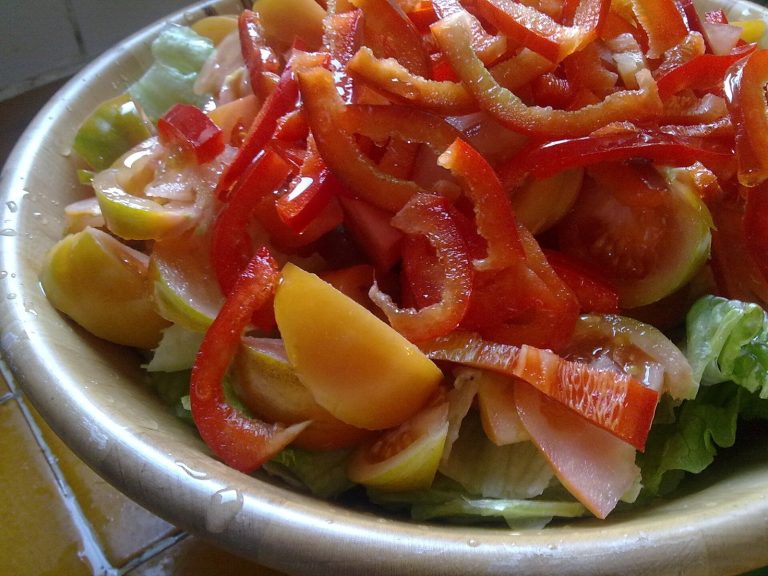
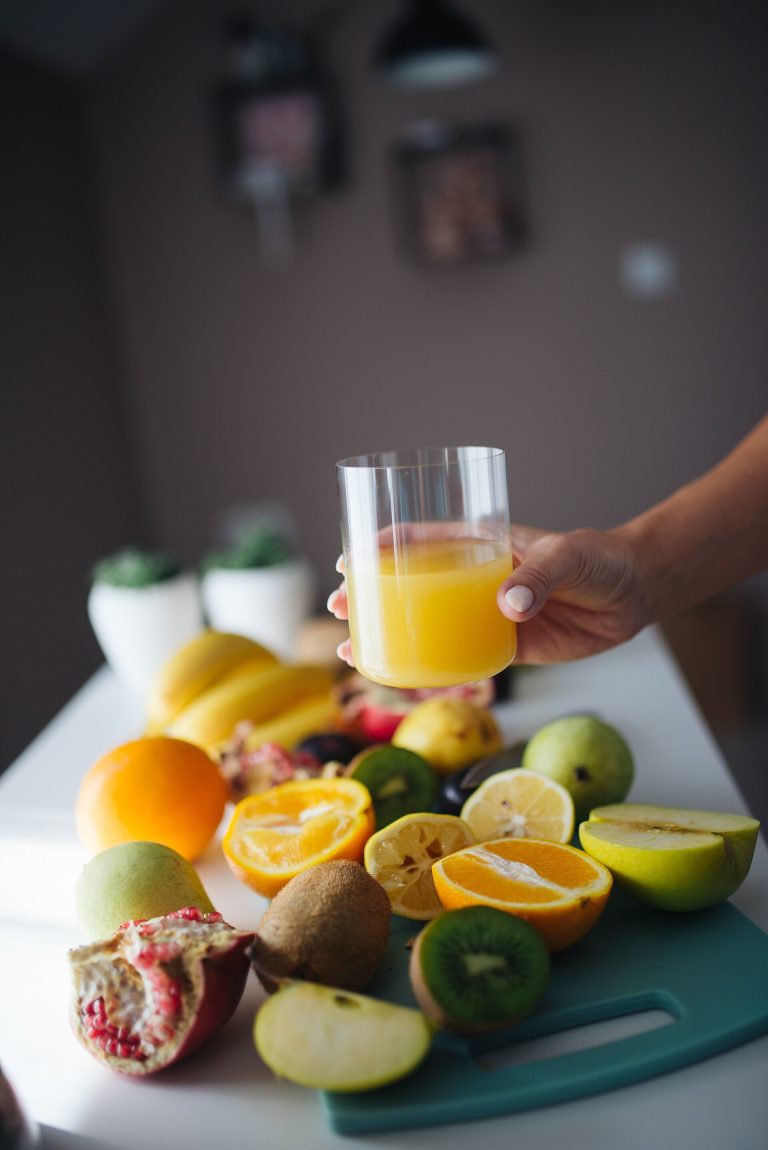
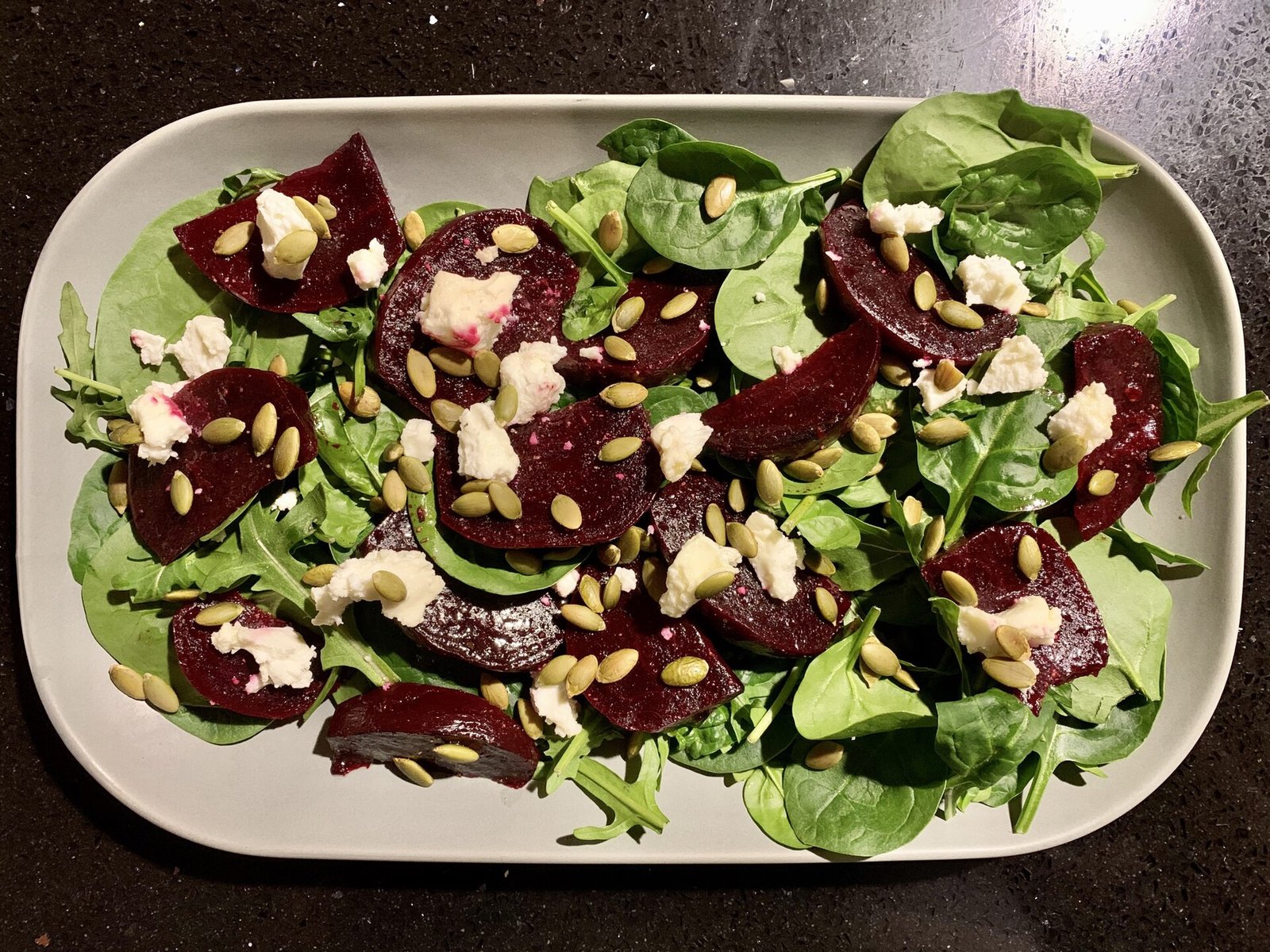
Eat plenty of fruits and vegetables, leafy greens, nuts, and whole grains. Build meals where half the plate is produce when possible. Include beans and lentils for fiber that also supports metabolic health if diabetes is present.
Diabetes-aware patterns when relevant
If you have diabetes (NEI risk factor), coordinate carb quality and portions with your diabetes clinician. Steady glucose care supports many eye outcomes beyond cataracts alone.
Unsaturated fats and fish as part of a balanced pattern
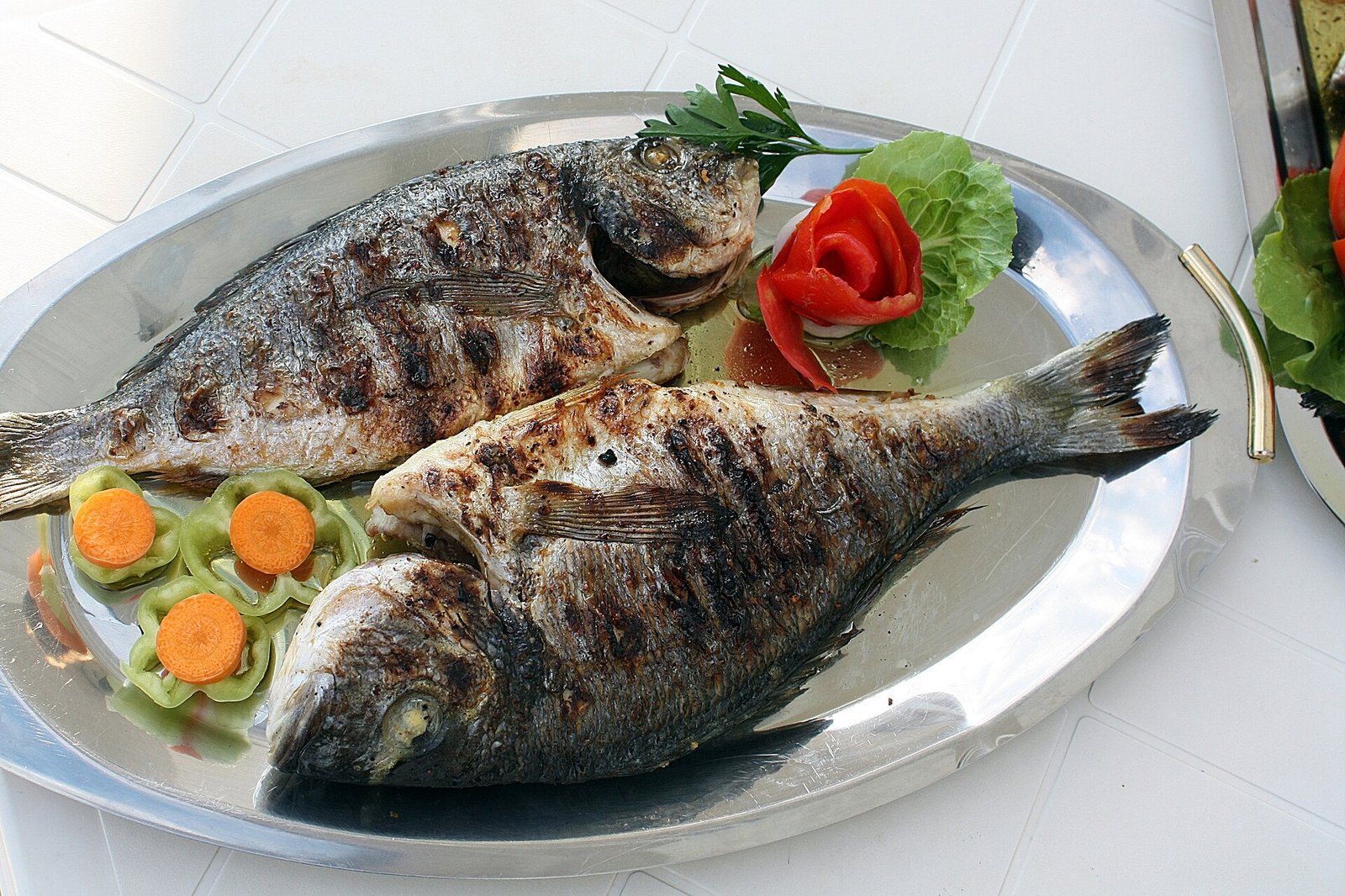
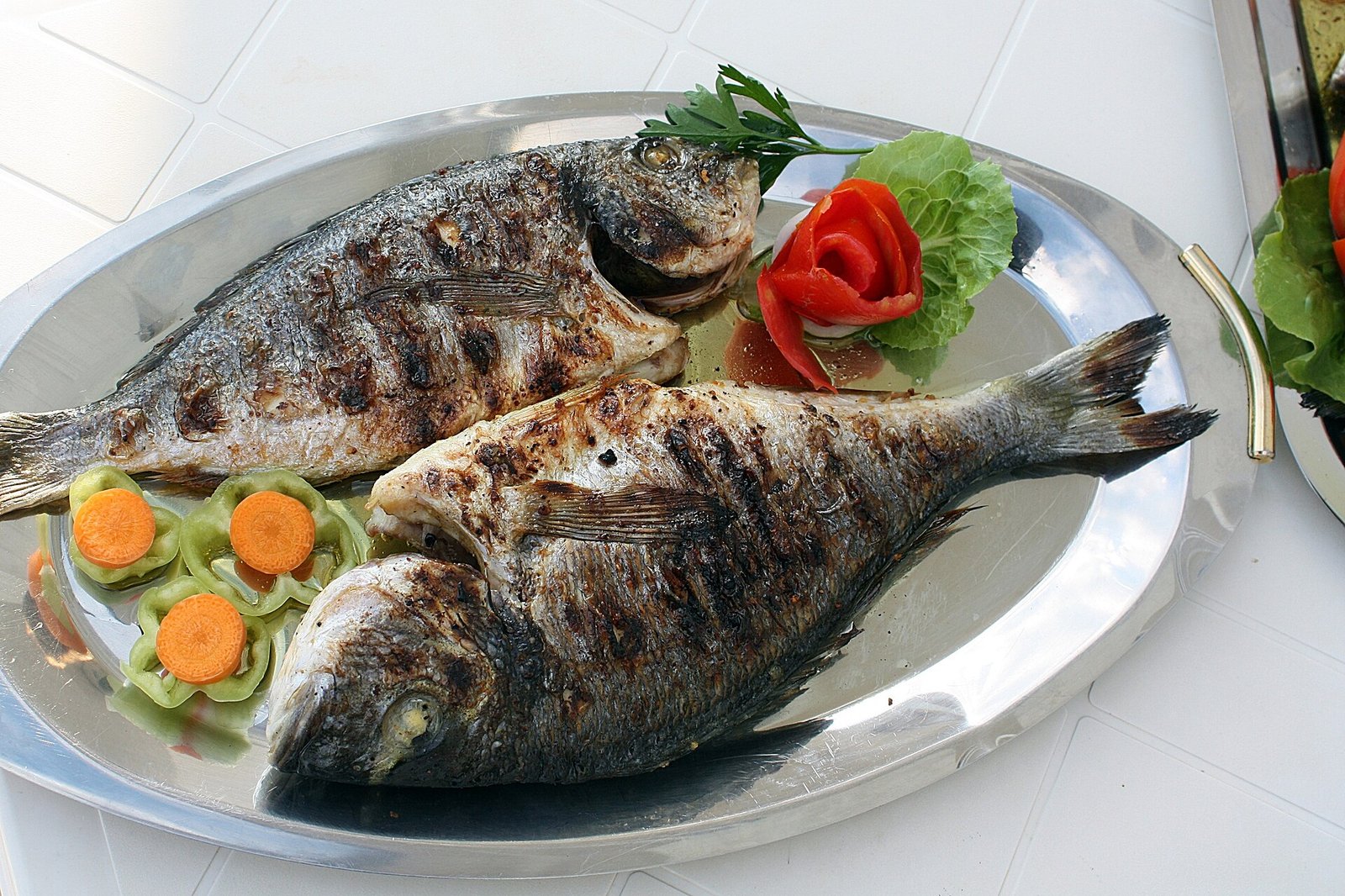
Nuts and vegetable oils fit NEI’s eye-healthy framing; fish adds variety. This is general healthy eating, not a lens-clearing protocol.
Hydration and meal regularity
Support energy for eye appointments and daily visual tasks with regular meals rather than caffeine-only mornings.
Foods and drinks to limit
- – Excess alcohol (NEI risk factor: drinking too much alcohol).
- – Smoking (NEI)—quit resources matter more than any superfood.
- – Ultra-processed patterns that crowd out vegetables, greens, nuts, and whole grains.
- – Relying on AREDS-style supplements for cataract prevention—NEI reports no cataract-prevention effect comparable to AMD findings.
Batch-cooking rhythm that survives busy weeks
Twice a week, cook a pot of soup or stew, a tray of roasted vegetables, and a protein (beans, fish, chicken, or tofu). Portion into clear containers. Keep an emergency shelf: canned fish, microwave rice, fruit cups, nuts, and yogurt. Rotate herbs and spices for variety without inventing medical claims.
Eating out without abandoning the pattern
Scan menus for grilled, baked, steamed, or braised options before fried specials. Ask for sauces on the side. Choose water or unsweetened tea most of the time. Share desserts when sugar load is a personal issue.
Label literacy in five seconds
Check serving size, added sugars, sodium, and saturated fat first. Fortified foods can help close nutrient gaps when chosen deliberately—read the Daily Value panel rather than front-of-pack hype.
Habit stacking with medical appointments
Keep a one-page food-and-symptom log beside your medicine list. Ask whether a registered dietitian referral is appropriate. Diet changes stick better when written into the same plan as other therapies.
Two-week review checkpoint
After fourteen days, keep what helped energy, sleep, or comfort; drop rules that only added stress. Recheck clinician targets (lipids, glucose, weight, symptoms) rather than chasing perfection.
Practical kitchen protocol
Sample day
- – Breakfast: oatmeal with nuts and berries.
- – Lunch: leafy-green salad with beans, olive oil, whole-grain bread.
- – Dinner: grilled fish or tofu, brown rice, mixed vegetables.
- – Snacks: fruit; small handful of nuts.
Shopping list
Leafy greens, carrots, berries, nuts, oats, beans, whole grains, fish, olive oil.
Lighting and food prep safety
Early cataracts can make glare harder (NEI symptoms include trouble with bright light/night vision)—use bright, even kitchen lighting and avoid knife work in dim spaces.
Longer practical midsection: building a sustainable plate pattern
Make produce automatic
Keep washed greens, baby carrots, cherry tomatoes, and frozen mixed vegetables ready. Add a fist-sized produce serving to every lunch and dinner before you add seconds of starch. Fruit at breakfast and as a snack crowds out pastry grazing without a rigid ban. If chewing or prep is hard because of pain or fatigue, choose soft options: bananas, stewed apples, cooked carrots, blended soups with vegetables blended in.
Protein anchors three times daily
Eggs, yogurt, fish, poultry, tofu, tempeh, beans, and lentils keep meals satisfying. Aim for a palm-sized portion at main meals unless your clinician sets different targets for kidney disease or other conditions. Soft proteins help after dental work or when hands hurt: cottage cheese, canned salmon, scrambled eggs, hummus.
Carbohydrate quality over fear
Choose oats, brown rice, potatoes with skin, beans, and whole-grain bread more often than sugar-sweetened drinks and ultra-refined snacks. You do not need to eliminate all white rice or bread forever; pair them with protein and vegetables and watch portions if weight or triglycerides are goals.
Fats that earn their place
Cook with olive, canola, or other unsaturated oils in measured spoons. Include nuts and seeds in small handfuls. Limit deep-fried foods and large amounts of cream sauces when weight, reflux, or lipid goals matter. Read labels for partially hydrogenated oils and skip them when possible.
Flavor without chaos
Use lemon, herbs, garlic, ginger, vinegar, and spices to keep low-sodium or lower-fat cooking interesting. If spicy foods trigger reflux, rosacea flushing, or dyspepsia for you personally, keep a short trigger list instead of banning every spice globally.
Beverage strategy
Make water the default. Keep a bottle at your desk. Swap one sugary drink per day for sparkling water with citrus if that is a realistic step. Move caffeine earlier if sleep suffers. Keep alcohol within clinician limits—or zero when pancreatitis, high triglycerides, or pregnancy make that the safer plan.
Prep once, eat twice
Sunday or midweek, roast a tray of vegetables, cook a grain, and prepare a protein. Label containers with dates. Freeze soup in single portions. A visible fridge plan beats willpower at 8 p.m.
When symptoms flare
Use a simplified menu: soup, yogurt, eggs, ripe fruit, toast, and tea as tolerated. Resume the fuller pattern as symptoms ease. Contact your clinician if flares include red-flag symptoms listed in the safety section of this article.
Tracking without obsession
A three-column note—meal, portion, symptom—for two weeks teaches more than a month of guilt. Share it with your clinician or dietitian. Adjust one variable at a time (for example, late caffeine or fried lunches) so you know what mattered.
Safety and when to get help
See an eye clinician for blurred vision, glare problems, or frequent prescription changes. Surgery timing is individualized (NEI). Discuss supplements, especially if you smoke (AREDS beta-carotene concerns in smokers for AMD formulas). Do not delay exams because you started a salad habit.
FAQ
Can diet reverse a cataract? No. NEI states surgery is the only way to remove a cataract.
What should I eat? NEI encourages fruits, vegetables, leafy greens, nuts, and whole grains as eye-healthy choices.
Do AREDS vitamins prevent cataracts? NEI reports AREDS/AREDS2 formulas do not prevent cataract onset the way they help selected AMD patients.
Does alcohol matter? NEI lists drinking too much alcohol among risk factors—follow clinician limits.
How this differs from related OTCFood topics
This page focuses on cataract risk lifestyle nutrition. For AMD supplement-oriented nutrition see macular degeneration diet guide. For dry eye food angles see macular degeneration diet guide.
Medical disclaimer
Medical disclaimer: This article is for general education only and is not medical advice, diagnosis, or a treatment plan. Cataract decisions require eye-care professionals. Talk with your clinician before major diet or supplement changes, and seek care for sudden vision loss.