Bell’s Palsy Recovery Diet: Foods That May Help and Foods to Limit
Medical note: This article discusses foods and researched botanicals. It does not claim to prevent, treat, or cure disease. Supplements are not a substitute for food, and studied amounts are not personal prescriptions.
People searching “Bell’s palsy recovery diet foods that may help or worsen” usually want practical meals while one side of the face is weak or slowly returning—not a claim that food repairs the facial nerve, shortens recovery the way timely steroids can, or replaces eye protection. NINDS describes Bell’s palsy as sudden weakness or paralysis on one side of the face when the seventh cranial (facial) nerve is injured or stops working properly. MedlinePlus notes that three out of four patients improve without treatment, and that with or without treatment most people begin to get better within 2 weeks and recover completely within 3 to 6 months. Kitchen changes may help you eat and drink safely during those weeks; they do not treat the nerve injury.
What this Bell’s palsy recovery diet guide covers (and what it does not)
This guide is for adults recovering from clinician-recognized Bell’s palsy who need easier chewing, drinking, and nutrition while facial movement returns. Anchors: MedlinePlus — Bell’s Palsy, MedlinePlus Medical Encyclopedia — Bell palsy, NINDS — Bell’s Palsy, and Mayo Clinic — Bell’s palsy.
NINDS lists problems eating or drinking, drooling, a drooping eyebrow and mouth, difficulty closing one eyelid, taste changes, and dry eye. The MedlinePlus encyclopedia notes that food may fall out of one side of the mouth and that dry mouth can occur. Mayo Clinic stresses prompt review of sudden facial paralysis because stroke can look similar even though Bell’s palsy is not a stroke. Related reading: Bell’s palsy diet guide, stroke recovery diet guide, and dry mouth diet guide.
This is not a stroke-recovery protocol or a reason to skip steroids, eye drops, or follow-up your clinician recommended.
Evidence snapshot: Bell’s palsy recovery diet claims vs public sources
| Claim people hope for | What public sources actually say | Confidence |
|---|---|---|
| “A special recovery diet heals the facial nerve” | NINDS and MedlinePlus focus on timely steroids, eye protection, and time; they do not describe food as nerve treatment | Strong against food-as-cure |
| “Most people never recover unless they eat a certain way” | MedlinePlus: most people begin improving within 2 weeks and recover completely within 3 to 6 months, with or without treatment; NINDS: usually some or all function returns within a few weeks to six months | Strong that recovery is common without a special diet |
| “Facial droop can wait until you try kitchen changes” | Mayo Clinic: seek medical help right away for any paralysis because stroke can look similar | Strong that urgent evaluation comes first |
| “Vitamins or ‘nerve foods’ replace steroids” | NINDS: oral steroids started within three days of symptom onset may reduce swelling and increase the chance of recovering facial nerve function | Strong that medicines and timing matter more than food |
| “Eating problems are imaginary” | NINDS lists problems eating or drinking; MedlinePlus encyclopedia notes food falling from one side of the mouth and dry mouth | Strong that meal mechanics are real |
Foods and patterns that may help during Bell’s palsy recovery
“May help” means easier, safer eating while the face recovers—not a guarantee of faster nerve healing.
Softer, moister plates while chewing is uneven
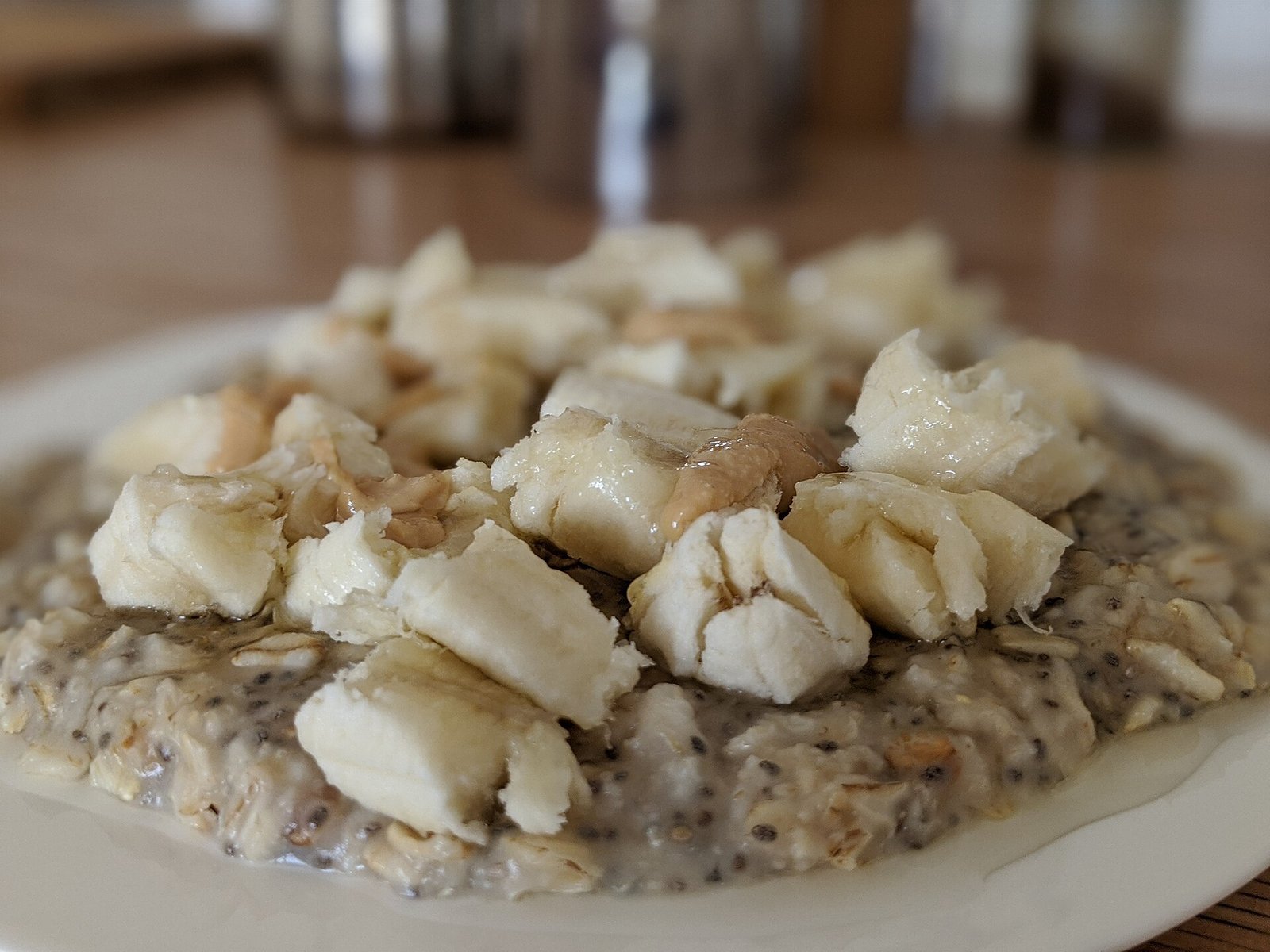
- – Oatmeal, mashed potatoes, or well-cooked pasta if they sit well
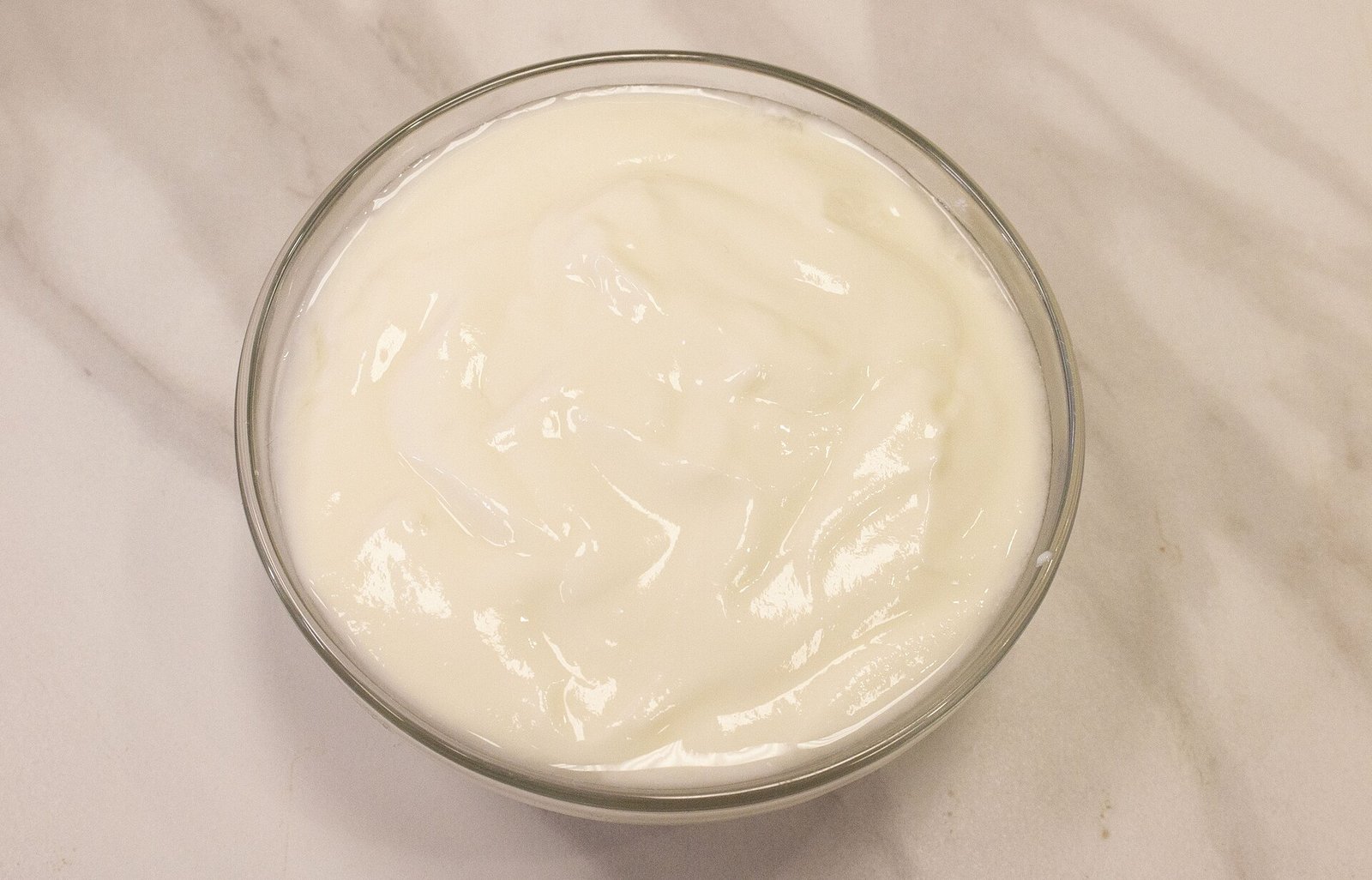
- – Yogurt, cottage cheese, applesauce, or stewed fruit when dry mouth makes dry foods stick
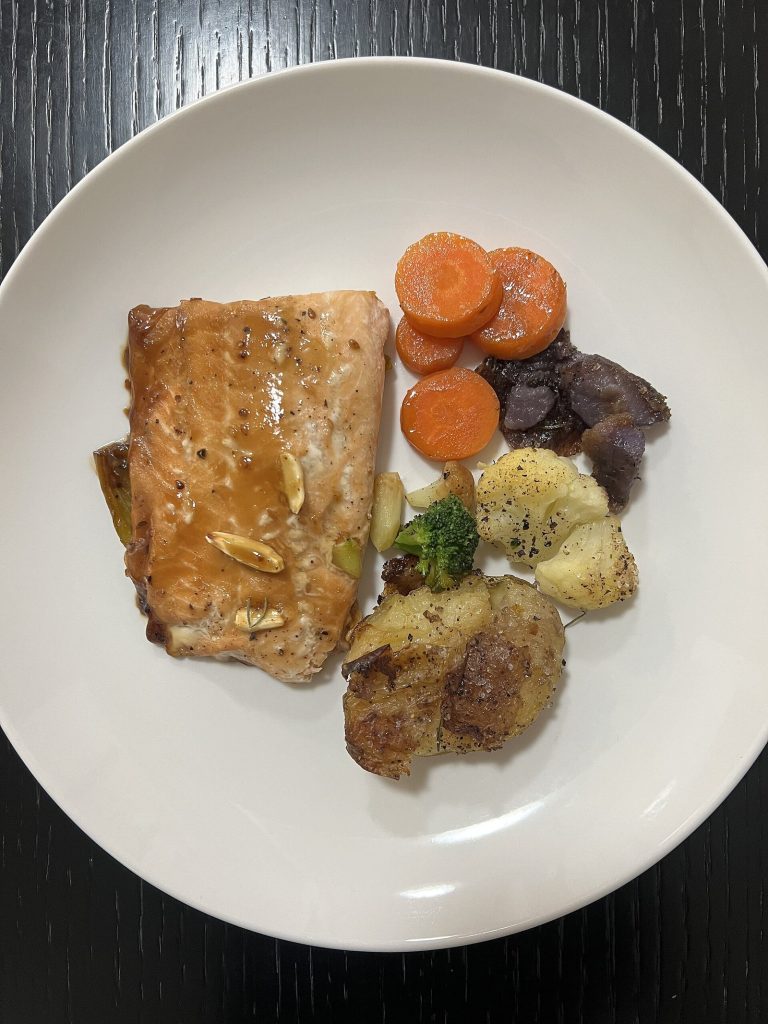
- – Scrambled eggs, tender flaked fish, slow-cooked poultry, or soft tofu in small pieces
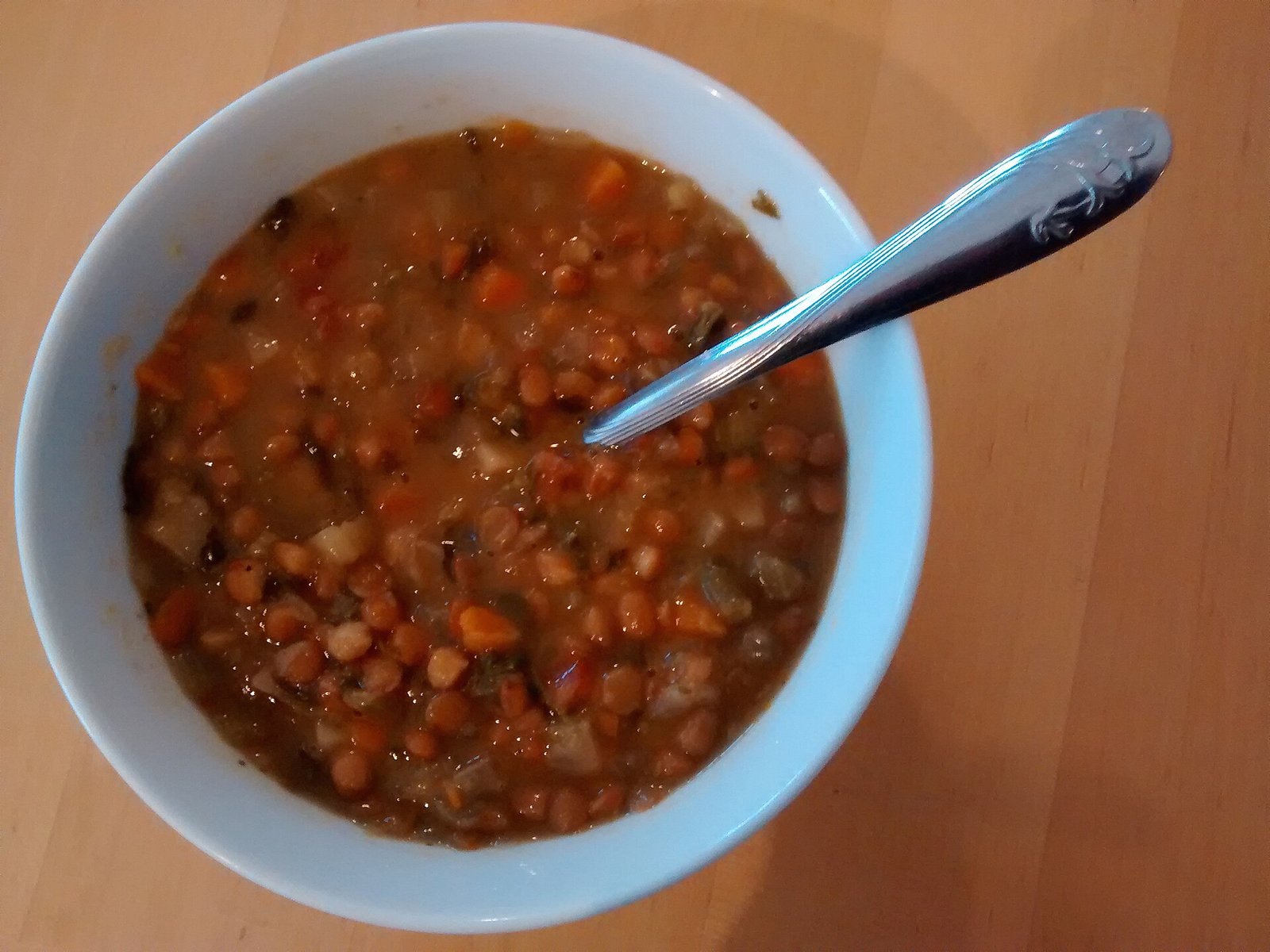
- – Smooth soups served warm, not scalding, if sensation or lip control is reduced
- – Ripe bananas or well-cooked vegetables that do not require forceful chewing
Mechanics that often matter more than any one “superfood”
- – Sit upright and take small bites; chew toward the stronger side
- – Check the weak cheek for pocketed food after each meal—the MedlinePlus encyclopedia’s “food falls out” problem often has a leftover-pocket twin
- – Sip rather than gulp; if lip seal is poor, a cup with a lid or a narrow rim may leak less than a wide mug
- – Add sauce, broth, or yogurt to dry foods instead of forcing crackers or crusty bread
- – If taste is muted on one side (NINDS and MedlinePlus both mention taste changes), keep meals simply seasoned so you do not oversalt the plate
Nutrition across a weeks-to-months recovery
Recovery can last weeks and, for some people, several months (MedlinePlus; NINDS). Keep regular meals with a protein you can manage, a soft starch or fruit, and non-alcoholic fluids. If dry mouth is prominent, see dry mouth diet guide.
If diabetes, high blood pressure, or obesity are part of your history
NINDS lists diabetes, hypertension, and obesity among risk factors; Mayo Clinic similarly notes higher occurrence with diabetes, high blood pressure, obesity, and pregnancy (especially the third trimester or first week after birth). That does not mean a weight-loss or blood-sugar diet treats facial paralysis. Softer versions of your usual clinician-guided pattern can continue. See type 2 diabetes diet guide, high blood pressure diet guide, and Obesity Diet: Foods That May Help and Foods to Limit.
If corticosteroids were prescribed, ask your clinician how to take them with meals and whether blood-sugar checks should change. Do not stop steroids on your own.
Foods and habits that often make recovery meals harder
- – Very hard, chewy, or seedy foods (crusty bread, nuts, popcorn, seeds) that are difficult to control and easy to pocket
- – Sticky nut butters that cling to the weak side
- – Very hot soups or drinks when sensation or lip control is reduced
- – Large, rushed plates that increase leaking and frustration
- – Skipping fluids if dry mouth is already present
- – Alcohol as a “relaxant”—public pages do not list it as treatment, and it can worsen dryness and table coordination
- – Delaying care for supplements marketed for nerves; the MedlinePlus encyclopedia states there is no known way to prevent Bell’s palsy, and NINDS centers care on medicines, eye protection, and time
“Limit” here is about safer chewing and swallowing comfort—not a lifelong ban on favorite foods after movement returns.
Practical kitchen protocol: a recovery-week template
1. Confirm the diagnosis path first
Sudden facial droop is a same-day medical question (Mayo Clinic). NINDS notes there is no single laboratory test that confirms Bell’s palsy; clinicians rule out other causes.
2. Shopping list for easier recovery plates
Oats, ripe bananas, yogurt, eggs, canned or fresh tender fish, soft tofu, potatoes, well-cooked rice, applesauce, smooth soups, olive oil in small amounts, and still water or other non-alcoholic drinks you tolerate.
3. Default plate while the face is weak
- – Half soft starch or cooked fruit/vegetable you can mash with a fork
- – A quarter gentle protein in small pieces
- – Extra moisture (broth, yogurt, sauce)
- – Fluids sipped throughout the day
- – After eating: check the weak cheek for leftover food, then rinse gently
4. Sample day (illustrative, not a prescription)
- – Breakfast: oatmeal with mashed banana and yogurt.
- – Lunch: blended or well-cooked vegetable soup plus flaked fish or soft eggs.
- – Snack: applesauce or cottage cheese.
- – Dinner: mashed potato, tender shredded chicken or tofu, stewed vegetables.
- – Evening: water or another non-alcoholic drink, plus the prescribed eye-care routine. NINDS and the encyclopedia treat eye moisture as essential because an eye that will not close can become dry and injured.
5. As movement returns
Gradually add more texture and keep pocket-checks until chewing feels even. If drinking or chewing worsens, contact your clinician rather than assuming it is “just recovery.”
6. Do not confuse this with stroke-recovery eating
Mayo Clinic is explicit: Bell’s palsy is not caused by a stroke, and paralysis needs urgent sorting. For confirmed stroke, use clinician guidance and see stroke recovery diet guide.
Safety, interactions, and who should ask a clinician first
- – Sudden facial weakness, droop, or trouble speaking: urgent evaluation to rule out stroke (Mayo Clinic; MedlinePlus encyclopedia).
- – Eye that will not close: use prescribed lubricating drops, ointment, or nighttime protection; Mayo Clinic notes that excessive corneal dryness can threaten vision.
- – Pregnancy, preeclampsia, or the first week after birth: NINDS and Mayo Clinic list these among higher-risk settings—ask obstetric and neurology teams before changing diet or medicines.
- – Diabetes: coordinate steroid timing and carbohydrate texture with your diabetes clinician.
- – Pain medicines: NINDS notes that aspirin, acetaminophen, or ibuprofen may be used for pain, but you should check interactions with medicines you already take.
- – Worsening weakness after the first few days, new limb weakness, severe headache, or vision loss: do not treat these as kitchen problems.
FAQ
Can food speed Bell’s palsy recovery? Public pages do not describe a recovery diet that repairs the facial nerve. MedlinePlus says most people begin to improve within 2 weeks and recover within 3 to 6 months with or without treatment. Soft, moist meals may make eating safer while you wait.
Why is eating messy after Bell’s palsy? NINDS lists problems eating or drinking. The MedlinePlus encyclopedia explains that food may fall out of one side of the mouth because facial muscles are weak; drooling and dry mouth can add to the difficulty.
Do I need a lifelong bland diet? No. Texture modifications are usually temporary while movement returns. Re-expand foods as chewing and lip seal improve, unless your clinician gave other swallowing advice.
Should I take extra vitamins for the nerve? Do not start high-dose supplements as a substitute for prescribed steroids or eye care. Public patient pages used here do not present a vitamin protocol as standard Bell’s palsy treatment.
Is this the same as the site’s other Bell’s palsy diet page? The companion page Bell’s palsy diet guide covers general kitchen mechanics. This recovery guide stays on the weeks-to-months window and risk-factor context without claiming those patterns heal the nerve.
When should I see a doctor during recovery? Contact your clinician if improvement stalls, weakness worsens, the eye is painful or not protected, or new neurologic symptoms appear. Seek emergency care for sudden paralysis that has not yet been evaluated.
How this differs from related OTCFood topics
This page is a Bell’s palsy recovery–bound diet guide focused on safer eating and drinking while the seventh cranial nerve recovers. It is not a stroke-recovery plan, not a diabetes or hypertension treatment page, and not a substitute for same-day evaluation of facial droop.
Medical disclaimer
Medical disclaimer: This article is for general information only. It is not medical advice, diagnosis, or a treatment plan. Bell’s palsy care depends on timing, eye-closure risk, other possible causes of facial weakness, medicines, and your clinician’s judgment. Talk with a clinician or registered dietitian before starting, stopping, or changing any eating plan, supplement, or medicine. Seek urgent care for sudden facial paralysis, signs that could indicate a stroke, or an eye that cannot be kept moist and protected.