Preeclampsia Recovery Diet: Foods That May Help and Foods to Limit
Medical note: This article discusses foods and researched botanicals. It does not claim to prevent, treat, or cure disease. Supplements are not a substitute for food, and studied amounts are not personal prescriptions.
People searching “preeclampsia recovery diet foods that help or worsen” usually want a practical eating pattern after a pregnancy marked by high blood pressure and organ stress—not a claim that food cures preeclampsia or replaces blood-pressure medicine, seizure-prevention medicine, or close postpartum monitoring. MedlinePlus defines preeclampsia as high blood pressure plus signs of liver or kidney damage after the 20th week of pregnancy. It can also appear after birth—most often within 48 hours—which MedlinePlus calls postpartum preeclampsia. Kitchen changes may help you rebuild everyday meals and support longer-term heart and blood-pressure habits. They do not treat an acute postpartum emergency.
What this preeclampsia recovery diet guide covers (and what it does not)
This guide is for adults recovering after clinician-recognized preeclampsia, gestational hypertension that overlapped with organ warning signs, or postpartum preeclampsia who want food patterns that fit follow-up care. Anchors: MedlinePlus — Preeclampsia, NHLBI — Pregnancy and High Blood Pressure, and Mayo Clinic — Preeclampsia. For the longer-term blood-pressure pattern itself, see high blood pressure diet guide. Related recovery reading: Postpartum Diet: Foods That May Help and Foods to Limit and Breastfeeding Diet: Foods That May Help and Foods to Limit.
MedlinePlus notes that preeclampsia occurs in 3% to 7% of pregnancies and that signs most often go away within 6 weeks after delivery—yet blood pressure sometimes gets worse in the first few days, and you remain at risk for up to 6 weeks. NHLBI states that women who had preeclampsia have a higher later risk of high blood pressure and heart disease. Mayo Clinic adds that later cardiovascular risk is even greater if preeclampsia happened more than once or delivery was preterm.
Evidence snapshot: preeclampsia recovery diet claims vs public sources
| Claim people hope for | What public sources actually say | Confidence |
|---|---|---|
| “A special diet cures preeclampsia after birth” | MedlinePlus: there is no sure way to prevent preeclampsia; symptoms most often ease over weeks after delivery—not because of a kitchen protocol | Strong against food-as-cure |
| “Once the baby is born, blood-pressure worry is over” | MedlinePlus: you remain at risk up to 6 weeks after delivery; postpartum preeclampsia carries a higher risk of death. NHLBI: problems can continue or appear after birth, and a sudden spike above 160/110 mm Hg is a medical emergency | Strong that postpartum monitoring matters |
| “Bed rest and a bland diet are required” | MedlinePlus: complete bed rest is no longer recommended. No public page above mandates a lifelong bland diet | Strong against mandatory bed rest; diet remains individual |
| “Eating more calcium or starting baby aspirin on your own prevents another case” | MedlinePlus: a clinician may suggest baby aspirin (81 mg) if you are at high risk, or calcium if intake looks low. Mayo Clinic: prevention evidence in a later pregnancy centers on clinician-directed low-dose aspirin | Strong that these are medical decisions |
| “Preeclampsia has no long-term nutrition meaning” | MedlinePlus: history of preeclampsia raises later risk of heart disease, diabetes, kidney disease, and chronic high blood pressure. NHLBI and Mayo Clinic similarly flag later heart and blood-vessel risk | Strong that a heart-aware pattern is relevant |
Foods and patterns that may help after preeclampsia
“May help” means supporting blood-pressure and heart-healthy habits while your clinicians track recovery—not a guarantee that readings will normalize on food alone.
A DASH-style default many people can use once they are eating normally
NHLBI’s DASH eating plan is a flexible heart-healthy pattern. It emphasizes vegetables, fruits, and whole grains; includes fat-free or low-fat dairy, fish, poultry, beans, nuts, and vegetable oils; and limits foods high in saturated fat (fatty meats, full-fat dairy, coconut and palm oils) plus sugar-sweetened drinks and sweets. DASH foods are chosen to be richer in potassium, calcium, magnesium, fiber, and protein and lower in sodium. NHLBI lists 2,300 mg of sodium a day as the usual target and notes that 1,500 mg lowers blood pressure even further. After preeclampsia, treat those numbers as a conversation starter—especially if you are breastfeeding, still on blood-pressure medicine, or have kidney concerns (see Chronic Kidney Disease Diet: Foods That May Help and Foods to Limit).
Practical “may help” plates
- – Oatmeal, brown rice, or other whole grains you tolerate
- – Beans, lentils, and nuts in portions that fit your calories and any kidney or potassium limits you were given
- – Leafy greens, cooked vegetables, bananas, citrus, and other fruits as potassium-containing produce—if your clinician did not restrict potassium
- – Fat-free or low-fat yogurt, milk, or fortified alternatives plus canned fish or eggs for protein and calcium
- – Baked or grilled fish or skinless poultry instead of daily fried or processed meats
- – Water or unsweetened drinks in place of regular soda
If you are breastfeeding or healing from a C-section
Energy and fluid needs stay higher while nursing. A sudden very-low-calorie “bounce back” plan is not a preeclampsia treatment. Pair this page with Breastfeeding Diet: Foods That May Help and Foods to Limit and, after a cesarean, Diet After C-Section: Foods That May Help and Foods to Limit. If you also had gestational diabetes, see gestational diabetes diet guide.
Foods and habits that often work against preeclampsia recovery goals
- – Waiting out severe warning signs at home. NHLBI lists worsening headache, overwhelming tiredness, dizziness, trouble breathing, chest or belly pain, swelling, or nausea as reasons to get care right away. MedlinePlus flags a headache that will not go away, vision changes, right-upper belly pain, trouble breathing, and nausea or vomiting after delivery.
- – High-sodium restaurant meals, deli meats, and packaged soups every day if your team asked you to lower sodium. DASH is lower-salt than a typical pattern; it is not a zero-salt diet.
- – Sugar-sweetened beverages and frequent sweets as a default, given later diabetes risk noted by MedlinePlus and DASH’s limit on sugary drinks.
- – Fatty meats and tropical oils as everyday fats, which DASH asks you to limit.
- – Skipping blood-pressure checks because you “feel fine.” MedlinePlus notes that women with preeclampsia often do not feel sick.
- – Starting or stopping blood-pressure medicine, baby aspirin, or high-dose calcium on your own.
- – Tobacco use, which works against later heart-health goals.
“Limit” means reducing patterns linked with later blood-pressure and heart risk—not a permanent fear of every flavorful meal.
Practical kitchen protocol: a preeclampsia-recovery week
1. Keep medical follow-up in the center
Ask when to check blood pressure at home (NHLBI discusses home monitoring during pregnancy-related high blood pressure) and when labs or a postpartum visit should happen. Diet supports daily habits; it does not replace those visits. Contact your clinician or emergency care for the warning signs above—especially in the first 6 weeks.
2. Shopping list for DASH-style recovery plates
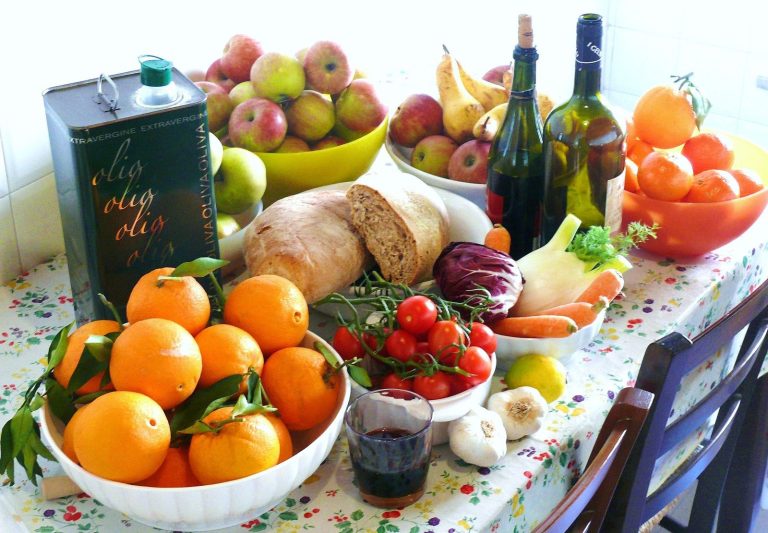
Oats, brown rice, beans or lentils, leafy greens, bananas, berries or citrus, low-fat yogurt, eggs, canned fish, skinless chicken, unsalted nuts, and a vegetable oil. Compare labels on bread, cheese, and condiments if you are working toward the DASH sodium range.
3. Default plate template
- – Half vegetables or fruit
- – A quarter whole grains or starchy vegetables
- – A quarter fish, poultry, beans, or another protein you were not told to limit
- – A small amount of unsaturated fat for cooking
- – Water or unsweetened tea instead of soda
4. Sample day (illustrative, not a prescription)
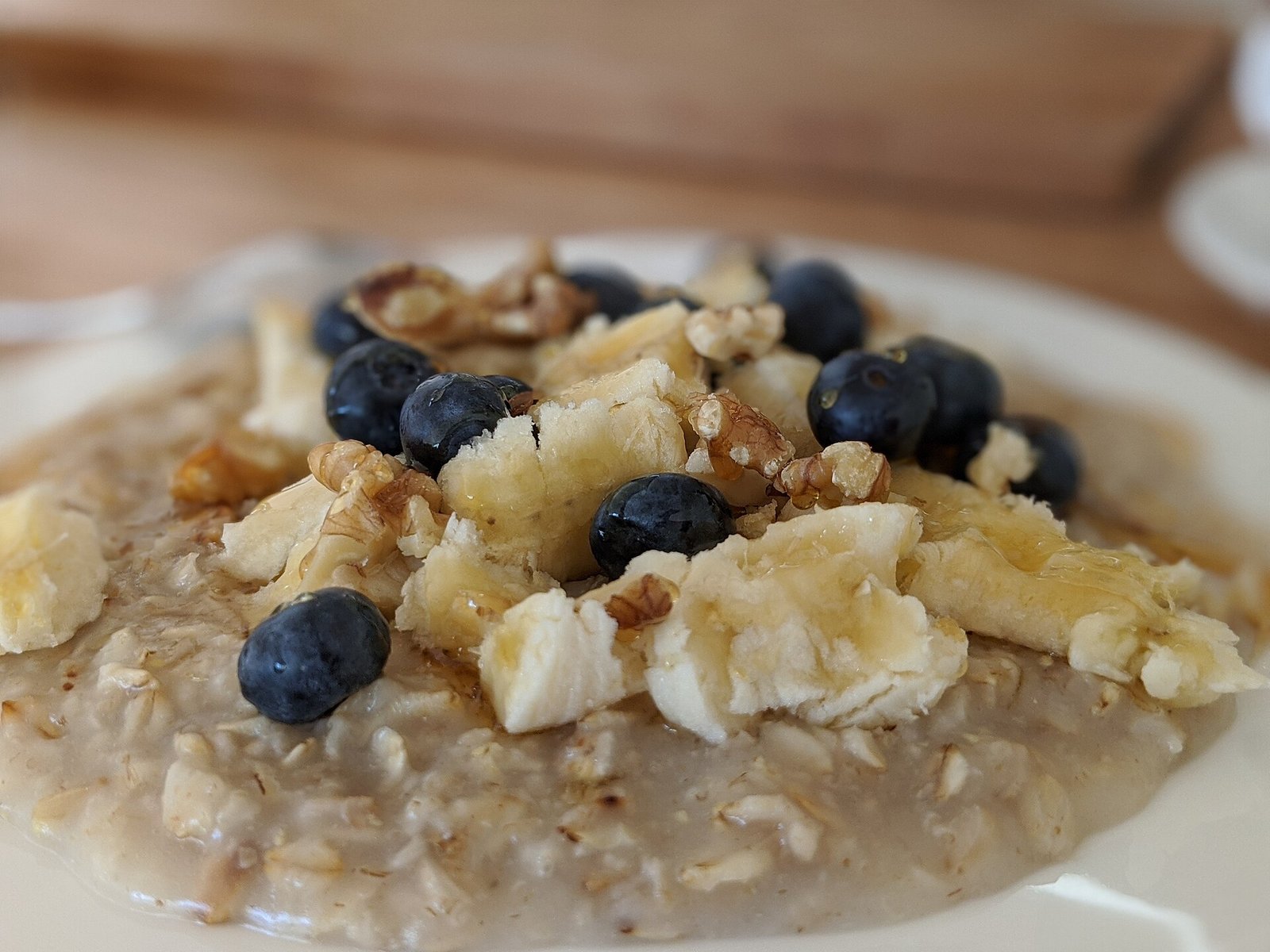
- – Breakfast: oatmeal with banana and a spoonful of nuts; low-fat yogurt.
- – Lunch: lentil or bean soup with salad and whole-grain bread.
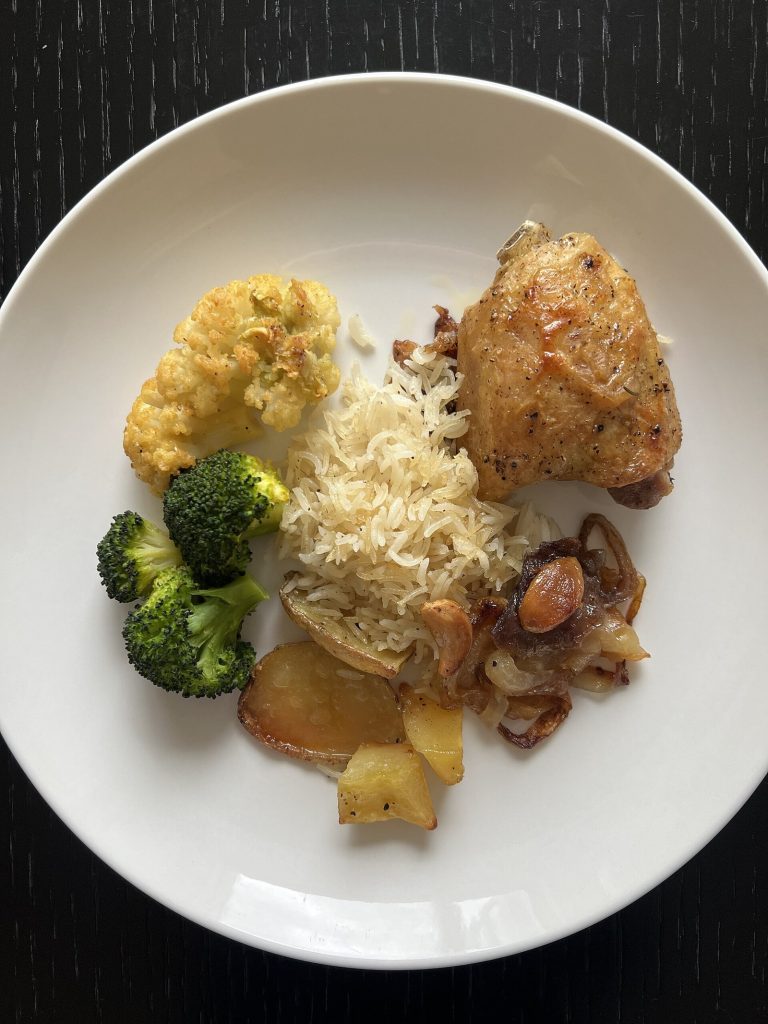
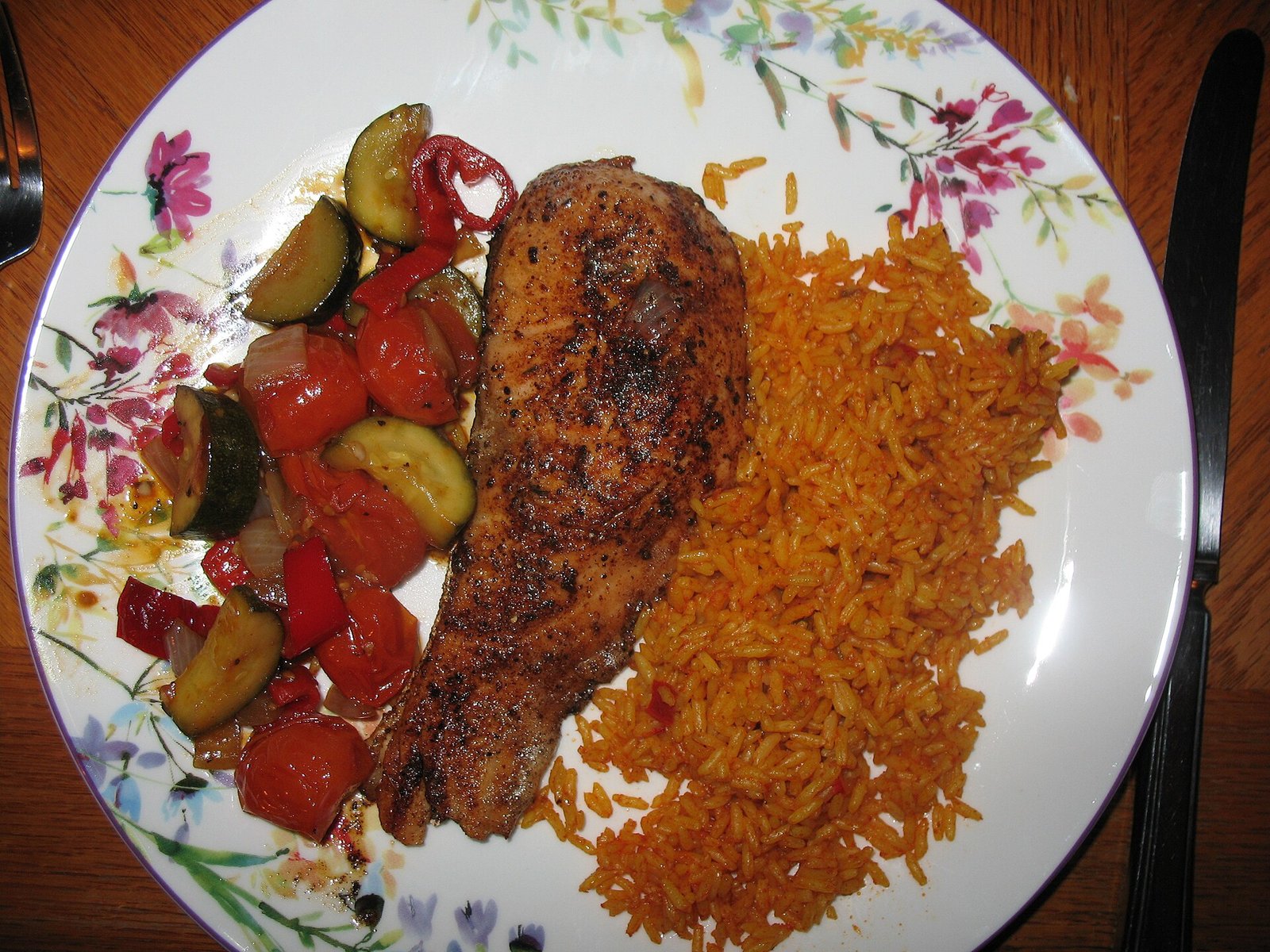
- – Dinner: baked fish, brown rice, and cooked vegetables.
- – Snack and evening: fruit plus yogurt; log blood pressure if you were asked to, and skip alcohol if your clinician advised that while you are healing, breastfeeding, or on medicine.
5. If later heart or metabolic risk is the focus
MedlinePlus lists later heart disease, diabetes, kidney disease, and chronic high blood pressure among future risks. Nearby patterns, if those diagnoses later apply, include diet after heart attack guide and type 2 diabetes diet guide.
6. Planning another pregnancy
MedlinePlus and Mayo Clinic discuss clinician-directed low-dose aspirin for people at higher risk in a future pregnancy, and MedlinePlus mentions calcium only if intake is low. Bring your preeclampsia history to preconception care rather than self-prescribing supplements.
Safety, interactions, and who should ask a clinician first
- – Severe headache, vision changes, shortness of breath, chest or severe belly pain, sudden swelling, seizure, or a reading your clinician called an emergency: seek urgent care (MedlinePlus, NHLBI, Mayo Clinic).
- – Kidney disease or a directed fluid, potassium, or sodium limit: do not copy a generic DASH worksheet without review.
- – Breastfeeding on blood-pressure medicine: ask which medicines and sodium targets fit nursing.
- – History of HELLP syndrome, eclampsia, or stroke: follow the specialist plan you were given.
- – Do not stop prescribed blood-pressure medicine because meals “feel healthier.”
FAQ
Will changing how I eat make preeclampsia go away faster? No public page above says food shortens the illness. MedlinePlus says signs most often ease within about 6 weeks after delivery, and blood pressure can still worsen first.
Do I need a very low-salt diet forever? Not automatically. DASH often uses 2,300 mg of sodium a day, with 1,500 mg lowering blood pressure further, but your target depends on breastfeeding, kidney function, and medicines.
Can I use food instead of blood-pressure medicine after delivery? No. NHLBI lists medicines such as nifedipine, labetalol, methyldopa, or hydralazine among options clinicians may use. Food patterns may support long-term habits; they do not replace prescribed medicine.
Why does everyone talk about heart disease if I already delivered? MedlinePlus, NHLBI, and Mayo Clinic all describe higher later-life heart, blood-pressure, diabetes, or kidney risk after preeclampsia. That is a reason for follow-up—not a prediction that those conditions will definitely appear.
Should I start baby aspirin or extra calcium now? Only if your clinician recommends it. MedlinePlus and Mayo Clinic discuss these as medical decisions, especially around a future pregnancy.
When should I call after I go home with the baby? Call promptly for the warning signs listed above, or if something feels wrong—NHLBI says to get care right away if you feel that way.
How this differs from related OTCFood topics
This page is a preeclampsia-recovery-bound diet guide focused on postpartum warning signs, the 6-week risk window, and a DASH-style pattern for later blood-pressure and heart-health conversations. It is not a pregnancy meal plan, not a gestational-diabetes protocol, and not a substitute for emergency care or prescribed medicine.
Medical disclaimer
Medical disclaimer: This article is for general information only. It is not medical advice, diagnosis, or a treatment plan. Preeclampsia and postpartum preeclampsia can become emergencies. Care depends on your blood pressure, organ tests, medicines, breastfeeding status, and your clinician’s judgment. Talk with a clinician or registered dietitian before starting, stopping, or changing any eating plan, supplement, or medicine. Seek urgent care for severe headache, vision changes, trouble breathing, chest or severe belly pain, seizure, sudden swelling, or any symptom your care team told you not to ignore.