Stress Incontinence Diet: Foods That May Help and Foods to Limit
Medical note: This article discusses foods and researched botanicals. It does not claim to prevent, treat, or cure disease. Supplements are not a substitute for food, and studied amounts are not personal prescriptions.
People searching “stress incontinence diet foods that help or worsen” usually want kitchen and drink habits that may reduce leaks with coughing, sneezing, laughing, or lifting—not a claim that food tightens the pelvic floor the way supervised exercises or procedures can, cures incontinence, or replaces evaluation for mixed symptoms. MedlinePlus defines stress incontinence as leaking urine when pressure hits the bladder—for example with coughing, sneezing, laughing, lifting, or physical activity—often related to weak pelvic floor muscles or bladder position changes.
What this stress incontinence diet guide covers (and what it does not)
This guide is for adults with stress urinary incontinence (SUI) who want practical eating and drinking patterns alongside pelvic floor care. Anchors: MedlinePlus — Urinary incontinence, NIDDK — Treatments for bladder control problems, and NIDDK — Bladder control problems overview.
NIDDK lifestyle guidance for urinary incontinence includes drinking the right amount of liquid at the right time, limiting caffeine-containing foods and drinks, limiting alcohol, staying physically active, keeping a healthy weight, avoiding constipation, stopping smoking (chronic cough raises stress-incontinence risk), bladder training, and pelvic floor muscle exercises. Kitchen habits do not replace pessaries, bulking agents, sling surgery counseling, or treatment of cough/constipation drivers. Related reading: overactive bladder diet guide, diet after bladder sling guide, UTI diet guide, and constipation diet guide.
Evidence snapshot: stress incontinence diet claims vs public sources
| Claim people hope for | What public sources actually say | Confidence |
|---|---|---|
| “Cutting all fluids stops stress leaks” | NIDDK: ask whether to drink less at certain times, but do not limit liquids to the point of dehydration; clinicians individualize timing and amounts | Strong: do not self-dehydrate |
| “Weight loss may reduce leaks for some people with overweight/obesity” | NIDDK: losing weight can help you have fewer leaks; higher BMI is linked with more leaking in cited evidence summaries | Moderate–strong for weight-related benefit |
| “Caffeine and alcohol never matter for stress leaks” | NIDDK: limiting caffeine foods/drinks and alcoholic drinks may help reduce leaks; alcohol can increase urine volume | Moderate for trigger reduction |
| “Fiber is irrelevant to bladder control” | NIDDK: constipation can worsen urinary tract health and lead to UI; fiber and fluids are part of constipation prevention | Moderate–strong for bowel–bladder link |
| “Diet replaces pelvic floor training or sling counseling” | NIDDK: pelvic floor muscle training reduces leaks; devices or surgery may be options when lifestyle changes are not enough | Strong: exercises/procedures remain central |
Foods and patterns that may help stress incontinence day to day
“May help” means supporting weight goals, bowel regularity, and bladder-irritant trials—not guaranteeing zero leaks during a sneeze.
Timed fluids instead of frantic restriction
- – NIDDK: ask your clinician how much and when to drink based on health, activities, and climate.
- – To limit nighttime bathroom trips, some people stop drinking a few hours before bed—only if a clinician suggests it.
- – Spread fluids across the day rather than gulping large volumes right before workouts or meetings.
Fiber-forward plates that fight constipation
- – Constipation increases straining, which loads the pelvic floor—the same pressure pathway stressed by coughs and lifts.
- – Emphasize vegetables, fruit, beans, oats, and other fibers with enough fluid so stools stay soft—see also constipation diet guide.
Weight-aware, activity-friendly meals
- – NIDDK links healthy weight and regular activity (walking, swimming, biking, dancing) with fewer leaks for many people.
- – Build plates around vegetables, lean proteins, and higher-fiber carbs that support gradual weight goals without extreme fasting that leaves you dehydrated.
Caffeine and alcohol awareness trials
- – Limit coffee, tea, chocolate, and carbonated drinks with caffeine if they worsen urgency or volume for you.
- – Limit alcoholic drinks, which can increase how much urine your body makes (NIDDK).
- – Trial one change at a time for several days and note leaks in a bladder diary.
Pelvic floor–supportive timing around meals and exercise
- – Do not perform Kegels while urinating (NIDDK).
- – Empty your bladder before high-impact activity when possible; pair meals with planned bathroom access rather than holding through long errands.
Foods and habits that often worsen stress incontinence kitchen patterns
- – Chronic smoking that drives coughing—NIDDK notes smoking raises chances of stress incontinence via long-lasting cough.
- – Large caffeinated or alcoholic boluses before meetings, workouts, or bedtime.
- – Self-imposed severe fluid restriction that leads to dehydration, concentrated urine, and constipation.
- – Very low-fiber, highly processed patterns that worsen constipation and straining.
- – Skipping weight-management support when overweight is contributing and your clinician has recommended change.
- – Expecting food alone to fix continuous leakage, painful urination, blood in urine, or sudden inability to void—those need clinical evaluation; UTI patterns are covered in UTI diet guide.
“Limit” means reducing patterns that amplify bladder volume or pelvic-floor strain—not perfection after one coffee.
Practical kitchen protocol: a stress-incontinence-aware week
1. Medical spine first
Confirm whether your leaks are stress, urge, overflow, or mixed. Ask about pelvic floor physical therapy, a bladder diary, cough evaluation, and constipation care. Medicines for urgency are different from stress-leak strategies—see overactive bladder diet guide if urgency dominates.
2. Shopping list for bladder- and bowel-aware kitchens
Oats; beans; berries and other fruit; leafy and colorful vegetables; yogurt; eggs; fish or poultry; whole-grain breads if tolerated; water and herbal caffeine-free teas; unsalted nuts in portions; prune or other fiber helpers only as advised; limit stockpiling of energy drinks and heavy alcohol.
3. Default day template
- – Morning: moderate caffeine if you use it—or switch part of the habit to decaf/herbal—and breakfast with fiber plus protein.
- – Midday: water bottle paced to your clinician’s fluid plan; lunch with vegetables and protein.
- – Afternoon: skip large iced coffees right before a commute without bathroom access.
- – Evening: front-load fluids earlier if night leaks or trips are the problem (only as advised); lighter alcohol or none.
4. Sample day (illustrative)
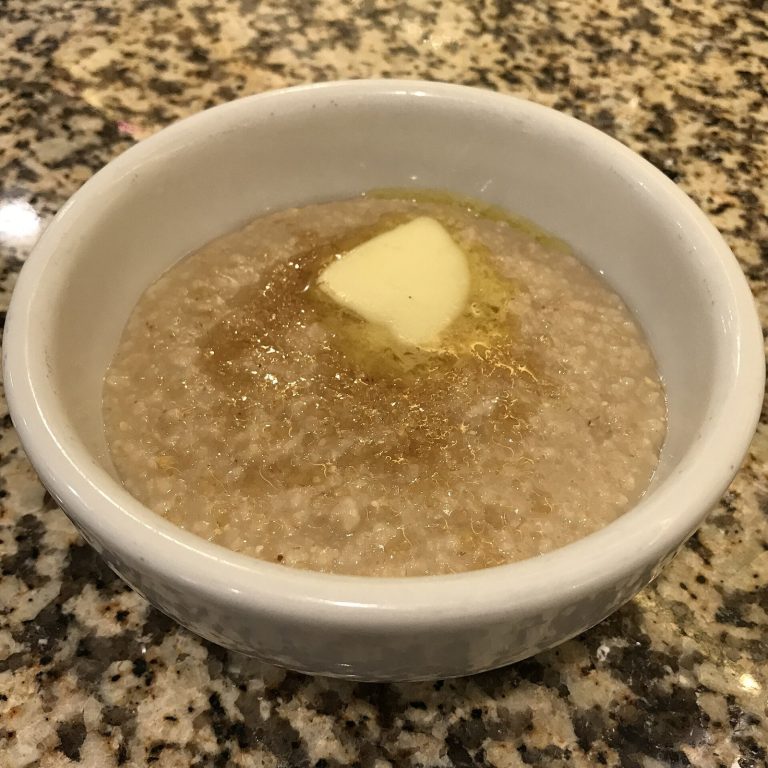
- – Breakfast: oatmeal with berries; water or limited coffee.
- – Lunch: grilled chicken salad with beans; water.
- – Snack: yogurt or fruit.
- – Dinner: fish, potato, cooked vegetables; herbal tea.
- – Evening: stop fluids a few hours before bed only if your clinician suggested it; pelvic floor practice separate from voiding.
5. Social meals and workouts
Scout bathrooms; empty bladder before jump-heavy classes; choose seats on aisles; skip “chug a pitcher” games; keep a spare pad if you still leak while training improves.
6. When surgery or devices are discussed
Diet still supports constipation prevention and weight goals before/after procedures—see diet after bladder sling guide—but does not replace surgical counseling.
Safety, interactions, and who should ask a clinician first
- – Pregnant or postpartum people: get individualized pelvic floor guidance before intense exercise or crash diets.
- – Neurological disease, retention, or recurrent UTIs: do not self-restrict fluids aggressively.
- – Medicines that cause constipation (including some bladder medicines NIDDK lists): pair fiber/fluid plans with your prescriber.
- – Unexplained weight loss diets or supplement “bladder cleanses”: ask before use.
- – Seek care for painful urination, fever, blood in urine, sudden retention, or pelvic organ prolapse symptoms that are new or worsening.
FAQ
Will quitting coffee cure stress incontinence? Not necessarily. NIDDK says limiting caffeine may help reduce leaks for some people; pelvic floor training and other treatments often remain important.
Is it safe to drink almost nothing so I leak less? No. NIDDK warns against limiting liquids to dehydration. Ask for a personalized fluid plan.
Can weight loss really matter? NIDDK states losing weight can help you have fewer leaks if you have overweight or obesity; talk with a clinician about safe approaches.
Does fiber help stress leaks? Indirectly, by reducing constipation and straining that load the pelvic floor.
Should men follow the same kitchen tips? Many fluid, caffeine, alcohol, constipation, smoking, and weight themes apply; men may also need prostate evaluation for other UI types.
How is this different from overactive bladder diet pages? OAB pages emphasize urgency triggers—see overactive bladder diet guide—while this guide centers stress-pressure leaks and NIDDK lifestyle levers for SUI.
How this differs from related OTCFood topics
This page is a stress incontinence–bound diet and drink guide focused on fluids, caffeine/alcohol trials, fiber, weight-aware eating, and constipation prevention. It is not a surgical consent form and not a substitute for pelvic floor therapy.
Medical disclaimer
Medical disclaimer: This article is for general information only. It is not medical advice, diagnosis, or a treatment plan. Urinary incontinence has multiple types and causes. Talk with a clinician or registered dietitian before starting, stopping, or changing any eating plan, fluid restriction, supplement, or medicine. Seek care for painful urination, blood in urine, fever, retention, or sudden worsening leaks.