Postpartum Diet: Foods That May Help and Foods to Limit
Medical note: This article discusses foods and researched botanicals. It does not claim to prevent, treat, or cure disease. Supplements are not a substitute for food, and studied amounts are not personal prescriptions.
People searching “postpartum diet foods that help or worsen” usually want realistic plates that support energy, iron status, and bowel comfort in the weeks after birth—not a claim that food replaces obstetric follow-up, mental-health care, or prescribed medicines. MedlinePlus notes that bringing a baby home is joyful and also physically demanding: spotting or bleeding can last up to six weeks; legs and feet may swell; constipation and menstrual-like cramping are common; breasts may feel full or leak even if you are not breastfeeding. Doctors usually recommend activity limits for a few weeks and abstinence from intercourse for four to six weeks as advised. Emotional “baby blues” are common; extreme sadness or inability to care for yourself or the baby needs prompt clinical help for possible postpartum depression.
What this postpartum diet guide covers (and what it does not)
This guide is for adults in the first weeks to months after birth who want kitchen patterns that support recovery while following their obstetric or midwifery plan. Anchors: MedlinePlus — Postpartum Care and NIH ODS — Iron Fact Sheet for Consumers.
It is not a weight-loss challenge, not a substitute for lactation-specific advice (see our related breastfeeding kitchen page if nursing), and not a treatment for hemorrhage, infection, or postpartum mood disorders. If you had gestational diabetes, coordinate meal planning with your clinician rather than copying generic low-carb internet plans—context also appears in gestational diabetes diet guide.
Evidence snapshot: postpartum diet claims vs public sources
| Claim people hope for | What public sources actually say | Confidence |
|---|---|---|
| “A detox postpartum diet cures fatigue overnight” | MedlinePlus emphasizes rest, activity limits per doctor, and monitoring bleeding/swelling—not culinary detoxes | Strong: food is supportive only |
| “You must restrict calories hard to ‘bounce back’” | Public postpartum care pages prioritize rest and recovery; aggressive restriction can undermine energy and milk supply if breastfeeding | Strong against crash diets |
| “Iron-rich foods always fix postpartum anemia alone” | ODS: iron deficiency anemia needs clinical evaluation; supplements may be prescribed; food helps meet needs | Moderate for food support; strong that labs/clinician matter |
| “Constipation means you failed the diet” | MedlinePlus lists constipation among common postpartum changes | Strong: constipation is common; address safely |
| “Kitchen changes treat postpartum depression” | MedlinePlus directs severe sadness/inability to care for self/baby to clinical evaluation | Strong: mental health care is medical |
Foods and patterns that may help postpartum day-to-day recovery
“May help” means supporting hydration, iron and overall nutrient density, bowel comfort, and steady energy while you rest—not promising faster uterine involution or mood cure.
Rest-first plates (MedlinePlus framing)
- – Keep meals simple when all you can manage is eat, sleep, and care for the baby—MedlinePlus says that pattern is okay.
- – Batch soft proteins and ready fruit/veg sticks so night feeds do not default only to ultra-processed snacks if that leaves you drained.
- – Pair carbohydrates with protein (toast with eggs, yogurt with fruit, rice with fish) to steady energy during fragmented sleep.
Iron-aware eating (ODS)
- – ODS lists iron needs for adult women 19–50 at 18 mg/day, and for breastfeeding women at 9 mg/day (breastfeeding teens 10 mg)—your clinician may still recommend postpartum iron based on labs, especially after blood loss.
- – Food sources ODS highlights: lean meat, seafood, poultry; iron-fortified cereals/breads; white beans, lentils, spinach, kidney beans, peas; nuts and some dried fruits.
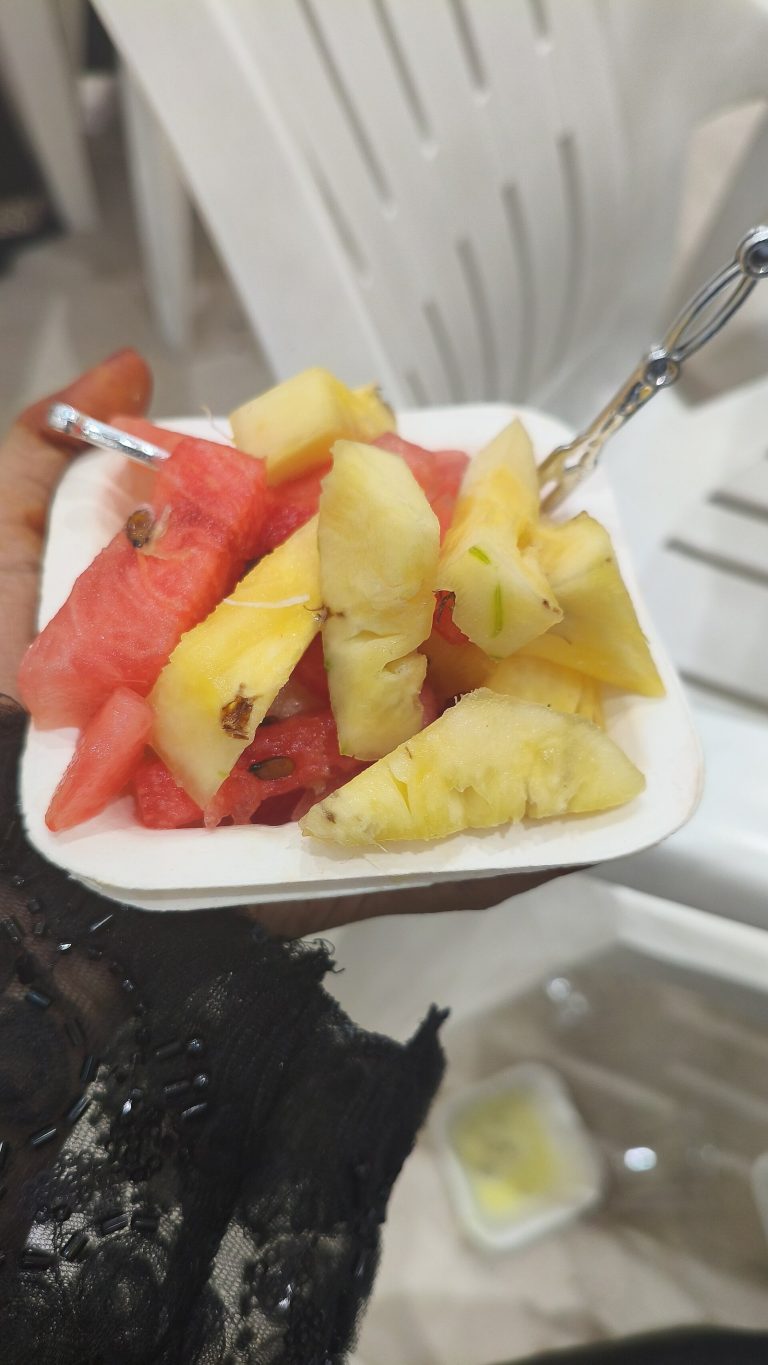
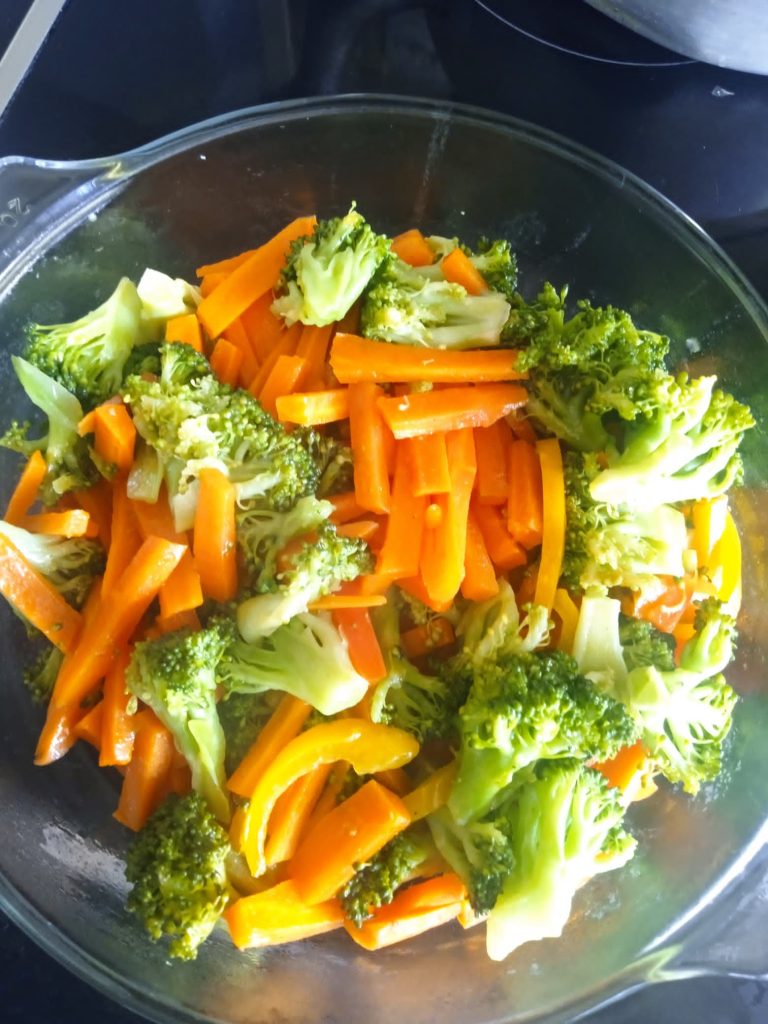
- – Pair plant iron with vitamin C–rich foods (citrus, strawberries, peppers, tomatoes, broccoli) to support nonheme iron absorption, as ODS describes.
- – Do not start high-dose iron on your own if you might have hemochromatosis or unexplained symptoms—ODS notes excess iron can be harmful; keep supplements away from children. See also iron deficiency anemia diet guide.
Bowel comfort and fluids
- – Constipation is listed among common postpartum changes (MedlinePlus). Fluids, gentle walking when cleared, and fiber from fruit, vegetables, and whole grains (when tolerated) may help—patterns overlapping constipation diet guide.
- – If you had a tear, episiotomy, or hemorrhoid discomfort, soft stools matter; ask about stool softeners rather than straining.
Calcium, vitamin D, and bone-aware habits
- – Pregnancy and breastfeeding affect bone mineral use; keep dairy or fortified alternatives and vitamin D sources in rotation unless contraindicated—see vitamin D deficiency diet guide and calcium deficiency diet guide for general kitchen context, not as postpartum cures.
Foods and habits that often worsen postpartum kitchen patterns
- – Crash “bounce-back” diets that cut protein, iron, and total energy while you are healing and possibly lactating.
- – Skipping fluids while relying on caffeine-only days; moderate caffeine may be fine for many, but hydration still matters—lactation-specific caffeine limits are covered more fully in breastfeeding guidance from CDC (~300 mg/day low–moderate).
- – Alcohol as a sleep aid while caring for a newborn; if breastfeeding, CDC says not drinking is safest, and more than one standard drink per day is not recommended.
- – Ignoring urgent maternal warning signs (heavy bleeding, chest pain, severe headache, fever, calf pain, thoughts of self-harm)—call emergency/clinical lines; diet does not treat these.
- – Unsupervised megadoses of iron or “womb cleansing” herbs marketed online.
Practical kitchen protocol: a postpartum recovery week
1. Medical spine
Attend postpartum visits; know bleeding norms vs hemorrhage red flags; screen mood honestly. Follow activity and lifting limits after vaginal or cesarean birth as instructed.
2. Shopping list
Eggs; yogurt; fortified cereal; lentils/beans; lean meat or tofu; spinach and citrus; berries; whole-grain bread; oats; soft cooked vegetables; nuts/seeds if tolerated; oral iron only if prescribed.
3. Default plate template
- – Half vegetables and fruit
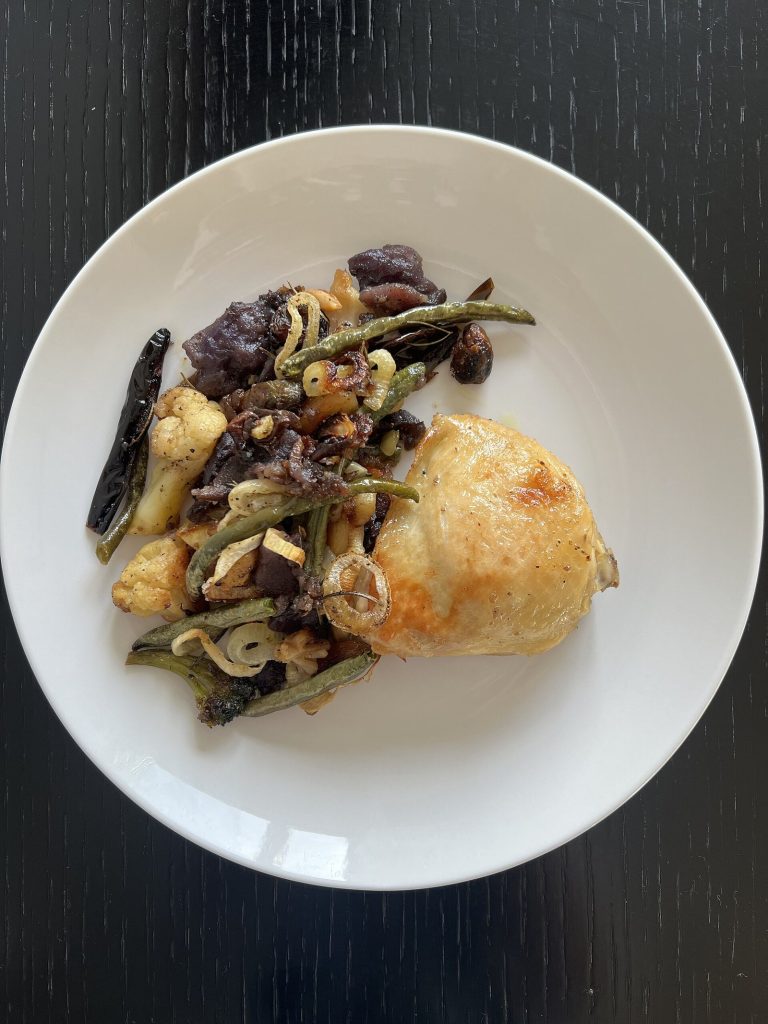
- – Quarter protein
- – Quarter starch
- – Fluid at each sitting
4. Sample day (illustrative)
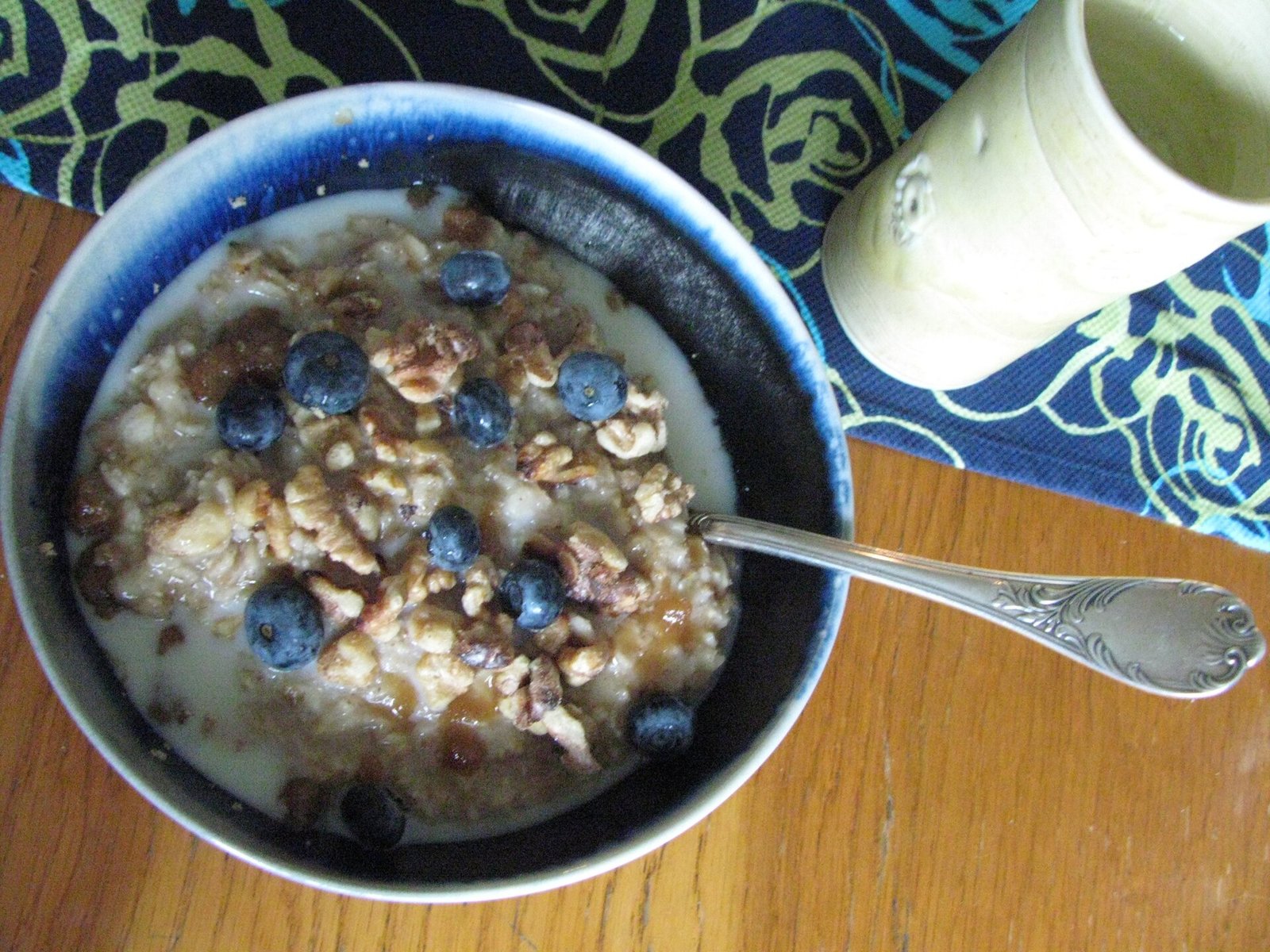
- – Breakfast: iron-fortified cereal or oatmeal with berries and milk; orange sections.
- – Lunch: lentil soup or turkey sandwich on whole grain; salad with peppers/tomatoes.
- – Snack: yogurt; handful of nuts if desired.
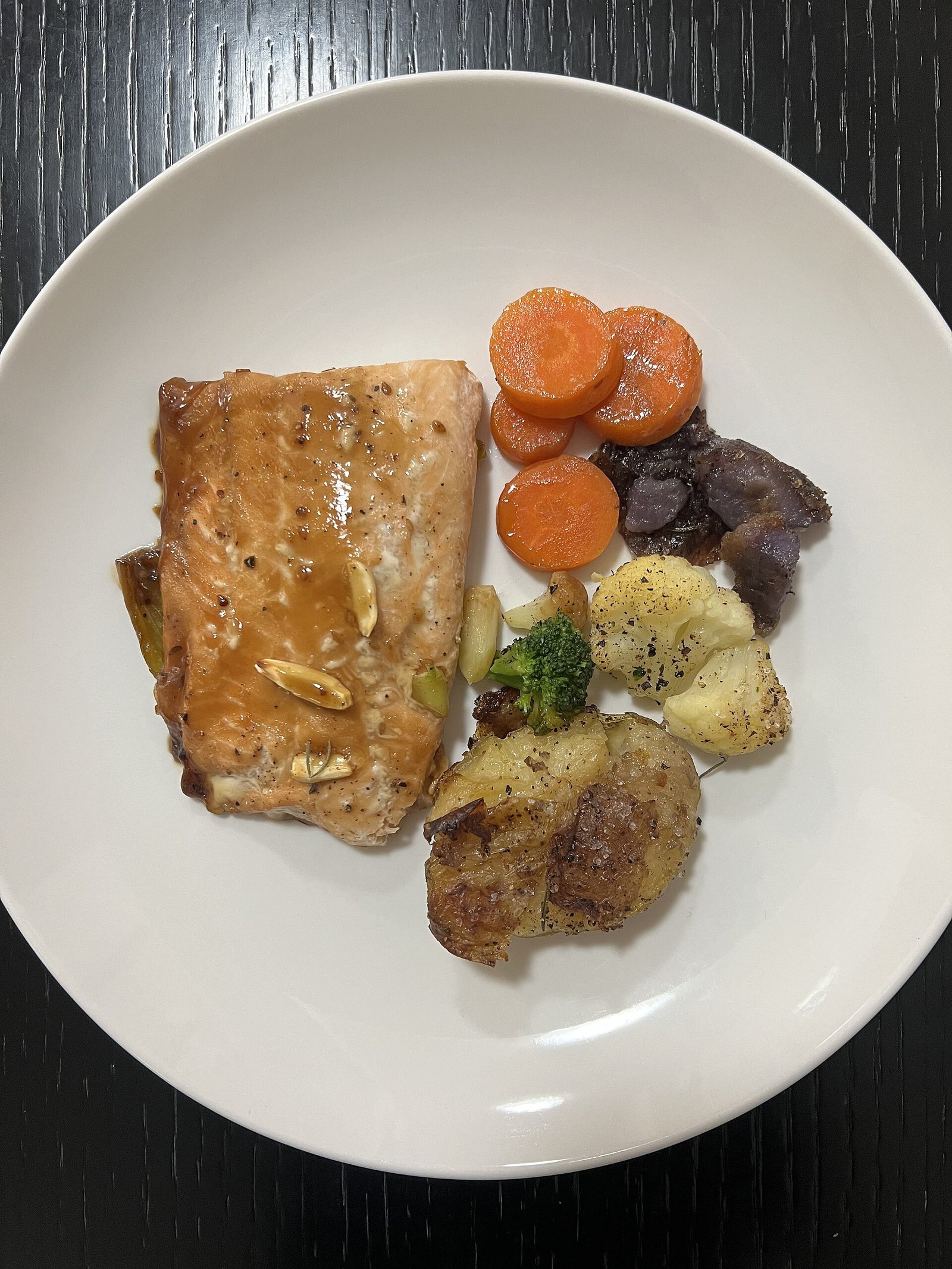
- – Dinner: fish or tofu, rice, cooked greens with lemon.
- – Night: water by the bedside; simple snack if nursing overnight hunger hits.
5. Shared household tips
Accept meal trains; pre-portion freezer soups; keep a water bottle in each room you use for feeds.
Safety, interactions, and who should ask a clinician first
- – Cesarean recovery may need softer early meals and careful fiber timing—ask your surgical team.
- – If exclusive breastfeeding, calorie and fluid needs are higher; do not treat postpartum eating as a contest with pre-pregnancy jeans.
- – Iron supplements can upset the stomach and interact with some medicines (ODS lists levothyroxine and others)—separate timing per pharmacist advice.
- – Postpartum mood crisis is a medical emergency pathway, not a nutrition failure.
FAQ
Will a postpartum diet shrink my uterus faster? No public MedlinePlus postpartum summary presents food as controlling involution timing. Rest, bleeding monitoring, and clinician follow-up come first.
Do I need iron pills automatically? Not automatically. ODS stresses food sources and clinical evaluation; many people need labs and a prescribed plan after blood loss.
Is constipation normal? MedlinePlus lists constipation among common postpartum changes. Address with fluids/fiber/activity when cleared and clinician-guided softeners—not harsh cleanses.
Can food fix baby blues or depression? Supportive meals help energy; they do not replace evaluation for postpartum depression when sadness is extreme or caregiving is impaired (MedlinePlus).
How is this different from menopause diet advice? Postpartum is acute recovery after birth; midlife hormonal patterns differ—see menopause diet guide only for separate life-stage context.
How this differs from related OTCFood topics
This page is a postpartum-bound diet guide emphasizing rest-compatible meals, iron-aware eating per ODS, bowel comfort, and obstetric red flags. It is not a breastfeeding-only alcohol/caffeine deep dive (though it notes CDC limits) and not a substitute for mental-health care.
Medical disclaimer
Medical disclaimer: This article is for general information only. It is not medical advice, diagnosis, or a treatment plan. Postpartum care depends on delivery type, blood loss, breastfeeding status, and other conditions. Talk with your obstetric clinician, pediatric clinician (for infant-related feeding questions), or registered dietitian before changing eating plans, supplements, or medicines. Seek urgent care for heavy bleeding, chest pain, severe headache, fever, calf swelling/pain, breathing difficulty, or thoughts of harming yourself or the baby.