Postpartum Thyroiditis Diet: Foods That May Help and Foods to Limit
Medical note: This article discusses foods and researched botanicals. It does not claim to prevent, treat, or cure disease. Supplements are not a substitute for food, and studied amounts are not personal prescriptions.
People searching “postpartum thyroiditis diet foods that help or worsen” usually want steady meals while thyroid hormone levels swing after birth—not a claim that food calms thyroid inflammation, replaces blood tests, or stands in for levothyroxine or a beta-blocker when those are prescribed. NIDDK describes postpartum thyroiditis as inflammation of the thyroid that affects about 1 in 20 women during the first year after giving birth and is more common in women with type 1 diabetes. Stored hormone may leak out, raising blood levels first (hyperthyroidism, up to about 3 months) and later lowering them (hypothyroidism, which may last up to a year). In some women, hypothyroidism does not go away. Kitchen changes may help you cover iodine needs without megadoses. They do not treat the autoimmune flare itself.
What this postpartum thyroiditis diet guide covers (and what it does not)
This guide is for adults with clinician-recognized postpartum thyroiditis, or new thyroid-type symptoms in the months after delivery who are being tested. Anchors: NIDDK — Thyroid Disease & Pregnancy, MedlinePlus — Silent thyroiditis (which lists postpartum thyroiditis as another name for this immune pattern; the assigned encyclopedia URL, article 000997, currently opens a different condition), and NIH ODS — Iodine. Nearby reading: hypothyroidism diet guide, Hyperthyroidism Diet: Foods That May Help and Foods to Limit, Hashimoto’s Thyroiditis Diet: Foods That May Help and Foods to Limit, Postpartum Diet: Foods That May Help and Foods to Limit, and Breastfeeding Diet: Foods That May Help and Foods to Limit.
NIDDK notes that not every woman goes through both phases. Hyperthyroid symptoms may be mild or absent; when present they can include irritability, heat intolerance, tiredness, trouble sleeping, and a fast heartbeat. Hypothyroid symptoms can be mistaken for the “baby blues” and may include cold intolerance, dry skin, trouble concentrating, and tingling in the hands, arms, feet, or legs. MedlinePlus similarly describes an early overactive phase that may last up to 3 months and recovery that can take many months; some people later need long-term thyroid hormone replacement.
Evidence snapshot: postpartum thyroiditis diet claims vs public sources
| Claim people hope for | What public sources actually say | Confidence |
|---|---|---|
| “A thyroid diet or extra iodine heals postpartum thyroiditis” | NIDDK: this is an autoimmune inflammation similar to Hashimoto’s disease. Treatment is based on symptoms and hormone medicine if needed—not a culinary protocol | Strong against food-as-cure |
| “Antithyroid pills are the kitchen-adjacent fix for the hyper phase” | NIDDK: antithyroid medicines are not useful in postpartum thyroiditis. A beta-blocker may be used for a fast heartbeat. Graves’ disease is different and may worsen after birth | Strong that PPT is not treated like Graves’ disease by default |
| “More seaweed or high-dose iodine is always safer after pregnancy” | NIDDK: too much iodine from supplements such as seaweed can cause thyroid problems. ODS: high intakes can cause goiter or thyroid inflammation; the adult upper limit is 1,100 mcg/day unless a clinician directs otherwise | Strong caution against megadoses |
| “You can stop thyroid hormone as soon as you feel better” | NIDDK: if hypothyroidism does not go away, you will need thyroid hormone medicine long term. Dose changes belong to your clinician | Strong against self-stopping medicine |
| “Iodine food sources do not matter while breastfeeding” | NIDDK: you need more iodine while breastfeeding because the baby gets iodine from breast milk. ODS: the recommended amount is 290 mcg/day while breastfeeding versus 150 mcg for most other adults | Strong that usual-food iodine still matters |
Foods and patterns that may help with postpartum thyroiditis
“May help” means covering ordinary iodine and recovery nutrition—not speeding the gland back to normal on a timetable.
Iodine from everyday foods, not megadose powders
NIDDK lists dairy foods, seafood, eggs, meat, poultry, and iodized salt as good iodine sources and cites about 250 micrograms a day in pregnancy, often with a prenatal vitamin providing 150 micrograms of iodine. ODS adds that processed foods and many specialty salts (sea salt, kosher salt, Himalayan salt) are not usually iodized. While breastfeeding, ODS’s recommended amount is 290 mcg a day versus 150 mcg for most other adults—an argument for regular iodine-containing foods or a clinician-approved vitamin, not unlimited kelp.
Practical “may help” plates during either phase
- – Eggs, yogurt, milk, or cheese if you tolerate dairy
- – Fish or other seafood a few times a week if that fits your culture and any contaminant advice you were given
- – Ordinary table salt that is labeled iodized, used in normal cooking amounts
- – Regular protein (poultry, meat, beans, eggs) so low energy and muscle tiredness are not made worse by skipped meals
- – Fiber-containing grains, fruit, and cooked vegetables if constipation appears in a hypothyroid phase (MedlinePlus lists constipation among later silent-thyroiditis symptoms)
- – Steady meals if a hyperthyroid phase brings extra hunger or weight loss, rather than chasing “metabolism teas”
If you have type 1 diabetes, NIDDK says postpartum thyroiditis is more common in that group. Keep the diabetes meal pattern you already use; see Type 1 Diabetes Diet: Foods That May Help and Foods to Limit.
Foods and habits that often worsen the picture
- – Kelp, seaweed tablets, or high-dose iodine drops taken without advice. NIDDK and ODS warn that excess iodine can cause thyroid problems. ODS also notes interactions with antithyroid medicines such as methimazole, and that potassium iodide plus ACE inhibitors or potassium-sparing diuretics can raise blood potassium.
- – Assuming every mood or energy change is “just motherhood.” NIDDK says hypothyroid symptoms can look like the baby blues or postpartum depression—ask for thyroid tests rather than self-treating with stimulants or unregulated supplements.
- – Stopping levothyroxine, a beta-blocker, or a prenatal vitamin because meals “cover it.” NIDDK says only a small amount of thyroid hormone medicine reaches the baby through breast milk and that it is considered safe while breastfeeding; dose changes still belong to your clinician.
- – A strict no-cruciferous-vegetable or no-soy rule for everyone. ODS says goitrogens in soy and vegetables such as cabbage, broccoli, cauliflower, and Brussels sprouts are not a concern for most people in the United States who get adequate iodine.
- – Borrowing Graves’ disease food rules. NIDDK: antithyroid medicines are not useful in postpartum thyroiditis, though Graves’ disease may worsen after birth and is handled differently (see Graves’ Disease Diet: Foods That May Help and Foods to Limit).
“Limit” means avoiding iodine megadoses and delayed testing—not fearing yogurt, eggs, or broccoli.
Practical kitchen protocol: a postpartum-thyroiditis week
1. Let blood tests set the medical plan
If you have symptoms in the first months after birth, NIDDK says your doctor will order thyroid hormone blood tests. The hyperthyroid stage rarely needs treatment; a beta-blocker may be used for a fast heartbeat. The hypothyroid stage is more likely to bring symptoms that need thyroid hormone medicine. MedlinePlus notes that silent thyroiditis often goes away within a year, but some people develop lasting hypothyroidism and need regular follow-up.
2. Shopping list that covers iodine without a supplement pile
Eggs, yogurt or milk, cheese, canned tuna or other fish, chicken, iodized salt, fruit, oats or rice, and ordinary vegetables. If you do not use iodized salt or you eat little dairy, seafood, or eggs, tell your clinician—ODS lists those groups as more likely to come up short.
3. Default plate template
- – A protein food (egg, yogurt, fish, poultry, beans)
- – A grain or starch you have energy to cook
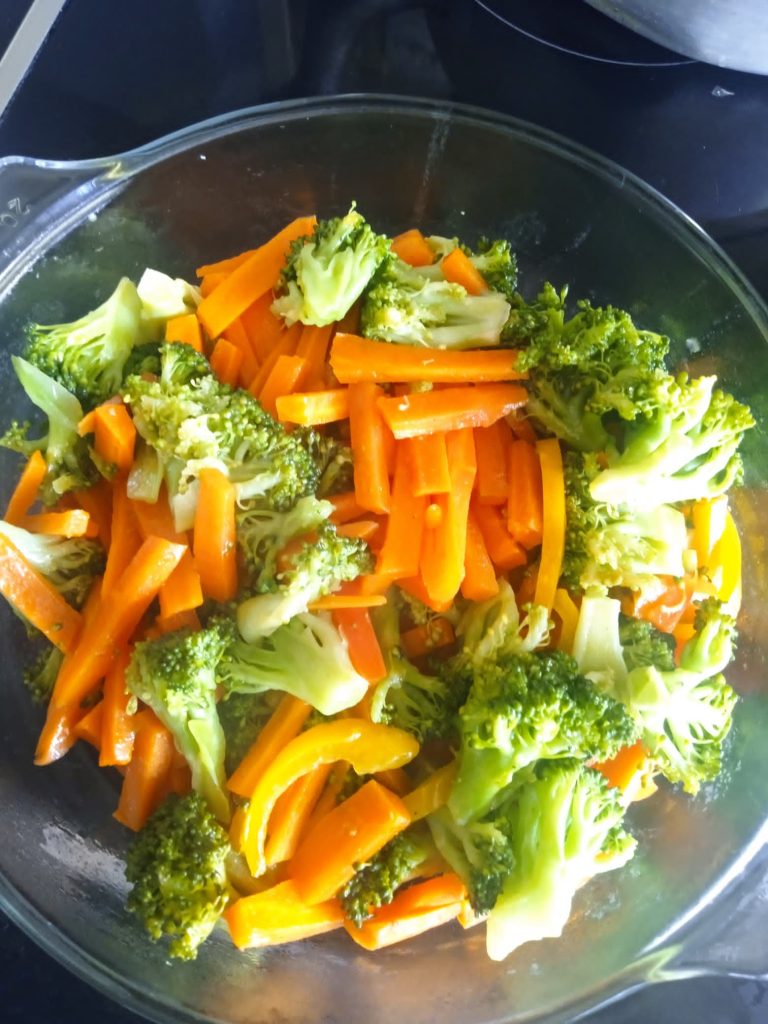
- – Fruit or vegetables
- – Iodized salt used as you normally would in home cooking, unless you were told otherwise
- – Fluids through the day, especially if you are nursing
4. Sample day (illustrative)
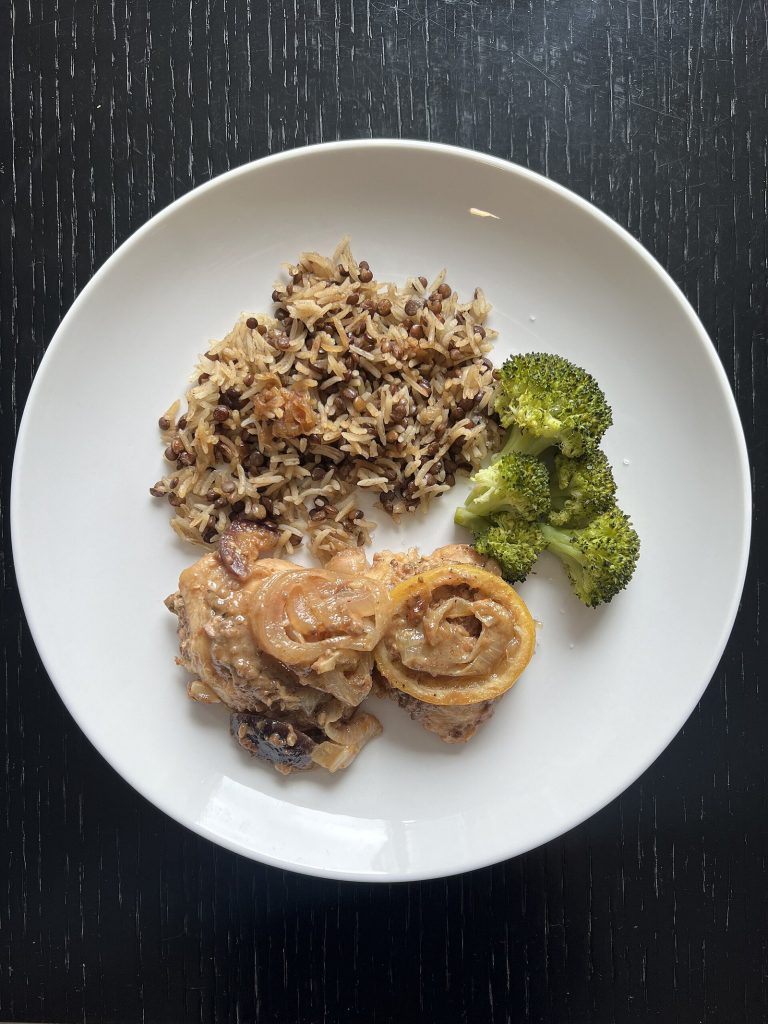
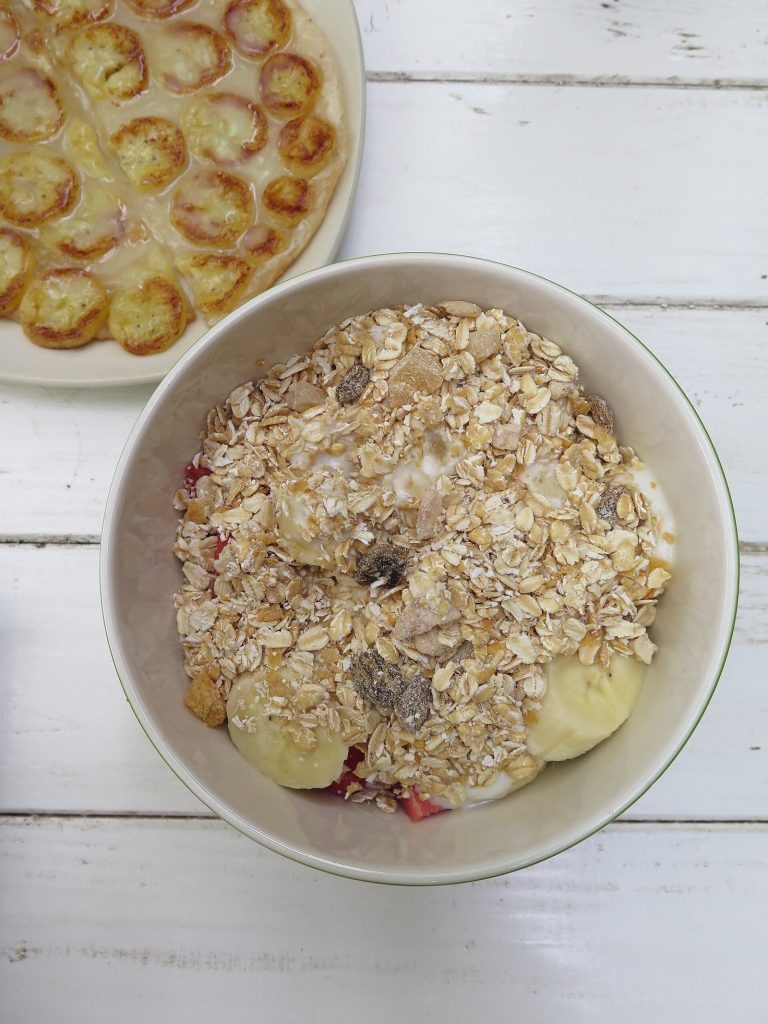
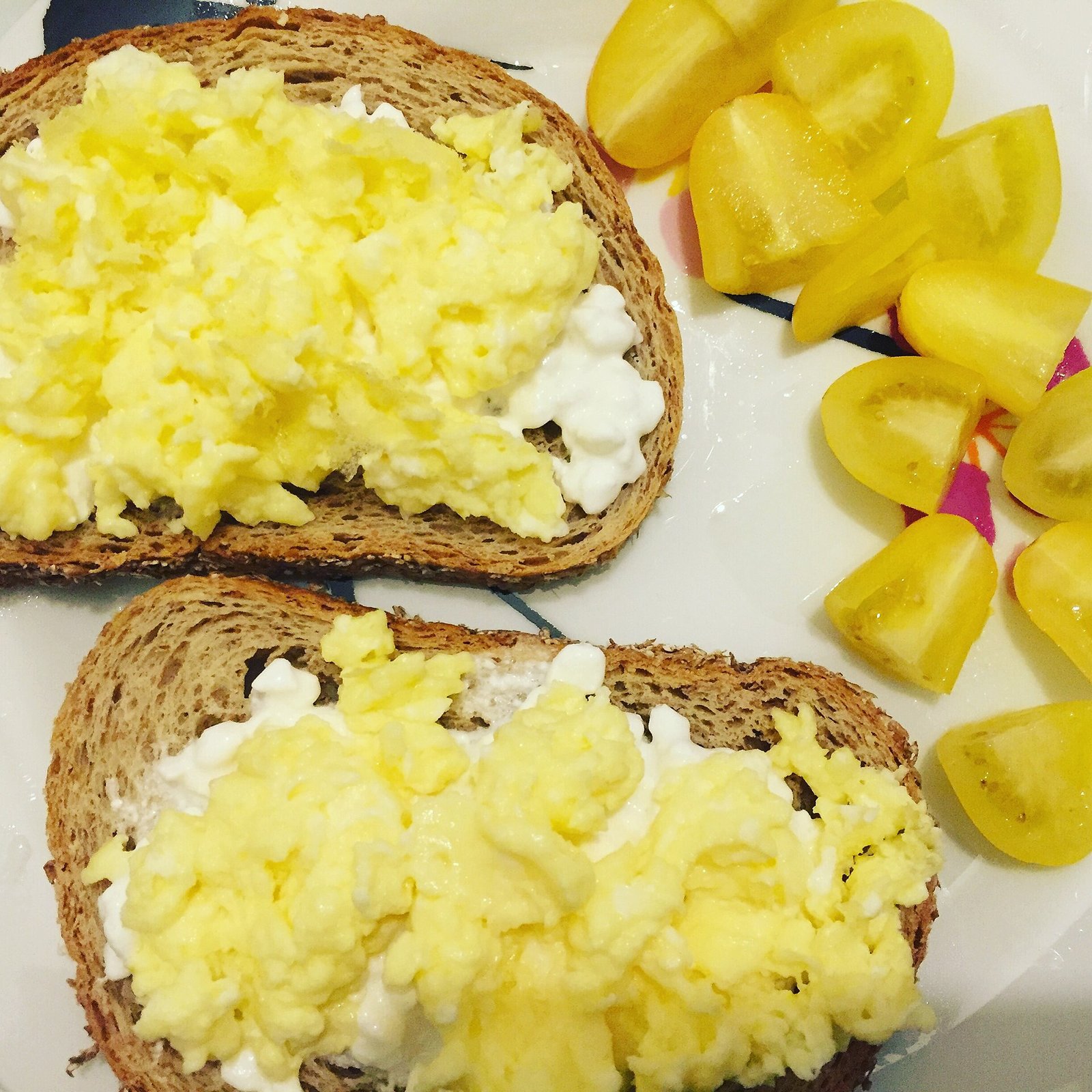
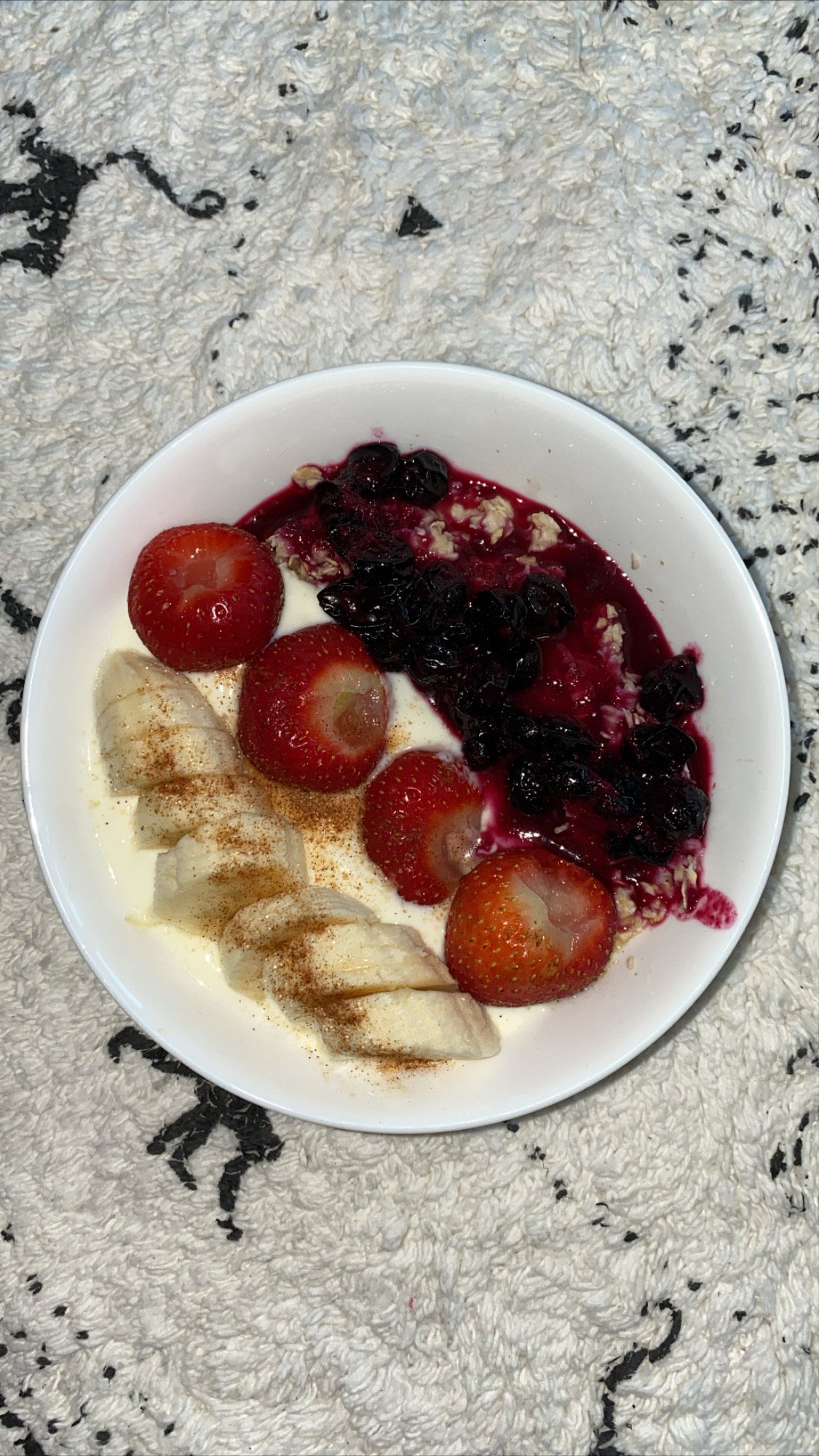
- – Breakfast: scrambled eggs and whole-grain toast; fruit; yogurt.
- – Lunch: chicken, rice, and a mixed salad.
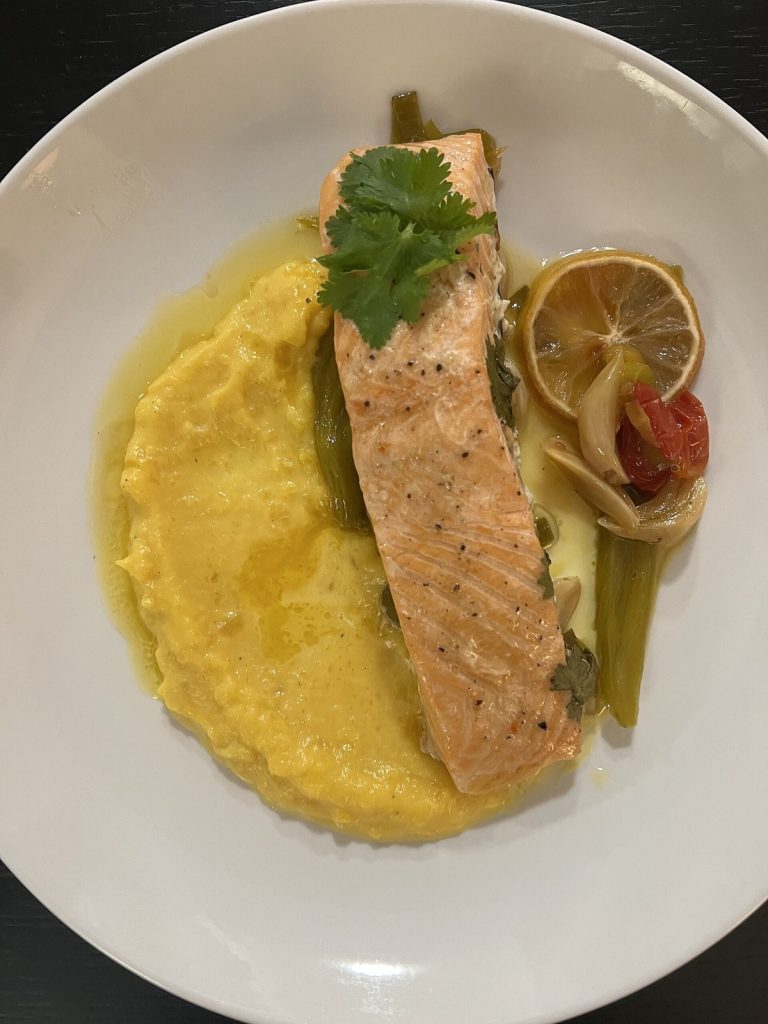
- – Dinner: baked fish or a bean-and-vegetable stew seasoned with iodized salt.
- – Snacks: cheese and an apple, or leftover fish. If your heart is racing, do not add caffeine “to push through”—NIDDK lists a fast heartbeat among hyperthyroid-phase clues.
5. Breastfeeding and medicines
NIDDK says certain beta-blockers appear in breast milk only in small amounts and that the lowest useful dose is best; thyroid hormone medicine is considered compatible with breastfeeding. If you later need an antithyroid drug for Graves’ disease, NIDDK cites usual breastfeeding dose limits of no more than 20 mg of methimazole or, less commonly, 400 mg of PTU—those are clinician-directed medicine limits, not kitchen dosing.
Safety, interactions, and who should ask a clinician first
- – Fast or irregular heartbeat, marked weakness, or symptoms you cannot tell from postpartum depression: contact a clinician promptly (NIDDK).
- – Type 1 diabetes, prior Graves’ or Hashimoto’s disease, or past thyroid surgery or radioactive iodine: say so, because follow-up may differ.
- – If you take ACE inhibitors, potassium-sparing diuretics, or antithyroid medicine: review any iodine supplement with a clinician or pharmacist (ODS).
- – Do not start a very high-iodine or very low-iodine diet unless a specialist ordered one (ODS describes clinician-directed low-iodine diets before radioactive iodine treatment, a different situation).
FAQ
Can food restart my thyroid after postpartum thyroiditis? No. NIDDK describes an autoimmune leak of stored hormone, then a possible underactive phase. Meals can cover iodine needs; they do not replace testing or prescribed hormone.
Should I take extra iodine “just in case”? Not without advice. NIDDK often points to food plus a vitamin with 150 mcg of iodine in pregnancy and breastfeeding, and warns that too much from seaweed-type supplements can cause thyroid problems. ODS sets an adult upper limit of 1,100 mcg a day from all sources unless a doctor directs more.
Is it safe to breastfeed on thyroid medicine or a beta-blocker? NIDDK says thyroid hormone medicine is considered safe while breastfeeding and that certain beta-blockers may be used at the lowest helpful dose. Confirm your exact medicine with your clinician.
Why was I told antithyroid pills would not help? NIDDK states they are not useful in postpartum thyroiditis, where extra hormone is leaking from an inflamed gland rather than being overproduced as in typical Graves’ disease.
Do I have to give up broccoli and soy? Usually no. ODS says goitrogens in those foods are not a concern for most people in the United States who get adequate iodine.
Will this become permanent? MedlinePlus says silent thyroiditis often settles within a year, but some people develop lasting hypothyroidism and need replacement hormone.
How this differs from related OTCFood topics
This page is a postpartum-thyroiditis-bound diet guide focused on the after-birth hyper-then-hypo pattern, iodine without megadoses, and breastfeeding medicine cautions from NIDDK and ODS. It is not a Graves’ disease protocol, not a Hashimoto’s elimination-diet page, and not a substitute for thyroid function tests.
Medical disclaimer
Medical disclaimer: This article is for general information only. It is not medical advice, diagnosis, or a treatment plan. Postpartum thyroiditis care depends on your hormone levels, symptoms, other autoimmune or diabetes history, medicines, and whether you are breastfeeding. Talk with a clinician or registered dietitian before starting, stopping, or changing any eating plan, supplement, or medicine. Seek prompt care for a racing heartbeat, severe weakness, marked mood or thinking changes, or any symptom your care team asked you not to ignore.