Laryngitis Diet: Foods That May Help and Foods to Limit
Medical note: This article discusses foods and researched botanicals. It does not claim to prevent, treat, or cure disease. Supplements are not a substitute for food, and studied amounts are not personal prescriptions.
People searching “laryngitis diet foods that help or worsen” usually want kitchen and drink habits that are gentler on an inflamed voice box—not a claim that food reverses vocal-fold swelling the way voice rest and clinician care can. MedlinePlus describes laryngitis as swelling and irritation of the voice box (larynx), often with a hoarse or lost voice. Causes include overuse of the voice, irritation, or infection (viral or bacterial). NIDCD’s “Taking Care of Your Voice” page emphasizes healthy voice habits: stay hydrated, avoid smoking, limit alcohol and caffeine that can dry tissues, and rest the voice when it is strained—kitchen choices sit beside those habits, not above them.
What this laryngitis diet guide covers (and what it does not)
This guide is for adults with short-term hoarseness who want practical eating and drinking patterns while they follow primary-care or ENT advice. Anchors: MedlinePlus Encyclopedia — Laryngitis and NIDCD — Taking Care of Your Voice.
MedlinePlus notes that laryngitis often improves with resting the voice, avoiding irritants, and treating underlying causes; humidified air and fluids may help comfort. Persistent hoarseness (especially beyond about two weeks in adults, or sooner with red flags) needs clinical evaluation. This page is not a substitute for voice therapy, not a GERD treatment plan (GERD diet guide may overlap when reflux irritates the larynx), and not permission to whisper-shout through a work week.
Evidence snapshot: laryngitis diet claims vs public sources
| Claim people hope for | What public sources actually say | Confidence |
|---|---|---|
| “A special diet cures laryngitis” | MedlinePlus/NIDCD focus on voice rest, irritant avoidance, hydration, and treating causes—not culinary cures | Strong: food is supportive only |
| “Honey tea replaces voice rest” | Warm fluids and honey may soothe for some adults; NIDCD stresses hydration and healthy voice habits overall | Moderate for comfort; not disease-modifying alone |
| “Alcohol and caffeine can dry the voice” | NIDCD lists limiting alcohol and caffeine among voice-care habits that reduce drying | Moderate–strong for dryness habits |
| “Spicy food always causes laryngitis” | Triggers vary; reflux-related laryngeal irritation is a separate clinical pattern | Low for universal bans |
| “If hoarse for weeks, diet failed” | Persistent hoarseness needs evaluation for other causes | Strong: duration → clinician, not more tea |
Foods and patterns that may help with laryngitis day-to-day comfort
“May help” means supporting hydration and easier swallowing when the throat feels raw—not a promise to restore pitch on demand.
Hydration first (NIDCD / MedlinePlus alignment)
- – Drink water regularly through the day; NIDCD highlights hydration as a core voice-care habit.
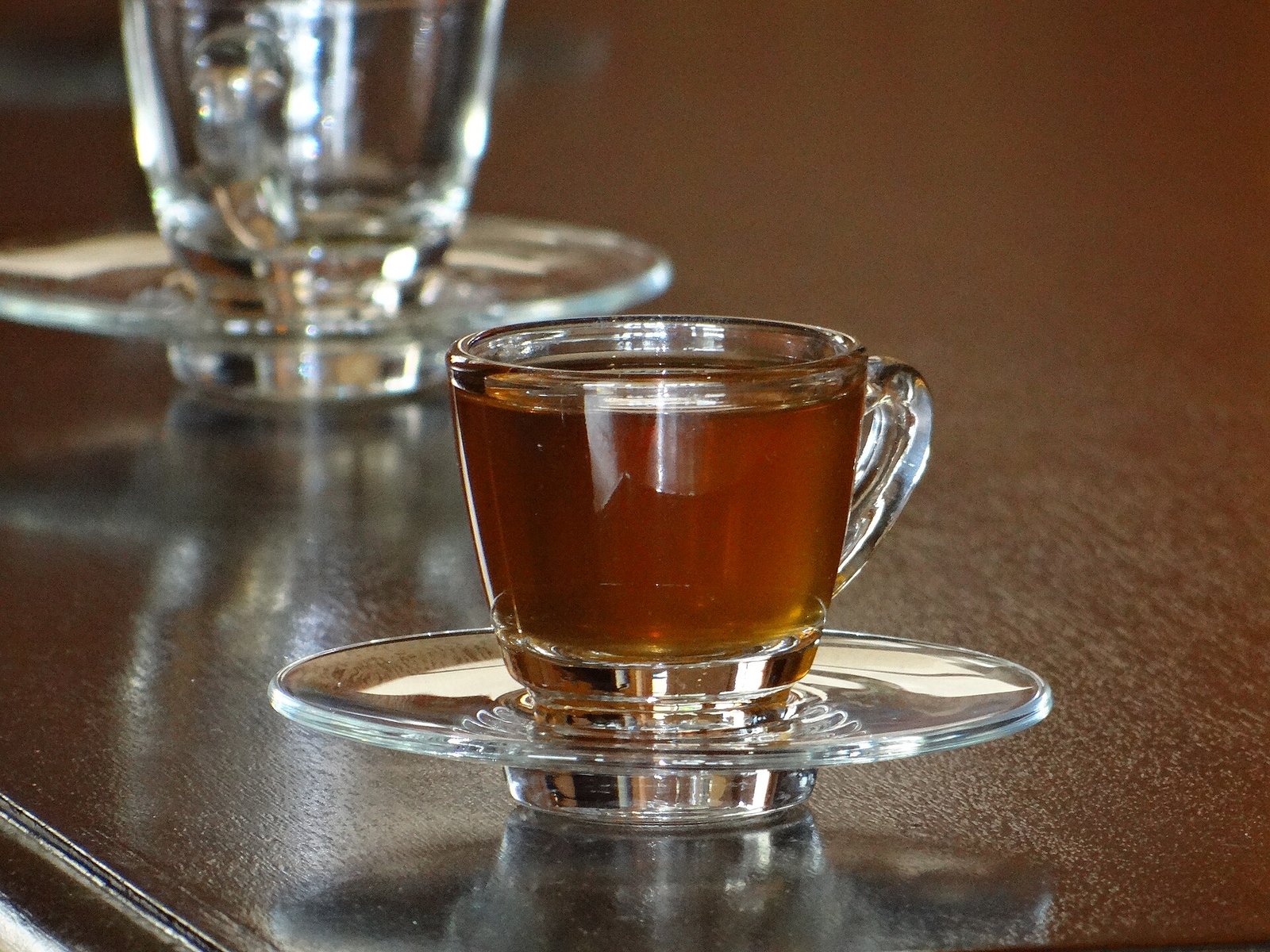
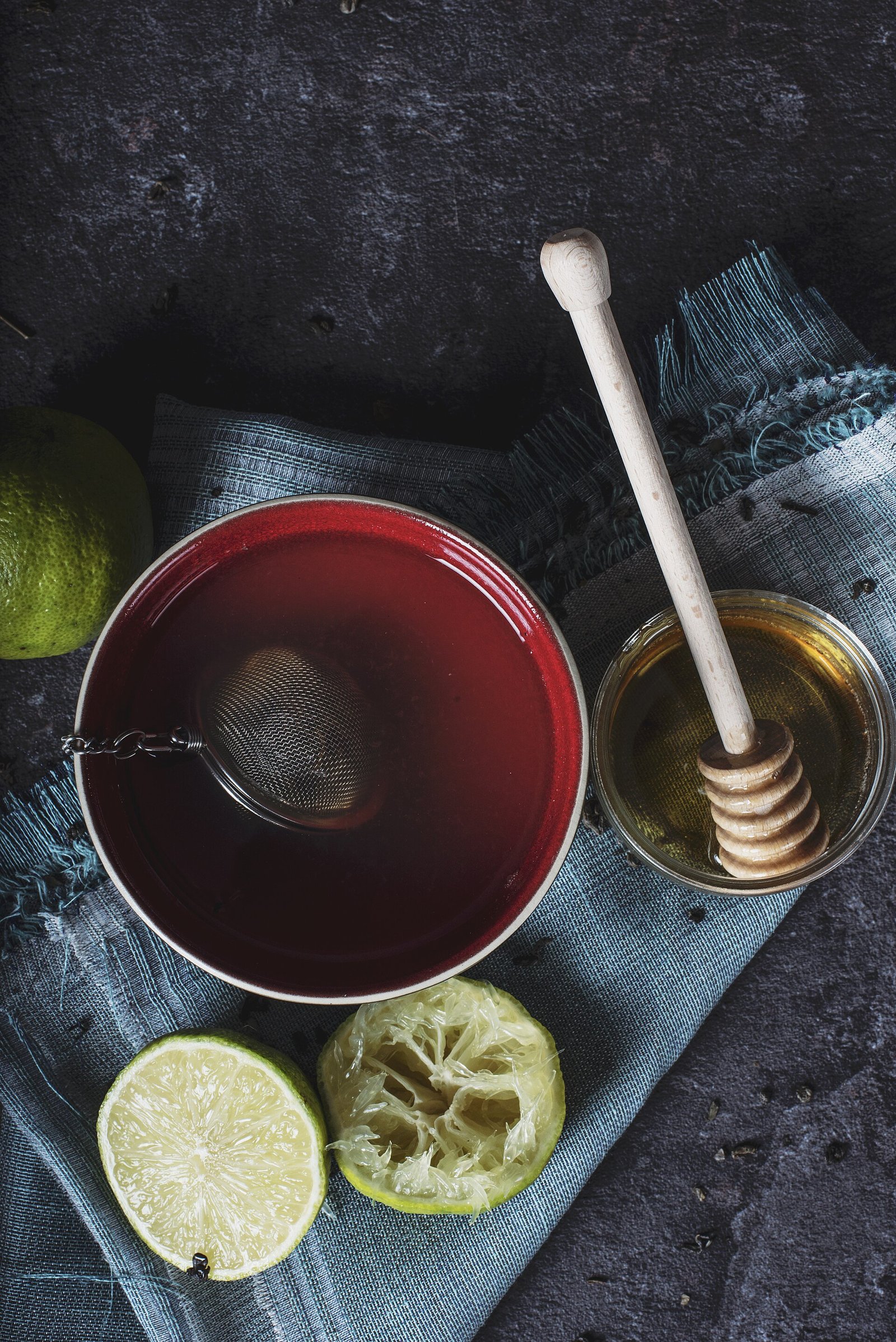
- – Warm non-alcoholic fluids (herbal tea, warm water with honey for adults) are comfort options for some people—honey is not for infants under 1 year.
- – Humidified air, as MedlinePlus suggests among supportive ideas, pairs with kitchen fluids; it does not replace ENT care when breathing or swallowing is unsafe.
Soft, non-irritating meals while hoarse
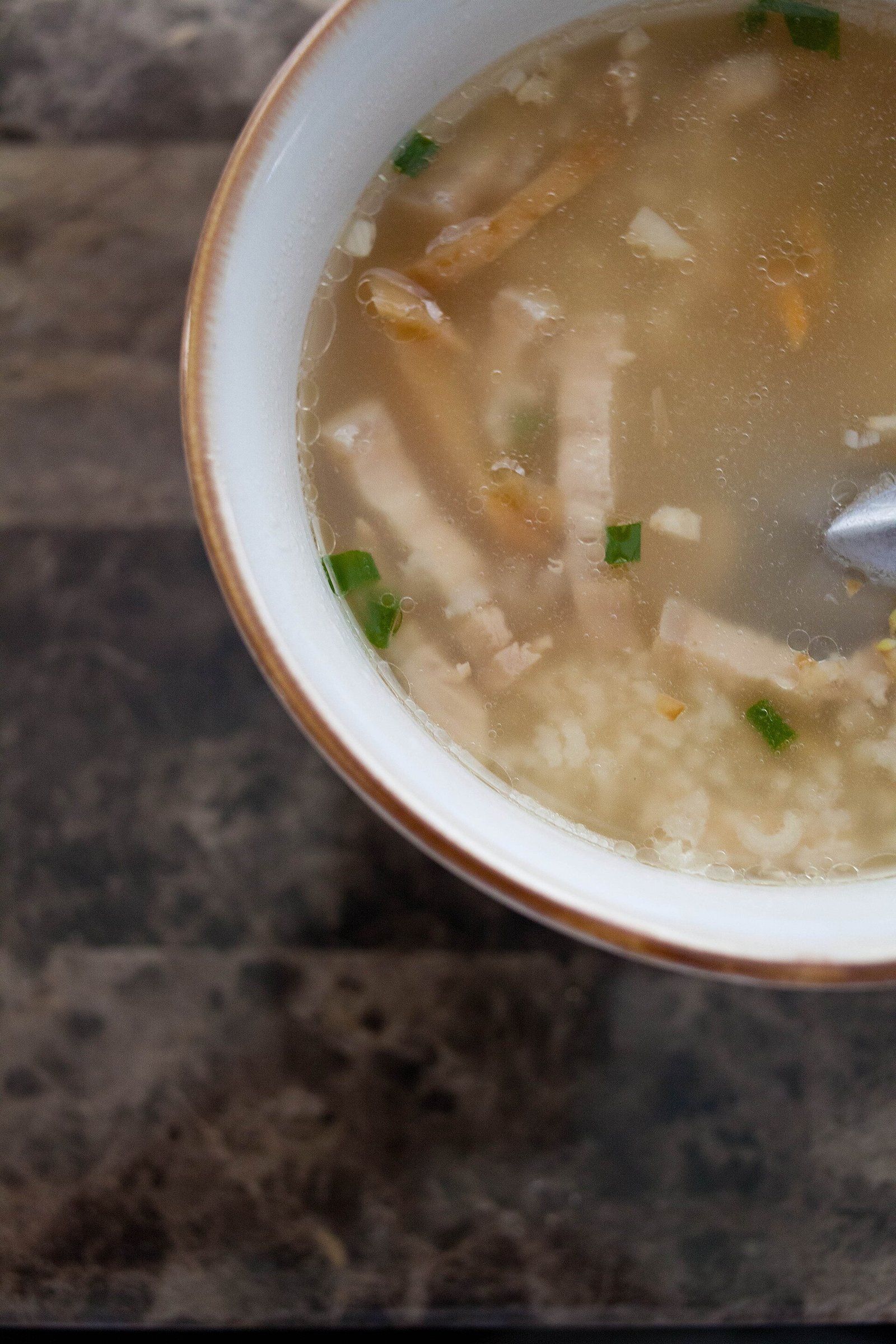
- – Soft oatmeal, rice porridge, yogurt, scrambled eggs, ripe bananas, and lukewarm soups are often easier than dry crackers, sharp chips, or very hot/very cold extremes if the throat is tender.
- – Small frequent meals may be easier if swallowing hurts or appetite dips with viral illness.
Reflux-aware timing when heartburn coexists
- – If hoarseness is worse in the morning or after late heavy meals, ask whether reflux is part of the picture—kitchen timing tips in GERD diet guide may help comfort for some people without proving GERD is the only cause.
- – Limit lying down right after large meals; elevate the head of the bed only as your clinician advises.
When infection or allergy overlaps
- – Viral chest or sinus symptoms may travel with laryngitis; soft recovery meals similar to acute bronchitis diet guide or chronic sinusitis diet guide context can support overall comfort without treating those pages as laryngitis protocols.
- – Allergy flare seasons: separate allergy plans (allergic rhinitis diet guide) from acute voice rest.
Throat comfort without “miracle” lozenge stacks
- – If lozenges or sprays are recommended, use them as labeled—do not combine multiple menthol products just because the voice is still rough.
- – Lukewarm temperature beats scalding sips that further irritate mucosa for some people.
- – Pair kitchen hydration with NIDCD-style habit changes: shorter speaking turns, amplification when teaching, and scheduled quiet breaks.
Shared household routines
- – Avoid smoky cooking without ventilation; open windows or use exhaust fans when frying.
- – Keep a labeled water bottle at the desk and bedside so “I’ll drink later” does not become all-day dryness.
- – If children in the home have concurrent colds, maintain hand hygiene; adult laryngitis kitchen plans do not replace pediatric advice.
Foods and habits that often worsen laryngitis kitchen and voice patterns
- – Talking, whispering, or shouting through hoarseness—voice rest matters more than any “throat food.”
- – Smoking and secondhand smoke, plus heavy alcohol—NIDCD flags smoke and drying alcohol habits as voice risks.
- – Large late meals and reflux triggers if your clinician links symptoms to GERD.
- – Very dehydrating patterns—relying only on coffee or energy drinks instead of water.
- – Ignoring red flags—breathing difficulty, stridor, inability to swallow saliva, high fever, coughing blood, or hoarseness lasting weeks needs medical care.
Practical kitchen protocol: a laryngitis week
1. Medical and voice spine first
Rest the voice as advised; write instead of talk when possible. Confirm whether your clinician expects watchful waiting, reflux evaluation, or infection care.
2. Shopping list for hoarse weeks
Water as default; mild herbal tea; honey (adults); soft oatmeal or rice porridge; yogurt; eggs; soft fruit; lukewarm soups; throat lozenges only if your clinician/pharmacist agrees.
3. Default plate template
- – Soft produce and cooked vegetables
- – Easy starches (oatmeal, rice, potato)
- – Soft protein
- – Mild seasoning; skip “prove you can handle spice” challenges while inflamed
4. Sample day (illustrative)
- – Breakfast: oatmeal or rice porridge; warm tea with honey (adults).
- – Lunch: lukewarm vegetable or chicken soup; soft bread if tolerated.
- – Snack: yogurt; water.
- – Dinner: scrambled eggs or soft fish, mashed potato, cooked carrots.
- – Night: water at bedside; avoid late alcohol; humidify if helpful.
5. Work and performance tips
Teachers, call-center staff, and singers need earlier voice-care plans—diet is secondary to workload changes and clinician/voice-therapy advice. Do not use alcohol as a pre-performance “relaxant” for the throat.
6. Hydration math without obsession
Aim for regular sips rather than chugging huge volumes at once. If you have heart failure or fluid limits, follow those medical caps—not generic “drink a gallon” slogans.
Safety, interactions, and who should ask a clinician first
- – Infants, people who smoke heavily, and anyone with neurological swallowing problems need individualized plans.
- – Honey is unsafe for infants under 1 year.
- – Persistent hoarseness, unexplained weight loss, neck mass, or coughing blood needs prompt evaluation.
- – Steroid or other prescribed treatments for severe laryngitis are clinician decisions—food does not replace them.
FAQ
Can a laryngitis diet bring my singing voice back tomorrow? No. MedlinePlus emphasizes rest and treating causes; NIDCD stresses healthy voice habits. Fluids support comfort; they do not guarantee next-day performance.
Is whispering better than talking? Many voice clinicians discourage forceful whispering; ask your clinician or speech-language pathologist. Kitchen habits cannot fix voice misuse.
Do I need to cut coffee completely? NIDCD notes caffeine can contribute to dryness for some people. Moderating toward water is reasonable; total bans are not universal NIH mandates.
Will spicy food ruin my larynx forever? Not as a universal rule. If spice or reflux clearly worsens your symptoms, limit triggers—see also GERD diet guide.
When is hoarseness an emergency? Difficulty breathing, noisy breathing, inability to swallow, or sudden severe symptoms need urgent care—not tea experiments.
How this differs from related OTCFood topics
This page is a laryngitis-bound diet and hydration guide focused on fluids, soft meals, irritant limits, and voice rest. It is not a chronic sinusitis protocol, not a full GERD program, and not voice therapy.
Medical disclaimer
Medical disclaimer: This article is for general information only. It is not medical advice, diagnosis, or a treatment plan. Laryngitis care depends on cause, voice demands, and other airway or reflux conditions. Talk with a clinician, ENT specialist, or registered dietitian before starting, stopping, or changing any eating plan, supplement, or medicine. Seek urgent care for breathing difficulty, inability to swallow, high fever, or coughing blood.